Visa
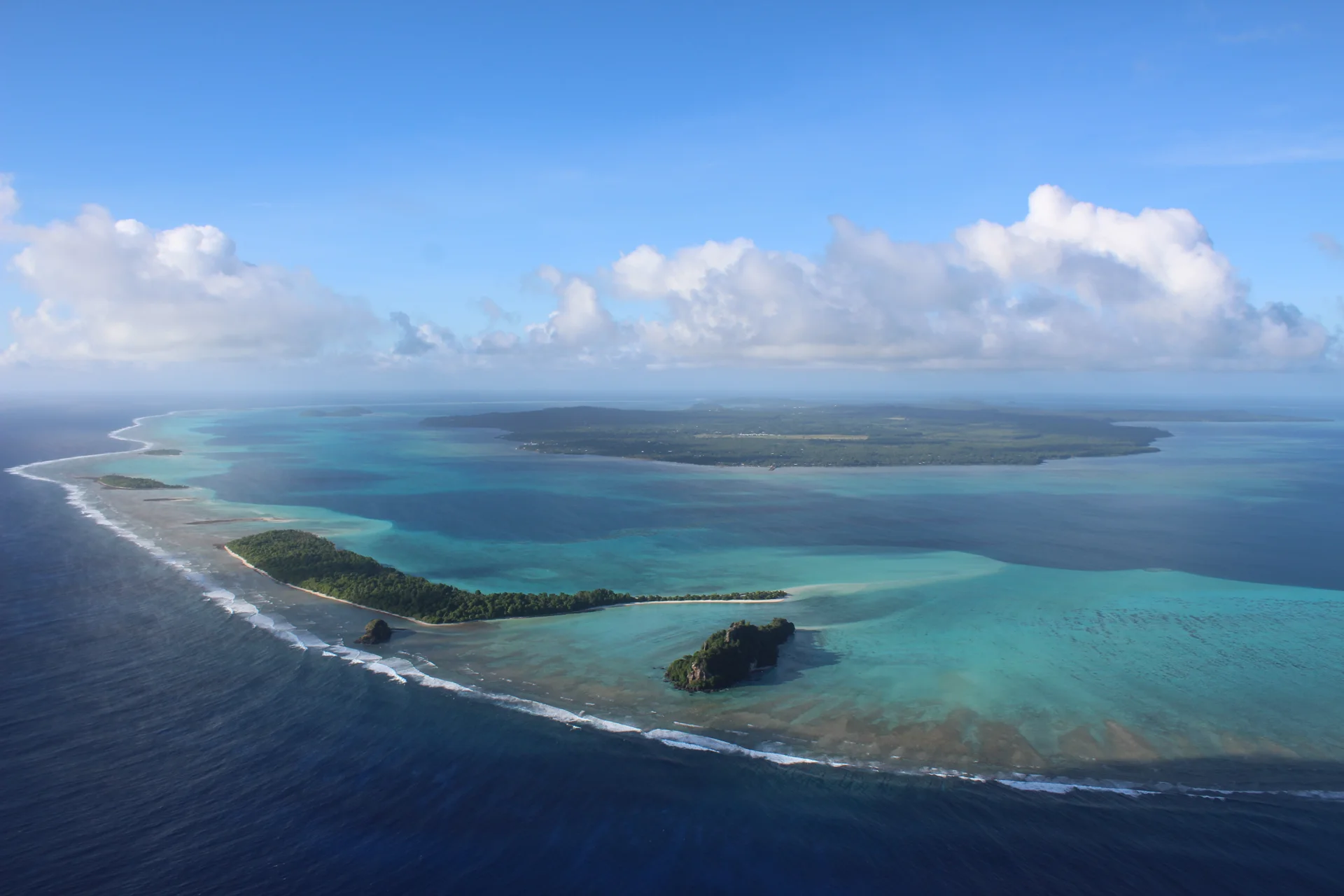
Moving & Living - Wallis and Futuna - Complete Guide
Plan a move to Wallis and Futuna: territorial visas and work permission, schools, customary land and rental agreements, CFP budgets, island transport and local healthcare.
Photo credit
A home near Mata’Utu on Wallis and one on Futuna can mean very different working days: different roads, service appointments and flight connections. Choose the island around the people and places you need, then build the move around that daily journey.
These fourteen steps explain the territorial entry and work decisions, school placement, moving documents and household budget, followed by the practical work of arranging a home, bank account, medical care, communication and transport. Optional education, business and retirement tasks identify the decisions relevant to your household.
Wallis and Futuna at a glance
- Status
- French overseas collectivity · distinct territorial entry rules
- Languages
- French · Wallisian · Futunian
- Currency
- CFP franc · XPF / F CFP
- Main bases
- Mata’Utu, Wallis · Leava and Alo, Futuna
- Time zone
- UTC+12
- Healthcare
- ADSWF · Sia and Kaleveleve hospitals
- Emergency
- 15 medical advice · 18 firefighters · 17 gendarmerie
- Reviewed
- 16 October 2026
Follow your moving journey
Start at step 1, or jump to the task you are working on.
01Choose the island and village around your daily needs
Wallis and Futuna are separate island groups, not neighbouring suburbs. A job on Futuna needs a Futuna housing and service plan; an address near Mata’Utu on Wallis does not provide a normal daily commute. Establish where you must be physically present before discussing a house, a vehicle or a school place.
| Starting area | What to investigate |
|---|---|
| Mata’Utu and the Hahake district, Wallis | The journey to administration, shopping, banking, the hospital and the actual workplace. |
| Hihifo district, northern Wallis | Access to Hihifo airport, the relevant school or workplace and trips to the central services you will use. |
| Mua district, southern Wallis | The exact village, approach road and distance to appointments, shopping and school. |
| Leava and the Sigave side of Futuna | Local work, the SPT office and banking arrangements, road access and deliveries. |
| Taoa / Alo and the southern Futuna coast | The workplace, health-facility access, school and the journey to the airport or Leava when required. |
Ask the employer or receiving institution for a map pin and a contact who knows the surrounding villages. Discuss access after rain, water arrangements, indoor mobile reception and the last part of the journey after dark. A distance measured on a map is less useful than trying the actual route.
- Write down the fixed locations for every member of the household.
- Arrange initial lodging and a vehicle or named pickup before arrival.
- Use the territory’s transport directory to contact an actual provider; some accommodation-linked vehicles are reserved for their own guests.
- Visit the shortlisted villages and ask about the household’s expected relationship with the owner, neighbours and village community.
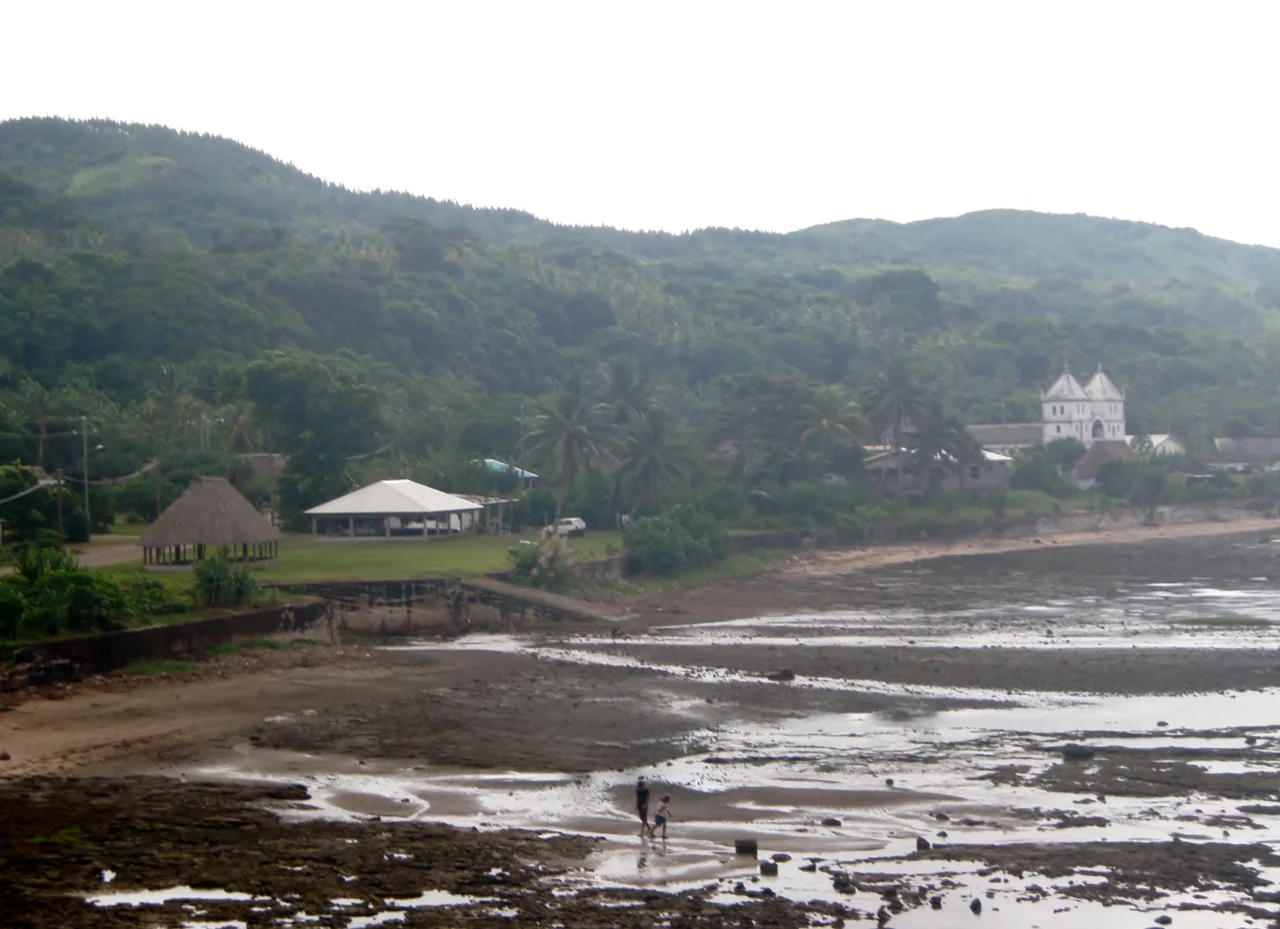
02Apply for permission specifically covering Wallis and Futuna
Choose Wallis and Futuna as the destination when researching entry permission. A mainland-France checklist does not establish the requirements for this territory. French citizenship, an EU nationality, another European passport and a Schengen visa are different starting positions.
- Open the official France-Visas assistant with your nationality, passport type, country of residence, destination, duration and purpose.
- Keep the result and the checklist for that exact application. If the route is not clear in the assistant, send those details to the responsible French consulate and the territorial immigration service.
- For a move for employment, coordinate the local work decision in step 3; ask how it is attached to the entry application.
- Prepare the passport, civil-status and accommodation evidence, financial support records and any category-specific criminal-record or medical evidence requested.
- Follow the receiving post’s application, payment, appointment and original-document instructions. The online questionnaire alone is not a completed application.
France-Visas’ current long-stay guidance lists EU citizens, Monaco and Andorra among the overseas long-stay visa exceptions. It specifically excludes Wallis and Futuna from the general exception for the other EEA countries and Switzerland. Visa exemption also does not settle the separate local permission to take employment.
For a stay beyond the visa’s initial period, obtain the post-arrival residence procedure with the approval. Do not automatically apply mainland VLS-TS / ANEF validation instructions: the exact territorial process and the wording of the issued document matter. The local entry-and-stay service provides a contact point, but parts of its published nationality list and legal references are old; use the current consular assessment rather than reproducing that list.
03Secure the job and resolve local work authorisation
The local employment contact is the Service de l’Inspection du Travail et des Affaires Sociales, or SITAS. Its current recruitment platform offers vacancies and CV services. Use it as a practical starting point, while establishing the employer’s ability to recruit you and the authorisation needed for your nationality.
- Obtain an offer specifying profession, pay, weekly hours, actual island and work location, employer details and proposed start date.
- Have the employer contact SITAS about the foreign-worker process, supporting records and whether a Prefect’s authorisation is needed. An EU passport can remove a visa requirement without removing the local employment assessment.
- Agree who prepares and pays for each application and which approval must precede travel or the first working day.
- Put employer-provided housing, utilities, vehicle access, family transport, shipping and return-travel conditions into the contract or relocation letter.
- Ask payroll to explain the local employee contributions and the expected net payment before comparing the offer with current expenses.
For a business, approach the CCIMA’s Centre de Formalités des Entreprises with the activity, proposed legal form, premises and staffing plan. Its forms distinguish company registration, the patente and the declaration to the Service des Contributions Diverses. Do not force every individual activity through a company-incorporation checklist: the CCIMA notes that individual enterprises have different registration requirements.
No dedicated digital-nomad application was verified. An overseas job still needs an immigration and work assessment covering what you will actually do from the islands. Before relying on remote income, test the proposed home’s connection and agree with the employer how power interruptions, time differences and confidentiality will be managed.
04Price the move in CFP francs and separate the tax questions
The currency is the CFP franc, shown as F CFP, XPF or sometimes simply F on local bills. IEOM’s currency information gives the fixed parity of XPF1,000 to €8.38. Bank charges and exchange margins are separate from that parity, so ask what the receiving account will actually receive.
| Budget line | Evidence and date | How to use it |
|---|---|---|
| Home internet | SPT’s published homepage, viewed 16 October 2026, displays an ADSL 512 Kb offer at XPF7,900 monthly and XPF5,000 setup. | The table is undated. It is a displayed reference, not a verified new 2026 tariff or a promise of installation. Obtain the current offer and usable speed for the address. |
| Vehicle fuel | The government’s September 2026 schedule lists petrol at XPF240 per litre from 2 September. | The October row was blank at review. Thirty litres at that September price would be XPF7,200; confirm the current pump price before finalising the budget. |
| Housing | Use the actual owner’s written rent, deposit, included services and payment schedule. | No current representative island-wide rent figure was verified. Compare the total cash due, not a listing’s headline price. |
| Travel and freight | Request route-specific airline, onward-flight and mover quotations. | Include separate baggage allowances, destination handling, storage and delivery to the home. |
For a clearly hypothetical lease at XPF100,000 monthly, with one month’s deposit and first month due in advance, signing cash is XPF200,000, approximately €1,676 at the fixed parity before fees. These are example contract terms, not a market average or a statutory deposit rule.
IEOM’s 2025 report, published in July 2026, describes a local system without personal income tax, relying heavily on indirect taxation. That does not decide obligations in another country or the treatment of income retained there. Ask the relevant tax authorities about the moving date, continuing property or pension income and business activity. Obtain the employer’s current contribution calculation; an older online contribution table is not sufficient evidence of the 2026 payslip.
05Arrange school placement through the current education authority
Contact the Vice-Rectorat with each child’s age, current year, language and learning-support needs, intended arrival date and village. Its establishment directory records that primary education has been managed exclusively by the State since 1 October 2025. Older relocation booklets describing a different primary-school administration should not determine the application.
- Use the current directory to identify the receiving school, collège or Lycée d’État on the correct island.
- Request the current transfer / placement procedure and the local school-calendar dates for the proposed arrival.
- Prepare previous reports, the latest placement decision, identity / family records, vaccination history and relevant support assessments for the authority to review.
- Send copies as instructed, retain originals for presentation and ask who confirms the final placement.
- Resolve the daily journey, meals, materials, any boarding arrangement and actual charges with the establishment.
The authority published a circular for arriving pupils in February 2026. Its attachment could not be retrieved during this review, so the preparation list above is not represented as its complete official checklist. Request the current circular directly from the Vice-Rectorat on +681 72 28 28 before paying for translations or other formalities.
For older pupils, use the institution’s 2026 course map to establish which general, technological and vocational programmes are offered. Do not assume a particular university degree is delivered locally. The education authority’s orientation service coordinates study pathways, including the different New Caledonian and mainland Parcoursup campaigns; obtain the applicable timetable and receiving institution’s admission conditions before committing to travel for further study.
06Establish the non-working residence and healthcare plan
Decide first whether the proposed stay is a temporary visit, a family move or an application for longer non-working residence. No dedicated pension-income retirement visa was verified. Ask the consulate and territorial service which route, if any, fits your nationality and household, and what financial, accommodation and medical evidence it requires.
- Explain the intended length of stay and provide a clear account of pensions, savings and housing.
- Discuss ongoing conditions and medicines with ADSWF before choosing the island.
- Price medical evacuation / repatriation and any gap before the authority recognises your local care arrangements.
- Ask the pension payer about overseas address changes, payments and proof-of-life requirements.
- Try residential accommodation before discussing a property or long-term land arrangement.
The CPSWF pension service concerns accrued rights and its own qualifying conditions. Arriving with a pension from elsewhere does not create a local pension entitlement. Keep existing contribution histories and request a case-specific assessment if you have previously worked in the territory.
A retirement budget should include transport to appointments, possible time outside the territory for treatment and help at home. Assess steps, access roads, water storage, ventilation and backup power against your own mobility and medical needs. Speak to the people who would actually provide assistance rather than assuming those services can be arranged after arrival.
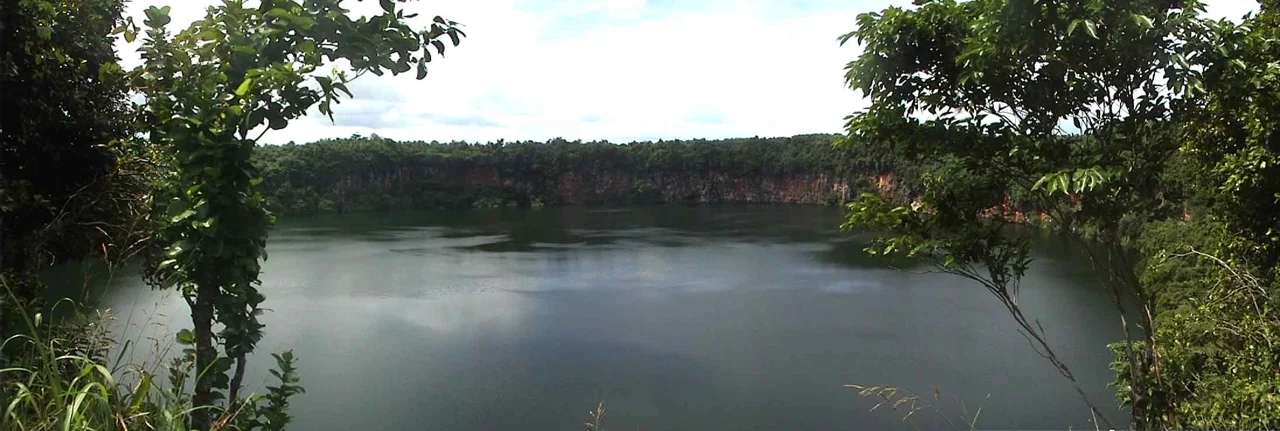
07Prepare the document, shipping and animal-import files
Prepare a household file containing travel identity, civil-status records, approvals, contracts, school reports, medical summaries, prescriptions and driving documents. Keep secure copies separately and carry the records needed for first appointments in hand luggage. Ask the receiving office about certification or translation before paying to produce a format it will not accept.
Give the mover an inventory with values, ownership history and the proposed arrival date. Ask Customs or the broker for the current removal-goods treatment, evidence needed for any relief and the charges that remain payable. A shipment from mainland France is not automatically exempt from the territory’s clearance procedures. Have the quote identify port handling, storage, clearance and final delivery.
- For a pet, contact the Bureau d’Inspection Vétérinaire, Alimentaire et Phytosanitaire, or BIVAP, before reserving transport.
- Provide species, identification, age, departure country, transit route and proposed date, then obtain the current import-permit process and conditions.
- Give the resulting instructions to the veterinarian. Vaccination, serology, certification and any quarantine depend on the animal and route.
- Coordinate the final veterinary timetable with the carrier’s written acceptance and the receiving inspection arrangements.
The territorial practical-information service identifies BIVAP as the responsible animal-import contact. Its linked forms include older versions; request the current conditions rather than treating a historic form as permission to travel. The airline’s acceptance and BIVAP’s import decision are separate tasks.
For food, plants, seeds or outdoor equipment, declare the exact items and ask about inspection before packing. Keep invoices and the inventory accessible to the person collecting freight, particularly if the goods arrive after the household.
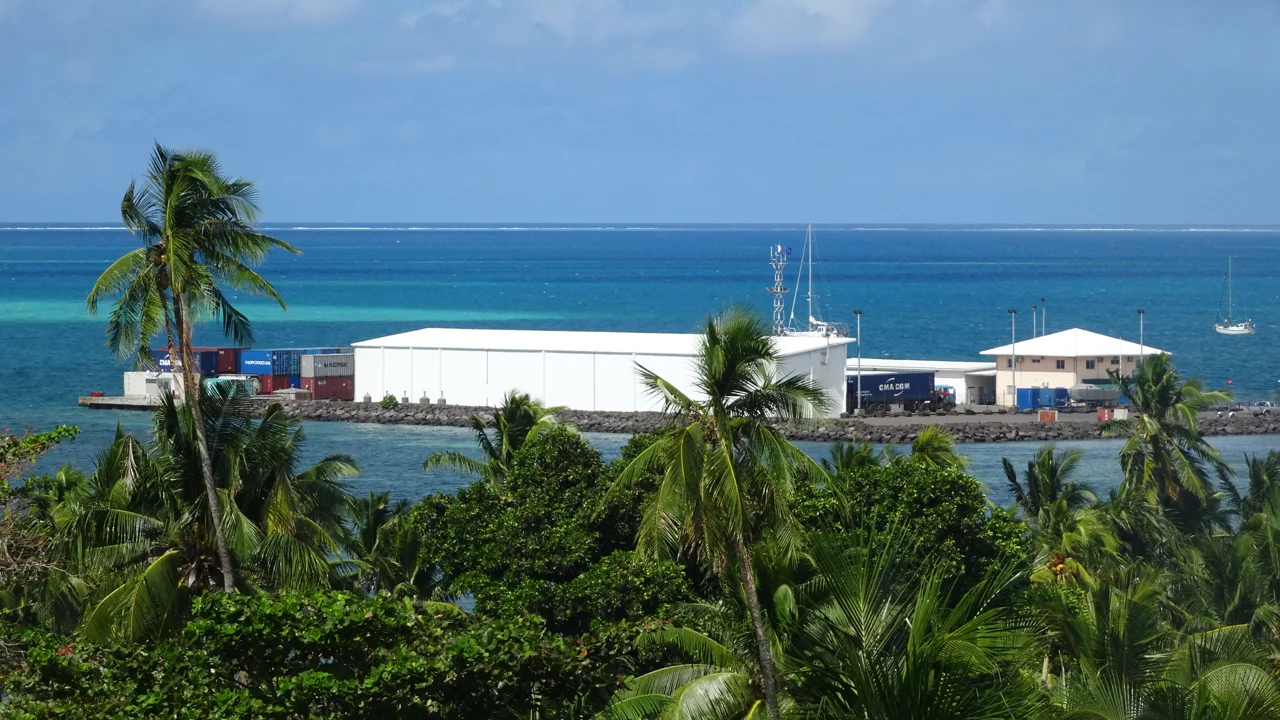
08Complete the arrival declaration and organise the onward journey
Arrange the full journey to the home, including a possible overnight stop on Wallis before continuing to Futuna. Use Aircalin’s actual Wallis and Futuna contacts for reservations and baggage questions. Request confirmation of the inter-island sector and its allowance separately; do not assume the international ticket’s baggage rules cover every flight.
- Carry the passports, visas or exemption evidence, work / family records, lodging details and any required animal or goods permits.
- Complete the updated phytosanitary entry form distributed before arrival and hand it to the control agents before leaving the terminal.
- Follow the declaration instructions for food, plants, animals, belongings and other controlled items; retain any inspection or clearance documents.
- Read the actual admission endorsement and resolve any error with the receiving authority.
- Confirm pickup, keys and the first night’s address before travelling onward.
The government’s notice effective 1 January 2026 explicitly tells people moving to settle in the territory to complete the form’s “Visitor” section. This also applies to specified returning residents absent for over six months. That label on the declaration does not replace an immigration decision or by itself establish healthcare eligibility.
Keep enough accessible CFP cash for initial needs, with another payment method available. Save the accommodation contact offline. If a delay affects a Futuna connection, speak to the airline and the receiving host before departing the airport; a flight disruption should not leave nobody expecting you.
09Complete the local residence, employment and service records
There is no single universal newcomer registration that completes immigration, employment, healthcare and banking at once. Work through the records relevant to your status and obtain evidence that each task has been completed.
- For foreign nationals, present the issued visa / approval to the territorial immigration service as instructed and establish the exact residence-document application, deadline and receiving office. Keep the receipt and any appointment notice.
- Ask the employer for confirmation of the déclaration préalable à l’embauche, or DPAE. CPSWF’s current employment instructions require this before hiring and provide online, email and counter submission routes.
- Verify the spelling, date of birth and identifier used for the employment and contribution records. Ask payroll to correct a discrepancy against the original document.
- Arrange the ADSWF administrative / patient record and obtain its assessment of the household’s local care arrangements.
- Keep the address evidence, tenancy record and contact details ready for bank, utility and driving transactions.
French citizens do not need a foreign-national residence card merely to move within French territory. Conversely, a noncitizen should not assume that a mainland residence document has answered every territorial question. The relevant authority must confirm the basis and the local document needed.
Put the dates printed on the actual passport, visa, residence approval and work decision in a shared calendar. Confirm the renewal filing window in advance with the issuing office. No single current fee or universal post-arrival deadline was verified for all residence categories, so use the decision and category-specific instructions instead of an invented flat charge.
10Arrange an account and practical access to cash
Ask the existing bank whether it can service the new address and what CFP transfers will cost. For local opening, contact Banque de Wallis et Futuna, BWF, and explain the nationality, residence position, income and services you need. IEOM’s report identifies a permanent Wallis branch and a more limited Futuna presence; establish the current appointment or visiting schedule before travelling.
- Request the actual opening checklist and fee schedule. Prepare identity, address, income and tax-residency evidence for the bank to assess.
- Explain whether the account will receive salary or pension payments, and ask which transfer details the payer should use.
- Compare account maintenance, card, cash withdrawal, foreign transfer and conversion charges.
- Activate the bank’s own remote-access service, test a small transfer and confirm the receiving amount.
- Agree with the landlord and utility providers how payments will be receipted.
If you qualify for the IEOM right-to-account procedure and a bank refuses opening, retain the written refusal or proof of a receipted application unanswered for fifteen days. Submit the territory-specific form with valid identity and address evidence under three months old. IEOM assesses the complete application and designates a bank; eligibility, document checks and the designated bank’s required evidence still apply. This is not automatic visitor access to an account.
The territory’s practical directory locates the BWF branch in the Fenuarama shopping centre in Mata’Utu and lists ATM locations on both islands. Carry sufficient small-denomination cash for businesses without a card terminal, while keeping the bulk of funds secure. Do not send a large payment to changed bank details without confirming them through an established contact.
11Document the right to occupy the home and inspect its services
Land is not organised like an ordinary mainland freehold market. IEOM describes customary family ownership and land that is in principle inalienable. Renting a house, obtaining permission to use land and purchasing a conventional registered title should not be treated as interchangeable transactions.
- Ask who owns or controls the home and who can authorise the proposed occupancy. Obtain local legal advice before making a substantial land or building payment.
- Record the house, access, duration, occupants, rent, deposit, notice and responsibilities in a written agreement understood by the relevant parties.
- Clarify whether family or customary consent is also needed and who documents it; one person’s verbal assurance should not substitute for that enquiry.
- Inspect roofing, shutters, drainage, screens, appliances, electrical safety and signs of damp or corrosion.
- Establish how water is supplied, stored and treated, and who maintains the equipment.
- Record the meter readings, keys, furniture and pre-existing damage at handover.
Ask whether the EEWF and SPT accounts remain in the owner’s name or will be transferred, and how you will obtain bills and receipts. Identify which parts of the property are shared, who uses the access road and how repairs are arranged. Include any employer’s housing contribution in the same written understanding.
Test the home against an ordinary working day: room for schoolwork, a usable connection, safe parking, grocery storage and the journey to appointments. Ask the owner to show you shut-offs and storm-protection equipment. Keep the signing receipt and condition record with the agreement rather than relying on messages scattered across phones.
12Establish local care and the referral or evacuation pathway
ADSWF runs the territory’s care network, including Sia hospital on Wallis and Kaleveleve on Futuna. Arrange transfer of medical summaries and prescriptions, then ask the agency how your household will be registered and covered from arrival. State-funded resident care does not by itself settle transitional, visitor, overseas-treatment or repatriation costs.
- Use the agency’s consultation instructions to book a general-practice appointment: Mua +681 72 27 74, Hahake +681 72 07 23, Hihifo +681 72 20 34, or Futuna +681 72 39 03.
- Discuss regular medicines, monitoring, mobility and the availability of the services you need.
- For specialist care, the general practitioner prepares the request and the consultation secretariat coordinates the appointment after review.
- For treatment outside the territory, follow the EVASAN process: the doctor prepares the DTRM medical transport request, the secretariat records it and the medical commission considers it.
- Confirm the coverage decision, receiving destination, documents, accommodation and companion arrangements before self-booking treatment.
The agency lists the APEC coverage certificate, medical reports, passport and travel documents among EVASAN travel records. An adult companion is not an automatic fully funded addition. Ask the insurer and agency which costs fall to the household, including travel connected with an existing medical condition.
For a life-threatening emergency, ADSWF instructs callers to dial 15. It specifically states there is no SAMU dispatch system and that transport is not sent automatically: follow the clinician’s instructions and contact the firefighters to arrange hospital transport. The local emergency directory lists firefighters on 18 and gendarmerie on 17. Save your exact location and the agreed transport contact offline.
13Activate utilities, communication and a reliable vehicle
EEWF supplies electricity on both islands and manages the Wallis water network. Have the owner identify the meter and account, then request the current opening or transfer process, tariff and any deposit. For Futuna, establish the home’s actual water arrangement separately rather than assuming a Wallis account process applies.
- Record opening readings and agree responsibility for water equipment, interruptions and repairs.
- At SPT, explain the address and whether you need a Manuia SIM, home internet, a postal box or all three. Ask about identity evidence, available connection and the full setup / monthly quotation.
- Test voice and data inside the home and workplace. Existing French or foreign roaming is not evidence that your particular plan works locally at an acceptable price.
- Arrange a vehicle through the employer, owner or an actual rental provider, and confirm insurance, permitted drivers, fuel and breakdown support.
- Resolve licence recognition or conversion with the territorial driving service before relying on a foreign licence for long-term driving.
The government’s driving service publishes permis@travaux-publics.wf and +681 72 20 07. Send the issuing country, licence categories, expiry and intended residence period and request the correct process. Its resident first-licence application and foreign-licence exchange are different procedures; a fee for one should not be presented as the other’s price.
SPT’s agencies include Mata’Utu on Wallis and Leava on Futuna. Ask for a usable postal address and collection instructions; do not assume normal door-to-door delivery. The tourism service reports no ordinary bus or taxi network and no scheduled passenger ferry between the islands, so arrange the first airport pickup and daily transport explicitly. Reconfirm flight connections with the airline before every important appointment on the other island.
14Build local relationships and finish the first-month tasks
Learn the village names and the everyday greetings used around you. French is the administrative language, while Wallisian and Futunian are important in local life. Ask your host or a colleague how introductions, invitations and community activities work in the village rather than assuming one rule covers every household.
- First days: confirm admission paperwork, the first address, transport and emergency contacts; resolve any arrival inspection issue.
- First two weeks: complete the relevant employment and residence tasks, establish the healthcare record and test payroll or pension receipt.
- Before month end: reconcile rent, deposits and utility bills; confirm each child’s placement and the household’s medical arrangements.
- Ongoing: retain receipts, expiry dates, veterinary documents and a small reserve for an unexpected flight or delay.
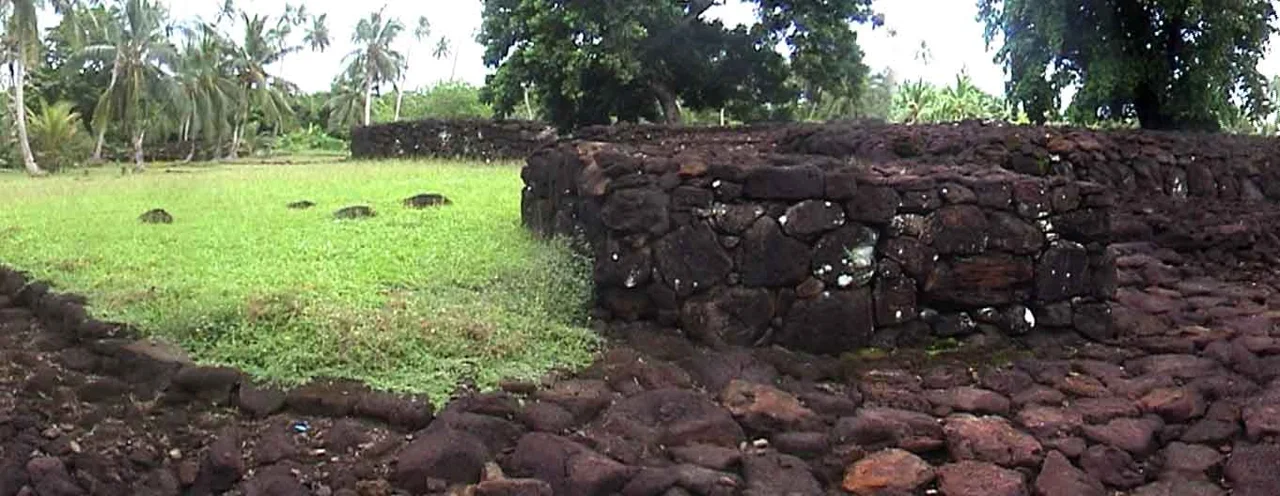
Ask before entering family land, using a beach in front of homes, visiting a heritage site or photographing people and ceremonies. For a first visit to a place such as Talietumu, enquire locally about access and any customary instructions. Invitations and respectful introductions are more useful than treating an open-looking path as permission.
Prepare with the owner for severe weather and service interruptions: drinking water, prescribed medicines, lights, charged batteries, protected documents and a contact outside the territory. Identify the safe place, child collection arrangement and who can secure the house. Use current territorial and Météo-France Wallis and Futuna notices for weather information; a historic cyclone alert is not a present instruction.
Sources & further reading
Reviewed 16 October 2026. Sources are linked beside the relevant instructions. Reviewed 16 October 2026. Current France-Visas territorial exceptions take precedence over older local nationality lists and generic tourism visa summaries. Some territorial and education pages were available through their indexed primary-source text while their own servers returned errors. The February 2026 arriving-pupil circular notice was readable, but its attachment was not retrievable; request the complete current checklist. CPSWF requires the hiring declaration before employment. BIVAP decides the current animal-import conditions. IEOM’s economic report describes 2025 conditions and was published in July 2026. No separate digital-nomad or pension-income retirement route was verified. Residence, work, pension and healthcare decisions remain separate. CFP francs throughout. IEOM fixed parity: XPF1,000 = €8.38, excluding bank charges. SPT’s undated displayed 512Kb ADSL offer: XPF7,900 monthly and XPF5,000 setup, viewed 16 October 2026; obtain a current address-specific quotation. Government petrol schedule: XPF240/l from 2 September 2026; October row blank at review. Thirty litres = XPF7,200 is a calculation using that September price. Example rent XPF100,000 plus one-month deposit gives XPF200,000 signing cash, approximately €1,676 at fixed parity: hypothetical terms, not observed market averages or a statutory deposit rule. No representative current national rent or monthly household-cost figure is claimed. Photograph credits, licences and capture years appear with the images.
Browse the source directory
- Territorial tourism service — transport providers
- France-Visas — official visa assistant
- France-Visas — long-stay and overseas exceptions
- Territorial administration — entry and residence contacts
- SITAS — employment and recruitment
- CCIMA — business formalities and CFE forms
- IEOM — CFP franc and fixed euro parity
- SPT — communications and displayed offers
- Territorial administration — 2026 fuel schedule
- IEOM — Wallis and Futuna annual economic report 2025, published July 2026
- Vice-Rectorat — current establishment directory
- Vice-Rectorat — February 2026 arriving-pupil circular notice
- Vice-Rectorat — 2026 course map
- Vice-Rectorat — information and orientation
- CPSWF — pensions
- Territorial administration — practical information and BIVAP
- Aircalin — actual agency contacts
- Territorial administration — arrival form effective January 2026
- CPSWF — declaration before hiring
- IEOM — right to an account in Wallis and Futuna
- Territorial tourism service — practical directory
- ADSWF — care network
- ADSWF — consultations and appointment pathway
- ADSWF — EVASAN medical transport pathway
- ADSWF — emergency care and transport instructions
- SPT — emergency numbers
- Territorial administration — driving service
- Météo-France — Wallis and Futuna forecasts
Make your next step a practical one
Choose the correct island, obtain the territorial entry and employment assessment, then coordinate the address, school placement, actual service quotations and healthcare plan before committing to the move.