Visa
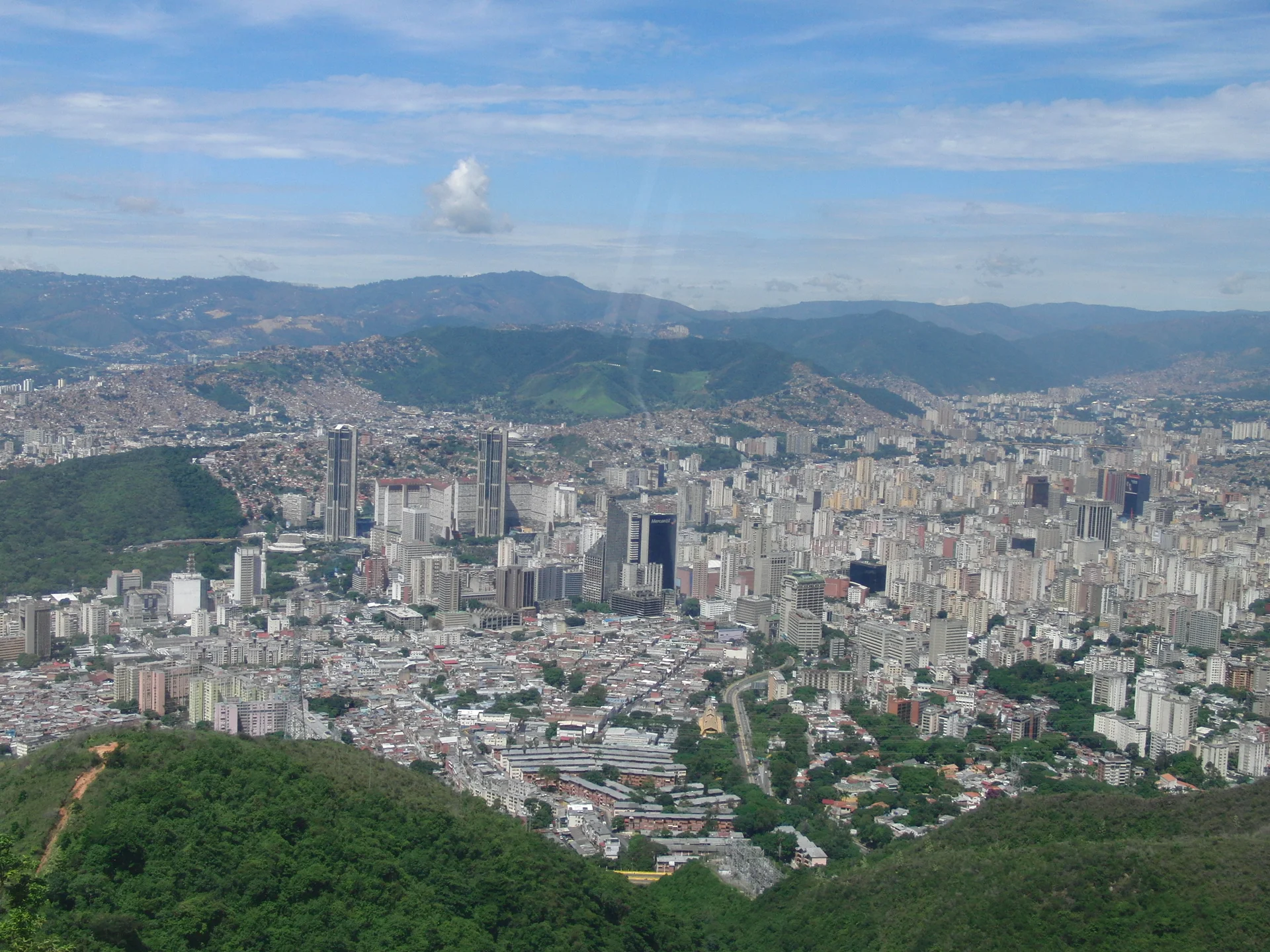
Moving & Living - Venezuela - Complete Guide
Move to Venezuela step by step: identify the right visa, arrange employment or study, prepare family documents and organise housing, banking, healthcare, communications and the first month.
Photo credit
A Venezuelan move takes shape around the receiving organisation and the actual home: a Caracas appointment, a Valencia workplace or a teaching campus in Mérida. The journey, healthcare contact and household services need to work together before the permanent move.
This fourteen-step guide follows preparation, entry and the first month. It distinguishes visitor entry from employment, study and foreign-income routes, explains practical dependencies, and identifies the application details that could not be verified. Dated prices and historical photographs retain their scope rather than implying conditions are unchanged.
Venezuela at a glance
- Currency
- Bolívar · Bs / VES; verify each payment currency
- Immigration
- SAIME · category-specific permissions and renewals
- Consular applications
- Venezuelan embassy or consulate responsible for your residence
- Tax registration
- RIF · SENIAT
- Emergency ambulance
- 911 · confirm the local provider and insurer contacts
- Reviewed
- 16 October 2026
Follow your moving journey
Start at step 1, or jump to the task you are working on.
01Choose the city around the actual work, school and service network
Start with the institution bringing you to Venezuela. A job in Caracas, an industrial appointment in Valencia or study in Mérida creates a different daily routine. Ask the receiving contact for the exact workplace or campus, expected hours and local arrangements for transport and accommodation.
| Base to investigate | Practical starting point | Question to resolve |
|---|---|---|
| Caracas | Compare the real journey from a proposed home in Altamira, La Floresta or another identified area | How will the household reach work, school and the chosen clinic? |
| Valencia | Use the actual workplace address and the employer’s local contact | Are transport, medical care and household services workable from that building? |
| Mérida | Begin with the relevant teaching campus or appointment location | What support is available for the household’s transport and health needs? |
These are places to investigate with the receiving organisation, not safety ratings. At the review date, FCDO advises against all but essential travel to most of Venezuela and against all travel to specified areas. Read the geographical scope and establish whether your employer and insurer can support the actual move before paying relocation costs.
- Mark work, school, a food-shopping option and the medical contact on one map.
- Ask the host to test the journey at the time you would actually use it.
- Inspect the dwelling’s water storage, power arrangements, mobile reception and entry system.
- Obtain an explanation of recent disruptions and how the building responds to them.
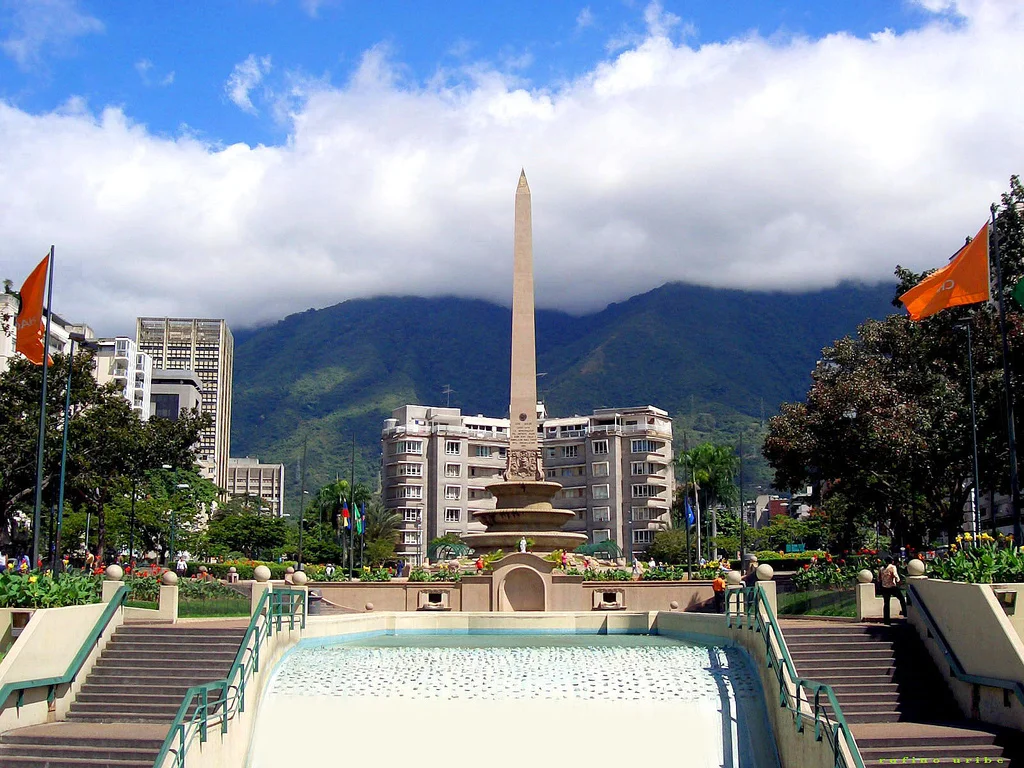
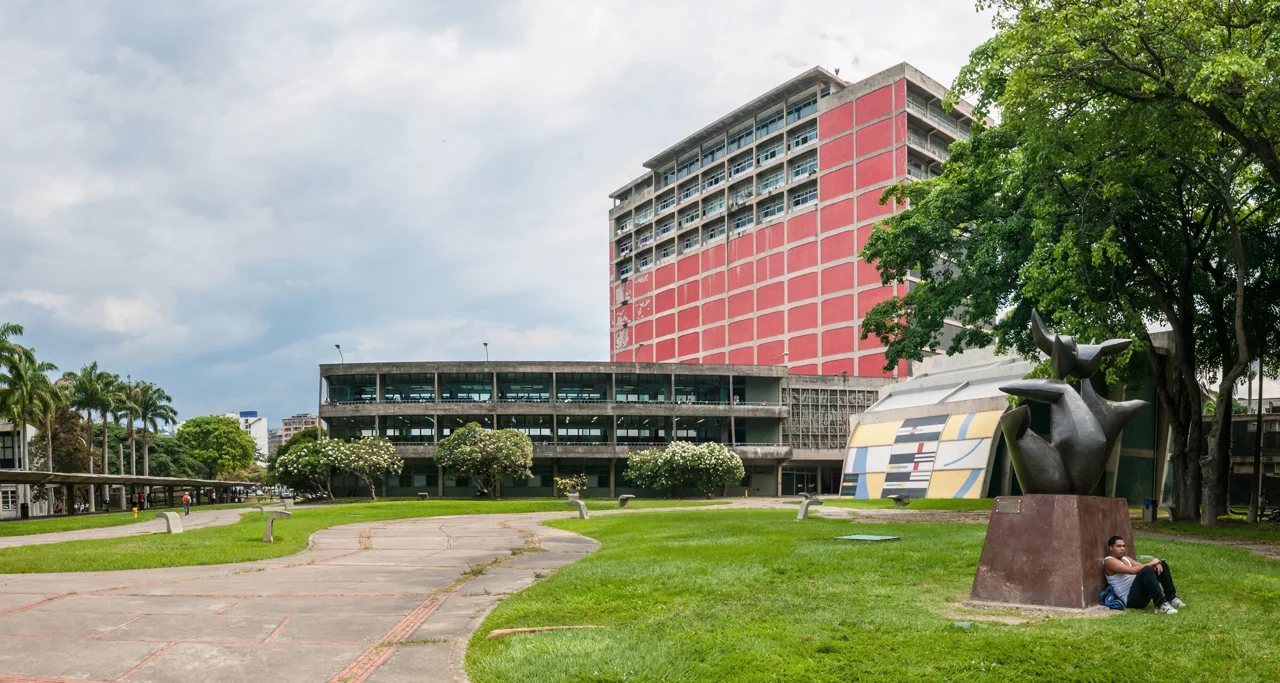
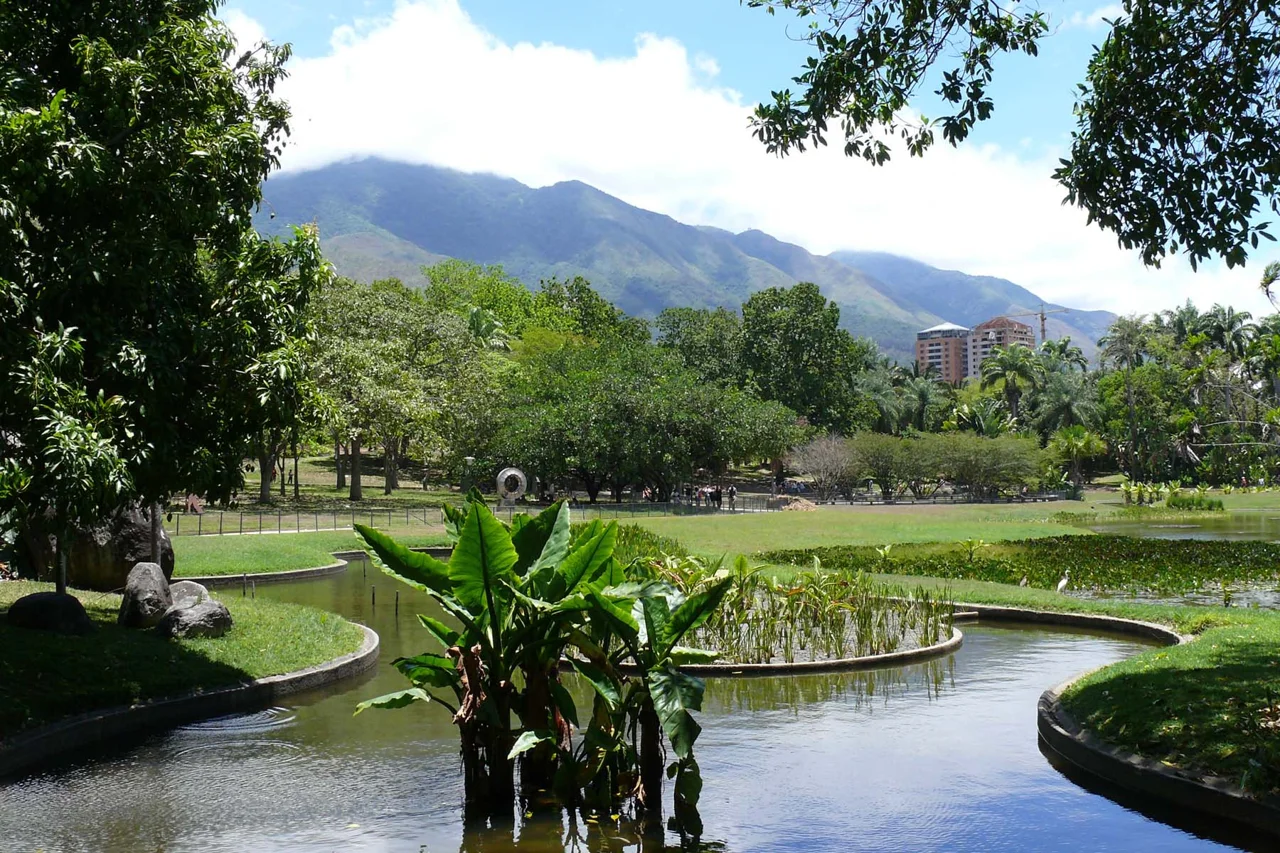
Use a temporary stay while inspecting the final home. All photographs in this article are historical; they establish the depicted location, not current building condition, access or availability.
02Select the visa for the actual purpose and household
Begin with the Venezuelan Consulate in Barcelona: visa categories and requirements. It distinguishes tourism, employment, study, family and other categories. Choose the purpose that describes the actual stay, then approach the embassy or consulate responsible for your legal place of residence. A visitor entitlement does not establish permission to work, study or settle.
- Write down each person’s nationality, present immigration status, travel dates, intended activity and relationship to the principal applicant.
- Have the employer or educational institution supply its approval or acceptance evidence before the consular application.
- Ask the responsible mission which family category and supporting records apply to accompanying relatives. Do not assume one adult’s visa covers the household.
- Obtain the current checklist, fee, payment method and appointment channel from that mission; retain the submitted file and receipt.
- After issue, check names, category, entries, validity and permitted stay before buying the final journey.
Nationality and mode of arrival matter. The UK government’s entry guidance, specifically for full British-citizen passports travelling from the UK, describes an air-arrival tourist card for stays up to 90 days, with onward or return travel, and potentially different requirements by land or sea. It requires a purpose-appropriate visa before non-tourism travel. That example should not be treated as a visa-free rule for every nationality.
For dual Venezuelan nationals, the same guidance says Venezuelan identity documents are required for entry and departure, including a valid Venezuelan passport to leave. Resolve that situation before travel rather than assuming a foreign passport bypasses it. For any other household-specific issue, send the responsible mission the actual facts and keep its answer with the application.
03Have the employer obtain the labour approval before the move
Ask the proposed employer for its registered name, the workplace address, a written job description and the person handling your immigration file. Agree the pay currency, payment method, housing support, healthcare arrangements and the date when salary begins. A job offer needs a practical route from appointment to lawful work.
The Venezuelan Consulate in Barcelona: work visa requirements place labour approval before the visa authorisation. The employer or worker submits the request to the Labour Ministry; the Interior Ministry authorises the visa after the required Labour conformity. Obtain the certified copy of the labour permit required by the consular checklist.
- Give the employer the qualifications and experience records relevant to the job, and identify any additional evidence the Labour Ministry requests.
- Have the employer confirm which approval has been issued and obtain a copy for your file.
- Prepare the consular papers: passport with at least six months’ validity, two recent colour identity photographs, the required medical certificate from the health authority in your country of origin and the labour evidence.
- Obtain the fee and payment instructions from the responsible Venezuelan embassy or consulate, then retain the receipt and application reference.
The published TR-L is valid for one year, with multiple entries and a stay for the same period. Read the actual issued conditions and agree who monitors expiry and renewal. Treat visitor entry, permission to reside and permission to perform the job as distinct decisions.
If you plan to retain overseas remote work, describe the activity, client location, pay arrangements and intended duration to the responsible consulate before relying on that income. Do not assume that a category for foreign pension or rental income covers active work. A proposed business also needs its own registration, tax and activity requirements, beyond an immigration label.
04Price the move in its actual currencies and payment dates
Keep the budget in the currency each supplier actually charges. Ask whether a quoted dollar figure is payable in dollars or converted into bolívares, which reference rate applies and on what date. Record the answer on the quotation so you can reconcile the amount finally paid.
The Banco Central de Venezuela published a USD reference of 880.11590000 bolívares for the value date 16 October 2026, approximately Bs880.12 when rounded to two decimals. This is a dated reference, not a guaranteed future conversion or a bank’s complete price after charges. Recalculate at the payment date.
| Item | Initial moving costs | Recurring costs to obtain |
|---|---|---|
| Housing | Temporary stay, agreed deposit, any documented agency fee and moving charges | Actual rent, condominium expenses, utilities and any backup-service charge |
| Permissions and documents | Mission-specific visa fees, medical evidence, translations and certification | Renewals and replacement documents where applicable |
| Family services | School application and equipment; initial medical appointments | Written tuition, transport and healthcare quotations for the actual household |
| Communications | Connection and equipment charges | For example, Digitel’s September-marked 6 GB plan lists a US$6.86 monthly reference; obtain the current bolívar charge and any extra usage |
For communications, Digitel’s published plan card lists Inteligente Plus 6 GB at a US$6.86 monthly reference, with 100 national minutes and 100 SMS. The card is marked September 2026, although inspected on 16 October; its displayed bolívar total must not be presented as a freshly verified October charge. Obtain the payable amount for your activation and billing date.
A hypothetical US$700 rent plus a US$1,400 contractual deposit would require US$2,100 for those two items alone. This illustrates cash flow; it is not a surveyed Caracas rent or a legal deposit rule. Substitute the figures in your proposed agreement and add the other initial costs.
Before accepting the job, obtain a payroll explanation showing deductions and any reimbursed allowances. Give a qualified tax adviser the proposed arrival date, income sources, employment arrangement and overseas assets. Establish the Venezuelan filing and registration obligations with SENIAT and any continuing obligations abroad. A foreign bank account or payment currency does not, by itself, answer the tax-residence question.
05Secure the school place or university acceptance first
Choose the teaching language and programme around the child’s present stage, then contact the receiving school before committing to a home. Ask about class placement, learning support, term dates, transport, meals and the full fee schedule for the intended year. A published admissions process is a starting point, not a reservation.
Colegio Internacional de Caracas publishes rolling admissions for international passport holders. Its process begins with the student’s passport and birth certificate, parents’ passports and IDs, three years of school records, vaccination and medical records, a recent photograph and any applicable psycho-educational evaluation. Arrange for the previous school to return its signed and stamped recommendation directly to admissions.
- Send the initial document set to the school’s published admissions contact, admissions@ciccaracas.com.ve, or deliver it as the office directs.
- Arrange the placement test and personal interview required by the school.
- Discuss the family’s needs during the admissions team’s follow-up and campus visit.
- Obtain the offer and payment terms before assuming a place is available. The school says it may decline an application based on academic, language or other stated criteria.
For university study, select the institution, faculty and qualification first. The Universidad Central de Venezuela’s Faculty of Sciences distinguishes SNI/OPSU, SIMADI and other admissions routes, and directs agreement-based enquiries to the university’s Secretaría. Ask which route applies to your foreign qualifications or exchange; a domestic admissions page does not establish your eligibility. Ask its admissions office which route accepts your academic record and whether any recognition or translation is required. An application for a degree, an exchange and an internship need different evidence.
The Venezuelan Consulate in Barcelona: student visa requirements require institutional support explaining financial means, acceptance by the educational institution or internship company, and academic records, alongside passport, photographs, medical evidence and the consular receipt. The category covers higher technical or university study, specialisation and relevant internships. It is published as a one-year, multiple-entry visa with the same permitted stay. The ministry requires an extension request at least two months before expiry; put that deadline in the calendar as soon as the permission is issued.
06Document the foreign income for a rentista application
The Venezuelan Embassy in France: rentista visa requirements covers people living on lawful rental income or a pension generated abroad. It publishes a monthly income requirement equivalent to US$1,200, plus US$500 for each accompanying family member. This is an immigration eligibility test, not an estimate of what a household will spend.
- Gather evidence identifying the income source, regular amount and continuing entitlement. Ask the responsible mission which statements, certifications and translations it accepts.
- For accompanying relatives, prepare the relationship documents and evidence meeting the additional income requirement for each person.
- Assemble the passport with at least six months’ validity, two recent colour identity photographs, onward or return ticket copy and medical certificate specified by the ministry.
- Obtain the current consular fee and payment method from the mission handling the application. Retain the papers and receipt together.
The ministry describes a one-year, multiple-entry visa with a stay of the same duration, renewable for equal periods if the foreign income sources continue. Confirm how and where the later application will be lodged before the first permission expires.
Separately, test whether your pension or investment provider can make the intended payments to an account you can actually use. Record conversion charges, withdrawal access and the documents the receiving bank requires. Arrange coverage for ongoing treatment and prescription medicines using the needs of the actual household, rather than assuming the income threshold includes healthcare.
Before giving up another home, compare a written housing quotation and a healthcare quotation with the income remaining after tax, fees and transfers. A successful income calculation does not establish that a particular property, bank account or insurance policy will be available.
07Prepare certified papers, belongings and the pet-entry file
Build a folder for each person using the receiving mission’s checklist. Keep passport copies, permissions, civil-status records, medical documents and any academic or employment evidence together. Check names and dates against the passport before obtaining translations or certifications.
The Venezuelan Consulate in Barcelona: consular and apostille FAQs explains that foreign public documents generally need legalisation or an apostille for validity in Venezuela unless an exemption applies. Establish the correct procedure with the authority in the issuing country and the Venezuelan office receiving the document. The Venezuelan system for apostilling Venezuelan papers is not the issuing authority for a foreign birth certificate.
- Obtain the required originals and the translations or certifications specified for the application.
- Keep a secure digital set and a paper arrival set separate from the originals.
- Ask the mover for a quotation identifying packing, freight, customs handling, storage and final delivery, including exclusions.
- Confirm who receives the goods, building access and any vehicle or delivery-hour restrictions before dispatch.
For a dog or cat, start with the official veterinarian in the country of departure and the Venezuelan embassy’s published pet-entry guidance. It identifies rabies and other vaccination records, health and parasite-treatment evidence and an export certificate issued by the origin authority. Have the veterinarian confirm the current origin-specific document, validity periods and arrival inspection arrangements with INSAI. The embassy page also distinguishes other animals, for which prior import and environmental permissions may be required. Do not treat an old fee quoted in tax units as a verified current cash charge.
Pack medicines, chargers, clothes and the first week’s work or school essentials independently of the shipment. The household should be able to attend appointments while freight is delayed.
08Arrange the airport collection and first-night essentials
For Caracas, plan the whole journey from Maiquetía airport to the exact address. Give your host or employer the flight number and agree the meeting point, driver’s name, vehicle identification and a contact if the arrival time changes. Keep an offline copy of that arrangement and the address in Spanish.
FCDO’s current safety guidance highlights the airport journey, advises a meeting by trusted contacts or an official licensed taxi and warns against accepting transport offers inside the arrivals hall. It also describes access controls in La Guaira following the June earthquakes. Arrange collection around the actual route and current access, rather than relying on an old photograph or a previous visit.
- Carry the passport, visa, accommodation confirmation, sponsor or admissions contact and essential medicines in hand luggage.
- At immigration, retain the entry record and check the permitted dates. Keep a copy with the visa before the first administrative appointment.
- Use the agreed collection arrangement. If it fails, contact the host through the number you already hold rather than accepting an unverified substitute.
- At the accommodation, collect keys, test water and power, and establish how to contact the host if either stops working.
- Confirm the next appointment with the employer, institution or immigration contact, leaving time to resolve arrival delays.
Keep a working phone, charging equipment and a usable payment method available before leaving the airport. Separate the first days’ essential spending from funds committed to a rental deposit. The arrival plan should still work if the flight is delayed or the first banking appointment takes longer than expected.
09Organise SAIME records and establish the RIF process
Keep your passport identity page, visa and arrival stamp together, with copies accessible for appointments. Check that the recorded name and dates match the issued documents. Ask SAIME which first-time identity procedure applies to your exact immigration category before booking an appointment or paying anyone to prepare a file.
For subsequent immigration tasks, SAIME’s foreigner-services page publishes category-specific renewal lists. Work applicants need the Labour Ministry authorisation; students need a current study certificate; rentista applicants need certified evidence of lawful income or pension. The lists also require passport evidence with at least six months’ validity, entry and exit stamps and the latest visas. Keep those records current while the permission is valid.
- Start from the official SAIME site and select the service matching the issued category. Use your own account and retain any appointment and payment references.
- For a first foreigner’s cédula, obtain the applicable checklist directly from SAIME. The renewal lists above are not a substitute for first-issue instructions.
- Ask the receiving bank or employer which tax-registration evidence it needs, then establish the correct RIF application with SENIAT.
- Keep the eventual identity and tax-registration certificates with the immigration file, checking spelling, identifier and address before using them for later contracts.
The current first-issue RIF checklist and fees could not be verified through SENIAT’s portal during this review. Obtain the actual instructions from the authority for your passport or cédula category; do not reuse an undated checklist from a lookalike website. This uncertainty concerns the application details, not a promise that the bank can dispense with tax evidence.
10Prepare local identification and complete the account application
Contact the bank with your actual nationality, immigration status and available identification before making a branch visit. Tell it whether you have a Venezuelan foreigner’s cédula and RIF, and ask which products your profile can access. Do not assume a passport alone completes the process or that a product offered by the same banking group in Panama is available in Venezuela.
- Begin with Banesco Venezuela’s account-opening instructions, which permit adult individual non-customers, including foreigners, to apply through Mis Solicitudes Banesco. Register as a new user, enter the requested information and upload the profile-specific documents.
- Prepare legible PDF or JPG files within the published 4 MB limit. Correct rejected or inconsistent documents in the portal.
- Monitor the application status and the bank’s messages, then follow its instructions for the branch appointment and formalisation.
- Complete the process within the bank’s published 30-day application window; otherwise the request is cancelled and a new one is needed.
The bank’s FAQ says the account may be opened with a zero balance and is associated with the branch chosen for formalisation. Approval and product availability still depend on the application. Keep the reference, appointment and final account details together.
Before relying on the account, ask which currencies it holds, which payments and withdrawals it supports, what charges apply and how overseas funds can arrive. Test a small transfer or payment first. Keep a second workable means of paying for the arrival period, and obtain a receipt showing the currency, amount and date of each major housing or moving payment.
11Inspect the apartment and document every payment term
Ask the employer or local contact to help verify the owner or authorised representative of the actual apartment. Inspect the unit rather than another apartment in the same building. Test taps, toilets, refrigeration, cooking equipment, locks and the route into the building.
- Request the proposed contract and identify the property, parties, permitted occupants and duration.
- Write the rent and any adjustment mechanism clearly, including payment currency and conversion reference where relevant.
- Separate rent from the depósito, condominio, agency charge and utility costs. Ask who pays repairs and any shared-building or backup-system expenses.
- Have a qualified local professional explain the agreement and applicable residential-rental rules before signing clauses you cannot confidently interpret.
- At handover, sign an inventory, record meter readings and existing damage, and retain receipts for payments and keys.
Ask the building administrator how water is stored and pumped, which areas have backup electricity and what happens when lifts stop. FCDO’s current guidance describes power, water and communications limitations. A listing saying “backup power” should be followed by a precise explanation of which appliances or common areas it actually supports.
Keep the landlord’s repair contact and the administrator’s contact separately. Agree how faults will be reported and how access for a technician is arranged. Before ordering furniture or an internet installation, confirm measurements, delivery access and the contractual right to make the necessary installation.
12Choose a treatment provider and agree how care will be paid
Identify the treatment the household actually needs: ongoing medicines, specialist follow-up, maternity care, paediatric appointments or planned procedures. Send the relevant information to an insurer and receiving provider before choosing a policy. Ask whether the policy accepts the planned country, activities and length of residence, including any restrictions connected with official travel advice.
FCDO’s health guidance describes variable facilities, shortages affecting both public and private care, and the possibility of evacuation for complex treatment. It gives 911 as the emergency ambulance number. Keep that number alongside the insurer’s assistance contact and the receiving clinic’s details; an insurance document alone does not establish that a particular treatment is available.
- Ask the employer which scheme, if any, covers you and the accompanying family, and obtain the effective date and membership evidence.
- Confirm the provider network, exclusions, pre-authorisation procedure and whether you must pay first and claim afterward.
- Send the chosen clinic the reports needed to arrange the first appointment. Ask for an itemised estimate and the documents required for admission.
- Bring prescriptions and a medication list, and arrange a lawful supply with your clinician. Establish the local prescribing and replenishment route before that supply runs low.
A practical Caracas starting point is Instituto Médico La Floresta, at Calle Santa Ana with Avenida Principal de La Floresta. Its own service page lists round-the-clock emergency attention, laboratory work, paediatrics and specialist services. Contact the relevant department about the actual appointment and payment arrangements; a service list is not a promise of capacity, insurance acceptance or a particular outcome.
For a household outside Caracas, establish the nearest appropriate provider and the transfer route to a larger centre. Keep an accessible reserve for costs your insurer will not settle directly, and store the policy, authorisation references and medical reports together.
13Activate communications and agree the everyday transport plan
Make a handover list for electricity, water, gas where used, internet and building charges. For each service, identify the account holder, account number, current balance, payment channel and fault-reporting contact. Ask which accounts remain with the landlord and which must be transferred or opened for you.
- Test water supply and storage, lighting, sockets and any agreed backup arrangements before accepting the service inventory.
- For a mobile line, approach a provider’s own service centre with the identification matching your status. Confirm the accepted documents, handset compatibility and activation charge before payment.
- Use Digitel’s current plan directory to compare actual allowances and prices, then read the conditions before choosing a plan.
- Test reception inside the home and on the actual journey before committing to fixed internet or a long equipment arrangement.
Digitel’s published conditions distinguish the general data allowance from social-network benefits: calls, video calls, external links, roaming, tethering and VPN use are excluded from the social benefit. Its dollar prices are references; the monthly charge is in bolívares using the specified BCV basis. Compare the complete bill, not just an advertised data headline.
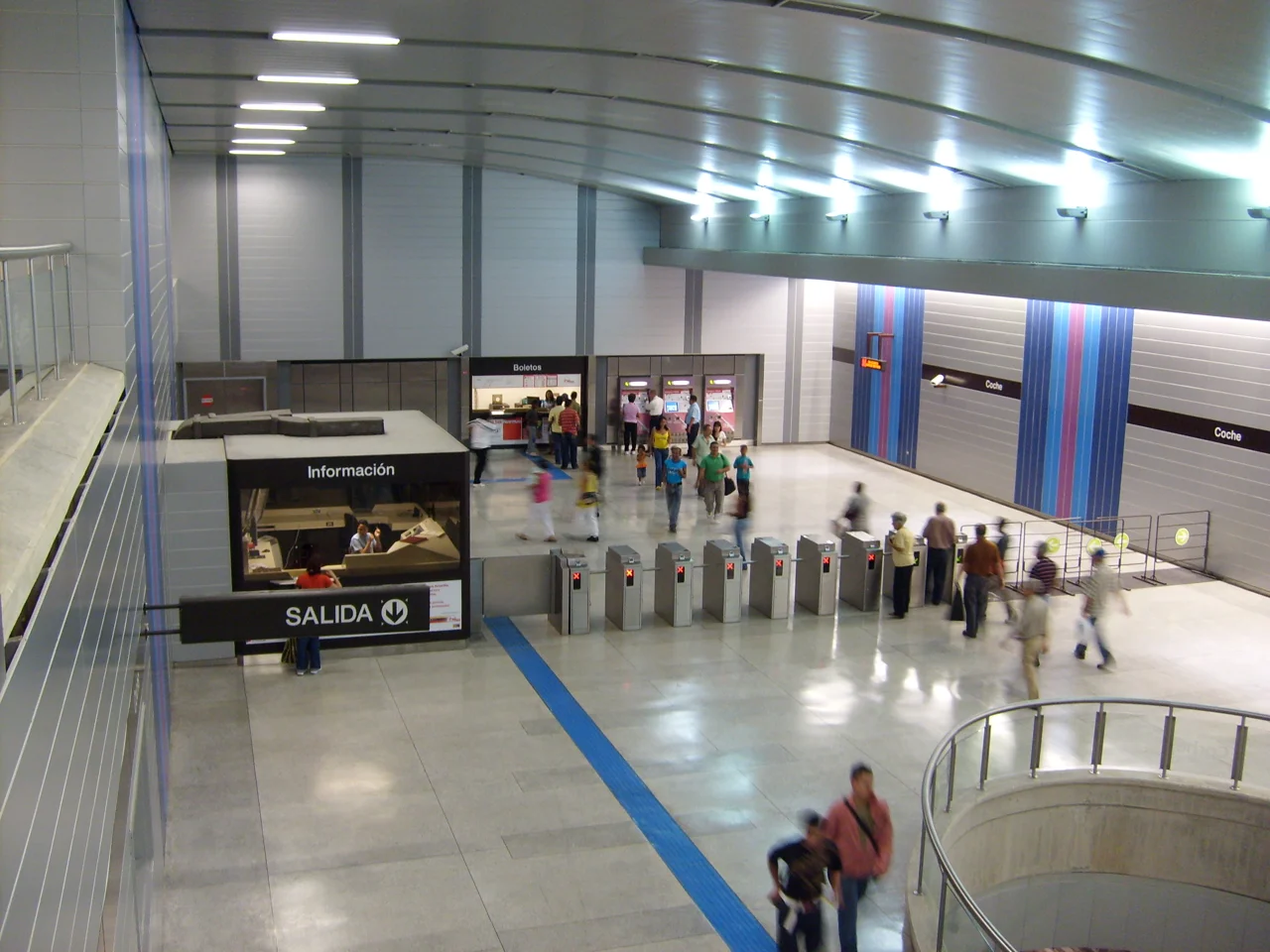
Agree transport with the receiving organisation around the real start and finish times. Caracas has a Metro system, but a historical station photograph does not establish current service or suitability for your journey. FCDO’s safety guidance advises avoiding public transport and using pre-booked taxis. Resolve the practical alternative with your host or employer and include its actual recurring cost in the budget.
14Complete the first-month file and build a workable routine
Use the first weeks to connect the arrangements already made: work hours, school, shopping, treatment and transport. Ask colleagues or the receiving institution for a local contact who can explain the building and service vocabulary in Spanish. Learn the words appearing on your own contract, receipts and application screens.
- First days: confirm arrival with the sponsor, check the entry record, complete the accommodation inventory and establish working phone and payment access.
- First week: confirm the healthcare contact, finish school arrangements and follow the applicable SAIME and tax-registration instructions.
- Following weeks: track the bank application, reconcile housing charges and retain all service and payment receipts.
- Before month-end: compare actual costs with the budget, complete any employer reimbursement claim and enter renewal dates in the calendar.
For students, preserve the current enrolment evidence; for workers, retain the Labour authorisation; for rentista households, keep the continuing-income records. These files support the later category-specific renewal rather than having to be reconstructed near expiry.
Choose a sustainable community routine through the workplace, school or university: language practice, a regular activity and people who understand the household’s circumstances. Keep a practical contact list for the landlord, administrator, employer, clinic, insurer and transport arrangement. Review the household’s contingency plan when the address, health needs or travel arrangements change.
Sources & further reading
Reviewed 16 October 2026. Sources are linked beside the relevant instructions. Visitor entry, work, study, residence and local identifiers are separate. SAIME renewal lists do not establish a first-issue foreigner cédula checklist. The first RIF checklist and fees were not verifiable through the SENIAT portal; obtain these from the authority. Consular fees depend on the responsible mission. Foreign-income eligibility is not a living-cost estimate or permission for active remote work. Admission and account opening remain subject to the institution’s decision. Reviewed 16 October 2026. BCV USD reference 880.11590000 bolívares has that value date; Bs880.12 is rounding, not a future payment rate. Digitel 6 GB monthly reference US$6.86, 100 national minutes and 100 SMS appears on a September 2026-marked card; obtain the actual activation-date charge. US$700 rent and US$1,400 deposit are hypothetical inputs, not surveyed rent or a legal deposit rule. Immigration income thresholds are eligibility tests. Other recurring and initial costs require actual supplier quotations. Photograph credits, licences and capture years appear with the images.
Browse the source directory
- Venezuelan Consulate in Barcelona: work visa requirements
- Venezuelan Embassy in France: rentista visa requirements
- Colegio Internacional de Caracas
- Universidad Central de Venezuela’s Faculty of Sciences
- Venezuelan Consulate in Barcelona: student visa requirements
- Banesco Venezuela’s account-opening instructions
- FCDO’s health guidance
- Instituto Médico La Floresta
- SAIME’s foreigner-services page
- SENIAT
- safety guidance
- Venezuelan Consulate in Barcelona: visa categories and requirements
- UK government’s entry guidance
- FCDO advises against all but essential travel to most of Venezuela and against all travel to specified areas
- Banco Central de Venezuela
- Digitel’s current plan directory
- Venezuelan Consulate in Barcelona: consular and apostille FAQs
- Venezuelan embassy’s published pet-entry guidance
- Digitel’s published conditions
Make your next step a practical one
Confirm each person’s visa basis with the responsible mission, obtain the employer or institution’s supporting papers, and price the actual address, healthcare and transport arrangements before committing to the permanent move.