Visa

Moving & Living - United States Minor Outlying Islands - Complete Guide
Plan an authorised island stay step by step: identify the operator, secure an assignment or visit approval, arrange permits and transit, and prepare for accommodation, medical support and everyday life.
Photo credit
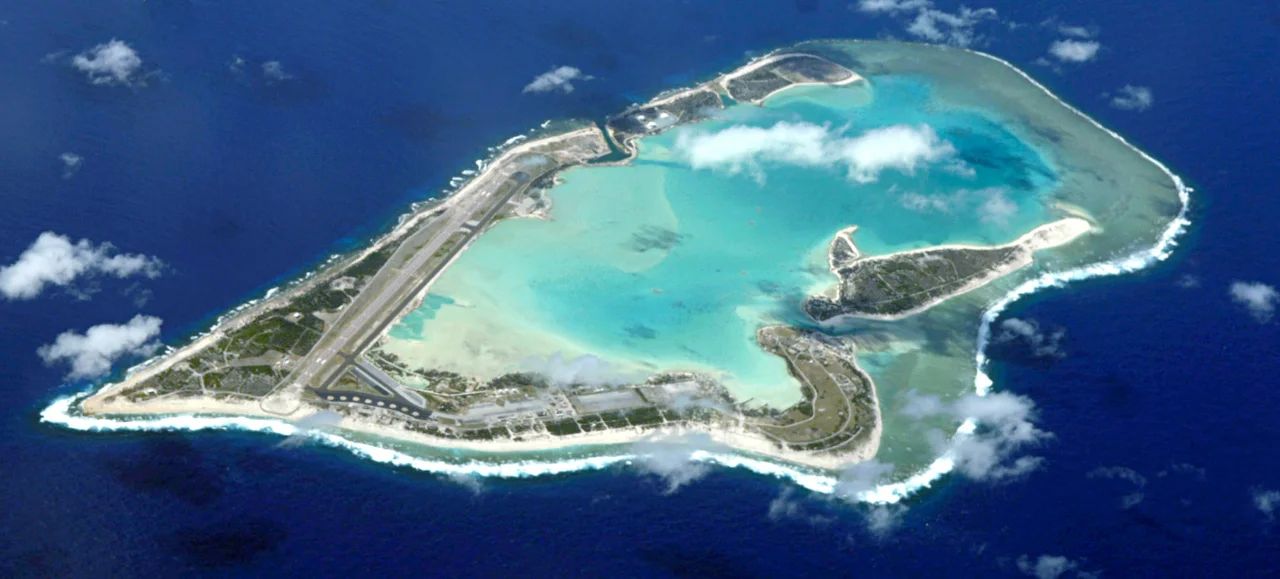
At Palmyra, life on a conservation assignment can revolve around a research camp and supplies brought from outside; Midway has its own refuge work and wildlife routines, while Wake is an Air Force installation. These places do not share an ordinary town-based moving process.
This guide follows fourteen steps for investigating and preparing an authorised stay. It separates work, research and volunteering from limited visits, explains the permissions in the right order and shows how to organise the practical essentials. Household, education and retirement sections identify the limits rather than inventing settlement services.
United States Minor Outlying Islands at a glance
- Destination scope
- Nine separately managed islands, atolls and reefs; not one settlement
- Useful starting points
- Palmyra programmes · Midway conservation roles · Wake assignment sponsor
- Site access
- Island- and activity-specific permission
- Research application
- FWS Form 3-1383-R where applicable
- Money planning
- Programme and household costs; quoted amounts in U.S. dollars (US$)
- Household relocation
- No ordinary settlement route verified in the public operator sources
- Reviewed
- 16 October 2026
Follow your moving journey
Start at step 1, or jump to the task you are working on.
01Choose an island and an authorised purpose
The United States Minor Outlying Islands is an administrative grouping of nine territories, rather than a single place with a capital and connected towns. The U.S. Census Bureau’s geographic codes identify Baker, Howland, Jarvis, Johnston, Kingman, Midway, Navassa, Palmyra and Wake. Start with the actual island: an invitation for Palmyra gives you no permission to land on Midway.
| Island | Practical starting point |
|---|---|
| Midway Atoll | Closed to public visits. Investigate a specific conservation assignment. |
| Palmyra Atoll | Work, research, invited visits or limited approved private-vessel visits. Separate permissions can apply to refuge waters and privately owned land. |
| Wake Island | An Air Force installation. Begin with your employing organisation or official sponsor. |
| Johnston Atoll | Special Use Permit for an Air Force-approved activity compatible with the refuge. |
| Baker, Howland, Jarvis and Kingman | Closed to ordinary public access; consult Baker, Howland, Jarvis or Kingman before developing a project. |
| Navassa | Closed Caribbean refuge with no visitor services and hazardous cliff access. |
Make a one-page proposal naming the island, organisation, proposed dates, people and activity. For an ordinary household relocation, this screening stage is decisive: the access arrangements below concern approved assignments and visits, rather than choosing a neighbourhood and renting independently.
02Separate site permission from travel and work permission
There are three different questions: may you enter the site, may you travel through the places on your itinerary, and may you perform the proposed work? Record the answer to each separately. A refuge permit answers only the activity and site questions within its terms.
- Give the host your nationality, passport details, residence country, role, funding and complete itinerary. Request written instructions identifying who handles site access and any security clearance.
- For a Honolulu connection, establish the appropriate U.S. admission arrangements before buying non-refundable onward travel. The State Department’s transit guidance distinguishes immediate transit from a stay for other purposes; use the consulate’s assessment of your actual itinerary.
- If travelling under the Visa Waiver Program, CBP requires ESTA for air transit too. That does not establish eligibility for your island assignment.
- Keep the site authorisation, host letter, travel documents and return arrangements together. Ask the host to resolve any gap between their invitation and the immigration advice before departure.
Do not apply mainland entry rules indiscriminately to this entire grouping. A universal nationality-by-nationality island entry procedure could not be verified from the public operator pages. The named host and responsible authorities must resolve the exact island, role and transit combination; there is no verified general settlement application presented here.
03Secure a real assignment before planning a long stay
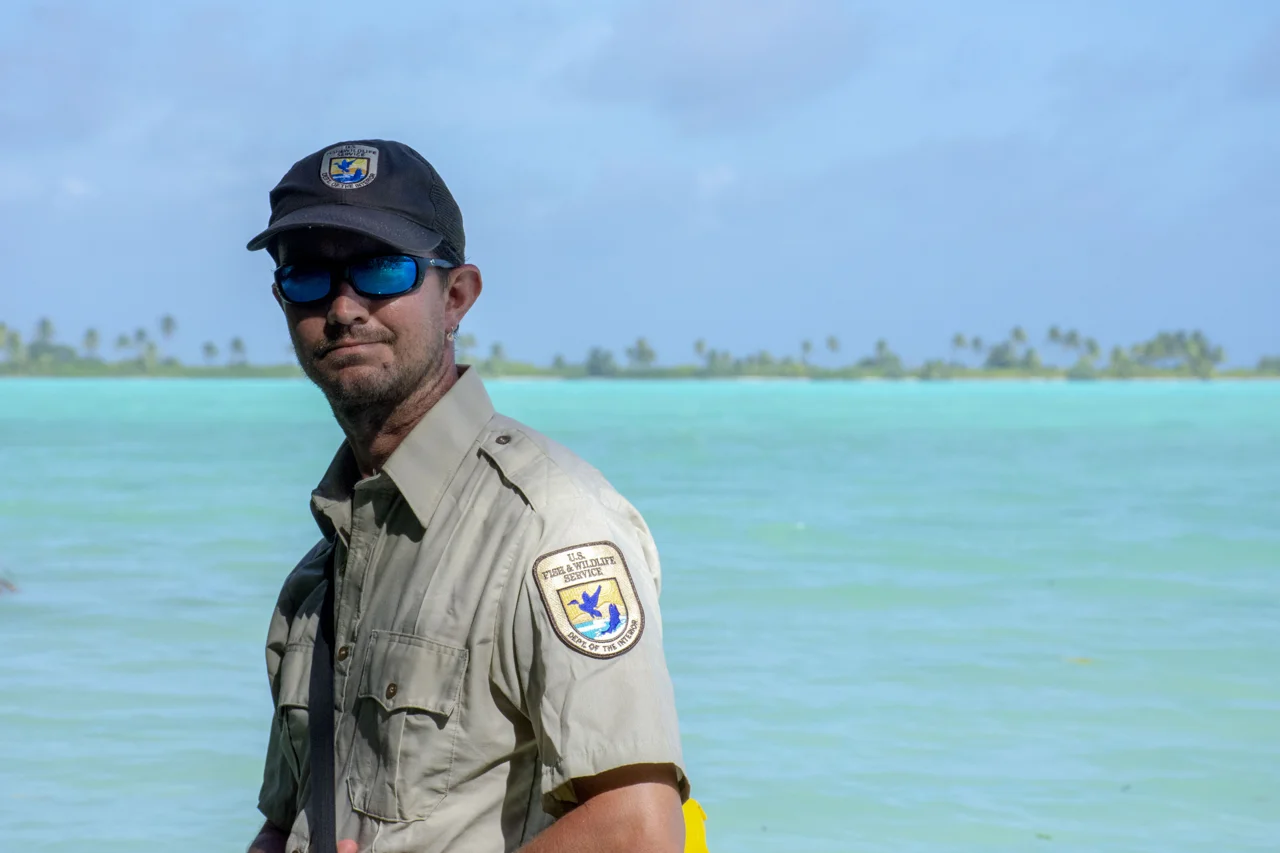
Palmyra and Midway provide concrete conservation starting points. The Nature Conservancy’s Palmyra volunteer programme describes six-month conservation science placements, normally rotating around March, June, September and December. It is unpaid. Search its careers service for “Conservation Science Volunteer, Palmyra Program”; a programme description is not confirmation that a vacancy is open.
- Prepare a CV describing field methods, data recording, boat or water experience and communal working experience. Match the advertised qualifications: TNC specifies education or equivalent experience, with demanding field and water duties.
- For Midway, use the refuge’s volunteer information to distinguish a six-month biological field placement from the shorter annual albatross census. The roles and financial arrangements differ.
- Save the specific announcement, closing date and offer. Friends of Midway’s recruitment page includes a Winter 2026 announcement with a 28 June 2026 deadline, already past at this review. Other wording is funding-dependent: obtain the next confirmed intake rather than treating it as an offer.
- For Wake, follow your employer’s assignment and installation sponsorship process. For commercial research support elsewhere, identify the paying organisation and approved scope before pricing a contract.
Remote income does not itself create permission to live on a refuge or installation. Agree any outside work with the host before accepting an assignment that depends on shared communications or a full field schedule.
04Build an assignment budget and settle payroll questions
Budget around your written assignment package. Commercial city rent and supermarket averages would not price an island stay accurately. Separate expenses the organisation pays directly, expenses it reimburses later and expenses that remain yours.
| When | What to obtain |
|---|---|
| Before departure | Quotes for getting to the staging point, lodging while waiting, required documents, examinations, insurance and approved baggage. |
| Each month | Written accommodation and meal charges or inclusions; communication costs; prescriptions and personal supplies; continuing commitments at home. |
| At the end | Who funds the island departure, onward ticket, extra nights and any early termination. |
| Contingency | Responsibility for evacuation, flight delays, damaged equipment and replacement supplies. |
TNC’s Palmyra programme FAQ describes board, lodging, island transport and specified travel support, including a stated sub-US$1,200 airfare allowance to and from Honolulu. This is a programme funding limit checked on 16 October 2026, not a current commercial airfare quote. Obtain its application to your actual departure airport and offer. Budget no stipend for that unpaid programme.
For a hypothetical six-month assignment, US$450 of continuing monthly home expenses would require US$2,700, before any personal travel or contingency. This is arithmetic using an invented household amount, not an island living-cost estimate.
The IRS’s guidance for people employed in U.S. possessions places these Pacific islands in its group without separate territorial governments and tax systems, and states that residents of that group are subject to U.S. federal income tax and withholding. Ask payroll which forms, withholding and tax records apply to your citizenship, employment and residence facts. A remote posting should not be marketed to you as automatically tax-free; retain your home-country residence and income records for the same assessment.
05Arrange study and family commitments before accepting
A research station placement and university admission are different processes. If you are a student, first obtain your supervisor’s approval for the fieldwork, academic credit, dates and supervision. Then arrange the island permissions. An institution’s support does not itself approve field access.
For refuge research, FWS Form 3-1383-R requests the investigator, sponsoring organisation and project information; it also addresses overnight personnel, logistics and safety. Give your university’s fieldwork office the actual island and proposed methods so its insurance and risk review match the activity.
- Agree how work will be assessed and where data will be stored.
- Complete exams or coursework that require reliable online attendance before departure where possible.
- If you have dependants, obtain an explicit answer about whether they may accompany you. Arrange schooling, care and emergency contacts at their actual base before accepting an unaccompanied placement.
No ordinary school-enrolment or campus-admission service for a household move to these islands was verified. This guide therefore supplies a field-study planning route rather than suggesting schools which families could enrol in on arrival.
06Assess retirement plans against the actual access route
A pension or the ability to support yourself does not answer the access requirements in step 1. No ordinary retirement residence route was verified for this grouping. If retirement is your reason for moving, establish a home in a destination with an applicable residence process before considering an island visit or a conservation placement.
Retired applicants interested in conservation should evaluate the advertised duties and duration. Midway’s biological volunteering involves substantial field work; the refuge’s role descriptions explain the distinction from the annual census. Ask about the current role’s physical requirements, insurance and medical screening before treating it as a suitable retirement activity.
Keep pensions, banking, prescriptions and a return address working at your established base. If you intend a short visit by yacht, follow the vessel route below; its limited permission is not a way to convert a holiday into permanent residence.
07Prepare permits, baggage and biosecurity together
Use the FWS Special Use Permit service to identify the relevant application: research and monitoring uses Form 3-1383-R; commercial and general activities have different forms. First establish whether the proposed activity is compatible with that particular refuge. Submit to the refuge as instructed and retain the approved, signed permit. A completed application alone is not a permit. The service does not publish one guaranteed processing time or universal fee for these islands.
For a private vessel going to Palmyra, build inspections into your actual itinerary. Its published vessel compatibility determination requires a clean hull certified within 14 days of departure and rodent-free certification within 48 hours, using an independent agent approved by the refuge manager. An intermediate port stop voids the hull certification. Resolve the inspector, documents and any changed route with the refuge before sailing.
- Obtain the host’s current packing and biosecurity list before buying crates or equipment.
- Inventory footwear, field clothes, electronics, medicines and spare parts. Clean and pack items according to that protocol; keep inspection paperwork accessible.
- Obtain written approval for research tools, hazardous materials or special cargo before tendering them for transport.
- Arrange pet care elsewhere: Palmyra’s visitor rules prohibit pets, including on visiting vessels. Do not book animal transport on the assumption that an ordinary U.S. import procedure authorises refuge entry.
For a temporary posting, store household furniture at your established base until an operator has specifically accepted any larger shipment. Packing light is useful only after the required work and medical supplies have been accounted for.
08Confirm the final transport and arrival handover
Getting to Honolulu is only part of a Midway or Palmyra journey. The Midway visitor page says public visitation is closed; its emergency airfield function does not establish a public passenger service. Palmyra’s runway is operated by TNC. Treat the final flight or vessel movement as a host-arranged leg with its own confirmation.
- Request the staging address, report time, baggage limit, manifest deadline and name of the person meeting you.
- Build the waiting period the host specifies into your accommodation booking. Ask who approves and pays for additional nights after a delay.
- Reconfirm the island movement before leaving the staging point. Keep documents and essential medication in your permitted hand baggage.
- On arrival, report to the designated contact before moving around. Have the permit, assignment letter and baggage inventory ready for the host’s checks.
For Wake, the Air Force installation page identifies the responsible command. Your sponsor should confirm passenger and site clearances directly. No universal public booking process or independent arrival-registration counter was verified. Keep the sponsor’s contact details with the travel file rather than relying on an airport taxi or walk-in accommodation.
09Complete the site induction and assignment records
Begin with the host’s induction rather than searching for a municipal residence office. Ask which identification must be carried, which access badge is required and where visitors are recorded. Your role and site determine the paperwork.
Palmyra’s vessel access determination specifies a wildlife safety orientation and controlled shore access. A visitor’s permission to anchor does not mean unrestricted access to every islet. Use the area map and instructions issued for your own permit.
- Record the on-site supervisor, emergency reporting method, meeting point and restricted areas.
- Confirm your authorised activity and end date against the signed documents.
- Complete the employment or volunteer forms supplied by the organisation, using its secure method for personal information.
- Have the supervisor resolve any missing approval before beginning work outside the induction arrangements.
The Midway six-month volunteer announcement for 2025 required a pre-departure PIV identity process. It is a historical example of onboarding that may need to happen before travel, not a current appointment system or a deadline applicable to every island.
10Keep banking and payments working from your home base
Arrange the banking for your assignment before you leave. No ordinary walk-in bank-opening service on these island sites was verified. Use an account accepted by payroll or the programme administrator and establish how reimbursements will reach it.
- Give payroll the bank details through its approved secure channel and confirm the payment currency.
- Set up essential standing payments for expenses continuing at home.
- Test the bank’s supported authentication method without depending solely on receiving a mobile text at the island.
- Ask the host which on-site expenses, if any, require payment and how those payments are handled. Carry only the cash or payment instruments appropriate to that answer.
For an eligible traveller using ESTA on the U.S. travel leg, CBP’s explanation dated 25 September 2026 lists US$10.27 processing plus US$30 if approved: US$40.27 in total, checked on 16 October. This is a specific U.S. travel authorisation charge, not an island landing fee or proof of eligibility for an assignment. Use the official application linked by CBP.
11Confirm the assigned accommodation before travelling
Ask for the accommodation attached to your actual placement: room or berth, sharing arrangements, bedding, laundry, meals, storage and any personal charge. Obtain dates that cover the authorised stay and clarify what happens if the assignment ends early.
In a 2023 first-hand account from Palmyra, TNC’s Kydd Pollock describes a research camp without towns, stores or fuel stations; supplies arrive by charter aircraft or vessel. It explains why a conventional rental search would miss the central question: what has your host committed to provide?
- Request the accommodation description and house rules before accepting.
- Ask about dietary needs, refrigeration for prescribed medication, water arrangements and any accessibility requirements.
- On arrival, inspect the allotted space with the host and report faults or missing essentials.
- Agree where equipment may be stored and who handles maintenance. Keep the departure and key-return arrangements in the same file.
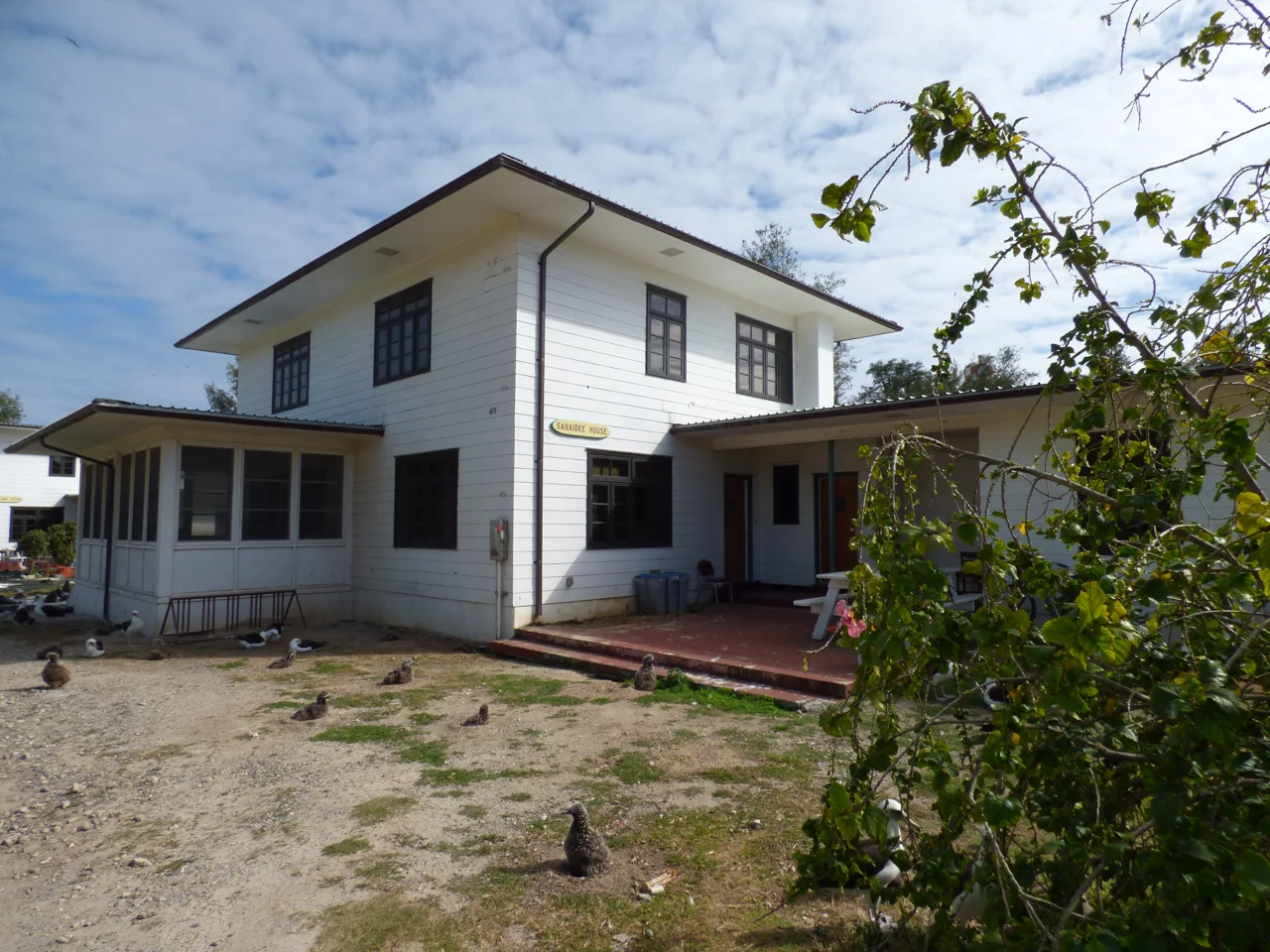
Historical photographs of Midway housing illustrate the setting, not units offered to rent. Do not pay an intermediary for an alleged private tenancy without verifying the operator, the accommodation and the right of access independently.
12Agree medical support and evacuation cover
Use the organisation’s medical process early enough to resolve a problem before the final transport is booked. Ask what care is available during your exact rotation, who provides it and where a patient would be taken if more treatment were needed.
The 2025 Midway volunteer announcement described limited on-island treatment and warned that evacuation could take at least 24 hours. This is dated evidence of remote operating conditions, not a current guarantee about staffing or response time. Obtain today’s arrangements directly for your placement.
- Take the role description and remoteness details to the clinician handling your clearance.
- Plan authorised prescription quantities, storage and necessary medical records for the full stay and an agreed delay margin.
- Ask the insurer to confirm cover for the named island, actual work, boat or diving activities where relevant, evacuation and onward treatment. Retain its written answer and assistance contact.
- Clarify who authorises evacuation and who initially pays. Give the host the emergency contact information it requests.
This guide does not substitute a general U.S. healthcare enrolment process for a station medical plan. The relevant practical outcome is a plan your operator and insurer can actually execute.
13Set up communications, utilities and local movement
Ask for the site’s actual connectivity arrangements before relying on video meetings, online study or mobile banking. Establish the permitted personal use of the network, a fallback contact method and a realistic check-in schedule with people at home.
On Midway, the 2025 role notice described no cellular service, limited internet and movement by foot or bicycle. Treat these as dated planning prompts: confirm current service and availability for your assignment before purchasing a roaming package or shipping a bicycle.
- At induction, test the approved communications method and save essential documents for offline access.
- Learn the host’s water-use, electricity, laundry and waste arrangements before unpacking appliances or washing field equipment.
- Agree the next supply request date and keep a simple stock list for consumables you are responsible for.
- Obtain the local movement briefing: authorised routes, vehicle or bicycle issue, wildlife precautions, boat use and any airfield restrictions.
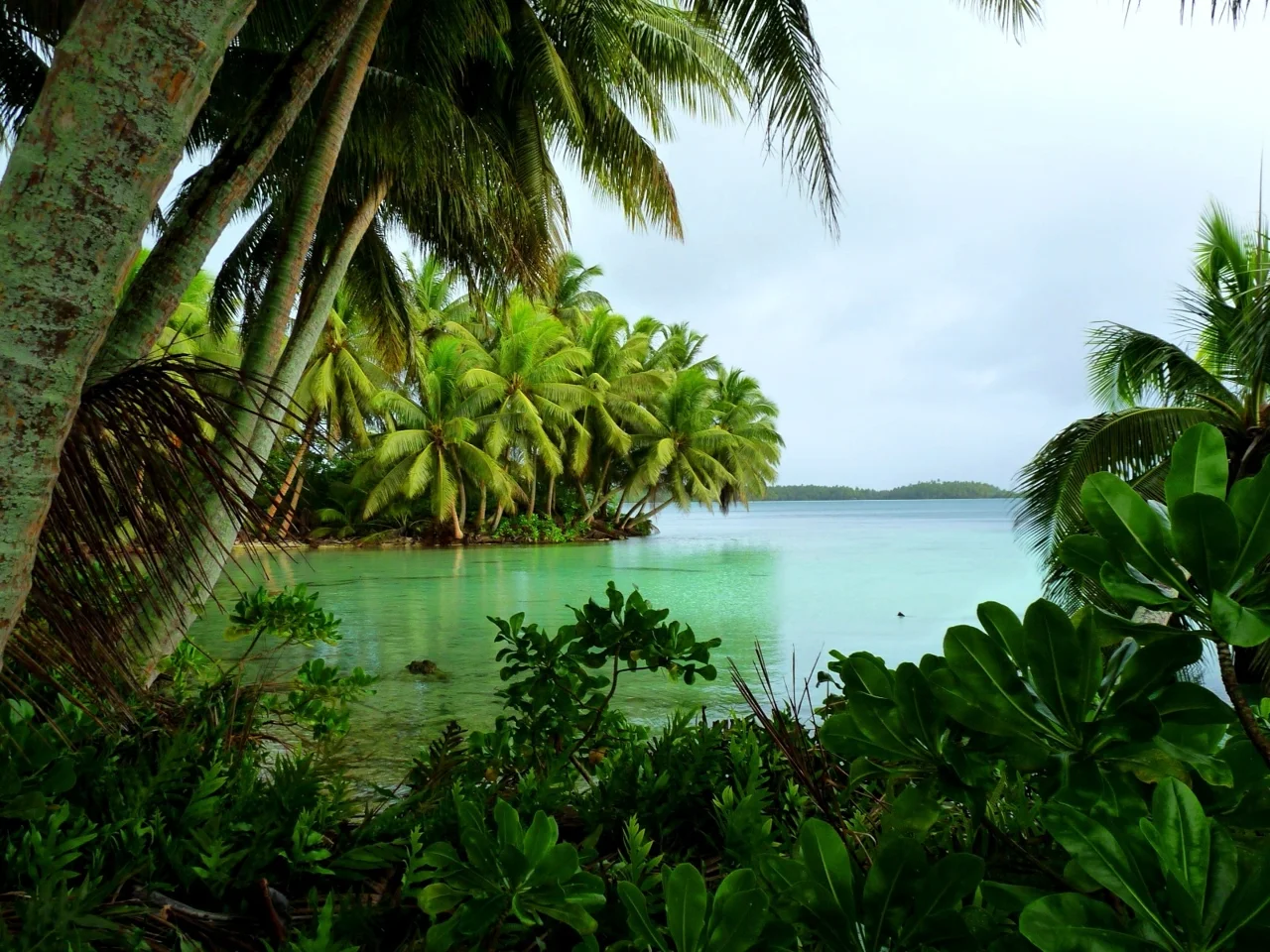
At Palmyra, private-vessel approval permits only the activities in the permit. The vessel determination restricts anchoring areas, discharges and tender use; it also prohibits visitor drone operations from vessels. Discuss proposed activities before carrying recreational equipment. A photograph of a lagoon is no indication that unrestricted swimming, fishing or landing is permitted.
14Establish the working routine and plan your departure
Community on an assignment develops around the people sharing your work and accommodation. Start with a conversation about working hours, shared chores, quiet time and how concerns are raised. Make a routine that leaves room for rest, equipment maintenance and contact with home.
Palmyra’s current TNC conservation programme describes rainforest restoration and marine research, illustrating the different specialist tasks an approved team may perform. Work only within your training and assignment. Observing an activity does not authorise you to handle wildlife, collect specimens or operate a boat yourself.
- First few days: finish induction, confirm your work boundaries and test emergency communications.
- First week: review supplies and accommodation issues with the supervisor; establish a realistic personal contact schedule.
- First month, or earlier for a short stay: reconcile expenses and any payroll issue, review health and workload, and confirm the departure plan still fits your permission.
- Before leaving: complete the host’s equipment, data, waste and room handover, settle costs and obtain the final transport confirmation.
For Palmyra yacht visitors, the published private-vessel limit is seven days, with prior approval and limited vessel numbers. Before setting sailing dates, confirm that an FWS manager will be present: the refuge opens to visitors only during those staffed periods. Arrange access to Cooper Island separately with The Nature Conservancy at palmyra_admin@tnc.org. Plan the departure within the authorised period. For an assignment, request any extension before the end date: an unfinished project or a wish to remain does not itself extend permission.
Sources & further reading
Reviewed 16 October 2026. Sources are linked beside the relevant instructions. Island access, transit admission, employment and tax treatment are separate questions. This is a restricted-access adaptation of the moving journey, not a claim of ordinary residential availability. Midway’s 2025 announcement supplies explicitly dated examples; its dates, staffing and benefits are not represented as current. Current public recruitment pages contain expired deadlines or conditional wording. For Wake and individual nationality cases, public sources do not establish a universal self-service clearance procedure. Checked 16 October 2026: TNC’s Palmyra volunteer FAQ describes a programme travel funding limit below US$1,200, subject to the actual offer; CBP’s 25 September 2026 ESTA explanation lists US$10.27 processing plus US$30 approval charge, a calculated total of US$40.27 for an eligible approved application. The US$2,700 six-month home-expense sum uses a clearly hypothetical US$450 monthly amount. No invented national monthly cost, rent, landing fee or evacuation quote is supplied. Photograph credits, licences and capture years appear with the images.
Browse the source directory
- U.S. Census Bureau’s geographic codes
- Midway visitor page
- published private-vessel limit is seven days
- Air Force installation page
- Special Use Permit for an Air Force-approved activity
- Baker
- Howland
- Jarvis
- Kingman
- Closed Caribbean refuge with no visitor services
- State Department’s transit guidance
- CBP requires ESTA for air transit too
- Palmyra programme FAQ
- refuge’s role descriptions
- Friends of Midway’s recruitment page
- IRS’s guidance for people employed in U.S. possessions
- FWS Form 3-1383-R
- FWS Special Use Permit service
- vessel determination
- 2025 role notice
- CBP’s explanation dated 25 September 2026
- 2023 first-hand account from Palmyra
- current TNC conservation programme
Make your next step a practical one
Identify the exact island and responsible operator, then establish an authorised purpose before committing to transport or a long stay.