Visa

Moving & Living - Uganda - Complete Guide
Plan a move to Uganda in fourteen steps: choose a base, arrange the right permit, prepare the household file, rent a home and establish identity, tax, banking, healthcare and everyday services.
Photo credit
A move to Uganda can centre on a Kampala office, a school along the Entebbe Road corridor, a university or a posting elsewhere in the country. Where you live should follow those daily commitments, with water, electricity, transport and healthcare considered alongside the home itself.
These fourteen steps follow the move from the first offer or residence enquiry to a working first-month routine. They include the 2026 identity and tax changes, local application services and practical household instructions. Education and retirement planning are optional steps.
Uganda at a glance
- Currency
- Ugandan shilling · UGX
- Possible bases
- Kampala · Entebbe · Jinja · Gulu · Mbarara
- Immigration authority
- DCIC · official visa and permit portal
- Resident identity
- Alien ID · NIRA
- Tax administration
- URA · identity mapping transition
- Reviewed
- 16 October 2026
Follow your moving journey
Start at step 1, or jump to the task you are working on.
01Choose a base around the journeys your household will repeat
Start a move to Uganda with the workplace or campus, then choose the home around it. A household working in central Kampala, a family attending school in Lubowa and someone posted to Jinja need different searches. An attractive address on the map can still make the school run or working day unnecessarily difficult.
| Base | Useful starting point | What to establish |
|---|---|---|
| Kampala | Compare Nakasero, Kololo, Naguru or Ntinda against the actual office | Peak-hour access, the last approach road and nearby services |
| Lubowa and the Entebbe Road corridor | Start with the school or employer's precise location | School-bus coverage, road crossings and the return journey |
| Entebbe | Suitable for an Entebbe-based assignment or household routine | Whether frequent Kampala journeys would defeat the reason for living there |
| Jinja, Gulu or Mbarara | The local campus, employer or project office | Available accommodation, specialist care and onward transport for that posting |
- List the trips that cannot be moved online: office attendance, school, medical appointments and food shopping. Test the routes from each candidate property at the time they will be used.
- Ask about water storage, the electricity meter, backup arrangements and the actual internet service at the dwelling. Include their operating costs in the comparison.
- For an International School of Uganda application, its published bus areas include Ntinda, Munyonyo, Makindye, Lubowa and Entebbe. Ask the school to confirm the current pickup and travel time for the exact address; the area list does not guarantee a place on a particular route. See the school's practical admissions answers.
Book a temporary base long enough to view properties and complete a handover. A furnished short stay can be useful while the residence, school and transport decisions become concrete; it should not be confused with the price or conditions of a residential tenancy.
02Choose the permission for your activity and each family member
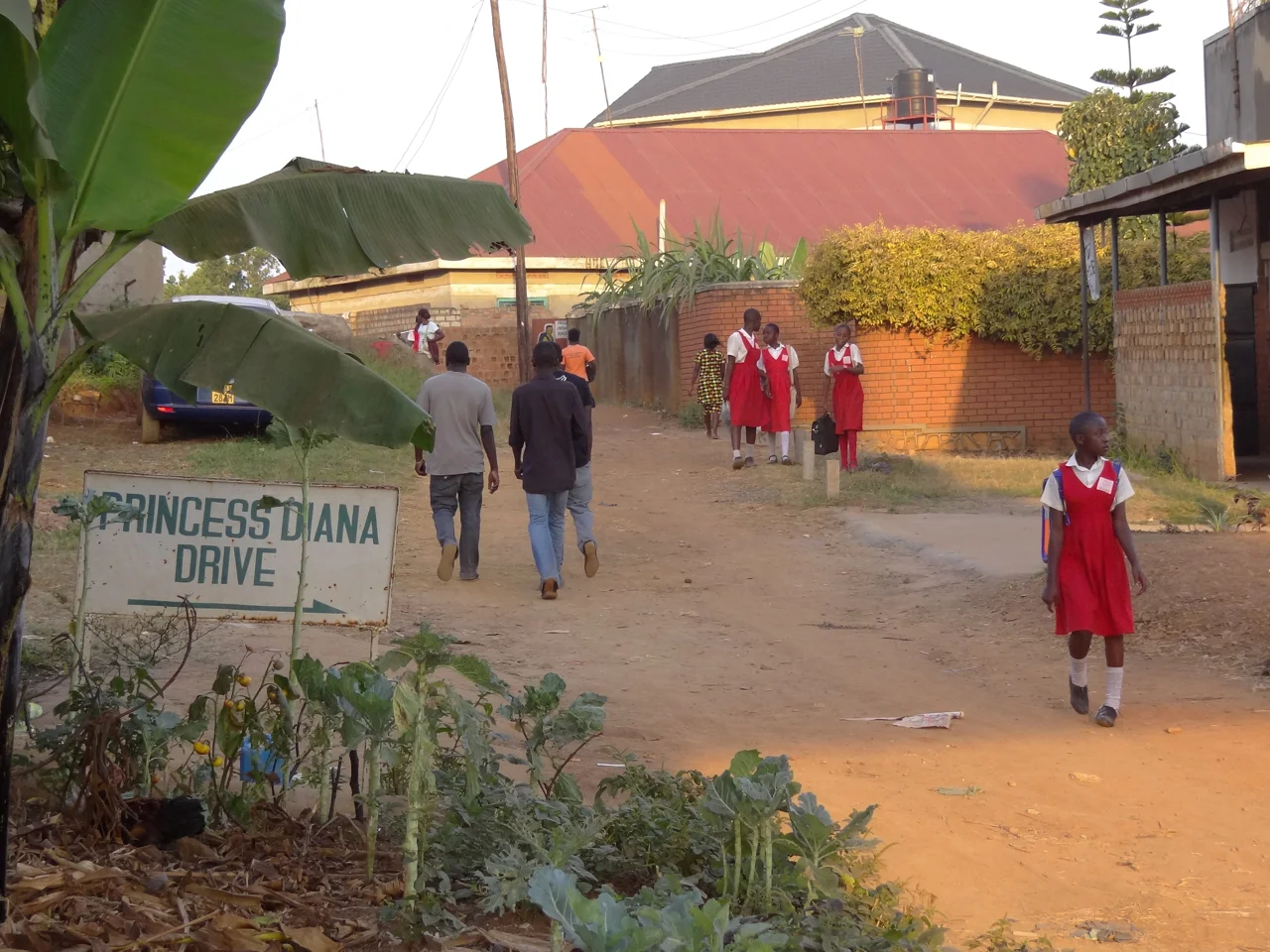
A visa for a visit is not the same as an entry permit for employment or a student pass. First identify what you will actually do in Uganda, then match the application to that activity. Record the route for a spouse and children separately rather than assuming they are included in the principal applicant's approval.
- Use the official visa-exemption list for your nationality and document type. The list distinguishes ordinary nationalities, diplomatic or official passports and particular international-organisation documents. An exemption from a travel visa does not itself authorise employment.
- If you need a visitor visa for an exploratory stay, use the single-entry visitor instructions and the government visa and permit application portal. The approval authorisation must be used within ninety days of approval; this is distinct from the period of stay granted at entry.
- For the move itself, compare the entry-permit classes, the student route or the dependant route. Select the correct application type, complete the form, upload the required evidence and retain the application reference. Make the payments requested for that application stage.
- After approval, follow the instruction for any balance payment and for biometric capture or endorsement. Bring the passport, approval, receipts and documents uploaded. Do not treat the submission acknowledgment as permission to begin the activity.
The dependant-pass instructions cover a spouse, children under eighteen and other qualifying relatives of a lawful resident, as well as qualifying dependants of a Ugandan citizen. They ask for the principal's passport and status, the dependant's passport and photograph, and marriage, birth or relationship evidence according to the category. A child's application also needs the specified principal's cover letter. Obtain the dependent family member's decision and conditions before arranging a working or studying routine.
03Make the work permit part of the employment or business arrangement
Ask the employer to identify the permit class and take responsibility for the organisational evidence at the offer stage. This is especially useful for NGO appointments: a salaried employee and an unpaid volunteer are not placed in the same category merely because they work for the same organisation.
- For an ordinary expatriate salaried role, including paid NGO employment, DCIC describes Class G2. Its checklist includes an appointment letter, employer cover letter, certified qualifications, police or Interpol clearance, current immigration status and a tax-clearance certificate, together with passport and photograph.
- The organisation must also supply its employee list with nationality and position, and evidence of failure to employ a suitably qualified Ugandan. Have the employer assemble the complete Class G2 file before agreeing that a start date is achievable.
- Use the relevant class for a different activity. The official list distinguishes missionary or volunteer work, selected skilled roles, professional activities and shareholder businesses. Have DCIC confirm the category if the contract combines activities or changes during the assignment.
For a business, begin with the Uganda Registration Services Bureau's registration service. Establish whether you are creating a Ugandan entity or registering an overseas company with a place of business in Uganda. Reserve the appropriate name, prepare the company and ownership particulars, complete the selected registration and retain the issued documents. Then resolve tax registration, the applicable trading or sector licence and your personal immigration permission. Incorporation does not complete all three.
No dedicated digital-nomad route was verified for this guide. In particular, the non-working Class H route requires an undertaking not to accept employment or engage in income-generating activity. Do not use it as a presumed remote-work permission. Put the proposed contract and where the work will be performed to DCIC before relying on foreign-client income to support the move.
04Separate moving costs, monthly bills and payroll deductions
Build a budget in Ugandan shillings for local bills and keep USD-denominated commitments visible separately. Obtain rent quotations for the type of home and location you are considering; a serviced apartment, a family house and a student room are different budgets. Include the cost of the commute that makes that property workable.
| Item | Initial provision | Recurring provision |
|---|---|---|
| Accommodation | Temporary stay, agreed rent advance, deposit and documented agent charge | Rent, shared services, water, electricity and backup-power costs |
| Administration | Applicable visa or permit, identity card, certification and translation | Renewals, replacement documents and tax-compliance assistance where needed |
| Education and care | Application or registration payments, policy inception and essential supplies | Tuition, school transport, health premiums and uncovered treatment |
| Daily services | SIM, connections, household equipment and initial transport | Food, mobile data, internet, commuting and trips outside the base |
DCIC's Class G2 page viewed on 16 October 2026 publishes USD 2,500 for twelve months, including a USD 1,500 non-refundable fee. Other durations and categories have different charges. Its entry-permit page says Kenyan and Rwandan nationals remain required to obtain the permit but are exempt from immigration fees; it lists USD 1,550 a year for Tanzanian work permits. Have the portal assessment reflect the correct nationality and category.
The dependant page lists USD 200 for a child, USD 350 for a spouse and USD 1,000 for another relative, with bank charges additional. These are administrative charges, not a monthly living-cost estimate. Confirm the assessment for the selected household application before paying.
For household electricity, use UEDCL's October–December 2026 tariff and the meter's category. The domestic schedule lists UGX 779.4/kWh for units 16–80, UGX 412 for units 81–150 and UGX 779.4 above 150. Its UGX 250 first-fifteen-unit lifeline price is conditional on the published rolling-consumption eligibility rule. Do not multiply every unit by the cheapest block or omit fixed and other applicable charges.
Ask payroll for a gross-to-net breakdown including PAYE and any applicable pension or social-security deductions. NSSF's standard membership page describes five percent employee and ten percent employer contributions, with monthly remittance due by the fifteenth of the next month; establish whether your employment falls within coverage rather than inferring it from nationality alone. Read the Fund's membership information.
Tax residence also has its own tests. URA describes permanent-home and presence tests, including 183 days in a qualifying twelve-month period and a separate multi-year presence test. Take your arrival history, income sources and existing overseas tax position to an adviser using URA's published residence explanation. An entry permit, overseas payer or offshore account does not decide the whole tax result.
05Obtain the school offer or university decision before fixing the move
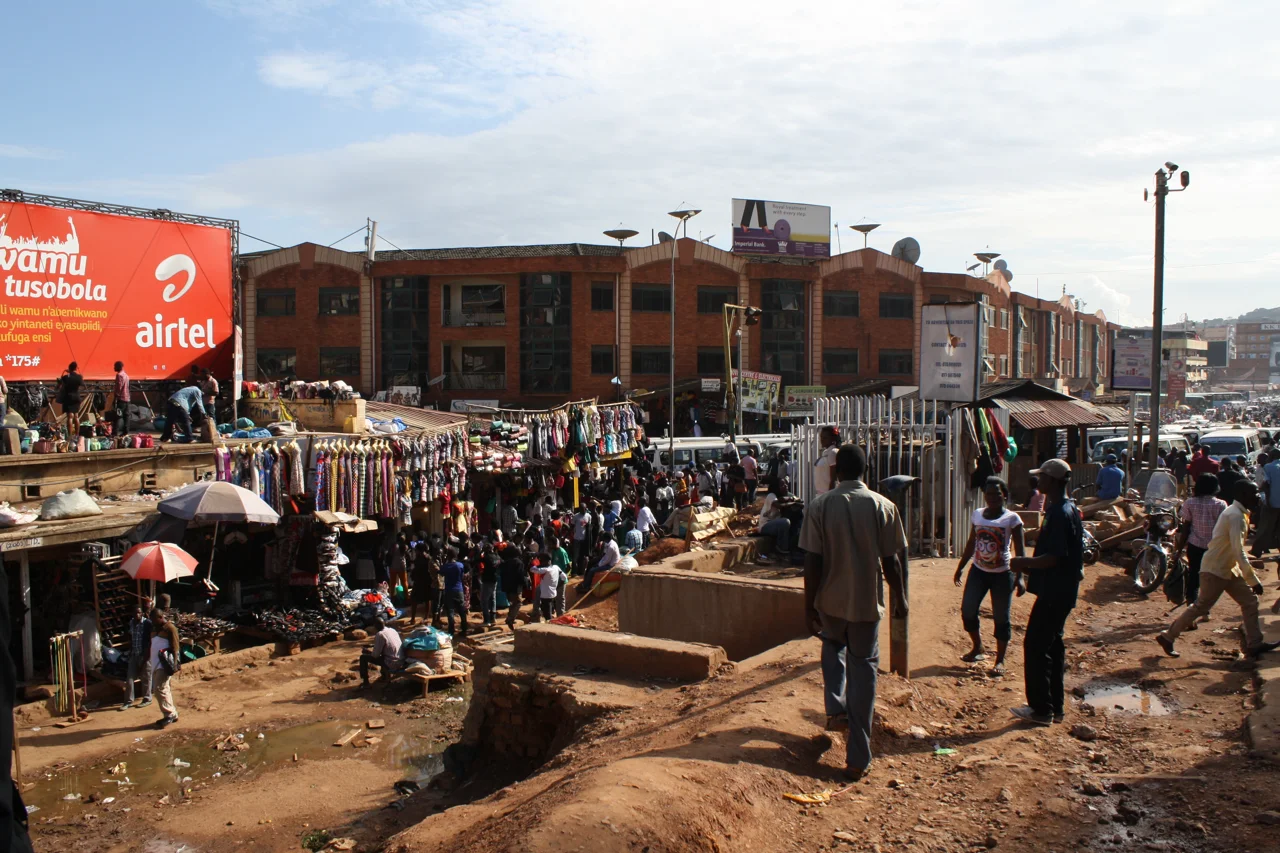
Start with age group, curriculum, language and support needs, then map the journey. Ask which year or grade the child would join and what happens if a place is unavailable. Keep a school's offer, fee schedule and transport arrangement together; none substitutes for the required immigration paperwork.
- As a practical starting point, contact the International School of Uganda in Lubowa about class availability. Its application procedure begins with an enquiry, followed by the requested documents and a USD 500 registration fee per child. The school reviews a complete application before confirming admission.
- Supply the records requested by admissions and discuss learning support or placement assessment. The school may admit during the year subject to requirements and space; it does not promise a place simply because the fee has been paid.
- After acceptance, finalise the enrolment payments and emergency-contact form, plus the bus form if required. Obtain the current full annual cost rather than treating the registration payment as tuition.
For university study, use Makerere University's admissions guidance for the relevant scheme. Its 2026/27 A-level private-sponsorship call accepted international applicants but that advertised window has closed. Use the latest dated announcement for a future intake, register on the actual application portal and select the correct running scheme. Foreign secondary qualifications need the applicable equivalency process: UNEB's service explains document verification before payment. Do not pay a fee copied from its older 2020 price list as if it were current.
DCIC's student-pass checklist applies to foreign pupils and students above age four enrolled at a Ugandan institution. It requests school support and admission letters, student ID, fee-payment evidence, passport with at least six months' validity, photograph and current immigration status; under-eighteens also provide the parent or guardian's identification and status. The published fee is USD 100 for an approved three-, six- or twelve-month period, with East African nationals exempt from that fee. Coordinate the file with the institution.

06Use the non-working residence route only if its conditions fit
Uganda has a category for people supported from outside the country. It is more specific than a general invitation to retire or work online. Read the undertaking carefully and decide whether the household can genuinely live within those conditions.
- For Class H ordinary residence, DCIC requires proof of assured income of at least USD 36,000 a year from outside Uganda and an undertaking not to accept employment or undertake income-generating activity.
- Prepare the passport, recent photograph, applicant's cover letter, current immigration status and valid Interpol or home-country police clearance issued within the preceding six months.
- Apply through the official portal and follow the payment, approval and biometric instructions. The Class H page publishes USD 750 for six months and USD 1,500 for twelve months, with separate longer-duration prices. Budget for the actual category and period granted.
Ask the pension provider how a change of residence affects payment, correspondence and any proof-of-life procedure. Test access to funds and obtain health-insurance quotations for the actual age and medical history before relying on a lease being affordable. A nearby pharmacy or clinic is useful only if it can provide the treatment the person needs.
A certificate of residence is a different route. DCIC describes categories for qualifying marriage, long lawful stay and former Ugandans; the long-stay category refers to ten years of continuous residence and contribution to the country. Read the certificate categories rather than presenting permanent residence as an ordinary first-arrival retirement option. For a later change to paid activity, obtain the appropriate immigration decision first.
07Prepare civil records, shipment evidence and pet permission
Create a separate passport and application file for each person. Include readable scans of identity, immigration records, employment or income evidence and the civil documents proving household relationships. Keep the passport spelling consistent across the offer, tenancy and application forms.
- For a dependant, obtain the marriage or birth record and the principal's supporting documents before leaving. For study, collect reports, certificates and the institution's letters. DCIC's instructions require attached documents in English; establish the translation and certification accepted for your documents.
- Check the police-certificate requirement for the chosen permit, including its age limit, before ordering it too early. Retain the issuing authority's record and any original required at the biometric appointment.
- Prepare a detailed inventory and ownership records for shipped possessions. Give a licensed clearing agent your status, shipment contents and arrival dates, and request a written assessment of customs treatment and charges before loading. Do not assume visitor baggage rules establish removal-goods relief.
For an animal, begin with the Agriculture Ministry's livestock import-permit service and obtain the conditions for that species and country of departure. Its border-veterinary inspection procedure lists an import permit, international veterinary health certificate, vaccination certificates and any applicable test, movement or transit documents, alongside suitable transport and crate checks.
I could not verify one universal public timetable covering every pet's vaccination, testing and certificate validity. Have the exporting veterinarian and Ugandan veterinary authority settle those dates against the permit before the carrier booking. Confirm the airline's acceptance and any transit country's rules separately. Travel with the actual permit and certificates; an airline reservation is not import approval.
08Keep the entry record and arrange the first journey from Entebbe
Keep the passport, approval letters, receipts and documents needed for endorsement in hand luggage. Save the accommodation address and driver's or host's telephone number offline. An arrival after a long flight is a poor moment to resolve the difference between an Entebbe address and a Kampala address.
- At immigration, retain the entry record and read the period and conditions granted. If the approval requires biometric capture or a further office visit, organise it using the instructions supplied.
- For airport transport, the Civil Aviation Authority's passenger information describes marked airport taxis and car-hire options. Confirm the destination and current total before departing. Its page includes undated price and journey-time examples, so this guide does not present those as current quotations.
- Establish a working contact method and a payment option, then notify the employer, institution or household contact of arrival. Keep the first days available for the administrative tasks tied to the intended status.
DCIC's notice dated 2 October 2026 says a yellow-fever vaccination certificate is no longer mandatory for entry. Use the current notice rather than an older mandatory-certificate checklist. Entry documentation and personal medical protection remain separate: arrange an individual travel-health consultation before departure, including the itinerary and onward countries.
The Health Ministry also maintains a traveller declaration and self-reporting instruction linked to its health forms. Review the current form and official instructions for your arrival route and provide accurate details. Keep access to the contact method used in travel and immigration applications.
09Register for the Alien ID and resolve the tax identifier transition
Foreign residents now need to plan around Uganda's Alien Identification process as well as the immigration facility. These records serve different purposes: the permit or pass establishes the immigration permission; the identity record supports access to other services.
- NIRA's August 2026 announcement requests a valid passport and the applicable DCIC document, such as a work permit, student or dependant pass, or certificate of residence. It publishes a USD 100 government charge for the Alien ID service.
- For Kampala Metropolitan, NIRA identifies its Kampala Central Division office as the central registration and issuance point; outside Kampala, it directs residents to NIRA offices countrywide. Use NIRA's dated announcement for the current contact and ask the office about the required originals, payment reference and collection. The announced two-week waiting period is a dated service statement, not a guaranteed delivery date.
- Keep proof of the application and check the issued details against the passport. Use the same physical address when updating the bank, employer and tax record.
URA's 25 September 2026 explanation says non-citizens use an Alien ID where one has been issued. Where it has not, a foreign tax identifier may be usable only when Uganda has the relevant agreement with that jurisdiction. Existing TINs remain valid; the authority says updated records will use the new identification for account access from 1 January 2027. Read the current transition explanation.
Take the passport, immigration facility, available Alien ID and existing tax details to URA for the correct registration or mapping route. Its older TIN guidance still includes a national-ID instant application and signed-document processes; do not assume a foreign passport holder can follow the Ugandan-citizen instant workflow. Resolve the identifier with URA before payroll or a business filing depends on it, and retain the authority's acknowledgment.
10Open the account with identity, status, address and income evidence
Choose the account around actual incoming payments and bills. Ask about UGX and foreign-currency balances, incoming transfer charges, debit-card availability and access if the telephone number changes. Keep an existing payment method usable while the local application is assessed.
- Obtain the branch's current checklist for a foreign resident and the selected product. As a published example, Stanbic Uganda's account-opening document lists a foreign passport and work permit or certificate of residence, with address and source-of-income evidence.
- Its address examples include an employer or local-council letter, an appropriate utility bill or supporting tenancy agreement, and a school or university letter for a student. Present the originals requested and explain a newly arrived household's situation before relying on a document the branch may not accept.
- Ask how the 2026 Alien ID arrangements affect the bank's checks. The published document predates that rollout, so have the branch confirm its current requirements for your particular status.
- After opening, obtain the account details in writing, test a small incoming transfer and activate the chosen access method. Save rent and deposit references with the tenancy records.
Mobile money is a separate account and registration task. MTN's MoMo instructions direct customers to an authorised agent or service point with accepted identity documents and describe payments through *165#. Have the provider establish the registration appropriate to your passport and current status. Test the recipient details and review the displayed charges before confirming a transaction; cash withdrawal, transfer and merchant payment are different operations.
Keep the PIN private and retain confirmation messages for significant payments. Before changing a SIM or leaving a temporary tourist registration behind, settle how access to the wallet and remaining balance will continue.
11Agree the rent, deposit and service responsibilities in writing
Ask the owner or authorised representative to walk through the full monthly bill with you: rent, water, electricity, shared security, waste collection, internet and any generator or compound charges. A quotation described as inclusive is useful only when the included services and limits are written down.
- Confirm who owns or is authorised to let the property, and match that identity with the agreement and payment recipient. Obtain a written agency fee arrangement if an agent is involved.
- Record the exact premises, tenants, term, rent currency and payment dates. Establish responsibility for repairs, notice, renewal and access by the landlord. Have an independent local reviewer explain unclear terms before signing.
- Justice Centres Uganda's explanation of the Landlord and Tenant Act distinguishes rent in advance from a security deposit. For a tenancy longer than a month, it describes a three-month advance limit unless both parties agree otherwise.
- It also describes a single security deposit capped at one month's rent or one-twelfth of the annual occupancy rent, whichever is less, with written withholding conditions and a receipt. Use the official legal-aid explanation when reviewing the proposed payment schedule.
- At handover, photograph the rooms and existing damage, record meter readings, test water and power, and list keys, appliances and furnishings. Have both parties acknowledge the inventory.
Inspect the last approach road, drainage around the building, water storage and the meter serving your own unit. Ask to see recent bills and establish whether an account is shared. If backup power is offered, ask which sockets and appliances it supplies and how fuel or maintenance is charged. Confirm internet installation at that exact building before treating it as a place to work.
12Arrange insurance and identify the provider before treatment is needed
Ask the employer what its medical policy actually pays for and which family members it covers. If arranging private cover, compare the listed hospitals, outpatient benefits, ongoing conditions, authorisation procedures and evacuation arrangements. A policy limit alone does not explain how to obtain care.
- Give the insurer the proposed location and relevant medical history. Obtain its written position on continuing treatment, maternity or other planned care before accepting the policy.
- Identify the provider that can deliver the care you need. As a Kampala starting point, C-Care IHK's own contact page lists its Namuwongo location and doctor-booking channels. Contact the hospital and insurer to confirm the relevant clinician and payment arrangement; a listed hospital does not establish your policy's direct-billing approval.
- Carry a medication summary with generic names, doses and prescriptions. Arrange a local review before the existing supply runs out, rather than assuming every brand and strength is available.
- Discuss malaria prevention for the actual itinerary and household with a qualified clinician. The CDC's Uganda information identifies malaria throughout the country and advises prompt medical attention for fever during or after exposure. It does not support treating every fever yourself.
At the home, establish the mosquito-net and screening arrangements as part of the first-night setup. For current public-health instructions, use the Health Ministry's statements, particularly before cross-border travel. Its July 2026 outbreak declaration is dated information; it should not be rewritten as a promise that health conditions will remain unchanged.
Save the provider's contact, insurer assistance details and a route to urgent care where household members can find them. For planned treatment, request an itemised quotation and the insurer's decision before assuming reimbursement. Students should also resolve any insurance evidence required by their university at admission.
13Connect the home and establish the everyday transport routine
Start with the services already attached to the property. Taking over an existing household and installing a new connection are different procedures; decide which one you need before paying for work or opening an application.
- Visit an authorised mobile service point with the original documents. MTN's SIM-registration guidance lists a valid passport for foreigners and a UGX 2,000 new-SIM charge. Ask which status record, verification and expiry apply to your stay. Its tourist SIM is a separate temporary product requiring passport and visa information; establish the resident arrangement before depending on it long term.
- Check the electricity meter number, category, balance and account holder with the owner. Use UEDCL's current tariff and its official customer service for the applicable supply. Record any shared-meter or backup-power charge in the lease.
- For water, obtain the NWSC account number and current bill, and agree who pays. If a genuinely new connection is needed, the NWSC application instructions ask for personal, address and connection details and a combined PDF of supporting property and local-authority documents. Coordinate the property-owner evidence; a tenant should not assume a land title in their own name is needed to take over an existing service.
- Use the actual NWSC application service when appropriate, retain its tracking reference and wait for the survey and quotation. The provider must establish feasibility before installation can be assumed.
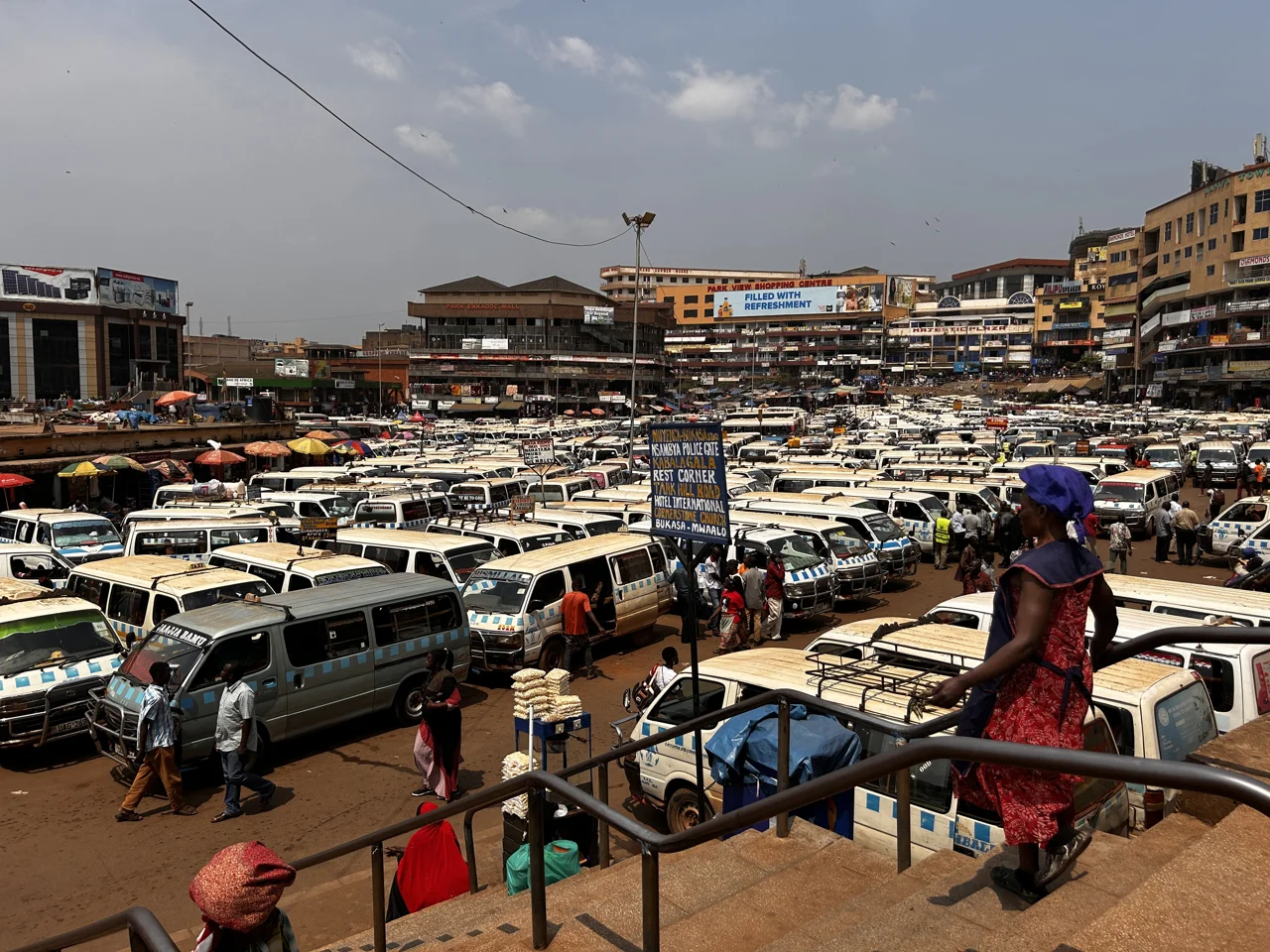
For transport, have a colleague, institution or host explain the route from the home to the destination, including where to board and alight. In Kampala, ask specifically whether a quoted “taxi” means a shared minibus or a hired car. Compare the full journey and the cost of any additional connections before choosing the daily method. Obtain a current fare for that route instead of treating a single airport-page example as the national price of transport.
14Complete the first-month tasks and build local support
Once the first applications and accounts are in motion, make the neighbourhood usable. Find the food shops, pharmacy and service points you will return to, and learn the journey independently rather than keeping every errand dependent on one colleague or driver.
- During the first week: save entry evidence, act on approval instructions, establish telephone access, identify care and organise the next resident-registration visit.
- After the home is chosen: finish the tenancy inventory, verify the meters, keep payment receipts and establish the address evidence the bank and other institutions accept.
- Before the month ends: review actual spending, confirm payroll and insurance arrangements, follow up the Alien ID and tax record, and retain the school or university decision and student-pass evidence where applicable.
- For future months: calendar permission expiry, passport validity, policy renewal, tax tasks and academic deadlines. Assign each outstanding task to a household member and an institution.
For community, begin with the organisation that brought you to the country: colleagues, a school parent network, the university's international office or a local class. Ask about ordinary weekly activities and attend before committing to an expensive membership. For a posting outside Kampala, build contacts in the town where you will live rather than relying entirely on capital-city services.
Keep the unresolved list concrete. “Collect the approved card,” “confirm which bill the bank accepts” and “obtain the insurer's written treatment decision” are tasks you can finish. Record the reference, contact and next date beside each one. That record makes it easier to change a phone number, renew a document or move home later without rebuilding the entire household file.
Sources & further reading
Reviewed 16 October 2026. Sources are linked beside the relevant instructions. Class H is a non-working route with an assured foreign-income requirement and an undertaking against employment or income-generating activity. No dedicated digital-nomad permission was verified. The new Alien ID and September 2026 URA transition are distinguished from older citizen-only instant TIN instructions. Bank and pet requirements that depend on status or permit conditions need a precise institutional answer. Permit, identity, school-registration and SIM charges were viewed on 16 October 2026 and apply to the specified services; exemptions and additional bank charges may apply. UEDCL electricity rates are for October–December 2026, with conditional lifeline eligibility and other charges separate. Undated airport fares and UNEB 2020 prices are not repeated as current. Rent, moving costs, tuition totals and insurance require dated quotations. Photograph credits, licences and capture years appear with the images.
Browse the source directory
- school's practical admissions answers
- official visa-exemption list
- single-entry visitor instructions
- government visa and permit application portal
- entry-permit page
- dependant page
- Class G2 page
- Uganda Registration Services Bureau's registration service
- UEDCL's current tariff
- Fund's membership information
- URA's published residence explanation
- application procedure
- Makerere University's admissions guidance
- UNEB's service
- student-pass checklist
- Class H page
- certificate categories
- livestock import-permit service
- border-veterinary inspection procedure
- Civil Aviation Authority's passenger information
- current notice
- traveller declaration and self-reporting instruction
- NIRA's dated announcement
- current transition explanation
- older TIN guidance
- Stanbic Uganda's account-opening document
- MoMo instructions
- official legal-aid explanation
- C-Care IHK's own contact page
- CDC's Uganda information
- Health Ministry's statements
- MTN's SIM-registration guidance
- tourist SIM
- NWSC application instructions
- actual NWSC application service
Make your next step a practical one
Shortlist a city, confirm your residence route and build a budget before committing to a move.