Visa
Moving & Living - Timor-Leste - Complete Guide
Move to Timor-Leste step by step: choose a Dili base, arrange the appropriate work or residence route, prepare documents and set up schools, banking, housing and medical cover.
Photo credit
A home in Dili starts with the journeys you will make each week: the workplace, a school in Pantai Kelapa, a bank appointment or the waterfront near Lecidere. A posting in Baucau or an island household needs a different service and transport plan.
These fourteen steps take you from choosing a base to organising the first month. They distinguish visitor entry from work and residence permission, explain practical application files and connect the move with local schools, taxpayer records, payment services and medical arrangements. Optional steps are identified, and photographs retain their capture dates.
Timor-Leste at a glance
- Currency
- US dollar · USD
- Starting point
- Dili, around the actual job and school
- Permission
- Visitor, work and residence decisions are distinct
- Tax record
- TIN through Autoridade Tributária
- Transport
- Numbered Dili microlets and taxis
- Reviewed
- 16 October 2026
Follow your moving journey
Start at step 1, or jump to the task you are working on.
01Choose a base around the job, school and services you need
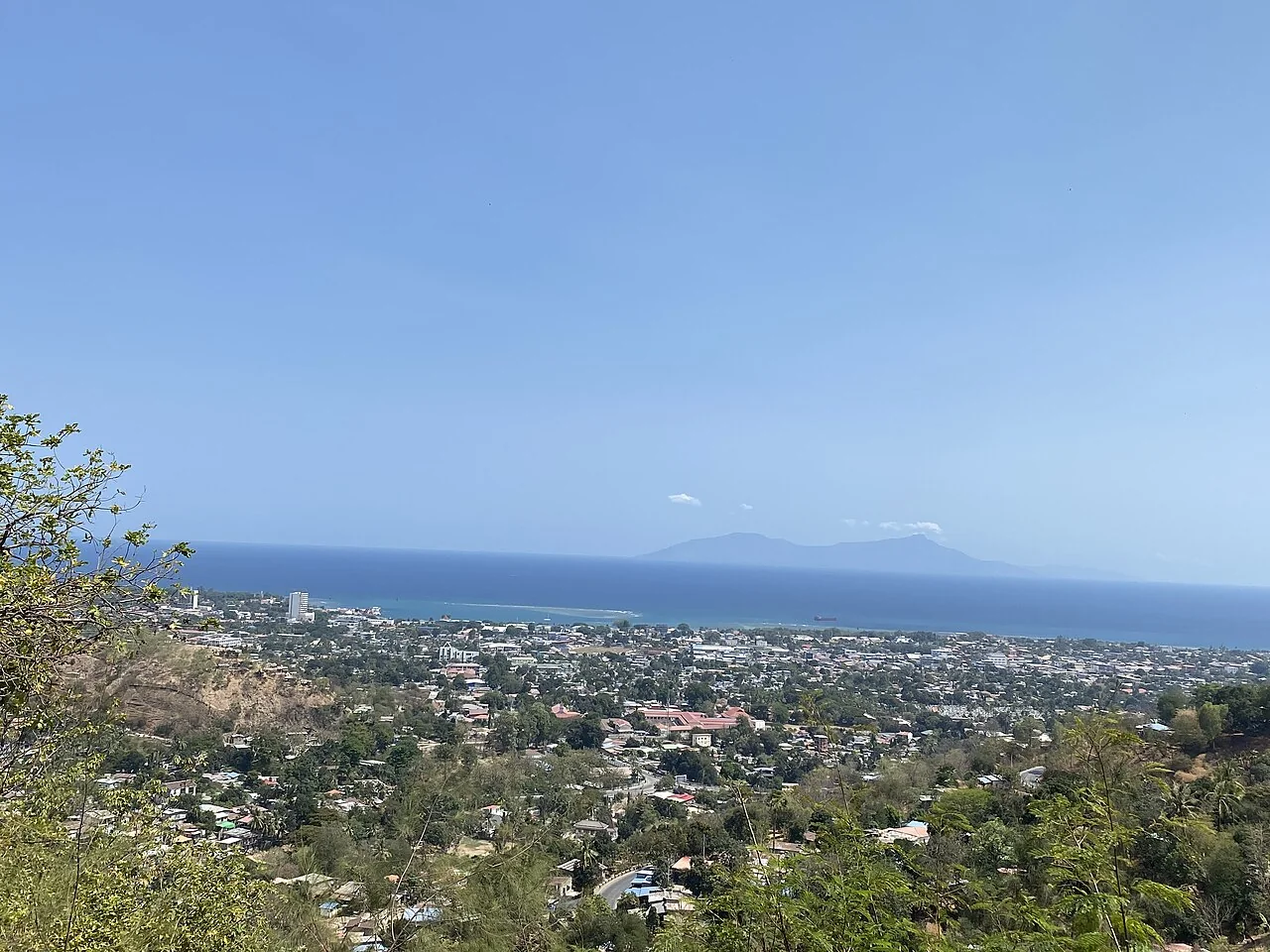
Dili is the practical starting point for a household whose work, school or administrative appointments are in the capital. It sits between the coast and surrounding hills; distance on a map does not explain the daily journey. Compare the actual entrances to the office and school with the house, grocery shopping, healthcare and transport.
| Starting area | What to test in person |
|---|---|
| Pantai Kelapa and the western side of Dili | Put Dili International School's campus and the workplace on the same route; compare access towards Comoro with trips to central offices. |
| Farol, Colmera and Lecidere | Walk the immediate streets and test the journey to the institutions you use, including the return trip after working hours. |
| Metiaut and the eastern waterfront | Measure the commute back towards central and western Dili rather than judging a home only by its coastal setting. |
| Baucau or another municipality | Start with the actual posting or course, then establish housing, communications, school and referral arrangements locally before moving the household. |
The official tourism description of Dili helps orient you around the waterfront, Motael and the surrounding hills. Use it for orientation, then inspect residential streets yourself. A waterfront attraction is not evidence that every nearby rental has dependable utilities or an easy school run.
- Mark the fixed destinations and the time you must reach each one.
- Book an initial stay that allows property visits without a long rental commitment.
- Test shortlisted journeys on an ordinary weekday, inspect drainage and access, and ask occupants how water, electricity and connectivity work.
- Choose the location only after the housing and service costs are written down together.
Ataúro is a separate island destination reached from Dili, as the tourism authority's island guide explains. Treat an island household as a different transport and service plan, not an ordinary Dili commute.
02Choose the visa for the activity and arrange the application before travel
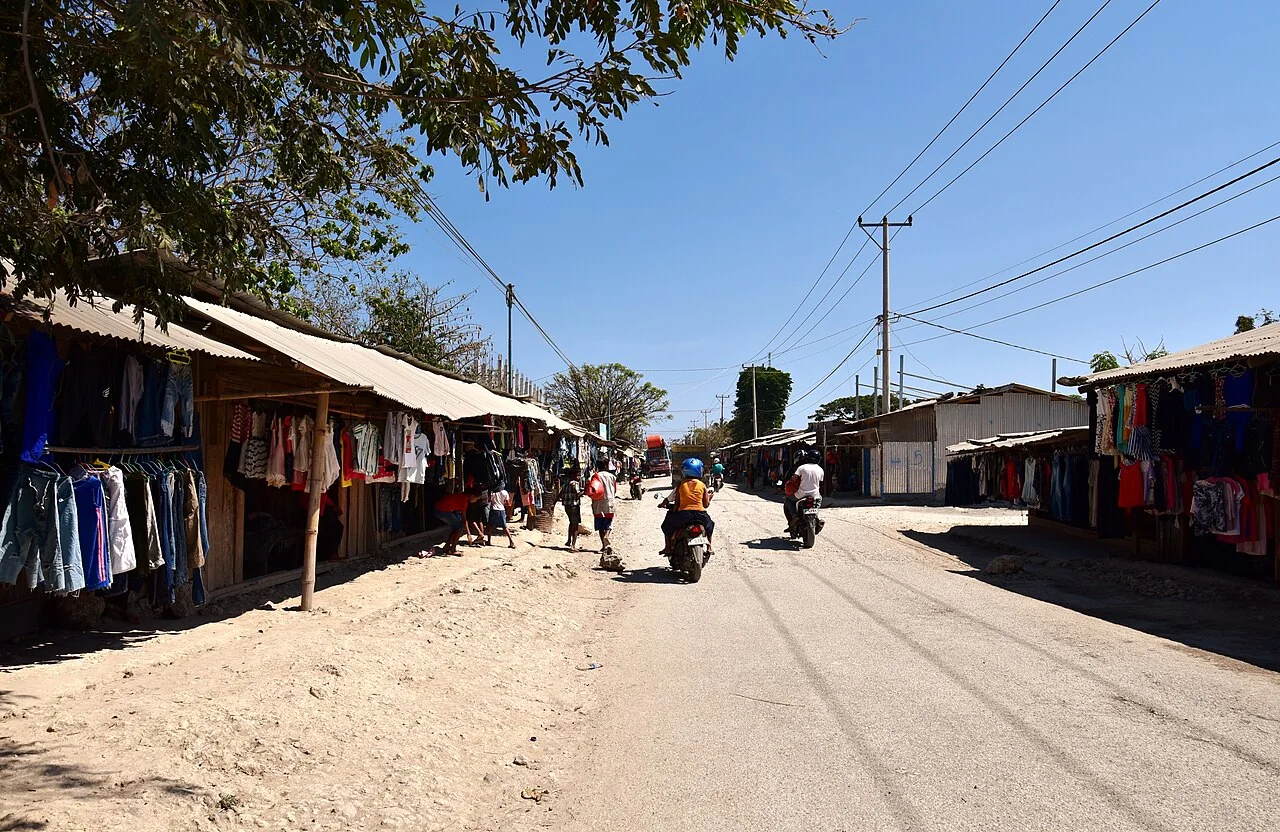
Start with the actual reason for moving: employment, operating a business, an admitted course, joining family or establishing residence. Record the passport nationality, application location, intended dates and receiving organisation for each person. Do not turn a permission for a preliminary visit into an assumption that you can begin work or settle indefinitely.
The Migration and Asylum Law, Law 11/2017, distinguishes work, business, temporary-stay and establishment-of-residence categories. Its Articles 40 and 42 separate the visa used to enter for a residence application from the subsequent temporary residence permit, and generally place these longer-stay visa applications with missions abroad. Use the current instructions for the selected category and nationality rather than an older summary of the 2003 law.
- Identify the responsible mission through the government's diplomatic directory. State your nationality, present country, intended activity and family circumstances when establishing where to submit.
- Use the Migration Service's published application form and category checklists. Select the category for the activity and prepare its complete supporting file; the work, study and family checklists differ.
- Arrange the required certifications and translations before submitting. Provide legible records, keep a complete copy and retain the application and payment references.
- Wait for the applicable approval, then inspect the name, passport number, category, entries and dates. Obtain instructions for entry and any subsequent residence application before relying on the document.
A June 2024 government announcement delegates visa-issuing powers to migration attachés at representations in Singapore, Indonesia, Portugal, China, Malaysia, the Philippines and Australia. That announcement identifies an administrative channel; it does not establish that every applicant can apply in any of those countries without confirming the mission's acceptance arrangements.
Keep each accompanying person's permission separate from the principal applicant's file. Before accepting work remotely or planning retirement, establish a category that covers the actual circumstances; this research has not verified a dedicated digital-nomad or standard retirement visa.
03Agree the role and assemble the employer's evidence for the work route
Agree the employing entity, workplace, duties, pay, benefits, accommodation contribution and expected start date in writing. Ask the employer who prepares the company evidence, handles the application and tracks renewal dates. Make the working start date dependent on the actual permission rather than the planned flight.
Article 37 of the 2017 migration law covers paid employment and service provision, with work-visa validity up to one year and possible extensions. The permission is tied to the professional activity for which it was granted; a different employer or activity requires the appropriate authorisation. Do not read an overseas service contract as an automatic exemption from the work route.
- Have the employer identify the category and submitting mission, including any professional or sectoral approval needed for the role.
- Prepare the contract, qualifications and personal records requested in the VTB work-visa checklist. Have the employer supply its certified commercial registration, economic-activity authorisation and company tax-payment evidence.
- Arrange the medical and criminal-record evidence for the application. The checklist identifies criminal records from the country of origin and countries where the applicant has resided for more than a year; establish the accepted file with the receiving mission.
- Submit through the agreed channel and keep the decision with the contract. After arrival, confirm any remaining collection or administrative tasks before beginning duties.
For business ownership, prepare company registration and licensing alongside your personal immigration plan. The law distinguishes a business-prospecting visit from establishing a business presence; do not assume a prospecting permission covers ongoing operations. Keep company compliance, personal permission and household costs as separate workstreams with named responsible people.
Before changing or ending a role, establish what must be notified and how it affects the permission and any accompanying family. Keep copies of the original decision, later authorisations and the employer's written instructions rather than relying on an informal assurance that an existing visa remains suitable.
04Build a US-dollar budget from your actual household commitments
Price the household you are moving, rather than a hypothetical expatriate average. Ask the employer which costs it pays directly and which are reimbursed later: the timing matters when school deposits, freight and temporary accommodation fall before the first salary. Keep the amount available on arrival separate from savings you cannot readily transfer.
| Cost | Verified starting point or calculation method |
|---|---|
| Mobile service, recurring | Timor Telecom's Basic 30-day package advertises 20 GB for US$4. Provider offer checked 16 October 2026; coverage and package conditions apply. Timor Telecom plans |
| Home internet, recurring | TT Fibra+ Base advertises up to 10 Mbps at US$30/month. This is an address-dependent service, not a guarantee of installation at every property. TT Fibra+ |
| Bank opening balance, initial | BNU lists US$5 for an individual current account. This is an opening deposit, not the total cost of running an account. BNU current account |
| Housing, initial and recurring | Obtain a written property-specific quote separating rent, deposit, advance payments, electricity, water, backup power and internet. |
| Education, initial and recurring | Request the school's dated fee schedule for each child, including enrolment, tuition, support, transport and withdrawal terms. |
| Moving and medical cover, initial | Use quotes for your route, shipment and insurance, including evacuation and any waiting period. |
For employed readers, ATTL's wage-income-tax guidance distinguishes residents from non-residents: resident monthly wages up to US$500 attract no wage tax, with 10% on the excess; non-residents face 10% on the whole wage. Its residence test includes 183 days in a twelve-month period beginning or ending in the tax year, subject to the permanent-abode-outside exception. Do not substitute a simple calendar-year day count.
For illustration only, applying those published wage rates to US$1,200 monthly wages gives US$70 resident wage tax or US$120 non-resident wage tax. This calculation excludes other deductions and does not determine your residence status. Ask payroll to explain the classification and keep payslips. Business and other income require their own treatment through ATTL's income-tax guidance.
05Secure a school assessment before choosing a long-term home
Begin with the child's current year, age, language of instruction and curriculum, then work backwards from the next stage of education. A familiar school name is less useful than knowing whether the proposed course leads to the examinations or university entry your child needs. Put the actual campus on your housing map before committing to a lease.
- Send a concise enquiry with birth date, intended starting term, recent reports and language background. Disclose learning or access needs early so the school can assess what it can provide.
- For QSI International School of Dili, review the admissions and placement process. Its published guidance describes English-medium instruction, assessments from age seven and secondary transcript review. It also identifies limited provision for special educational needs rather than a dedicated resource department.
- For Dili International School in Pantai Kelapa, use the admissions page to request fees, arrange a tour and reach the enrolment form. Ask for the schedule applying to the intended term rather than using an old expatriate directory's tuition figures.
- Compare the written offers: class placement, start date, full-year cost, transport, learning support, deposits and refund conditions. Keep acceptance evidence for any immigration file that requires it.
Bring original school records and retain a digital copy accessible without the departing school's account. For an older student, ask the receiving school to confirm which previous subjects and credits it accepts before withdrawing from the current programme.
For university study, identify the particular course and admissions office first, including its teaching language and entry qualifications. Admission and immigration permission are separate decisions: obtain the institution's formal evidence and use the relevant temporary-stay checklist. A school enquiry or submitted application is not an admission offer.
06Test the permission and long-term care plan before retiring
Retirement is a household plan rather than a verified stand-alone immigration category in this guide. Do not build a permanent move around repeated visitor entries or assume that buying a home creates residence rights. Start with the activity and family circumstances already identified in the immigration step and obtain the receiving authority's decision for the actual proposed stay.
- Document the intended length of stay, accommodation, available income and family connection, if relevant, when discussing the appropriate route with the responsible mission.
- Ask the pension administrator how payments continue abroad, whether proof of life is required and which account details it accepts. Keep deadlines and contact details accessible from Timor-Leste.
- Price medical insurance using your age and health history. Establish whether routine care, specialist follow-up and a possible evacuation can actually be funded over several years.
- Arrange a reversible initial housing period and test ordinary living tasks before committing to a longer contract.
Review the budget for currency conversion, bank charges, travel to family and replacement of appliances or vehicles, as well as monthly bills. Pension tax treatment depends on the particular income and household position; the wage-tax example in this guide is not a ruling on foreign pension income.
Give a trusted person access to the practical information needed if you are hospitalised: policy contacts, medication list, pension administrator and essential documents. Revisit the plan when permission, insurance or care needs change, rather than assuming that a workable first year establishes a permanent arrangement.
07Prepare the personal file and clear shipments and pets before booking
Separate the move into documents, accompanied luggage, freight and animals. The person handling a shipment needs an inventory and customs instructions; the immigration office needs a category-specific personal file. Giving both tasks to one relocation company does not remove those separate requirements.
- Keep passports, decisions, contracts, family and school records, prescriptions and insurance details in hand luggage. Scan the complete file and keep a second secure copy accessible if the main phone is lost.
- Follow the Migration Service form's translation instructions: it requests official translations for documents outside Timor-Leste's national languages or English. Establish the receiving mission's certification requirements before paying for translations.
- For freight, give the broker an itemised inventory, values, invoices where available, shipment route and consignee details. Obtain a written breakdown of clearance, duties, port handling, delivery and storage costs; do not assume household goods are automatically exempt.
- For pets, contact Serviço de Quarentena de Timor-Leste, identified by Customs as the animal-import authority, before booking carriage. Supply species, origin, travel route, vaccination and identification records and ask for the applicable written permit, certification, testing and arrival arrangements.
The Customs portal links older quarantine manuals, but this review could not verify a current country-by-country dog or cat import schedule or quarantine duration. Obtain SQTL's instructions for the actual animal and origin. Separately establish airline acceptance and the conditions of any transit country; an airline reservation is not an import permit.
Photograph valuable items and packing condition, keep serial numbers and give your local contact the freight arrival reference. Carry enough immediate essentials to manage until delivery, particularly medication and items needed for school or work.
08Complete entry formalities and establish the first local address
Carry the approval for the actual activity alongside your passport and accommodation details. A traveller entitled to a short visit still needs the appropriate permission for work or residence. At Presidente Nicolau Lobato International Airport, keep the entry documents accessible until all checks are complete.
- Prepare the current arrival declaration before travel. The tourism authority's arrival guidance directs incoming passengers to the Timor-Leste electronic Single Window within five days before departure and says to retain the generated QR code. Follow the service's current instructions; this guide does not submit a declaration for you.
- At entry, inspect the actual permission and dates granted and retain any receipt or reference. For arrival-visa-eligible visitors, the Customs visa page lists a US$30 cash fee; this is not the fee for every employment or residence route.
- Declare relevant goods using Customs' arrival procedure. The authority lists a US$300 adult goods allowance and separate traveller and commercial declaration processes above the relevant values. Bring invoices and tell the officer what you are carrying.
- Use the agreed pickup or confirm the taxi fare and destination before leaving. Reach the first address, tell the receiving organisation you have arrived and establish the next appointment.
Customs says carrying US$20,000 or more, or its equivalent, requires prior Central Bank authorisation as well as declaration. Its goods-assessment process uses an official payment slip, with payment by card or through a bank; do not confuse customs duties with a cash immigration fee.
In the first days, obtain a working local number, save the address and a nearby landmark offline, and make small purchases to establish how you will pay. Keep immigration attendance, payroll onboarding and a school start as separate dated tasks.
09Complete the immigration follow-up and establish the correct taxpayer record
Keep entry evidence, the work or residence decision, household address and tax record separately. Ask the issuing office which attendance, collection or residence-permit step follows the document granted to you. A visa issued for making a residence application should not be treated as the completed residence permit.
- Match the passport number, permitted activity and dates across the issued documents. Resolve discrepancies with the issuing office before using the documents for a bank or payroll application.
- Attend the office and appointment specified in the decision, taking originals and the supporting records requested. Retain the receipt and collection instructions.
- For taxpayer registration, use ATTL's application-forms directory to establish the correct current individual or business form. Have payroll confirm whether a TIN already exists before requesting another record.
- For an employee, ATTL also publishes Package C, with a specific non-citizen employee section: passport country, contact details, employer TIN and address, plus passport identity and work-visa copies. Use it as preparation evidence and have ATTL confirm the accepted version; its heading sends foreign business owners to a different package.
The forms directory's English link labelled “TIN Application – Individual 2022” resolved to a file named “Receipt TIN Application” during this review. Obtain the current application from ATTL rather than submitting that download solely because of its link label. The directory lists the authority at the Ministry of Finance building in Aitarak-laran, Dili, with its official contact details.
Keep the issued TIN and registration receipt with payroll records and tell the bank the actual tax-residence position. Registration does not itself settle the tax treatment of overseas income or business activity; resolve those questions using the relevant records and advice.
10Open a suitable account and test the payments you will actually use
Start with the bank used by payroll, then compare the account against your own needs: salary receipt, rent transfers, cash withdrawals and international remittances. Ask for the personal-account terms, not the business tariff. Timor-Leste transactions are commonly quoted in US dollars; confirm the receiving currency and transfer instructions before sending money from overseas.
- Contact a branch through BNU Timor's current-account page and request its current checklist for a foreign individual. The published product lists a US$5 individual opening minimum but does not by itself establish that your passport or immigration status qualifies.
- Prepare passport, permission, address, TIN and employment or source-of-funds records for the bank's review. These are a preparation file; have the branch specify the mandatory documents for your circumstances.
- Read the BNU price list, effective 25 August 2026, alongside the account-opening terms. Ask the branch to mark the maintenance, card, withdrawal and international-transfer charges applying to your chosen product.
- Activate the agreed card and digital banking, confirm the phone number receiving security messages and test a small transaction. Obtain the correct beneficiary details before arranging a larger overseas transfer.
BNU lists transfer orders, direct debits and BNUdireto among its account services. Confirm which are enabled for you and whether a card works on the particular network you plan to use. A successful domestic withdrawal does not establish that an overseas card or transfer will work at the same cost.
Keep an accessible reserve for the opening period and record cash spending during the first month. Use receipts for rent and significant purchases, and store the bank's lost-card contact separately from the phone used for banking.
11Inspect the utilities and put the entire rental agreement in writing
Compare the house as a functioning home: water storage and pumps, electricity supply, cooling, drainage, cooking facilities and internet. A furnished rental can reduce the shipment, but only if the furniture and appliances in the listing are the ones included in the contract.
- Obtain the owner's or authorised agent's identity and evidence that the person can let the property. View the actual unit and confirm its address, access and boundaries.
- Run taps and showers, test sockets and air conditioning, inspect tanks and ask who services pumps and backup equipment. Look for signs of water entry and establish how vehicles and pedestrians reach the home in heavy rain.
- Write down the rent currency, due date, payment method, deposit, any advance rent, term, renewal, notice and early-exit provisions. Have an independent interpreter explain any wording you do not understand.
- List which charges are included and how the others are calculated: electricity, water delivery or supply, internet, security, rubbish and generator fuel. Record the opening meter readings and any existing arrears.
- Photograph condition and inventory with the owner or agent, agree repair contacts and obtain a receipt for every significant payment.
This review has not verified a universal rental-deposit amount, standard guarantee system or official national rent schedule for Timor-Leste. Treat those as property-specific terms rather than importing conventions from another country's rental market. If a clause determines a large payment or your ability to leave, obtain a local legal review before signing.
For home internet, give Timor Telecom the precise location and request installation availability before treating an advertised fibre plan as part of the property. Keep the service order and rental agreement separate so responsibility remains clear if the connection cannot be installed.
12Arrange usable medical care and evacuation cover
Make the care plan around the household's actual needs: prescriptions, pregnancy, chronic illness, children's care and specialist follow-up. A policy title saying “international” does not show whether it covers living and working in Timor-Leste or whether treatment abroad needs advance approval.
FCDO's Timor-Leste health guidance describes limited medical services, especially outside Dili, and the possibility of evacuation to Australia or Singapore. It also notes that limited airline connections make evacuation difficult. Plan the destination, authorisation and payment process with the insurer before travelling.
- Arrange a pre-departure clinical appointment with your medication and vaccination history. Obtain a concise medical summary, prescriptions using generic names and the records a receiving clinician would need.
- Compare cover for residence, employment, pre-existing conditions, inpatient treatment, outpatient visits, evacuation and repatriation. Record exclusions, waiting periods and whether the insurer pays providers directly.
- Ask the employer or receiving institution which local service handles routine care and urgent cases. Establish its location, opening arrangements and payment method, then save the route from home.
- Save the insurer's assistance number and policy reference offline and share them with another household member. For an urgent referral, contact assistance promptly and retain the clinical report and receipts.
FCDO lists 110 as an ambulance number but warns that emergency medical response is unreliable. Confirm the locally advised contacts when you arrive and have a transport plan; do not depend on an app or a single telephone number working in every municipality.
Before choosing a home away from Dili, discuss the journey to appropriate care with a clinician and the insurer. Build regular medicine supplies and follow-up appointments into the monthly routine rather than waiting until a prescription runs out.
13Activate communications, document utility accounts and practise the commute
Start with an unlocked phone and a connection you can test at the actual home and workplace. Timor Telecom offers prepaid plans, an eSIM option and a prepaid registration link; use the provider's shop or registration instructions to establish the identity documents and activation process. Record the package expiry and top-up method, then test calls, data and the messages needed for banking.
For household utilities, have the landlord show you each account or meter, the current balance, the payment channel and who deals with faults. Ask for a demonstration of water pumps and any backup power equipment. Put maintenance and fuel responsibilities into the handover record; a working light during a viewing does not establish how the system is managed.
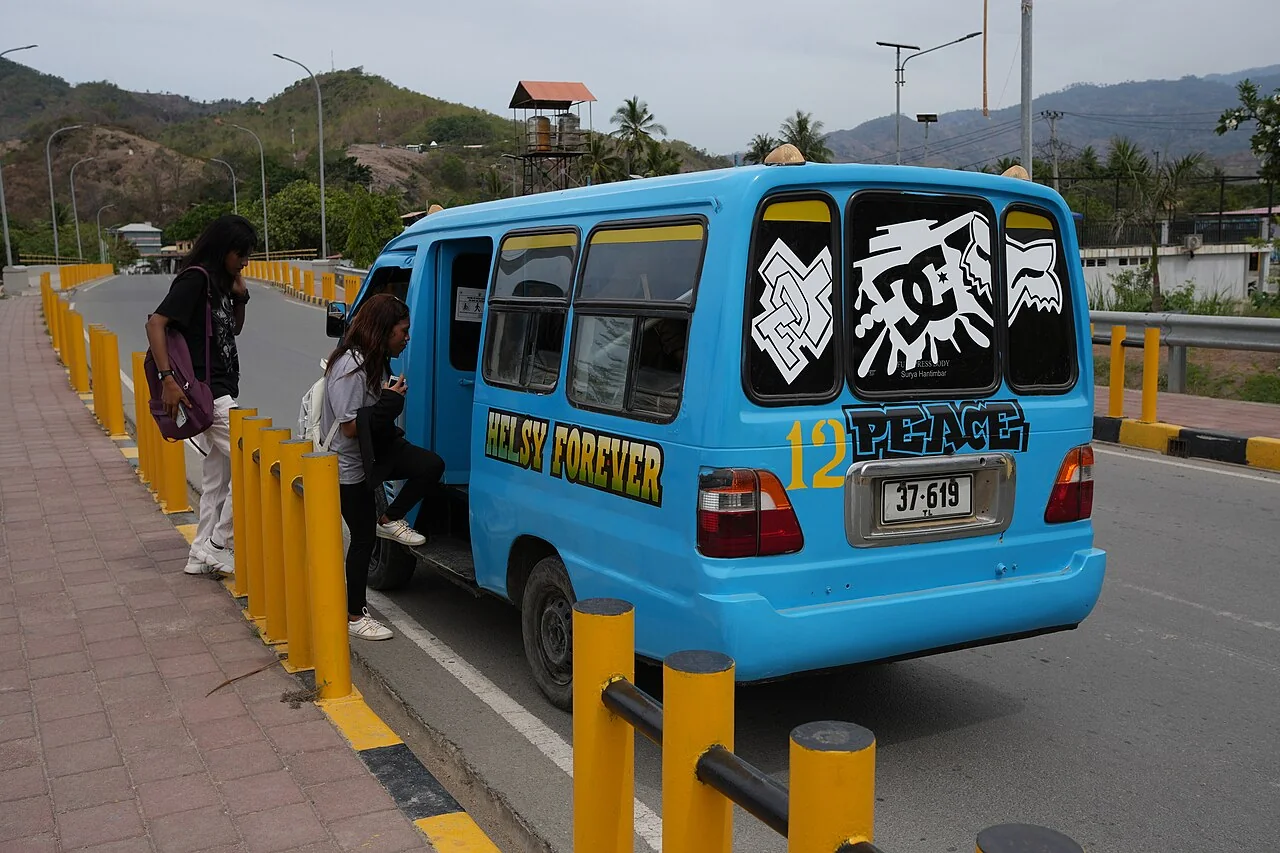
- Use the tourism authority's Dili microlet map and rider guide to find the numbered circuit serving your journey. Confirm the direction with the driver; routes can change informally.
- The guide lists a flat 25-centavo fare and daylight operation, checked 16 October 2026. Carry small coins, hail the vehicle along its route and tap the handrail with a coin as you approach your destination.
- Practise the journey before the first school or working day and arrange the return trip separately if it falls after dusk.
- For taxis, agree the fare before travel where it is not metered. The official trip-planning page gives Dili city fares of US$3–6 and an airport starting point of at least US$15, not a guaranteed fare to every address.
For a household vehicle, obtain the applicable licence and insurance position before driving and have the employer or rental operator identify the documents required for your nationality and stay. Test the actual road and parking access; vehicle availability does not resolve driving entitlement.
14Build a local routine and close the first-month checklist
Make the first month practical: learn the route to work, shop for the food you actually cook, find a regular place for exercise and build a small network beyond the person who arranged the move. Ask colleagues or the school for introductions and choose recurring activities you can attend consistently.
The tourism authority identifies Tetun and Portuguese as official languages. Learn greetings, numbers and the words you need for directions, shopping and repairs, then use an interpreter for agreements and administrative decisions. Practise with neighbours and shopkeepers without making them responsible for explaining legal paperwork.
Use the Timorese Resistance Archive and Museum and Dili waterfront as starting points for learning about the place you now live. Visit community events through the organiser's own current information; a photograph or old recommendation does not establish today's opening hours. Ask before photographing people or entering a private or sacred space.
- Permission: decisions and entry evidence filed, follow-up attended, expiry and renewal preparation dates recorded.
- Employment and tax: employer documents complete, TIN position established, first payslip and tax classification reviewed.
- Home: signed agreement, inventory, utility readings, receipts and repair contacts stored together.
- Money and connectivity: account tested, emergency reserve accessible, phone top-up and internet arrangements understood.
- Family and care: school start confirmed where relevant, medical records accessible and insurer assistance details shared.
- Practical support: a trusted local contact, an alternative transport arrangement and a plan for any pending shipment.
At the end of the month, replace initial estimates with the bills and journeys you have experienced. Resolve missing receipts, delayed applications and service problems while the details are fresh. Keep a dated household checklist so a future renewal or move begins with an organised record.

Sources & further reading
Reviewed 16 October 2026. Sources are linked beside the relevant instructions. Visa requirements depend on your nationality and application location. Price evidence and calculations retain their stated source dates. Photograph credits, licences and capture years appear with the images.
Browse the source directory
- Timorese Resistance Archive and Museum and Dili waterfront
- tourism authority's island guide
- 2017 migration law
- government's diplomatic directory
- Migration Service form's translation instructions
- June 2024 government announcement
- Timor Telecom
- Timor Telecom
- BNU Timor's current-account page
- ATTL's wage-income-tax guidance
- ATTL's income-tax guidance
- QSI International School of Dili
- Dili International School in Pantai Kelapa
- Serviço de Quarentena de Timor-Leste, identified by Customs as the animal-import authority
- tourism authority
- Timor-Leste electronic Single Window
- Customs visa page
- Customs' arrival procedure
- ATTL's application-forms directory
- Package C
- BNU price list, effective 25 August 2026
- FCDO's Timor-Leste health guidance
- tourism authority's Dili microlet map and rider guide
Make your next step a practical one
Shortlist a city, confirm your residence route and build a budget before committing to a move.