Visa
Moving & Living - Syria - Complete Guide
Plan a move or return to Syria step by step: distinguish entry and residence, prepare civil and school records, arrange housing, banking and healthcare, and establish essential services.
Photo credit
A move to Syria starts with a real receiving address and the people and services around it: family in Aleppo, a workplace in Damascus or a household returning to the coast. The route differs substantially for Syrian citizens returning home, foreign-national family members and people taking an assignment.
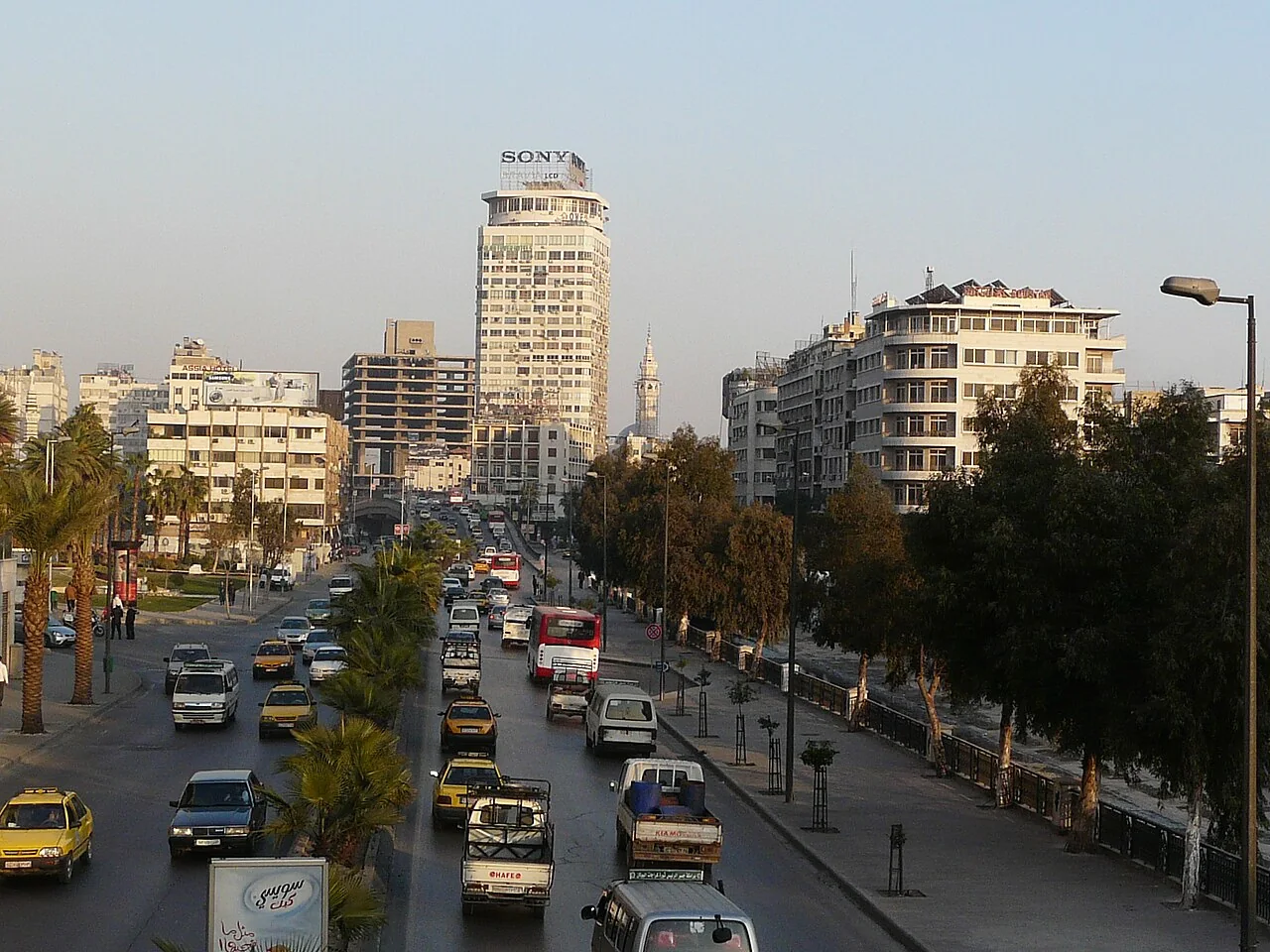
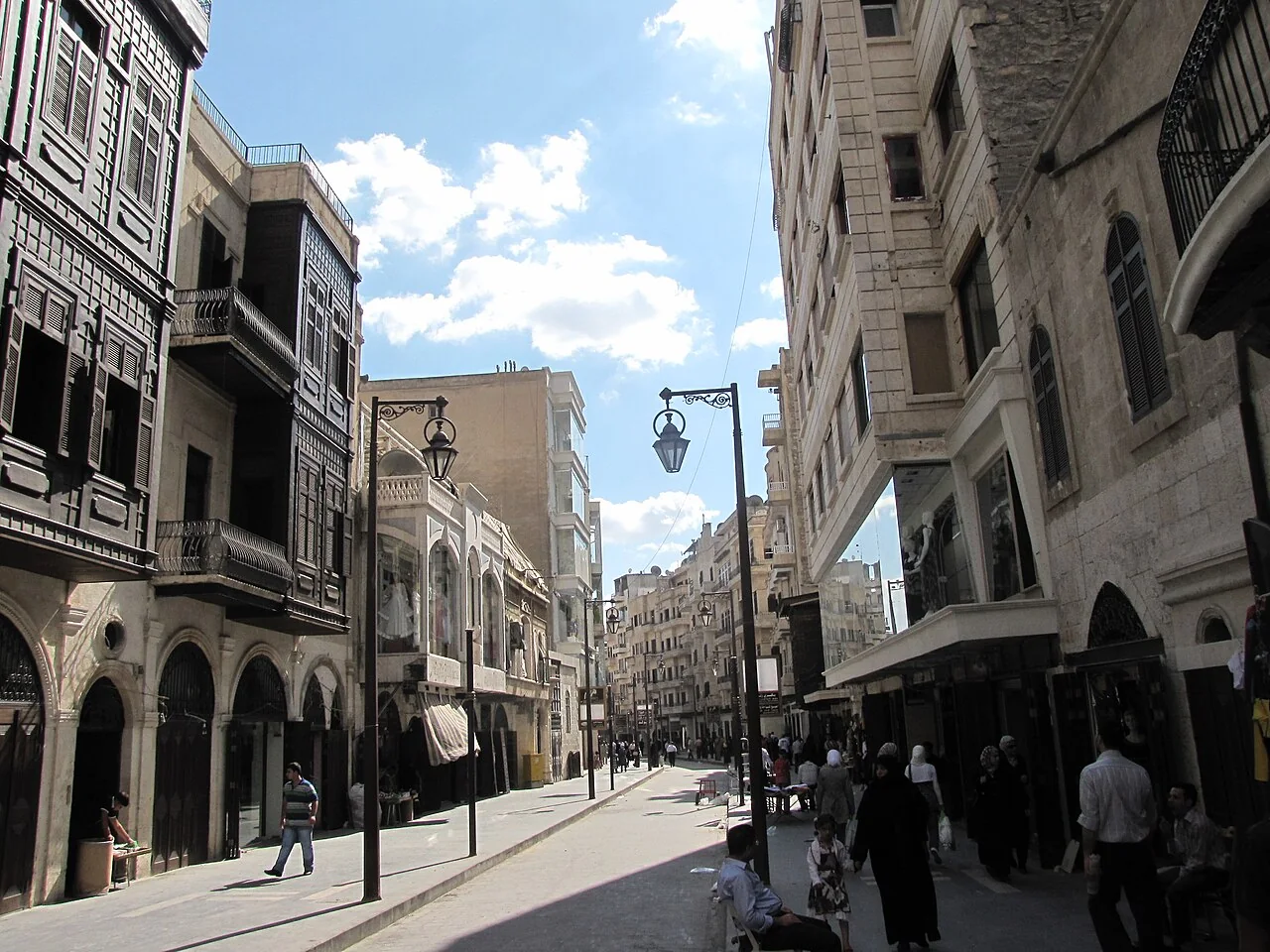
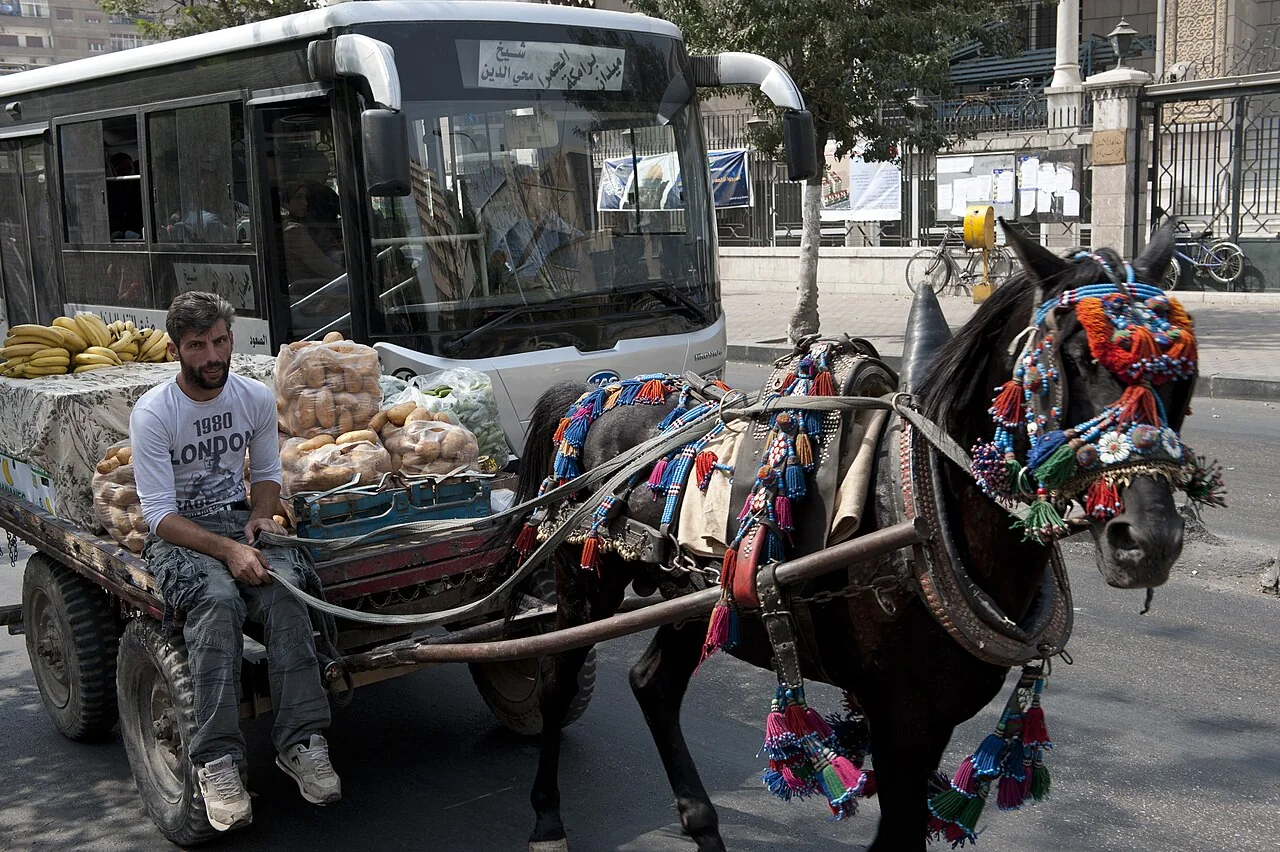
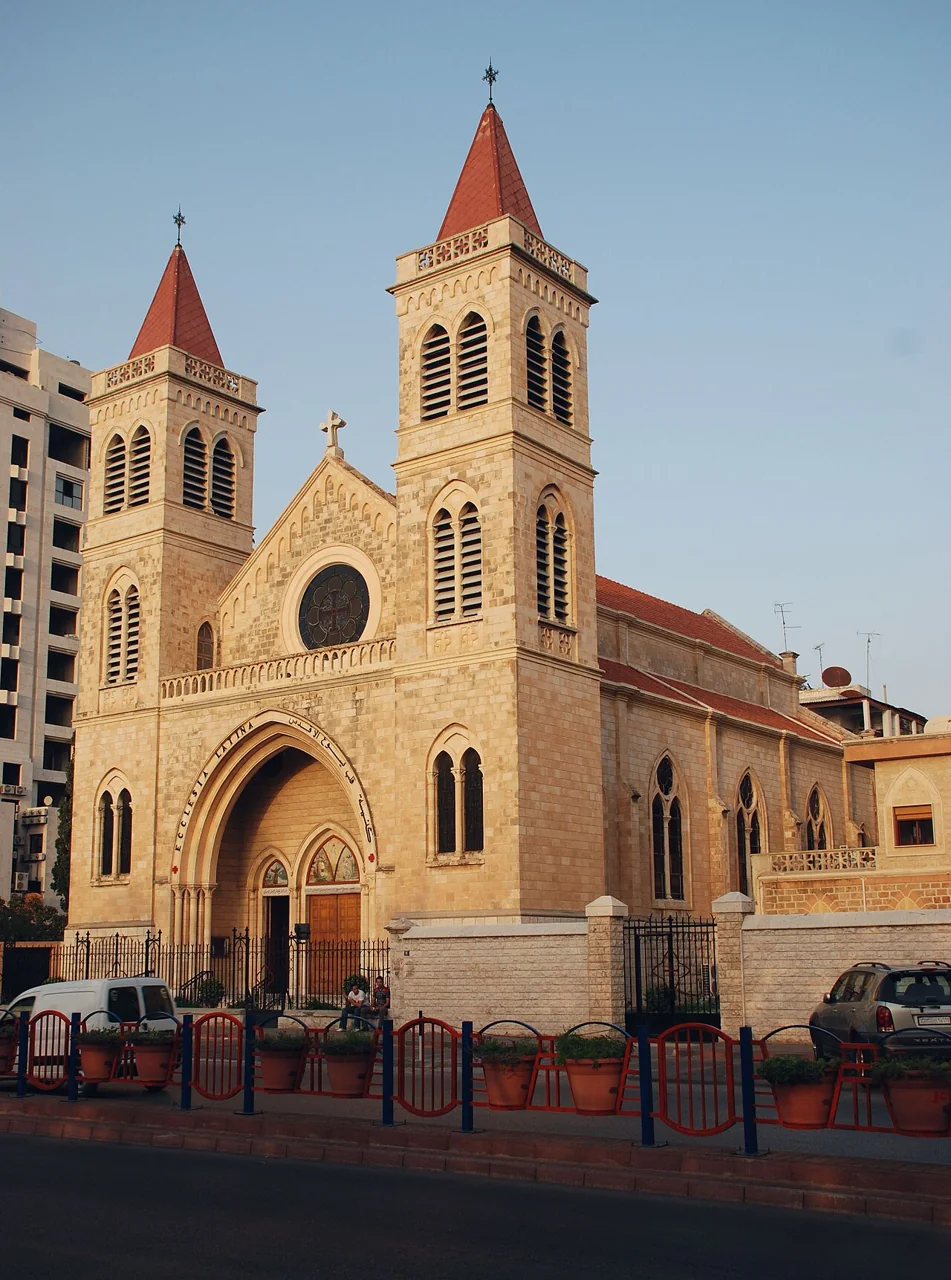
This guide follows fourteen practical steps from the first location decision to a working household. It identifies what can be prepared, which authorities and services to use, and where current application details remain unverified. Conditions remain volatile and the UK advises against all travel. The dated photographs show historical places; they do not establish present-day safety, building condition or service availability.
Syria at a glance
- Currency
- Syrian pound · SYP; specify new or old units
- Entry and residence
- Nationality and purpose determine the application
- Documents
- Civil records, authentication and residence are separate tasks
- Education
- Returning Syrian pupils and foreign students have different files
- Healthcare
- Confirm the actual provider and payment arrangements
- Reviewed
- 16 October 2026
Follow your moving journey
Start at step 1, or jump to the task you are working on.
01Choose a base around the people and services you need
Choose between actual support networks and daily destinations. Damascus, Aleppo, Homs, Latakia and Tartus are different starting points; none can be assessed from a single national cost or safety label. A family returning to relatives in Aleppo has a different housing decision from an employee whose receiving organisation is in Damascus.
In Damascus, compare candidate addresses in areas such as Mezzeh, Abu Rummaneh and Dummar by their connection to the workplace, school and treatment provider you will actually use. Treat these as places to investigate, not recommendations of current safety, available housing or functioning services. An attractive historic centre is not evidence that a particular dwelling is suitable.
- Put your receiving employer, relatives, school or clinician on a map and ask a trusted local contact about the route between them.
- Shortlist two or three buildings, recording the floor, access, water storage, electricity arrangement and mobile reception for each.
- Ask for recent evidence of the building and the street, then inspect in person before making a long commitment. Clarify access arrangements if anyone has limited mobility.
- Keep a temporary address available until the essential journeys and services have been tested.
Current FCDO guidance describes volatile conditions, possible route closures and interrupted basic services. Its advice against all travel must be part of the decision to move; a neighbourhood shortlist cannot remove those conditions. Use a current local assessment alongside official advice, and revisit the plan if the receiving organisation or household cannot support the proposed location.
02Establish entry and residence for each household member
Start with nationality and purpose. A Syrian citizen returning home, their foreign-national partner and a foreign employee do not have interchangeable documents. List passport nationality, current country of residence, intended border crossing and purpose for every traveller.
The Foreign Ministry’s April 2026 clarification says entry procedures remain based on Decision 128 of 1 July 2025 and rejects rumours of newly imposed general conditions. That statement does not itself publish a complete nationality-by-nationality residence application. Use the official mission directory for the representation responsible for your country of residence.
- Ask the mission which entry category applies to the actual purpose and where to submit. Give the nationality and planned arrival route rather than asking about “a Syrian visa” in general.
- Where directed to the Syrian electronic visa service, use that official service and retain the application reference, approval and payment evidence. Do not assume submission or payment establishes permission.
- For a move rather than a visit, request the residence category, receiving office, required sponsor or supporting documents if applicable, and the procedure after entry. Ask separately when employment may legally begin.
- Match the approval’s personal details to the passport and check validity, permitted stay and entry conditions. Keep an offline copy and leave time to correct an error before departure.
The UK entry guidance is explicitly written for British-citizen passport holders travelling from the UK; its passport-validity and application estimates should not be applied to every nationality. The 2014 published foreigner-entry and residence law distinguishes residence and employment purposes, but this guide could not verify a complete current 2026 foreign-resident checklist or fee schedule. Obtain those case-specific instructions from the responsible Syrian authority before committing to a long lease or start date.
03Make the employment or business arrangement specific
Obtain a written offer naming the employing legal entity, workplace, duties, gross pay, currency, payment schedule and contract duration. Include any provided housing, transport, insurance and travel arrangements. For an international assignment, establish which organisation is responsible locally rather than relying on an overseas recruitment contact alone.
The published foreigner-residence framework makes labour approval relevant to employing a foreigner and treats employment residence as a defined purpose. The current administrative checklist, fees and processing times were not verified for this guide. Require the receiving employer to identify the responsible labour and immigration offices and obtain their instructions for your case before work starts.
- Ask the employer which permissions it will apply for, what you must supply and who will retain the application reference and receipts.
- Prepare the requested qualifications and civil records using the receiving authority’s authentication requirements. Do not order a generic document package without matching it to the application.
- Have the employer explain payroll deductions and the practical payment route. Test access to the account rather than assuming a stated salary will be available immediately.
- Record the agreed start condition, renewal responsibility and what happens to housing and residence if the assignment ends.
For remote work, obtain advice covering work permission, Syrian tax treatment and the overseas employer’s obligations. This research did not establish a dedicated digital-nomad permission. For a business, have a Syrian professional identify the registrations and sector approvals for the actual activity before transferring capital; a company registration and a personal residence permission address different questions.
04Build a budget in the correct currency units
Specify the currency unit on every quotation. The published currency decree introduced the new Syrian pound on 1 January 2026 at one new pound for 100 old pounds. An old advertisement and a recent quotation can therefore display radically different numbers without describing different prices. Ask the supplier to write the currency, unit, date and total payable.
| Budget line | Obtain before committing |
|---|---|
| Initial move | Entry/application charges for the actual nationality, authentication and translation, tickets and arrival transfer |
| Housing setup | Temporary accommodation, advance rent, deposit, documented agent charges, equipment and essential repairs |
| Recurring household costs | Rent, electricity and water arrangement, backup-system contribution, phone/data, groceries and the actual school/work journey |
| Household-specific costs | School or university charges, ongoing treatment, insurance, remittance fees and freight/storage |
Use confirmed local quotes rather than a national monthly average. For a clearly hypothetical calculation, rent of 20,000 new pounds plus 12,000 for other monthly items would mean 32,000 per month and 96,000 for three months, before deposits and travel. Those numbers illustrate the arithmetic; they are not observed Syrian prices or a recommended reserve.
- Collect dated quotes for the destination neighbourhood and household size. Mark which items are one-off, refundable or recurring.
- Calculate the cash required before the first reliable income payment, including an interruption allowance based on your own commitments.
- Give a qualified Syrian tax adviser the employment contract, foreign-income and business details, intended arrival date and continuing overseas ties. Ask which registrations, withholding and returns apply, then reconcile that answer with obligations in the departure country.
Do not calculate take-home pay from a proposed tax reform. A September 2026 Finance Ministry presentation explicitly compared existing taxation with a future law when issued and effective. This guide has not verified a subsequently enacted replacement or a current rate schedule applicable to every reader. Ask the employer to show the actual payroll deductions and their legal basis before agreeing a net-income budget.
05Prepare school enrolment around the child’s actual education history
For Syrian children returning from abroad, begin with the last completed grade and the school transcript. Contact the Education Directorate in the governorate where the family will live before choosing a school on the assumption that a particular grade or place is available.
- Collect the latest school record showing completion and the detailed transcript. Ask the issuing school to resolve spelling differences with the child’s identity documents.
- Prepare the authentication sequence described in UNHCR’s current returnee education guidance: the issuing country’s foreign ministry, Syrian diplomatic mission and Syrian Foreign Ministry in Syria.
- Take the family/civil-registry evidence and school-health documentation to the Education Directorate. Its file includes the child’s birth or civil record, guardian identification, photographs and the relevant family-booklet details.
- If evidence is missing, ask the Directorate to record the current conditional-admission or placement arrangement and the deadline to complete the file. Do not assume an older school-year concession continues automatically.
One important current exception concerns Syrian students with foreign grade-9 or grade-12 certificates: the UNHCR page reports Decision 943/950 suspending the complementary equivalency examination for 2025–26 and 2026–27. This does not establish admission for a foreign-national child or replace the remaining dossier.
Prepare a separate note of interrupted schooling, languages studied, learning support and medical needs. Ask how the timetable, textbooks and journey will work in practice. Keep the Directorate’s referral with the school records so the family can follow up without starting the explanation again.
For university study, the Syrian Private University contact page provides a named starting point in Damascus: ask its admissions team for the current programme, nationality-specific application route, certificate recognition, tuition currency and payment terms. Its older foreign-student vacancy announcement concerns 2025–26 and does not establish a current place. Obtain a written admission decision and then resolve the separate entry and residence requirements.
06Test a retirement plan against residence, care and pension access
A pension or savings balance does not establish a residence route. This research did not verify a dedicated retirement visa for foreign applicants. Ask the responsible Syrian mission about the residence basis available to your nationality and family circumstances; do not purchase a property on the assumption that it automatically supplies immigration permission.
- Ask the pension provider whether payments can continue after relocation, which proof-of-life or address notifications it requires and what banking destinations it supports.
- Test the proposed payment route and document currency conversion and charges. Keep a practical alternative if the first bank cannot receive the funds.
- Arrange the medical care and insurance described in the healthcare step, including the actual availability of regular treatment and medicines.
- Assess the dwelling for stairs, summer and winter comfort, water and power arrangements, and access to the people who will help if your health changes.
For a Syrian citizen returning after retirement abroad, immigration may be a different question from that of a foreign spouse. Keep each person’s residence, pension and healthcare file separate and resolve the family’s remaining gaps before giving up arrangements abroad.
07Prepare an authenticated document file for the tasks ahead
Separate travel documents from records used for residence, school, work or property. A Syrian national returning home, a foreign employee and a mixed-nationality family may need different files. List each receiving office beside the document it requests, then resolve inconsistent names before paying for translation or certification.
The Foreign Ministry’s service for foreign-issued documents covers documents intended for use inside Syria, including those submitted by foreigners and companies. Prepare your identity card or passport and the underlying document authenticated through the required sequence or issued through a Syrian mission. The service is offered in person through the ministry’s consular hall and provincial consular offices.
- Ask the receiving office which authentication and translation it needs for the specific record. Use the official diplomatic-mission directory to locate the relevant Syrian representation abroad.
- Keep the original unaltered and undamaged. Scan the complete record, including stamps, before travelling.
- For the in-person authentication stage, follow the fee-payment, queue and document-submission process, retaining the receipt. The page’s short service-time estimate does not include obtaining missing stamps abroad.
- If using a power of attorney made abroad, establish the authentication and notary-deposit deadline before relying on it: the ministry specifies a calendar-year limit from execution or consular authentication.
Carry the civil and education file with you rather than putting it in freight. Retain copies separately so a lost bag does not also remove every record of the application history.
For freight, obtain an itemised inventory and a written quotation separating carriage, insurance, customs handling, storage and destination delivery. The May 2026 customs announcement introduces a replacement customs law; this guide has not verified a current household-goods exemption or pet-import checklist. Before dispatch, ask the receiving customs authority through your appointed clearance agent for the rule applying to your nationality and goods. For a pet, obtain the Syrian veterinary import conditions and the carrier’s acceptance for the exact itinerary, including transit. Do not send the animal before both are resolved.
08Make the first nights and onward journey concrete
Arrange a named person or receiving organisation to meet you, with an agreed contact method if mobile data fails. Have the address in Arabic and retain an offline copy of the accommodation confirmation, contact details and onward instructions.
Official travel guidance notes that fighting has caused interruptions to flights, roads and border crossings. An operating route on the booking date is not a guarantee for the day of travel. Confirm the actual service with the carrier and the receiving contact before setting out, including the last part of the journey.
- Keep passport, entry approval, essential medicines and the first accommodation details in hand luggage.
- At entry, retain the stamp or entry paper and any official receipt. Check the personal details and the recorded stay conditions while correction is still practical.
- At the first address, confirm keys, water, lighting, communication and the next day’s essential journey. Record who can assist outside normal office hours.
- Send the entry record to the employer or representative handling any follow-up residence process and establish the next appointment and documents.
Syrian returnees who have an asylum or refugee file abroad should resolve the effect of departure with the relevant office beforehand. UNHCR’s return guidance concerns voluntary, informed decisions and routes readers to the relevant support information; it is not a guarantee of assistance or a substitute for the receiving country’s immigration decision.
09Identify the right civil-record or foreign-residence task
A Syrian civil-registry extract is not a foreigner’s residence permit. Begin by deciding whether you are updating a Syrian national’s civil record, documenting an event abroad or completing a foreign-resident procedure. Keep these tasks separate for a mixed-nationality household.
For Syrian returnees, UNHCR’s documentation guidance says that ID-card and family-booklet issuance has been suspended while new versions are prepared, whereas extracts of already recorded civil data remain available. Preserve existing valid identification and ask the relevant registry which service it can actually complete. Do not plan the move around receiving a new card immediately.
- For an individual civil extract, take the identification required by the registry or Citizen Service Centre. The guidance also identifies an embassy route abroad, with consular charges, and applications by eligible relatives or a specifically authorised representative.
- If a birth or marriage occurred abroad, establish whether it has reached the Syrian civil register. Authentication of a foreign certificate and recording the event are separate tasks.
- Keep the receipt or stamped request, the office and submission date, and the next instruction. Retain originals when submitting copies is permitted.
For missing records or a disputed family/property connection, eligible returnees can use UNHCR partner legal assistance. A foreign-national resident should instead obtain the applicable residence category, local reporting instructions and renewal conditions from the Syrian authority handling that case.
10Arrange a bank account and test the payment route
Start with a named bank and a specific product rather than assuming an international card will cover the move. The National Islamic Bank’s current-account page lists a minimum age of 18 and accepts a passport as identification for non-Syrian individuals. It advertises accounts in Syrian pounds, US dollars, euros and other principal currencies. These published terms provide a practical starting point; they do not settle every compliance question for your nationality or source of funds.
- Contact the branch with your nationality, residence position, intended currency and source of funds. Request the complete opening file and the current dated tariff before attending.
- Take the original accepted identification and the additional evidence the bank specifies. Ask whether payments and withdrawals will be available immediately or only after activation.
- Record the account name, currency, receiving-bank instructions and any intermediary details exactly as supplied. Have the sending bank approve the destination and purpose before making the first transfer.
- Test a modest transfer, check the actual fees and credited currency, then test a withdrawal and a routine purchase. Keep enough accessible funds for the period before that test succeeds.
The website’s opening-deposit and ATM figures do not identify whether they have been updated after the currency change. Obtain the current new-pound amounts in writing instead of treating an undated number as a 2026 price. Ask separately about card replacement, transfer charges, cash availability and which payment services your account can use.
US rules should also be described accurately. OFAC’s banking FAQ, updated 24 August 2026, permits relevant financial services following the 2025 sanctions changes where no involved party remains designated. Permission under that rule does not require your own bank to offer a transfer or establish availability under another country’s rules.
Old banknotes need a separate decision. The Central Bank’s August 2026 withdrawal instructions describe a five-year withdrawal process after ordinary exchange ended on 30 July, with online booking and eventual credit to a designated account. That particular application is for Syrian and equivalent natural persons; a foreign newcomer should not assume eligibility or accept old notes as ordinary spending money.
11Verify the dwelling and the person entitled to let it
Separate three situations: renting from an owner, returning to a home you own, and seeking temporary accommodation while a property dispute is resolved. Each needs a different document trail. A photograph, family connection or verbal assurance alone does not establish who may grant you occupation.
For returnees, UNHCR’s housing, land and property guidance recommends preserving title and tenure evidence and obtaining qualified advice where ownership or occupation is disputed. Do not enter a damaged or abandoned building before its structural and explosive-hazard risks have been assessed. If someone occupies a property you claim, use the legal route; do not attempt an eviction yourself.
- Identify the owner and obtain evidence of the agent’s authority where somebody else negotiates. Match the exact address and unit to the documents.
- Visit with someone who can read the proposed agreement. Test the water supply, taps, toilet, lighting, locks and any installed backup system. Record defects and the meter readings with dated photographs.
- Write down the rent, its currency and whether any quoted Syrian-pound figure uses new units. Specify the payment interval, deposit, receipt arrangements, repairs, utilities, shared charges and termination conditions.
- Before handing over money, ask the responsible local office or a qualified Syrian lawyer how this particular lease must be documented and whether it meets your residence-file needs. Obtain a copy signed by the person authorised to let the home.
- On handover, record keys, furniture and appliances and retain proof of every payment. Agree how a fault will be reported and who will authorise and pay for repairs.
The same UNHCR guidance identifies legal support and, for eligible households, assessed shelter assistance. Neither a referral nor an application guarantees a repair grant. Where the dwelling cannot yet be occupied, budget temporary housing separately rather than spending the relocation reserve on repairs before rights and access are established.
12Arrange treatment and insurance around actual medical needs
Begin with the services your household needs, not a national promise of coverage. FCDO’s Syria health guidance describes damaged facilities, medicine shortages and emergency services that may not respond. Confirm the receiving clinic, its current staffing and any specialist treatment before choosing a home around it.
- Ask your treating clinician for a concise medical summary, generic medicine names, doses, allergies and recent results. Arrange the necessary travel-health consultation well before departure.
- Contact a clinician or hospital in the destination city about the specific treatment, appointments, medicine supply and payment method. For ongoing care, obtain an initial appointment and identify an alternative facility.
- Ask the insurer to confirm in writing whether Syria, the purpose and duration of your stay, pre-existing conditions and evacuation are covered. Record exclusions and the assistance number; a policy purchase alone does not establish that a particular claim is covered.
- Establish what must be paid before treatment and whether any direct-billing arrangement actually operates. Keep an accessible reserve and copies of medical and insurance records.
Humanitarian healthcare follows different eligibility rules. UNHCR’s Syria healthcare page is directed to registered refugees and asylum-seekers and lists partner facilities and referral arrangements. Do not treat those arrangements as universal insurance for foreign residents or every Syrian returnee. If that programme applies to you, establish the referral pathway before arranging non-emergency hospital care yourself.
After arrival, save the clinic’s current contact details and the route from home. If an essential medicine or treatment cannot be secured, resolve that gap before making the relocation permanent.
13Register your phone and test the home’s essential services
Buy the mobile service in your own name. Syriatel’s customer-registration instructions list a valid Arab or foreign passport with a recent entry stamp or new entry-visa paper for non-Syrian subscribers. Syrian subscribers have a different identification list. Use the provider’s dealer directory, which can filter by city, area, nationality and service, to find an outlet that can complete your registration.
- Take the original accepted identification. Ask for the current prepaid price, included data, validity period and renewal method before paying.
- Test a call, mobile data and receipt of a message at the outlet. Save the number and account-recovery instructions separately from the handset.
- At the intended home, test the same service indoors. For work or study, ask a potential fixed-internet provider about service at that exact building, installation charges and the expected activation date.
- With the owner, identify the electricity and water accounts, who pays each bill and whether earlier balances remain. Make the agreement explicit before handing over a deposit.
- Document any backup power or stored-water arrangement: what it operates, who maintains it and how costs are divided. Test the equipment that the household will actually depend on.
Build the first week around journeys you can repeat. Save the home and essential offices in an offline map, then try the school or work journey before committing to a distant neighbourhood. Record the actual fare and journey time for your route rather than applying another city’s figures. Keep addresses in Arabic for drivers and an agreed arrival contact for unfamiliar trips.
14Close the first-month gaps and build a workable routine
Use a single household file for appointments and payments, with a separate tab for each person. Keep submission dates, receipts, renewal conditions and the office or contact handling each open task. A completed authentication or school visit does not mean a related residence or enrolment decision has also been completed.
- During the first week, test the journeys to work, school and treatment, then adjust the housing shortlist if those journeys fail in practice.
- By the second week, reconcile the bank test, phone registration, signed accommodation documents and any residence follow-up. Record what remains pending and what evidence would finish it.
- Before the month ends, compare actual spending with the budget, including backup utilities, transport and transfer charges. Update the reserve using those observed household costs.
- Build contacts through the receiving workplace, school, relatives and established local services. Ask about activities that are operating now rather than relying on an old event listing.
Eligible displaced or returning households can use UNHCR partner legal-assistance contacts for civil-document and property questions. Use the published service directory to establish the appropriate contact rather than paying someone who promises access to humanitarian benefits. Those services have their own scope and do not replace ordinary residence or commercial advice.
Keep the next review date visible: immigration validity, education-file deadlines, treatment appointments and rent payments. The aim is a functioning household with a clear next action for each unfinished administrative task.
Sources & further reading
Reviewed 16 October 2026. Sources are linked beside the relevant instructions. Visa requirements depend on your nationality and application location. Price evidence and calculations retain their stated source dates. Photograph credits, licences and capture years appear with the images.
Browse the source directory
- Foreign Ministry’s service for foreign-issued documents
- official diplomatic-mission directory
- UNHCR’s current returnee education guidance
- UNHCR’s documentation guidance
- UNHCR partner legal-assistance contacts
- National Islamic Bank’s current-account page
- OFAC’s banking FAQ, updated 24 August 2026
- Central Bank’s August 2026 withdrawal instructions
- UNHCR’s housing, land and property guidance
- Syriatel’s customer-registration instructions
- dealer directory
- FCDO’s Syria health guidance
- UNHCR’s Syria healthcare page
- Foreign Ministry’s April 2026 clarification
- Syrian electronic visa service
- UK entry guidance
- published foreigner-residence framework
- published currency decree
- September 2026 Finance Ministry presentation
- Official travel guidance
- UNHCR’s return guidance
- Syrian Private University contact page
- May 2026 customs announcement
Make your next step a practical one
Shortlist a city, confirm your residence route and build a budget before committing to a move.