Visa
Moving & Living - Slovakia - Complete Guide
Move to Slovakia step by step: choose a city, arrange residence and work, prepare documents, and establish registration, banking, housing, schools and healthcare.
Photo credit
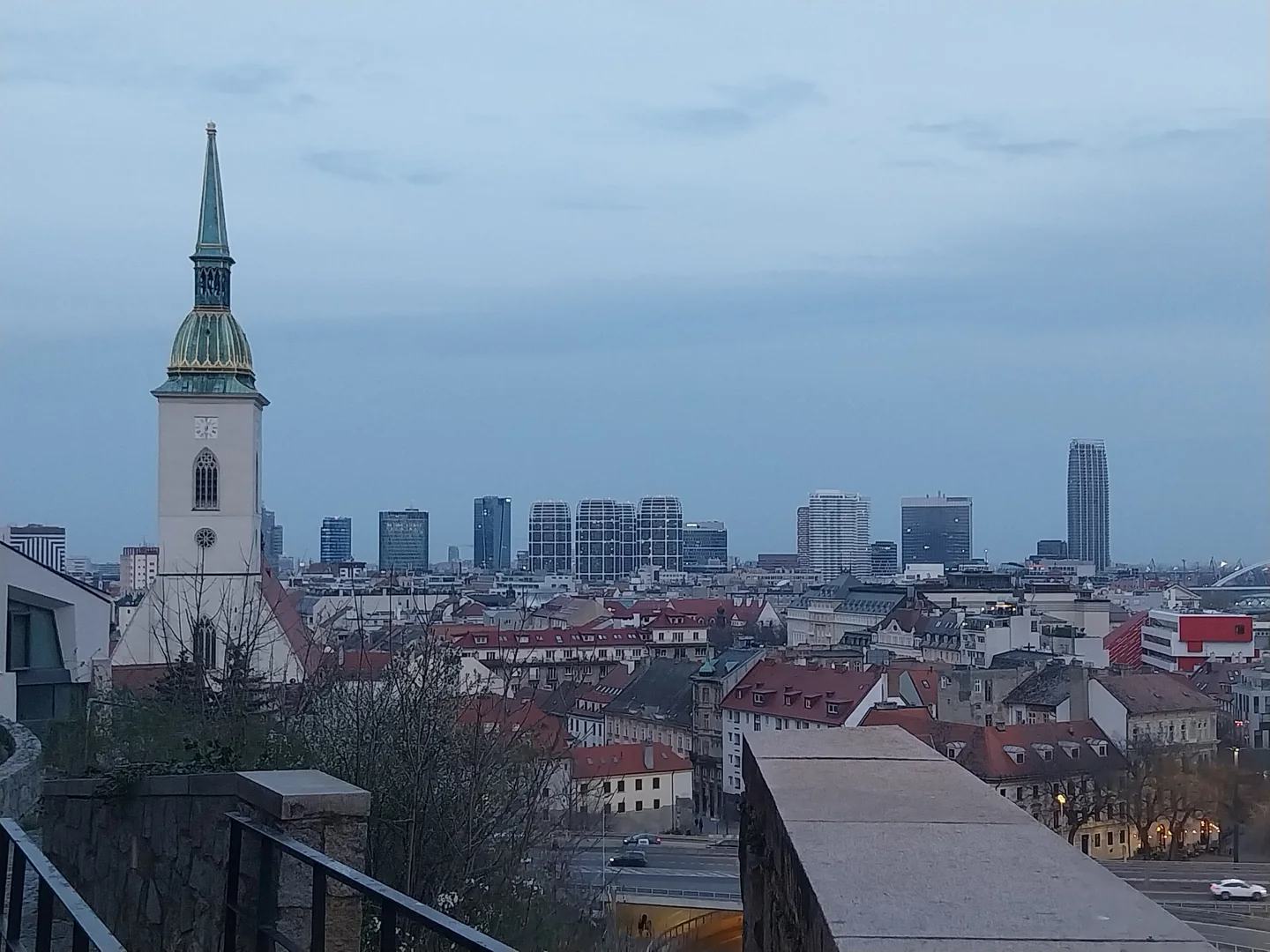
In Slovakia, a move might begin with a Bratislava office, a faculty in Košice or a course in Žilina. Build the plan around the place you need to reach each day, then connect the immigration, employment and household arrangements to that address.
This fourteen-step journey follows preparation through arrival and the first month. EU, EEA and Swiss citizens follow a different residence process from most other nationals. Business, education and retirement considerations apply to the households concerned; each step identifies its timing and the result to put in place.
Slovakia at a glance
- Country
- Slovakia — Slovenská republika
- Currency
- Euro — EUR
- Residence administration
- Slovak missions and Foreign Police, according to the application
- Health cover
- Eligibility-based public insurance or appropriate alternative cover
- Transport example
- Bratislava zones 100 + 101; ticket duration and medium affect the fare
- Reviewed
- 16 October 2026
Follow your moving journey
Start at step 1, or jump to the task you are working on.
01Choose a city and test the journeys from two neighbourhoods
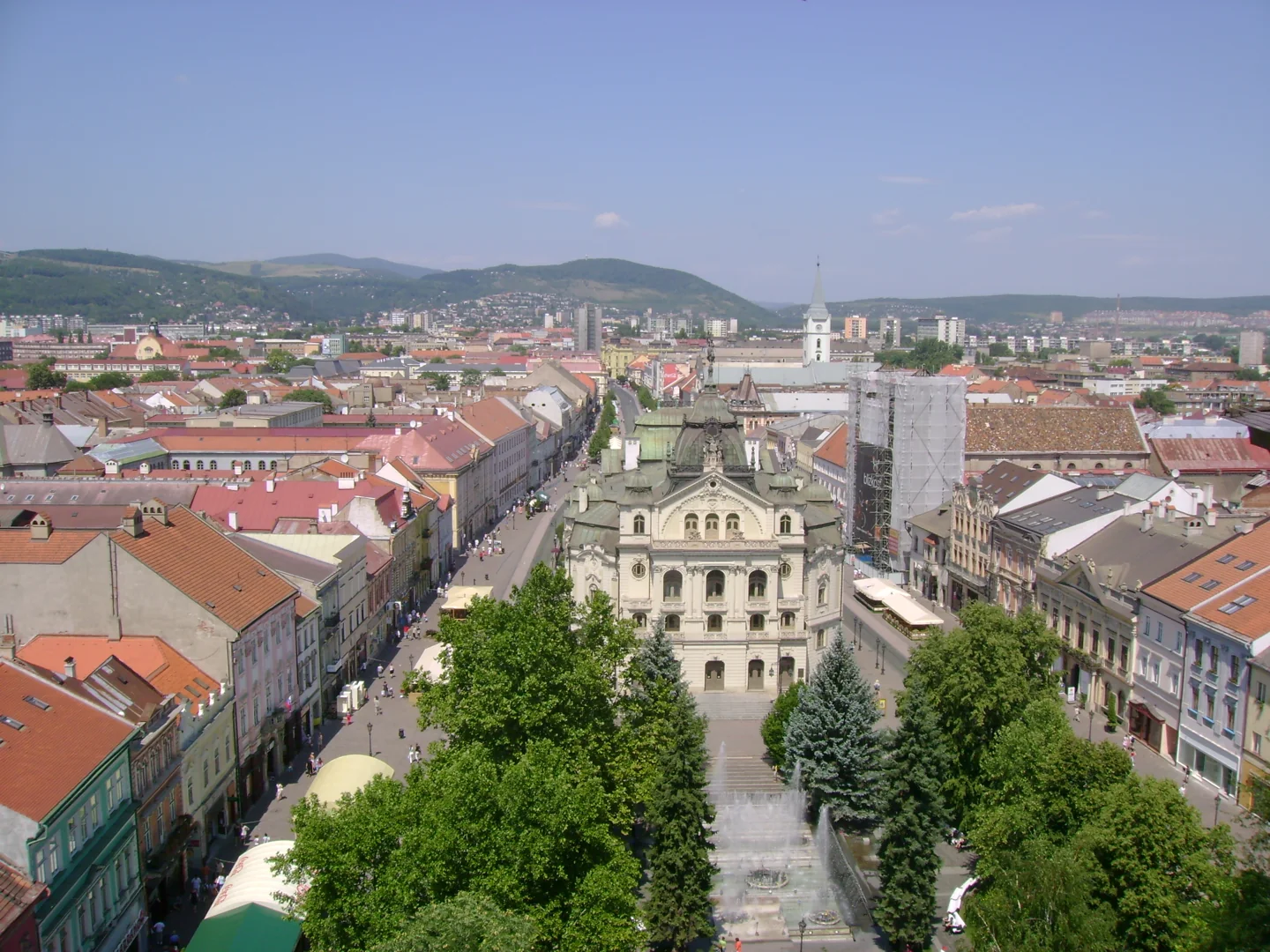
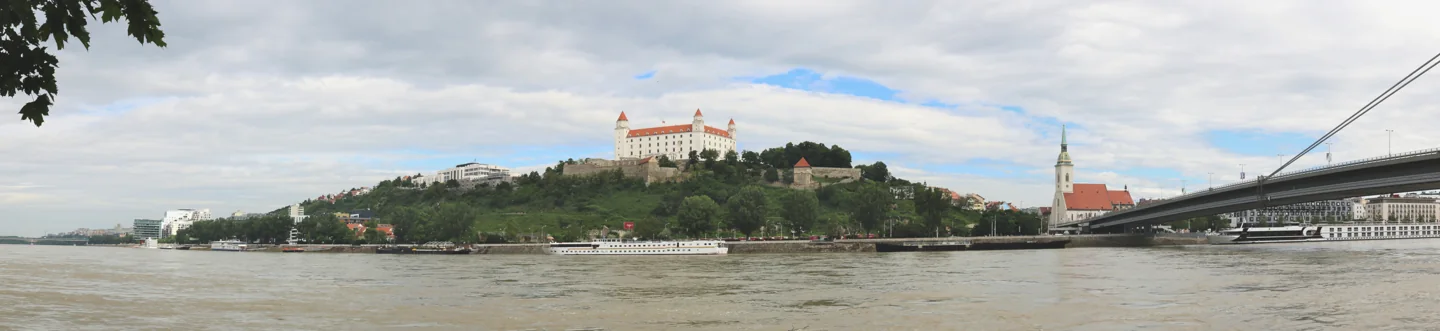
Compare Slovakia through the week you intend to live there. A home in Bratislava's Staré Mesto, a Košice address near the university or a Žilina base for UNIZA produces a different set of journeys. Start with the job or course, then compare the housing and transport around it.
| City | Areas to investigate | The decision to test |
|---|---|---|
| Bratislava | Staré Mesto, Ružinov and Karlova Ves | The door-to-door journey to your actual office or school, including changes of vehicle |
| Košice | The centre and the Letná campus area in Sever | The route to the particular faculty, employer or worksite |
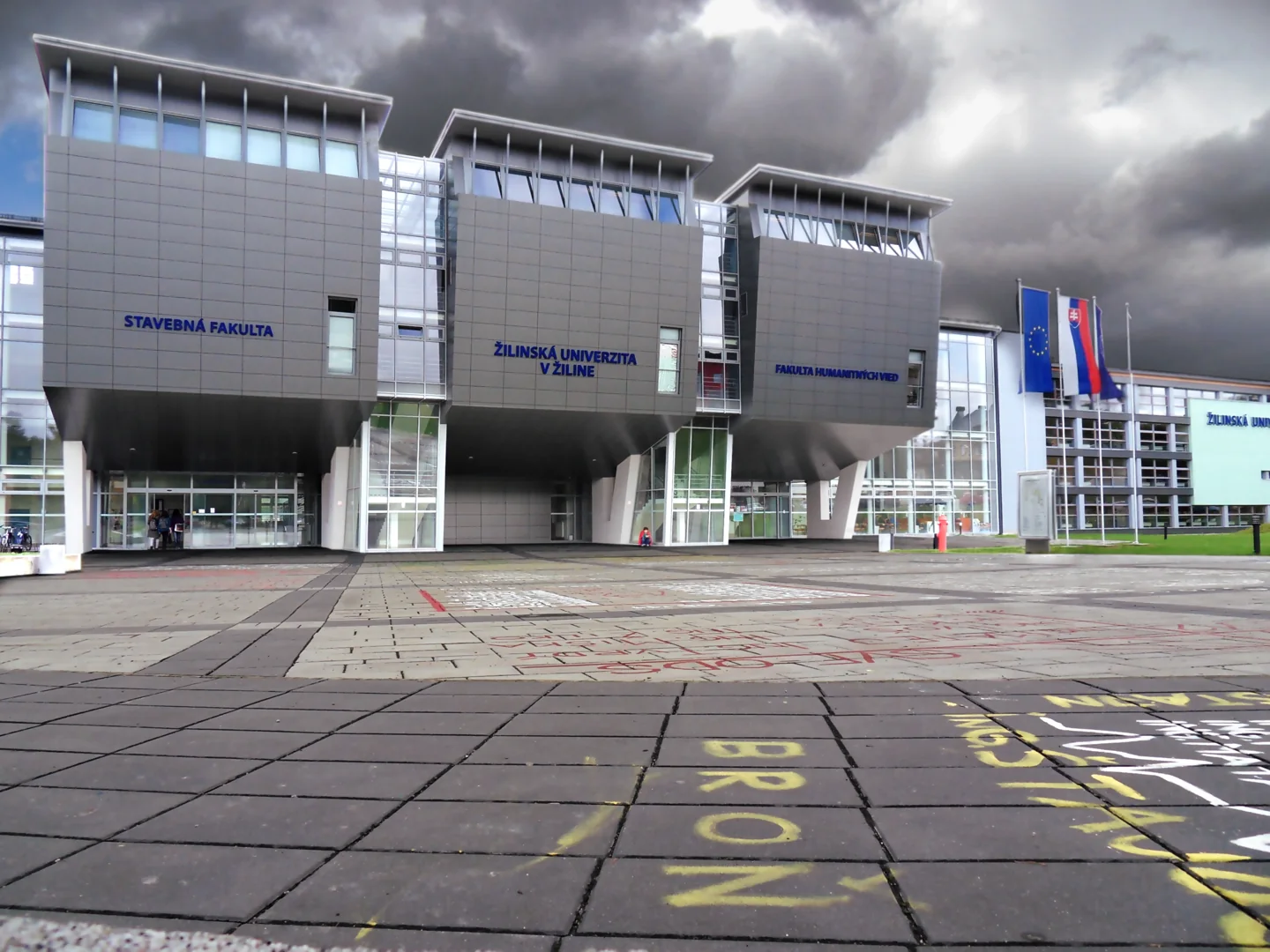
| Žilina | Hliny and the Veľký Diel campus surroundings | Whether a student or private-rental arrangement fits the household and campus journey |
Use the Bratislava Tourist Board's district directory to orient the capital search. In Košice, TUKE identifies its Letná address in Sever; confirm your own department rather than assuming every faculty uses that entrance. UNIZA's accommodation information distinguishes its Žilina facilities, including Hliny and Veľký Diel. University accommodation requires its own enquiry and allocation.
- Mark the exact workplace, faculty or school entrance, not just the institution's name.
- Choose two candidate areas and save comparable listings, separating rent from utilities.
- Check the route at the required arrival time and again for the trip home.
- At viewings, inspect heating controls, windows, ventilation, storage and the approach to the building. Ask how the quoted monthly energy advance is reconciled.
For a family, add collection times and shopping to the test journey. For someone working remotely, test the actual connection and a quiet place to take calls before signing a long contract. Choose a home that supports the ordinary day, not only the first weekend.
02Identify the residence route for every member of the household
Start with nationality, purpose and the place from which you will apply. An employee moving from outside the EU, a Union citizen taking a job and a spouse joining that person do not follow one interchangeable process. Put each household member on a separate line in your planning notes and identify the evidence linking them to the proposed move.
The Slovak Foreign Ministry's residence guidance describes temporary residence as purpose-bound. It covers employment, business, study, family reunification and other specified grounds. The normal overseas application is made in person at the Slovak mission accredited to the country that issued your passport or where you reside. Domestic filing is available only on the stated grounds; business residence cannot be applied for at a Foreign Police department in Slovakia.
For a citizen of the EU, EEA or Switzerland, use the Union-citizen residence procedure instead. It distinguishes employment, self-employment, study and other qualifying circumstances. A financially self-sufficient person's position includes the relevant health-insurance evidence; do not treat a bank balance as the whole process.
- Identify the nationality and intended activity of each person, including a partner who will also work.
- Locate the mission or Foreign Police procedure that can accept the actual application.
- Separate a visa needed for travel from the residence application and any employment authorisation.
- Record the required evidence and the appointment arrangement before ordering time-sensitive documents.
For a non-EU relative accompanying a Union citizen, use the family-member guidance. It explains that the EU-family procedure usually does not apply merely because the sponsor is Slovak; the returning-Slovak situation has its own conditions. Resolve this distinction before preparing a family application under the wrong category.
03Have the employer complete the labour stage before your residence application
Ask the prospective employer to identify the relevant Labour Office and the precise job, workplace and contract. The single-permit procedure combines a residence purpose with labour assessment, but it still contains a distinct employer stage. A signed offer is not a substitute for completing that stage.
- For a case subject to the ordinary labour-market assessment, the employer reports the vacancy. The Labour authority's confirmation procedure requires at least twenty working days before the employer requests the confirmation; exemptions have specific conditions.
- The employer submits its confirmation request through the Ministry of Labour's electronic service, using the public-services portal. The ministry identifies the employment contract or written promise and, for a regulated profession, qualification-recognition evidence among the attachments. The electronic submission requires the appropriate electronic identification and signature.
- Obtain the consenting confirmation and coordinate the residence submission. The Labour authority says the residence application must be made within 180 days of the confirmation's issue.
- Keep the confirmation and proof of the complete residence submission with the employment records. Agree the start date using the actual conditions of your case.
The Labour authority describes a specific arrangement allowing employment after a consenting confirmation and a complete residence application evidenced by Foreign Police, from the date allowed in the confirmation. Ask the employer to establish that those conditions are met; do not apply that provision to a visitor who has only booked an appointment or assembled an incomplete file.
The IOM employment-residence explanation also sets out route-specific cases, including graduates and other exceptions. Give the employer the facts needed to assess yours. For a regulated occupation, begin recognition early and ask which decision must be available for the labour submission. Keep the job title and worksite consistent across the offer, confirmation and residence file.
04Match a business or remote-work plan to the permitted activity
A Slovak živnosť is a trade business; it is not itself a residence permission. IOM's September 2026 sole-trader guidance describes the trade-licensing and residence stages separately. The selected activities, business address and any professional qualification requirements need to fit what you will actually do.
- Identify the activity and the competent Trade Licensing Office. Establish whether it is an unregulated, craft or regulated trade.
- Prepare the required application, criminal-record evidence, permission to use the business address and qualifications where applicable.
- For a business-residence application, prepare the business plan and evidence of feasibility as well as the separate personal and business financial resources. IOM says those funds are demonstrated through different accounts.
- Arrange the residence application through the appropriate Slovak mission abroad. Ask that mission for its current appointment and acceptance instructions before committing to a filing date.
The financial evidence is not a complete operating budget. Price accounting, insurance, premises and contributions separately, and understand the sole trader's personal liability. For overseas employment or remote client work, obtain an assessment of the actual activity and residence category; an overseas payer does not by itself establish a right to work from Slovakia.
05Separate moving costs from monthly spending and assess your tax position
Use euros and keep the cost of reaching Slovakia separate from the cost of living there. A residence application, a rental deposit and a rail ticket have different payment dates and refund rules. Record what must be paid before a decision, what is payable at handover and what repeats each month.
| Before arrival or at move-in | Recurring expenses | Evidence to obtain |
|---|---|---|
| Applications, card issuance, certificates and translations | Renewals and any continuing document costs | The fee for the actual category and filing location |
| Travel, freight, temporary accommodation and deposit | Rent, service advances, energy and internet | A written lease and an itemised quotation |
| School joining costs and initial supplies | Tuition where applicable, meals and transport | The learner's programme and academic year |
| Medical examination and interim insurance | Contributions, insurance premiums and treatment charges | Confirmed eligibility and policy terms |
The employment-residence page, reviewed for this guide on 16 October 2026, lists a €250 application fee and separate card issuance and domestic-delivery charges of €10 within thirty days or €39 within two working days. These are category-specific figures, not a universal visa price; confirm the consular payment instructions where filing abroad.
For a recurring transport reference, IDS BK's published fare table retains its effective date of 1 June 2025: a basic thirty-minute paper ticket for Bratislava zones 100+101 costs €1.20, compared with €1.09 for the corresponding eTicket. These are individual fares, not a monthly commuting budget. Price the journey and ticket product you will actually use.
The Financial Administration's income-tax explanation assesses residence through permanent residence, a home and the relevant presence test; the detailed rule includes at least 183 days in the calendar year. Residents' scope includes foreign-source income. Keep travel dates, employment documents and overseas income records, and assess any applicable treaty where more than one country treats you as resident.
The same authority lists 31 March 2027 as the ordinary filing deadline for the 2026 tax year, with stated extension and employer annual-settlement provisions. Ask payroll whether a settlement is available for your actual income sources. Do not assume withholding from a Slovak salary resolves a separate overseas salary, freelance business or rental income.
06Obtain placement and prepare the learner's recognition documents
Start with the child's current stage, language and intended curriculum, then identify the school and its actual address. Send recent reports and the proposed move date when making the enquiry. Obtain a written answer about placement and support before treating a school as the anchor for the housing search.
For an international-school starting point, The British International School Bratislava's requirements vary by year group. Its process begins with an enquiry and a visit or virtual tour, followed by an online application. Supporting records include the child's passport, the last two years of reports in English, insurance evidence and the required agreements; the current school supplies a reference. Older year groups have the stated language or subject assessments. Ask Admissions about the relevant year, support needs, available place and complete fee quotation.
For university applicants
Apply to a specific faculty and programme. Comenius University's Faculty of Natural Sciences bachelor instructions illustrate a separate task: recognition of secondary education completed abroad, known as nostrification. The faculty describes grade conversion and an application to the relevant Regional Office of School Administration, and requires the recognised record for enrolment. Its page is for the 2026–27 admission cycle; do not read that year's dates as the next intake.
- Choose the programme and teaching language, then request the applicable intake instructions.
- Ask which diploma, transcript, translation and recognition records must arrive by each deadline.
- Obtain the admissions decision, then arrange any separate study-residence application and accommodation request.
- Price tuition, meals, supplies, transport and housing separately. Acceptance does not guarantee a dormitory place.
07Prepare authenticated records, belongings and the pet journey
Build the folder around the chosen residence and household arrangements. The Foreign Ministry's document rules address official translations, authentication and certified signatures. Keep the passport names and dates consistent across criminal records, civil certificates and accommodation evidence. Order time-sensitive documents after establishing the filing appointment rather than allowing them to expire during the search for one.
If belongings are coming from outside the EU
The Financial Administration's moving-house FAQ explains conditional relief for personal property. Its general requirements include twelve months of prior residence outside the EU customs territory and, for non-consumable belongings, possession and use for at least six months before leaving that residence. Relief normally requires release within twelve months of establishing the new usual residence; exclusions apply.
- Prepare an inventory distinguishing used household effects from new purchases and business goods.
- Collect evidence of the former residence, departure and the belongings' ownership or use.
- Have the clearance agent confirm the applicable declaration, relief and supporting records before releasing the freight. Keep the written quotation for handling, storage and delivery.
If a dog, cat or ferret is moving
Follow the Slovak veterinary authority's EU-travel instructions for movement within the EU: identification, valid rabies vaccination and the appropriate pet passport. Identification must precede or coincide with the vaccination. The ordinary primary-vaccination waiting period is at least twenty-one days; young-animal exceptions have conditions and must also work for transit countries.
For an animal arriving from outside the EU, use the separate third-country entry instructions. They distinguish the required official veterinary certificate, origin-dependent rabies antibody testing and entry-point checks. Identify the first EU entry point and have the competent veterinarian establish the full schedule before booking. An EU passport issued for a different journey is not a substitute for confirming the applicable entry evidence.
08Carry the entry evidence and plan the onward journey
Carry the passport, any required visa, residence decision or card, accommodation information and the evidence requested for the journey in an accessible folder. Make an offline copy and keep a working contact number for the first accommodation. Resolve how you will collect keys if the journey arrives late.
Your Europe's entry guidance distinguishes nationality-based visa requirements and the short-stay limit of ninety days in any 180-day period. That short-stay allowance is not a substitute for the Slovak permission required for a longer move or a job. If your itinerary enters Schengen through another country, carry the supporting documents through that first border as well.
- Reconcile the traveller's name and document number across the ticket and approval documents.
- Confirm how any residence-card collection or further appointment fits the arrival.
- Plan the actual transfer with the luggage and passengers you will have.
- At the accommodation, confirm the arrival-reporting arrangement and retain the relevant details.
At Bratislava Airport, the official transport page identifies bus 61 to the main railway station, Hlavná železničná stanica, and a separate N61 night service. Use its timetable links for your arrival time. The station is a transfer point; check the onward trip to the home rather than assuming the bus ends at your address.
Put immediate essentials first: keys, a charged phone, food and water, then the time-sensitive reporting and insurance tasks. The registration step explains which deadline applies to your status.
09Report arrival and complete the registration for your status
Put the reporting deadline in your arrival calendar before travelling. The IOM reporting guidance distinguishes non-EU nationals, who report within three working days, from Union citizens and their family members, who have ten working days. A hotel or similar accommodation facility has the reporting duty for its guests. Ask the provider to confirm that it has reported you; keep the confirmation rather than assuming a booking receipt proves this.
- Identify which reporting category applies to each traveller.
- If your accommodation provider is not reporting for you, use the official notice form linked in the reporting guidance and the Foreign Police department responsible for your address.
- Retain a copy and the evidence of submission with the entry and accommodation records.
Arrival reporting and longer-stay registration are separate tasks. Under the Union-citizen procedure, a person staying beyond three months registers within thirty days after those three months have elapsed. Registration is free, in person by appointment, with identity and evidence of the qualifying ground. The optional residence card is a separate request. For a non-EU relative, follow the Union-family residence-card procedure rather than using the citizen's application.
For an employment residence holder, complete the card and post-decision tasks stated in your own notice. The employment-residence guidance requires the relevant public-health medical report within thirty days of receiving the residence card; the report itself must be no older than thirty days. Arrange the examination with the recognised service in time, then retain proof that the report reached Foreign Police.
10Prepare the bank's evidence and set up payments after acceptance
Slovenská sporiteľňa's foreign-customer checklist gives a practical starting point. EU citizens present a passport or EU identity document and evidence of their connection to Slovakia, such as employment, study or property. Other nationals provide a passport, the stated Slovak residence evidence and proof of that connection. A business account additionally requires the business authorisation and the relevant representative's identification.
- Prepare originals and ask the bank whether a branch appointment is required for your documents.
- Compare monthly, card, transfer and cash-withdrawal charges before choosing the account.
- After acceptance, record the IBAN, activate secure access and give payroll the correct account details.
- Test an ordinary bill payment. Copy the payee, amount and any payment reference from the genuine invoice.
Keep a usable backup payment method while the application is assessed. Maintain access to the phone number used for authentication and update the bank when the relevant identity, residence or tax details change.
11Inspect the apartment and agree the lease and service charges
Ask whether the proposed agreement is a nájomná zmluva and which legal framework it uses. IOM's private-rental guidance distinguishes Civil Code leases from agreements under the Short-Term Apartment Rental Act; its explanation of rights applies to the former. Have an unfamiliar agreement explained before relying on a notice period.
- Verify the landlord's authority and inspect the actual apartment.
- Separate rent from services and energy. Record the advances, calculation, reconciliation and payment dates.
- Agree the deposit's amount, permitted deductions and return terms, plus any agency commission.
- Sign a handover record listing furnishings, damage, keys and meter readings. Keep your signed lease and payment evidence.
Coordinate the residence evidence before signing: the landlord may need to provide the appropriate certified agreement or owner declaration. A normal rental conversation should establish this early. Keep the original lease for yourself and obtain the appropriate certified copy when required for an application.
12Establish which insurance covers each person and enrol on time
Do not assume that temporary residence automatically places the whole family in public health insurance. The IOM eligibility explanation links entitlement without permanent residence to specified conditions, including qualifying employment or self-employment. Employee eligibility includes the stated employer and minimum-income conditions. Children, students and people insured under another Member State's rules require their own assessment.
- Give the prospective insurer your residence status, employment contract, start date and details of any coverage in another country. Ask it to establish the applicable starting date and the evidence required for dependants.
- For a concrete employee application, VšZP's foreign-employee service provides an online application. The employee signs it, digitally or after printing, and supplies the employment contract and the identification document used in the application. The page explains delivery options and additional evidence for the specified cross-border situation.
- Keep the accepted application and confirmation of active coverage. Give payroll the correct insurer details.
- Find a general practitioner and, where needed, a paediatrician who accepts the coverage. Ask about registration, appointments, prescriptions and specialist referrals before routine treatment is due.
There are two different timing rules to plan around. The residence-related guidance requires insurance within three working days of collecting the residence document. Separately, VšZP's enrolment explanation states the eight-day deadline from the event establishing compulsory public insurance. Do not use the latter to postpone an earlier residence obligation. Arrange interim or commercial cover where needed until the applicable local coverage is confirmed.
Bring a concise medical history, current prescriptions with generic medicine names and relevant results. For ongoing treatment, ask the receiving doctor what records are needed and how to continue the medicine. Confirm any private charges before an appointment and keep invoices for reimbursement where your policy requires them.
13Transfer services and choose the right transport ticket
Ask the landlord whether you will reimburse utilities through the lease or hold an account directly. If an account is transferred, use the provider's process and record the meter reading at handover. The lease and the provider account should describe a consistent payment arrangement.
- For a ZSE electricity supply, follow the provider's account-transfer instructions. The existing customer can initiate an online transfer; the incoming customer receives the confirmation link and completes the process. The page also covers a new customer starting the request and the previous customer's required response.
- Keep the application confirmation, opening reading and subsequent advance-payment schedule. Confirm which date divides the old and new customer's responsibility.
- For an existing Telekom service, use the service-transfer procedure. It provides a branch option with both customers and an electronic option with signed documents. Ask which identity evidence it accepts for your foreign documents.
- For a new internet connection or mobile account, have the operator confirm eligibility, coverage at the exact address, installation, contract term and total charge before ordering.
For Bratislava travel, the IDS BK instructions explain the distinction between time validity within zones 100+101 and combined time-and-zone validity in the region. Validate a paper ticket bought in advance when starting the first bus or tram journey; for a train, follow the platform-validation instructions. A ticket bought already time-stamped uses its printed validity. Choose the product for the complete route, including transfers.
Keep provider and transport-app access tied to a phone number you can maintain. Test the commute once with the actual ticket and any school stop before the first day when an appointment or shift depends on it.
14Close the first-month tasks and establish a regular local connection
Use a household calendar to turn submissions into completed tasks. Record who owns each outstanding item, its reference number and the next action. A receipt for an application, an active insurance policy and a residence card are different pieces of evidence; keep each where the household can retrieve it.
| Task | What to retain |
|---|---|
| Residence and work | Decisions, permitted activity, expiry dates and renewal reminders |
| Home | Lease, handover record, readings and bill responsibility |
| Money | Working payroll details, first bills and tax-assessment records |
| Health and education | Active cover, doctor contacts, placement and the daily journey |
| Continuity | Accessible document copies and a plan for a missed or rescheduled appointment |
For language learning, start with IOM's directory of Slovak-learning options. Ask the provider about eligibility, level and the current course before making it part of the weekly schedule. Choose an activity you can attend repeatedly; regular contact is more useful than trying to meet everyone during the first week.
If the move is for retirement
For an EU, EEA or Swiss citizen relying on sufficient resources, the Union residence guidance includes the corresponding means and insurance conditions. Establish the pension and healthcare arrangements before selecting a home. A third-country retiree needs an independently qualifying residence ground; do not infer one from property ownership or a pension payment. Plan access to recurring care, medicines and transport as part of the housing decision.
After the first complete billing cycle, replace estimates with your actual rent, energy, groceries and journeys. Resolve unexplained charges while the readings and receipts are close at hand, and keep upcoming renewals visible.
Sources & further reading
Reviewed 16 October 2026. Sources are linked beside the relevant instructions. The employment sources disagree on the maximum permit duration, so no universal duration is stated. The university admission example retains its past 2026–27 cycle. Pet-import documents depend on origin and current veterinary rules; confirm the applicable certificate with the veterinary authority before travel. Employment residence and card fees follow IOM guidance updated August 2026. Bratislava fares were checked 16 October 2026 and retain the tariff effective June 2025. Household calculations are explicitly hypothetical; obtain actual housing, insurance and utility quotations. Photograph credits, licences and capture years appear with the images.
Browse the source directory
- Bratislava Tourist Board's district directory
- TUKE
- UNIZA's accommodation information
- Slovak Foreign Ministry's residence guidance
- Union-citizen residence procedure
- family-member guidance
- Labour authority's confirmation procedure
- Ministry of Labour's electronic service
- IOM employment-residence explanation
- IOM's September 2026 sole-trader guidance
- IDS BK's published fare table
- Financial Administration's income-tax explanation
- The British International School Bratislava's requirements
- Faculty of Natural Sciences bachelor instructions
- Financial Administration's moving-house FAQ
- Slovak veterinary authority's EU-travel instructions
- third-country entry instructions
- Your Europe's entry guidance
- Bratislava Airport
- IOM reporting guidance
- Slovenská sporiteľňa's foreign-customer checklist
- IOM's private-rental guidance
- IOM eligibility explanation
- VšZP's foreign-employee service
- VšZP's enrolment explanation
- provider's account-transfer instructions
- service-transfer procedure
- IOM's directory of Slovak-learning options
Make your next step a practical one
Identify each person’s residence and work position, choose the workplace or school that anchors the move, and collect actual housing and service quotations before committing to the budget.