Visa

Moving & Living - Saint Kitts and Nevis - Complete Guide
Plan the move from island and neighbourhood choice to regional or employer permission, school admission, banking, Social Security, housing, healthcare and ferry connections.
Photo credit
In Saint Kitts and Nevis, the island and the daily journey shape the move. A Basseterre workplace, a Charlestown appointment and a school on another side of the island lead to different housing and transport choices. A ferry connection needs its own terminal and onward-transfer plan.
These fourteen steps connect those decisions with the actual paperwork: regional mobility, employer permission, family records, Social Security, banking and household services. Optional digital-residence, retirement and existing-resident branches are identified separately. Published procedural conflicts and information gaps are explained beside the responsible institution rather than resolved by assumption.
Saint Kitts and Nevis at a glance
- Location starting points
- Basseterre · Frigate Bay · Charlestown · Pinney’s · Newcastle
- Regional branch
- CSME Skills Certificate or applicable OECS route
- Employee registration
- Social Security Board
- College starting point
- Clarence Fitzroy Bryant College
- Electricity
- SKELEC on St Kitts · NEVLEC on Nevis
- Passenger ferry example
- Basseterre–Charlestown
- Reviewed
- 15 October 2026
Follow your moving journey
Start at step 1, or jump to the task you are working on.
01Choose the island and daily journey before signing the rental agreement
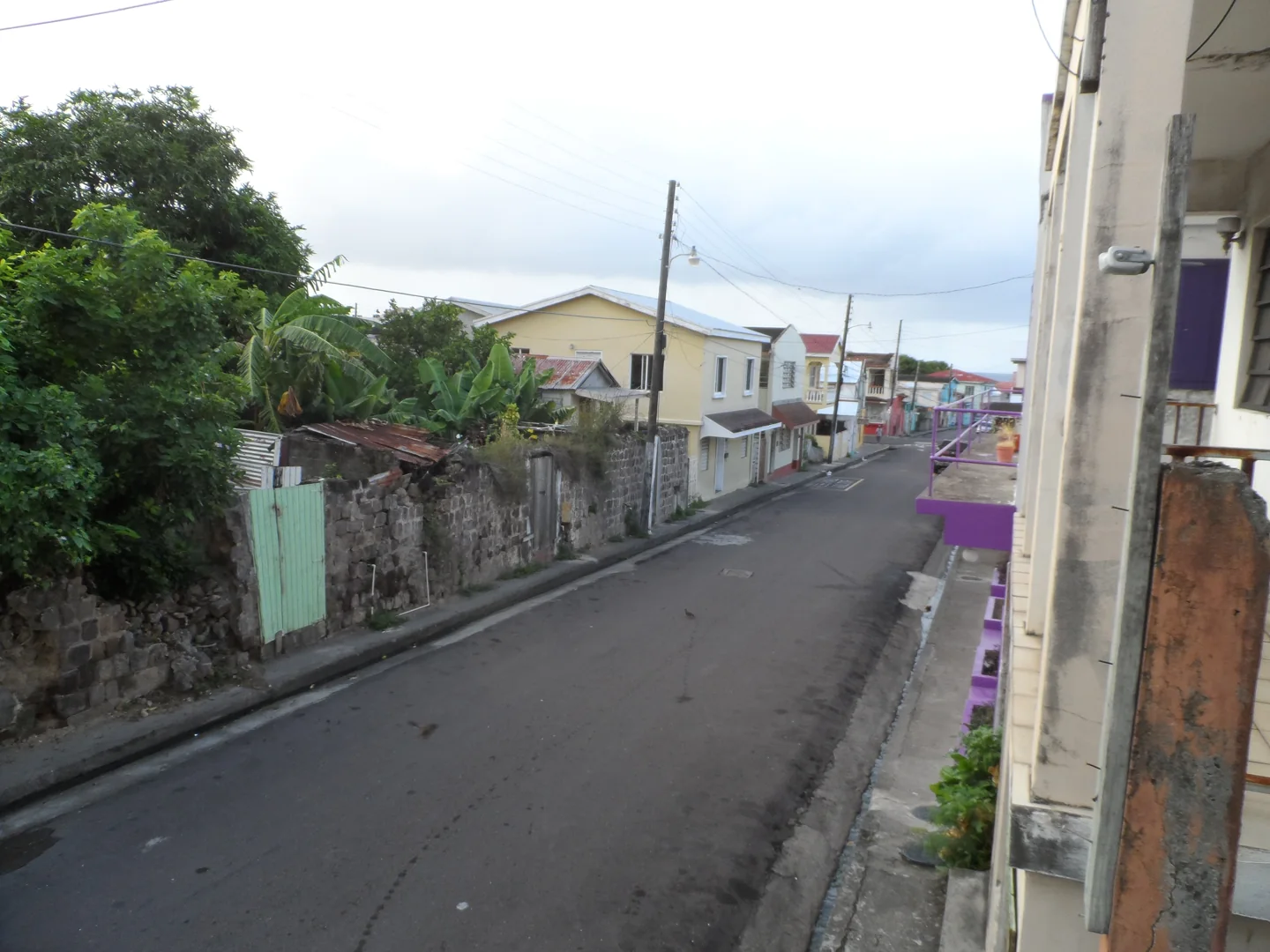
Put the actual workplace, teaching site and regular appointments on a map first. Compare a Basseterre-based routine with homes around Frigate Bay on St Kitts, or a Charlestown-based routine with the Pinney’s and Newcastle areas on Nevis. These are starting points for comparing addresses, not a ranking of neighbourhoods or a promise of available housing.
- Identify the island where most daily commitments take place.
- Test the complete morning and evening journey from the property.
- Inspect the home and establish who is authorised to offer it.
- Obtain written terms separating rent, security, utilities, furniture and repairs.
- Record the condition, keys, meters and agreed starting charges at handover.
If work or school is on the other island, use the ferry planning step before choosing the home. Include transfers to both terminals, the return service and the cost of an alternative when the intended crossing does not operate. A short sea crossing is only part of the daily trip.
Read the agreement’s currency, payment dates, notice, renewal and deposit-return conditions. Obtain a receipt identifying each payment’s purpose. No statutory deposit cap or universal notice period was established in this review, so the hypothetical budget is not a statement of tenancy law.
For employer accommodation, record the permitted occupants and what happens when the job ends. For a shared property, establish how metered or shared services are charged and whether the occupant can obtain address evidence for local applications. Keep the signed agreement and condition photographs together.
02Establish whether a regional mobility route applies before requesting a work permit
Start with citizenship and qualifications, rather than putting every overseas recruit into the same work-permit process. Keep a separate record for each accompanying person; a principal applicant’s document does not explain all the evidence a spouse or child may need.
The Ministry of International Trade’s CSME instructions distinguish applying for a Skills Certificate from verifying one issued elsewhere. Incoming qualifying CARICOM nationals are directed to the Ministry during their six-month definite stay, followed by passport endorsement at National Security’s Immigration Division after the relevant outcome.
- Identify the qualification or occupational category and prepare its supporting evidence.
- If already holding a certificate, use the verification branch.
- Otherwise obtain the application checklist from the CSME Desk Officer and submit the requested file.
- Retain the committee’s decision or verification response.
- Complete the required immigration endorsement and retain evidence for the household.
The ministry links separate application, verification and spouse/dependent recognition forms. Certificate verification depends on the issuing state’s response; do not equate the initial entry period with a guaranteed processing time.
OECS Protocol Member State citizenship requires its own assessment. The OECS Commission’s 2024 explanation describes indefinite stay and work-permit exemption within the Economic Union, while noting that contingent-rights implementation was incomplete. Obtain the local documentation instructions for the actual citizenship and family relationship, rather than applying the CSME skills checklist to that branch.
03Have the employer resolve the permit checklist before travel and starting work
Agree the job, employing entity, workplace and start date in writing. Identify who prepares the employer’s records and who keeps the application reference. Keep accommodation, relocation reimbursements and family support in the offer rather than relying on a general assurance that the company will handle the move.
The Law Commission’s 2017-revision Immigration Act and regulations describe an employer-made application for a specific job and employer. Regulation 22 refers to newspaper and radio advertising for at least one month and renewal sought at least three months before expiry. A September 2020 ministry notice instead describes three consecutive weeks of local advertising and a renewal request no later than two weeks before expiry. These published instructions differ.
- Have the employer obtain the receiving authority’s current advertising, Labour Department and renewal instructions.
- Resolve the applicant’s required location before filing; do not plan a visitor-to-worker conversion as a routine local formality.
- Prepare the personal records against the current checklist and the employer’s recruitment evidence.
- Retain the issued decision before beginning the activity it authorises.
- Calendar the confirmed renewal requirements and obtain new instructions before changing employers.
The 2020 notice says permits cannot be transferred between employers. A new offer therefore needs a permission assessment before the employee moves across. For a Nevis-based position, establish the receiving office and current Nevis checklist with the employer; do not send a federal or archived application merely because its title looks suitable.
The current operative advertising and renewal periods were not conclusively resolved during review. Obtain written instructions early enough to accommodate the longer published periods, and retain them with the recruitment file.
04Resolve the digital-residence or retirement application service before committing
Describe the actual arrangement: employed remotely by a foreign company, independently contracting, retiring on pension income or investigating an investment. These are different facts even when the household intends to rent the same home.
The December 2021 immigration amendment establishes a digital-residence framework addressing remote workers and other specified categories, including retired people with means of support. It describes a maximum twelve-month period and an online application made from outside the Federation, subject to stated exceptions. Its scheduled form requests accommodation, employment, funds and medical-insurance evidence, with separate dependent forms.
- Give National Security the citizenship, income arrangement, intended duration and accompanying household details.
- Ask which current category and application service applies.
- Obtain the live checklist, fee, submission location and renewal instructions.
- Prepare the records for that confirmed branch and retain the assessment reference.
- Match the issued permission’s dates and conditions to the proposed activity and housing commitment.
A working digital-residence submission service and current fees were not established during this review. The published law is evidence of the framework, not confirmation that an application can currently be lodged through a particular website. Do not enter payment or personal records into a commercial form on that assumption.
For retirement, establish the available residence basis separately from healthcare coverage and the treatment of pension income. For remote work, obtain the employer’s agreement to the location and resolve the relevant payroll or business obligations. The permission decision should precede commitments that depend on a long stay.
05Separate setup cash, regular bills and the registrations for the actual activity
Calculate the move in the currencies shown on the actual quotations. Put the currency on every line, including rent, school fees, the employer’s reimbursements and any foreign-income transfer. A figure written only with a dollar sign is not enough for comparing costs.
| Area | Initial moving costs | Recurring costs |
|---|---|---|
| Home | Temporary stay, first rent, security, delivery and setup | Rent, water, electricity and communications |
| Travel | Tickets, baggage, freight, clearance and transfers | Work and school journeys, ferries or vehicle costs |
| Household | School admission and continuing-treatment arrangements | Food, tuition, insurance and patient payments |
| Administration | Applicable applications, certification and account setup | Renewals, account charges and applicable deductions |
For hypothetical arithmetic only, EC$2,000 first rent plus EC$2,000 security requires EC$4,000 before other setup expenses. These inputs are not a local market quotation or a statutory deposit limit. Obtain dated figures for the actual property.
For a person operating an individual enterprise, the IRD’s linked Individual Enterprise Registration form asks for the enterprise’s name, start date, activities, estimated sales, physical locations and personal identifying numbers. It is a business registration form, not evidence that every relocating employee must establish an enterprise.
- List employment, business, property and pension income separately.
- Explain the proposed activity to Inland Revenue and obtain the applicable registration and filing instructions.
- Use the correct enterprise or company branch if operating a business.
- Retain the issued records and calendar the actual returns and payments.
- Reconcile payroll deductions and reimbursed moving costs against the written offer.
06Arrange the child’s placement or the student’s admission before fixing the move
Give the receiving education service the child’s age, previous grade, intended arrival and learning needs. The Ministry’s primary-education explanation describes a system intended for ages five to twelve, including public and private schools. It says children turning five after September but before 31 December may enrol. Obtain the actual placement and supporting-record instructions; that general age explanation does not allocate a school place.
- Identify the teaching site and the appropriate admissions contact for the island.
- Prepare previous reports and the personal records requested for the child.
- Explain any learning, language or accessibility support needed.
- Obtain the placement response and confirm the starting date, uniform, costs and collection arrangements.
- Test the journey before committing to the permanent home.
For further study, Clarence Fitzroy Bryant College’s admissions FAQ links its online application and asks for certified identity or birth records and academic results, with additional documents for particular programmes. It distinguishes applying for admission from registering for courses after an offer. Direct application questions to its Admissions Office rather than treating an enquiry as acceptance.
Keep study permission separate from the college decision. Establish the programme’s attendance location, timetable and current intake before choosing housing around it. The general primary-school page does not establish a newcomer placement checklist for every age or for Nevis; request that household-specific information from the receiving service.

07Prepare the personal file and resolve pets and freight before dispatch
Build a separate file for each household member using the actual immigration, school, employer and bank checklists. Reconcile name differences before arranging certification. Carry the originals needed for early appointments rather than putting them in the shipment.
- Save the issued permissions, civil-status records and employment or admission decisions.
- Retain independent copies of the submitted files and references.
- Prepare an inventory identifying the goods, ownership and declared values.
- Obtain an itemised freight quotation covering clearance, handling, storage and delivery.
- Resolve animals and other regulated goods with the receiving authority before dispatch.
The government agriculture-permits page says live animals require an import permit and that conditions differ by species. Give Veterinary Services the species, origin, identification and full itinerary; obtain the relevant conditions before booking the animal’s journey. Carrier acceptance and destination import permission are separate tasks.
For a pet travelling from the United States, the USDA’s destination-specific pet-travel page provides the exporting authority’s starting point. Use the route for the actual origin; do not apply U.S. export instructions universally. Obtain the current required certificates and endorsements through the veterinarian and responsible authorities.
Arrange customs treatment against the actual goods and applicant’s circumstances. A returning-national concession is not an automatic exemption for every newcomer. Confirm the inventory, consignee, port and documents with the clearing provider, then retain the written assessment and receipts. Allow for temporary storage if the home is not ready when the freight arrives.
08Complete the arrival file and match the transfer to the correct ferry terminal
Keep the first address, host contact, permissions and transfer details available offline. The Nevis Tourism Authority’s visitor FAQ directs visitors to complete the online immigration form before arrival, while visa requirements depend on nationality. Use the official electronic border portal for its Immigration and Customs ED Form and electronic-travel-authorisation services. These arrival documents do not replace the permission required for employment or a longer residence.
- Complete the applicable pre-arrival documentation through the official service.
- Carry the decisions and supporting records for the actual purpose of entry.
- Retain the entry record and note its dates and conditions.
- Confirm the departure terminal, sailing and onward transport for an inter-island transfer.
- Check in to the first accommodation and confirm the next appointment’s journey.
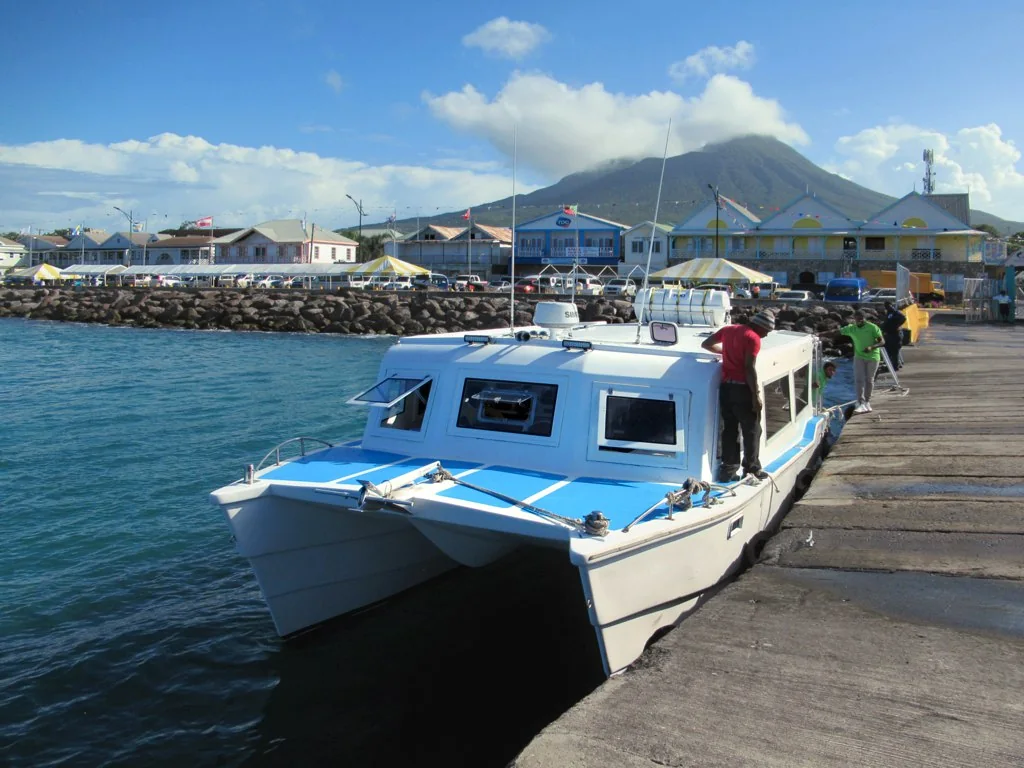
The tourism authority’s ferry guide distinguishes Basseterre–Charlestown passenger ferries, Sea Bridge between Major’s Bay and Cades Bay, and iConnect between Major’s Bay and Charlestown. It also links the SKN Transit app for boat schedules. Choose the service for the actual passenger, vehicle and luggage needs rather than treating the terminals as interchangeable.
Confirm the operating day, baggage arrangements and return journey with the selected operator before making a connection depend on it. For daily travel, test the whole route at working or school hours. For driving, obtain the local licence or recognition instructions for the actual status and foreign licence; a rental reservation alone does not establish driving eligibility.
09Use Nevis’s temporary regularisation initiative only if its eligibility fits
This is an existing-resident branch, not a relocation permission for someone newly arriving in October 2026. Compare the household’s actual arrival and schooling history with the announcement before treating it as an option.
The Premier’s Ministry announcement of 28 July 2026 extends the Special Annual Residency Status deadline to 30 October 2026. Its categories include people who entered between January and November 2025, people out of status before January 2025 who have not regularised, and non-national students who attended school in the Federation for three years or more. The notice gives an application fee of EC$2,700.
- Identify which announced category fits and gather the dates supporting it.
- Obtain the current application and document instructions from the Premier’s Ministry.
- Resolve each household member’s application position separately.
- Submit the required records before the announced deadline and retain the receipt.
- Keep the eventual decision and its continuing conditions with the immigration file.
The announcement does not make the initiative a permanent programme or promise an approval. Its dated eligibility should not be extended to later arrivals. If the deadline has passed when reading this guide, establish whether the administration has issued a further notice before relying on it.
For a new move, return to the employment, regional or other residence branch that actually applies. Keep a clear distinction between correcting an existing status and obtaining permission for a future journey.
10Complete Social Security registration and retain the employment records
Coordinate this task with the employer and the bank application. Establish whether an existing Social Security number belongs to the applicant before requesting a new registration. Keep immigration permission, Social Security registration and access to medical services as separate decisions.
The Social Security Board’s insured-person instructions require completion of the application form, followed by an emailed ticket valid for four business days. Take that ticket and the necessary personal records to the office to finish registration; the online submission alone is not the completed process.
- Prepare the applicable identity and name-change records.
- Include the permission evidence relevant to the applicant: the published examples include a work permit and a CARICOM Skills Certificate.
- Complete the form and retain the emailed ticket.
- Attend the office within the ticket’s stated validity with the supporting records.
- Retain the issued registration details and give the employer the information needed for payroll.
The Board lists its head office on Bay Road, Basseterre, and its Nevis branch at Pinney’s Commercial Site. Establish which office will complete the application before arranging the trip. An applicant using an exemption or a different identity record should obtain instructions for that branch rather than producing an irrelevant work permit.
Compare the name and number used by payroll with the issued record, and retain the first payslip. Resolve any mismatch with the employer before it becomes a recurring contribution-record problem. Store the documents where they can also be retrieved for the bank’s assessment.
11Prepare the non-national account file before choosing the opening appointment
Choose the account around salary, rent, transfers and everyday payments. Keep the application checklist separate from a promise of approval, and retain an arrival payment method while the bank assesses the file.
National Bank’s Regular Savings page has a specific non-national branch. It asks for two government-issued identifications, with a birth certificate or passport for applicants not native to the Federation; Social Security evidence; a job letter; and ties such as a residency or CSME stamp or work-permit evidence. Applicants with additional citizenship or U.S. affiliations have further stated requirements.
- Identify the account and the citizenship/status branch.
- Prepare the requested personal, employment and Social Security records.
- Provide accepted address evidence issued within three months; the page lists a lease, utility bill, existing-bank evidence or landlord confirmation.
- Where the bill belongs to the person housing you, obtain the required address-use authorisation.
- Follow the bank’s notarisation instructions for documents signed away from its representative.
The page offers an online opening route and branch contacts. Use its contact route to resolve how a retired applicant or someone without a local job letter should document their circumstances; do not submit a fictitious employer to fit the employed branch.
Once accepted, confirm the issued account details, card collection, online access and actual transfer charges. Test a small payment before making rent or the first salary depend on the account. Keep the written tariff and account terms with the opening records.
12Confirm the receiving clinic, hospital billing and insurance before treatment is needed
Carry a concise medical summary, prescriptions and the information a new clinician needs to continue treatment. Give the receiving practice the intended dates and treatment needs before the last appointment at home, especially where a medicine or recurring procedure is essential.
The government’s Joseph Nathaniel France General Hospital inpatient instructions describe admission through emergencies, practitioner referrals or walk-in assessment. They distinguish hospital charges from insurance cover and say a bill can include medicines, tests, imaging, surgery and other services as well as the room. The page also distinguishes non-national paediatric charging. Its displayed tariff lacks a clear review date, so those amounts are not presented here as current prices.
- Identify the receiving clinic and its appointment and patient-record process.
- Obtain the applicable charging category and a quotation for planned care.
- Ask the insurer about the actual provider, direct billing, excess and reimbursement records.
- Confirm coverage for pre-existing conditions and any required off-island referral or evacuation.
- Keep the coverage response, medical summary and provider contacts accessible.
The JNF instructions concern that hospital; obtain the receiving facility’s arrangements for a Nevis household. A Social Security card, work permit or regional endorsement should not be used as a substitute for confirming patient charges and coverage. If an employer supplies insurance, obtain the policy and dependent schedule before relying on the offer’s brief description.
13Establish which utility accounts the home needs and choose the correct service request
Begin at the property handover: identify the meter, whether supply is already connected and whose name appears on each bill. Record whether rent includes a service, the occupant pays the provider directly or the owner recovers a shared charge.
On Nevis, NEVLEC’s new-supply instructions request an application, identification, the relevant Planning approval certificate and a temporary/permanent supply designation. Temporary supply is defined for construction or special events, not simply a short residential tenancy. The page links distinct transfer and name/address-change requests, so an already connected rental needs the appropriate account request rather than an assumed new installation.
- Establish whether the property needs a new connection, transfer or other account change.
- Obtain the corresponding provider checklist and any owner-supplied approvals.
- Confirm the charges, deposit if applicable and service date in writing.
- Retain the account reference and starting readings.
- Test the services and compare the first bill with the handover record.
NEVLEC’s published Customer Service contact handles bill, meter and service questions. For a St Kitts property, use SKELEC’s own service contact for the actual opening or transfer checklist; NEVLEC’s instructions apply to Nevis.
Arrange water and communications separately. Give the internet provider the exact address and intended work needs, then obtain availability, activation, allowance and contract terms for that property. No universal utility deposit, installation deadline or home-internet speed was established in this review.
14Reconcile the first month’s records and establish the weekly routine
Keep one calendar for the household’s appointments and issued permissions. Give every unfinished application an owner, reference and next action. Reconcile names, addresses and dates across the records before the same mismatch reaches several institutions.
- Complete any follow-up stated in the entry or residence decision.
- Finish Social Security, payroll and bank arrangements in the appropriate order.
- Confirm school or course attendance and the practical collection arrangements.
- Resolve healthcare contacts and insurance documents for every dependent.
- Compare the first rent receipt, utility bills and payslip with the written agreements.
Test ordinary errands as well as the work commute: food shopping, cash access, appointments and the return home. Where a ferry is part of the routine, record a practical alternative for a missed or cancelled crossing and agree who handles a child’s collection if the journey changes.
Choose recurring activities through the school, college, workplace or local organisations that fit the household’s actual transport and time. Begin with an activity that can be attended regularly, then build local contacts through participation. Confirm the venue and organiser before travelling to an advertised event.
After the first billing cycle, replace the provisional budget with the household’s own costs. Keep foreign-currency transfers, reimbursed moving expenses and refundable security separate from regular spending. Review upcoming permission, insurance and contract dates together so the next administrative task begins before it becomes urgent.

Sources & further reading
Reviewed 15 October 2026. Sources are linked beside the relevant instructions. Published work-permit advertising and renewal periods conflict; the current receiving authority must resolve them. The 2021 digital-residence law does not establish a currently working submission service. School placement, Nevis healthcare arrangements, utility transfer details and origin-specific pet requirements require the relevant applicant or property assessment. Older photographs retain their dates. Reviewed 15 October 2026. EC$2,700 is the fee in Nevis’s July 2026 time-limited regularisation announcement, for its specified existing-resident categories. Rent and security inputs are hypothetical calculations. No national monthly living-cost figure, current hospital tariff or universal utility deposit is asserted. Photograph credits, licences and capture years appear with the images.
Browse the source directory
- Ministry of International Trade — CSME
- OECS — free movement explanation
- Law Commission — Immigration Act, 2017 revision
- National Security — 2020 work-permit notice
- Law Commission — 2021 digital-residence amendment
- Nevis — July 2026 special residency announcement
- Social Security Board — insured-person registration
- National Bank — Regular Savings requirements
- Inland Revenue — Individual Enterprise Registration
- Ministry of Education — primary education
- Clarence Fitzroy Bryant College — admissions FAQ
- Government — JNF inpatient instructions
- NEVLEC — new supply
- SKELEC — customer services
- Government — agriculture permits
- USDA APHIS — pet travel to Saint Kitts and Nevis
- Nevis Tourism Authority — visitor FAQ
- Government — electronic border portal
- Nevis Tourism Authority — ferry services
Make your next step a practical one
Identify the island, permission branch and household needs; obtain the employer or admissions decision and gather the records needed for the early registrations and home setup.