Visa

Moving & Living - Réunion - Complete Guide
Move to Réunion step by step: choose an island base, establish entry and work permission, arrange schools, complete residence follow-up, and set up housing, banking and healthcare.
Photo credit
Choosing between Saint-Denis, Saint-Paul and Saint-Pierre connects the practical parts of a move to Réunion: the workplace, teaching site, school and journey home. The paperwork also needs its own sequence, because overseas entry, permission to work and arrival residence formalities answer different questions.
This journey takes you from choosing a base and preparing the relevant application to the tenancy handover, bank account, electricity contract and healthcare records. School, university and pet arrangements are optional branches. Follow the instructions for the actual household and issued documents rather than applying one traveller’s checklist to everyone.
Réunion at a glance
- City starting points
- Saint-Denis · Saint-Paul · Saint-Pierre
- Entry service
- France-Visas — overseas destination
- Local residence authority
- Préfecture de La Réunion
- Electricity provider
- EDF Réunion
- Interurban transport
- Car Jaune
- Housing advice
- ADIL de La Réunion
- Reviewed
- 15 October 2026
Follow your moving journey
Start at step 1, or jump to the task you are working on.
01Choose the base around the household’s actual destinations
Compare Saint-Denis, Saint-Paul and Saint-Pierre against the workplace or teaching site rather than choosing an island-wide favourite. The Réunion tourism committee’s city guide places Saint-Denis in the north, Saint-Paul in the west and Saint-Pierre with Saint-Louis in the south. Use that orientation to begin the comparison, then work at street and building level.
- Put the workplace, teaching site, school and regular medical appointments on one map.
- Shortlist homes with a realistic outward and return journey.
- Test the walk, bus connections and driving arrangements at the actual required times.
- Inspect the home and its immediate surroundings separately from the advertised district.
- Compare housing, recurring travel and household-service costs together.
The same official guide identifies the Jardin de l’État and natural-history museum in Saint-Denis and the covered market in Saint-Pierre. These are useful places to explore while assessing a routine, rather than evidence that every nearby property meets the household’s needs.
Check the exact teaching site and entrance when a university programme is the reason for moving. A home that works for one household member can produce a difficult collection or commute for another. Keep the first accommodation flexible until the daily journeys and the permanent home have both been assessed.

02Check the overseas destination and the separate transit itinerary
Choose Réunion as the destination when assessing entry requirements. The France-Visas short-stay guidance explains that a Schengen visa does not by itself cover entry to a French overseas territory. Where a visa is required, the applicant needs the permission valid for the overseas destination; a journey also involving European France can require a separate Schengen visa.
- Identify each traveller’s citizenship, existing residence documents and intended activity.
- Use the France-Visas assistance to assess the overseas destination and supporting records.
- Assess the mainland or other transit itinerary separately.
- Retain the checklist and the issued documents showing their territorial scope.
The official page identifies exemptions based on nationality, residence documents, long-stay visas and particular circumstances. Do not turn its warning about an ordinary Schengen visa into a claim that every existing European document is irrelevant. These short-stay entry rules also do not settle the conditions for a long-term move or the right to take employment.
03Have the employer establish permission for the actual Réunion workplace
Put the actual workplace and employing organisation in the offer. Ask the employer to explain the immigration category, the application responsibility and the proposed start date together. Keep the contract, immigration decision and payroll arrangements as separate records.
The Service Public employment-authorisation guide distinguishes documents that require an employer application from those providing an exemption. It expressly excludes Algerian citizens from that general guide and links their separate rules. Identify the applicant’s branch before using a checklist intended for someone else.
- Have the employer assess the existing visa or residence document and any exemption.
- Where required, the employer or authorised representative makes the online work-authorisation application.
- Retain its submission confirmation and await the decision; the confirmation alone does not authorise work.
- Check the territorial scope before starting at the Réunion workplace.
The guide states that a mainland work authorisation permits work in mainland France; moving to an overseas department generally requires a new application, with specified exceptions including a resident card or private-and-family-life card. It also links a separate shortage-occupation list for Réunion. Do not assume a mainland job offer or occupation list covers an island assignment.
Agree how the household will manage a delayed start, the first salary date and any employer-supplied accommodation. Obtain those arrangements in writing before making the permanent housing commitment.
04Build a setup fund and establish the household’s tax position
Separate the cost of arriving from the cost of an ordinary month. Request written amounts for the actual home, education and insurance arrangements, retaining their dates and what each quotation includes. Refundable security is cash needed for the move even though it is not an ordinary living expense.
| Area | Initial costs | Recurring costs |
|---|---|---|
| Home | Temporary stay, first rent, security, agreed agency charges and shipment | Rent, charges, electricity, water and internet |
| Administration | Applicable visa or permit, translations, certification and identity records | Required renewals and account charges |
| Education and care | Enrolment, insurance and continuing-treatment arrangements | Education, meals, transport and patient contributions |
| Daily routine | Arrival transfer and essential household purchases | Food, journeys, communications and household supplies |
- Obtain gross salary, deductions, expected take-home pay and the first payment date.
- Replace estimates with the actual housing and service quotations.
- Keep security and advance payments visible in the setup fund.
- Record travel dates, income sources and any continuing foreign accounts.
- Ask the responsible tax service which registrations and declarations apply to the actual household.
For hypothetical arithmetic only, EUR900 first rent plus EUR900 security requires EUR1,800 before other costs. Those inputs are not a Réunion rent estimate or a statutory deposit limit.
Service Public’s tax-domicile explanation includes overseas departments and gives several alternative domestic criteria: the household’s usual home, principal stay, principal professional activity or centre of economic interests. Its principal-stay explanation refers to 183 days in the year; that is not the only test. A tax treaty can change the outcome. Prepare travel dates, household arrangements, employment and income records, then resolve any competing residence claim with the relevant authorities. Establishing tax residence and completing the applicable declarations are separate tasks.
The tax authority’s declaration page was displaying a maintenance notice when reviewed, so its detailed arrival-year filing instructions could not be verified here. Use the authority’s service-contact channel to resolve the household’s residence and filing position with the actual dates, contracts, pension and other income records. Do not treat payroll withholding as a complete answer for every income source.
05Obtain school placement through the correct local service
Begin with the proposed home address and the child’s education stage. Identify the municipal or education service responsible before collecting documents for an unrelated admission process.
The Saint-Denis municipal family portal announces online school registration for 2026–2027 from 2 February 2026. Use that city portal as the starting point and contact its education service about a move during the school year. The announcement does not establish availability at a particular school.
- Identify the commune and the service covering the child’s school stage.
- Explain the previous class, intended start date and any support needs.
- Obtain the current document checklist and submission channel.
- Complete the application and retain the written response.
- Confirm the school start, meal and after-school arrangements separately.
Keep the previous school’s records and contact details accessible during the transition. Test the complete outward and collection journeys before signing the permanent lease, including the arrangements when lessons end before the household’s workday.
06Choose the correct university application profile and complete enrolment stages
The Université de La Réunion’s registration page separates procedures by applicant profile: first-year entry, later undergraduate years, master’s programmes and international applicants. Identify the correct programme and profile before opening an application; the general registration page does not establish that the intended intake is currently open.
- Identify the programme, teaching site and current application timetable.
- Follow the instructions for the international or other profile that actually applies.
- Obtain the admission outcome and prepare its enrolment records.
- Obtain the required CVEC attestation through the linked student-service channel before administrative registration.
- Complete online registration and retain the confirmation.
The university states that registration is online and provides its student-administration contact channel for difficulties. Keep a submitted application separate from an admission decision and from completed enrolment. Confirm the actual teaching site before committing to accommodation, especially where different courses require different daily journeys.

07Prepare the personal records and plan belongings and pets separately
Create a separate document pack for each person. Keep identity, permission decisions, civil-status and education records together, with the receiving organisation’s translation or authentication instructions. Carry the documents needed for early appointments rather than placing them in a shipment that may arrive later.
- Match the records to the actual immigration, school, bank and insurance application.
- Compare names and birth details across originals and translations.
- Retain an independent digital copy of the submitted file.
- Obtain an itemised shipment quotation and accurate inventory.
- Confirm the customs and delivery arrangements for the actual origin and household.
For pets, DAAF Réunion’s local animal-entry guidance distinguishes a direct mainland-France movement from an import from a non-EU country. Island-specific conditions can apply in addition to national and EU rules. The general direct-mainland explanation excludes particular cases and does not cover maritime transport or an itinerary stopping in a third country.
Give the veterinarian the species, origin and full itinerary before applying that explanation. Read the relevant species and origin branch, arrange the required records and obtain the carrier’s separate acceptance. DAAF notes that airlines may set their own health-certificate and age conditions. Do not treat a direct mainland journey’s rules as the complete checklist for an animal arriving from elsewhere.
08Identify the residence branch and keep its supporting evidence together
Prepare a separate plan for each household member. Distinguish the basis of residence from a visitor’s entry exemption and from an employer’s work-authorisation decision. Keep the issued visa or residence document with the instructions accompanying it rather than assuming every long-stay document requires the same follow-up.
For the EEA or Swiss worker branch, Service Public’s European long-stay guidance says that a right to stay as a worker depends on being able to demonstrate professional activity. It states that holding a residence card is not compulsory, although an eligible person can request one. The right beyond three months is conditional; this worker explanation is not the entire rule for an economically inactive person or every non-European family member.
- Identify the nationality and residence basis for each person.
- Retain the employment, family, study or other evidence supporting that basis.
- For a non-European application, obtain the exact visa and residence follow-up instructions for Réunion.
- Use the Réunion prefecture’s residence-procedure directory to identify the applicable submission channel.
- Keep application references, decisions and the next required action in the household calendar.
Read the wording printed on the issued visa. The France-Visas arrival instructions distinguish two follow-up procedures:
- For a VLS-TS, validate it within three months of arrival through the linked foreign-nationals administration portal. Prepare an email address, visa details, arrival date, residential address and the payment arrangements requested by the service.
- If the visa states “carte de séjour à solliciter”, apply for the residence card at the prefecture within two months of arrival. The FAQ identifies an exception for minors under 18.
Keep the validation or application evidence with the original visa. These are conditional instructions for the document actually issued, not a universal rule for every traveller. The prefecture directory could not be retrieved in full during this review, so the local submission channel for an individual card application remains to be confirmed. Use the Réunion service rather than another department’s booking system.
09Prepare identity, address and income evidence for a personal account
Ask the bank about the actual newcomer circumstances before relying on an online pre-opening form. Keep identity, address, income and tax-residence information consistent across the application. A RIB is the bank-details record used when arranging payments and service contracts; obtain the issued record once the account is available.
Banque Française Commerciale Océan Indien’s opening page offers a personal pre-opening request or an adviser appointment, including a Réunion contact. Its personal-account checklist asks for valid identity evidence, address evidence less than three months old and recent income evidence. For students it identifies a valid student card or enrolment certificate less than a year old.
- Explain the intended use and the applicant’s residence circumstances.
- Prepare the identity and accepted address records.
- If hosted, prepare the hosting attestation with the host’s valid identification and recent address evidence.
- Provide the appropriate income or student record.
- Complete verification, retain the account information and test access before using it for essential payments.
The bank identifies several accepted address documents, including utility bills and housing-insurance evidence. Ask which record fits the actual housing arrangement instead of assuming that only an electricity contract will do. Obtain the current tariff and the conditions of any card, transfer or digital service before agreeing to it.
10Inspect the home and put the tenancy and handover records in writing
Ask whether the proposed home is furnished or unfurnished and obtain the actual tenancy, or bail, before paying. Separate the rent, recurring charges, refundable dépôt de garantie and any agency charge. Record who is authorised to sign and receive each payment.
- Inspect the actual property and compare it with the advertisement and inventory.
- Read the term, payment dates, charges, repair responsibilities and notice provisions.
- Prepare the identity, income and guarantee evidence requested for the application.
- Resolve unclear clauses before signing rather than relying on a verbal explanation.
- Complete the état des lieux at handover and retain a signed copy with dated photographs.
Use ADIL de La Réunion’s legal-advice service for the questions raised by the actual agreement. Its advisers provide neutral, free and personalised advice by phone or appointment across the island. Its rental remit includes the lease, security, rent reviews, charges, notice and disputes. Bring the proposed contract and the precise clause or payment you need explained.
Distinguish security from a guarantor’s undertaking: record what each document commits the signatory to do. If sharing, establish whether the household signs one joint agreement or separate contracts, and obtain advice on the obligations actually written into the proposed arrangement.
At handover, identify the electricity and water meters serving the home. Record the keys, furniture, appliances and visible defects, and agree how unfinished repairs will be reported. Keep the signed condition record with payment evidence so later bills and move-out deductions can be compared with the documented starting point.
11Establish the health-insurance branch and prepare the opening-of-rights file
Keep continuing-treatment arrangements separate from the administrative application. Bring prescription information, relevant medical records and insurance details, and establish how care will be paid for while the household’s actual coverage is being confirmed.
For a person born abroad using the ordinary opening-of-rights process, Assurance Maladie’s October 2026 instructions describe sending form S1106 to the health-insurance body for the place of residence, with valid identity or residence evidence and documents establishing the relevant eligibility conditions. The following temporary identification number, NIA, is distinct from the final social-security number; it does not yet allow a carte Vitale or an ameli account.
- Establish the category covering the person’s work, residence or existing social-security coordination.
- Prepare the category’s opening-of-rights form and supporting evidence.
- Arrange the required complete, legible civil-status record for final identification.
- Follow the applicable authentication and sworn-translation requirements.
- Retain the authority’s response and provide any requested additional records.
Use the CGSS de La Réunion’s Saint-Denis service listing to identify the local contact and appointment channel. An arrival address alone does not establish every household member’s entitlement. Confirm the applicable position before cancelling existing cover or assuming that all treatment will be reimbursed.
12Open the electricity contract using the new home’s actual meter record
Arrange the account for the actual home rather than treating the presence of electricity at a viewing as a completed utility setup. Ask the owner which meter serves the property and photograph the accessible reading at handover.
EDF Réunion’s new-customer instructions ask for the account holder’s name and contact details, the new address, the meter reading, a relevé d’identité bancaire or RIB, and, if possible, the previous occupant’s name. Prepare those details before contacting the adviser through the local provider’s page.
- Confirm the service address and the intended account holder.
- Obtain the new home’s meter reading and available previous-occupant details.
- Prepare the bank-details record requested for the contract.
- Contact EDF Réunion and agree the activation arrangements.
- Retain the contract and compare the starting record with the first bill.
The provider distinguishes a digital meter from an installation that may need an EDF technician’s visit. Obtain the arrangements for this particular property before planning the household’s first night around a promised activation time.
Separately identify the water and internet providers serving the address. Write down which accounts the tenant opens and which charges remain with the owner. Test the services after handover and retain the appropriate fault-reporting contacts alongside the tenancy file.
13Prepare the bus ticket and validate it on boarding
Compare the complete home-to-work or campus journey, including the walk, interchange and final connection. Check the return options against the actual finishing time before choosing a home.
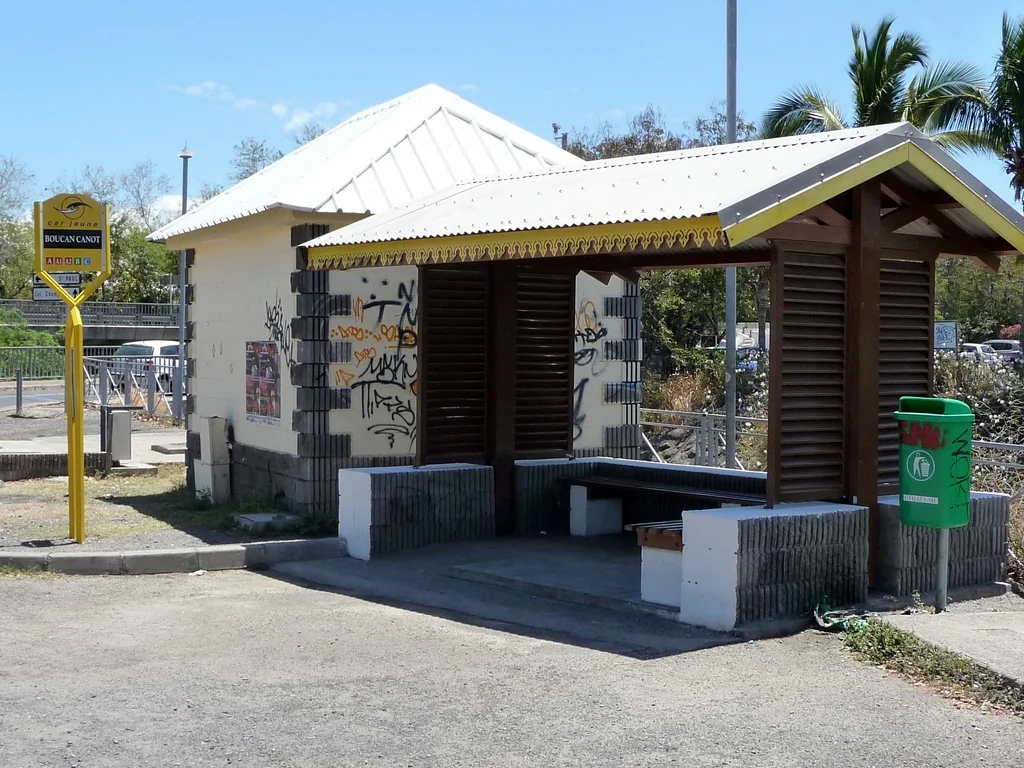
The Car Jaune conditions of sale distinguish the yPass card from M-Ticket. For M-Ticket, create an account, purchase the product, activate it when boarding and validate it at the reader. If buying from the driver, bring the exact fare in cash. The operator’s conditions state that onboard bank-card payment has been unavailable since 1 May 2024. Agency purchases have separate payment options, including bank cards. Validate your ticket on every boarding, including a connection.
- Identify the route and ticket covering the journey.
- Choose an agency, supported card channel or M-Ticket.
- For an agency subscription account, prepare identification and accepted address evidence less than a year old.
- Provide current additional evidence for any reduced-fare category.
- Activate and validate the product as required.
The operator describes online yPass reloading with the appropriate card details. Read the actual product conditions and current price before buying; do not assume that every pass covers every network or airport journey. Keep the ticket and payment record available until the journey is complete.
14Finish the first-month tasks and establish working local services
Save the issued entry records and make the first accommodation address and host contact available offline. Reconcile the actual permission dates with the employer or institution’s timetable. Keep the next appointment, required documents and responsible contact together so one missing record does not interrupt several services.
- Complete the applicable immigration follow-up and retain its evidence.
- Finish bank verification and obtain the account details requested by service providers.
- Keep the tenancy, handover and meter records together.
- Confirm school or workplace arrival arrangements and healthcare contacts.
- Review the first bills and record the next renewal or reporting action.
For a phone or home connection, use a provider’s Réunion channel. Orange Réunion’s contact page explicitly separates its island services from mainland Orange enquiries and provides subscription contact options. Ask for the current applicant checklist, the address-specific service and the contract conditions, then test the connection before making it essential for work or appointments.
For retirement, remote work or a business, establish the residence and activity basis before treating pension income or an overseas contract as permission to settle. The detailed applicant-specific non-working and independent-activity routes were not verified in this review. Obtain the appropriate decision through France-Visas and the local prefecture rather than assuming the employment branch covers those circumstances.
Build a routine around places the household can attend regularly: a convenient food shop, a workable weekly journey and activities connected to the school, employer or local community. Keep one weekly session for reconciling applications, receipts and upcoming dates until the move’s initial paperwork is complete.

Sources & further reading
Reviewed 15 October 2026. Sources are linked beside the relevant instructions. Keep overseas entry, residence and employment branches distinct. The local prefecture submission channel and detailed arrival-year tax filing were unavailable during review. Retirement, remote work and independent-activity eligibility require their own applicant-specific assessment; no separate settlement route is asserted. Provider examples do not guarantee acceptance. Reviewed 15 October 2026. The rent and security calculation is hypothetical arithmetic, not a market quotation or statutory limit. Obtain dated quotations for the actual property and services. Current transport promotions, applicant-specific fees and a national monthly living-cost figure have not been established here. Photograph credits, licences and capture years appear with the images.
Browse the source directory
- France-Visas — overseas short stays
- France-Visas — arrival formalities
- Université de La Réunion — registration
- Service Public — work authorisation
- ADIL Réunion — housing advice
- EDF Réunion — new customer
- BFCOI — personal account opening
- Assurance Maladie — identification after foreign birth
- Service Public — CGSS Saint-Denis
- Car Jaune — ticket conditions
- Saint-Denis — family portal
- Impôts — declarations
- Service Public — tax domicile
- Service Public — European worker residence
- Réunion prefecture — residence procedures
- Réunion tourism committee — cities
- DAAF Réunion — pets
- Orange Réunion — contact
Make your next step a practical one
Choose the actual workplace or teaching site, establish the application branch for each person, and assemble the early residence, address and banking records in that order.