Visa
Moving & Living - Pitcairn - Complete Guide
Plan a move to Pitcairn through its staged residence process, sea journey, accommodation, medical clearance, education, payments and household services.
Photo credit
Moving to Pitcairn means organising a workable initial stay in Adamstown before making a permanent commitment. The sea journey, accommodation and healthcare arrangements shape the application as much as the wish to settle.
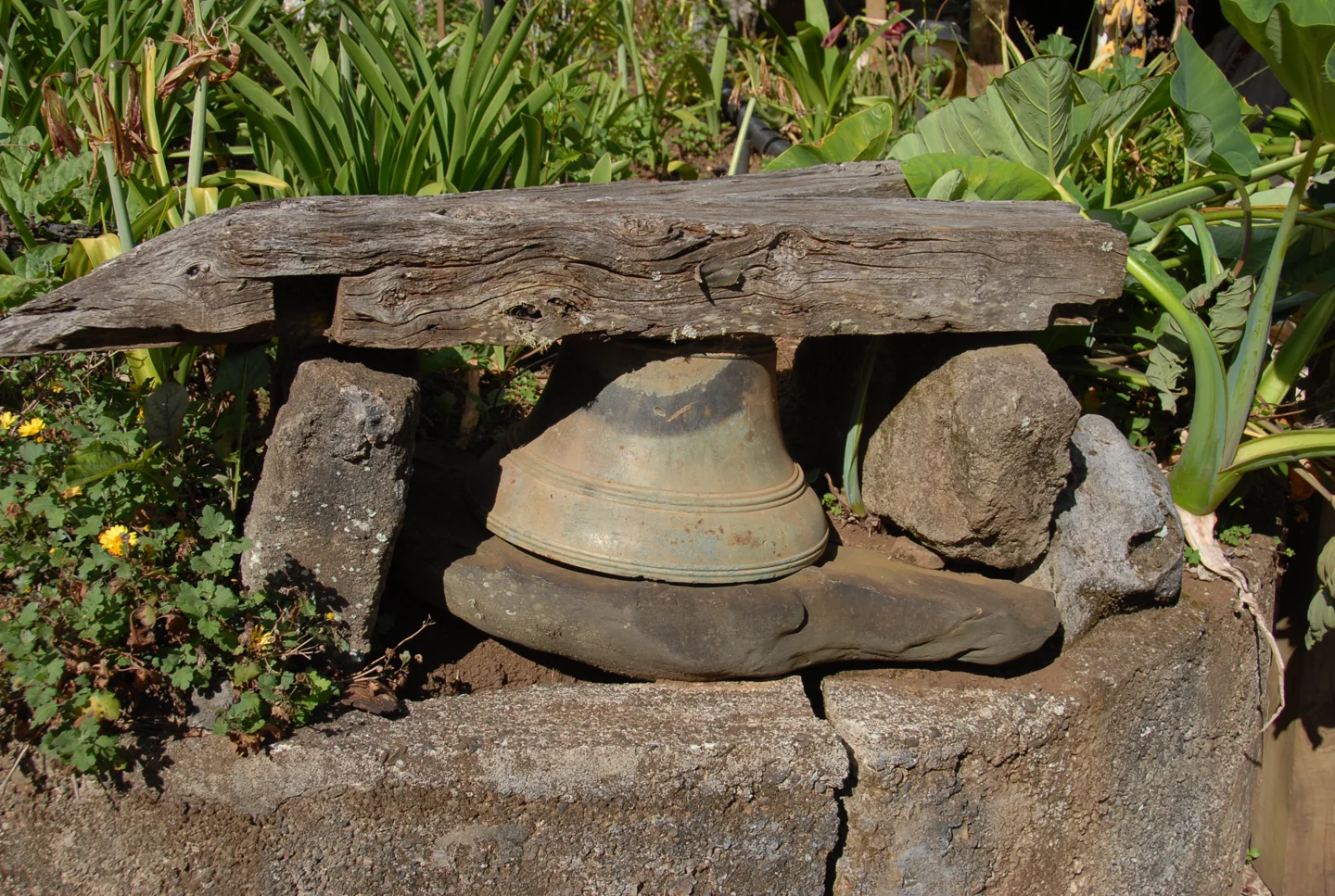
These fourteen steps follow the current government’s staged process and the practical dependencies of island life. Education, work and retirement plans need individual arrangements; the guide identifies what is verified and which questions require an answer from the responsible authority. Photographs retain their capture dates and illustrate the setting.
Pitcairn at a glance
- Settlement
- Adamstown
- Status
- British Overseas Territory
- Currency
- New Zealand dollar · NZD
- Languages
- English and Pitkern
- Access
- Sea journey · no airport
- Immigration
- Government of the Pitcairn Islands
- Reviewed
- 15 October 2026
Follow your moving journey
Start at step 1, or jump to the task you are working on.
01Choose an Adamstown address around access and daily needs
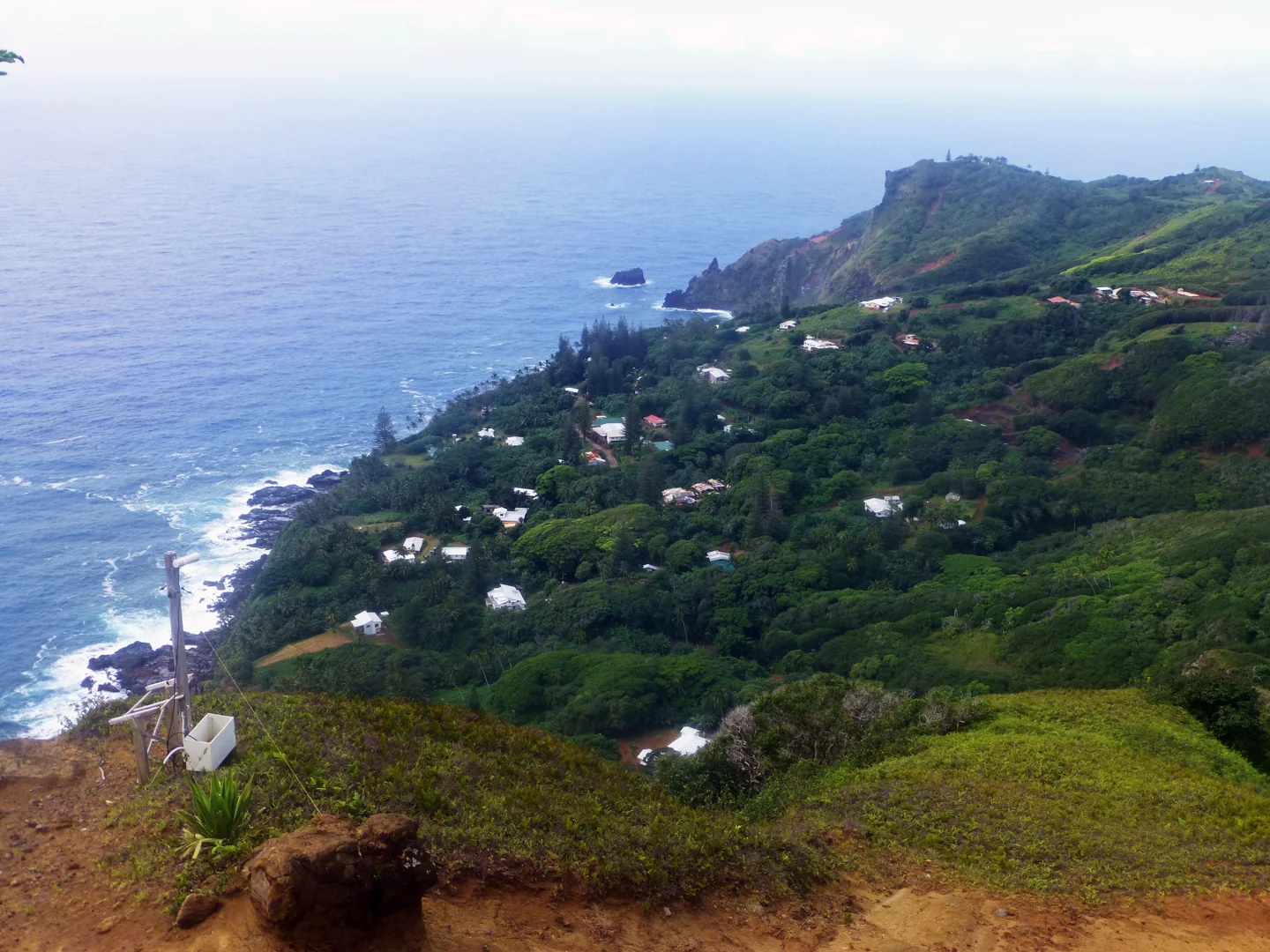
The location decision here is about a home and its access rather than choosing between cities. Adamstown is the settlement; the other islands in the group are not alternative residential suburbs. Start with the route from the landing to the proposed accommodation and then the journeys to the clinic, supplies and your intended activity.
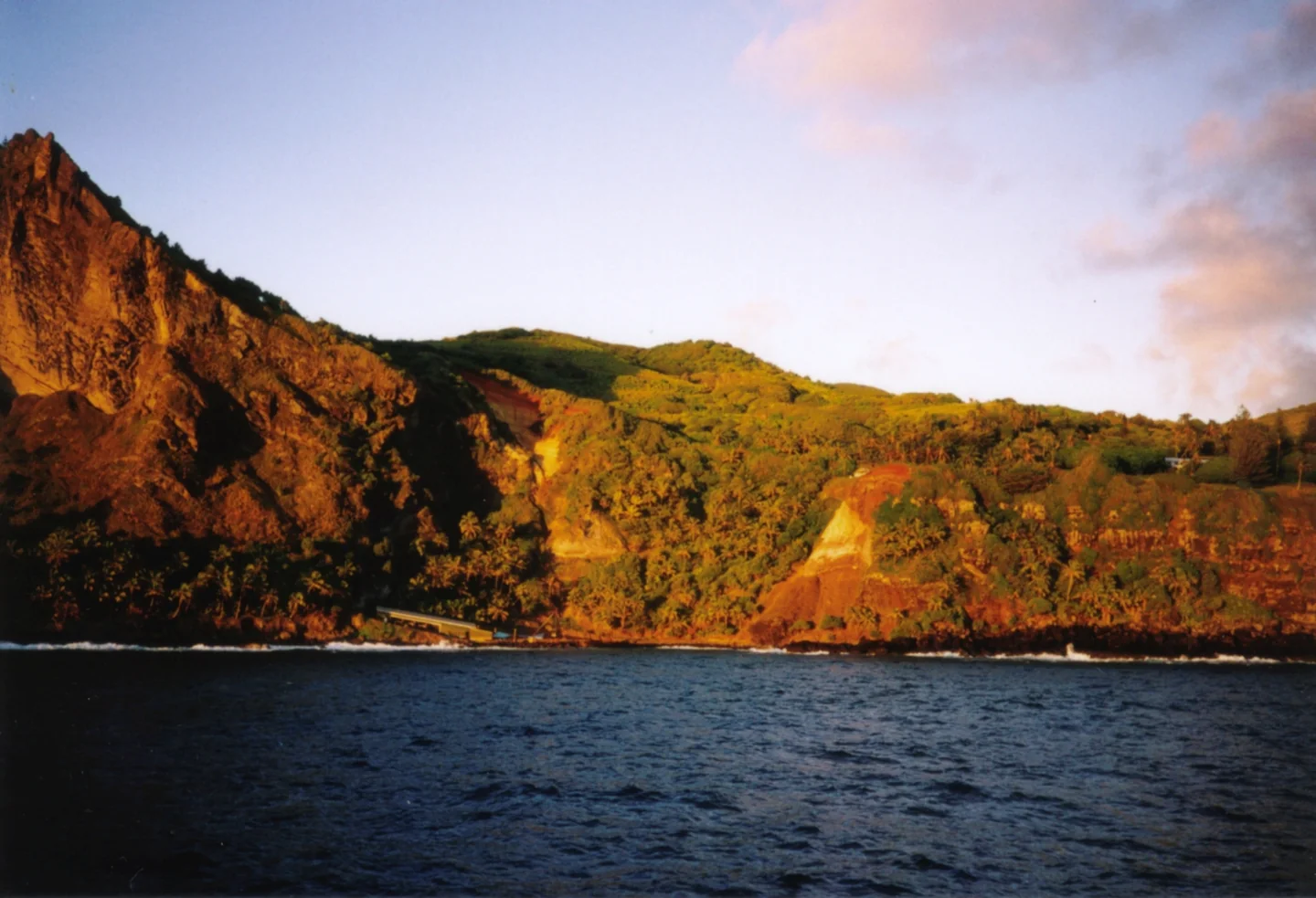
The government’s island description places homes along Adamstown’s main and side roads and describes the steep Hill of Difficulty from Bounty Bay. Ask the host to explain the actual property approach, including gradients, steps and where a vehicle can stop. A sea view does not tell you whether the route is manageable several times a day.
- Give the host an accurate account of mobility needs and the luggage or equipment you will bring.
- Ask for a description of the walk to daily services, including conditions after rain.
- Identify whether another person’s transport is needed for essential journeys and agree how it would be arranged.
- Inspect access during the initial stay before choosing a longer-term property or construction proposal.
Decide what would make the address unsuitable before you arrive. That might be an inaccessible bathroom, insufficient storage for medical supplies or dependence on a journey that you cannot make independently. Resolve that specific issue with the host rather than relying on a general assurance that the island is small.
02Choose the first permission and plan the settlement sequence
Prepare a plan for the initial stay before treating Pitcairn as a permanent destination. The government’s current immigration page distinguishes a long-term visitor visa at NZD150 from a temporary work visa at NZD300; both are issued for six months. Settlement normally follows an initial period on the island rather than a promise of permanent residence before arrival.
Under the 2026 immigration policy, the normal settlement prerequisite is at least three months of lawful residence in the preceding twelve months. The pathways are a close family connection or skills contributing to the community. The Governor decides after consulting the Island Council; meeting a residence milestone does not compel approval. A different temporary permission may be granted to allow a longer assessment period.
- List each household member’s nationality, intended activity and proposed stay. Identify the correct initial form through the government page.
- Prepare the medical, police and financial evidence for that application. Ask immigration to resolve any category question before booking a journey around an assumed approval.
- Obtain the decision and record the permission’s issue and expiry dates, conditions and required insurance. Keep a copy accessible during the sea journey.
- During the initial stay, keep records of lawful residence and absences. Build the later application around actual family evidence or an explained contribution.
The government lists the settlement application fee as NZD500 and the visa’s duration as two years. Permanent residence is a later application, with no application fee currently listed. Obtain the current checklist when the time approaches rather than assuming that the settlement visa converts automatically.
03Confirm the activity, income and permission before starting work
Prepare a concrete description of what you would do, for whom and how it would be paid. For an employer, obtain the position, duties, hours, duration and accommodation arrangements in writing. For a business, identify customers, supplies, equipment, shipping and the tasks requiring local approval. Do not build a household budget on an assumed government job.
The immigration policy makes visitor permission distinct from work or business permission. A visitor needs the applicable work permit before undertaking those activities. Work-visa assessment includes the public interest and the applicant’s skills and experience. A remote foreign client should not be treated as an automatic exemption: have immigration determine the category for the actual activity.
- Prepare a short activity plan with qualifications, experience and realistic income evidence.
- Ask the government administration which work, business or other local approvals apply, and obtain the relevant form and current fee assessment.
- For a job, establish who supplies the employment evidence and who bears travel, insurance and return-journey expenses.
- Begin only when the necessary permission is granted and its conditions are understood.
If your proposed contribution supports a later skills-pathway settlement application, keep records of the work actually done and the arrangements agreed. Demonstrating a useful skill and receiving a paid appointment are different outcomes. Keep enough funds to support the initial stay if the expected contract or sales do not materialise.
04Separate the initial cash requirement from ongoing island costs
Keep the budget in its original currencies until you apply an identified exchange rate. Record airfare, accommodation in transit, the berth, immigration fees, insurance, freight and island accommodation separately. Deposits and prepaid costs belong in the cash-flow plan even where they are not an additional monthly expense.
| Initial or occasional | Recurring or continuing |
|---|---|
| Examinations, certificates and applications | Accommodation and any separately charged meals |
| Flights, ferry connections and sea passage | Insurance covering the authorised stay |
| Freight handling and necessary equipment | Food, toiletries, fuel and household supplies |
| Deposits and an allowance for disrupted travel | Internet, utilities and equipment maintenance as agreed |
Illustrative accommodation arithmetic: thirty charged days at the directory’s NZD170 daily starting price would be NZD5,100 for one person. This is a calculation using a published visitor price, not a quoted monthly tenancy, a national living-cost figure or an assurance that a suitable room is available. Request a written longer-stay quotation and check inclusions before comparing it with a private rental.
For retirement, assess income continuity, care and travel before choosing a category. The government immigration service lists a seasonal resident option for up to six months in twelve, with a five-year visa and NZD300 application fee. It is not permanent residence and does not carry permanent-resident benefits. A pension income does not by itself establish eligibility for settlement or access to local benefits.
Tax treatment of a new settler’s foreign pension, remote earnings or business could not be fully verified for this guide. Give the administration a description of the income and activity and request the responsible tax contact and current rules. Resolve any continuing obligations in the country you leave separately; using New Zealand dollars does not establish New Zealand tax residence.
05Resolve children’s education before committing to the move
A family cannot plan Pitcairn schooling as though choosing between several neighbourhood schools. The government’s description of island life says Pulau School was built for preschool and primary education, that there are currently no school-age children on the island, and that education from thirteen is usually completed at boarding school in New Zealand. That description does not establish a staffed classroom available for a newly arriving child.
- Give the administration the child’s age, current year, learning needs and proposed arrival and departure dates.
- Ask what teaching arrangement could actually be provided, who would deliver it and what approval, safeguarding and supervision arrangements are needed.
- For any distance-learning proposal, obtain the provider’s requirements for enrolment, assessment, connectivity, teaching support and examinations. Confirm that the child can complete the course from the island before withdrawing from the existing school.
- If education requires a stay in New Zealand or another jurisdiction, resolve admission, accommodation, guardianship and immigration separately. Do not assume that Pitcairn residence gives the child entry or funding elsewhere.
The FCDO entry guidance directs families planning visits longer than fourteen days with children aged fifteen or under to contact immigration before making travel plans and obtain the child’s entry clearance. Keep the education decision alongside that application. Include the cost of a parent’s travel and accommodation if the arrangement requires accompanying the child off-island.
06Build a complete application file rather than a general expression of interest
Use the current settlement application form when eligible for that stage. It asks for personal and contact details, next of kin, character and immigration history, health, insurance, financial evidence and the chosen pathway. Its residence question excludes time spent off the island. The skills section asks for qualifications, experience and how those skills would contribute; a short statement that you want a quieter life does not answer that question.
- Make a residence and travel chronology so dates in different sections agree.
- Obtain police certificates for citizenship and other countries where you have lived for more than twelve months, as the form requires. Answer its character questions accurately, including its express reference to convictions cleared by clean-slate legislation.
- Have the general medical and chest X-ray certificates completed on the approved forms. Explain ongoing treatment accurately instead of omitting it to simplify the paperwork.
- Attach the insurance evidence and proof that maintenance and accommodation funds are available. Label the files so the officer can locate the evidence for each answer.
- For family, identify the relevant resident and relationship; for skills, supply a concrete explanation supported by your experience. Read and sign the declaration only after checking every answer.
Keep the submitted version, attachments and acknowledgement together. If further information is requested, reply against the specific question and retain the response. A form on an older tourism website may describe an earlier procedure: use the version linked by the current government immigration service.
07Clear the contents of the shipment and any animal before booking carriage
Make an inventory that separates personal effects, food, plants, animal products, tools, fuel and any equipment requiring special handling. Send it to the responsible island authority and carrier before shipment. Keep their written conditions with the packing list so an item is not accepted by one party but prohibited by the other.
The current entry guidance lists honey and used beekeeping products as prohibited imports, requires a licence for alcohol and notes strict plant and animal-product controls. Do not assume that an item sold on the island can be imported in personal baggage. Declare relevant goods and resolve the permit and treatment requirements before the voyage.
- Give the authority the item, quantity, origin and intended use, rather than asking only whether household goods are allowed.
- For an animal, obtain the current species-specific permission and health requirements directly from the government before reserving the journey. Current species-specific conditions and fees could not be verified; obtain them from the authority before travel.
- Resolve the airline, French Polynesian transit and sea-carriage conditions separately. Confirm who can care for the animal if a connection is delayed.
- Agree freight collection, identification, storage and the final journey from the landing to the property.
Keep medicines and essential originals accessible during the journey under the carriers’ rules. For equipment needed to make the home usable, arrange a repair or replacement plan as well as the initial purchase; an item that cannot be maintained locally may create a continuing dependency on freight.
08Coordinate the flights, berth and onward accommodation
Build the journey as a chain, with the ship booking and immigration permission resolved together. A flight into French Polynesia is only one part of reaching Pitcairn. Make sure each carrier’s baggage rules, the accommodation dates and the available berth describe the same itinerary.
The official berth-booking guide describes travel through Tahiti and Mangareva, with a ferry from the airport to Rikitea and transfer to MV Silver Supporter. It describes an approximately thirty-two-hour sea crossing. Its published return berth price is NZD6,000 per person from Mangareva, checked 15 October 2026. Flights, Pitcairn accommodation and landing/passport charges are excluded. Obtain the actual invoice and inclusions for your voyage rather than treating this as a complete relocation price.
- Check the published passenger sailing schedule against the available Air Tahiti connection. Ask the booking office to confirm both outward and return berths.
- Resolve French Polynesian entry and transit requirements for every passport separately from Pitcairn permission. Include the arrangements for any necessary stay in Tahiti.
- Allow room in the itinerary and budget for disruption. Identify who to contact if a flight moves and what can be changed without losing the onward booking.
- Confirm luggage, freight and shore-transfer arrangements before packing equipment that you cannot carry or safely land.
Keep the operator’s contacts, itinerary and host’s details available offline. Tell a trusted contact which stage you have reached and how to obtain an update if a connection changes. Do not promise a same-day arrival or an immediate departure for a later appointment elsewhere.
09Complete entry and organise a practical first-day handover
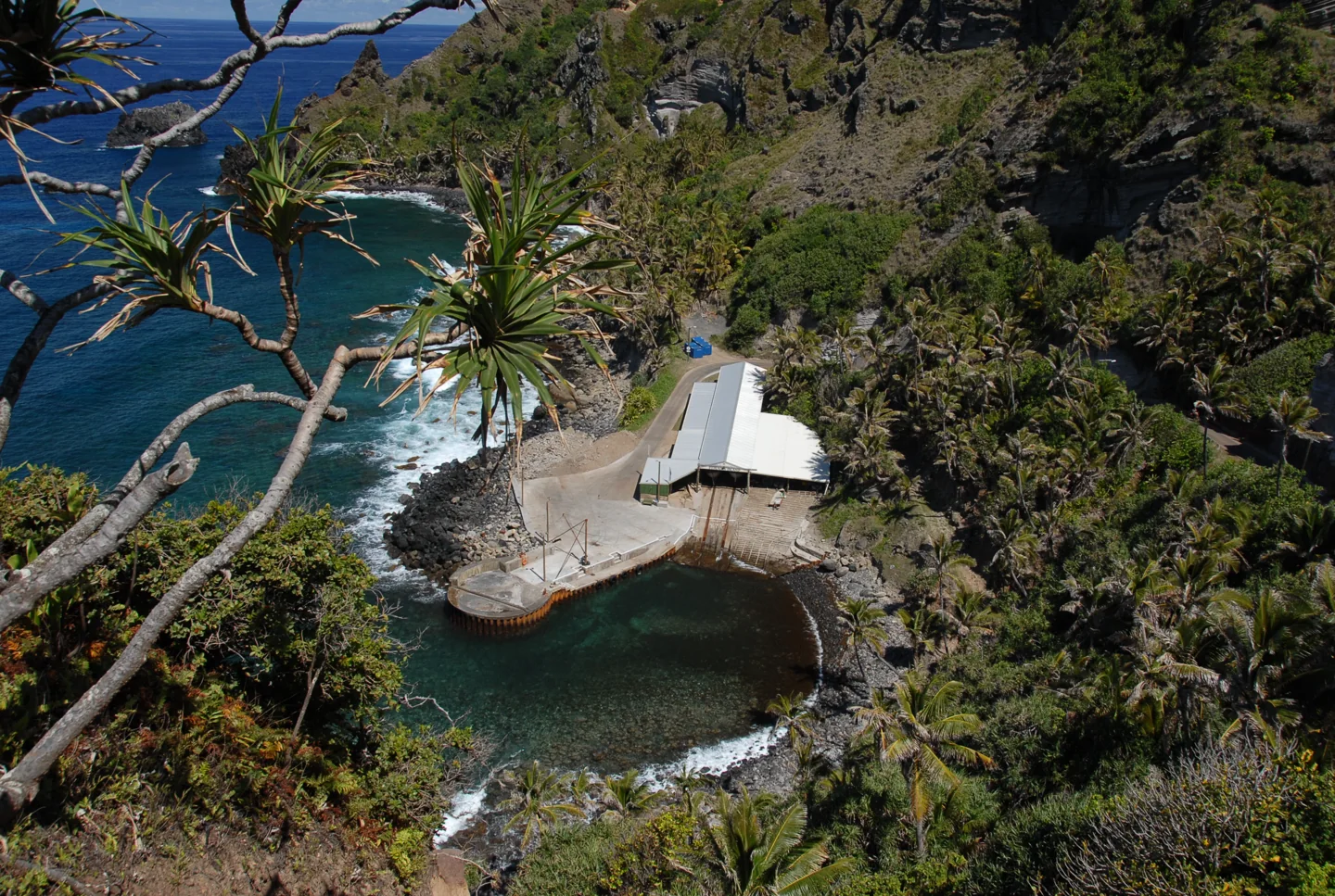
Have your passport, visa decision where required, insurance and accommodation evidence ready before reaching the landing. Keep paper or offline copies accessible. The government service uses a combined immigration and biosecurity declaration for short-term arrivals; answer the form relevant to your arrival accurately and present any approvals for declared goods.
Check the entry decision and conditions for each person rather than treating a booking or visa email as the complete arrival record. Retain the official evidence and record the relevant dates for your next application or departure.
- Follow the crew and local transfer arrangements, keeping essential belongings identifiable during the shore handover.
- Meet the host and confirm where the household will sleep, store luggage and obtain meals and drinking water.
- Record how to contact the host, medical service and administration without relying on ordinary mobile reception.
- Walk through the immediate property access and any shared facilities before trying an unfamiliar route alone.
Send a short arrival update once connected, and confirm the date and arrangements for the next planned departure. If any part of the stay differs from the application or booking, raise the specific change promptly with the responsible person and preserve the written response.
10Arrange payment access before relying on island cash services
Keep an account that you can legally maintain and access from Pitcairn. Tell the bank where you will be, resolve authentication and address-record requirements, and establish how to recover access if a device fails. Do not arrive assuming that a new local current account can be opened as in a large city.
The government’s island guide directs banking matters through the Treasury and describes credit-card cash access and foreign-currency exchange there. Confirm accepted cards, charges, limits, opening arrangements and the cash available for your needs. A cash-withdrawal service does not itself establish a new resident bank-account product.
- Agree the currency, recipient details and payment schedule with the accommodation provider.
- Ask the bank how a Treasury transaction would be classified and whether foreign transaction or cash-advance costs apply.
- Keep a second independent means of payment and a reserve appropriate to essential expenses.
- Save receipts and reconcile transfers against the original invoice, especially when different currencies are involved.
Test account access before leaving the last place where the bank can readily assist you. Check that a security code does not depend solely on a mobile service unavailable at the destination. Keep emergency support details offline and store recovery information securely.
11Arrange a home for the initial stay before committing to settlement
Make the accommodation enquiry specific: number of people, arrival and departure voyages, mobility needs, meals, internet requirements and whether the household needs a private kitchen. On a small island, the available arrangement on your dates matters more than a generic description of a rental market.
The official accommodation directory distinguishes full homestays, semi-private accommodation and private rentals. Its published range, checked 15 October 2026, is NZD170–425 per person per day, with possible weekly or monthly rates for longer stays. Homestays include meals, harbour transfers, laundry and Wi-Fi according to the directory. Pricing is by days rather than nights because vessels leave in the afternoon. Confirm the actual inclusions and dates with the named host.
- Match the accommodation period to the confirmed ship booking, including the last charged day.
- Obtain a written total, currency, deposit, cancellation terms and payment method. Ask how the price changes if a voyage is delayed.
- For a longer arrangement, record what is private and shared, utility responsibilities, food arrangements, maintenance and how either party can end the stay.
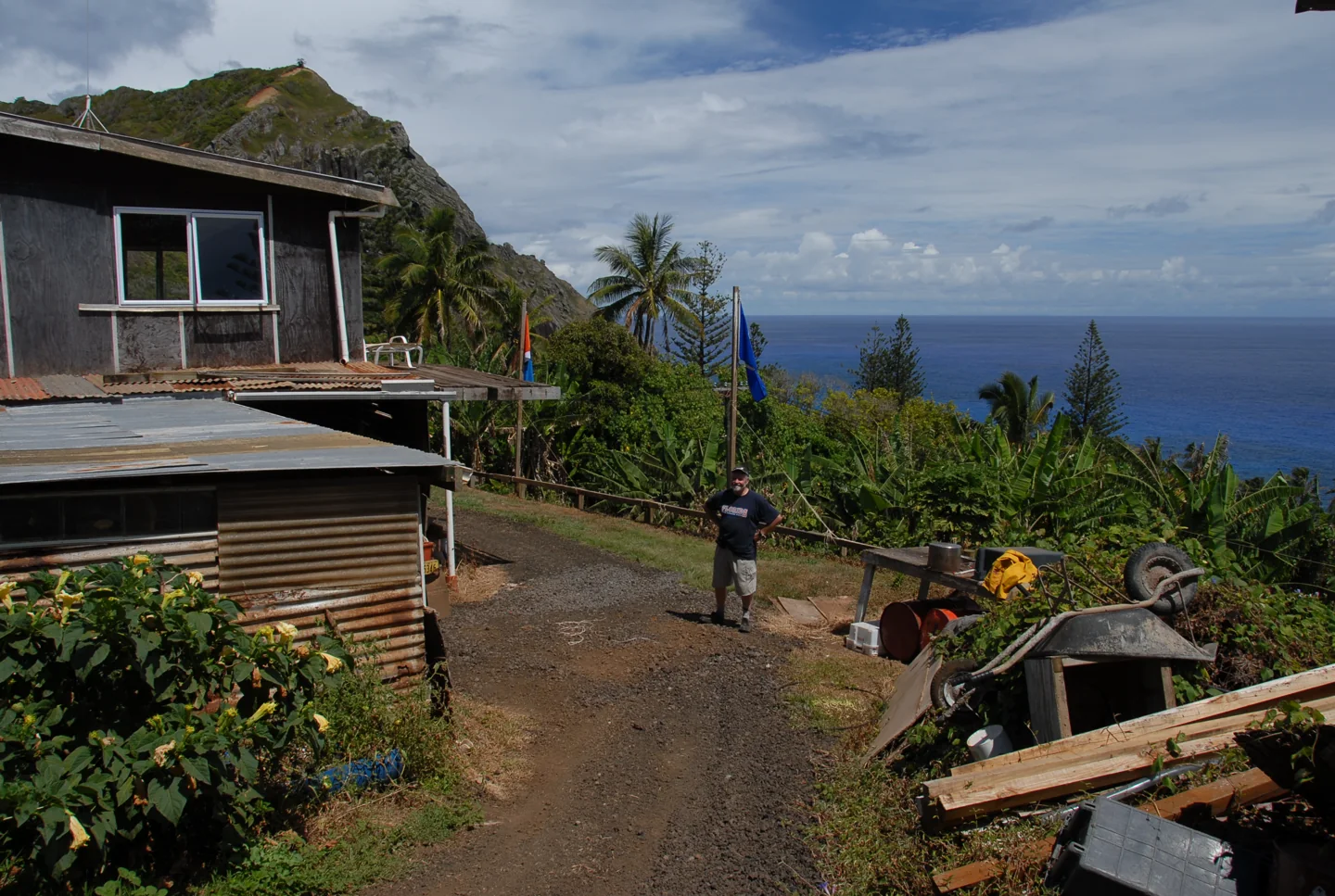
- Ask for photographs and an explanation of access to the property. Plan how luggage and necessary equipment reach the door.
Do not extrapolate a long-term rent from a nightly hotel model or assume that a settlement application includes a ready house. Use the initial stay to inspect possible longer-term arrangements and establish what each one would cost to occupy, maintain or adapt.
12Confirm that treatment and evacuation arrangements fit your needs
Discuss the actual island setting with your clinician before deciding on a long stay. Explain the proposed duration, treatment you receive regularly, medicine storage needs and what would happen if the condition worsened. Obtain a concise medical summary and generic medicine names, with enough time to resolve a supply or clearance issue before departure.
The FCDO healthcare guidance describes a clinic staffed by a GP and nurse with limited prescription supplies. It lists morning sessions on Sunday, Tuesday and Thursday and says visitors pay for treatment before departure. Serious care may require a sea journey; there is no airport, and evacuation depends on vessels being available. The published emergency instructions use an islander’s VoIP line or VHF call-out because there is no mobile network.
- Obtain the medical examinations required for the chosen application using the authority’s forms.
- Ask the island medical service about treatment continuity, the medicines you need and any practical limits relevant to you. Keep the response with your travel records.
- Obtain written insurance confirmation covering the actual island, duration and activities, including the sea leg of evacuation and onward care. Check pre-existing conditions and how authorisation works when communication is interrupted.
- Carry the policy, emergency contact and medical summary where another adult can find them. Keep funds accessible for costs that must be paid directly.
The berth-booking page specifies at least USD500,000 medical-evacuation coverage for travellers. Have the booking office and immigration authority confirm that the policy meets the conditions for your category and intended stay. Insurance can finance an authorised evacuation; it cannot guarantee that a ship will be immediately available.
13Agree water, power, internet and everyday supply arrangements
The official preparation guide describes rainfall-dependent water collection and Starlink internet introduced in March 2024. It lists Australia/New Zealand electrical plugs at 230–240 volts. Ask about the actual property’s supply and backup arrangements rather than assuming identical performance across every building.
- Identify which power, water and internet costs are included in the accommodation price and which you pay separately.
- Have the host explain water storage and conservation, hot water, power backup and what to do when a system stops working.
- Test the connection for your actual needs, including video calls, file uploads or distance learning. Agree access and payment arrangements before relying on it for income or education.
- Plan household purchases against stock and the next supply opportunity. Ask which essentials you should bring and which can be ordered through the normal supply arrangements.
The government describes store supplies arriving from New Zealand four times a year. A missing specialist item should therefore be addressed before departure rather than left to a presumed next-day delivery. Keep quantities proportionate to storage space and import permission; stockpiling a restricted item does not solve a supply problem.
For transport, agree essential transfers and suitable equipment with the host. The preparation guide identifies quad bikes as a principal local means of transport and highlights the conditions of carrying passengers. Establish a safe, insured arrangement matched to the household rather than assuming that all riders, passengers or activities are covered by the policy.
14Keep residence records and settle into the community’s working routine
Make a single calendar for permission, insurance, accommodation, medication supply and the next available travel. Keep a day-by-day record of periods on and off the island. The later residence process depends on actual lawful residence, so the evidence should be maintained as events occur rather than reconstructed years later.
For later permanent residence, request the policy’s residence and absence conditions before planning time away. Keep the application and permission-expiry dates distinct; an application milestone is not approval.
- First days: complete the entry and accommodation handover, establish medical contacts and test payment access.
- First fortnight: learn how supplies, waste, water and transport are organised; resolve missing equipment and any change to the declared activity.
- By month-end: reconcile actual costs, retain receipts and residence evidence, and confirm the next immigration or departure task.
Ask your host how to take part in activities that are actually being organised. Establish where help is needed and what is appropriate for a newcomer before offering a service. Respect private property and agree access rather than assuming every path or work area is open. Build commitments around what you can reliably do, including times when communication or supply arrangements change.
At the review, decide whether the initial stay is meeting the household’s needs. If it is, prepare the next application from the evidence collected. If it is not, use the departure arrangements while they remain available; do not allow an unresolved housing or work plan to become an overstay.
Sources & further reading
Reviewed 15 October 2026. Sources are linked beside the relevant instructions. The current 2026 government policy takes precedence over older tourism descriptions of settlement. Species-specific pet import conditions and the tax treatment of a new settler’s particular income could not be fully verified; obtain written instructions from the administration. Schooling and treatment availability require arrangements for the actual household. Insurance cannot guarantee an immediately available evacuation vessel. Prices reviewed 15 October 2026. Published accommodation prices are per person per charged day; NZD5,100 is illustrative thirty-day arithmetic, not a quoted monthly tenancy. The NZD6,000 return berth excludes flights, island accommodation and listed entry charges. Immigration application fees are separate. Obtain a quotation for the actual stay and voyage. Photograph credits, licences and capture years appear with the images.
Browse the source directory
- Pitcairn Government — current visa and residence service
- Pitcairn Government — 2026 immigration policy
- Pitcairn Government — settlement visa application form, June 2026
- Pitcairn Government — island life and services
- FCDO — entry, children and customs
- FCDO — clinic, communications and evacuation
- Pitcairn Tourism — accommodation types and rates
- Pitcairn Tourism — sea passage and berth booking
- Pitcairn Tourism — passenger sailing schedule
- Pitcairn Government — administration contact
- Pitcairn Tourism — practical arrival preparation
Make your next step a practical one
Confirm the initial immigration category, medical suitability and accommodation, then coordinate the sea berth and connecting itinerary before committing to the move.