Visa
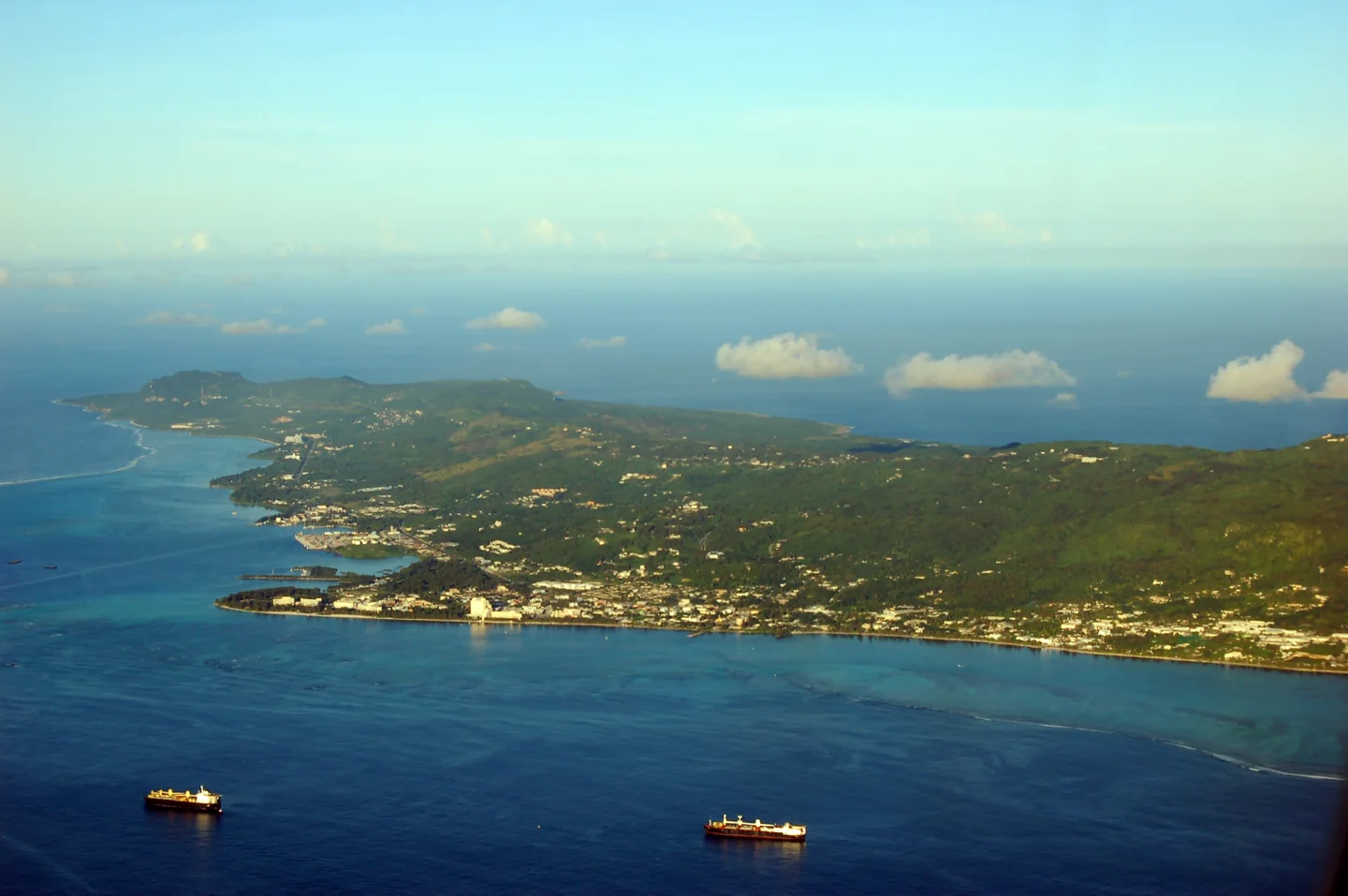
Moving & Living - Northern Mariana Islands - Complete Guide
Move to Saipan, Tinian or Rota with a practical plan for immigration, CW-1 employment, schools, housing, utilities, healthcare, tax and island transport.
Photo credit
A move to the Northern Mariana Islands begins with the island, the purpose and the household: where you will work or study, which permission covers the stay and how you will reach the services you need. Saipan, Tinian and Rota need individual plans for housing, transport and healthcare.
This fourteen-step journey follows the practical order from permission and employment to school applications, arrival records, utility handover and your first month. It distinguishes visitor authorisation from residence and work, and keeps historical investor arrangements separate from routes a new arrival can use.
Northern Mariana Islands at a glance
- Territorial name
- Commonwealth of the Northern Mariana Islands · CNMI
- Principal inhabited islands
- Saipan, Tinian and Rota
- Currency
- U.S. dollar · USD
- Telephone code
- +1 670
- CW-1 work scope
- CNMI only, subject to petition and programme rules
- Emergency
- 911
- Utility provider
- Commonwealth Utilities Corporation · CUC
- Reviewed
- 15 October 2026
Follow your moving journey
Start at step 1, or jump to the task you are working on.
01Choose the island before choosing a home
A job in Saipan, a course at Northern Marianas College and a placement on Tinian require different household plans. Do not rent on one island expecting an ordinary road commute to another. First locate the workplace or teaching site, then establish the transport and medical arrangements for that island.
| Starting point | What to investigate |
|---|---|
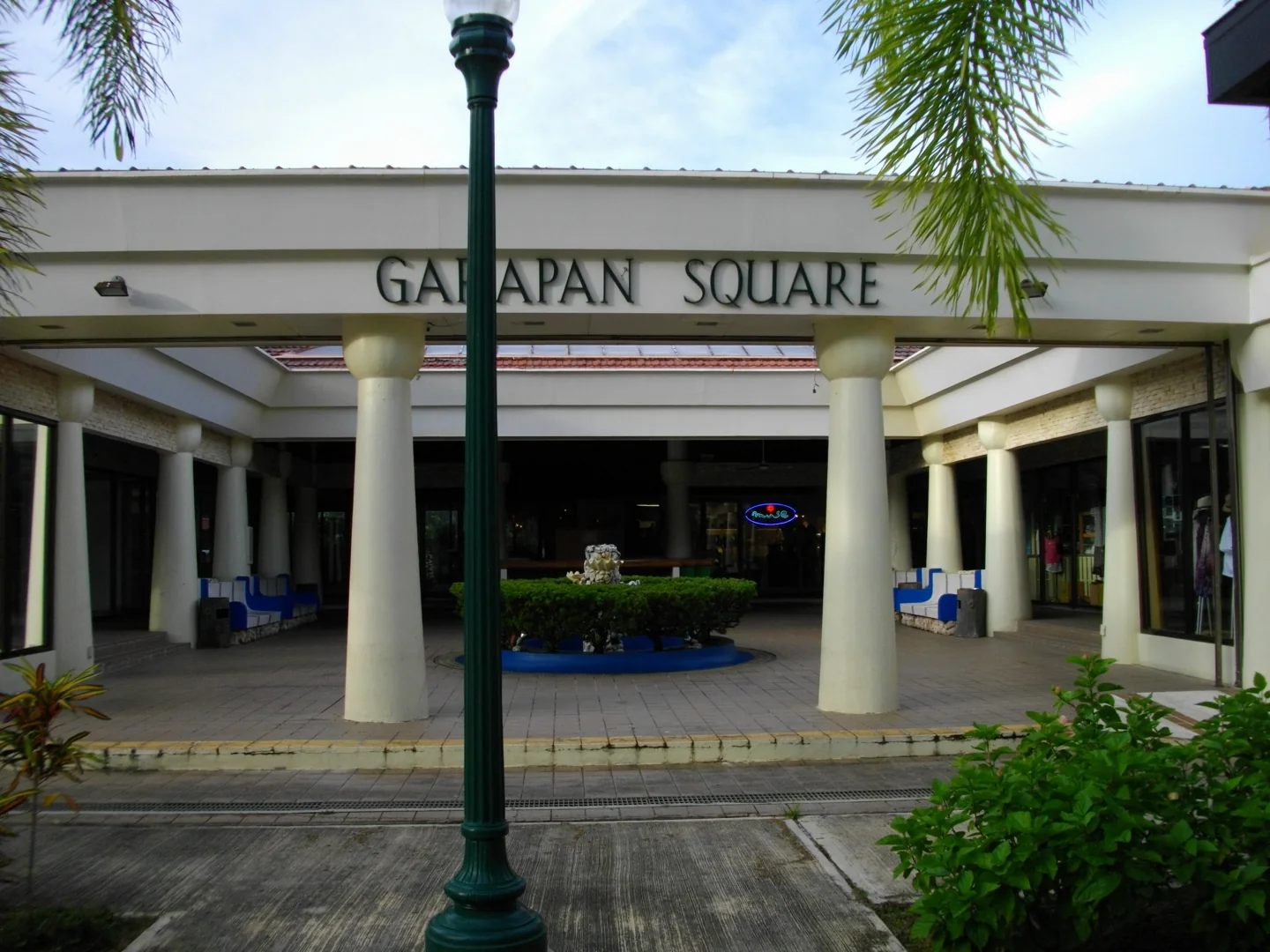
| Garapan, Saipan | Walk the route between the proposed home, shops and transport stops. Check evening noise, parking and the building's water arrangements. |
| Susupe or Chalan Kanoa, Saipan | Compare the actual workplace and school journeys, including crossings and the walk from the bus stop. |
| Dandan, San Vicente or other Saipan villages | Test the specific access road, phone reception, internet availability and dependence on a vehicle. |
| San Jose, Tinian | Settle accommodation and transport with the employer, including what happens when an off-island appointment is necessary. |
| Rota: Songsong or Sinapalo | Locate the school, health centre and shops you need, and obtain a practical plan for services available only off island. |
Use the Department of Public Lands' Saipan village maps to identify the place actually being advertised. Listings, delivery directions and official documents may describe the same location differently; retain a map pin and written directions.
- Choose two areas close to your essential destination.
- Arrange temporary accommodation long enough to inspect homes and complete initial appointments.
- Test a weekday journey rather than judging distance from an aerial photograph.
- Ask a prospective landlord about water storage, storm shutters and electricity-account responsibility before paying a reservation charge.
For Saipan, COTA's current fixed-route information provides a starting point. It is not evidence that every village or island has the same service.
02Identify the permission that actually covers your move
The Commonwealth of the Northern Mariana Islands, or CNMI, is a U.S. commonwealth. Start with your existing U.S. citizenship or immigration status, not a general list of island visas. A U.S. citizen relocating here is in a different position from a foreign worker needing an employer petition. If you already hold a U.S. status, establish its conditions and travel documentation before assuming a new local application is needed.
For foreign workers, USCIS's CW-1 guidance describes a CNMI-only transitional route for eligible workers who do not qualify for another employment-based nonimmigrant classification. It is capped and currently scheduled to end on 31 December 2029. It is not permanent residence or permission to work in Guam or the mainland.
- Identify the actual basis: an existing lawful status, a qualifying employer-sponsored route, study or an eligible family immigration process.
- Ask the employer or school's designated official which petition or admission document must be issued before the consular stage.
- Prepare a separate route and evidence list for each dependent.
- Book travel around the approved documents and admission conditions, rather than an anticipated approval date.
Keep a reconnaissance visit separate. The official G-CNMI ETA service covers eligible Guam-CNMI visa-waiver visitors for business or pleasure for up to 45 days, and eligible PRC travellers under CNMI EVS-TAP for up to 14 days. Neither is a settlement or work application. Eligibility and itinerary restrictions apply; a travel authorisation does not promise admission.
Keep the complete approval, visa and admission documents together. Each answers a different question about the proposed stay.
03Put the employer's petition and your working terms in order
For a CW-1 position, the employer begins the process. The U.S. Department of Labor's CW-1 programme requires a prevailing-wage determination, recruitment of U.S. workers and an approved temporary labour certification before the immigration petition. The local CNMI labour instructions explain the job-vacancy announcement and 21 consecutive calendar days of recruitment. A vacancy advertisement by itself is not a visa approval.
- Obtain a written offer stating the job, island, worksite, wage, hours, housing arrangement and who pays the specified travel and processing costs.
- Give the employer accurate passport and qualification evidence. Ask for the petition reference and copies of approvals relevant to you.
- Once the petition is approved, follow the correct visa or admission process for your nationality and location.
- Confirm the permitted working start date, payroll arrangements and employer obligations before performing duties.
USCIS states that an overseas CW-1 beneficiary, or one approved for consular processing, must apply for admission within ten days after the petition validity begins; missing that window can put approval at risk. Coordinate the flight with the sponsor. CW-2 spouses and unmarried children under 18 may accompany eligible principals, but CW-2 does not authorise employment. See the worker and dependent instructions.
For a business, start with CNMI Revenue and Taxation's licensing services and identify any activity-specific approvals. A business licence does not supply personal work permission. No dedicated digital-nomad route was verified: settle the immigration and tax treatment before moving an overseas remote job here.
04Separate move-in cash from your monthly budget
Budget in U.S. dollars. A household needs money for initial accommodation, transport, documents, deposits and insurance before recurring living costs settle into a pattern. Ask whether an employment package pays those bills directly or reimburses you later; reimbursement still requires cash upfront.
| Expense | How to establish the amount |
|---|---|
| Initial move | Use dated flight, luggage, freight, temporary housing and document quotes. |
| Housing | List first rent, negotiated deposit and any separate agent or cleaning charge from the actual agreement. |
| Utilities | Obtain CUC's assessed deposit and inspect the proposed home's recent consumption bills. |
| Recurring household costs | Add rent, power, water, communications, food, transport, insurance and any school costs. |
| Off-island travel | Keep a reserve for necessary appointments, family travel and accommodation during a connection. |
There is no claimed territory-wide monthly average here. For a hypothetical calculation, $800 rent plus an agreed $800 deposit would mean $1,600 before utilities and travel. Those are arithmetic inputs, not verified market rents or a statutory deposit rule.
For tax, IRS Publication 570, 2025 edition explains that bona fide territorial residence involves presence, tax-home and closer-connection tests. Merely signing a lease or crossing a day-count threshold does not settle all three. Filing depends on citizenship, U.S. tax status, bona fide residence and income source; the year of a move and self-employment can require particular treatment. Form 8898 may be required when territorial residence changes.
Give a preparer your arrival dates, prior home, employment, investments and overseas income. Ask which returns are due to CNMI and the IRS, and which payroll withholding applies. The Division of Revenue and Taxation is the local authority; retain W-2CM and other income records. Do not build the move around a presumed universal tax exemption or rebate.
05Register children and arrange the college's immigration documents
The CNMI Public School System's 2026–27 registration instructions use one household application with an entry for each child. Prepare electronic copies of the child's birth certificate and valid health certificate, parent identification, insurance card, emergency medical authorisation and a map to the residence with coordinates. Authorised contacts also need photo identification. If seeking a school outside the assigned zone, the principal's approved zone-waiver request comes before registration.
- Identify the school serving your proposed address and ask about transfer records, placement and any document gap.
- Obtain the required health certification and scan the household documents clearly.
- Use the new-family application or existing parent portal as appropriate, and save the submission reference.
- Confirm enrolment, school transport and the actual starting arrangements with the school.
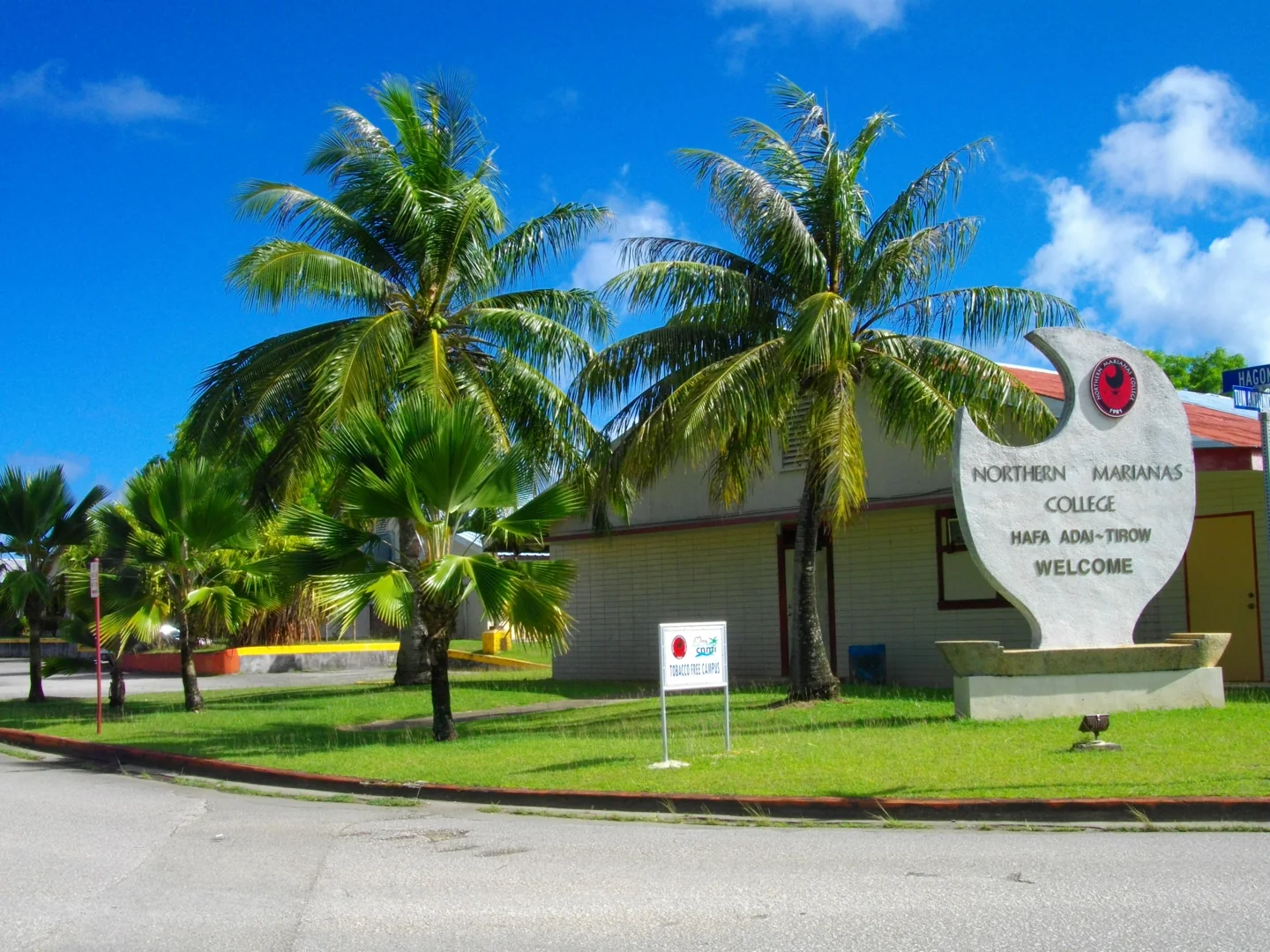
For college, use Northern Marianas College admissions. Its F-1 process requires an I-20 application, English evidence or an approved alternative, and documented finances. Request the current checklist from International Student Services; its designated school officials support status maintenance, travel signatures and permitted employment.
The college's Fall 2026/Spring 2027 schedule lists non-resident tuition at $190 per credit, a $50 application fee, $200 international-student fee and $25 initial I-20 processing fee, with additional charges. Thus twelve credits cost $2,280 in tuition alone. Resident classification requires evidence; moving to the island does not automatically obtain that rate. Future Fall 2027 figures are different.
After admission, follow the State Department's student-visa procedure, including DS-160, applicable fees and interview. Its published application fee is $185; the separate SEVIS I-901 service handles the required student-system payment. Older fee amounts embedded in the college's admissions text should not be used as the current federal tariff.
06Establish status and medical access before retiring here
Do not mistake an old investor category for an open retirement programme. The State Department's CNMI-specific guidance describes E-2C eligibility for investors lawfully admitted under the former CNMI system before 28 November 2009, maintaining the required residence and investment. Historical foreign-retiree investment thresholds in that guidance do not create a new route for someone moving today.
- Establish your existing right to live here or a currently available immigration basis.
- Ask pension and benefit administrators how relocation affects payment, tax reporting and any coverage connected to residence.
- Obtain written insurance confirmation for the island, current conditions, prescriptions and any required off-island referral.
- Inspect a prospective home for stairs, bathroom access, cooling and the transport needed to reach care.
Ask the chosen provider which regular services can be delivered locally and what would require travel. Rota Health Center is in Songsong; Lucia “Chiang” Villagomez Arizapa Health Center is in San Jose, Tinian. Living close to a clinic is useful, but it does not mean every specialist treatment is available there.
For a household needing frequent specialist appointments, compare the whole itinerary: local transport, inter-island connection, clinic attendance and accommodation. Establish who would help if one partner needed to travel while the other remained home. Set aside money for that arrangement rather than relying on a holiday budget.
07Prepare the household file, shipment and pet permit
Pack passports, approvals, admission documents, birth and marriage certificates, school records, prescriptions and insurance in hand luggage. Keep a separate digital copy. For an employer-provided home, obtain its written address and occupancy conditions before dispatching a shipment.
The CNMI Customs import guidance has specific arrangements for new and returning residents establishing a household. It states that personal goods or vehicles must be imported, or shipment arranged, within six months of first establishing that household; returning residents must have lived away for at least a year to meet that category. Have Customs or your broker confirm the evidence and exemption applicable to your actual goods. A move from the mainland does not justify ignoring CNMI clearance requirements.
- Prepare a numbered inventory, values, ownership evidence and any vehicle title or finance release.
- Obtain freight, clearance, storage and final-delivery quotes separately.
- Ask which goods need permits or inspection before packing food, plants, animals or unusual equipment.
- Give the broker your actual arrival and household-establishment dates and keep the shipment references.
For pets, start with DLNR's import instructions, not an airline booking. Its U.S.-origin dog and cat guidance requires two lifetime rabies vaccinations, supporting records, other current vaccinations, parasite treatment and the appropriate FAVN evidence. It asks for the preliminary file at least fourteen days before arrival, with a final health certificate within ten days of travel; permits are valid for sixty days. Non-U.S. origins require origin-specific instructions. Obtain those before arranging flights, since testing, waiting periods and transit requirements may change the itinerary.
08Travel on an itinerary your status permits
Look at every stop on the ticket, not only Saipan as the final destination. A CNMI-specific permission is not an ordinary U.S. transit visa. The CW consular instructions describe a restricted direct Guam-airport transit connection lasting no more than eight hours, with no other stop. Have the carrier and sponsor establish that the proposed journey meets the conditions; do not substitute a mainland connection or assume a Guam holiday is included.
- Keep the passport, required visa, petition approval or I-20, accommodation details and sponsor contact accessible.
- At inspection, answer for the actual purpose and present the corresponding documents.
- Before leaving the airport, confirm the pickup location, price and destination. Save the receipt and the driver's or host's contact.
- At accommodation, test your phone, establish how you will reach the first appointment and locate essential supplies.
Once issued, retrieve the latest admission record through CBP's I-94 service. Save a copy and compare the name, admission class and admitted-until entry with your documents. Report an apparent error through the responsible authority rather than treating a visa expiry date as your permitted-stay date.
For a connection onward to Tinian or Rota, establish baggage, transfer and disruption arrangements in advance. Avoid a plan in which an uncertain same-day connection leaves you without either accommodation or access to medicines.
09Organise admission records, address reporting and identification
Create a simple record of each family member's status, admission evidence and renewal or reporting date. Keep the sponsor's contact beside it. An employer's receipt, a visa, a school application and an admission record are not interchangeable proof of a completed process.
USCIS's registration guidance states that people subject to its alien-registration requirements must report a new address within ten days of a change. Use the prescribed service and retain confirmation; changing a postal delivery address is a separate task. Confirm any additional registration or age-related requirement applicable to a household member whose circumstances differ from the principal worker.
For an eligible worker needing a Social Security number, use SSA's first-number process. Prepare original documents or issuing-agency-certified copies proving identity, age and immigration/work status; ordinary photocopies or notarised copies are not substitutes. An existing SSN generally remains your number. Ask SSA what update is needed rather than applying for another.
Someone ineligible for an SSN but with a qualifying federal tax purpose may need an IRS ITIN through Form W-7. An ITIN is not work permission. Establish with the tax office which identifier and evidence belong on the relevant CNMI forms.
For local driving identification, the Department of Public Safety's checklist differentiates applicants by status and requests relevant identification and residence evidence. Ask the licensing office which category, tests, licence validity and current fee apply to you. Keep the lease, utility records and immigration papers available for that assessment.
10Choose an account and test payroll and bill payments
Explain your citizenship or immigration status and whether you have an SSN or other tax identifier before starting an account application. Ask the bank which identity, physical-address and mailing-address documents it accepts. A product advertised online is not a promise that every applicant can complete the same automated process.
Bank of Guam's Pacific Express account is listed for online opening in Guam and the CNMI. It requires funding within thirty days and publishes a $5 maintenance fee, waived with e-statements and an electronic monthly deposit. Its conditions include age-specific variations. Review the current product terms for your situation rather than assuming an account is free because it has no minimum balance.
- Compare the account's monthly fee, waiver conditions, cash access, debit card and overseas-transfer charges.
- Ask how address verification works for a rented home, employer accommodation or a separate postal box.
- After approval, activate the card and online access, and make a small test payment.
- Give payroll the correct routing and account details, then verify the first deposit.
Keep a second way to pay while the application is assessed. For rent and utilities, confirm the recipient's name, account and reference from the actual agreement or bill. Record whether an amount is rent, a refundable deposit, a utility payment or a reimbursement; that distinction matters when reconciling charges at move-out.
Keep funds for temporary accommodation accessible until you have both a signed tenancy and possession of the home. An account being opened is not a reason to send an unverified payee your entire move-in budget.
11Inspect the house's water, cooling and storm arrangements
Request an in-person viewing or a live walkthrough showing the actual unit, access road and surroundings. For employer accommodation, ask who can occupy it, whether the charge is deducted from pay and how much time you would have to leave if employment ended.
- Test taps, toilets, water pressure, hot water, air-conditioning and electrical outlets. Ask whether water is continuous or supplied through a tank and pump.
- Ask who maintains tanks, pumps, cooling equipment, storm shutters and any generator. Establish what continues working during a power interruption.
- Request recent bills for the actual meter; do not estimate cooling costs from another apartment.
- Write down the rent, deposit, term, notice, permitted occupants, repairs, pets and each utility responsibility.
- Photograph damage and furnishings, record meter readings and obtain signed receipts for the handover payments.
If CUC service will be in your name, its account-change instructions call for a notarised lease with commencement date, original lease for verification, valid identification and a map or sketch. Arrange this with the landlord before the signing appointment. Ask whether any outstanding balance belongs to the previous account and what evidence establishes your opening position.
Do not turn a verbal assurance into a legal rule: deposit amounts, refund conditions and responsibility for repairs should be explicit in your own agreement. If a clause is unclear, resolve it before transferring funds. Keep the agreed emergency contact somewhere every adult in the household can find it.
12Choose providers and confirm insurance before treatment is needed
For an emergency, call 911, as listed by CNMI Public Safety. Start with the insurance policy and the actual services needed by your household. Ask the employer when cover begins, which dependents qualify, what you pay and whether care outside the CNMI needs prior authorisation. Residence or employment alone should not be treated as evidence that every bill will be reimbursed.
Commonwealth Healthcare Corporation provides the main public healthcare starting point; its published FAQ describes emergency services operating around the clock and gives (670) 234-8950 for general enquiries. Use its medical-services directory to establish the appropriate clinic, such as Family Care, rather than turning up at an unrelated department.
- Ask the chosen clinic how to register and book, what records to bring and how charges are handled.
- Provide a concise medical summary, prescriptions using generic names and vaccination records.
- Confirm the insurer's provider network, excess, prescription cover and procedure for preauthorisation.
- If treatment may require travel, obtain an explicit referral, funding and transport plan before it becomes urgent.
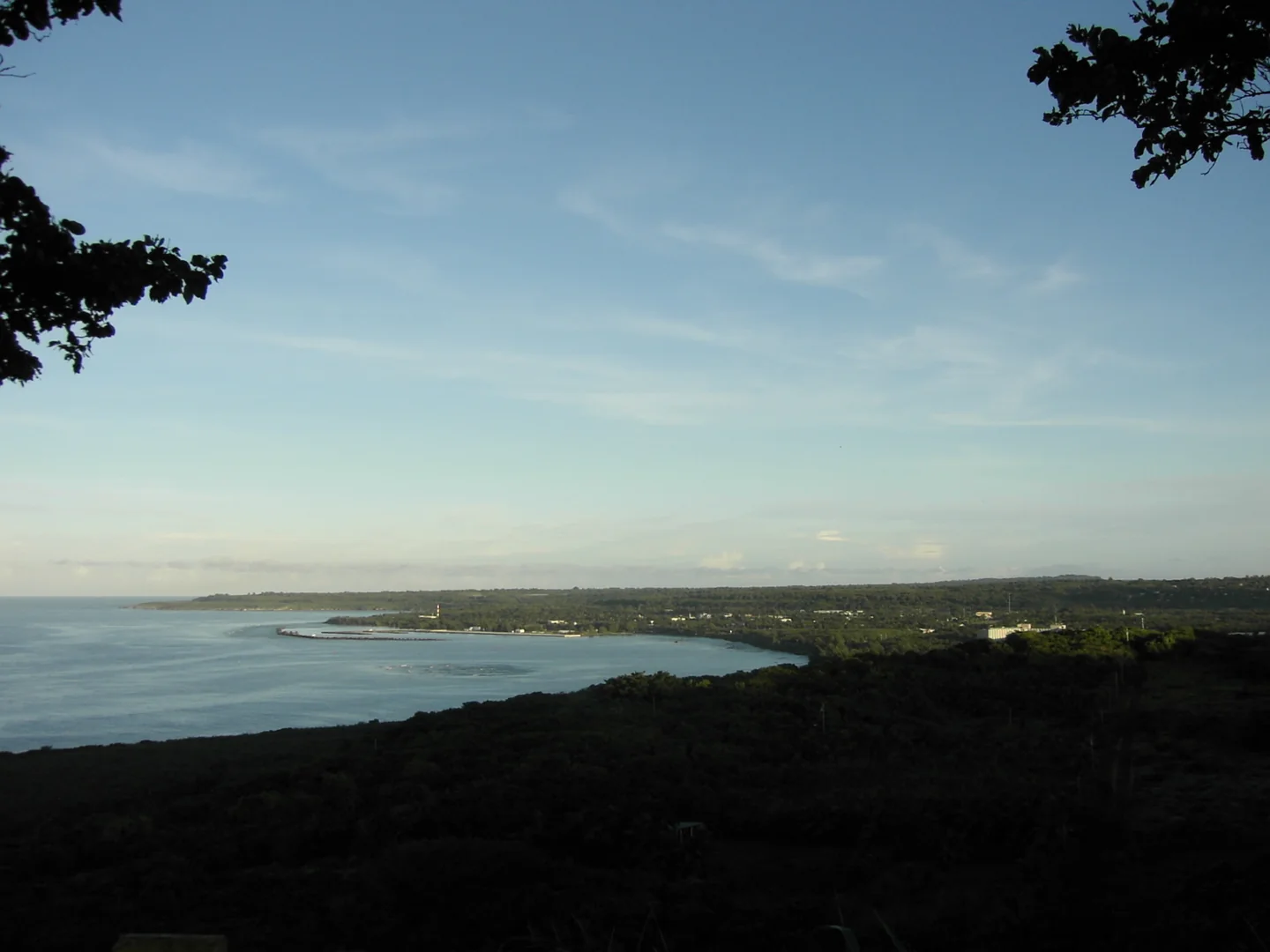
On Tinian and Rota, contact the island health centre about the particular care you need and its referral arrangements. Their published routine hours should not be interpreted as a complete description of emergency access or specialist availability. A household with dialysis, pregnancy or complex ongoing care should obtain a direct care plan before choosing an island.
If uninsured or concerned about costs, ask CHCC about the applicable payment arrangements and eligibility assessment. Do not assume mainland insurance, Medicare or Medicaid will cover a particular person or service automatically. Keep the policy's assistance number, provider contact and your exact home location available to everyone who may need to help.
13Connect the home and test the daily journey
Apply for CUC service using the account process matched to your property. Its account-change page lists residential deposits of $185 for power and $30 each for water and wastewater. However, CUC's FAQ describes consumption-based deposits and a different $40 water figure. Obtain the assessed amount for your account; the public pages do not establish one reliable all-in move-in charge.
For a phone, DOCOMO PACIFIC's prepaid page publishes Flex 7 at $15 for seven days, with a broadband label showing 3 GB of high-speed data per day and subsequent data at 1 Mbps. It also lists a $1 monthly E911 charge and SIM kits starting at $5. Confirm eligibility, activation and the local offer at purchase. Follow the plan-registration instructions—text “PLANS” to 8080—rather than assuming that adding credit activates a bundle.
Test reception at home and at work. Before committing to fixed internet, give the provider the exact property location and ask about installation, equipment, power dependence and cancellation. A coverage map is not an installation appointment.
On Saipan, COTA's fixed-route page lists general-public fares of $2 one way and $10 for a day pass. It warns that construction can affect stop signs, so confirm the boarding point. The authority separately offers reservation-based Call-A-Ride; confirm its booking procedure, fare and availability for your journey.
Run the complete commute before the first working day. If a vehicle is necessary, settle licence eligibility, insurance, registration and maintenance access before buying. Confirm inter-island services and fares directly for the date needed; no current flight frequency or guaranteed connection is assumed here.
14Finish the first-month tasks and prepare for disruptions
Give the first month a manageable rhythm: administrative follow-ups on one list, household spending on another and time to learn the village around your home. Learn how colleagues and neighbours describe local places, and keep written directions that a driver or emergency responder can use.
- First days: save admission evidence, test communications, establish the first appointments and obtain essential supplies.
- First working weeks: complete relevant identity and payroll tasks, confirm insurance and school arrangements, and inspect housing before committing.
- After moving: report applicable address changes, record meter readings, finish utility setup and verify the first correctly referenced payments.
- Before month end: review documents with upcoming expiry dates, pending requests, actual spending and any required off-island journey.
Ask the landlord where storm protection is stored and how the household should respond to an official alert. Prepare drinking water, medicines, lighting, charging capacity and essential documents; Ready.gov's preparedness resources help turn that discussion into a household plan. Agree how family members will contact each other if power or mobile service is interrupted.
For community, start with a school parent contact, a sport or an organised activity whose schedule and meeting place you can verify. Learn the local etiquette around public spaces and community events. Historical photographs in this guide show real settings, but they are not a current business directory or evidence that a pictured venue remains open.
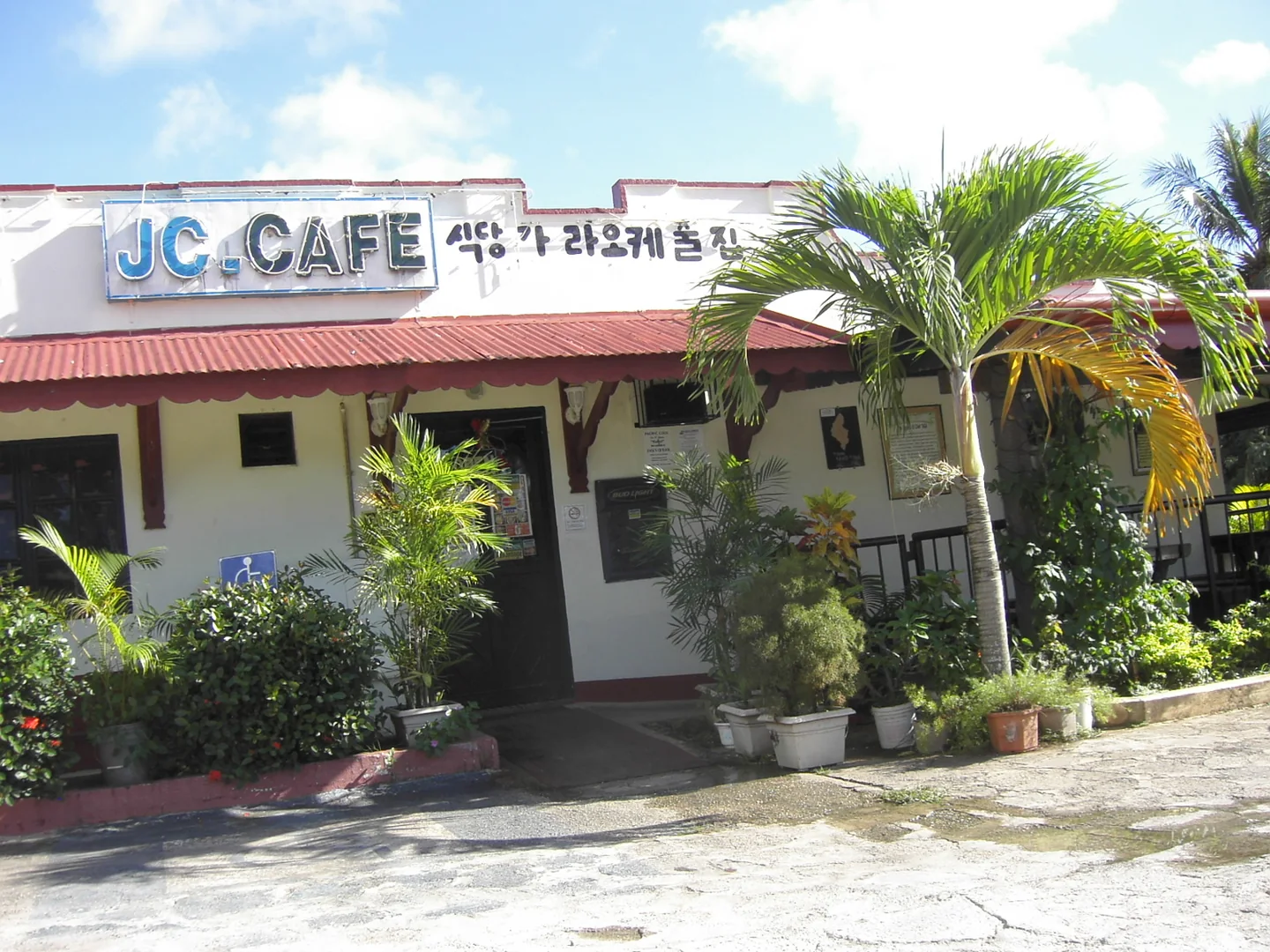
Finally, keep each unresolved item attached to a person, reference number and next action. A workable first month means you know what is completed, what is pending and how to follow it up without restarting the entire process.
Sources & further reading
Reviewed 15 October 2026. Sources are linked beside the relevant instructions. Reviewed 15 October 2026. CW-1 is temporary and CNMI-specific. E-2C is grandfathered. Tax residence differs from immigration and tuition categories. Current federal visa-fee source used instead of older college figures. Later USCIS access restrictions respected. Reviewed 15 October 2026. Tuition uses Fall 2026/Spring 2027 non-resident rates; the calculation is tuition only. COTA and DOCOMO examples retain scope. CUC deposit discrepancy disclosed. Housing arithmetic is hypothetical. Photograph credits, licences and capture years appear with the images.
Browse the source directory
- Public Lands — village maps
- USCIS — CW-1 conditions and dependents
- CBP — G-CNMI ETA and EVS-TAP
- U.S. Labor — CW-1 certification
- CNMI Labor — vacancy recruitment
- CNMI — Revenue and Taxation
- IRS — Publication 570, 2025 edition
- CNMI schools — 2026–27 registration
- Northern Marianas College — admission
- Northern Marianas College — international services
- Northern Marianas College — term-specific fees
- U.S. State Department — student visa
- DHS — SEVIS I-901 payment service
- U.S. State Department — CW and grandfathered E-2C
- CHCC — Rota Health Center
- CHCC — Tinian health centre
- CNMI Customs — resident imports
- DLNR — origin-specific pet imports
- CBP — admission record retrieval
- USCIS — address and registration duties
- SSA — Social Security card evidence
- IRS — ITIN and Form W-7
- CNMI Public Safety — licensing and emergency contact
- Bank of Guam — Pacific Express
- CUC — account changes and deposits
- CUC — deposit assessment FAQ
- CHCC — healthcare and contacts
- CHCC — medical-service directory
- DOCOMO PACIFIC — prepaid broadband labels
- COTA — Saipan fixed route and fares
- COTA — Call-A-Ride Saipan
- FEMA — household preparedness
Make your next step a practical one
Confirm the island and lawful purpose with the responsible employer, school or immigration adviser, then assemble the household documents and actual move-in budget.