Visa
Moving & Living - North Korea - Complete Guide
Understand authorised stays in North Korea: host and visa approval, study, work and sanctions, accommodation, payments, healthcare, communications and departure planning.
Photo credit
Planning a stay in North Korea begins with a question that comes before housing or packing: can the proposed purpose, host and household be authorised? No ordinary independent settlement route was verified for this guide. The practical journey below is for evaluating and preparing a specific approved academic or institutional stay, with visitor arrangements kept distinct.
Pyongyang’s streets, university rooms and public transport show a real urban setting, but access to those places is not automatic. This guide identifies what can be established from responsible sources, what needs a case decision and which everyday arrangements must be settled with the host before departure.
North Korea at a glance
- Official name
- Democratic People’s Republic of Korea · DPRK
- Capital
- Pyongyang
- Local currency
- North Korean won · KPW
- Initial decision
- Approved purpose, host and visa
- US passports
- Special validation required for DPRK travel
- Ordinary settlement
- No current independent route verified here
- Banking
- Do not assume international cards or ATMs work
- Reviewed
- 15 October 2026
Follow your moving journey
Start at step 1, or jump to the task you are working on.
01Establish whether the proposed stay can actually be authorised
Start with the purpose of the stay, not a property search. No current ordinary independent settlement, retirement or digital-nomad route was verified for this guide. A proposed academic placement or institutional assignment needs an actual counterpart, its approval process and a visa covering the intended activity. A holiday booking does not establish any of those things.
US passports are not valid for travel to, in or through North Korea without special validation. Resolve that requirement before making travel commitments; the application sequence is explained in the arrival step.
The FCDO’s current North Korea advice describes borders closed to general entry with limited easing and some limited tourism. Its advice for British travellers is against all but essential travel. The Swedish Embassy’s September 2026 information likewise distinguishes marketing of limited trips from the continuing wider restrictions. Neither is evidence of a general reopening for prospective residents.
- Write a one-page proposal: nationality, purpose, inviting institution, intended dates, accompanying family and who pays. Ask the counterpart whether it can obtain approval for this precise case.
- For British-passport applications, use the FCDO-listed DPRK Embassy contact: prkinfo@yahoo.com, +44 20 8992 4965. Its guidance requires a visa and says independent travellers need a sponsor and Foreign Affairs permission. Other nationalities must establish the mission responsible for them.
- Request the actual form, documents, fee, submission location and decision sequence. Keep an invitation separate from the issued permission.
- Do not commit to a move until the authorised purpose, dates and each traveller’s position are clear.
02Agree the authorised base and daily movements with the host
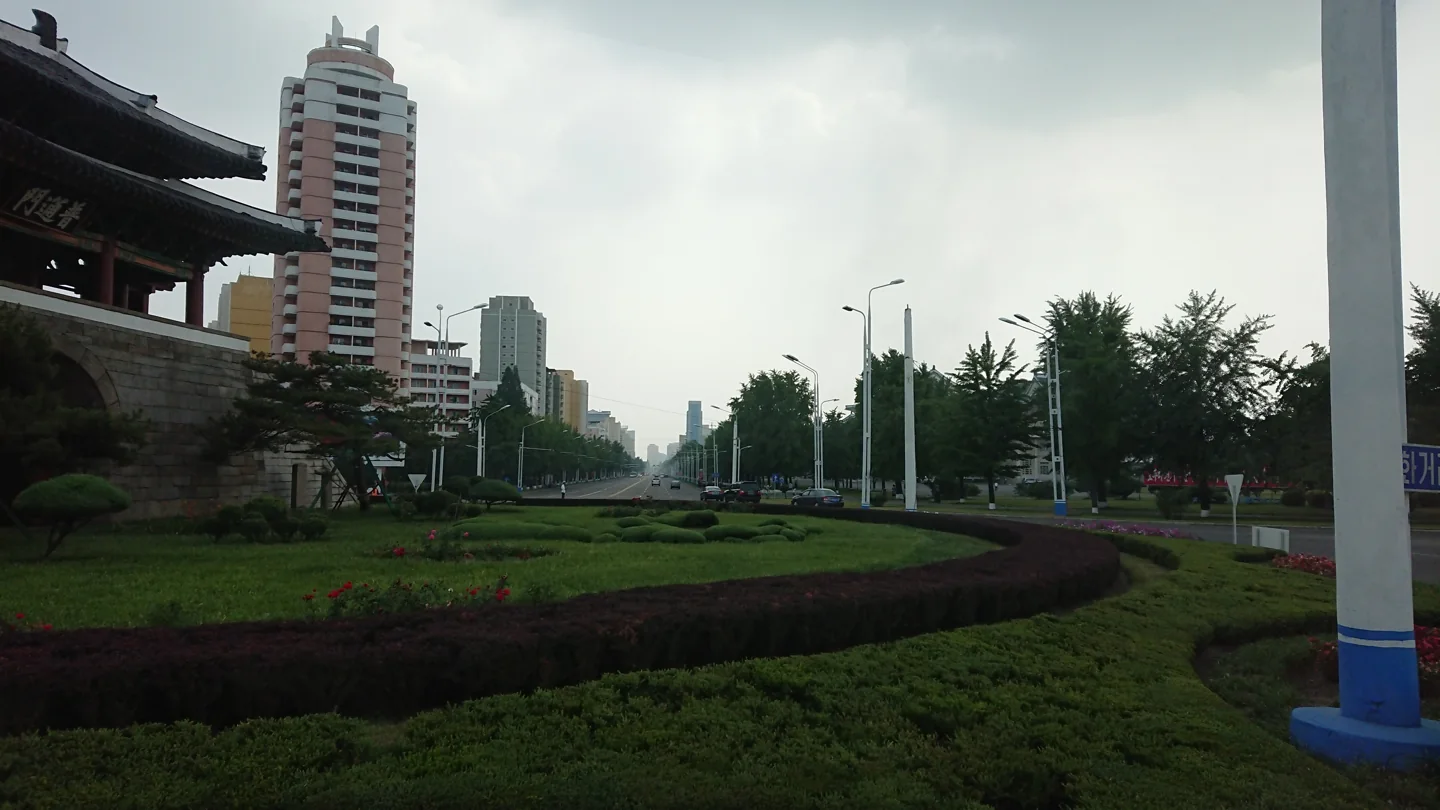
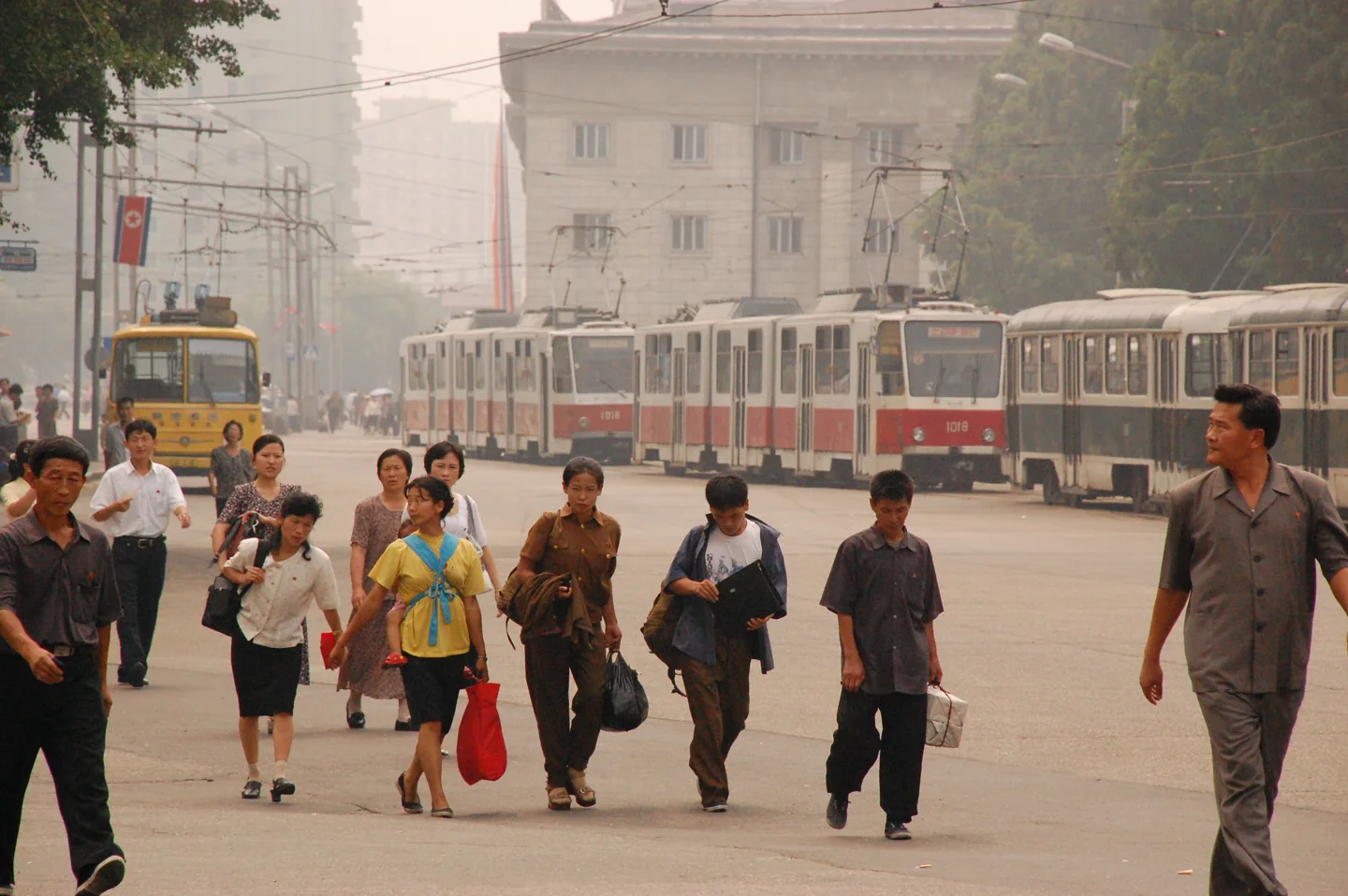
Pyongyang is not a neighbourhood-selection exercise in the ordinary expatriate sense. Begin with the actual institution, permitted accommodation and journeys you will need to make. Chollima Street and Potongmun give a view of the capital’s urban setting, but photographs do not identify homes a foreign newcomer can rent.
FCDO movement guidance distinguishes foreign residents in Pyongyang from visitors: residents are normally able to move within the city, while travel outside usually needs permission; visitors generally travel with a guide. Establish which conditions apply to you rather than extending a resident’s arrangements to a short visit.
- Ask the host for the address in Korean and a usable written description of the workplace, lodging and authorised meeting point.
- Record whether a driver, guide or interpreter is needed for each recurring journey, who arranges them and how much notice they need.
- Obtain current information about the specific room, bathroom, food, water and heating arrangements. Ask what changes during an electricity or service interruption.
- Resolve access to the institution, permitted shopping and clinical care before deciding the household can function there.
Use this information to accept or decline the actual placement. An advertised tour to one part of the country does not authorise a different destination or a later move to Pyongyang. If the host cannot establish where you will stay and how you will reach the work or study site, the arrangement is not ready for a relocation commitment.
03Separate employment approval from sanctions authorisation
A host’s invitation should specify the role, tasks, location, duration and responsible person. Ask whether the permission sought covers employment, unpaid teaching, research or another defined activity. Do not assume that calling the work voluntary removes immigration, export-control or sanctions questions.
- Have the sending organisation identify the laws applying to the staff member, employer, funder, bank and equipment. Document the review before the contract begins.
- For UK-connected activity, use the UK’s DPRK sanctions guidance. It covers much more than named individuals: finance, investment, trade, technical assistance and specified services can be restricted. Identify any exception or licence that actually covers the proposed transaction.
- For activity within US jurisdiction, consult OFAC’s North Korea programme and licensing service. A general licence has stated conditions; a specific licence is not interchangeable with a passport validation or a DPRK visa.
- For humanitarian work, the organisation should use the UN 1718 Committee exemption procedure where relevant. Its project and item-list templates help document recipients, goods, routes, parties and funding. UN approval does not replace relevant national licences.
Make accommodation, insurance, communication, payment and early departure responsibilities part of the written assignment. An unsupported plan to freelance, open a shop or work remotely from a hotel is not a verified relocation pathway. If a required authorisation has not been obtained, leave that activity out of the commitment rather than treating an application as permission.
04Build a host-specific budget and obtain a tax assessment
No reliable current national monthly living-cost figure or ordinary foreign-resident rental market was verified. Build the budget from the particular placement: a university arrangement, an institutional residence and a short visitor package are different products. State the currency, date, inclusions and payee for every quotation.
| Cost group | Initial commitment | Continuing or contingency cost |
|---|---|---|
| Permission and documents | Mission-confirmed fee, required certification and transit permission | Extensions or replacement documents where applicable |
| Accommodation and food | Confirmed advance payment and arrival meals | Actual board or room charge, food and drinking water |
| Transport | Approved journey and arrival transfer | Authorised local transport, guide or interpreter charges |
| Assignment support | Approved equipment and insurance | Communications, supplies and medical arrangements |
| Disruption | Accessible emergency reserve under applicable rules | Changed departure, transit accommodation and care gaps |
- Ask the host to distinguish what it provides directly from what you must pay yourself. Obtain written responsibility for an interrupted or shortened stay.
- Ask payroll or the responsible tax adviser to determine the treatment of salary, stipend, allowances and overseas income. A current general foreign-resident tax-number application, rate schedule and filing deadline could not be verified here.
- Resolve home-country reporting and double-tax questions with the relevant authority before estimating take-home income.
- Have the payment plan reviewed against the applicable sanctions rules before transferring funds or carrying money for someone else.
Do not convert an unverified won price into an apparent internationally comparable budget. Keep the actual invoice and agreed payment currency as the basis of the calculation.
05Secure the actual study place and family education plan
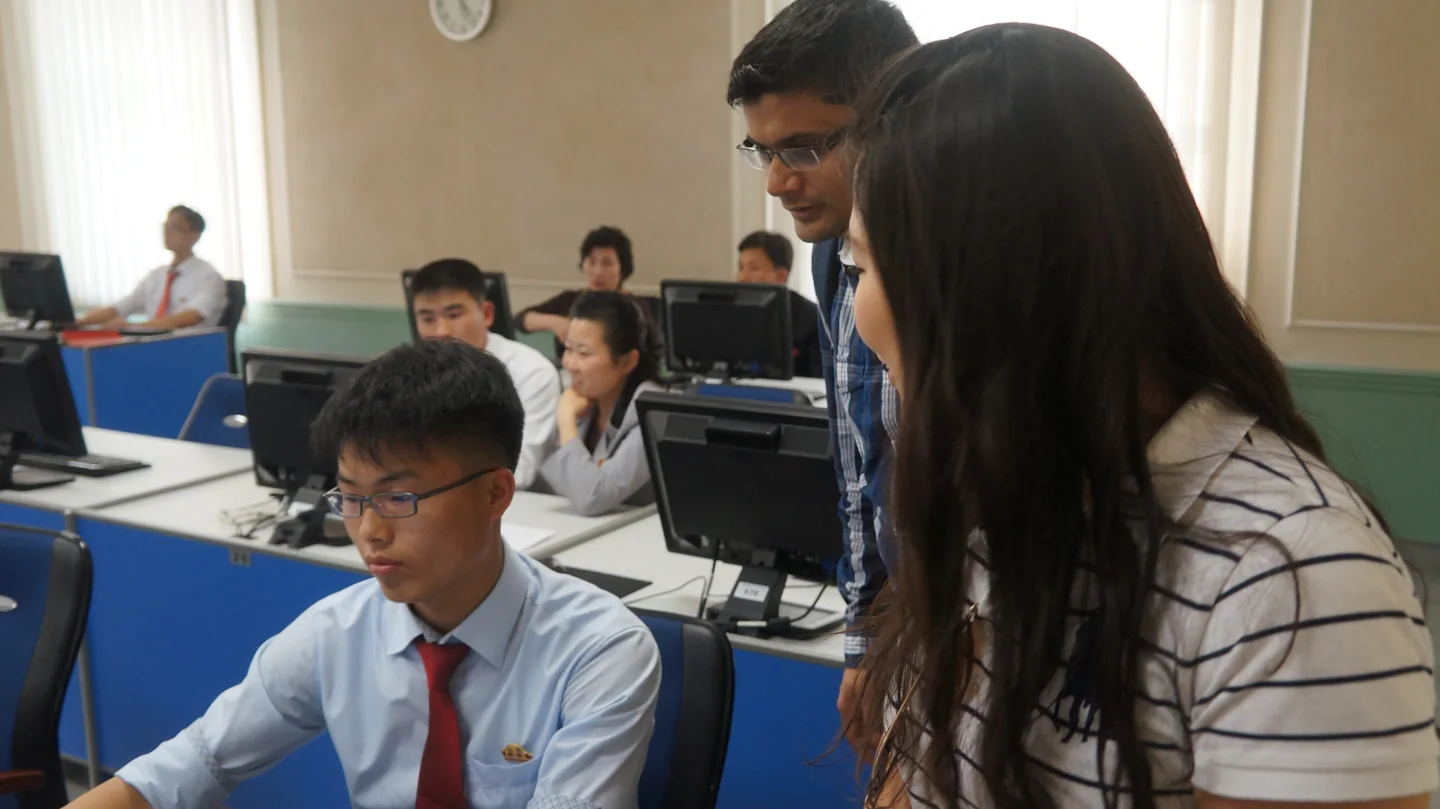
Kim Il Sung University publishes a foreign-student admission procedure dated 14 October 2019. It describes institution- or mission-mediated applications, academic and medical documents, funding evidence and Korean-language requirements. Its stated annual July 15 submission point is historical published guidance, not a verified deadline for a current intake.
- Ask the sending institution or responsible DPRK mission whether the proposed programme is currently accepting applicants of your nationality. Request the current instructions and teaching language.
- Prepare the qualifications, transcripts, recommendations, medical record and other documents specified for your actual category. Ask which require certification and the required format before paying for copies.
- Obtain written decisions on admission, permission to travel, fees or scholarship, lodging and dates. An offer from an intermediary must identify the institution making the decision.
- For children, ask the host to identify an available school, admission contact, teaching language and costs before approving an accompanied assignment. No current publicly verified ordinary foreign-family school-admission route was established for this guide.
The university’s 2019 procedure says foreign students stay in student accommodation and that it does not provide conditions for married couples. Clarify the present arrangement explicitly if a partner is involved. Do not plan a family move around a place issued only to the student. For any remote schooling proposal, establish supervision, assessment and permitted access to the required learning services before relying on it.
06Treat retirement as an unverified settlement proposal
A dedicated retirement visa, pension-income residence route or ordinary permanent settlement option was not verified. Consequently, a long holiday, a family connection or enough savings should not be presented as a retirement application process. Take the exact proposal to the responsible DPRK mission before making financial commitments.
- Identify the permission that would allow the intended duration and household. Obtain the answer for both partners and any dependant rather than inferring it from the principal traveller’s invitation.
- Ask the pension provider how the proposed address affects payment, reporting and evidence of continued entitlement. Confirm that a lawful, practical receiving arrangement exists.
- Discuss health needs with the current clinician and proposed host. The FCDO’s healthcare guidance describes severe limitations and the likelihood of evacuation for serious illness; a retirement budget needs a workable response to that reality.
- Obtain an insurer’s written acceptance of the destination, length, activities and pre-existing conditions. A policy name alone is insufficient evidence of cover.
If those conditions cannot be established, keep the retirement plan elsewhere. This is a decision point, not a missing form that can be replaced with a generic expatriate checklist. An older visitor’s successful short trip does not demonstrate a viable long-term care arrangement, renewal right or housing entitlement for another person.
07Clear the document, equipment and pet plan before dispatch
Ask the host for a written permitted-items checklist linked to the actual purpose. Keep the passport, visa or decision, invitation, medical and study or assignment documents together. Organise secure copies and leave an agreed emergency contact with the itinerary and the papers needed to act on your behalf.
- Inventory the devices, professional equipment, media, medicines and other goods you propose to bring. Give the host and relevant export-control adviser exact descriptions rather than labels such as “office supplies”.
- The published border guidance requires foreign-phone registration, restricts GPS equipment and describes media confiscation. Obtain instructions for the actual inventory before departure.
- For institutional freight, establish the exporter, consignee, route, handling and return or disposal arrangements. Where a humanitarian exemption is required, keep the goods within the scope of the approved project and annex.
- For an animal, no current general pet-import checklist, quarantine protocol or fee was verified. Obtain written animal-specific conditions from the responsible mission and host, plus carrier acceptance, before booking carriage.
Do not send household furniture speculatively while an accommodation decision is outstanding. Establish what the assigned lodging supplies and what you may import. Keep serial numbers and any customs receipts so equipment temporarily retained or imported for the assignment can be accounted for at departure.
08Travel only on the approved route and reception plan
The route must work on the day of travel, in both directions. Swedish consular information does not provide an ordinary crossing between North and South Korea. Confirm any third-country visa, transit, re-entry and passport rules separately. A DPRK invitation does not settle those countries’ requirements.
- Ask the host and carrier to confirm the actual operating service and the documents required to board. Keep change and refund conditions with the booking.
- Match names, dates and purpose across the invitation, permission and ticket. Do not rely on a historical timetable or a reported reopening of another route.
- Agree who receives you, the meeting point, destination address and what to do if the service changes. Carry those details offline.
- Declare belongings and money as directed, retain relevant receipts and establish who handles any item retained at the border.
US-passport users have an additional prior task: State Department special validation. The published procedure requires a qualifying national-interest request with supporting documents; if approved, the eligibility decision must accompany the passport application or renewal. It does not grant DPRK admission. Use the current procedure for the particular single- or multiple-entry case before planning travel.
At the lodging, confirm the room, meals, drinking water and first appointment. Advise the sending organisation through the agreed channel when the receiving arrangements are complete; a ticketed arrival is not the same as a completed handover to the host.
09Confirm local registration and each permission’s expiry
The FCDO’s British-passport instructions require Foreign Affairs registration for stays over 24 hours, normally handled by hotels. Obtain confirmation from the host and establish any additional status requirements. Registration is separate from permission to work or remain.
- Ask the receiving officer which originals are needed, when they will be returned and what evidence of submission or registration you can keep.
- Record the authorised duration, address, purpose and any reporting appointments for each traveller. Keep the actual dates rather than substituting the planned contract end.
- Before changing work, accommodation or itinerary, obtain instructions from the responsible host and authority. Ask how the change affects the existing permission.
- Begin any required extension process within the authority’s stated timetable. No universal extension deadline, fee or automatic right to remain was verified.
Keep a small administrative log: document, issuing body, date, expiry and next action. If the host says a task is complete, ask what record proves it and where it is held. The aim is to know your own position without inventing a national identity-card or tax-office appointment from a different country’s relocation process. Registration, immigration permission and tax treatment remain separate questions.
10Agree lawful payments rather than assuming a bank account
Australian official travel advice says international cards, ATMs and travellers’ cheques cannot be relied on in North Korea. No publicly verified ordinary foreign-newcomer bank-account procedure, deposit protection or current account tariff was established here. Do not present local banking as a simple follow-up to obtaining a visa.
- Ask the sending institution which approved arrangement pays the host, lodging and other providers. Identify the actual payee and retain invoices and receipts.
- Ask the host which currency, denominations and settlement intervals are accepted for the particular services. Have the arrangement reviewed against the laws applying to you and the paying institution.
- Establish each jurisdiction’s declaration rules. FCDO guidance requires declaring foreign currency and prohibits importing or exporting won.
- Agree how an emergency expense is authorised and paid if a routine transfer or contact fails. Do not assume an overseas app or an additional intermediary makes a payment permissible.
For US-jurisdiction transactions, the OFAC programme page links the applicable rules and licence process. Confirm the actual permission before relying on a proposed payment. A bank’s refusal is not a reason to misdescribe the recipient or purpose. Budget around a lawful arrangement the institution and providers have accepted; if none can be established, the funding plan is incomplete.
11Obtain written terms for the assigned accommodation
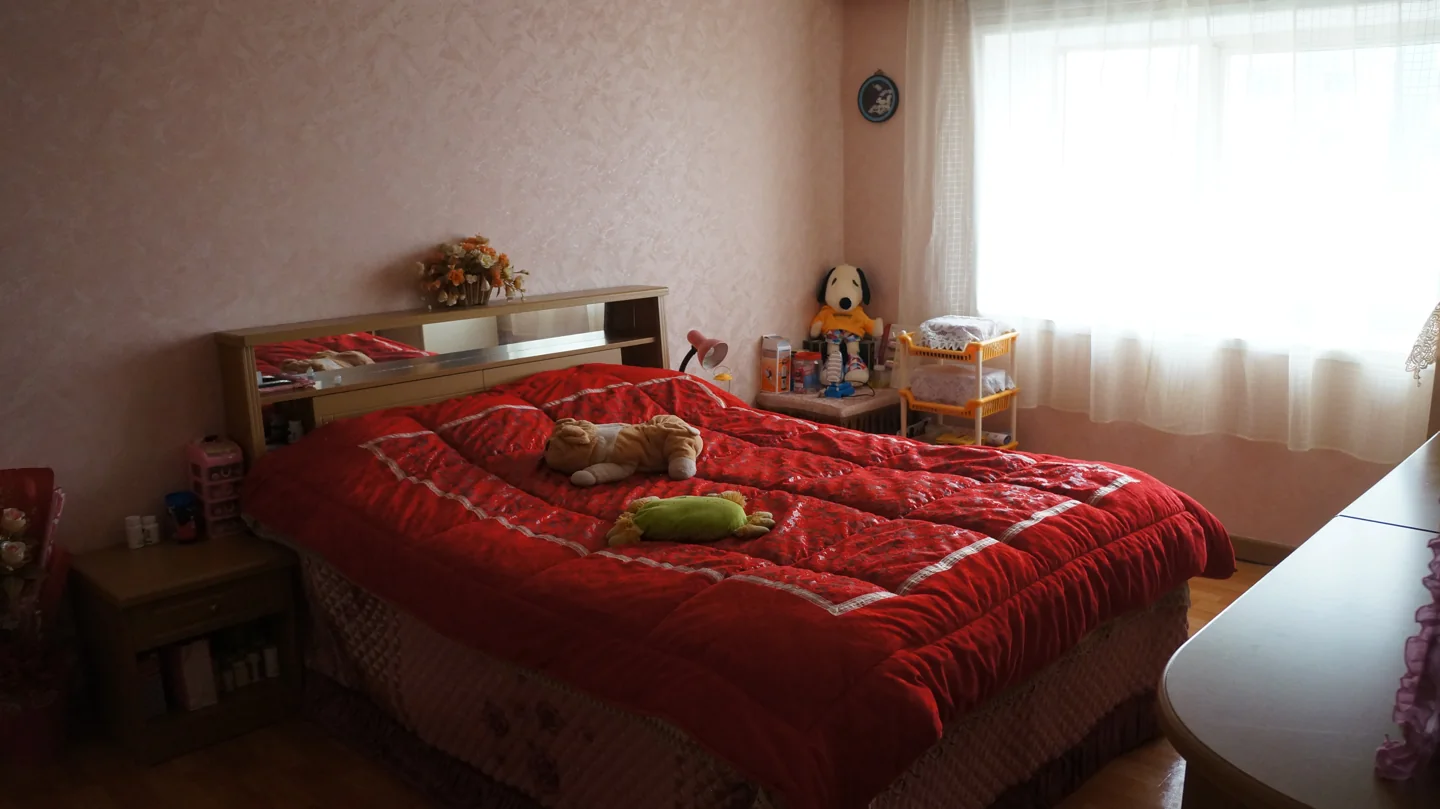
No current open foreign-resident rental application, standard deposit cap or general property-purchase entitlement was verified. Treat accommodation as a specific part of the authorised stay. A photograph of a university apartment, hotel or residential tower is not an available property listing.
- Ask the host to identify the lodging provider, exact address, permitted occupants, dates and the person responsible for practical problems.
- Get the charge and payment currency, meals, cleaning, laundry, water, heating and electricity arrangements in writing. Distinguish costs included in an institutional package from extras.
- Ask about access hours, visitors, room changes, repairs and what happens if the assignment ends early or travel is interrupted.
- At handover, inspect the room, locks, bathroom, electrical equipment and exit route with the provider. Record existing defects in the manner the host permits and keep the inventory or acknowledgement.
The FCDO’s fire-safety guidance recommends establishing hotel evacuation procedures. Ask how to contact the responsible person at night and where to meet after leaving the building. For a dependant or someone with limited mobility, settle the suitability of the actual room rather than assuming the provider can improvise an alternative after arrival. Do not pay an unidentified intermediary for an unverified lease or for supposed access rights that the approved host cannot explain.
12Agree treatment and evacuation before departure
Use FCDO health guidance as a starting point: basic medicines may be unavailable, facilities have serious limitations and major illness or injury is likely to require evacuation. The guide does not promise a named hospital’s capacity, an ordinary public-insurance entitlement or guaranteed evacuation access.
- Discuss the proposed stay with a clinician early. Bring an appropriate medical summary, prescriptions, allergies and essential results, and confirm that the intended medicines and equipment may be carried.
- Ask the host to identify the actual first-contact clinician or facility, contact method, payment arrangement and means of transport. Verify services for any condition needing regular monitoring.
- Obtain written insurance confirmation for North Korea, the role and duration, pre-existing conditions, local treatment and evacuation. Identify the assistance contact and who can authorise an evacuation.
- Agree an operational plan with the sending organisation: who calls, who pays initially, which destination can receive the patient and what happens if communications are unavailable.
Establish a dependable drinking-water arrangement and a realistic medicine resupply plan. A supply packed for a holiday is not automatically sufficient for an extended assignment. Keep the clinical, insurer and host records together and available to another responsible person. If essential care cannot be arranged, resolve that before departure rather than relying on general insurance advertising or the fact that another traveller previously received treatment.
13Set up permitted communications, utilities and transport
Organise communications through the actual host. FCDO warns that outside communication can be extremely difficult. No current general foreign-resident mobile package, internet tariff or independent home-utility transfer process was verified. Ask what is available to your status at the particular lodging and institution.
- List the calls or services essential for work, study, banking and family contact. Confirm the permitted equipment and how each essential task will be handled if the service is unavailable.
- At induction, test the agreed contact channel and establish an alternate receiving contact. Do not promise overseas remote-work availability before this has been demonstrated.
- Ask the lodging provider to show you the drinking-water, heating and electrical arrangements and explain fault reporting. Record who handles the bills and any interruptions.
- Arrange the authorised workplace journey through the host. FCDO transport guidance says foreign visitors usually need a guide for public transport; an international driving permit is not valid, and foreign residents seeking to drive need a local test and licence.
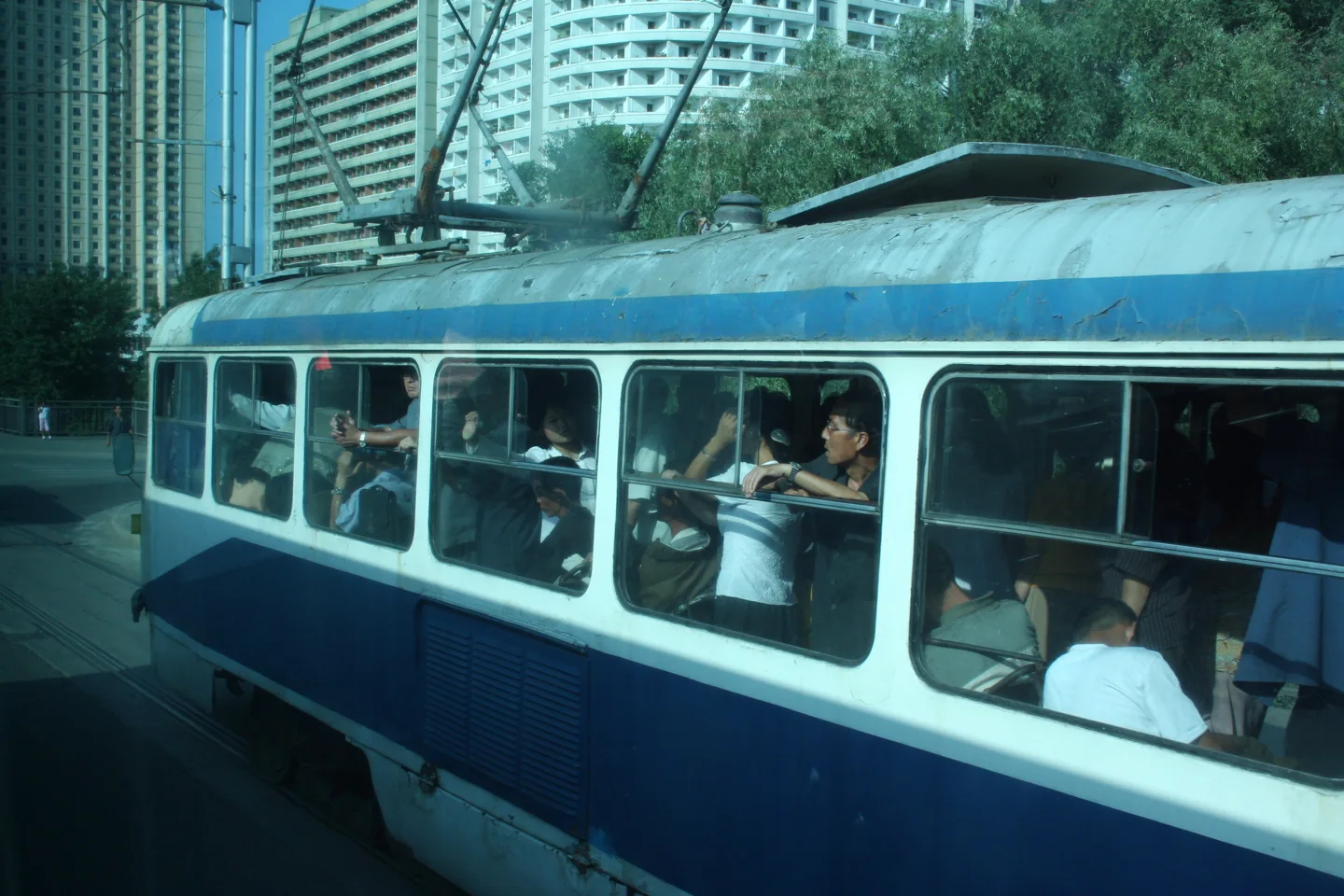
A photograph of a Pyongyang tram does not establish the right to use it independently or today’s route and fare. Settle the actual driver, pickup, destination and return arrangement. Where study depends on an online platform, have the provider and host confirm a lawful usable delivery method before relying on it for attendance or assessment.
14Use the first month to confirm the arrangement works
Build the routine around the real purpose of the stay: classes, institutional duties, meals, permitted journeys and rest. Learn practical Korean expressions through your host and ask how to address the people you meet. Establish the boundaries of photography, visits and activities before participating; a scene in a travel photograph is not permission to reproduce that access.
Arrange an emergency contact plan before it is needed. The Swedish Embassy’s September 2026 notice says posted staff are back in Pyongyang but visitors cannot be received during re-establishment. The FCDO reports that the British Embassy remains closed. Consular capability therefore needs to be checked for your nationality and actual circumstances, rather than assuming any embassy can receive a walk-in visitor.
- Compare the first bills, meals, transport and communication arrangements with the written offer. Resolve material differences with the responsible organisation.
- Confirm registration, permission dates, school or study arrangements and any medical follow-up have an outcome or a named next action.
- Review whether the approved work or study can be carried out within the actual access arrangements. Record any change needing further permission.
- Reconfirm the authorised departure or extension plan, including third-country entry and re-entry requirements. Keep an alternative plan with the sending institution.
For British nationals needing urgent help, the FCDO getting-help service lists its 24-hour London contact, +44 20 7008 5000. Save your own nationality’s responsible service before travel. Continue only on the basis of a functioning, authorised arrangement, not because an initial invitation has already consumed time or money.
Sources & further reading
Reviewed 15 October 2026. Sources are linked beside the relevant instructions. Reviewed on 15 October 2026. Border easing is distinguished from general reopening. FCDO entry instructions retain their British-passport scope, and US passport validation is separate. The university procedure dates from 2019; no current intake is promised. Sanctions permissions are jurisdiction- and transaction-specific. Unknown administrative and service details are stated precisely rather than invented. Reviewed on 15 October 2026. No reliable current public visa fee, ordinary rental tariff, mobile package or national monthly budget was verified. Obtain an itemised dated quotation for the actual authorised stay, with currency, payee and inclusions. Historical photographs are not price or availability evidence. Photograph credits, licences and capture years appear with the images.
Browse the source directory
- UK FCDO — current border position and consular limits
- UK FCDO — British-passport visa, registration and border instructions
- UK FCDO — movement, lodging fire procedures and transport
- UK FCDO — healthcare limitations and preparation
- UK FCDO — urgent help and responsible contacts
- Australian Smartraveller — payment limitations in North Korea
- US Passport Services — special validation for DPRK travel
- Kim Il Sung University — foreign-student procedure, 14 October 2019
- UK Government — DPRK sanctions statutory guidance, April 2026
- UN Security Council — 1718 humanitarian exemption procedure
- Swedish Embassy — travel information updated September 2026
- US Treasury OFAC — North Korea rules and licence service
Make your next step a practical one
Establish whether a responsible host can obtain approval for the real purpose and household. Continue only when permissions, funding, accommodation, care, communications and the departure plan form a workable arrangement.