Visa
Moving & Living - Nepal - Complete Guide
A practical moving journey for Nepal: choose your base, arrange immigration and work permissions, and organise schools, tax, banking, housing, healthcare and everyday services.
Photo credit
Life in Nepal depends on the base you choose: a Kathmandu workplace, a Lalitpur school journey or a household organised around Pokhara. The useful preparation is to connect that everyday geography with the immigration permission, income and services that will support your stay.
This fourteen-step guide follows a move from those first decisions to a functioning household. It separates entry, work and residence procedures, names practical starting points and explains the official details that still need confirmation for an individual application.
Nepal at a glance
- Capital
- Kathmandu
- Currency
- Nepalese rupee · NPR
- Immigration
- Department of Immigration · NepaliPort
- Tax authority
- Inland Revenue Department · IRD
- Tax registration
- Permanent Account Number · PAN
- Household planning
- Kathmandu · Lalitpur · Pokhara
- Entry rules
- Nationality and travel document determine procedure
- Reviewed
- 15 October 2026
Follow your moving journey
Start at step 1, or jump to the task you are working on.
01Choose your base around work, school and services
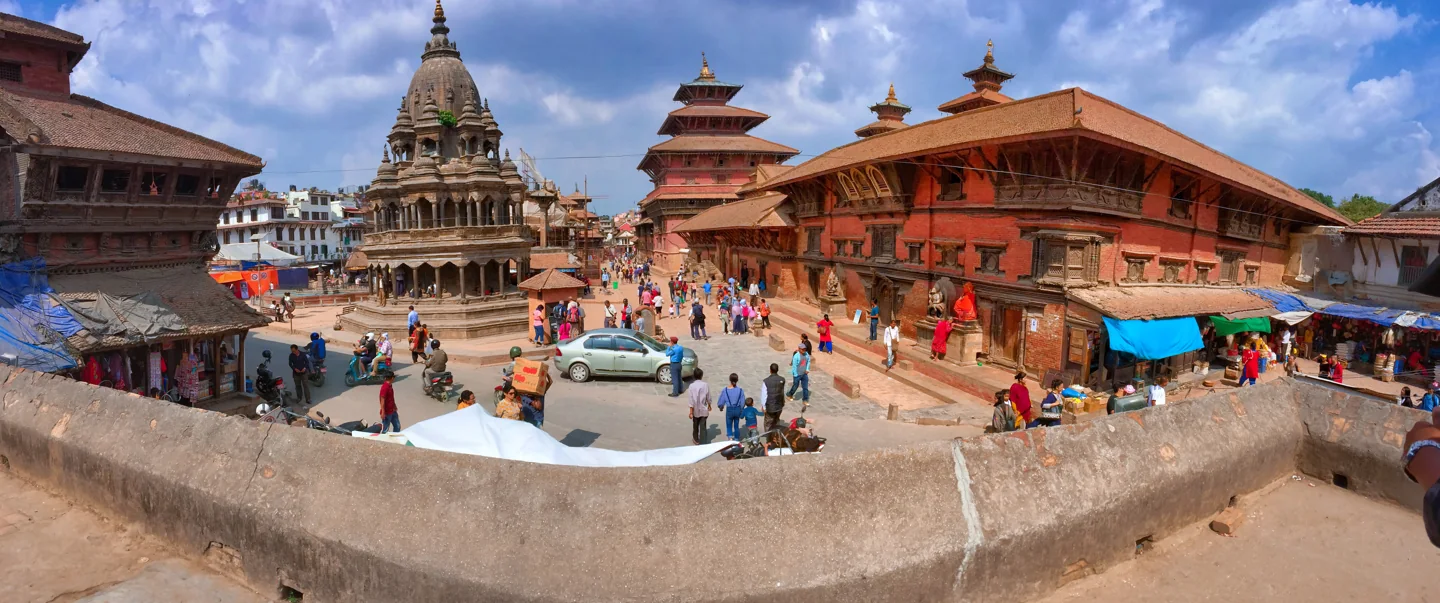
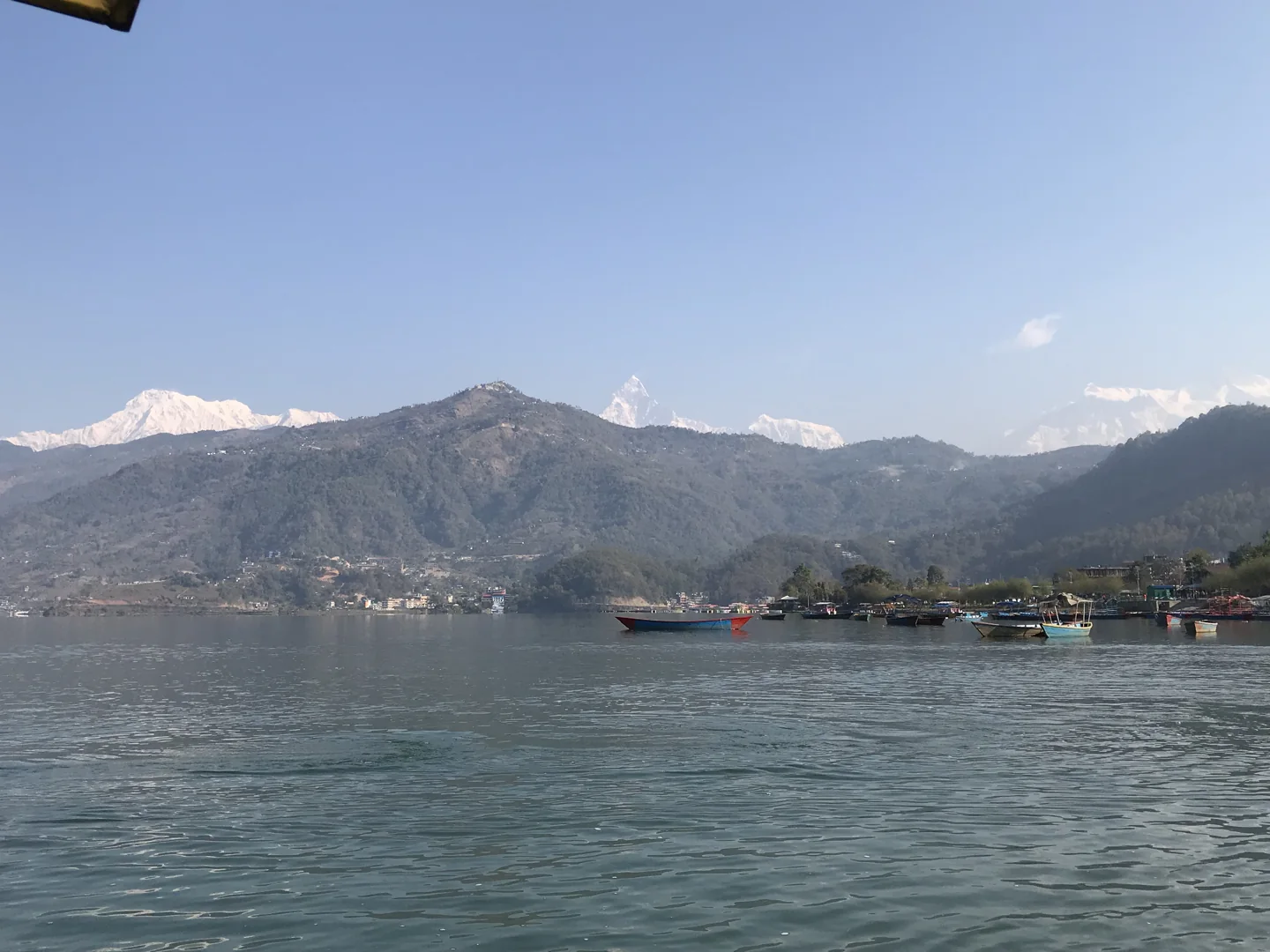
A move to Nepal begins with a different question from a holiday: where will you need to be on an ordinary Tuesday? Kathmandu, Lalitpur and Pokhara offer very different daily arrangements. The Department of Tourism's destination directory places Patan in Lalitpur across the Bagmati from Kathmandu and describes Pokhara around Phewa Lake. Use that geography to plan a home base rather than treating the whole Kathmandu Valley as one interchangeable neighbourhood.
| Starting point | When to investigate it | What to test before renting |
|---|---|---|
| Kathmandu | Your employer or regular administration is in the capital | The actual route to work, Immigration and your chosen medical provider |
| Jhamsikhel, Lalitpur | You are considering The British School, which lists its address here | School transport availability and the journey for other household members |
| Patan and the surrounding Lalitpur streets | You want to compare a valley base south of the river | Access to the particular property, shopping and connections across the valley |
| Pokhara | Your work or study can genuinely be based there | Which applications require Kathmandu visits, and continuity of specialist care |
Mark your workplace, school and medical provider on a map, then add every office that your immigration route requires. Book temporary accommodation near the main cluster. Visit potential homes at the time you would normally travel; a pleasant walk around a square does not test a weekday commute. Ask how the address is written locally and save a map pin, landlord's number and nearby landmark.
02Separate entry permission from the reason you will live here
Use the Department of Immigration's category and fee directory to identify employment, study, business, marriage or relationship, NRN and residential options. A tourist visa is a visitor permission; it does not itself authorise your intended job or business. Make a separate file for your partner and each child instead of assuming your own approval covers the household.
- Write down your nationality, travel document, purpose, intended duration and whether you will work. Those facts determine which instructions apply.
- Ask the employer, institution or responsible immigration section which recommendation starts your application. Obtain the underlying offer or relationship evidence before completing the residence paperwork.
- Open the official NepaliPort application service from Immigration's links. Retain your submission details and the documents supporting the selected category.
- Confirm where originals are presented and how the application fits your lawful entry and present permission. An online submission is not an approved visa.
- Read the permission actually issued: dates, category and re-entry conditions. Schedule any renewal before expiry.
The airport Immigration FAQ specifically exempts Indian citizens from a visa and lists acceptable identity documents. It excludes twelve nationalities from visa on arrival, including Afghanistan, Nigeria, Iraq and Syria. Read the complete list and document rules before relying on an airport application. A valid Indian passport is a straightforward documented option; do not assume an unrelated identity card will be accepted.
Official pages disagree on several non-tourist charges. The practical response is to request your category's current assessment before payment, retaining that confirmation with your file. The retirement section identifies one specific conflict rather than hiding it inside a single invented fee.
03Have the employer or investment project prepare the right approvals
For employment, the Immigration working-visa instructions identify a responsible government agency's recommendation, a Department of Labour permit, a Home Affairs work agreement, your appointment or contract and the hiring organisation's tax clearance. NGO and INGO work also has Social Welfare Council documentation. Ask the employer which parts it prepares and which originals you must supply.
- Obtain the appointment letter with role, salary, location and proposed start date. Make the start conditional on the required permissions.
- Ask the employer to put the ministry recommendation, labour approval, work agreement and organisation documents in order. Keep a list of missing items and the person responsible for each.
- Match your identity and contract details throughout the file, including the spelling of your name and passport number.
- Complete the immigration stage after the supporting approvals. Keep lawful stay while paperwork is pending; do not treat a tourist stay as permission to begin working.
- At renewal, obtain the applicable tax-clearance documents early and confirm whether the existing employer and role remain covered.
For investment, start with the Department of Industry's foreign-investment instructions, rather than registering a small shop and assuming a business visa follows. Its page requests a project report, foreign investor identity, financial credibility evidence and relevant partnership or company documents. It lists a general NPR20 million minimum and sector restrictions. Ask the department whether an exemption or special rule applies to your proposed activity before committing capital; approval and business immigration are separate stages.
No operational general remote-worker route was verified for this guide. If you intend to work online for an overseas employer, explain the activity to Immigration and obtain the permission it requires before doing it from Nepal. A coworking membership cannot settle that question.
04Build a cash plan and establish your tax position
Keep Nepalese rupees, US-dollar immigration charges and foreign-currency school fees in separate budget columns. Conversion costs and the timing of transfers matter. The same household may need a rental deposit now, tuition before the first school day and several weeks of living money before its local bank arrangements are ready.
| Budget line | Initial amount to obtain | Recurring amount to track |
|---|---|---|
| Home | Written deposit, advance rent, agent and setup quote | Rent, water, electricity, internet and agreed service charges |
| Immigration | Your actual category's assessed charge, documents and translations | Renewal and any re-entry permission required |
| School | Registration, capital fee, deposit and first tuition invoice | Tuition, transport and applicable learning or activity charges |
| Health | Policy premium, medicines and contingency reserve | Renewals, consultations and uncovered treatment |
| Arrival | Travel, temporary accommodation, luggage or freight and a registered SIM | Transport, groceries, phone and personal spending |
For a clearly hypothetical housing calculation, a quoted NPR40,000 monthly rent plus an agreed equal deposit would require NPR80,000 before utilities and other charges. These invented inputs demonstrate the calculation; they are neither a market estimate nor a statutory deposit rule. Replace them with the written offer for your property.
For tax, start with IRD's current Finance Act 2083 information and taxpayer registration guidance (source unavailable). Give payroll or a qualified adviser your travel dates, employment contract, overseas income and existing tax residence. Ask separately about residence, Nepal-source income, withholding, treaty relief and filing obligations. This guide has not verified a current consolidated foreign-resident rate calculation and does not treat an older FAQ's bands as current. Keep salary slips, withholding evidence and tax-clearance records: immigration renewals can depend on the relevant clearance.
05Arrange a school place before committing to the commute
If a child will attend school, make the school journey part of the housing decision. The British School Kathmandu is in Jhamsikhel, Lalitpur. Its own admissions page says it accepts new pupils during the year when suitable places exist, and assesses students before admission. Start with its admissions instructions and current fee schedule; a school enquiry is the beginning of an application, not a reserved place.
- Complete the registration, medical-information and English-language pupil forms specified by the May 2026 admissions policy. Supply your child's passport and birth certificate; the policy requires a valid dependant visa.
- For a child who has attended school, provide the last two years' reports and the previous principal or teacher's contact details. Discuss learning support before assessment.
- Complete the assessment and admissions process. Registration and a waiting-list entry do not guarantee a place.
- Read the full 2026–27 fee schedule. For Foundation 2 and Key Stages 1 and 2, it lists GBP200 registration, GBP3,500 capital development and a GBP2,800 conditional refundable deposit, before tuition. Term 1 tuition for that group is GBP2,565. These school-specific sterling charges are not a general Nepal school-price estimate.
- Confirm the available school transport route for your actual address, then compare that journey with each adult's workplace before signing a lease.
For university study, obtain the institution's current offer and the immigration recommendation required for your course. An old intake announcement or an application portal displaying only a loading screen does not establish that applications are open. Programme admission and permission to stay are separate decisions: identify the course, teaching location, foreign-student application process and visa support before transferring tuition.
06Test the residential route against your retirement documents
Nepal publishes a non-business residential route, rather than requiring every retired resident to rely on repeated tourist stays. The Department of Immigration's citizen charter describes applicants aged 60 or over, or retired foreigners. It lists a USD20,000 bank statement, proof of regular annual income of at least USD20,000, character documentation, an embassy no-objection letter, a TU Teaching Hospital health certificate, passport and latest Nepal visa, and an online application receipt. Approval includes a Home Ministry decision.
- Read the applicable category with Immigration and ask how your retirement evidence will be assessed if you are under 60.
- Ask your home-country embassy how it issues the required character and no-objection documents, including any appointment and authentication procedure.
- Prepare the bank and income evidence in the form the receiving office accepts. Ask which translations or certifications it requires before paying to obtain them.
- Arrange the named health examination and application sequence with Immigration. Do not assume an overseas medical report replaces the specified certificate.
- Resolve the published fee discrepancy before paying: the charter distinguishes a USD700 initial annual charge and USD1,200 renewal, while the general fee table lists USD1,200 a year. Obtain the charge applicable to your application.
Keep this plan separate from employment or operating a business. A residential application based on living without business activity should not be used to assume permission to take a job. Renewal also needs advance preparation; request the current renewal checklist before your first permission approaches expiry.
07Prepare originals, shipment records and the pet arrival file
Make an application folder and a separate hand-luggage folder. Include passports, approval letters, contracts, admission and family records, required photographs, medical summaries and any certifications requested by the receiving office. Keep secure digital copies and a list of originals. Confirm translation and authentication requirements for the actual Nepalese service; a document accepted by a school may not satisfy Immigration.
- Check that names and dates match across passports, certificates and application forms. Resolve discrepancies before presenting the file.
- For shipped belongings, obtain an itemised inventory, freight quote, insurance terms and a list of documents the Nepal customs agent needs. Establish who pays clearance, storage and delivery charges.
- Use the official passenger-goods notice as a starting point for baggage allowances, then distinguish accompanied baggage from freight. Do not assume a tourist allowance gives every new resident duty-free household imports.
- Keep essential medicines and records accessible, in the quantities and documentation permitted for your itinerary. Obtain continuity advice from the prescribing clinician and receiving provider.
For pets, CAAN's published cargo and quarantine instructions, dated 30 April 2024, list an international animal health certificate, vaccination and microchip records, breed and species information, and notification of the arrival date and time seven days beforehand. Confirm the current requirements and receiving quarantine arrangements before booking. The PDF's 48-hour notice concerns chicks, and its dog/cat recommendation-letter exception appears in the export section; neither is a substitute for the pet-import instructions.
Obtain the carrier's acceptance for the animal, route and crate as a separate step. Ask who will meet the animal, where documents are presented and what happens if the flight changes. Do not dispatch an animal while those arrangements remain unresolved.
08Complete the entry formalities and stabilise your first days
If you are eligible for visa on arrival, Immigration's published arrival sequence is the online tourist form and arrival card, payment at the counter, then presentation at Immigration. The form's barcode receipt is valid for fifteen days. Keep the receipt, payment record and passport ready. Carry a suitable payment backup rather than depending on one card or a phone that is not yet connected.
- At the desk, make sure the permission and stay period issued match the approved purpose and your circumstances. Retain the entry record.
- Save the first accommodation's map pin and contact details before leaving the terminal. Arrange transport to that exact address.
- Obtain a registered local number, test that it works and send the number to the employer or institution expecting you.
- Buy only the essentials needed for the first days. Reserve time for document presentation and property visits before purchasing bulky household items.
- Place the next immigration appointment and visa expiry in your calendar, with a reminder that leaves time to obtain missing documents.
If you already hold a mission-issued visa, an Indian visa exemption or another permission, follow that procedure instead of joining a tourist application process by default. Keep copies of the address, employer or institutional contact and onward travel arrangements relevant to your entry. The airport visit completes an entry decision; work, tax and household setup still need their own steps.
09Finish the immigration file and register for the tax number you need
In Nepal, the practical files are your passport and immigration permission, the approval documents supporting your activity, and your tax registration where required. Do not search for a universal new-resident identity card that automatically replaces them. Keep an address record and copies of the current permission for services that ask for them.
The Inland Revenue Department's registration guidance (source unavailable) describes using its Taxpayer Portal, selecting the registration type, completing details, retaining the submission number and presenting to the relevant Inland Revenue Office or Taxpayer Service Office for verification and the PAN certificate. Personal PAN and business registration serve different purposes.
- Ask payroll or the receiving tax office which PAN registration fits your income. Avoid registering a business merely because you need a personal tax number.
- Before uploading documents, obtain the foreign-national identity checklist from that office. The general guidance refers to Nepalese citizenship documents and does not fully establish passport substitution for every applicant.
- Complete the selected application, save its submission number and print the record if required.
- Take the requested originals and copies to the receiving office for the verification it requires. Keep your certificate and application records securely.
- Give the verified PAN details to payroll or the party that needs them, and check subsequent tax documents use the same name and number.
Keep application confirmations separate from final certificates and approvals. If an office retains an original, obtain the collection instructions and a receipt. Review the documents together after each appointment so a missing passport copy or outdated visa scan does not carry into the next application.
10Choose an account that matches your visa and source of money
The Nepal Rastra Bank foreign-currency account FAQ says foreign citizens in Nepal can open convertible foreign-currency accounts with banks and financial institutions, with operation limited to the visa period. That is a regulatory starting point, not a promise that every account product or online form accepts every foreign customer.
- Choose a bank using the central bank's linked list of regulated institutions. Ask a branch which account is appropriate for your visa, salary or overseas income.
- Request the current foreign-national checklist before visiting. Establish the passport, visa, address, employment or income evidence and PAN documents it needs for your case.
- Ask whether the account is rupee or foreign-currency denominated, how incoming transfers are credited, what fees apply and what evidence is required for later outward transfers.
- Complete the bank's identity checks and keep the account confirmation. Test a modest incoming transfer before depending on a large payment.
- Activate the permitted card and mobile services, then test them. Ask what happens to access when your visa is renewed and which documents the bank needs updated.
For salary, get the employer's exact account-name and payment requirements. For rent and school invoices, obtain the beneficiary details directly from the organisation or landlord and confirm the currency before sending money. Keep transfer references and receipts. Ask whether a local QR or wallet service accepts your identity and immigration documents before counting it as your main payment method.
Maintain a second usable card and an accessible reserve while the account is being assessed. A bank's ability to accept a foreign passport for identity checking does not resolve income evidence, product eligibility, foreign exchange or transfer permissions.
11Inspect the home and put the rental terms in writing
Ask for a written house-rent agreement even if the landlord commonly uses informal arrangements. JICA's explanation of Nepal's Civil Code describes the house-rent provisions, including safe habitation, disclosure of structural faults and the parties' duties. It is an explanatory publication, not a current bespoke assessment of your tenancy; have uncertain clauses checked locally rather than relying on a verbal promise.
- Inspect the actual unit. Test water flow, drainage, electrical outlets, doors, windows and mobile reception. Ask how drinking water, storage tanks and any backup supply are handled.
- Identify the owner or authorised representative and establish their authority to rent the property. Confirm exactly which rooms, roof access, parking and shared facilities are included.
- Record the term, rent, payment currency, due date, deposit, any agent fee and the refund conditions. Separate household bills from rent and identify the person receiving each payment.
- Agree who handles routine maintenance, urgent repairs and pre-existing defects. Get written permission for alterations or business use rather than assuming these follow from occupation.
- Read the notice, early-departure and renewal clauses. Obtain a translation you understand, then retain the signed agreement and payment receipts.
- At handover, photograph the condition with permission, list furniture and keys, record meter readings and acknowledge existing damage in writing.
Ask for the latest utility bills and any outstanding balances before taking responsibility. For a shared building, clarify how common electricity, water deliveries and other shared costs are allocated. Confirm how you report a fault and who can authorise expenditure while the owner is away. These details are easier to settle before the deposit is transferred than during the first repair.
12Arrange ongoing care and insurance before you need treatment
Choose a provider near your actual base and establish the services it can deliver. CIWEC Hospital's own directory lists Kathmandu at Kapurdhara Marg, with numbers +977-1-4524111, 4524242 and 4535232, and Pokhara at 14th Street, Lakeside, with +977-61-453082 and 457053. These are provider contacts, not a guarantee that a particular specialist, bed or insurance arrangement is available.
- Before departure, discuss ongoing conditions with your clinician and obtain a concise medical summary, prescription names and relevant results.
- Ask the receiving provider whether it offers the consultations, investigations or regular treatment you need, and how to book the first visit.
- Read the policy for your intended residence and work, including pre-existing conditions, outpatient care, evacuation and repatriation. If you plan trekking, check the actual activity, altitude and rescue cover.
- Ask the insurer and provider separately how payment works: direct billing, advance authorisation, a deposit or reimbursement. Save the insurer's assistance number offline.
- Identify an emergency care option and establish how you would reach it from your home. Share the plan with the people living with you.
The FCDO's Nepal health guidance is a useful starting point for local care limitations and travel health preparation; nationality-specific entitlement information still applies only to the people concerned. Arrange your own cover and clinical advice rather than assuming foreign residents receive every service without payment.
Carry medicines in their original packaging with the documentation required for your itinerary. Where a regular medicine is essential, establish its local availability and the prescriber who will review it before the supply runs low. Do not change medication based on a relocation article.
13Register your phone and test the services at your address
A local number helps with appointments and deliveries. Ncell's own tourist SIM page requires the original passport for registration. It lists sales at Tribhuvan Airport, centres and authorised outlets, plus an online tourist eSIM option. Check your handset before choosing eSIM.
Reviewed on 15 October 2026, its undated Nepal page lists Sprinter at NPR595 for seven days, Explorer at NPR995 for fourteen and Voyager at NPR1,995 for twenty-eight. Fair-use limits apply; its reduced-speed wording is inconsistent. Confirm allowances, speed, taxes and expiry before buying. Tourist-plan customers are restricted to tourist packs, so establish longer-term options. These prices describe specific plans, not household monthly communications costs.
- Register the number in your own name and retain the activation details.
- Test calls, data and any services you need before leaving the outlet.
- At the prospective home, test mobile reception in the rooms you will use and ask the landlord which fixed internet service is installed.
- Obtain a written breakdown of internet installation, equipment, recurring charges and cancellation conditions before committing.
- Record the electricity meter reading and who pays each bill at handover. Ask to see the actual account classification and recent bills; a generic unit price cannot describe every connection.
Nepal Telecom's eKYC guide concerns updating an existing number. Its OTP and outgoing-call verification steps should not be mistaken for a first-time SIM application. Keep your registration details current with whichever operator you choose.
14Turn the first month into a working household routine
Build a small local network through the places you actually use: colleagues, school parents, neighbours, a language class and regular shops. Learn how your address and everyday destinations are written in Nepali as well as English. Keep a map pin and a local landmark for each appointment, particularly while you are still learning the streets.
- First days: verify entry records, phone access, accommodation and essential medical arrangements. Confirm the next appointment with the employer or institution.
- First week: finish property inspections, request the bank checklist and take the PAN application to the correct office if required. Keep documents organised by receiving service.
- Second week: test the household's ordinary journeys and payment arrangements. Record what groceries, transport and utilities actually cost your household.
- Before the month ends: reconcile deposit and fee receipts, review insurance gaps and check every immigration deadline against the permission issued.
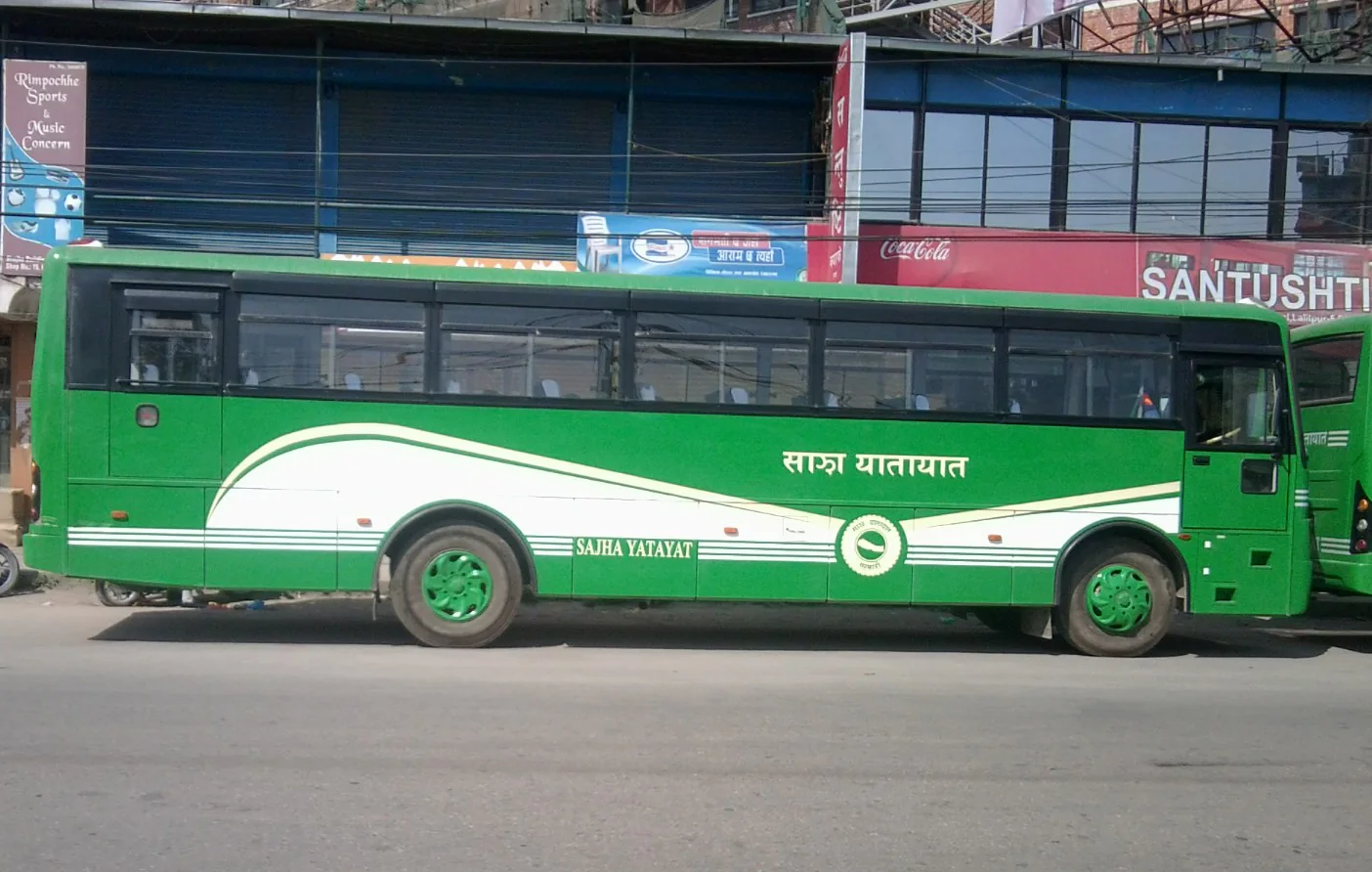
For transport, use Sajha Yatayat's own service information to investigate a route that fits your journeys; confirm current stops, operating arrangements and fares before relying on it for school or work. Save alternatives for appointments with a fixed presentation time. If you plan to drive, establish the licence and insurance requirements for your situation before hiring or buying a vehicle.
Make the budget more useful after arrival by replacing every estimate with a receipt or written quote. Separate recurring spending from one-off setup costs so the deposit, tuition entry charges and freight do not distort your ordinary monthly figure. Keep a reserve for a return trip, further document work or changes to the original plan.
Sources & further reading
Reviewed 15 October 2026. Sources are linked beside the relevant instructions. Reviewed on 15 October 2026 against the linked primary sources. Immigration’s current information page, fee table and charter do not agree on all non-tourist charges; relevant differences are stated rather than harmonised without evidence. Some older indexed official links now return 404. Current foreign-resident personal tax rates and passport substitution in every PAN registration case were not independently established. The Civil Code publication explains the law and does not replace checking the current tenancy provisions. Historical photographs retain capture dates. Reviewed on 15 October 2026. Ncell prices are from its undated live Nepal tourist-plan page and retain validity periods and fair-use qualifications. School figures are GBP amounts for the specified year groups in The British School Kathmandu’s 2026–27 schedule; other charges and deposit conditions apply. The NPR housing calculation uses invented inputs, not a market rent estimate. Immigration pages conflict on some fees, so obtain the charge assessed for your category before paying. Photograph credits, licences and capture years appear with the images.
Browse the source directory
- Department of Tourism — Kathmandu, Patan and Pokhara
- Department of Immigration — categories, fees and documents
- Department of Immigration — visa information and application sequence
- NepaliPort — official visa application service
- Tribhuvan Airport Immigration — nationality and document FAQ
- Department of Industry — foreign-investment applications
- IRD — Finance Act 2083 information
- IRD — taxpayer registration and services (source unavailable)
- The British School Kathmandu — admissions
- The British School — admissions policy approved May 2026
- The British School — 2026–27 fees
- Department of Immigration — citizen charter
- Customs — passenger-goods notice
- CAAN — cargo and animal quarantine instructions, April 2024
- Nepal Rastra Bank — foreign-currency account FAQ
- JICA — explanation of Nepal Civil Code, house-rent chapter
- CIWEC Hospital — Kathmandu and Pokhara services
- UK FCDO — Nepal health guidance
- Ncell — tourist SIM and eSIM
- Nepal Telecom — existing-SIM eKYC guide
- Sajha Yatayat — service information
Make your next step a practical one
Choose your actual employment, study, family or residential route and establish the supporting approvals. Then match a short initial stay to the offices, school, workplace and care provider you will need, before committing to a long lease or shipment.