Visa
Moving & Living - Mexico - Complete Guide
Move to Mexico in fourteen practical steps: select a city, arrange residence and work permission, exchange your visa, obtain CURP and RFC, and set up housing, banking, healthcare and utilities.
Photo credit
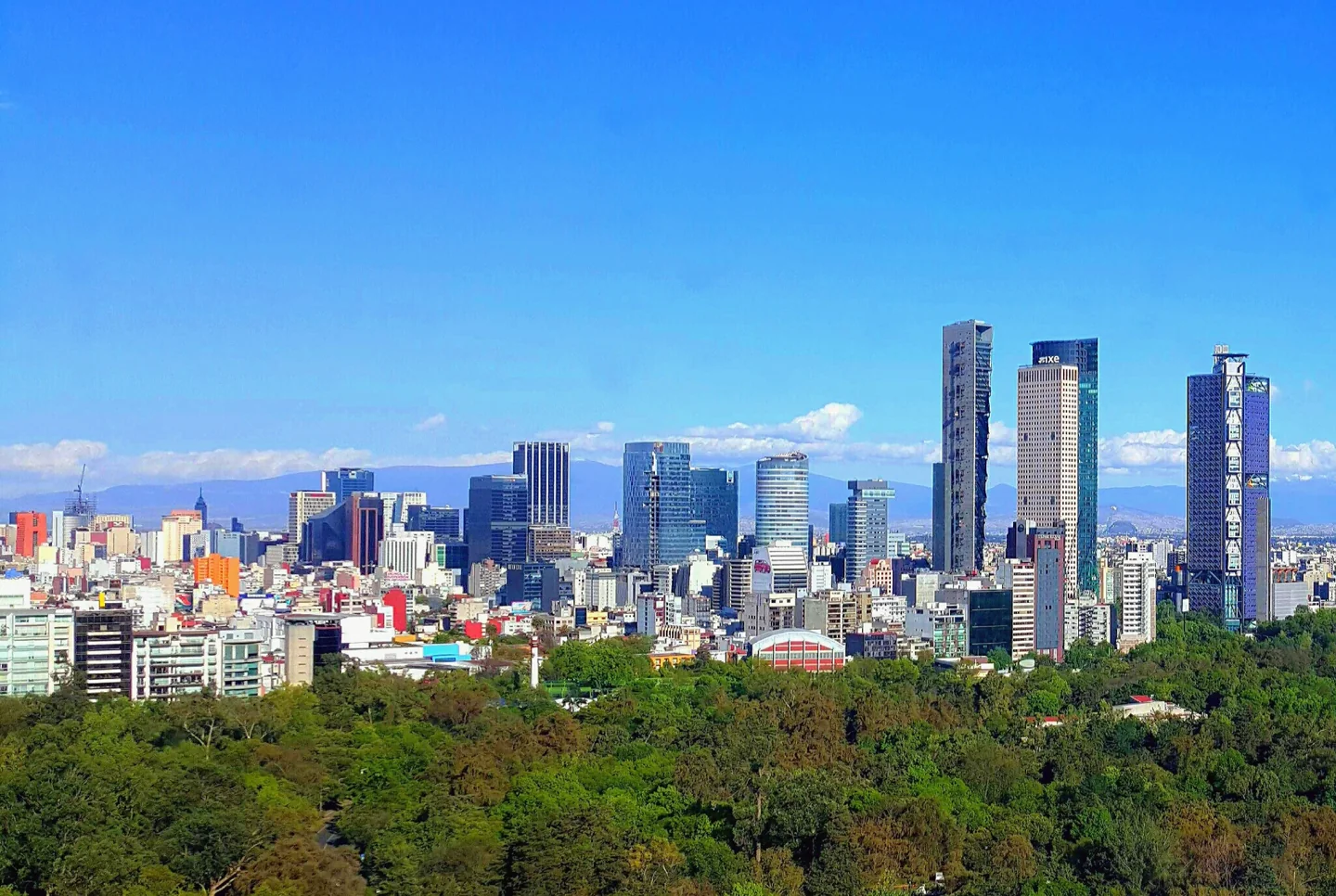
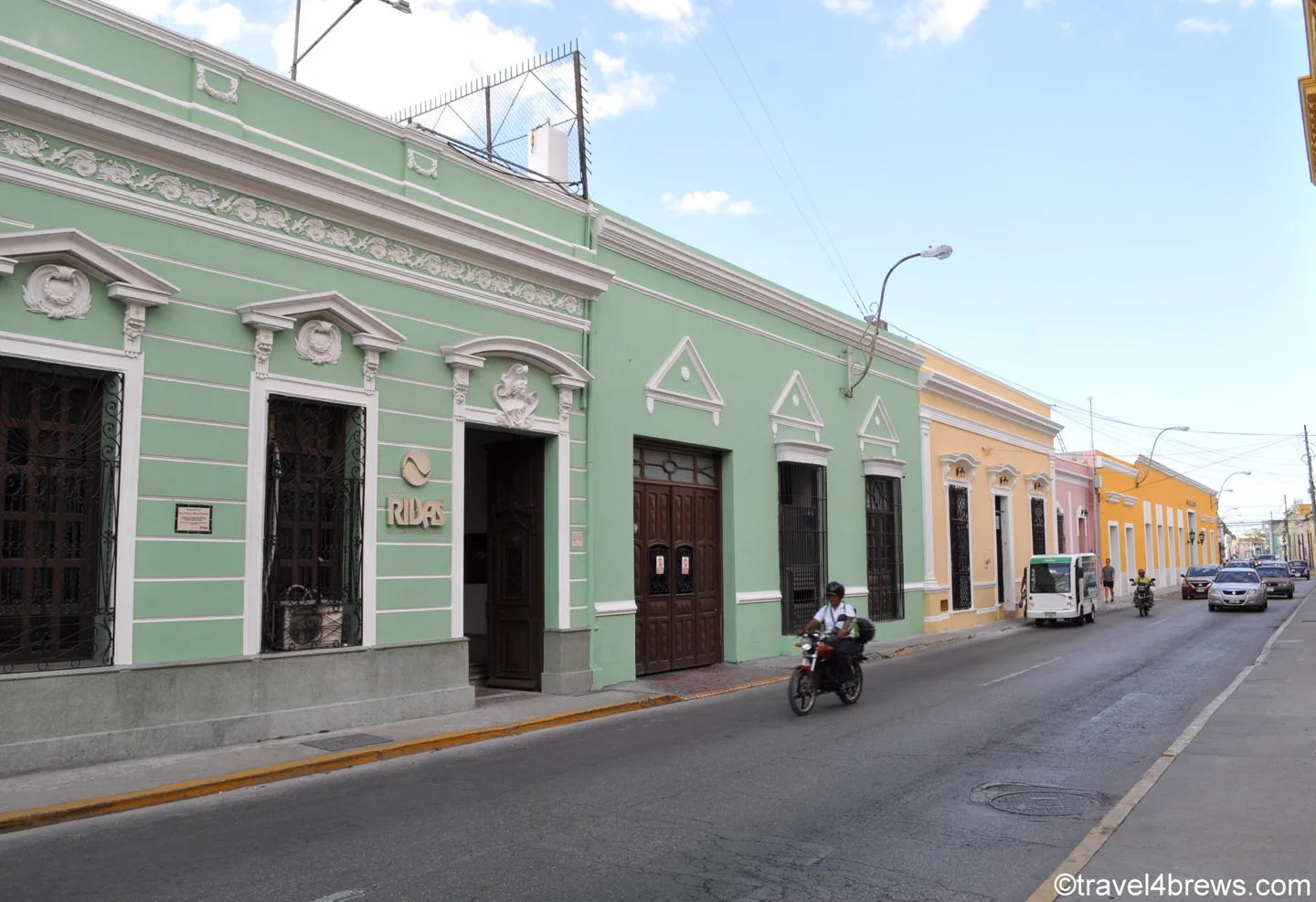
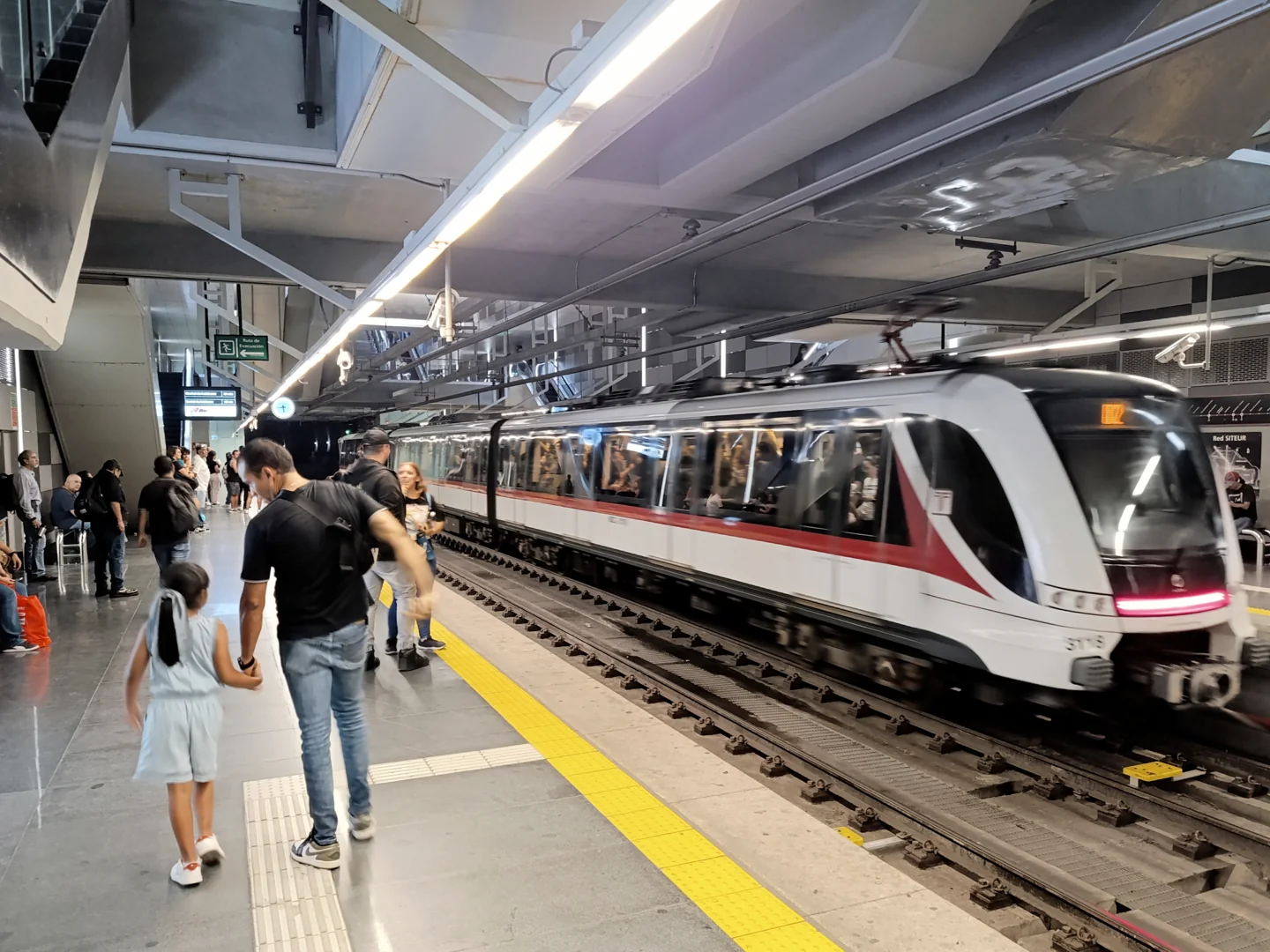
Mexico offers very different versions of daily life: a Metro journey across Mexico City, a rail-linked neighbourhood in Guadalajara, or a house on a street in Mérida. Choose the workplace, school and routines first; the country’s scale makes a national relocation budget or a single housing rule a poor substitute for local planning.
This fourteen-step journey explains the consular application, arrival and residence-card exchange, then the documents and services that make a household function. It covers current 2026 fees and changes, while separating visitor entry, residence permission and the right to work.
Mexico at a glance
- Capital
- Mexico City · Ciudad de México
- Currency
- Mexican peso · MXN
- Immigration authority
- Instituto Nacional de Migración · INM
- Population identifier
- CURP
- Tax identifier
- RFC · Servicio de Administración Tributaria
- Domestic bank transfers
- SPEI · 18-digit CLABE
- Electricity
- Comisión Federal de Electricidad · CFE
- Reviewed
- 15 October 2026
Follow your moving journey
Start at step 1, or jump to the task you are working on.
01Choose the city and test a neighbourhood around your daily journey
Start with an address you need to reach, not a list of popular places. Mexico City, Guadalajara, Monterrey and Mérida are separate housing and transport markets. An offer in one part of a metropolitan area does not make every neighbourhood in that city equally practical.
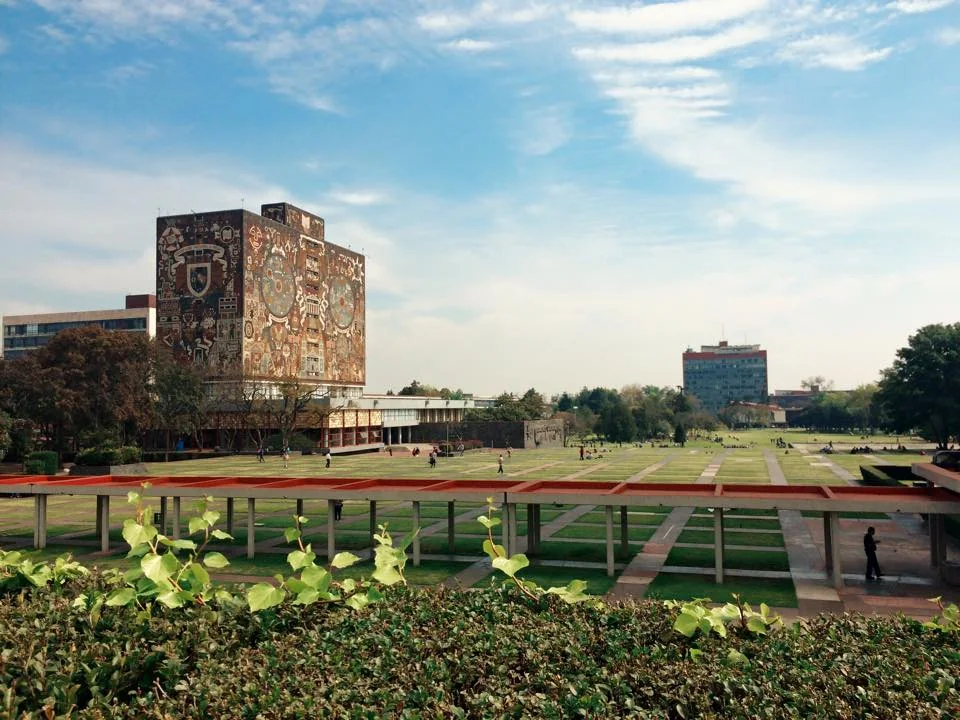
- Put the workplace or campus on a map. For Mexico City, compare a central base around Roma or Condesa with an option nearer the actual destination; a UNAM household should include Coyoacán in the search. In Guadalajara, compare locations in Guadalajara and Zapopan against the particular rail or bus connection.
- For Mérida, view both the central streets and the area serving your workplace or school. Ask to see the property at the time you would normally use it, including the afternoon and evening.
- Check the operator's real route: Mexico City Metro, Metrobús and Guadalajara's SITEUR are useful starting points. Include transfers, walking and the return journey.
- Book a temporary base with an exact address, arrival contact and a clear cancellation policy. Use it to inspect homes and test the commute before signing a long lease.
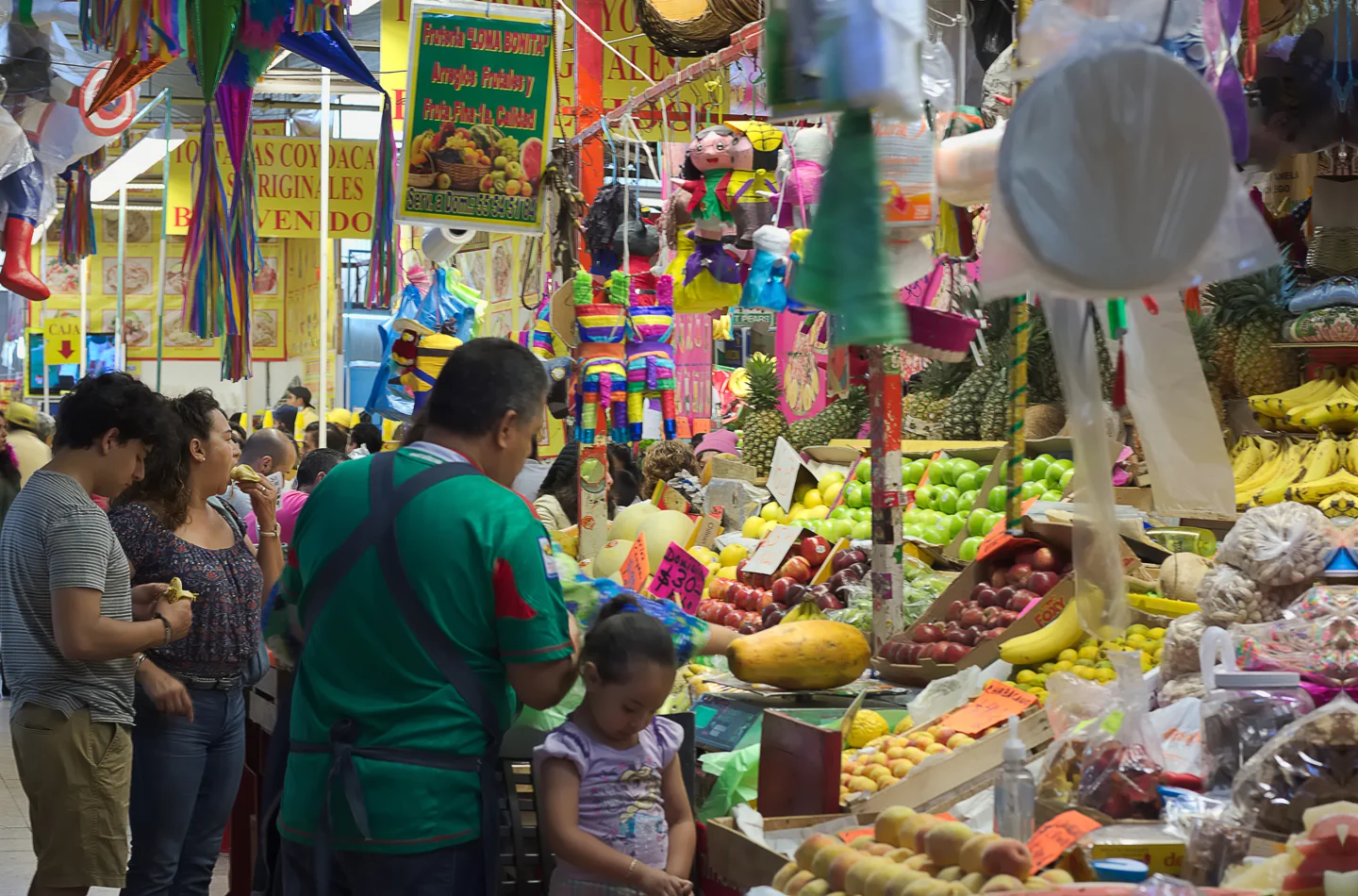
At each viewing, ask about water storage and pressure, internet availability at that address, building charges, noise and access with luggage. Compare the total cost of reaching your destinations with the rent. The photographs here illustrate real locations at their stated dates; they are not current property advertisements.
02Choose the residence route and prepare the consular application
A visitor admission does not provide ordinary residence or local work permission. Temporary residence generally covers a stay beyond 180 days and up to four years, while study, employment and family applications have their own evidence. Identify the category before arranging the move.
The current national visa guidelines use economic-solvency alternatives for ordinary temporary residence: average monthly savings or investments equivalent to 11,460 daily UMA over the preceding twelve months, or net monthly employment or pension income above 680 daily UMA over the preceding six months. With the 2026 daily UMA of MXN 117.31, the calculated amounts are MXN 1,344,372.60 and MXN 79,770.80 respectively. These are eligibility calculations, not a suggested monthly budget; the responsible consulate determines accepted evidence and local-currency handling.
- Find the mission serving your place of application through SRE's official directory. Establish whether it accepts your application location and how to prove lawful stay if you are not a national there.
- Use MiConsulado or the mission's stated booking process. Keep the confirmation and the checklist for the specific category.
- Prepare the required originals and financial history, or the employment, admission or family evidence relevant to your case. Ask how translations and foreign civil records must be presented.
- Apply separately for each family member. Compare every issued visa with the passport, intended activity and travel date before leaving.
Do not copy another consulate's dollar threshold into your own application. Retain the relevant checklist and the statements actually submitted so that a later question can be answered from the same record.
03Settle the work arrangement before the first paid activity
Distinguish employer-sponsored entry from permission requested by someone who already holds residence. The INM employer-offer procedure involves the Mexican employer's registration, a documented offer and the relevant authorization before the consular stage. Ask the employer which procedure it is undertaking and who will monitor it.
- Obtain the employer's legal name, workplace, occupation, remuneration and contract duration in writing. Confirm who pays immigration, translation, travel and temporary-housing expenses.
- If the employer obtains an interview authorization, record its validity and arrange the consular stage within the stated window. Keep the authorization notice with the appointment confirmation and the employer's case reference.
- If you already have temporary residence and intend to begin local paid work, use the work-permission procedure appropriate to your status. An offer and an application are not the same as approval.
- For independent activity, the published procedure includes a declaration of the occupation and work location and RFC registration. Complete the necessary tax and professional arrangements before issuing invoices.
Remote workers should describe the real arrangement to the responsible immigration and tax advisers: who pays, where clients are located, whether work is performed for Mexican entities and whether there is a local business. The sources reviewed do not establish a separate general digital-nomad visa. A salary paid into a foreign account does not by itself settle tax residence or payroll obligations.
Keep the contract, authorization and tax registration together. If the job or workplace changes, identify both the employment-permission implications and the separate resident-notification requirement covered later in this journey.
04Separate the move fund, monthly spending and tax obligations
Build two budgets. The arrival fund covers flights, accommodation overlap, residence processing, a rental deposit, freight and setup. The established-month budget covers rent, maintenance charges, utilities, food, transport, communications and insurance. Obtain dated quotations for the city and household rather than using one national cost-of-living figure.
| Item | Verified amount or calculation | Scope |
|---|---|---|
| First temporary card through canje | MXN 11,141 for one year; MXN 5,570 where the 50% rate applies | Separate from the consular visa application |
| IMSS voluntary health cover, age 40–49 | MXN 14,350 annually | Per accepted person; advance payment, conditions apply |
| IMSS voluntary health cover, age 60–69 | MXN 20,600 annually | Per accepted person; not an automatic pensioner benefit |
| Mexico City Metro | MXN 15 card; MXN 5 ordinary ride | Example: forty ordinary paid entries cost MXN 200, excluding other transport |
| Housing and household setup | Quoted rent + agreed charges + deposit + setup costs | Use the actual property and contract |
Sources are Economy/INM, IMSS's March 2026 table and the Metro operator. Do not add a change-of-status fee to an ordinary visa exchange merely because another immigration procedure lists it.
Tax residence is a different question from the residence card. Article 9 of the Federal Fiscal Code examines a home in Mexico and, where there is also a home abroad, the centre of vital interests. The Income Tax Law generally brings a Mexican tax resident's worldwide income into scope. Have the arrival date, foreign salary, pensions, business income and any treaty position assessed together.
05Arrange the school application or university recognition
Begin with age, last completed grade, language of instruction and the intended length of stay. Collect reports, qualifications, birth or identity records and any learning-support information. Ask the receiving institution which translations it needs before paying for them.
- For public basic education in Mexico City, use AEFCM's inscription and school-transfer service and ask about the process for your child's circumstances. Seasonal registration windows should not be assumed open simply because the page remains online. Elsewhere, approach the education authority for the state where you will live.
- For an English-language starting point in Mexico City, the American School Foundation publishes a route for families arriving from abroad: application, recommendations, interview and assessment as applicable. Rolling applications remain subject to space and selection. Check language expectations for the particular grade.
- For UNAM with foreign secondary qualifications, DGIRE's instructions explain the F-69 grade equivalence and recognition of completed bachillerato. Recognition of studies and selection for admission are separate stages.
- For Tecnológico de Monterrey, follow the institution's six-stage process through Solicitud Tec: application, admission fee, applicant profile, tests, decision and enrolment. Select the programme and campus first.
Tec's published admission-processing fee is MXN 2,000 for applications from September through December 2026 and is non-refundable; tuition is separate. Its initial application instructions distinguish uploaded records from later original-document requirements. An admission offer should then be matched to the appropriate student immigration process.
Before accepting housing, test the school or campus journey at the actual start and finish times. Request a complete fee schedule that includes registration, transport, meals and any required materials; do not assume an advertised tuition amount covers all of them.
06Match retirement plans to residence, healthcare and pension payments
Mexico has a permanent-residence category for qualifying retirees or pensioners; it is not automatic on reaching a particular birthday. Under the national guidelines, the financial alternatives are a twelve-month average savings or investment balance equivalent to 45,850 daily UMA, or net monthly pension income above 1,140 daily UMA over six months. Using the 2026 daily value, the calculated amounts are MXN 5,378,663.50 and MXN 133,733.40. Confirm the pensioner evidence and application handling with the responsible mission.
- Compare the qualifying permanent route with a temporary-residence route you actually meet. Do not assume that any investment balance proves pensioner status or that a spouse automatically receives the same category.
- Ask the pension payer how to record Mexican residence, which account details it accepts and whether a continuing proof-of-life process applies.
- Price healthcare before choosing the long-term base. Describe existing conditions and medicines accurately when obtaining private or voluntary public-cover information.
- Test practical access to routine appointments, pharmacies and assistance at home, especially if considering a location outside a major city.
Keep the pension gross amount, withholding, conversion costs and amount actually received in one worksheet. Review cross-border taxation with the relevant income records rather than treating the immigration category as a tax exemption. Include a travel contingency and any care costs that will not be insured.
For a couple, make a separate plan for each person's residence document, treatment needs and access to the bank account. Keep important records available to both adults and record who can act if one person cannot attend an appointment.
07Prepare documents, the household inventory and pet travel
Carry passports, issued visas, application decisions, civil records, employment or admission evidence and accommodation details with you. Keep a secure digital copy and the originals needed for appointments outside the household shipment.
- Separate documents by receiving institution. Consular, school, immigration and tax authorities may need different translations or authentication. Establish the requirement for the actual task rather than ordering the same treatment for every paper.
- Prepare a Spanish household inventory, identifying boxes and describing valuable or electronic items with make, model and serial number. The consular household-goods guidance is a practical starting point for the documentary list.
- Obtain a freight quotation that separates packing, transport, customs representation, destination handling, storage and final delivery.
- Have the broker identify the applicable import regime. The 2026 trade rules distinguish temporarily imported household goods for temporary residents from permanent import arrangements. A car requires separate analysis; do not include it as an ordinary box in the household inventory.
For dogs and cats, use SENASICA's August 2026 instructions for the actual origin and route. A dog originating in and arriving from the United States needs the specified screwworm inspection document signed by a USDA-accredited veterinarian within five days before travel; cats are exempt from that particular document. Canadian-origin pets arriving from Canada follow a different documentary arrangement. Other origins have separate health-certificate requirements. Physical inspection still applies.
Agree carriage with the airline separately from animal-health clearance. Preserve the certificate originals, route and animal identification together, and confirm the inspection point before departure.
08Enter with the correct visa and organize the first three days
A residence visa must lead into the resident-card exchange process. Present the visa and explain that you are entering for canje at the immigration check. Do not assume a visitor admission is interchangeable with that record or that every automated entry channel is suitable.
- Check the entry information before leaving the immigration area. Keep the passport, visa and relevant admission evidence together.
- Use INM's service portal for the applicable digital FMM and appointment service. Save the record associated with your actual entry. Air, CBX and land procedures are not identical.
- Follow the arranged transfer to the exact accommodation address. In Guadalajara, Jalisco's Macro Aeropuerto information provides current route options; verify the stop and any onward connection rather than assuming the airport bus reaches your street.
- Establish access to funds, food and a usable phone. Keep the accommodation contact and address offline until mobile service works.
- Make the residence-card exchange the first administrative priority. Record the thirty-calendar-day limit and the evidence still needed for the appointment.
At the temporary property, confirm the keys, water arrangements, electricity, internet and the contact for a fault. Photograph the agreed condition if the booking requires a deposit. Obtain receipts and retain the address record for subsequent appointments.
Avoid committing to substantial furniture or a permanent lease during the first evening. Use the first days to establish which offices you must attend, how to reach them and which documents must be printed or presented in original.
09Exchange the visa, check CURP and register correctly with SAT
For an ordinary residence-visa exchange, the published INM procedure calls for the application, passport, valid visa, FMM, formato básico and payment evidence. Present originals and the required copies. The current service guidance says photographs are taken at the INM office; follow the appointment instructions rather than buying an old-format photo set automatically.
- Prepare the INM application for “Canjear o reponer documento migratorio”, selecting the appropriate FMM-to-card exchange. Arrange the local appointment through the official process.
- Submit within thirty calendar days of entry and retain the case reference, receipts and any request for further evidence. Check the issued card's name, category and validity.
- Check your CURP assignment. INM assigns it with the foreign-person record and includes it on the residence document. Resolve an error through the responsible service; do not create a second identity record to work around it.
- For tax registration, book a SAT appointment. The 2026 form 1/CFF provides free RFC registration, generally within the month after starting operations or needing the identifier. Prepare original accepted address evidence, ID and the applicable migration documents.
Applicants without permission for paid activity who need an RFC for another purpose must provide the required written explanation. Additional foreign tax-identification evidence can apply. Keep the registration acknowledgment and Constancia de Situación Fiscal, and confirm the recorded activity and address. RFC and CURP are different identifiers; obtaining an RFC does not itself grant work permission.
Ask about e.firma and the tax-account functions required for your activity. Keep any personal signing credentials under your control.
10Open an account and learn CLABE and SPEI payments
Choose an account using its formal foreign-resident checklist and fee schedule. A digital-account advertisement is not evidence that every newcomer can complete opening with a passport alone.
- As a practical branch-based example, BBVA's Libretón Premium instructions list a current migration document, passport, CURP evidence if it is not on the migration document, and accepted address proof no more than three months old. Ask the branch which versions apply to your circumstances.
- Compare maintenance charges, conditions for avoiding them, card withdrawals, transfer charges and any transaction limits. Keep the account contract and current fee brochure.
- Obtain the account's CLABE and verify the holder's name. Banco de México explains that the CLABE has eighteen digits and is used for domestic SPEI transfers.
- Make a small test transfer before relying on the account for the full move fund. Distinguish domestic SPEI details from the instructions needed for an international transfer.
For a rent or supplier payment, verify the beneficiary through the agreed contact and enter the reference requested in the contract or invoice. Retain the bank's confirmation. Banco de México's CEP service provides a payment receipt when the receiving institution has confirmed the SPEI credit; a screenshot of a pending instruction is a different record.
Keep another usable payment method while the account is being established. Do not move the entire arrival fund on the assumption that a branch appointment guarantees immediate approval, a particular transfer limit or credit.
11Inspect the home and understand the rental guarantees
Rental law is local. A condition found in a Mexico City residential lease should not be treated as a national rule for Jalisco, Yucatán or another state. Obtain advice for the actual property and agreement when a guarantee, fee or clause is unclear.
- View the home and establish who is entitled to let it. Request the landlord's identity and the authority of any representative before transferring money.
- Read the contract for rent, currency, payment date, term, renewal, early departure, maintenance and repairs. Define “mantenimiento”: it may be a separate building charge rather than part of the quoted rent.
- Clarify the guarantee. A fiador is a guarantor; a proposed póliza jurídica is a separate legal or screening arrangement. Ask what it costs, what it actually covers and whether the landlord accepts another guarantee.
- Record the condition and furniture with dated photographs, meter readings and a signed inventory. List promised repairs and the person responsible.
- Inspect water pressure, storage, ventilation, gas arrangements, locks and internet service at the address. Request the latest utility bills and establish how previous balances will be resolved.
For residential tenancies covered by Mexico City's Civil Code, the deposit cannot exceed one month's rent and the agreement must be written. The local rules also provide for landlord registration of contracts. The city's rent reform limits the annual increase by the applicable prior-year inflation rule. Have these provisions checked against the proposed agreement; they do not establish that an advertised property is lawful or available.
Keep separate proof for the deposit, first rent, agent charges and any guarantee payment. Confirm how the deposit will be returned and how condition or utility deductions will be evidenced.
12Establish health coverage and a practical care route
Ask a Mexican employer how workplace social-security enrolment will be completed and how eligible household members are registered. An immigration card alone does not establish that you have active medical cover.
- Obtain a concise treatment history, prescriptions and relevant results before departure. Confirm how to continue regular treatment in the receiving city.
- If you lack another social-security scheme, investigate IMSS's Seguro de Salud para la Familia. It is voluntary and paid annually in advance. The published process uses CURP, NSS and personal email for online access, or the relevant subdelegation with its document checklist.
- Disclose pre-existing conditions accurately. The scheme has exclusions and waiting periods, and acceptance should be established before you rely on it.
- IMSS states that services begin on the first day of the following month after enrolment. Preserve evidence of the actual acceptance and start date, and arrange cover for any gap.
- Compare private policies for the hospitals, locations and treatment you expect to use, including deductibles, co-payments, authorization and reimbursement.
The March 2026 IMSS fee table is age-based and per person, not one price for the household. Budget the full annual payment when considering it. A monthly savings allocation is your own budgeting calculation, not a monthly instalment offer from IMSS.
After choosing the home, identify a practical clinic, pharmacy and hospital route. Ask how appointments are booked and how to establish whether a provider accepts the chosen policy. Keep insurance details and important medical information accessible when travelling between cities.
13Connect utilities, register the phone and buy the right travel card
Begin with the property's existing service numbers and the signed condition record. Ask whether each account remains with the landlord, changes name or requires a new contract.
- For CFE electricity, prepare identification, the precise address, RFC and contact details. Its residential guidance distinguishes contracting from a new physical supply: the application itself has no charge, while a guarantee deposit applies. Establish the account balance and required installation conditions.
- For water, identify the municipal supplier and account. In Mexico City, SEGIAGUA handles account and meter-related procedures. Agree who pays and who can request a correction or repair.
- Register the mobile line. Telcel's 2026 instructions require registration for new lines and provide foreign-passport or applicable foreign CURP arrangements. Use the provider's service centre or official remote process; a remote identity check can include a selfie. Test calls and data before leaving the setup point.
- Choose a prepaid package by its validity, usable data and calling scope. Check whether repeat purchase is automatic. Test home internet before depending on it for employment.
In Mexico City, an ordinary Metro ride is MXN 5, with a MXN 15 Movilidad Integrada card. Ordinary Metrobús service is MXN 6; special airport services need their own fare check. Guadalajara's Macro Aeropuerto began charging MXN 11 from 8 June 2026 after its launch period. Use the card and route appropriate to the city, and confirm the final connection to your destination.
14Make the first month work and close the outstanding tasks
Use the first month's receipts and journeys to replace assumptions. Record what is active, what has only been requested and the next date or document needed. One household calendar is more useful than several disconnected application emails.
- Check the residence case or issued card, CURP details, RFC record and any outstanding employer documents. Store the submission evidence and decision separately.
- Confirm that incoming payments arrive, the lease and bills identify the correct property, and recurring charges match the agreement. Review actual food, transport, communication and utility spending.
- Complete school follow-up and test the ordinary weekly timetable. Keep the admission or registration evidence and the responsible contact.
- Confirm health coverage dates and the routine-care arrangements. Refill ongoing prescriptions through the appropriate local provider before supplies are exhausted.
- Track resident changes. INM requires notification within ninety calendar days of relevant changes such as address, workplace, civil status, name or nationality. Its process uses the form, signed explanation and applicable supporting records.
Build a local routine through the places you use: colleagues, the school or campus, a neighbourhood market, language classes or a regular activity. Learn the colonia name and how people describe the nearest crossroads. Keep the exact address available for deliveries and appointments.
At the end of the month, review repairs, unpaid reimbursements, delayed documents and any travel planned before the residence process is complete. Give each unfinished item a next action and date. A settled household is one that can handle ordinary life and find its records without starting the process again.
Sources & further reading
Reviewed 15 October 2026. Sources are linked beside the relevant instructions. Reviewed against the current visa guidelines, 2026 tax procedures, immigration guidance, institutions and service providers. Some government and consular pages supplied indexed primary evidence but blocked full retrieval; those access limits were respected. Current national rules take precedence over inconsistent older consular dollar examples. Local rental and transport instructions identify their city. Photograph dates are retained and do not represent current rental availability. Figures checked 15 October 2026 and shown in Mexican pesos (MXN). Residence-card prices apply to the stated procedure and category; the consular application is separate. Solvency amounts are labelled calculations using the 2026 daily UMA, not living-cost estimates. Health premiums are annual per person and depend on age and acceptance. Transport prices are local operator fares; housing, schools and insurance require household-specific quotations. Photograph credits, licences and capture years appear with the images.
Browse the source directory
- SEGOB/SRE — current general visa guidelines
- INEGI — 2026 UMA values
- SRE — embassy and consulate directory
- MiConsulado — official appointment service
- Economy/INM — exchange a temporary resident visa for a card
- INM — service portal and appointments
- INM — residence procedure form
- INM — employer-sponsored entry for work
- Economy/INM — permission to work
- INM — reporting resident changes
- RENAPO/INM — CURP assignment for foreign residents
- Chamber of Deputies — Federal Fiscal Code, article 9
- Chamber of Deputies — Income Tax Law, article 1
- SAT — 2026 tax procedures, Annex 2, form 1/CFF
- SAT — appointment service
- AEFCM — 2026 school inscription and transfers
- American School Foundation — applying from abroad
- UNAM — foreign bachillerato recognition and F-69
- Tecnológico de Monterrey — application instructions
- SAT — 2026 foreign-trade rules for household goods
- Mexican Consulate Kansas City — 2026 foreign-resident household goods
- SENASICA — August 2026 pet-entry instructions
- BBVA México — foreign resident account checklist
- Banco de México — SPEI, CLABE and payment receipts
- Mexico City — consolidated Civil Code, residential leases
- Mexico City Congress — residential rent reform
- IMSS — Seguro de Salud para la Familia
- IMSS — March 2026 family-health premium table
- CFE — residential electricity contract
- SEGIAGUA — Mexico City water account services
- Telcel — 2026 mobile-line registration
- Telcel — prepaid packages and activation
- Mexico City Metro — travel card and fare
- Mexico City Metrobús — ordinary services and payment
- SITEUR — Guadalajara Macro Aeropuerto service
- Jalisco — Line 5 airport routes
Make your next step a practical one
Choose the city around your daily destination, establish the appropriate consular route and prepare the financial or employment evidence before booking the permanent move.