Visa
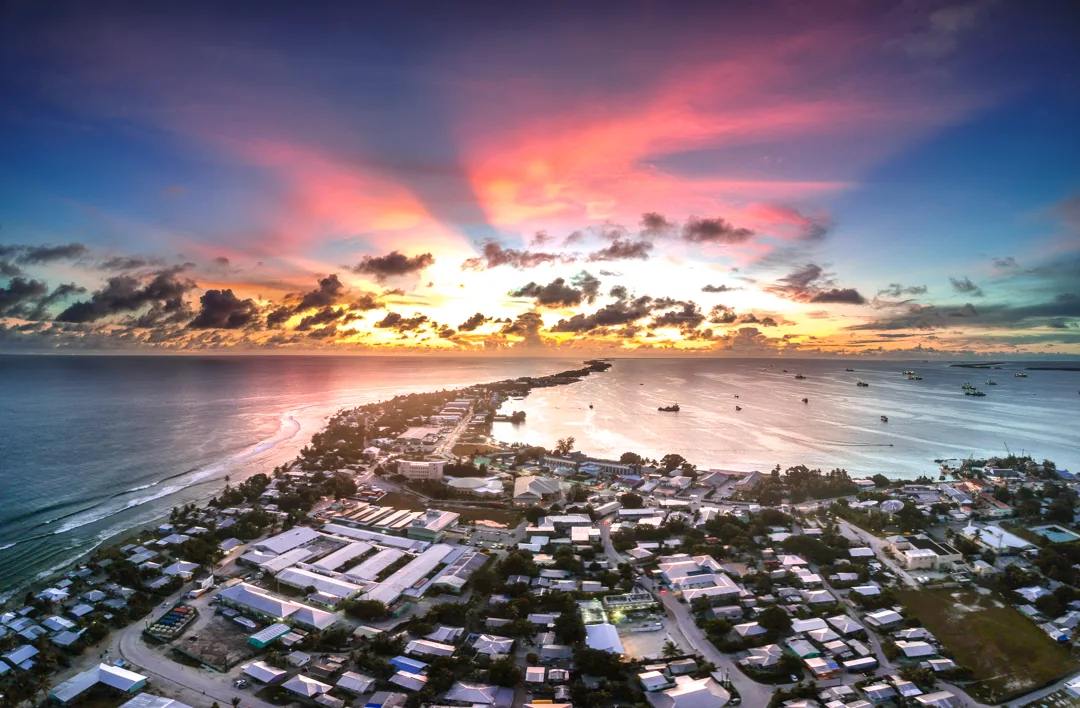
Moving & Living - Marshall Islands - Complete Guide
Plan a move to the Marshall Islands in fourteen steps covering Majuro and Ebeye, work and entry permissions, family, schools, budgets, registrations, banking, housing, healthcare and island services.
Photo credit
On Majuro, the road, lagoon and ocean shape the daily trip between home, school and work. A move to Ebeye or an assignment at Kwajalein needs a different set of arrangements. The island and the actual address matter as much as the country.
This fourteen-step journey follows the move from choosing a base to the first month's paperwork and household routine. It explains the distinction between entry, work authorization and registration, including the 2025 labor amendment, and gives practical starting points for schools, money, health and utilities.
Marshall Islands at a glance
- Main urban bases
- Majuro and Ebeye
- Everyday currency
- US dollar · USD
- Immigration authority
- Division of Immigration
- Employment authority
- Labor Division
- Social security
- Marshall Islands Social Security Administration · MISSA
- Reviewed
- 15 October 2026
Follow your moving journey
Start at step 1, or jump to the task you are working on.
01Choose your atoll, then test the daily journey
Start with the island named in your contract. A job in Majuro, a position on Ebeye and an assignment at the US Army installation on Kwajalein lead to different housing and access arrangements. Do not book a home on the assumption that all three are interchangeable. In particular, ask a Kwajalein employer to explain installation access and accommodation before you plan an independent move.
- Locate work and school first. For Majuro, put Delap, Uliga and Djarrit on your shortlist, then compare the actual address with your workplace. Ask for a map pin and a nearby landmark rather than relying on a postal box.
- Visit at the times you will travel. Test the school run, grocery trip and evening return. A quiet coastal location is less convenient if every errand requires transport you have not arranged.
- Compare the house, not just the view. Ask how water is stored, which electricity meter serves the property, whether mobile reception works indoors and where people move valuables during coastal flooding.
- Treat an outer-island assignment as a separate plan. Obtain a written explanation of transport, resupply, medical referrals, accommodation and leave travel from the organization placing you there.
The Ministry of Public Works publishes the Majuro Master Plan as a useful starting point for understanding infrastructure and development. It is planning material, not a guarantee of services at a particular house. Use the ministry's current planning resources.
02Separate visitor entry from permission to live and work
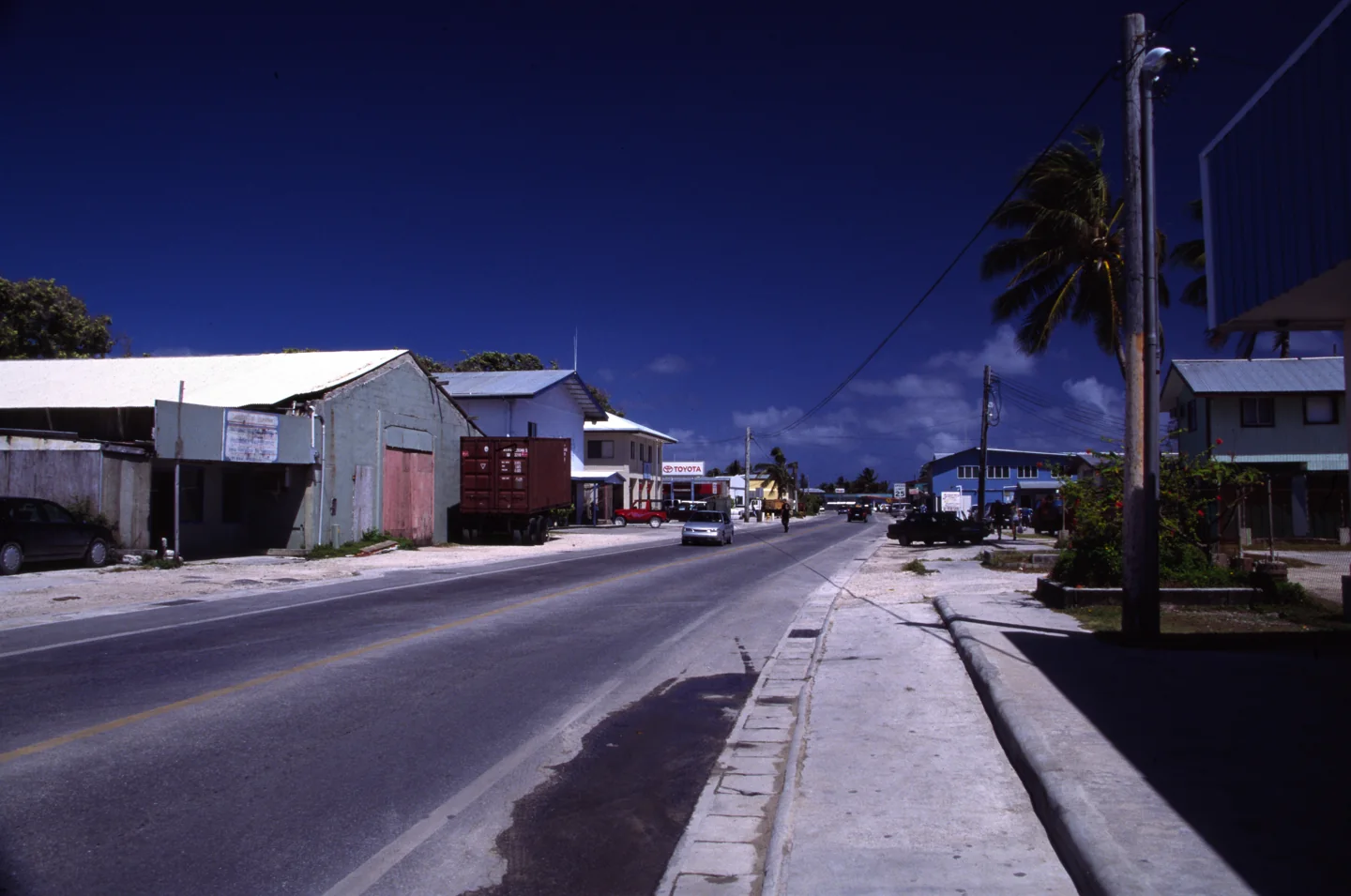
A visitor waiver or visa on arrival answers the entry question; it does not by itself establish the right to take a job. The embassy publishes passport-specific entry categories, and visitors must carry a passport valid for at least six months, sufficient funds and an onward or return ticket. Read the embassy's consular instructions.
| Your purpose | Starting point | What to resolve before travel |
|---|---|---|
| Employment | Employer and Labor Division; employment visa where required | Permit or exemption, immigration permission and registration |
| Accompanying family | Immigration's G-1 dependant category | Eligible relationship and each person's permission; dependant status does not authorize work |
| College study | Admission followed by S-1 student permission | Acceptance, finances and the student's entry documentation |
| Operating a business | Foreign Investment Business License and the appropriate immigration/labor permissions | A business license alone does not settle the personal immigration question |
- Write down each person's citizenship, purpose, proposed arrival date and length of stay. Include children and dependent relatives separately.
- Use Immigration's category instructions to identify the application and supporting documents. Ask the employer or college to identify what it supplies and what you must obtain abroad.
- Keep approvals and receipts together. Compare names, passport numbers, employer and validity dates before booking the final journey.
Immigration's Live & Work instructions link to the application forms and explain the categories. Arrange the submission method with Immigration before sending documents; its linked eVisa login returned a server error during this review. The immigration website contains some inconsistent summaries of labor requirements; the legislation discussed in the next step provides essential context.
03Agree the employment package and complete the labor process
The Labor (Non-Resident Workers) Act 2018 replaced the 2006 labor law still mentioned on some web pages. Section 108 exempts US citizens from work permits and covers Palauan and FSM citizens subject to reciprocity. Exempt workers still have labor-registration duties. Have the employer record which exemption applies rather than treating citizenship as an exemption from every formality. Read sections 108 and 120.
- Negotiate the whole package. Obtain the salary currency, payroll deductions, housing allowance or supplied accommodation, utilities, medical insurance, school support, flights and repatriation terms in writing. Ask who pays permit and document costs.
- For a permit-required general job, let the employer complete local recruitment. Section 115 requires evidence of advertising in local media for three consecutive weeks and an unsuccessful search for a suitable citizen worker. Immigration's web page also mentions 30 days; ask the employer to obtain the Labor Division's current filing instruction before scheduling your start.
- Prepare your side of the file. Supply the signed contract, passport, qualifications and requested health and police clearances. Do not travel expecting a visitor stay to be converted routinely into a first work permit.
- Match labor and immigration approvals. Check that both cover the actual employer and work. If your employer changes, obtain the required written authorization before starting the new job.
The 2025 amendment permits qualifying non-temporary renewals for up to five years depending on contract duration, changes the repatriation cycle to five years and allows work visas up to five years. It retains the requirement to submit an extension no later than 30 days before expiry. Your issued permission can be shorter: the amendment is not an automatic five-year grant. Read the certified 2025 amendment, especially pages 4–8.
For remote work, describe your actual arrangement to Immigration and Labor before moving. An overseas salary and a tourist entry do not establish a dedicated remote-worker residence route. For a business, resolve the investment license and permission to operate personally before signing a lease or hiring staff.
04Build a quote-based budget and calculate take-home pay
Use US dollars for the budget and obtain written local quotes. Housing supplied by an employer can change the calculation more than a small difference in salary. Separate payments that remain your money, such as a bank opening deposit, from non-refundable expenses.
| Budget line | Before arrival | Each month or billing cycle |
|---|---|---|
| Home | Temporary accommodation, agreed rental deposit, furnishings | Rent; electricity and water according to the contract |
| Health | Examinations, medicines, insurance premium and evacuation cover | Premiums, appointments and out-of-pocket treatment |
| Children | School application, enrollment and transport arrangements | Tuition, meals, supplies and transport |
| Connectivity | SIM, installation and equipment where required | Mobile and home internet subscriptions |
| Move and contingency | Flights, transit documents, freight and customs charges | Groceries, transport and a reserve for disrupted travel |
Published service examples, checked 16 October 2026: NTA lists its PLUS mobile plan at US$50 a month for up to 50GB with nationwide talk and text. Its residential 10Mbps DSL offer lists US$49.95 a month, US$49.95 installation and US$94.38 equipment. These undated offers require confirmation for your device and address. The first broadband bill would be US$194.28 if those three charges apply, calculated as 49.95 + 49.95 + 94.38; mobile service is separate. Compare NTA mobile plans and residential offers.
For ordinary covered employment, MISSA publishes an employee retirement contribution of 8% on taxable wages up to US$10,000 per quarter and a Health Fund contribution of 3.5% on a separate US$5,000 quarterly ceiling. Employers contribute matching amounts. Exempt earnings and special international-agreement cases need their own assessment. Use MISSA's contribution guidance.
- Ask payroll for a sample payslip showing wage tax, retirement, Health Fund and any housing or meal deductions. Do not assume an advertised salary is take-home pay.
- Keep the household's moving costs and ordinary monthly spending in separate columns. Price groceries using the quantities and brands you actually buy.
- Ask the Ministry of Finance how your employment, business or overseas income is classified. A company's offshore incorporation rules do not describe the tax treatment of a person working locally.
- If you retain income, property or filing duties abroad, arrange advice covering both countries before your first payroll or invoice.
05Secure school places or college admission before fixing the home
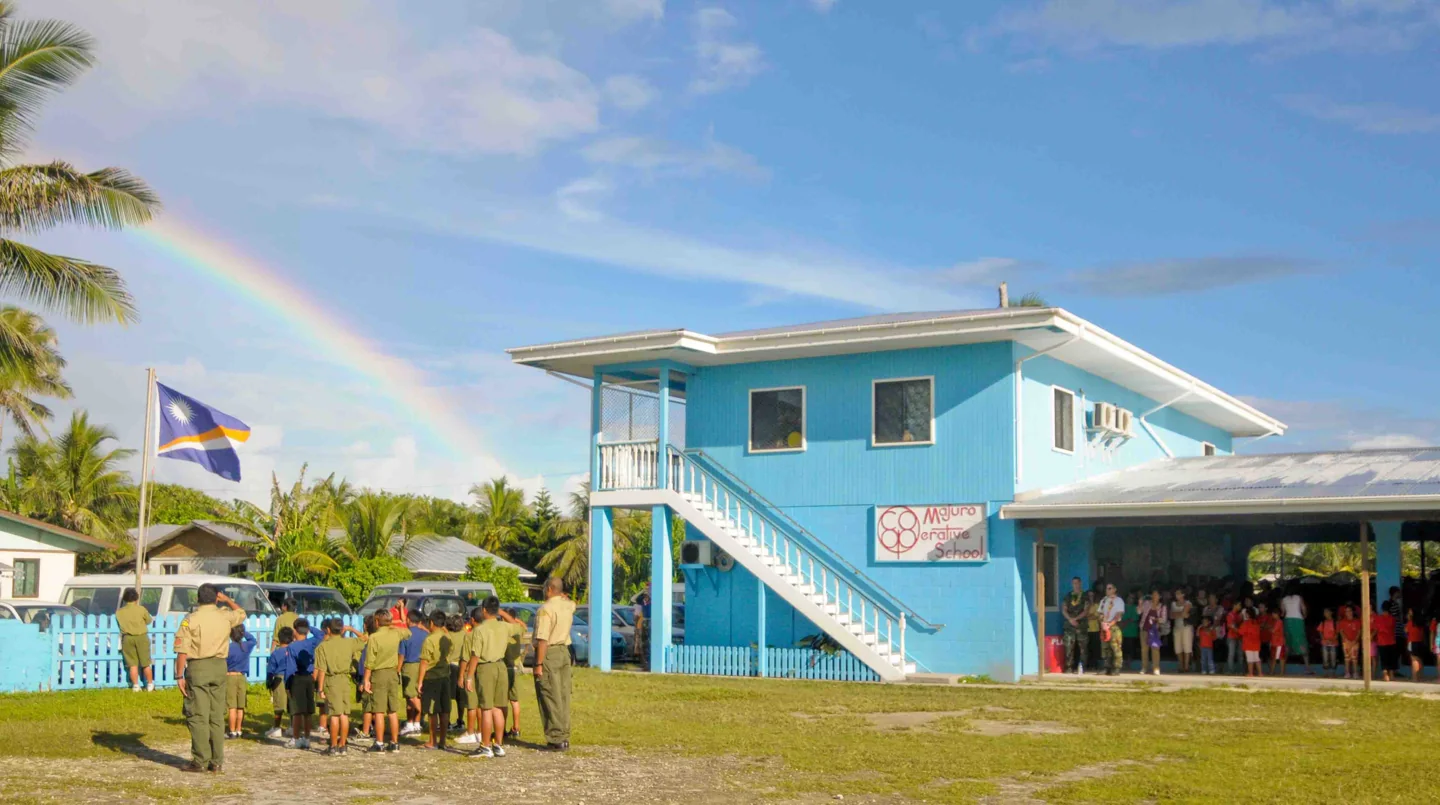
Majuro Cooperative International School, usually called Co-op, is a private secular school covering Pre-K through grade 12. It is a practical starting point for families comparing options in Majuro. Its own site supplies the school calendar and contact route; request the current admissions requirements, itemized fees and available year group directly. Explore Majuro Cooperative School.
- Send the school the child's date of birth, current grade, reports, language background and any learning or medical support needs. Ask which documents must be originals.
- Obtain written confirmation of the place, start date, payment schedule and transport arrangements. Choose housing after testing that journey.
- Bring vaccination records and previous reports. If a child needs specialist support, agree what the school can provide before accepting the place.
For higher education, the College of the Marshall Islands accepts applications for fall, spring and summer. Its published deadlines are June 30, November 30 and April 30 respectively; international applicants are advised to start about six months ahead. The college's definition of an international student excludes several Pacific and US citizenship categories, so use its classification rather than assuming every foreign applicant pays the same rate. Read CMI admissions.
Prepare transcripts, diploma, identification, vaccination records and evidence of funds. Applicants missing only the student entry permission and RMI social-security card can be considered for conditional admission; use the conditional letter to complete the immigration stage. The online CMI tuition and fees table is labelled 2022–2023. Request a dated quote for your intended semester rather than treating those older amounts as current. Admission and student immigration approval remain separate decisions.
06Test whether retirement is legally and medically workable
Do not use Immigration's R-1 heading as evidence of an open retirement visa. Its listed residence categories concern particular certificate holders and citizenship-related circumstances. Receiving a foreign pension or buying accommodation does not establish eligibility. Compare the actual R-1 categories.
- Identify the residence basis you qualify for, including any citizenship or family circumstances. Have Immigration confirm the category and renewal conditions before you commit to a long lease.
- Discuss your existing conditions and required treatments with a clinician and insurer. Obtain a plan for prescriptions, specialist appointments and off-island treatment.
- Ask your pension provider how overseas residence affects payment and required proof-of-life or address reporting. Budget the cost of periodic travel.
- If you have worked locally, request a personal contribution history and benefit assessment from MISSA. Eligibility, foreign residence and lump-sum options depend on the particular record; payroll deductions are not a promise of immediate retirement benefits.
MISSA's FAQ explains the retirement system and how to request a contribution history. Keep pension eligibility separate from permission to reside in the country.
07Prepare a document folder and obtain shipping and pet instructions
- Build one folder per person. Include passports, approvals, birth and relationship certificates, employment or college documents, vaccination records and prescriptions. Keep scanned copies accessible offline.
- Time short-lived clearances carefully. Obtain the current checklist before ordering police and medical documents. Coordinate their validity with the application date rather than ordering everything months before the employer can submit.
- Ship only after confirming the destination arrangements. Obtain an inventory-based quote covering collection, freight, local clearance, storage, delivery and any unpacking. Ask the receiving agent which household effects qualify for relief and which permits or duties apply; do not assume the entire shipment is tax-free.
- Apply separately for pets. The Quarantine Division's published dog-and-cat form requests the animal, owner, handler, origin, destination and transport details, with supporting documents submitted no less than two weeks before arrival. The form is dated 2019 and leaves the fee blank: obtain current health conditions and a written fee quote before reserving animal transport. Download the government animal-permit form.
USDA's Marshall Islands pet page contains instructions specifically about USAKA and routing through Hawaii. Do not apply that installation-specific route automatically to a pet arriving in Majuro. Give Quarantine and the airline your exact itinerary, including transit airports, and use the conditions issued for that journey. Read the scope of USDA's pet instructions. Carry the approved permit and required original veterinary papers with the animal.
08Arrive with the approval folder, cash and a collection plan
- Carry the passport and entry approval that match the purpose of the move, together with your employer or college contact and accommodation address. Keep them in hand luggage.
- Before leaving immigration control, check the recorded category and expiry date. Photograph or scan the entry record once you have cleared the formalities.
- Arrange the airport collection with your host or accommodation in advance. Carry US-dollar cash for the first expenses; Australia's travel advice notes that there is no ATM at the airport. Read the practical arrival advice.
- Tell the employer or college you have arrived and confirm the first registration appointments. Put the document folder somewhere dry and secure.
- Spend the first day locating drinking water, groceries, a working phone connection and the route to your nearest suitable clinic.
Keep a small reserve separate from your main wallet. An airport arrival is an inconvenient time to discover that your only card cannot withdraw cash or that a late flight has changed the agreed collection. Ask the accommodation how to reach its staff if your flight arrives outside normal hours.
09Complete immigration, labor and social-security records in order
Ask the employer to arrange Labor Division registration even where a work-permit exemption applies. Keep the registered job, address and household details current. A permit exemption does not remove the separate immigration and payroll record requirements. See the Act's registration provisions.
- Take your passport, entry record and approvals to the Immigration appointment arranged for your category. Obtain the alien/non-citizen registration document where required and retain a copy.
- Use MISSA's SSN form and the checklist for your citizenship. For applicants outside the RMI, US, Palauan and FSM categories, the published list includes the original passport, valid entry permit, alien registration certificate, work permit and employment contract, with category-specific exceptions.
- If documents are still processing, ask the responsible offices about written confirmation: MISSA specifies that an unsupported statement that they are pending is insufficient.
- Give the resulting number and correct name to payroll or the college. Retain your submission receipt and check the number on the first payslip.
Use MISSA's nationality-specific SSN instructions. Dependants do not obtain an SSN merely to open a bank account. MISSA distinguishes lawful employment and qualifying school enrollment from accompanying-family status; ensure the underlying records reflect the actual situation before applying.
10Open a suitable account and test payments before moving your savings
Bank of the Marshall Islands publishes a valid passport requirement for non-citizens. Its displayed opening amounts are US$125 for personal savings and US$300 for personal checking. These are opening deposits, not simply application fees; ask what minimum balance must remain afterward and which charges your intended use would trigger. Read BOMI's current fee schedule.
- Ask the branch for its full checklist for a newly arrived worker or student. Bring your passport, local contact details and residence/employment or college papers so it can assess the account.
- Compare savings and checking against what payroll and the landlord require. Ask about debit-card acceptance, ATM access, withdrawal limits, transfer fees and mobile-banking eligibility.
- Make a small test deposit and payment before transferring a large balance. Verify the account name and bank's receiving instructions directly.
- Keep your existing account usable until local access is reliable. Retain a second card and a modest cash reserve.
The same bank's published schedule lists charges for transfers and additional savings withdrawals. Assess the actual transactions you expect to make rather than selecting an account only by its opening balance. Do not treat a new digital wallet as universally available: eligibility can be limited by citizenship or identity verification.
11Inspect the water, power and landlord authority before signing
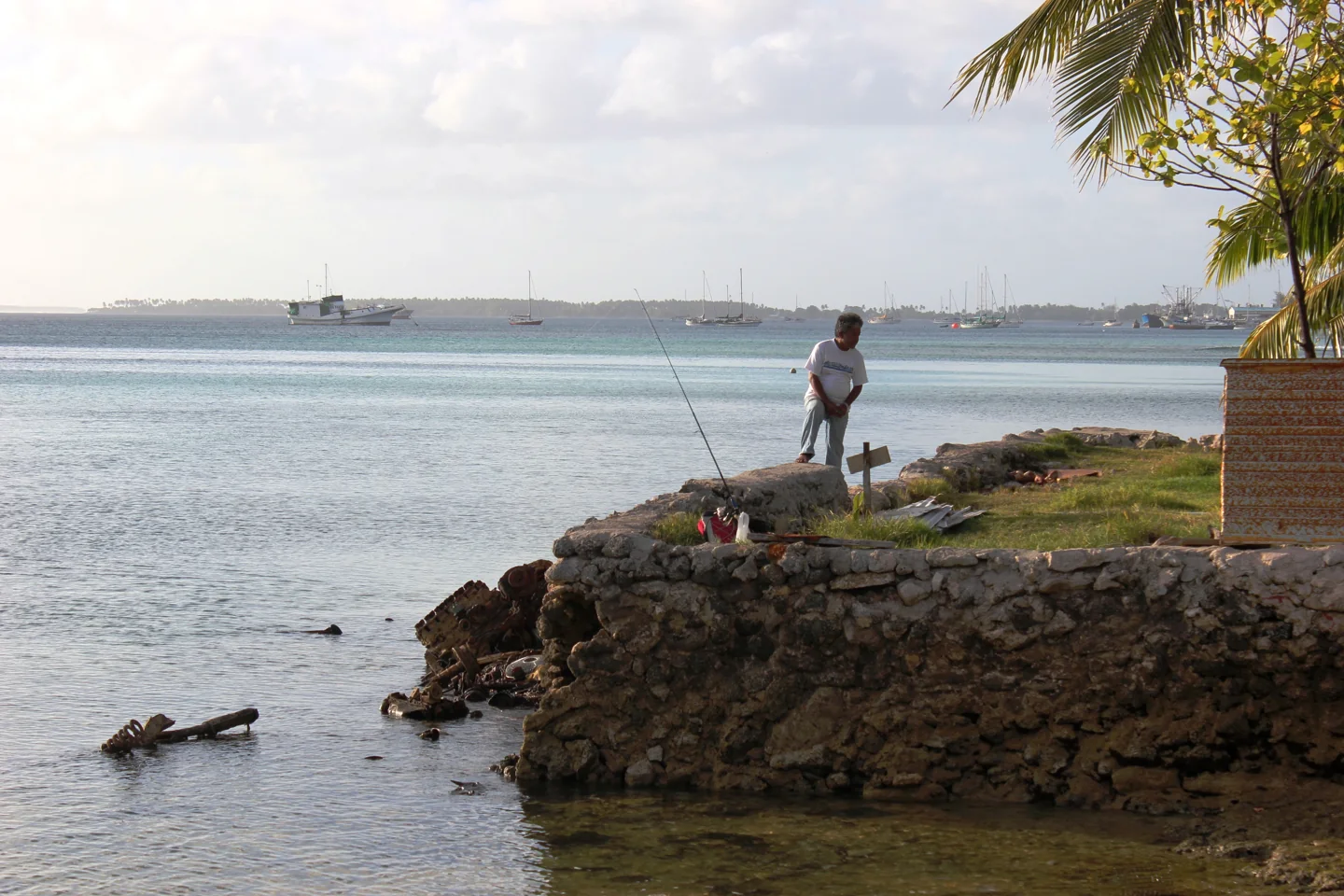
For a home, separate the landlord's ability to rent the building from rights over the underlying land. Marshallese land interests can involve several customary titleholders. The Constitution requires relevant approvals for dispositions of land, and the Supreme Court has addressed leases signed by purported representatives. A long land lease warrants local legal review. Read the judiciary's published decisions on land and leases.
- Inspect with someone who knows the property. Check roof leaks, insect screens, ventilation, air-conditioning, locks, cooking equipment and a safe place for important documents.
- Trace the utilities. Record the electricity meter number and balance. Identify rainwater tanks, pumps, filters and any mains-water connection. Ask who cleans tanks, pays for water delivery and repairs a failed pump.
- Put money terms in writing. State the rent in US dollars, due date, deposit, return conditions, notice period, inventory and permitted occupants. Allocate electricity, water, internet and rubbish charges explicitly.
- Confirm authority and access. Identify the person authorized to sign and receive money. Record access to the house, parking or boat landing where relevant, and what happens if the employment ends.
- Document handover. Take dated condition photos, sign an inventory, record meter readings and obtain receipts for every payment.
No verified national rent range or standard deposit rule is used here. Request comparable quotes for the actual island, size, furnishing and contract period. A lower advertised rent may exclude water delivery, power or transport that another property includes.
12Choose healthcare and arrange off-island cover
The Ministry of Health describes two public hospitals: Leroij Atama Zedkeia Medical Center in Majuro and Leroij Kitlang Memorial Health Center on Ebeye. They provide primary and secondary care with limited tertiary services; more complex cases may be referred overseas. Outer-island health centers offer a different level of care. Read the ministry's description of the health system.
- Ask your employer which local scheme or policy covers you and each dependant, when coverage starts and which bills remain yours.
- Buy insurance suitable for residence and the actual work, including medical evacuation and treatment at the receiving destination. Confirm existing-condition terms, exclusions, direct payment and the assistance number.
- Bring an appropriate supply of prescribed medicines with the prescription and clinician's letter. Agree a local refill plan rather than assuming the identical brand will be stocked.
- Locate your clinic and hospital, save the insurer's number and share the plan with the household. The ministry lists Majuro emergency-room numbers including +692 625-4144.
As reviewed in October 2026, Australian advice reports a dengue outbreak announced on August 24. Choose accommodation with effective screens and follow current public-health advice on mosquito protection. Read the dated health update. UK health advice also explains the importance of adequate medicines and insurance covering evacuation. A payroll Health Fund deduction should not be interpreted as a guarantee that all overseas care will be paid.
13Connect the house and organize dependable daily transport
- Set up electricity around the actual meter. Ask MEC which account serves the house, whether it uses Cash Power and what is needed to transfer responsibility. Keep the meter number and token receipts. MEC's online Cash Power service is an official purchase route; enter the issued token in the meter as instructed. Read MEC's Cash Power explanation.
- Price consumption using the current tariff. MEC announced a September 3, 2026 reduction of US$0.045 per kWh across its customer categories, with rates adjusted against fuel costs. That reduction is not the full tariff. Obtain the current category rate and multiply it by realistic household usage. Read the dated tariff notice.
- Confirm the water arrangement. Use Majuro Water & Sewer Company's contact route to resolve service for the specific property. Establish tank capacity, delivery arrangements and who pays before a shortage occurs. Contact MWSC.
- Buy connectivity for the actual address. Ask NTA about compatible devices, SIM registration, coverage, data limits, installation and the total first bill. Test a call and work connection in the house before choosing a long contract.
- Arrange the ordinary commute first. Obtain the current local fare or vehicle-rental quote and clarify collection points and evening arrangements. If driving, establish local license, insurance and registration requirements before buying or importing a vehicle.
The Lomalo option mentioned in MEC's announcement is described as a citizen wallet. New foreign residents should not assume eligibility; ask MEC for a payment method that works with their identification and account. For outer-atoll travel, confirm the actual operator, weather, luggage and return arrangements before making medical or work commitments around a connection.
14Build a local routine and close the first-month paperwork
Begin with everyday places: the school office, workplace, food shops and the people responsible for your building. Ask before entering private land or using a beach access path. Learn greetings and preferred ways of arranging visits from colleagues and neighbors; everyday introductions are more useful than assuming every public-looking space is freely accessible.
- Week one: reconcile your entry record and approvals, make registration appointments, test the phone and bank access, and save the hospital and insurer contacts.
- Week two: complete the housing inventory, agree utility responsibility, confirm school routines and check that payroll has the correct social-security details.
- Week three: compare the first actual bills with your budget. Record grocery and transport spending, then adjust the budget using your own household's receipts.
- Week four: review pending documents with the employer or college. Ask when contributions become visible in the MISSA wage history and arrange a later check that deductions have been remitted.
- Before filing the folder away: calendar every passport, visa, permit, insurance and lease date. Where a work-permit extension is required, work back from the statutory 30-day submission deadline and leave time for the employer to assemble the file.
Keep a contact sheet and offline copies of approvals available to another household member. Agree how you will handle a power cut, delayed flight or medical referral. Once the basics work, explore local community activities through the school and people you know, with permission for the particular location.

Sources & further reading
Reviewed 16 October 2026. Sources are linked beside the relevant instructions. The 2018 Labor Act and certified 2025 amendment take precedence over outdated two-year and 2006-law summaries on the immigration website. US work-permit exemptions, FSM/Palau reciprocity and registration duties remain distinct. Visitor entry, residence, work and student permission are separate. Pet instructions for USAKA are not applied automatically to Majuro. NTA mobile and residential offer pages rechecked on 16 October 2026; restored missing dollar amounts and verified the first-bill calculation. Other sources retain their earlier research scope. Prices checked on 15 October 2026. Bank opening deposits remain account funds. NTA's undated published offers require confirmation for the address and device. Electricity reduction is a dated tariff change, not a total unit price. CMI's online fee table is explicitly labelled 2022–2023; obtain a current semester quote. Housing and household costs use individual quotes rather than an invented national average. Photograph credits, licences and capture years appear with the images.
Browse the source directory
- Public Works — infrastructure and Majuro planning
- RMI Embassy — entry and consular instructions
- Immigration — Live & Work categories
- Parliament — Labor (Non-Resident Workers) Act 2018
- Parliament — P.L. 2025-42 labor amendment
- MISSA — taxable earnings and contributions
- Majuro Cooperative School — official information
- College of the Marshall Islands — admissions
- College of the Marshall Islands — published fee schedule
- MISSA — benefits and contributions FAQ
- Quarantine Division — animal permit application
- USDA APHIS — Marshall Islands pet travel
- Australian government — Marshall Islands travel advice
- MISSA — apply for a social-security number
- Bank of the Marshall Islands — fees and account opening
- RMI Judiciary — Marshall Islands Law Reports volume 3
- Ministry of Health — Majuro Hospital and health system
- UK government — healthcare and medicines
- MEC — Cash Power and Lomalo announcement
- MEC — September 2026 electricity tariff adjustment
- Majuro Water & Sewer Company — service contact
- NTA — published mobile plans
- NTA — published residential broadband plans
Make your next step a practical one
Match each household member to the correct permission, obtain the employer or college's document list, and arrange temporary accommodation before finalizing the home.