Visa
Moving & Living - Liechtenstein - Complete Guide
Move to Liechtenstein in fourteen practical steps: understand residence quotas, choose a municipality, arrange employment or study, register, bank, rent and establish everyday services.
Photo credit
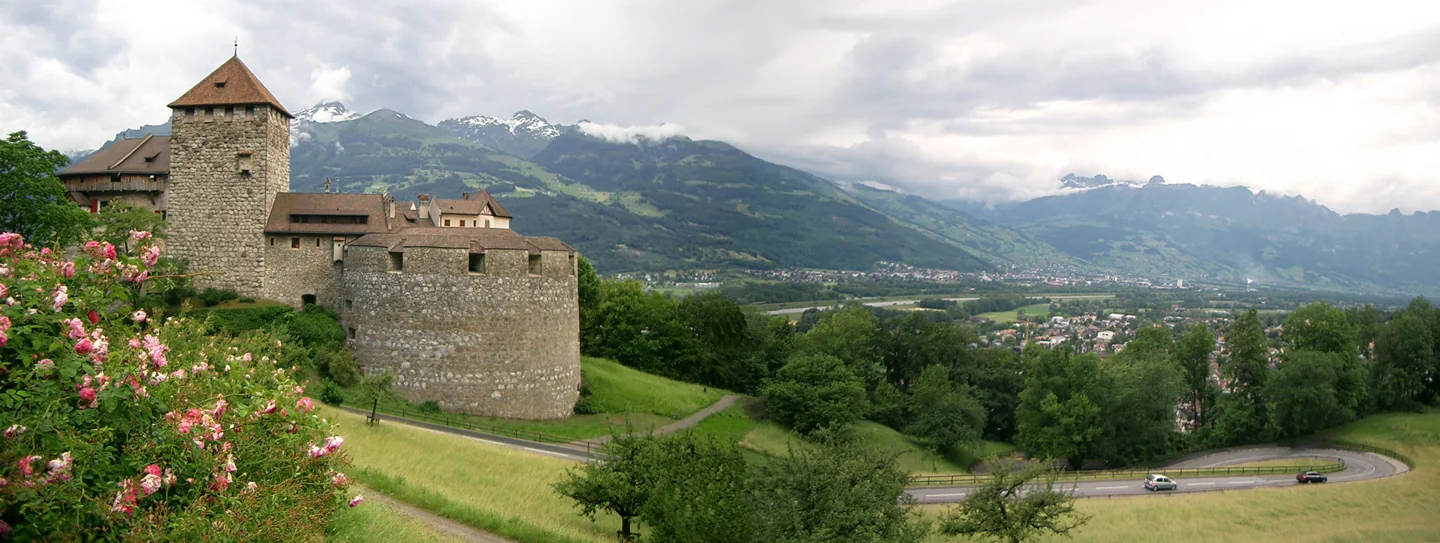
In Liechtenstein, choosing between Vaduz, Schaan and a hillside home in Triesenberg also means choosing a municipality for registration, school and local services. The first decision comes earlier: you need an accepted residence route, because a job offer or EEA passport does not automatically authorise a move into the country.
These fourteen steps connect the permit process with the household’s practical arrangements. They explain the residence lottery, government-awarded permits, study and family routes, then take you through documents, banking, housing, insurance and the first month.
Liechtenstein at a glance
- Capital
- Vaduz
- Official language
- German
- Currency
- Swiss franc · CHF
- Residence authority
- Ausländer- und Passamt · APA
- Local registration
- Municipal Einwohnerkontrolle
- Public transport
- LIEmobil
- Medical emergency
- 144
- Reviewed
- 14 October 2026
Follow your moving journey
Start at step 1, or jump to the task you are working on.
01Choose a municipality around work, school and the daily journey
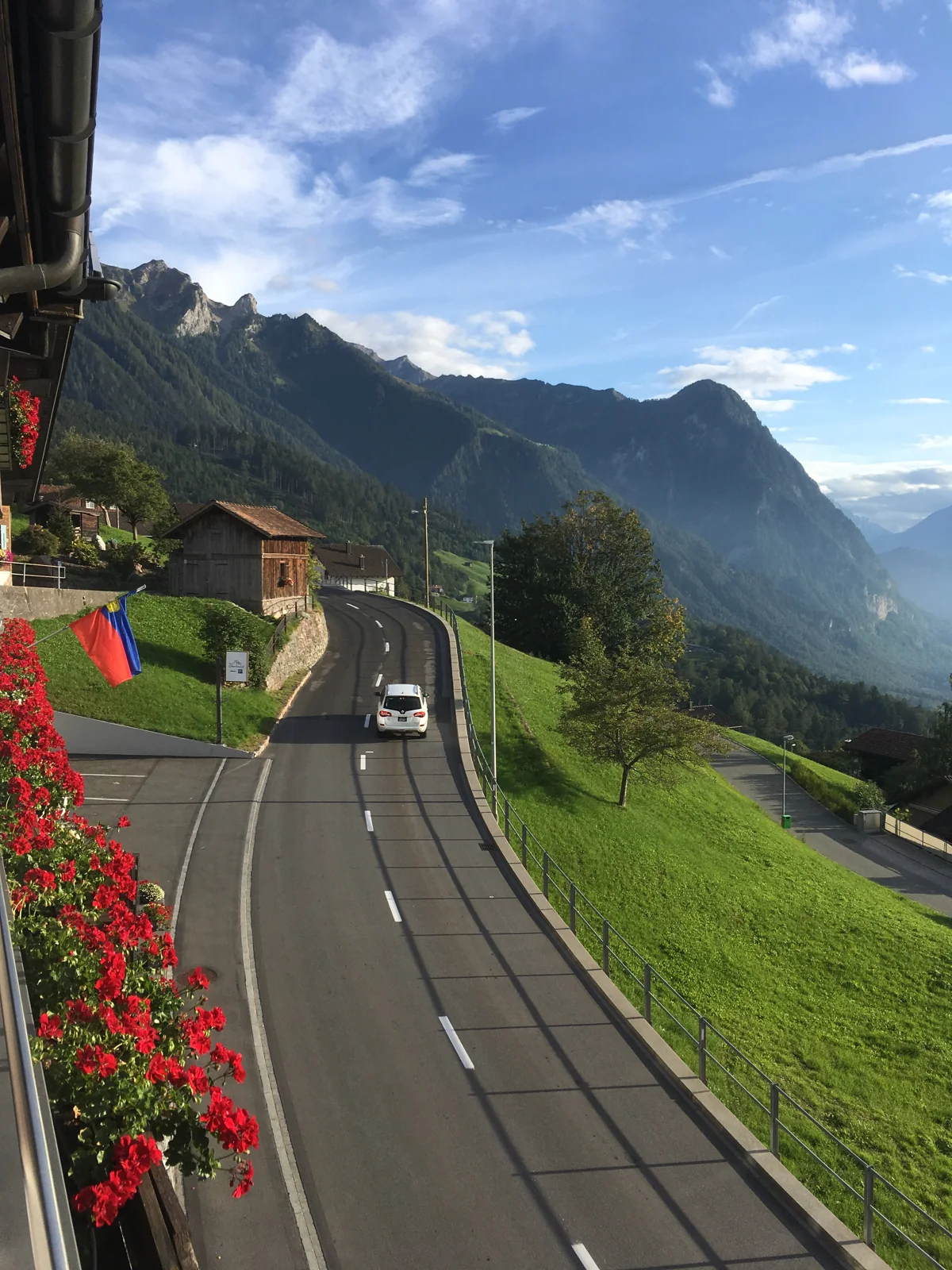
Think in terms of municipalities and actual streets rather than a single national housing market. Vaduz, Schaan and the hillside settlements give you different school journeys and connections. A short distance on the map can still involve a climb, a bus change or an inconvenient walk to the stop.
| Starting point | What to compare |
|---|---|
| Vaduz | Access to the university, administrative appointments and your actual workplace; establish the walking route from a proposed home. |
| Schaan | Connections through the bus interchange and the journey to the employer, school or neighbouring municipalities. |
| Triesen or Balzers | The south-valley commute and the services near the particular property, rather than assuming all accommodation has the same connection. |
| Triesenberg | Hillside access, the last walk from the stop and how the household will manage appointments in the valley. |
| Eschen, Nendeln or another northern municipality | The route to work and school and whether regional connections fit the actual schedule. |
- Mark the employer, teaching site and likely registration office on one map.
- Use the LIEmobil journey planner with the time and day you will actually travel. Compare the return journey as well as the morning trip.
- View properties after establishing an immigration route. Ask for the rent, service charges, parking and heating arrangements separately.
- Choose a temporary base if you still need to compare neighbourhoods, while ensuring that it fits the approved residence and registration arrangements.
Living in Buchs or Feldkirch and commuting is a different legal arrangement. It may be practical for a job, but permission to work across the border is not permission to establish a home in Liechtenstein.
02Choose the residence route before planning the move
Liechtenstein’s residence rules apply quotas even to EEA nationals. The annual minimum allocation is 56 permits connected with work and 16 without local work, with half allocated by government decision and half by lottery. Swiss nationals follow government allocation, with at least twelve work-related and five non-working permits annually; they do not enter the EEA draw.
- Identify the basis: employment, study, joining an eligible resident or residence without local employment. Separate nationality from the country where you currently live.
- For an employed EEA lottery application, use the actual working-category page. It describes 28 annual permits, preliminary and final draws, and charges of CHF 100 and CHF 500 respectively. Local employment is required; foreign employment does not fit that category.
- For a non-working EEA application, use the separate non-working draw. It allocates eight permits annually and prohibits work in Liechtenstein. Both pages currently say forms reopen in February 2027; they are not an open October 2026 application window.
- For a government-awarded permit, follow the employment or non-working procedure applicable to your circumstances. Third-country applicants do not obtain a lottery place simply by living in an EEA state.
Draw participation is not an assurance of residence. If selected in the preliminary stage, provide the requested evidence, meet the final-stage conditions and retain the resulting decision. Do not pay an agent for a guaranteed selection or take possession of a home as though an entry in the draw were a permit.
Entry paperwork is separate. The APA visa guidance normally directs visa-required applicants to the Swiss representation in their country of residence, with exceptions. Ask APA which mission handles the actual nationality, residence country and category before submitting a passport. Permit approval does not remove a visa requirement where one applies.
03Connect the job with the correct residence or commuter procedure
Ask the employer to identify whether the intended arrangement is residence in Liechtenstein or commuting from another country. Write the location, duties, start date, pay, working time and permit responsibilities into the contract. A recruitment offer and immigration approval are separate steps.
For government-awarded employment residence B, the intended stay exceeds twelve months and the office considers the situation where cross-border work is not practicable. For third-country nationals, eligibility is limited to managers, specialists and other qualified workers with completed vocational training or substantial professional experience. The posted indicative decision periods are four weeks for complete EEA or Swiss applications and three months for others, not guaranteed approval dates.
The current Act additionally requires an employment level of at least 80% for the applicable third-country B application.
- Have the employer and APA identify the application and current checklist. Prepare the signed contract, passport and qualification evidence required for the category.
- Submit the complete application through the authority’s designated service and retain the reference and fee receipt.
- Read the written assurance and any conditions before agreeing the final move and start date. Organise visa processing where required.
- Keep the approval, employment records and later residence document available for payroll and renewals.
The commuter checklist has a different sequence: an applicable EEA GMB notification is due within ten days after starting work, while a third-country G application is due at least fourteen days beforehand and requires qualifying permanent residence in an EEA state or Switzerland, with the relevant labour-market evidence. Do not apply one group’s reporting rule to everyone.
For independent activity, obtain the business or professional licence and the immigration decision before operating. No dedicated digital-nomad permit was verified. Permission for a non-working resident to hold employment abroad does not establish permission to work remotely from a home in Liechtenstein; describe the physical working arrangement to APA before relying on it.
04Budget for the move and the municipality’s tax arrangements
Use Swiss francs for the working budget and separate refundable security from expenditure. Compare the full cost of a property, including its heating and service-charge arrangement, rather than placing an unverified national rent average in the spreadsheet.
| Item | Verified reference or budgeting instruction |
|---|---|
| Government-awarded B procedure | The posted procedure requires a CHF 80 advance. It states CHF 1,060 total for a positive decision and CHF 80 for a negative decision; do not automatically add the advance again. |
| EEA lottery stages | CHF 100 preliminary stage and CHF 500 final stage, if admitted to it; neither payment guarantees selection. |
| University | Include the applicable tuition, CHF 100 admission charge where required, books, housing and insurance. The fee groups are explained in step five. |
| Banking | LLB’s 15 June 2026 fee sheet lists Light at CHF 4.90 monthly, for CHF or EUR accounts. Additional services can cost more. |
| Transport | The posted full-price LIEmobil monthly ticket for three or more zones is CHF 45. An all-zones annual ticket is CHF 370 before an applicable municipal rebate. |
| Housing, freight and insurance | Obtain actual household quotations, including advance rent, deposit, customs handling and individual health premiums. |
A hypothetical CHF 1,900 monthly residential rent with the maximum three-month cash security would require CHF 5,700 security plus CHF 1,900 first-month rent: CHF 7,600 before other costs. The rent is invented solely for the calculation; it is not a market quotation. Treat the deposit as money tied up, not money available for the next month’s bills.
For recurring expenses, list rent, service charges, food, phones, electricity, transport, insurance and the household’s ordinary spending. Keep annual charges such as an abonnement separate so a monthly comparison does not hide an upfront payment.
The Tax Administration describes personal wealth and income taxation, with progressive state tax reaching an 8% top band and an additional municipal surcharge. This is not a flat 8% total-tax promise. Give the adviser the residence date, household status, income, pensions, investments, property and cross-border employment details.
Use the official eTax guidance for the return and electronic submission. Not receiving a form does not remove the filing duty: request the applicable paperwork from the responsible tax office. Keep the notified deadline and request any extension from the municipal tax office before it expires.
05Arrange school placement or university admission
The Education Office’s arrival procedure distinguishes language and school stage. German-speaking kindergarten or primary pupils register with the local school head; secondary pupils contact the Schulamt for assignment. Pupils who do not speak German register with the Schulamt. A valid residence permit is a prerequisite for admission to a Liechtenstein school.
- Contact the Schulamt with the child’s age, previous school, language, reports and intended address. Explain support needs early.
- Follow the assigned municipal school or secondary-placement process rather than selecting a class independently.
- Ask how German support, school transport, meals and after-school arrangements work for the actual placement.
- Obtain the start date and documents required by the school, then organise the daily journey around the confirmed address.
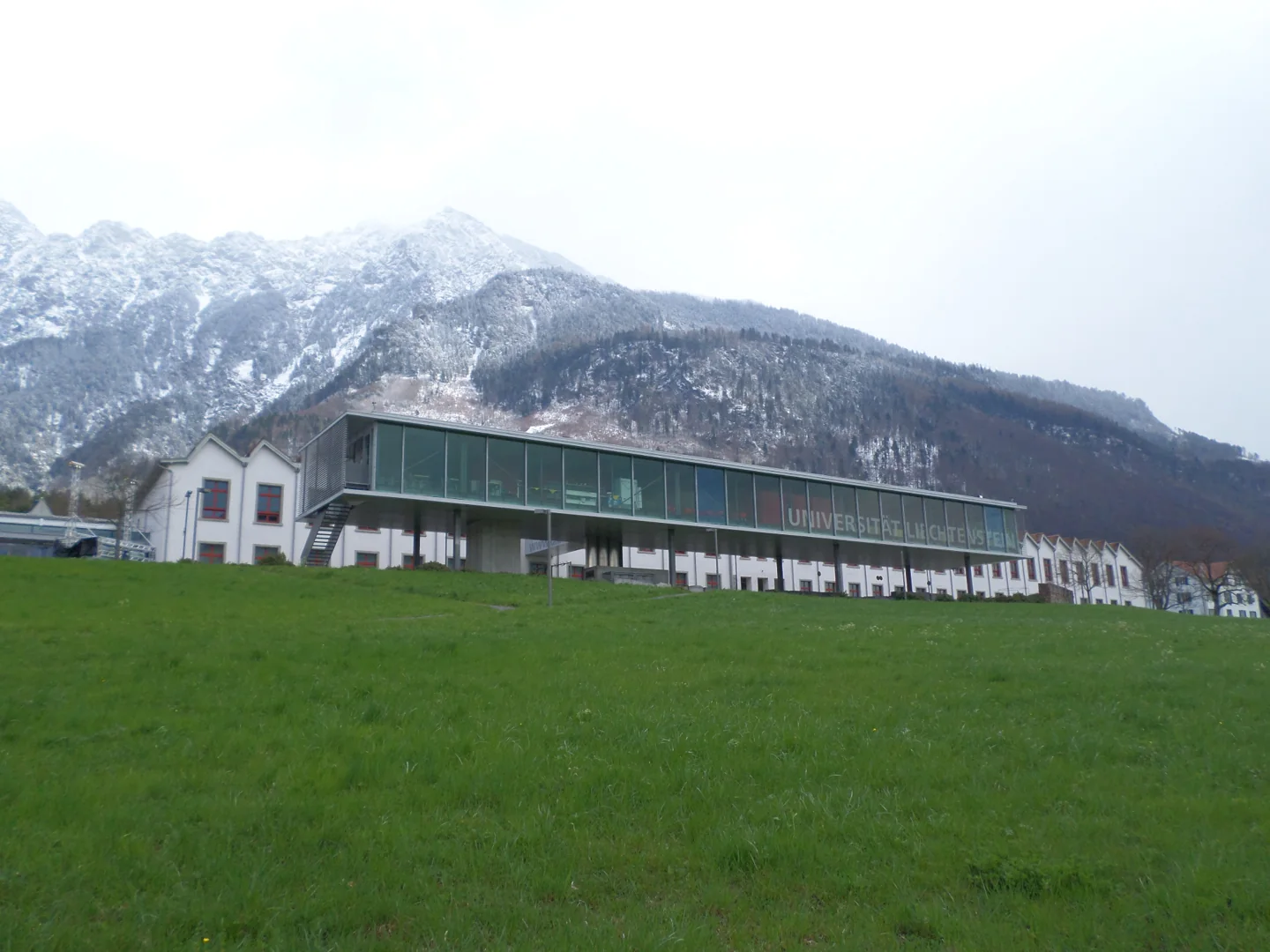
For higher education, the University of Liechtenstein’s admission process provides programme-specific requirements and an online application. Prepare qualifications, language evidence, CV, motivation, identity and photograph; other-language records need certified German or English translations. Use a personal email and follow the fee and offer instructions.
For a summer-semester bachelor application, its stated deadlines are 30 November for EU/EEA and Swiss applicants and 30 September for applicants requiring a visa. At this review, September’s deadline has passed. Master’s deadlines depend on the programme; do not use the bachelor timetable for every course.
The university’s fee information gives CHF 950 or CHF 1,250 per semester. The lower category includes EU/EEA or Swiss nationals, qualifying permanent residents in Liechtenstein and applicants with an EU/EEA or Swiss Matura; nationality alone is not the only criterion. Confirm the invoice’s category. A non-refundable CHF 100 application charge applies to relevant new applicants, and the CHF 10 student-body contribution is included in tuition.
For student residence L, submit a complete request at least fourteen days before the course, earlier where a visa is required. The permit lasts at most twelve months at a time and may be renewed while study continues. EEA and Swiss students may work up to the stated 35% limit. For third-country University of Liechtenstein students, that limit applies to approved study-related work; obtain the employment approval before starting.
06Establish the non-working residence basis before planning retirement
The relevant route is residence without local employment, not an automatic pension visa. Government decisions are made quarterly. Sufficient funds and the correct evidence support an application; they do not guarantee that the government will award a residence place.
For third-country non-working applicants, Article 20 of the current Act additionally requires particular interest to the country.
- Read the new-application checklist. It gives EEA and Swiss applicants qualifying income evidence of at least CHF 2,600 monthly, or a five-year unconditional, irrevocable guarantee of CHF 156,000 from an EEA bank, with a separate provision for qualifying foreign employment.
- For third-country applicants, the checklist specifies a five-year CHF 156,000 guarantee from a bank in Liechtenstein. Obtain the required wording and bank acceptance before paying for a guarantee product.
- Prepare the reasons for the move, identity, financial and health-insurance evidence, photo/signature information and applicable criminal-record documents.
- Use the actual non-working residence application service and the office’s payment instructions. Keep the complete submission and response.
The checklist’s second page concerns reinstatement of earlier long-term permission, not an alternative checklist for every first applicant. Use the correct page for your situation.
Budget the household’s insurance, pension transfers and ordinary spending separately from the guarantee. Local gainful activity is prohibited under this category and can jeopardise the permit. Any proposed consultancy, business or home-office activity needs a category-specific answer before starting.
07Prepare household documents, belongings and pets
Keep a checklist for each applicant. Passports, contracts, education and civil records serve different procedures; a copy supplied to an employer does not mean it has reached APA. Record the required age of criminal certificates and use an accepted German translation where the applicable checklist requires it.
- Prepare originals, application copies and separate digital backups. Match names and dates across the records before submission.
- For family applications, obtain relationship, birth and custody evidence and any required consent from the other parent. Identify translation and authentication requirements before commissioning them.
- For belongings, produce an inventory separating long-owned goods from recent purchases, with vehicle details where applicable.
- Liechtenstein is in the Swiss customs union. Use the Customs Authority’s relocation procedure and establish the documents for your Liechtenstein destination with the responsible customs office. Form 18.44, prior personal use for at least six months and continued use after import are important elements of the removal-goods procedure.
Arrange clearance at a customs office competent for commercial goods and within its opening hours. The Swiss page’s exemption from supplying a permit assurance for certain movers does not remove Liechtenstein’s residence restrictions. Obtain the destination-specific confirmation before dispatching the shipment.
For pets, use the official veterinary travel guidance for the species, origin and route. Ask the vet to organise the required identity, vaccination and travel records before booking the animal with a carrier.
The Liechtenstein dog procedure requires dogs arriving with a move to be declared to Customs. Local registration then involves the municipality, pet passport, liability cover of at least CHF 1 million and the applicable owner-knowledge evidence. The municipality creates the AMICUS account; a veterinarian in Liechtenstein or Switzerland must register the dog within ten days. Certain breeds require additional permission.
08Arrive with the assurance and the first appointments organised
Carry the residence assurance and valid travel documents, plus the entry visa where required. Keep the employer or university contact, address and customs records accessible during the journey. For a family move, check that every applicant’s paperwork fits the actual travel date.
- Confirm the route through Switzerland or Austria, including any transit and entry requirements that apply to the household.
- Complete the applicable border and customs formalities and retain the endorsed relocation paperwork.
- Check the accommodation address and handover details. Photograph the initial property condition and meter readings.
- Arrange the municipality’s personal registration promptly and organise any APA document or biometric appointment identified in the decision.
Use the LIEmobil planner for the final local journey rather than assuming the nearest railway station is beside the accommodation. Allow time to reach an office during its actual opening hours, especially if a hillside connection is involved.
An arrival arrangement should include the first few days’ payments and connectivity. Do not transfer the entire available balance into a housing deposit before establishing how ordinary bills and account opening will work.
09Register the address and complete the household permissions
The current Free Movement Act and Foreign Nationals Act require applicable newcomers to register with the municipal Einwohnerkontrolle within eight days of entry. Bring a valid travel document and the permit assurance or relevant entry evidence. Save the registration confirmation for banking and other services.
- Use the office for the actual address. In Vaduz, personal registration is at Städtle 6; in Schaan, the municipal office is on the ground floor at Landstrasse 19, with Friday service in the morning only.
- Complete the residence-document instructions issued by APA. Keep the assurance, registration confirmation and issued card distinct.
- For an EEA or Swiss sponsor, follow the specific family-reunification conditions. Spouses, registered partners and eligible dependent relatives are treated according to that category; students have narrower household rights.
- For a third-country sponsor, the application guidance describes eligible spouses, registered partners and qualifying unmarried children under eighteen. Use current Article 34 for timing: generally apply within three years of permit grant or marriage. Sponsors whose own permit came through family reunion must first complete four years’ uninterrupted residence. If marriage arises during that waiting period, the three-year deadline runs from its end; otherwise it runs from marriage. A short-term or student permit does not establish eligibility for this reunion route.
Organise the required basic German evidence, normally a recognised A1 certificate for an applicable third-country spouse, before travel. Article 33 permits a waiver when family accompanies a new employment resident. Complete municipal, insurance and school records before the assurance or visa expires. Current Articles 30 and 37 allow family employment, with professional conditions for self-employment; establish those before starting a business.
For digital services, eID.li registration is available at APA on Giessenstrasse 3 with the installed app and identity document, or by the eligible video process. Video identification is for adults and has a posted CHF 15 charge. eID.li is a login identity, not a residence permit. Record renewal and address-change duties separately.
10Open an ordinary account and understand the payment services
Liechtensteinische Landesbank’s private account is a practical starting point for salary and ordinary bills, with CHF, EUR and USD options. Bank approval depends on the actual applicant; residency does not mean every product or digital opening channel will be available automatically.
- Contact the bank through its own application or branch service. Describe nationality, residence, income source and intended currency and obtain the current document list.
- Prepare passport, residence and municipal address records, employment or pension evidence, and the requested tax-residence declarations.
- Compare the account package and transactions you will use. LLB’s dated Light price applies to CHF or EUR; a USD account is not covered by that package’s stated currency scope.
- Complete verification and activation, then test a small incoming payment and card transaction before moving a large balance.
Set up standing orders for predictable bills only after confirming the payee, reference, amount and currency. Keep electronic statements and receipts for payroll, tax and housing records.
A rental-security account serves a different purpose from the daily account. Arrange it in the required tenant name and retain the bank confirmation rather than sending the deposit to an unrelated personal account.
11Sign a lease with clear rent, service charges and deposit terms
Read the German rental terms with help if needed. Mietzins is rent; Nebenkosten are related service charges. Establish whether the advertised amount includes heating and other charges or whether advances and later reconciliation are separate.
The current Civil Code limits residential security to three months’ rent. Cash or securities supplied as security must be held at a bank in an account or depot in the tenant’s name. Release normally requires both parties’ consent or a final judicial decision; the law also provides a return route after a year without the landlord bringing a claim.
- Verify the person entitled to let the property and inspect it before signing.
- Write down rent, charges, parking, included equipment, contract period, notice and the permitted occupants.
- Arrange the bank deposit and retain proof of its location and amount.
- Check the heating, water and electricity arrangements and identify who reports readings or changes the consumer account.
- Record defects, furniture, keys and readings in the handover inventory and have both parties acknowledge it.
The Code identifies actual heating, hot-water and related operating expenses within service charges and gives tenants a right to inspect supporting documents. Retain the annual reconciliation and raise unexplained differences with the landlord.
For university accommodation or an employer lease, identify the special occupancy and departure conditions. A room offered through an institution should still have a clear payment, deposit and handover arrangement.
12Choose an authorised insurer and establish local care
The health-insurance obligation begins with residence or applicable employment. Each person must enrol with a recognised fund within three months; the period is for arranging enrolment, not free uninsured residence. Cross-border situations have separate coordination rules.
- Compare the recognised funds listed by the Health Office: CONCORDIA, SWICA and FKB. Obtain the applicable individual premiums.
- Choose the model deliberately. Standard OKP uses authorised outpatient providers; extended OKP has different reimbursement for provider choice and an additional charge. That surcharge is not the whole premium.
- Submit the household’s individual enrolments and keep confirmation of the start date.
- Select a local GP and establish whether the provider is covered by the chosen model. Bring medication records and arrange continuity of treatment.
The posted adult cost-sharing rules include a CHF 500 annual fixed amount and 20% of relevant costs above it, with statutory boundaries and exceptions. The authority’s example of CHF 3,000 treatment costs produces CHF 1,000 cost sharing. This is an illustrative case, not a premium or a rule for every age group.
For a life-threatening emergency, call 144. The Landesspital’s current urgent-care guidance directs non-life-threatening problems to the GP first; its medical out-of-hours service is +423 230 30 30 on weekdays from 18:00 to 08:00 and throughout weekends and holidays. Save these separately from ordinary appointment contacts.
13Connect the home and test transport and driving arrangements
- Ask FL1 for the current mobile or home service at the actual address, registration documents, term and cancellation arrangements. Its October 2025 LIFE S contract sheet (source unavailable) lists CHF 29.90 monthly without a device and CHF 40 activation. Retain that document date when comparing a new quotation.
- Check roaming for the household’s actual trips into Switzerland and Austria. Do not assume an EU allowance and a Swiss allowance are identical.
- Identify the electricity meter and account holder and give the supplier the handover reading. For LKW’s current tariff choice, compare fixed annual, monthly-variable and hourly-variable models.
- Establish which water, sewer, heating and waste arrangements are paid directly and which pass through the lease. Use the municipality for its local services and waste instructions.
The 2026 LKWclassic energy component is 11.26 Rappen per kWh at high tariff and 10.55 at low tariff. Hypothetical use of 100 kWh at each rate costs CHF 21.81 for energy only; network charges, levies, tax and other applicable charges remain additional. This is not a complete monthly utility bill.
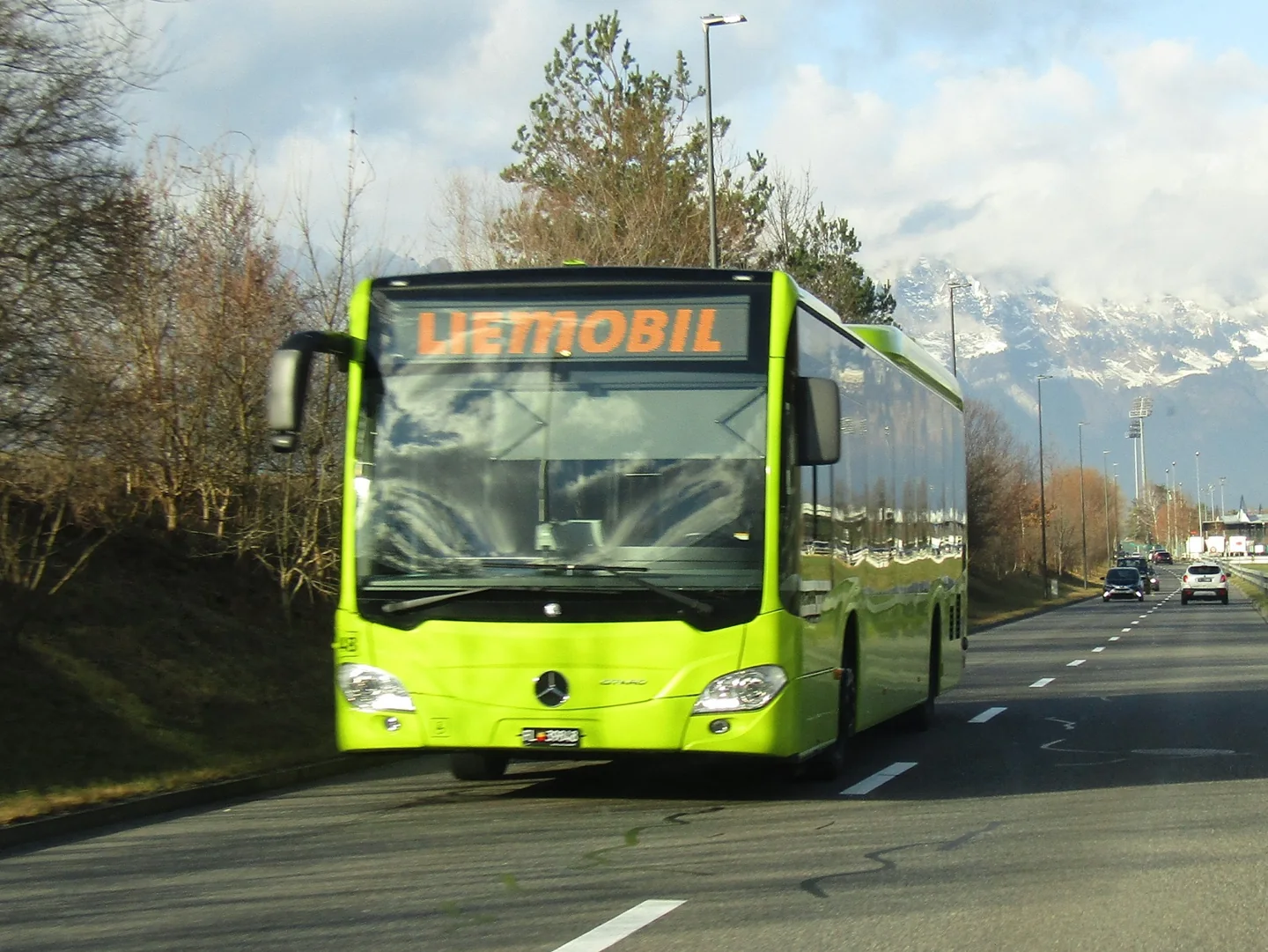
For buses, LIEmobil’s current ticket page distinguishes full and reduced fares and municipal rebates. Confirm eligibility with the municipality before deducting a rebate from the budget. The Schaan customer centre is at Postplatz 5. Check that the ticket covers the cross-border endpoint; a journey beyond the covered network needs the applicable regional fare.
Before driving, use the Road Traffic Office’s foreign-licence procedure. EU/EEA licences are generally recognised without exchange unless document changes require it, though the office requests a copy. A Swiss licence must be exchanged within fourteen days of taking residence. Other origins may require a control drive and accepted translation; professional categories have additional conditions.
14Finish the first-month records and find a regular local routine
Review the household as a whole rather than treating one completed permit as the end of the move. Keep the lease, municipal confirmation, residence documents, insurance and payroll details where another adult can find them.
- Verify every permit, card collection and renewal date and complete any remaining school or insurer request.
- Check the first salary payment and payslip, with tax and insurance deductions explained.
- Test recurring payments and retain utility and rental-security confirmations.
- Complete any dog and driving-document procedures that apply.
- Report address changes within the applicable eight-day period and notify the services using the old address.
For German learning, the integration service’s own directory provides starting points such as Stein Egerta in Schaan, EFFECT in Triesen and deutsch studio in Vaduz. Ask about the current course and any funding eligibility; a listed provider does not establish a place or subsidy.
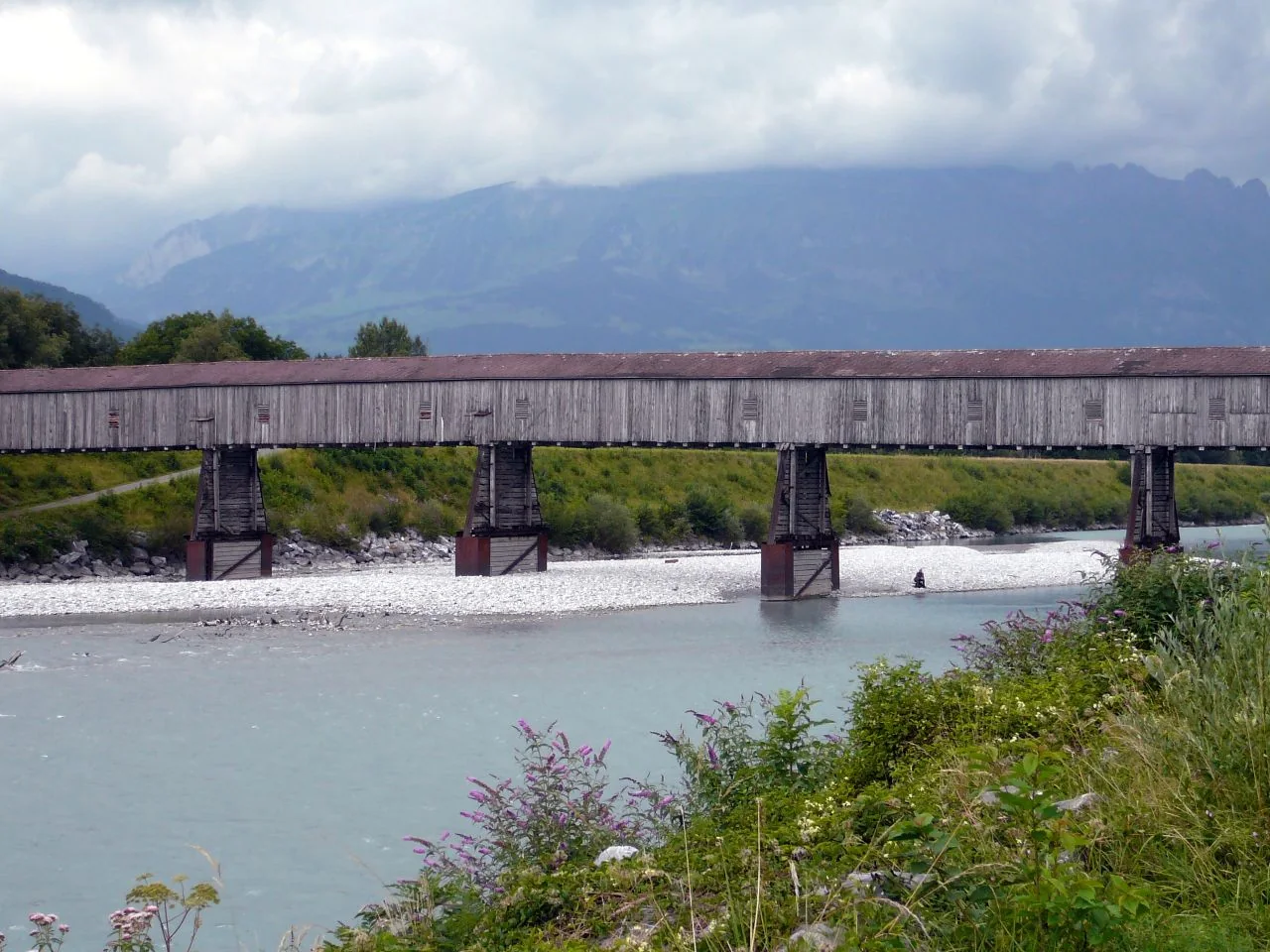
Build a routine through the school, workplace, municipality and local activities whose current times you can confirm directly. Learn the names of stops and municipal offices used in everyday conversation. A walk along the Rhine or a familiar shopping journey becomes easier when the transport, opening hours and paperwork are already organised.
Sources & further reading
Reviewed 14 October 2026. Sources are linked beside the relevant instructions. Residence quotas and household rights depend on the applicant’s category. Lottery pages currently say forms reopen in February 2027. Family timing and employment rules use the current statute where an English service summary differs. Swiss customs procedures do not replace Liechtenstein’s residence approval. Reviewed on 14 October 2026. Bank fees are dated 15 June 2026. Electricity figures apply to the 2026 energy tariff and exclude other bill components. Telecom figures retain their October 2025 document date. Provider fares and permit fees are posted schedules; housing calculations are hypothetical. Photograph credits, licences and capture years appear with the images.
Browse the source directory
- Migration Office — residence quotas
- Migration Office — government-awarded work residence B
- Migration Office — employed EEA lottery
- Migration Office — non-working EEA lottery
- Migration Office — non-working B decisions
- Migration Office — non-working residence checklist
- Migration Office — non-working residence application
- Migration Office — cross-border employment checklist
- Migration Office — visa submission
- Current Free Movement Act — registration
- Current Foreign Nationals Act — registration and family rules
- Migration Office — EEA and Swiss household reunification
- Migration Office — third-country household application guidance
- Migration Office — language and integration conditions
- Tax Administration — personal wealth and income taxes
- Tax Administration — eTax filing
- Education Office — arrivals from abroad
- Education Office — current contact
- University of Liechtenstein — application and admission
- University of Liechtenstein — fee and study FAQ
- Migration Office — student L permission
- National Administration — customs-union context
- Swiss Customs — household-relocation procedure
- National Administration — moving with dogs and local registration
- Swiss Veterinary Office — species and origin travel requirements
- Vaduz — actual resident-registration office
- Schaan — registration and municipal services
- National Administration — current eID registration
- LLB — ordinary private account and application
- LLB — dated private-account fee information
- Current Civil Code — residential deposit and service charges
- Health Office — insurance obligation
- Health Office — recognized funds and insurance models
- Health Office — deductible and cost sharing
- Landesspital — current urgent-care service
- National Police — emergency numbers
- FL1 — published LIFE S contract information (source unavailable)
- LKW — current electricity tariff models
- LIEmobil — actual current fares and customer centre
- LIEmobil — current journeys and notices
- Road Traffic Office — foreign driving documents
- Integration service — local German-learning options
Make your next step a practical one
Establish the correct residence category for every household member, prepare the employer or education evidence, and make a municipality shortlist before committing to a long lease.