Visa
Moving & Living - Japan - Complete Guide
A practical 14-step move to Japan, from the right residence status and COE to city registration, banking, rental costs, healthcare, utilities and daily life.
Photo credit
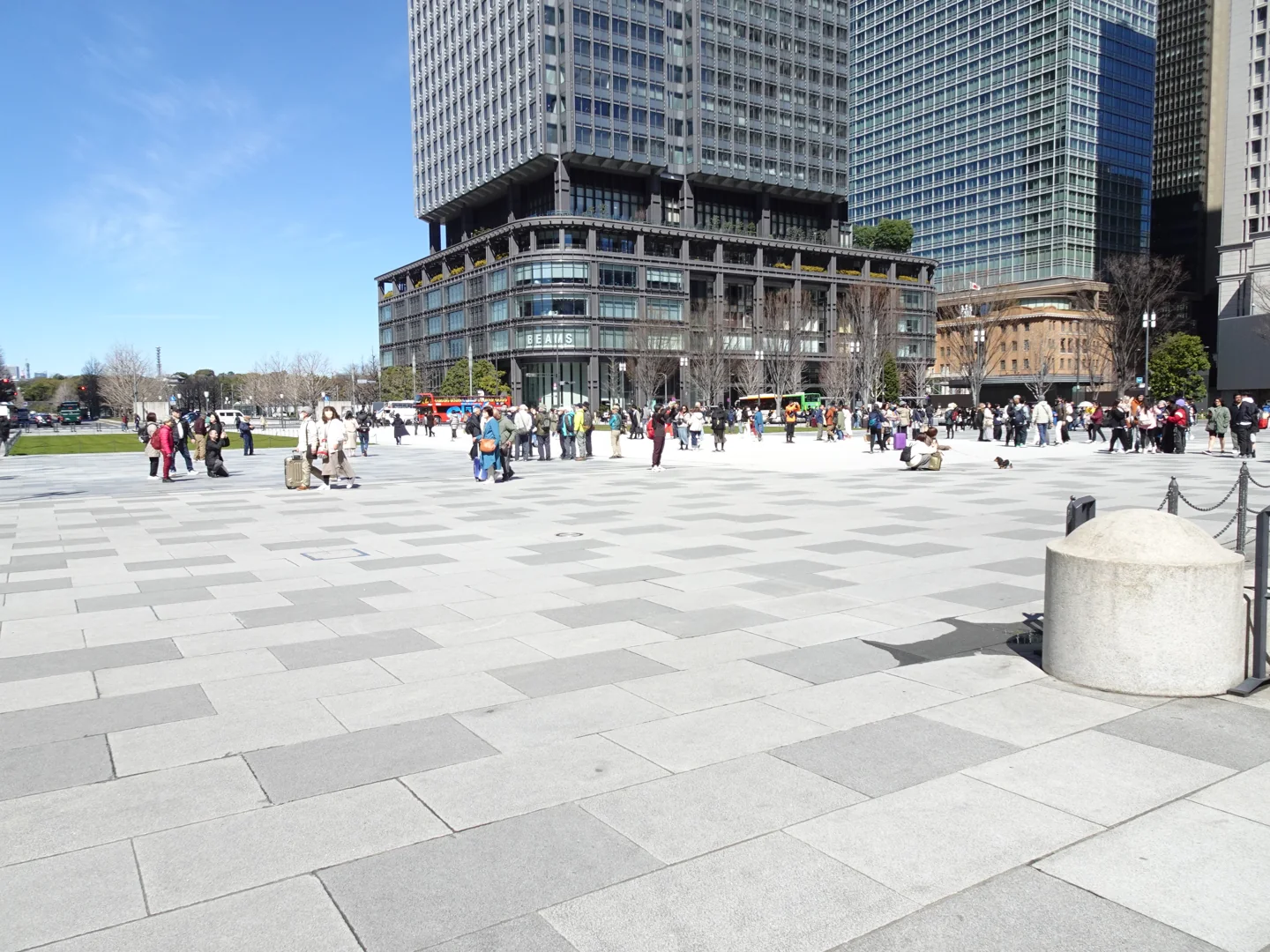
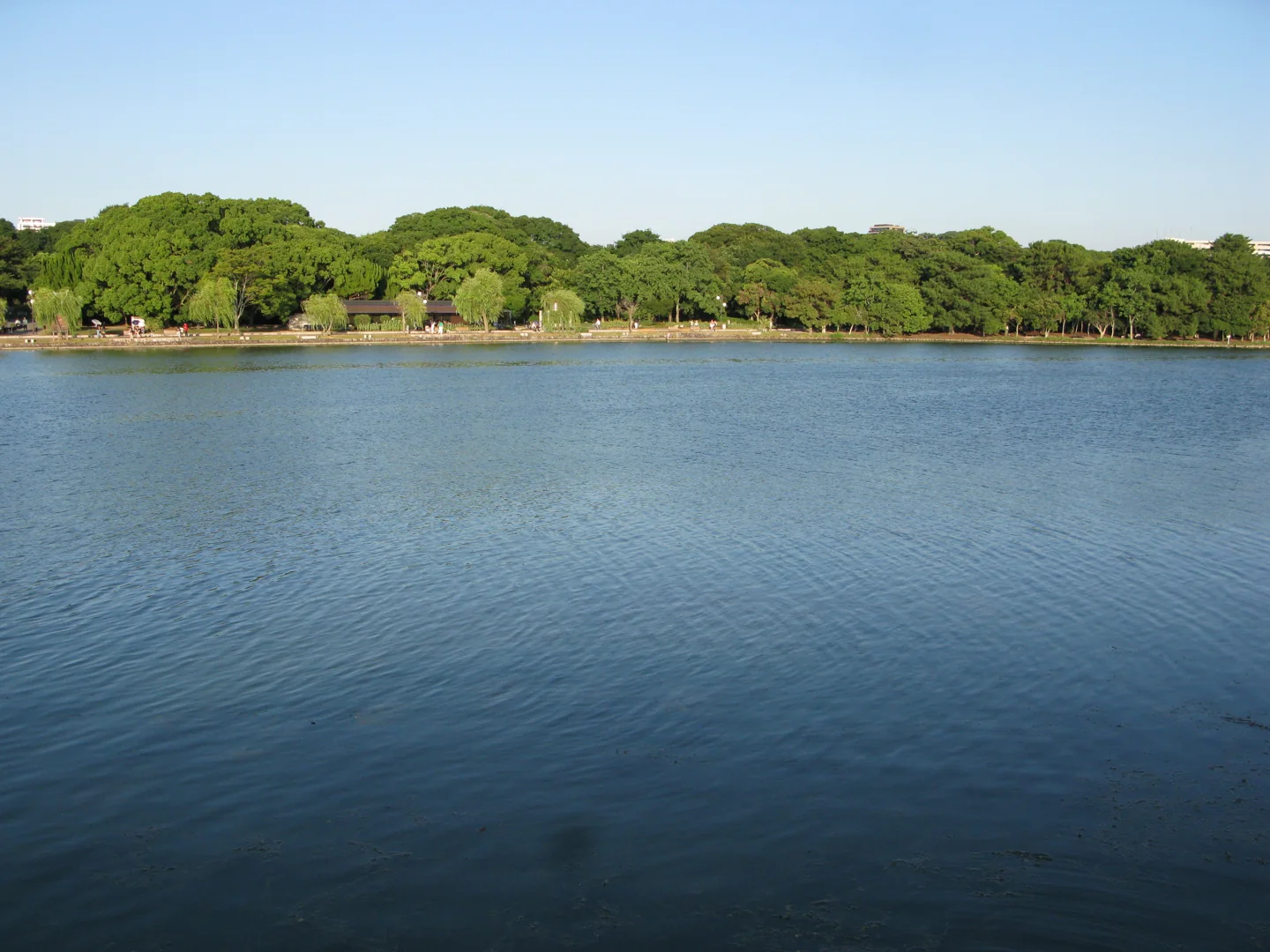
In Japan, the station you live near can matter as much as the city you choose. A Tokyo household built around two train lines, an Osaka office commute and a Fukuoka home near Ohori Park have different rhythms. This guide takes you through the permissions, paperwork and practical arrangements that connect a move with everyday life.
The standard resident journey starts with the correct status and sponsor, then continues through arrival, municipal registration and service accounts. A six-month digital-nomad stay follows different rules: it brings no residence card and should not be planned as ordinary long-term settlement.
Japan at a glance
- Currency
- Japanese yen · JPY / ¥
- Working language
- Japanese
- Immigration authority
- Immigration Services Agency · ISA
- Residence identity
- Zairyū card; specified combined card where issued
- Municipal record
- Jūminhyō / Basic Resident Register
- Administrative number
- My Number · individual number
- Reviewed
- 14 October 2026
Follow your moving journey
Start at step 1, or jump to the task you are working on.
01Choose a city, then test the station and the street
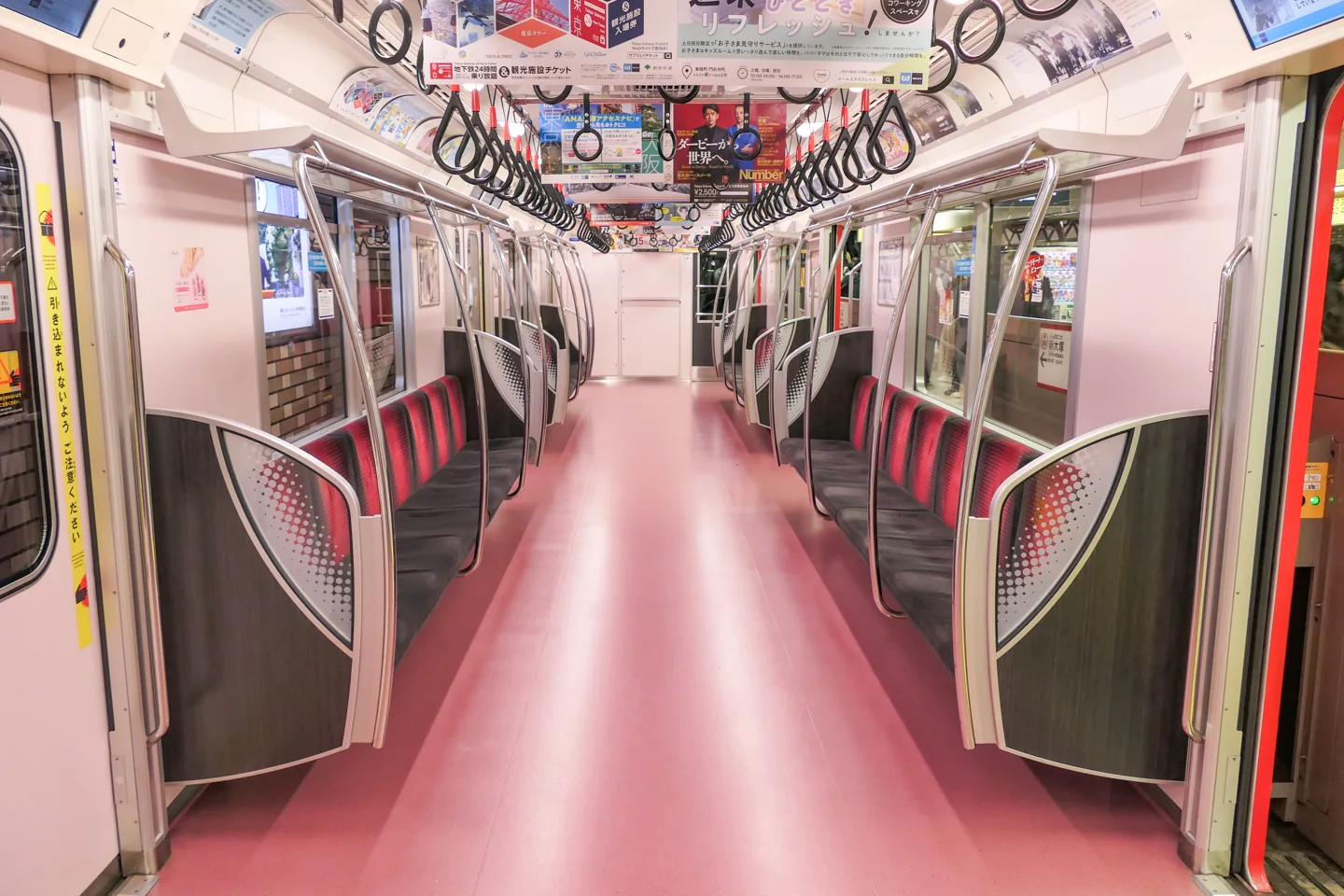
Choose Japan through the journeys you will make repeatedly. Put the workplace, campus, school and essential appointments on one map, then compare addresses by their nearest station and the lines serving it. A short distance across Tokyo can involve more transfers than a longer journey on one direct line.
| City to investigate | Starting areas | Decision to test |
|---|---|---|
| Tokyo | Shinjuku for connecting lines; Nakano for a home search along the Chūō corridor; Bunkyō or Komaba for the relevant university campus. | Which campus or office you actually attend, the station exit, transfers and the final walk. |
| Yokohama | Addresses around Yokohama Station or Kannai, matched to your employer. | Whether a Tokyo commute fits the working hours and the full fare. |
| Osaka | Umeda and Tennoji as transport reference points, then residential streets along the required line. | The operator and line, rather than treating every Osaka train as one fare system. |
| Fukuoka | Hakata for station-based journeys; Tenjin or Ohori around the household’s work and leisure needs. | The actual home-to-work route and access to everyday services. |
- Use the Tokyo Metro route and commuter-pass tools where relevant, or the operator serving your chosen city. Record door-to-door time, not just train time.
- Try the route at the hour you would use it. Include walking, transfers and the return journey after work.
- Visit the exact street. Note shops, bicycle parking, stairs, deliveries, noise and access to the building.
- Ask the municipality for the local hazard and evacuation information, and compare it with the proposed address.
For the first stay, choose an address that makes these visits manageable. Keep your housing search flexible until the employment or school location is settled. A scenic district and a convenient weekday base may be different places; price the life you will actually lead.
02Match the move to a residence status for every person
Start with MOFA’s work and long-term categories. The category must fit the activity: employment, study, an eligible family relationship or a specified designated activity. Visitor entry is not a general relocation or work permission.
| Plan | First task | Important distinction |
|---|---|---|
| Employment in Japan | Employer identifies the appropriate status and supports the evidence. | The job duties must fit that status. |
| University or language-school study | Admission and the institution’s immigration arrangements. | Admission is separate from a student visa. |
| Joining a partner or family | Assess the relationship and the principal resident’s category. | A standard dependent application does not cover every relative. |
| Operating a business | Review the current Business Manager or approved startup criteria. | Company registration alone is not residence permission. |
| A temporary remote-working stay | Check digital-nomad nationality, income and insurance conditions. | No residence card; six months without extension. |
For an ordinary working visa, the usual sequence is a Certificate of Eligibility (COE) application in Japan, then the consular visa application where you legally reside, followed by landing examination. A Japanese sponsor or authorised proxy can handle the COE process. The consulate may require additional nationality-specific evidence; a COE does not guarantee a visa.
- Write down the actual activity, sponsor, nationality and intended length of stay.
- Follow the category checklist linked from the ISA COE application service.
- Identify the responsible embassy or consulate and its submission arrangements.
- Prepare a separate application/evidence list for each accompanying person, using the dependent-family guidance where applicable.
Keep the visa, COE and eventual residence permission together, while recording what each document authorises and when it expires.
03Secure the sponsor and check remote-work or business conditions
Have the employer explain how your duties fit the proposed status. The Engineer/Specialist in Humanities/International Services checklist varies with the organisation and application category. Prepare the contract, qualifications and experience evidence, with Japanese translations where required; include language evidence where the actual duties/checklist call for it.
- Agree the role, workplace, pay and start date. Ask which person handles the COE and what evidence you must provide.
- Confirm how payroll, health insurance and pension enrolment will be arranged after joining.
- Keep enough time between approval, visa issuance and travel to avoid promising a start date that depends on an unfinished application.
Business founders: JETRO’s current entrepreneur guidance describes an office, at least JPY 30 million in investment and at least one qualifying full-time employee. The October 2025 revised criteria also include a related master’s degree or higher, or at least three years of management experience, and B2-level Japanese ability in the applicant or qualifying staff member. Use ISA’s current document list for the professionally assessed business plan and the evidence. An approved startup programme has its own plan review and immigration application; its preparation period is not a blanket permission for any small business.
Digital nomads: MOFA’s scheme is limited to eligible nationalities and requires annual income of at least JPY 10 million and medical cover of at least JPY 10 million, alongside its other documentation. It grants six months without extension. ISA confirms no residence card is issued, including to the accompanying family under this scheme. Arrange housing, payments and insurance accordingly rather than assuming all the ordinary resident services below will be available.
For covered work categories, report relevant employer/contract changes through ISA’s notification procedure within fourteen days. A notification is not a substitute for a required change of status.
04Price the initial move and the second year as well as the first
Separate one-time payments from recurring bills. Japan’s rental entry costs can include several different charges, each with a different refund position. Use an itemised quote for the actual property; the MLIT apartment guide explains the terms without supplying a current national price for your household.
| Initial fund | Recurring provision |
|---|---|
| Flights, temporary accommodation, document preparation and assessed government charges. | Rent, common-service charge and transport on the actual route. |
| Deposit, any key money, agency/guarantee charges, insurance and first rent. | Electricity, gas, water, connectivity and groceries. |
| Furniture, appliances, shipping and permitted pet preparations. | Healthcare premiums, pension, schooling and tax where applicable. |
Hypothetical setup quote, not a rent survey: JPY 80,000 first rent + 80,000 deposit + 80,000 key money + 80,000 agency charge + 40,000 guarantee charge + 20,000 insurance + 60,000 initial lodging + 40,000 equipment = JPY 480,000. The charges are illustrative assumptions, not compulsory standard amounts or a legal fee ceiling.
Hypothetical monthly plan: JPY 80,000 rent, 5,000 common-service charge, 12,000 utilities, 4,000 connectivity, 35,000 food, 10,000 transport and 8,000 healthcare provision total JPY 154,000. Replace them with your own figures; education, taxes and pension may add further costs.
Read the NTA’s latest published income-tax guide and identify your position with payroll or a tax adviser. Domicile can establish residence before a full year has passed. “Non-permanent resident” is a tax category, not a promise that foreign earnings are tax-free for five years; foreign-income and remittance rules need the actual facts.
Also budget for resident tax, generally tied to the municipality on 1 January and previous-year income. Ask how it will be collected. For immigration renewals, use the October 2026 fee revision, not an old flat-fee article. Keep a dated record of every quotation and separate the consular visa payment from later residence procedures.
05Choose the school or programme, then prepare for local enrolment
For school-age children, decide whether the household is seeking Japanese municipal education or a private/international programme. Send the receiving office the child’s birth date, current grade, reports, language background and arrival plan. Ask how it places a newcomer and what learning support is available.
As a concrete municipal example, Shinjuku’s Board of Education guidance lets foreign children of compulsory-school age request entry to its elementary and junior-high schools. It lists no admission, tuition, textbook or school-lunch fees there, but families pay for items such as supplies and trips. Do not apply Shinjuku’s lunch arrangements to every municipality.
- Contact the education office serving the proposed address; ask which school and documents apply.
- Prepare reports and records, with the translations requested by that office.
- After resident registration, complete the placement process and obtain joining instructions, supplies and the school calendar.
For an international-school starting point, The American School in Japan publishes its own eligibility and application guidance. Confirm the relevant campus, the child’s assessment, available place, transport and the complete current fee quote directly. A school’s name does not establish that it can admit your child.
For university, choose the exact programme and entry cycle before arranging the student visa and COE. The University of Tokyo’s current fee page lists JPY 282,000 admission and JPY 642,960 annual undergraduate tuition for the newer entrant category: JPY 924,960 together before other costs. Earlier entrants and graduate categories have different figures.
Ask the university which evidence supports your COE, when original qualifications are checked and how accommodation is allocated. If considering paid work, JASSO’s guidance requires the appropriate permission and generally limits it to 28 hours weekly, with the stated student-holiday exception. Do not fund admission on an assumption of unrestricted employment.
06Confirm a lawful retirement plan before buying a home
Japan’s reviewed visa categories do not provide a general permanent retirement visa just because someone has a pension or buys property. First establish whether a family or other existing status genuinely fits. If the plan is a long visit, review the conditions of the separate sightseeing scheme rather than describing it as permanent residence.
MOFA’s long-stay sightseeing and recreation category is for eligible visa-waiver nationals aged eighteen or older with more than JPY 30 million in qualifying savings, including the permitted joint spouse funds. It requires private medical travel insurance and grants six months, with a possible total of one year following an eligible extension. Accompanying spouses have stated conditions; dependent children cannot accompany under this category.
- Match your nationality and household to the exact published conditions.
- Prepare the savings history, schedule of stay, insurance and relationship evidence required by the mission.
- Price housing for the permitted period and clarify cancellation if the application or extension is not granted.
- Arrange the next country or return plan before the allowed stay ends.
For any route, ask the pension payer about payment abroad and provide your adviser with the pension’s source and the relevant treaty facts. Private medical cover, routine prescriptions and specialist appointments need explicit planning.
The Japan Pension Service explains the public system and international agreements. A pension received elsewhere is not automatically an entitlement to Japanese pension benefits. Likewise, an international agreement should be checked for the actual country and purpose, including whether it prevents dual contributions or permits aggregation.
Try the home area through an ordinary week: stairs, shopping, accessible stations and the journey to care matter more than a sightseeing itinerary. Keep ownership decisions separate until the lawful duration and ongoing costs are understood.
07Prepare originals, medicines, shipping and the pet calendar
Keep the passports, COE/visa records, work or study evidence, family certificates and initial address in hand luggage. Prepare Japanese translations where the receiving authority requests them, and keep original documents available for inspection. Record name spellings consistently for later resident, bank and phone records.
Before filing the COE: check Japan Pre-Entry Tuberculosis Screening (JPETS) if it applies to your nationality and category. Clearance is already required for covered Philippine, Nepalese and Vietnamese applicants. The site sets out exemptions, including documented residence outside the target countries and specified programme categories. Use a designated Panel Clinic and submit the clearance as instructed. Indonesia’s examinations are scheduled to start on 2 November 2026, with mandatory certificate submission from 4 January 2027; those are future dates at this review.
- Ask each receiving office what it needs before ordering certification or translation.
- Make a shipping inventory and confirm clearance, storage and delivery costs with the agent.
- Identify unaccompanied goods before completing the arrival declaration.
- Check medicines by their ingredient and quantity rather than only their home-country brand name.
Japan Customs’ relocation guidance allows conditional duty relief for household effects imported within six months when its residence-duration requirements are met. It instructs travellers with unaccompanied articles to submit two declarations at entry and retain the certified copy for cargo clearance. Ask Customs about your goods and declaration method before shipping; special goods have separate rules.
For medicines, MHLW’s personal-import guidance includes a one-month ordinary prescription supply limit before import confirmation is required, with important exceptions and separate controlled-substance restrictions. Where needed, follow the Import Confirmation service for Yunyu Kakunin-sho. A prescription alone does not make every medicine importable.
For dogs and cats from non-designated regions, preparation includes microchip identification, the required rabies vaccinations, antibody testing and a 180-day wait after blood sampling. Notify the arrival Animal Quarantine Service at least forty days ahead and obtain the official export certification. Designated-region arrivals have a different evidence path; verify the actual origin and residence history.
Send the animal authority the full timetable before booking. Coordinate arrival inspection, the airline’s crate rules and the documents with the person travelling; the pet process cannot be completed simply by adding the animal to a passenger booking.
08Complete arrival and read the permission you receive
Use Visit Japan Web for the applicable arrival immigration/customs preparation. It does not issue your visa. Carry the accommodation address in a form you can show to transport staff and keep the sponsor’s contact information accessible without relying on an internet connection.
- Present the documents supporting the approved purpose at landing.
- Read the status and period entered in the passport and, where issued, the residence card. Check identity details before leaving the process.
- If the card is to be issued later, retain the passport notation for the municipal procedure.
- Complete the required unaccompanied-goods declaration if you have a separate shipment.
- Reach the first address and confirm how to receive calls, mail and deliveries while settling in.
The residence card, often called the zairyū card, records the status and work restrictions. Keep a readable copy for your records, but understand when the original is required by an office. Do not assume the visa’s original validity period is the same as the period of stay granted at landing.
For an ordinary mid- to long-term resident, organise the municipality visit after establishing the residence address. The ISA address-notification deadline runs from establishing that residence, not automatically from a date chosen by a booking agent. If you are initially in temporary lodging, ask the municipality how to handle the actual accommodation arrangement.
Digital nomads receive no residence card under their scheme. Keep the passport permission and private insurance available, and confirm that any housing or payment service accepts that status. A service requiring registered-resident evidence should not be assumed accessible because the allowed visit lasts six months.
09Register the address and arrange the individual number
Ordinary eligible residents take the residence card to the city, ward, town or village office for the new-arrival address notification. If the passport states that a card will be issued later, take that instead. The deadline is fourteen days after establishing the residence.
- Use the office serving the actual home address and ask for the moving-in/resident-registration counter.
- Provide the complete address and household details. For a family, bring the relationship documents requested by the municipality.
- Confirm the spelling and relationship entries before ordering a jūminhyō, the certificate of resident record.
- Ask which certificate details your bank, school or other receiving service needs; avoid paying for the wrong certificate version.
- Discuss health/pension enrolment at the relevant counters if the employer is not arranging coverage.
Shinjuku’s address guidance asks for original family-relationship evidence where applicable and a Japanese translation with the translator’s name and contact details. Other municipalities provide their own instructions, so use the actual receiving office.
My Number is the administrative individual number; the physical card is a separate application. The official FAQ and application guidance explain that applying for the card is voluntary. Arrange delivery and collection, then store its PINs securely. Do not treat the card application as extending your immigration permission.
The specified residence card introduced in June 2026 combines residence and My Number functions where issued. Ask how the option applies to your application; it does not mean that every existing separate card must immediately be replaced.
Put immigration renewal, card expiry and the My Number/electronic-certificate validity on the same calendar. For a status-change or extension application received from 1 October 2026, a one-year permission has a counter fee of JPY 33,000, or an online payment of JPY 27,330 including its JPY 330 processing charge. Other durations and any applicable reductions differ; online applications do not receive the stated reduction measure. Follow the assessment and payment instruction. These are not initial consular visa or COE fees.
10Open an account with the correct name and customer classification
Ask the employer or university whether it uses a particular payment format or bank. Then identify a product that accepts your status and documents. Keep an existing payment method for the initial period; an application does not guarantee an account or card on the day you attend.
As a practical starting point, Japan Post Bank’s foreign-applicant instructions ask for the residence card, including the combined card where applicable, and may also request the passport. The bank says the remaining residence period must be more than three months when applying. Students and specified trainee applicants need the stated enrolment/employment evidence.
- Update the address on the resident documents before applying.
- Prepare the requested identification and institutional evidence, and ask whether a personal seal is required for the chosen procedure.
- Use the bank’s multilingual application instructions or the relevant branch process. Confirm that your name and its kana entry match the way later payments will identify the account.
- Arrange receipt of mail at the registered address and complete card/access activation as instructed.
- Test a small transfer and confirm the rent or tuition payment reference before making a large payment.
Banking “resident” classification under foreign-exchange rules is a separate issue from immigration status. The bank’s residency-update FAQ gives six months after entry as one reason for an update, among other reasons. This is not a universal rule that every newcomer must wait six months to open any account. Have the bank explain the services and transfer conditions for your classification.
Ask about domestic transfer charges, ATM use, international remittances and cash-card versus debit-card functions. Keep the registered name, branch and account details in the format requested by payroll or the landlord. Update the bank when the address or residence documentation changes.
11Read the rental explanation and itemise the entry charges
Use the MLIT apartment-search guide to follow the process from agent search and application to the important-matters explanation and contract. Ask the agent what evidence the landlord and guarantor require. Supply the actual status, employer/student information and intended household rather than assuming an advertised unit will accept every applicant.
| Term you may see | Meaning to clarify in the quote |
|---|---|
| Shikikin | Security deposit: deductions, refund timing and any non-refundable provision. |
| Reikin | Key money: whether charged and its non-refundable treatment. |
| Kyōekihi / kanrihi | Common-service or management charge, usually separate from the displayed rent. |
| Guarantor/guarantee company | Acceptance conditions, initial fee and any continuing or renewal fee. |
| Contract renewal or fixed term | Whether the contract can be renewed, fees and the notice procedure. |
- Inspect the actual unit and measure space for the furniture and appliances you plan to bring.
- Ask which appliances, lighting, air conditioning and internet arrangements are included. Check building rules for pets, bicycles and visitors.
- Request the entire initial-payment statement, distinguishing refundable funds from charges.
- Have unfamiliar contract clauses explained before signing, including exit notice, cleaning/restoration and early termination.
- At handover, photograph existing damage, record the inventory and keep keys, meter details and the signed condition record.
If you need a translation or interpreter, organise it for the explanation as well as the signing. Ask whether the agreement is ordinary or fixed-term and what happens at its end. Keep receipts and a copy of every document you sign.
For university accommodation, use the institution’s housing office and the offer’s actual terms. A campus photograph or a published residence page does not establish a vacant room. Coordinate the contract dates with registration, bank opening and the academic start.
12Arrange the right insurance and current proof of eligibility
Ask payroll whether it will enrol you in employee health insurance and pension. Where municipal National Health Insurance applies instead, complete the local procedure. Shinjuku’s instructions require applicable enrolment/withdrawal notifications within fourteen days and explain that eligibility runs from the date you should have enrolled, rather than merely the day you submit the form.
- Confirm the scheme and enrolment date for yourself and the eligible household members.
- Bring the municipality’s requested identity and status evidence, plus proof of leaving another scheme if relevant.
- Confirm the premium assessment and payment arrangements; record dates for bills that arrive separately from payroll.
- Find a nearby provider that can handle your care and language needs, and ask how to arrange the first consultation.
Use current treatment documentation. MHLW’s guidance says the older health-insurance cards expired by 1 December 2025. Present the registered My Number insurance card, or the shikaku kakuninsho eligibility-confirmation document where you do not use a registered card. The Digital Agency’s English explanation distinguishes that usable document from an information notice about eligibility.
A My Number card alone does not enrol you in insurance. Confirm that enrolment and the insurance-use registration are complete. Keep prescriptions and a medical summary available while transferring ongoing care; ask the provider about covered services and your actual out-of-pocket amount.
The public pension system generally covers residents aged twenty to fifty-nine, with employee arrangements and other applicable categories. Ask the pension office about your position, including any relevant international agreement or permitted exemption/deferment application. Do not ignore a bill because another country is already collecting contributions.
Digital nomads must maintain the private cover required for their route; they should not plan around automatically entering the ordinary registered-resident insurance arrangements.
13Start utilities, arrange a phone and practise the regular journey
Ask the agent which supplies the home uses and whether any service is included in the building agreement. Apply using the exact address, start date and required customer/meter details. Retain confirmation numbers so that a failed activation can be followed up with the right supplier.
- For a relevant electricity/gas supplier, follow its actual moving process, such as TEPCO’s start/stop applications. Verify the supply area and contract rather than treating the company as nationwide.
- Arrange any gas-opening appointment promptly. The English moving FAQ explains why the preferred day may not be available at short notice.
- For a home within its service area, use Tokyo Waterworks’ English application; other cities have their own provider.
- Check the exact building’s internet installation options and access permission before agreeing a long contract.
For a resident phone subscription, NTT DOCOMO’s identity guidance describes residence-card/passport evidence and the requested payment documents. Buying a device in instalments involves a separate assessment. If the resident account cannot yet be arranged, choose a temporary service that explicitly accepts your documents and supports the functions you need; do not assume a data-only product provides a local voice number.
Learn the ordinary train fare before choosing a pass. Tokyo Metro’s published 1–6 km adult band is JPY 180 for a paper ticket or JPY 178 with an IC card. Forty such IC journeys calculate to JPY 7,120; transfers involving another operator can add a different fare. Use the commuter-pass planner for your exact route, and ask the employer about its travel allowance.
Drivers should use the National Police Agency’s April 2026 foreign-licence guide: accepted permits/licences, authorised translations and the permitted duration are specific. A short trip abroad does not always restart the driving clock for registered residents. Arrange a Japanese-licence application where required before buying a vehicle.
14Build the weekly routine and finish the first-month file
Start with the rules attached to your address. Obtain the waste calendar from the municipality or building manager and separate the collection categories. The Shinjuku 2026 living handbook explains ordinary household collection, paid oversized waste and local guidance; furniture should not simply be left at the usual collection point.
- Learn the local collection place and days, then arrange any required bulky-item booking before replacing furniture.
- Save the municipality’s emergency and evacuation information and identify the route from home.
- Choose a regular shopping route, pharmacy and useful service counter; record their hours in your household file.
- Review actual spending after the first month and separate setup purchases from continuing costs.
For language practice and community, begin with a service that you can attend repeatedly. Shinjuku’s Japanese classes include introductory volunteer-supported lessons and information on applying; resident priority and available places matter. Ask which session suits your level and whether it is accepting newcomers, rather than assuming registration guarantees an immediate class.
| First-month review | Evidence to keep |
|---|---|
| Residence and household registration completed where applicable. | Passport/card details, address record and upcoming permission deadlines. |
| Insurance/pension position confirmed. | Enrolment date, valid eligibility document and payment notices. |
| Home and accounts functioning. | Lease, inventory, utility references and banking payment details. |
| School or work routine established. | Joining instructions, contacts and a tested commute. |
| Outstanding tasks assigned. | Application receipts, appointments and the person responsible for each follow-up. |
Use the NTA’s filing information and your municipal tax office to set the applicable tax tasks. For a later job or address change, return to the relevant notification procedure rather than treating the first registration as the last one you will need.
Build a routine around places that make the location worthwhile: a walk near Ohori Park in Fukuoka, a neighbourhood café or a recurring club after class. Keep the permission, budget and service arrangements organised so that everyday life can become ordinary.
Sources & further reading
Reviewed 14 October 2026. Sources are linked beside the relevant instructions. A Certificate of Eligibility, consular visa and landing permission have different roles. Work and family permissions depend on the exact residence category and household. Digital nomads do not receive residence cards. Business Manager criteria changed in October 2025. The older health-insurance cards and their transitional acceptance ended before this review; current eligibility documents are described below. Prices reviewed on 14 October 2026. Residence-change and extension fees changed on 1 October 2026; the permitted duration, filing channel, acceptance date and any reduction affect payment. University figures apply to the named student category. Tokyo Metro fares apply to its stated distance band. Rent and household budget calculations are hypothetical quotations, not a national living-cost survey. Photograph credits, licences and capture years appear with the images.
Browse the source directory
- MOFA — work and long-term visa categories
- MOFA — working visa application
- ISA — Certificate of Eligibility application
- ISA — Engineer/Specialist in Humanities/International Services
- MOFA — dependent family stays
- MOFA — digital nomad and accompanying family
- ISA — digital nomad status
- JETRO — current foreign entrepreneur/startup procedures
- ISA — Business Manager supporting evidence
- ISA — 2025 revised management criteria
- ISA — notification of contracting organisation
- MLIT — Apartment Search Guidebook
- NTA — 2025 income-tax guide
- NTA — individual income tax services
- Shinjuku — resident tax
- ISA — October2026 residence fee revision
- ISA — online fee payment October2026
- ISA — revenue-stamp amounts
- Shinjuku — enrolling foreign children
- The American School in Japan — admissions
- University of Tokyo — admission fee and tuition
- MOFA — student visa
- JASSO — part-time work
- MOFA — long-stay sightseeing and recreation
- Japan Pension Service — public pension and agreements
- MAFF — dogs/cats from non-designated regions
- MAFF — dogs/cats from designated regions
- MHLW — importing personal medicines
- MHLW — import confirmation application
- MHLW — Japan Pre-Entry Tuberculosis Screening
- Japan Customs — relocation household effects
- Digital Agency — Visit Japan Web
- ISA — residence after arrival
- Shinjuku — address notification
- My Number — application and FAQ
- Inagi City — June2026 specified residence card
- Japan Post Bank — foreign applicants
- Japan Post Bank — foreign-language application guide
- Japan Post Bank — foreign-exchange residency update
- Shinjuku — National Health Insurance procedures
- MHLW — current proof of health-insurance eligibility
- Digital Agency — insurance use of My Number
- TEPCO — moving applications
- TEPCO — English moving FAQ
- Tokyo Waterworks — English online application
- NTT DOCOMO — identity documents
- Tokyo Metro — regular tickets
- Tokyo Metro — commuter passes
- National Police Agency — foreign driver licences April2026
- Shinjuku — local Japanese classes
- Shinjuku — 2026 everyday living handbook
Make your next step a practical one
Identify the status and sponsor for each household member, choose a station around the actual commute, and collect itemised housing and school quotations before paying for a permanent move.