Visa
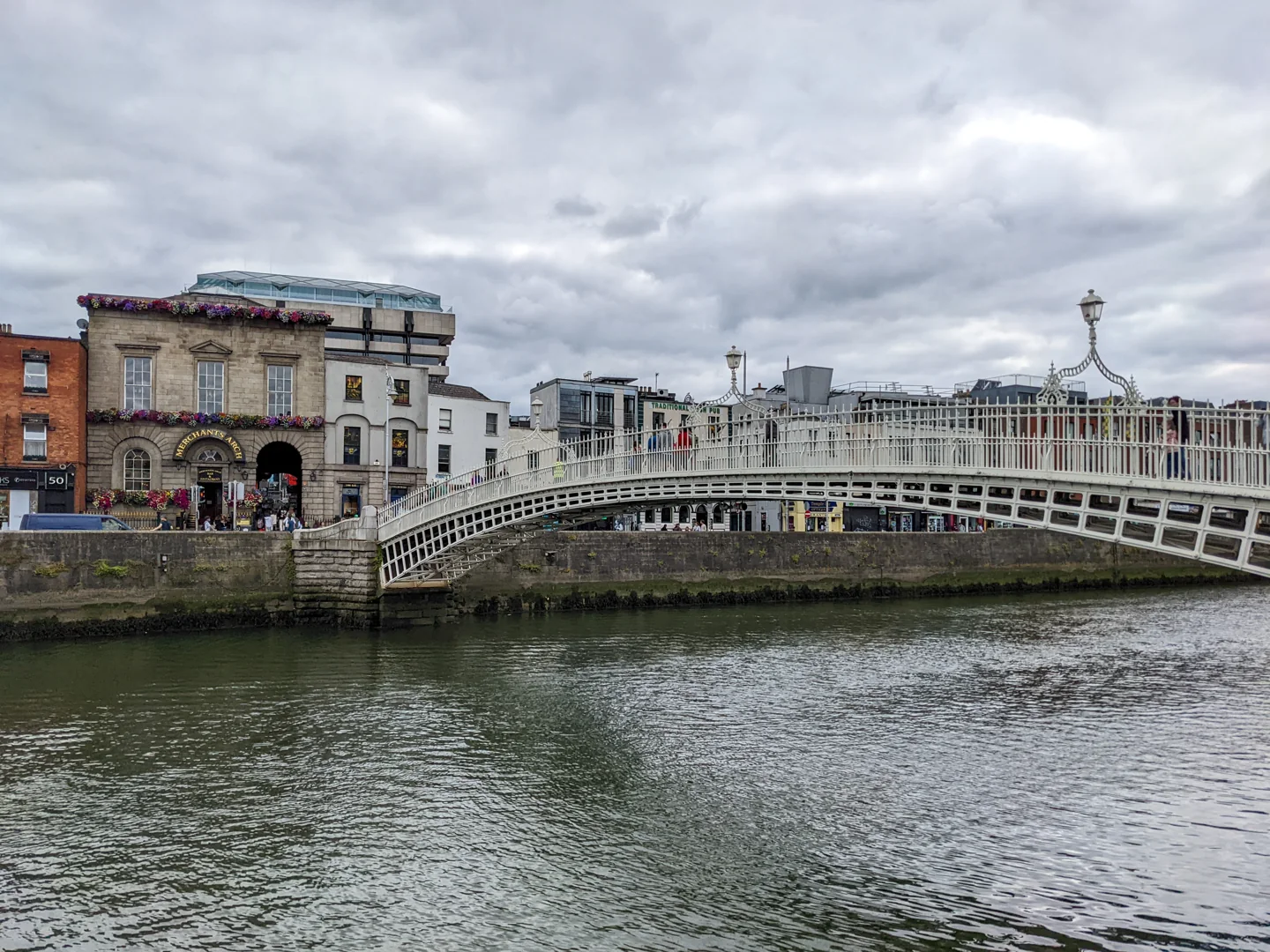
Moving & Living - Ireland - Complete Guide
Move to Ireland in 14 practical steps: choose a city, secure the right permission, arrange schools, register residence and tax, find a rental, and establish healthcare, banking and daily services.
Photo credit
In Ireland, a workable move depends on the relationship between your job or course, the home you can secure and the journey between them. Dublin’s Luas and DART corridors, Cork’s neighbourhoods and Galway’s compact centre offer different daily routines. Start with an actual workplace or campus and a housing search, rather than a country-wide cost estimate.
This guide follows the move into the Republic of Ireland, from permission and documents to the first month’s registrations, utilities and community. Northern Ireland has UK immigration and service arrangements. British citizens, EU/EEA and Swiss citizens, and people arriving on Irish immigration permissions follow different routes; use the steps that apply to your household.
Ireland at a glance
- Capital
- Dublin
- Currency
- Euro · EUR
- Official languages
- Irish and English
- Country covered
- Republic of Ireland
- Immigration authority
- Immigration Service Delivery · ISD
- Tax and services reference
- Personal Public Service number · PPSN
- Public transport
- TFI Leap, Luas, DART and regional services
- Reviewed
- 14 October 2026
Follow your moving journey
Start at step 1, or jump to the task you are working on.
01Choose a city around your real weekly journey
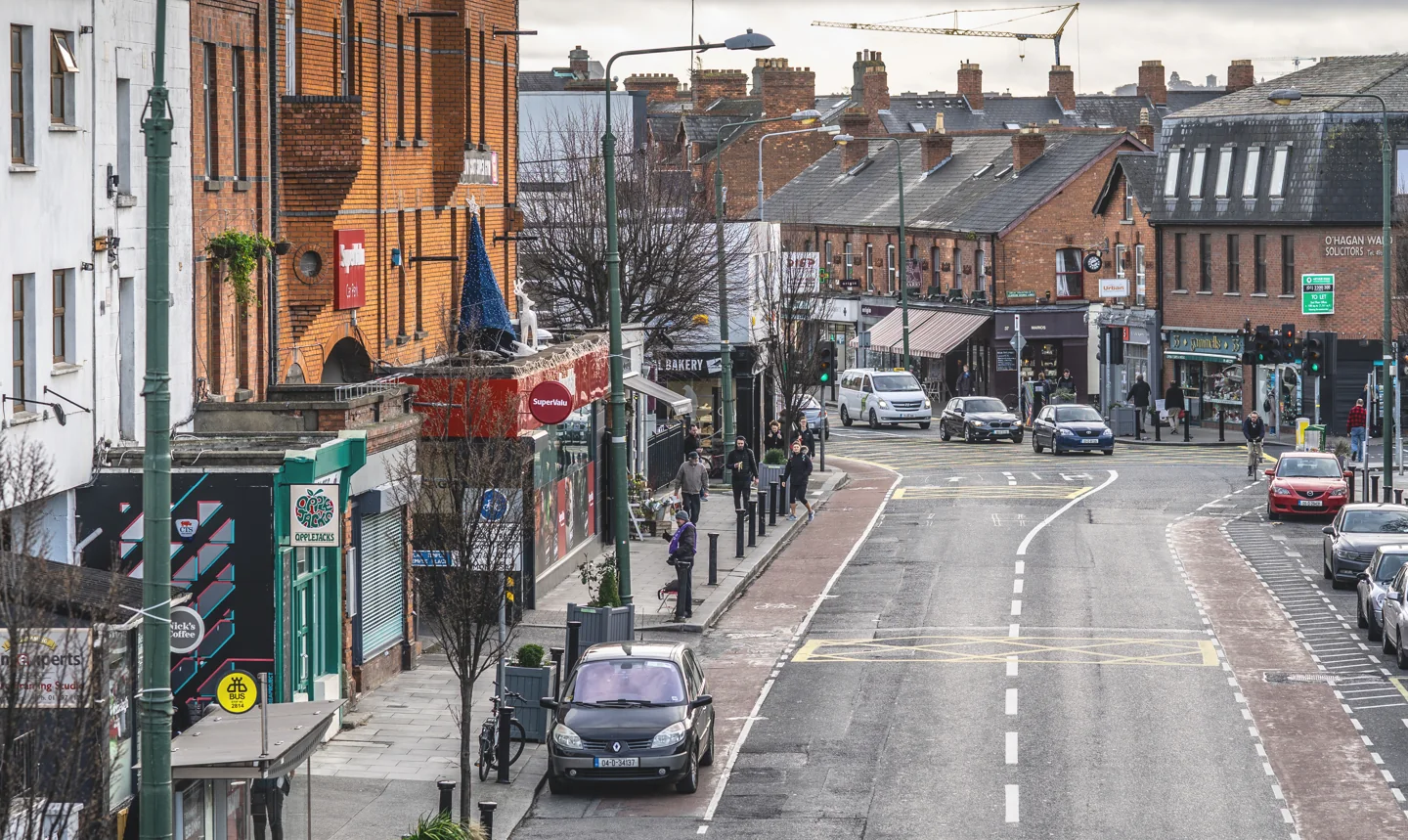
Put the workplace or campus on a map first. Then add the school run, grocery shopping and the route home after an evening shift. A rental that looks affordable can become impractical if the last connecting bus leaves before you finish work. Compare addresses, not just city names.
| Starting area | Useful comparison | Task before committing |
|---|---|---|
| Dublin: Ranelagh, Rathmines or Drumcondra | Compare an inner-city neighbourhood with a home farther along the relevant Luas, bus or rail route. | Run the door-to-door journey at your actual start and finish times. |
| Cork: city centre, Douglas or Ballincollig | Compare proximity to the employer or university with the bus journey and local errands. | Test whether the route requires a city-centre transfer. |
| Galway: city centre, Salthill or Knocknacarra | Compare walking access with the daily journey to campus or an employer outside the centre. | Check evening services and the route in wet weather. |
| Limerick: centre or Castletroy | Compare the actual workplace with access to the University of Limerick area. | Plan the commute before assuming a central address is closest. |
- Ask the employer or university which site you will attend, how often, and whether shifts vary.
- Search rentals in two or three areas with a workable connection. Record asking rent, bills included, tenancy type and the earliest move-in date.
- Build a second shortlist near the school or childcare arrangement. A university place does not solve a partner’s commute or a child’s transport.
- Keep temporary accommodation long enough to attend viewings and inspect a home. Put luggage storage and cancellation terms in the arrival budget.
Use the named Leap fare guide to price the particular service, rather than applying Dublin’s fare to every regional journey. A car should be a deliberate choice after checking licence eligibility, parking, insurance and the actual commute.
02Establish the lawful route for every household member
Irish permission applies to the Republic. A UK residence card or permission to work in Belfast does not automatically permit a non-British citizen to settle in Dublin. Under the Common Travel Area, British and Irish citizens have rights to reside and work in either jurisdiction; those rights do not extend automatically to everyone resident in Britain.
- Record each person’s citizenship and existing Irish status. EU/EEA and Swiss citizens use their applicable free-movement rights; other household members may require a separate family application.
- For an employment move, establish whether an employment permit or another qualifying permission is needed. ISD’s work route distinguishes the permit, any nationality-dependent visa and the permission after arrival.
- For study, secure the course and establish its eligibility for the intended student permission before paying a non-refundable amount.
- For family or retirement, obtain the route’s required approval or preclearance before travel. Do not assume accompanying a permitted worker gives every adult unrestricted work rights.
If a visa is required, complete AVATS, using the appropriate reason and journey type. The official AVATS instructions explain the long-stay D category and route-specific exceptions. Print and sign the application summary, and send the documents and payment to the office it identifies. Completing an online form alone does not complete a visa application.
Make a household tracker with four columns: approval needed before departure, visa needed, arrival evidence, and registration after entry. Retain the final decision letters with the passport. A visa allows travel to seek entry; it is not an employment permit or the final record of residence.
For an EU/EEA or Swiss household, use ISD’s EU Treaty Rights guidance to assess an accompanying non-EEA family member. Residence beyond three months depends on exercising the relevant right, such as employment, self-employment, study or self-sufficiency. The family application is made in Ireland; a family residence card issued by another Member State cannot establish long-term Irish residence. Irish citizens’ families generally use different rules, with specified returning free-movement exceptions.
03Turn the job offer or business plan into authorised activity
Ask the employer to assess the actual occupation, salary components and contract duration together. The label “critical skills” in a job advert is insufficient. The Critical Skills Employment Permit ordinarily requires an offer lasting at least two years. Listed strategic occupations with a relevant degree have a €40,904 annual threshold; eligible qualifications obtained within the preceding 12 months have a €36,848 threshold. A separate category applies above €68,911, subject to the excluded occupations and other conditions. Public-sector and regulated-profession provisions also matter.
- Agree who submits the application and collects the contract, qualifications and employer evidence.
- Use Employment Permits Online. Submit at least 12 weeks before the proposed employment start. The Critical Skills processing fee is €1,000; a refusal normally results in a 90% refund.
- If the role does not fit that permit, assess the General Employment Permit against its occupation exclusions, salary rules and any labour-market test. It covers a broader range, but is not an automatic fallback for every offer.
- After approval, complete any required employment-entry visa and carry the permit when travelling.
A spouse or de facto partner granted the relevant Stamp 1G can take employment without an employment permit, but cannot be self-employed or operate a business under that stamp. Read the permission conditions for the actual person; do not treat every dependant identically.
Entrepreneurs: the Start-up Entrepreneur Programme requires an innovative proposal, €50,000 available funding and evidence of its source and good character. Submit the prescribed form and supporting material to the programme’s stated address, then pay its €350 non-refundable application fee with the required reference. Russian and Belarusian citizens are currently excluded. This programme is not an ordinary freelance registration.
For remote work, identify the permission authorising the activity and agree Irish payroll, employment and tax arrangements with the employer. A foreign client or salary does not create a residence route. No general digital-nomad permission is verified here.
04Separate arrival cash from recurring costs and tax
Build two budgets. The first covers the move: travel, temporary accommodation, application fees, translation, luggage, insurance and the rental’s initial payments. The second covers the home: rent, heating and electricity, groceries, transport, phone, internet and household-specific education or medical spending. Track which deposits are refundable and which fees are consumed immediately.
| Item | Planning method | Illustration or verified scope |
|---|---|---|
| Private rental at €1,800 monthly | Keep the first rent and deposit separate. | Hypothetical one-month rent plus one-month deposit: €3,600 upfront, before temporary accommodation. |
| Residence registration | Budget per chargeable person. | €300 where applicable; booking is free and exemptions exist. |
| Dublin student living expenses | Use the institution’s scope and period. | Trinity’s posted undergraduate estimate is €19,937–€29,050 annually, excluding tuition. |
| Food, utilities and phone | Price your household and the actual property. | Request supplier quotes; do not convert a student estimate into a national household average. |
The Trinity student estimate is a Dublin university planning range, checked on 14 October 2026. Its accommodation options have different academic-year and calendar-year periods. It does not guarantee a room or establish your family’s spending.
Hypothetical recurring example: €1,800 rent + €200 utilities and communications + €400 groceries + €120 transport = €2,520 monthly. These are illustrative inputs, not researched market averages. Replace all four with your quotes and add insurance, childcare, tuition, car costs or debt payments where relevant.
Under Revenue’s residence test, 183 days in a tax year or 280 across the current and previous years can establish tax residence; a year with 30 days or fewer has an exception. Any part of a day generally counts, and the tax year is January–December. Residence, ordinary residence, domicile, overseas income and treaty treatment need their own assessment. Give an adviser your travel log, employment location, pension and investment income before the first Irish return.
05Arrange the school place or course before fixing the address
Use the Department of Education’s school finder to identify nearby schools and inspection information, then read each school’s own admissions policy and annual notice. Apply to the institution itself. Ask about the intended year group, a mid-year transfer, required records and the deadline for accepting an offer.
- Prepare the child’s birth details, previous reports and any additional learning-support information the school requests.
- Compare the admissions area and daily travel with the housing shortlist. Request written confirmation of a place before describing it as secured.
- Put uniforms, meals, transport and childcare into the household budget separately.
A concrete starting point is Monkstown Educate Together National School on Kill Avenue, Dún Laoghaire. Its 2027/28 Junior Infants applications opened on 5 October 2026 for a three-week period. The older mainstream classes’ September window has already passed at this review; late applications follow its policy. Read the school’s own annual notice and use its linked application service. This example does not imply vacancies or the same timetable elsewhere.
University: Trinity’s application instructions distinguish the CAO route from direct non-EU applications using fee/residency status rather than citizenship alone. Select the actual course, read its qualification and English-language requirements, and use its application link. Direct applications have a separate €55 fee per course. The page gives both October and 1 November opening references; confirm the intended intake in the course portal rather than treating either as a guaranteed universal date.
For a nationality requiring a long-term study visa, apply from your home country or legal residence, up to three months before travel. Prepare admission, fee-payment, insurance and finance evidence. ISD’s student finance rules require access to €10,000 for the relevant longer course, plus course fees and evidence for subsequent years; shorter-course amounts differ. Non-visa-required students prove the relevant funds at the arrival/registration stage instead. This financial threshold is eligibility evidence, not a promise that it covers real Dublin costs.
With valid Stamp 2, the student work concession permits up to 20 hours weekly, rising to 40 during June–September and 15 December–15 January. These defined periods are not simply any holiday declared by your college. Stamp 2A has different conditions. Do not fund the required financial evidence with assumed future casual earnings.
06Obtain independent-means approval before travelling
For someone who needs Irish immigration permission to retire, ISD’s Stamp 0 retirement route is a specific approval process. The stated independent-means benchmark is individual income of €50,000 a year, plus an accessible reserve for major expenses comparable, for example, to the price of an Irish dwelling. It is not a household total or a property-purchase visa.
- Have an Irish accountancy firm certify financial evidence, presented in euros with monthly income and spending.
- Complete the TPER application and send the prescribed evidence to the Independent Means section at the address on the official page.
- Include passport pages, relevant civil documents, financial statements, police clearance, health declaration and full private-hospital medical cover.
- Wait for approval. If visa-required, apply for the D-Reside visa using that approval before travelling. If non-visa-required, carry the approval when entering.
Register the granted permission after arrival. The route excludes entitlement to State benefits, and Stamp 0 conditions restrict work and business unless specifically authorised. Build renewal, insurance and pension-payment arrangements around those conditions. Keep exchange-rate assumptions separate from the euro income evidence.
Before choosing a retirement home, test access to a GP, pharmacy, shops and transport with the mobility needs of the actual household. Ask the insurer about existing conditions, waiting periods and the intended duration. Private cover required by the immigration route should be resolved before arrival, rather than left to the ordinary local healthcare setup.
07Prepare an arrival folder, belongings and pet itinerary
Make a paper folder for border and registration use, with encrypted copies you can retrieve independently of one phone. Separate passports and decisions from the shipment. Add civil certificates, educational records, references, prescriptions, insurance, the first address and the receiving organisation’s contact details. Follow the application’s actual translation and authentication rules rather than ordering every possible stamp.
- Check name spellings against the passport, especially where a rental reference, university offer or marriage certificate uses a different form.
- Ask the removals company for an itemised inventory, insurance terms, delivery address requirements and any customs documents for your origin and goods.
- Bring what is needed during temporary accommodation; schedule large deliveries after obtaining possession of the rental.
- Ask a pharmacist or clinician about medicine continuity and retain prescriptions and original packaging.
Pets: follow DAFM’s Irish entry instructions and the European Commission’s country-dependent checklist. For dogs, cats and ferrets, arrange identification before rabies vaccination; primary vaccination normally requires a 21-day wait. Entry paperwork and any antibody testing depend on origin. Dogs entering Ireland require the applicable tapeworm treatment in the 24–120-hour window, with specified origin exceptions. Have the vet record the treatment correctly.
For non-EU arrivals, arrange the designated entry point, advance notice and compliance check. Carry original documents. Accompanied pet travel normally requires the animal to arrive with you or within five days under the authorised arrangement; a separate shipment can trigger different rules. Confirm the airline’s actual carriage policy and the rental’s pet agreement before paying for transport.
08Enter with the right evidence and establish a usable address
Keep the permit, approval or university evidence in hand luggage, along with insurance and the arrival address. Explain the intended activity consistently with the approved route. A long stay starts with the correct entry conditions, not an assumption that a visitor admission can later be converted.
- Inspect the landing permission and record its expiry date. Keep the travel record with your application folder.
- Reach the first accommodation using a route available at your arrival time. Save a second option for a delayed flight, and ask the host how late check-in works.
- Obtain a working phone connection and confirm that important services can reach you by email and SMS.
- Ask for appropriate evidence of your address. Registration, PPS and banking use different document standards, so identify which proof each will accept.
Confirm the Eircode and postal address with the host. An Eircode identifies a property; it is not an immigration document. Make sure your name can receive post, particularly when a card or official letter is expected. Tell the employer or university which address is temporary and how you will update it.
Do not confuse the Republic’s procedures with those of Northern Ireland if your journey passes through Belfast. Save the contact details for the actual Irish authority responsible for your route. Plan a first-week appointment budget and travel time, particularly if residence registration requires a Dublin journey from another county.
09Register residence and obtain the PPS number for a real need
Nationwide first registration is now handled by ISD at 13–14 Burgh Quay, Dublin 2, rather than local Garda registration offices. Use the current appointment instructions and your own Customer Service Portal account. Booking is free. A notice checked on 14 October 2026 says the office is closed that day for industrial action and booked appointments have been rescheduled; read your actual appointment message.
This step applies to people required to register, not automatically to EU/EEA, Swiss or British citizens. For a permission requiring registration, arrange it within the granted period, normally 90 days. ISD’s guidance explains its treatment of people waiting for an available appointment; retain the booking evidence rather than assuming a missed date is a new unrestricted permission.
- Book after arrival in your own name. Retain the confirmation and the expiry of the landing permission.
- Follow the stamp-specific document list: originals, passport, address evidence, matching visa and landing permission where relevant, and the route’s employment, study, approval or insurance evidence.
- Attend the appointment and pay the €300 registration fee by card if chargeable. Under-18s and other listed categories are exempt; do not budget the fee for every person automatically.
- Check the issued permission’s activities and expiry. Follow the instructions for receiving the Irish Residence Permit and correcting address details.
Separately, apply for a Personal Public Service number when you have a qualifying reason, such as starting employment or accessing a specified service. A job search alone is not sufficient. Use MyWelfare with a basic MyGovID account, supply the reason and documents, and attend the required in-person appointment. Resident children applying also attend; the number is posted after processing, not issued immediately at the appointment.
Address evidence for PPS should show your name and address and be no more than three months old. When staying with friends or family, the official guidance accepts the householder’s bill plus confirmation that you live there. A returning resident should locate an existing PPS number instead of requesting another. Neither a PPS number nor an IRP card independently expands the work conditions attached to your permission.
10Open an account and connect payroll correctly
Bring the actual bank’s accepted documents rather than assuming a lease or any foreign ID will do. Bank of Ireland’s checklist requires photo identification and address proof, with matching names. Its online process adds a selfie. Accepted address sources include qualifying utility or financial statements and approved college letters, generally within six months. That bank standard differs from the PPS three-month rule.
- Choose the account product and read its monthly, transaction and foreign-exchange charges.
- Ask whether your passport, residence circumstances and chosen proof fit online opening or require a branch appointment.
- Submit clear, complete copies and answer any additional identity or tax-residence questions. Account approval remains the bank’s decision.
- After opening, confirm the IBAN with payroll, test access and arrange bill payments. Keep enough liquidity until the first salary clears.
For your first Irish job, give payroll the PPS number and use Revenue’s first-job process in myAccount: select “Add Job or Pension Details” under PAYE Services, using the employer’s Tax Registration Number. Revenue then makes a Revenue Payroll Notification available to the employer. Register promptly to avoid emergency tax. Subsequent jobs are registered by the employer.
Keep payslips and compare them with the contract, pension deductions and expected tax treatment. When paying a rental deposit, confirm the recipient and payment reference through the agreed communication channel and obtain a receipt. Save the tenancy documents and transaction record together. An account balance is not evidence that an advertised property belongs to the recipient.
11Inspect the home and understand the rental agreement
Determine whether the arrangement is a private tenancy, student accommodation or living with an owner. Their protections differ. Ask for the written terms, the landlord or agent’s identity, the full address, included bills and a realistic date for receiving keys.
- Inspect heating, ventilation, damp, appliances, locks and the route into the property. Ask how repairs are reported.
- Read the rent-setting information and the agreement’s start date, duration, notice conditions and occupants.
- For covered tenancies, the RTB deposit limit is one month’s rent. The advance-rent rule also limits requested advance rent to one month, with a specific student-accommodation exception when tuition is paid to the same provider.
- Pay only after verifying the home and terms, obtain a receipt, photograph the condition and agree the inventory.
- Record meter readings and discuss the tenancy’s RTB registration with the landlord.
The March 2026 rental framework changes rent control and protection for new tenancies. Most annual increases are capped at 2% or CPI if lower; specified new-construction exceptions can follow CPI without the 2% cap. Market resets are restricted to defined circumstances. Do not assume a fresh contract permits any increase.
Security after six continuous months and termination grounds depend on the tenancy’s start date and, under the new rules, the landlord’s portfolio or company status. A six-year minimum cycle is not a guarantee that no lawful termination can occur. Use the RTB’s actual category when assessing a notice.
Before handing back keys, agree the inspection, final readings and deposit-return process. Keep evidence of ordinary wear, any repairs and paid bills. This record is useful if the parties disagree about deductions, rather than relying on an informal verbal assurance.
12Find a GP and arrange the cover your status requires
Contact GP practices near the actual home and ask whether they accept new patients. Request their consultation charges, out-of-hours arrangement and registration process. Bring a concise clinical summary and prescriptions, particularly when continuing treatment requires a local assessment.
- Maintain any private insurance required by the immigration permission, with the specified cover rather than a generic travel policy.
- Arrange routine care with an accepting practice and identify a pharmacy that can discuss ongoing prescriptions.
- Assess eligibility for a medical card or GP visit card using the HSE’s current assessment guidance. Ordinary residence includes living in Ireland with an intention to remain at least a year; eligibility is not automatic free care for every newcomer.
- For eligible households, apply for the Drugs Payment Scheme. It has no means test and limits approved prescribed drug and specified equipment costs to €80 per calendar month for the covered family.
The drug scheme does not cap GP consultation fees or every pharmacy purchase. Enter the correct household members, retain prescription receipts and use the HSE application or status service. Ask the pharmacist how a pending application affects dispensing and any later refund.
For a planned specialist appointment, clarify referral requirements and public versus private arrangements before paying. Ask an insurer about excesses, waiting periods and existing-condition exclusions. The HSE’s EHIC guidance concerns necessary public care for visitors; do not use it as a substitute for resolving the insurance and healthcare needs of a permanent move.
13Connect the home and learn the transport payment system
Ask the landlord which supplies are separately metered and which bills are included. Photograph the opening readings and obtain the electricity MPRN. The CRU meter guide explains actual, customer and estimated readings; submit a customer reading where needed rather than inheriting an unexplained estimated bill.
- Choose the supplier and tariff using the property’s heating and likely usage. Compare standing charges, unit rates and contract conditions together.
- Notify Uisce Éireann of the move with your name, address and contact details, and an account number if you already have one.
- Check ComReg’s address/Eircode coverage information before a mobile commitment. Its predictions are for outdoor reception; test reception inside the home too.
- Confirm broadband installation availability and the landlord’s consent for any necessary work.
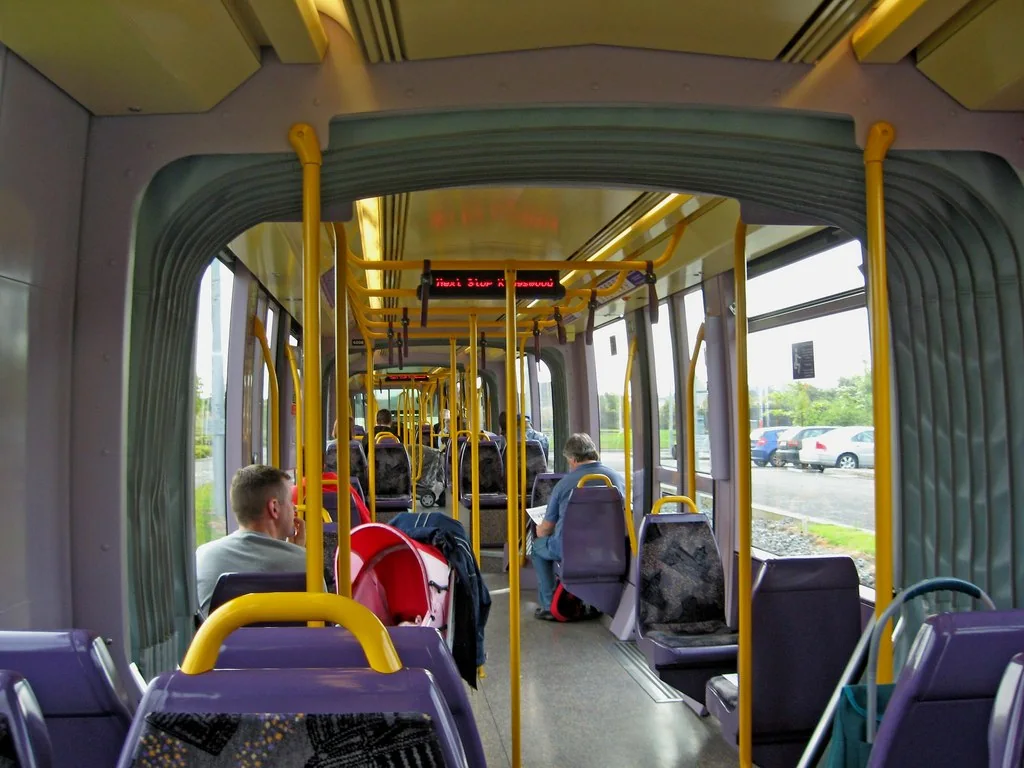
For public transport, learn the operator’s validation rules as well as the price. The current adult Dublin 90-minute Leap fare is €2 on covered services. The NTA has announced €2.30 from January 2027; it is not the October 2026 price. Regional journeys and fare products differ. On Luas and rail, follow the required tag-on/tag-off process; on a bus, use the correct reader and fare instruction.
If driving, use NDLS’s foreign-licence rules. The visitor allowance is different from the rules after taking normal residence. Exchange depends on the issuing state, category and sometimes the licence’s original origin; not every foreign licence is exchangeable. Resolve that before buying a car or assuming one year of resident driving is allowed.
14Close the first-month tasks and build a local routine
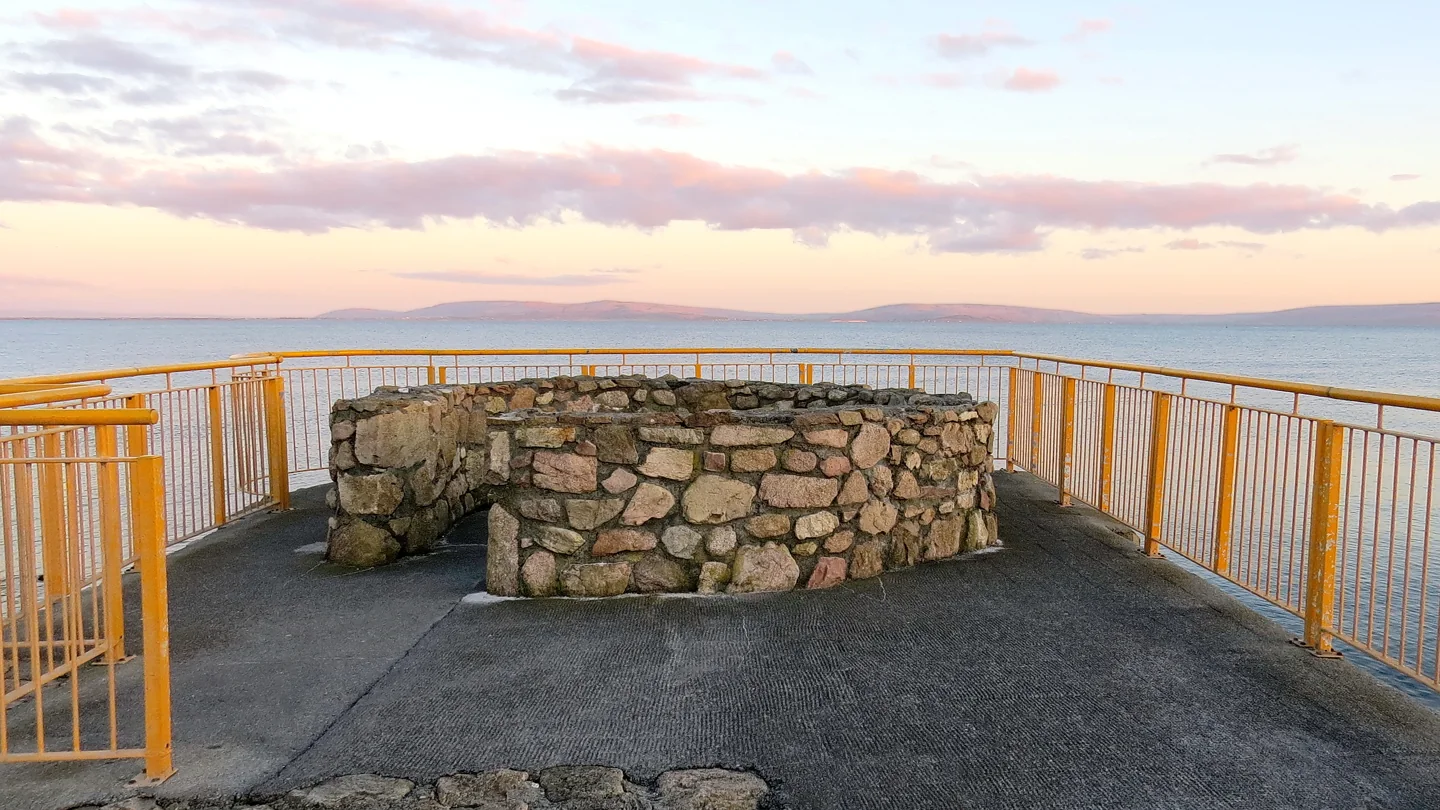
Choose practical anchors near home: a regular food shop, pharmacy, place to walk and an activity you can attend weekly. Cork’s English Market offers a place to explore food shopping; Galway’s Salthill promenade offers outdoor space. Check current opening times and accessibility rather than reading an archival photograph as proof of today’s conditions.

For an approachable community starting point, Cork City Libraries accepts membership at a branch with address evidence. Online registration still needs validation in person; under-18s attend with a guardian. Its service information explains borrowing, internet access and use of the card across public libraries in the Republic. Attend an event that fits your schedule, then repeat it enough to become familiar with the place and people.
- Permission: save the expiry, appointment messages and renewal instructions. Keep an unresolved booking on the tracker until completed.
- Address: update ISD, Revenue, the bank, employer, school and relevant health schemes when leaving temporary accommodation.
- Money: confirm the first payslip, tax registration, recurring bills and the remaining moving reserve.
- Home: retain the inventory, deposit receipt, repair contact and opening readings.
- Household: confirm school attendance, GP arrangements, prescriptions and each person’s independent permissions.
- Daily life: test a reliable commute and a backup, and choose one regular social activity.
At the end of the month, replace every planning estimate with an actual payment or quote. A good routine should work on an ordinary rainy weekday, not only during the first weekend of exploring. Keep the administrative tracker short and specific: name the outstanding service, document, appointment or decision, and the next action needed to finish it.
Sources & further reading
Reviewed 14 October 2026. Sources are linked beside the relevant instructions. Entry visas, employment permits and residence registration are separate. Eligibility depends on citizenship, purpose, qualifications and family circumstances. First registration is now nationwide at Burgh Quay; the official October 14 closure notice is dated separately. Rental protections depend on tenancy type, start date and, for some rules, the landlord’s portfolio. School and university application instructions do not promise places or housing. Amounts checked on 14 October 2026. Permit thresholds and fees refer to the named routes. Trinity’s figures are its posted Dublin student estimates, not an Irish household average. Rental and household calculations are hypothetical. Dublin’s current adult 90-minute Leap fare is distinguished from the increase announced for January 2027. Photograph credits, licences and capture years appear with the images.
Browse the source directory
- ISD — coming to work
- Irish government — Common Travel Area
- ISD — immigration stamps
- DETE — Critical Skills Employment Permit
- DETE — General Employment Permit
- DETE — Employment Permits Online
- ISD — completing AVATS
- AVATS — application service
- ISD — Start-up Entrepreneur Programme
- ISD — retirement permission
- Revenue — tax residence
- Revenue — first job
- Department of Education — find a school
- Monkstown Educate Together — admissions
- METNS — 2027/28 annual admission notice
- Trinity College Dublin — how to apply
- Trinity — Dublin student cost estimates
- ISD — long-term study visa
- ISD — student finance
- DAFM — pet travel
- European Commission — travelling with pets
- ISD — Burgh Quay appointments
- ISD — Customer Service Portal
- ISD — registration documents
- DSP — PPS number
- MyWelfare — PPS application
- Bank of Ireland — account identification
- RTB — security deposits
- RTB — enforceable breaches
- RTB — March 2026 rental changes
- RTB — rent-setting guide
- HSE — medical and GP visit card guidelines
- HSE — Drugs Payment Scheme
- CRU — electricity meter
- Uisce Éireann — moving home
- ComReg — coverage check
- Leap Card — fares and discounts
- NTA — January 2027 fare change
- NDLS — foreign licence exchange
- Cork City Libraries — membership
- Cork City Libraries — services
- ISD — EU Treaty Rights
- ISD — planning study and work
- HSE — using an EHIC
Make your next step a practical one
Confirm the job or course and every household member’s permission, shortlist homes on a workable transport route, then prepare the applications and arrival documents before paying for the move.