Visa
Moving & Living - Indonesia - Complete Guide
Move to Indonesia in 14 practical steps: select a city, arrange the right residence and work route, register locally, and establish housing, banking, healthcare, schools and everyday services.
Photo credit
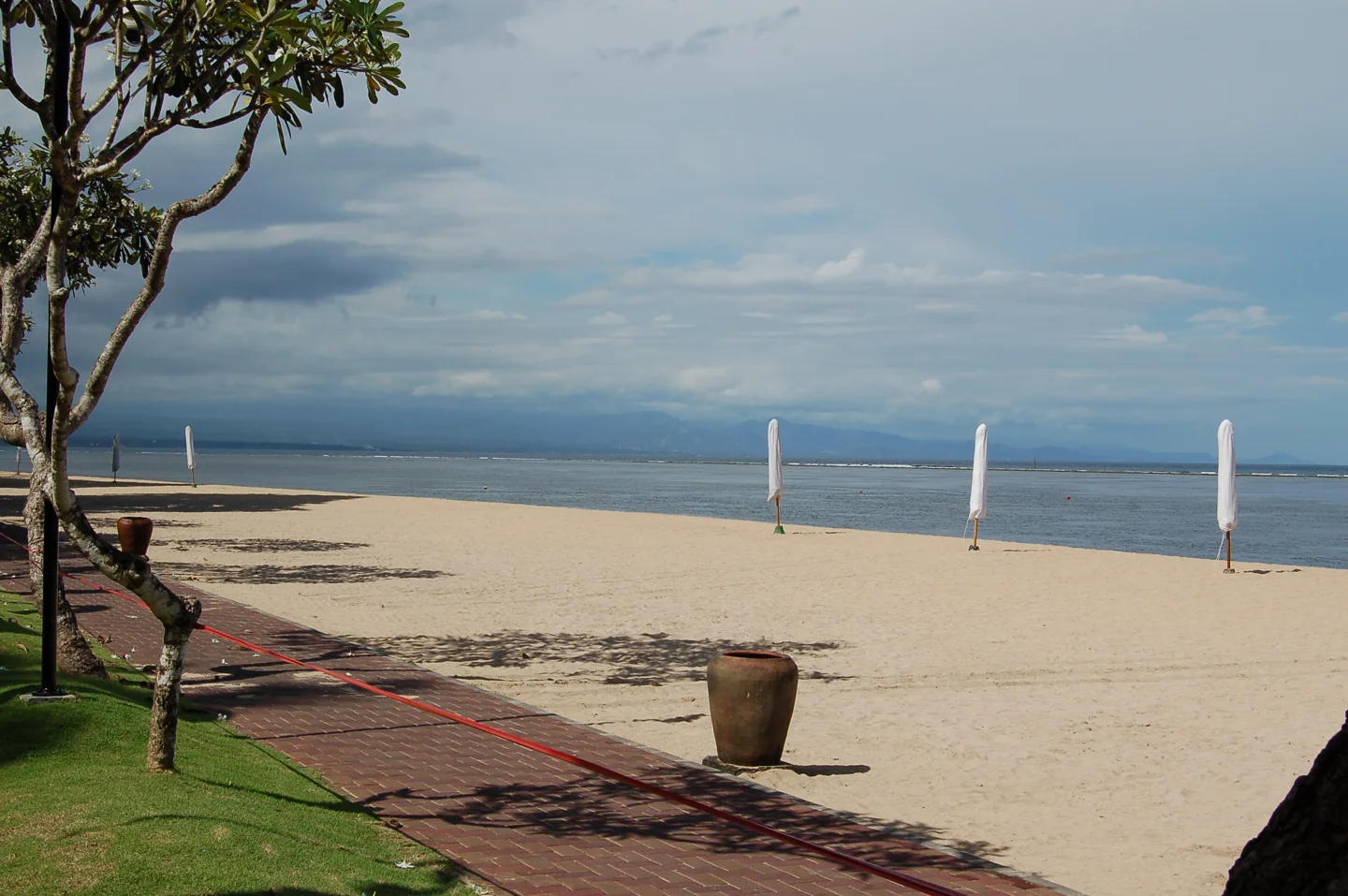
Indonesia offers very different versions of everyday life: a Jakarta apartment near an MRT station, a university routine in Yogyakarta, or a home in Sanur or Ubud. The useful comparison is the journey to work, school, medical care and groceries from a particular address. An island holiday gives only part of that picture.
This guide follows the move from choosing that address to completing the first month. It explains the difference between a visa, an immigration stay permit, local civil registration and tax registration, with practical starting points for employment, foreign-employer remote work, study and retirement. Follow the steps that apply to your household; each person needs an appropriate immigration basis.
Indonesia at a glance
- Currency
- Indonesian rupiah · IDR / Rp
- Administrative language
- Bahasa Indonesia
- Major starting points
- Jakarta, Surabaya, Yogyakarta and Bali
- Immigration record
- ITAS / e-ITAS · limited stay permit
- Local civil registration
- SKTT for qualifying limited-stay residents
- Tax identifier
- NPWP · Coretax DJP
- Everyday payments
- Bank transfers, cards and supported QRIS apps
- Reviewed
- 14 October 2026
Follow your moving journey
Start at step 1, or jump to the task you are working on.
01Choose a city around your daily journeys
Start with the place that brings you to Indonesia. Jakarta suits a move tied to an office or international school, but “South Jakarta” is too broad a housing brief. Compare the actual journey from an apartment near Blok M, Cipete or Lebak Bulus with an address in Kemang or Pondok Indah. A short distance on the map can include an awkward station walk, congested junction or difficult school pickup.
| Starting point | What to investigate | Useful first comparison |
|---|---|---|
| Jakarta | Workplace, school campus, rail access and drainage | An MRT-linked address versus a home closer to the school |
| Surabaya | Actual employer location and daily road journey | Central-city housing versus a western residential area |
| Yogyakarta | University department, class times and neighbourhood services | A room near the campus versus a larger home farther away |
| Bali | Medical access, school journey, road width and utilities | Sanur, Ubud and the Canggu area as separate housing markets |
- Pin the office, school, immigration office and likely clinic. For Jakarta, use the MRT operator’s current station information rather than assuming a proposed extension is open.
- Book temporary accommodation in one shortlisted area. Walk to groceries and the transport stop; test the commute at the time you will travel.
- Visit a prospective home after rain where possible. Ask residents about access, drainage, noise, water supply and nearby construction; inspect the address rather than relying on a district’s reputation.
- Compare two complete weekly routines, including childcare and medical appointments. Agree which journey your household most needs to shorten.
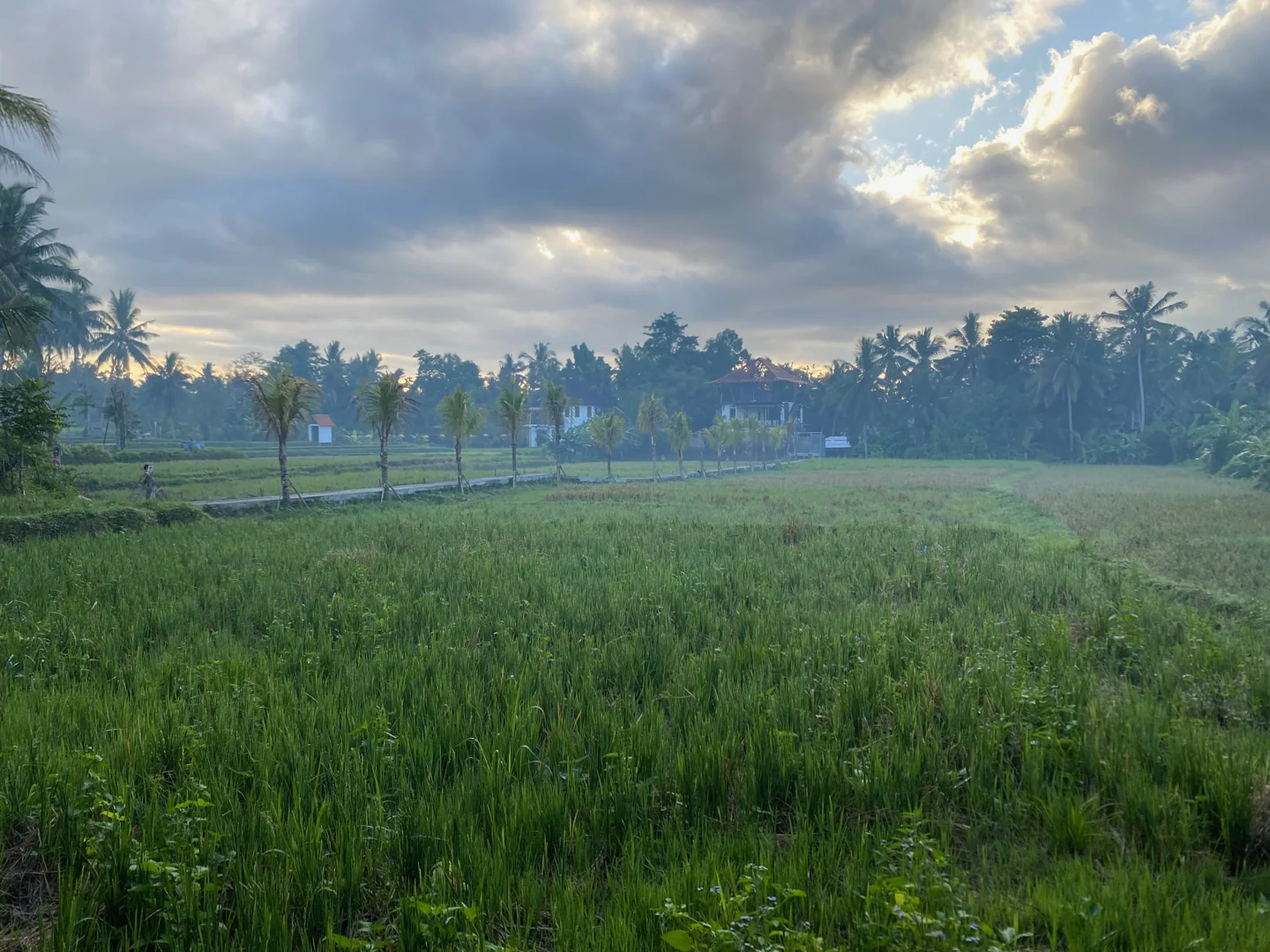
For a rural Bali address, establish whether a car can reach the entrance, where deliveries stop and whether the access route crosses someone else’s land. A rice-field view is attractive, but it does not establish access rights or reliable internet.
02Match each person to a lawful immigration route
A visitor visa, a limited-stay visa and permission to perform a particular activity are different things. ITAS means a limited stay permit; people also use “KITAS” for the associated residence documentation. A visitor entry used for an exploratory trip should not become the assumed basis for an employment or university move.
- Open the Immigration visa directory and identify the purpose: local employment, eligible foreign-employer remote work, education, family reunion, investment or retirement. Record the category and its permitted activities.
- Enter your nationality and purpose in the official e-Visa service. Determine whether the applicant or an Indonesian sponsor must hold the account. Passport type, nationality and the chosen category can affect the available process.
- Prepare the category’s exact upload list. Keep readable passport scans, photograph, financial evidence and purpose documents in separate files. Employer, university and family documents are additional evidence, rather than substitutes for identity.
- Review names, passport numbers, validity dates and the intended address before submission. Pay through the service’s issued payment instructions and keep the application reference and receipt.
- When issued, read both the latest permitted entry date and the permitted stay. They answer different questions. Keep a copy of the approved visa and the sponsor’s contact details with your travel documents.
Build a separate line in your immigration plan for each spouse and child. A family member’s residence does not automatically permit their employment. For a family route, obtain the marriage or birth evidence in the form Immigration accepts, including any required authentication and translation, before departure.
Ask the receiving immigration office how the selected category produces the e-ITAS and re-entry permission, and which later changes require an application. Treat a change of employer, activity or sponsor as an immigration task before starting the new arrangement.
03Arrange employment, foreign remote work or a business
For a local job, the employer should explain the Indonesian entity employing you, the approved role, work location, immigration sponsorship and payroll arrangements. The Ministry of Manpower’s TKA Online service handles foreign-worker procedures. Its February 2026 enforcement report confirms that an employer’s required Rencana Penggunaan Tenaga Kerja Asing, or RPTKA, is a real compliance obligation.
- Obtain a written contract stating gross pay, allowances, benefits, insurance, start date and termination arrangements. Ask HR which foreign-worker authorisation applies, including any specific exemption they rely on.
- Have the employer coordinate the employment-related visa and stay permission with the manpower procedure. Keep copies of the approvals affecting your own role. Do not start work merely because you have entered the country.
- For eligible foreign-employer remote work, examine E33G. Bontang Immigration’s published instructions (source unavailable) describe one year, no sponsor, an employment agreement with a company established outside Indonesia, bank evidence of at least USD 60,000 annual income and a posted IDR 7,000,000 immigration charge. This is a defined foreign-company route; a freelance client list or local job is not automatically equivalent.
- For a business, identify the actual activity before incorporating. Use OSS to investigate the business classification, investment conditions, risk level and required licences. Follow the relevant business-entity guide, then obtain the NIB and additional permissions required for that activity.
A company registration does not resolve your personal immigration status or authorise every role. Discuss foreign ownership, your management position and the immigration route together with a qualified Indonesian adviser. Ask for a written list of approvals and official charges, rather than an unexplained “business visa package”.
For remote work, obtain the employer’s written agreement on working from Indonesia, data handling and payroll treatment. Keep residence eligibility separate from tax analysis: an overseas employer does not make your Indonesian tax position disappear.
04Build a cash-flow budget and determine your tax position
Budget for the household you are actually moving. A Jakarta school bill, a prepaid Bali rental and a single student’s room create very different initial cash demands. Collect named quotes for the intended address, school and policy; a single national “expat monthly cost” conceals these differences.
| Initial funding | Recurring funding |
|---|---|
| Visa charges, travel, document preparation and temporary accommodation | Rent, building charges, power, water and internet |
| Prepaid rent, refundable security deposit and essential furnishings | Groceries, transport, health insurance and medicines |
| School application, enrolment and capital charges; shipment and pet arrangements | Tuition instalments, activities, childcare and renewal costs |
Hypothetical rental calculation: if a landlord quotes IDR 72,000,000 for a year paid in advance plus IDR 6,000,000 refundable security, the initial housing cash requirement is IDR 78,000,000. Allocating the rent across 12 months gives IDR 6,000,000 monthly; the refundable deposit is separate. These invented inputs demonstrate arithmetic, not a market quote.
Hypothetical recurring worksheet: that allocated rent of IDR 6,000,000 plus chosen allowances of IDR 1,000,000 for utilities and internet, IDR 3,000,000 for food and IDR 800,000 for transport totals IDR 10,800,000 monthly. Replace every input with your own evidence and add insurance, education, tax, childcare and other household costs. This incomplete example is not an Indonesia living-cost estimate.
- Keep income, spending and locked funds in their original currencies. Model the exchange rate separately; the E33G income threshold is in USD, while everyday bills are generally quoted in rupiah.
- Prepare a travel-day record and collect employment and residence documents. DJP’s foreign-citizen residence explanation distinguishes residence, more than 183 days in a 12-month period and an intention to reside. Presence need not be consecutive; planning around day 184 alone is insufficient.
- Have a tax adviser determine residence, worldwide-income reporting, treaty treatment and any available exception from your own facts. Establish payroll withholding and the appropriate registration and filing obligations.
- Use current DJP Coretax guidance for the relevant filing period. Keep employer withholding evidence, foreign-income records and supporting exchange-rate calculations.
05Apply to the school or university before choosing a long lease
A school place should anchor the housing search. Ask the school about the particular campus, age and grade placement, language support and transport, then compare the commute with your work location. A school tour or an application payment is not an offer.
- For a Jakarta starting point, follow Jakarta Intercultural School’s admission process: arrange a visit, submit records and recommendations through its OpenApply application, complete the grade-appropriate assessment and await the decision.
- Request the complete fee schedule for your child. JIS’s standard 2026–27 schedule, valid until 31 December 2026, lists grades 1–5 tuition of IDR 450,866,000, enrolment of IDR 32,250,000 and capital charges of IDR 68,367,000: IDR 551,483,000 together. The IDR 5,543,800 application fee is separate and non-refundable; technology, transport and assessed support can add costs. These are this school’s figures, not national school prices.
- For university, select the actual programme and teaching language through Universitas Indonesia’s international office, then use the international admissions portal. At this review, its 2026 Term 2 Phase 1 master’s and doctoral window closes on 2 November 2026 at 23:59 GMT+7. That is not an undergraduate deadline.
- Follow the UI application procedure: create an account, select the programme, complete and save the application, pay the USD 150 application fee through the published instructions, upload the payment evidence and monitor the result.
Ask the institution for a written list of academic, language and document requirements for the selected intake. Plan time for transcripts, translations and any authentication. Confirm whether your programme is taught at the Depok campus or another location before choosing housing.
After an offer, arrange the appropriate education visa and stay permission with the institution. Ask separately about each accompanying family member. An admission letter does not itself authorise entry or employment, and the programme’s fees do not necessarily include insurance, living expenses or immigration costs.
06Resolve the retirement category before transferring money
Indonesia has specific older-person categories, but official material is inconsistent on the age threshold. Bontang Immigration’s E33E page (source unavailable) describes applicants aged 55 or above; the May 2025 ministerial classification reproduced by Japan’s embassy says 60 for E33E and E33F. The latter distinguishes a five-year route without a sponsor from a one-year route with a sponsor. An applicant aged 55–59 should obtain Immigration’s confirmation for the actual application before paying or arranging deposits.
- Identify the exact retirement category in the application service. Ask Immigration to confirm the age criterion and any sponsor requirement for your nationality and circumstances. Keep that response with the application file.
- For E33E, Bontang’s published conditions include at least USD 3,000 monthly income or allowance, a commitment to place at least USD 50,000 in your own account at a state-owned bank within 90 days of ITAS issuance, and a posted five-year charge of IDR 13,000,000. Confirm these against the selected application; the deposit is not a visa fee.
- For a sponsored category, establish who the authorised sponsor is, which official permissions they will obtain and what their service fee includes. Do not assume the E33E financial or fee schedule also describes E33F.
- Choose healthcare before housing: identify the nearest suitable hospital, confirm ongoing medicines and obtain an insurance quote covering your age and conditions.
- Determine pension taxation and transfer arrangements with advisers in both countries. Leave sufficient accessible funds while any immigration deposit is held.
For a couple, document each person’s route and healthcare needs. A retirement residence arrangement is not ordinary local employment permission. If the intended activity changes, obtain the appropriate immigration decision before taking it up.
07Prepare documents, belongings and any pet move
Build three files: originals travelling with you, encrypted scans you can retrieve, and the exact documents the sponsor or institution needs. Include passports, visa approvals, contracts, admission evidence, family certificates, insurance, medical summaries and the address of temporary accommodation. Keep originals out of shipped luggage.
- Ask the receiving authority to specify the authentication and translation it needs for each civil document. Use the spelling that matches the passport; resolve name differences before uploading.
- Create a shipment inventory with ownership and value evidence. Ask a customs broker to confirm the household-removal treatment applicable to your status through Indonesian Customs. Obtain a written quote identifying freight, clearance, inspection, storage and delivery; do not assume every new item or vehicle is duty-free.
- For an overseas phone, record the IMEI before travelling. The Customs IMEI FAQ sets a 60-day post-arrival registration limit. Declare the handset at arrival and have Customs record the passport and IMEI before leaving. Present the registration QR code, passport, boarding pass and invoice if available. If the arrival record was made, the FAQ allows completion at a nearby customs office within five days of arrival while retaining the applicable USD 500 personal-traveller allowance. Without that arrival declaration, later registration within 60 days generally loses the allowance. A separate exception covers documented quarantine, with completion within five days after release. Registration is free, but import taxes can still arise.
- For a pet, consult Indonesian Quarantine’s import guidance and the PTK service before purchasing transport. Establish the admissible origin, designated arrival point, official export health certificate and inspection arrangements for your animal.
Bali requires a separate decision. The quarantine service lists Bali in its domestic movement restrictions for rabies-carrying animals, including dogs, cats and monkeys. Clearing an animal through Jakarta does not establish permission to move it onward to Bali. Obtain the destination authority’s lawful written position before building the move around a pet; an agent’s promise is insufficient.
Prepare enough prescribed medicine for the transition, subject to its import controls, with the prescription and generic drug names. Obtain airline approval separately for any restricted baggage or animal carriage.
08Complete the arrival declaration and establish a usable base
Use the official All Indonesia service for the integrated arrival declaration. Yogyakarta Immigration’s January 2026 instructions explain the three-day pre-arrival window and that the service is free. It is an arrival form, rather than a visa application or a substitute for Customs clearance.
- Enter your passport, journey and accommodation details, then answer the customs, health and quarantine questions accurately. Save the resulting confirmation offline.
- Travel with the approved visa, purpose documents and sponsor or university contact. At arrival, verify the passport entry record and any e-ITAS or re-entry document produced for your category.
- Complete any required goods declaration and phone-registration procedure before leaving Customs. Present an animal through its approved quarantine process rather than joining the ordinary passenger exit without declaring it.
- Go first to the booked temporary address. Retain the full Indonesian address, accommodation contact and proof of stay for later registrations.
- Obtain a working local connection from an operator outlet. Use Telkomsel’s foreign-visitor guidance as a starting point, then explain that you are moving for a longer stay so the outlet can identify the appropriate product and identity procedure.
Before the first appointment, make one small payment and receive one call or message. Save the exact building entrance and arrange a reliable way back to the accommodation. Keep access to your overseas banking number until you have moved authentication deliberately.
Set up a household calendar immediately: entry date, permit expiry, document appointments and school or employment start. Read dates from the issued documents rather than calculating every deadline from the flight alone.
09Complete immigration records, SKTT and tax registration
Immigration and population registration serve different purposes. The e-ITAS records limited stay permission; Surat Keterangan Tempat Tinggal, or SKTT, is the local temporary-residence certificate for the relevant foreign resident. NPWP is a tax identifier. Completing one does not automatically complete the other two.
- Check the issued e-ITAS and re-entry details with the responsible immigration office. Save the PDF, reference numbers and expiry dates, and confirm how to report a changed address or sponsor.
- Apply to the population office for the municipality or regency containing your address. The Home Affairs registration standard requires the relevant ITAS holder to report within 14 days of ITAS issuance, with F-1.03, passport and permit copies and the applicable address evidence. Rented or shared accommodation can require the owner’s no-objection statement. The SKTT service is free; its validity follows the ITAS.
- For an address within Denpasar city, follow the population department’s procedure through Taring Dukcapil. Upload clear evidence, monitor requests and retain the issued record. A Bali address outside Denpasar belongs to a different local office.
- Determine whether you need taxpayer registration, then use Coretax DJP. Prepare passport, stay permission, actual address, contact details and income information. Existing taxpayers should activate the existing record rather than request a duplicate NPWP. Use DJP’s current account and authorisation guidance and the local tax-office helpdesk for foreign-identity validation difficulties.
DJP’s 2026 explanation for expatriate families distinguishes the identification used for certain family records from ordinary full taxpayer registration. Ask how each family member should appear in the Coretax family data; do not create separate taxable records merely to fill a household field.
Keep a short register of document name, issuing authority, number, address, expiry and renewal action. If you move from temporary accommodation, arrange the necessary updates promptly instead of leaving every record attached to the hotel.
10Open a bank account and practise local payments
Choose a bank around payroll, branch access, transfers and the documents it accepts. A bank’s Indonesian-citizen mobile application flow may not be the right opening process for a foreign resident. Arrange a branch visit with your own documents.
- For a concrete starting point, read BCA Tahapan’s requirements. It lists passport and KITAS or KITAP for foreigners domiciled in Indonesia, with different additional checks for non-domiciled foreigners. Ask the branch what address, employment and foreign tax-residence evidence it needs.
- Prepare originals and explain the source of funds. Compare the debit-card network, foreign transfer terms, monthly charge and minimum balances before choosing the product.
- The posted Tahapan initial deposit is IDR 500,000, which funds the account rather than buying it. Its Blue card monthly administration is IDR 15,000 for Mastercard or IDR 14,000 for GPN, with a posted IDR 20,000 card issuance/replacement charge. Other charges and balance conditions remain relevant.
- Activate the bank’s app and authentication on your own phone. Test a small transfer and withdrawal before routing a salary or large rental payment through it.
- For merchant QR payments, use a compatible approved bank or payment app under Bank Indonesia’s QRIS system. Cross-border availability depends on participating services; displaying a QR code does not mean every overseas card or wallet can pay it.
Before a property payment, match the recipient name with the contract or documented authorised agent. Send a small test where appropriate, obtain receipts and retain the transfer reference. Never hand an intermediary your PIN, banking password or verification code.
Keep a second payment method and modest cash while services are being established. Decide which currency conversion occurs at each transfer, and compare the complete amount received after charges.
11Inspect the home and write the rental terms down
Learn the vocabulary in the listing. Sewa means rent; kontrak often describes a term rental, while a kost is typically a rented room with its own house rules. These words do not establish the deposit, payment schedule or your legal rights. Ask for the actual agreement.
- Inspect the unit you would occupy. Test taps, drainage, locks, air-conditioning and the mobile signal. Ask for an internet installation check, inspect the meter and determine whether the water comes from a utility, building system or well.
- Confirm the landlord’s identity and authority to rent the property, or the agent’s written authority. Obtain legal help if ownership, access or the proposed agreement is unclear.
- Write the address, term, occupant names, payment dates, security amount and refund conditions into the contract. Specify which bills, building charges, repairs, cleaning and maintenance belong to each party.
- If the quoted rent is annual or prepaid, ask when money falls due and what happens if you leave early. Negotiate the payment schedule before agreeing; a monthly equivalent in an advert does not establish monthly payment.
- Record an inventory, photographs, meter readings, keys and existing defects at handover. Obtain signed receipts and written confirmation of any promised repairs.
For a Bali villa, clarify pool and garden maintenance, rubbish collection, access, water supply and any shared facilities. For a Jakarta apartment, ask building management about move-in arrangements, service charges and the internet providers permitted in that tower.
Ask whether the owner will supply the address evidence and consent needed for your SKTT registration. Agree this before paying. Have the Indonesian and translated contract reviewed together if you cannot read the original; understand the governing terms, renewal, notice, deductions and dispute procedure.
Keep housing tenure separate from immigration: a long lease does not extend a permit. Update the residence records when the final address differs from the one used on arrival.
12Arrange coverage and choose where you will receive care
Indonesia’s JKN system is administered by BPJS Kesehatan. Its foreign-worker participation guidance includes foreigners working in Indonesia for at least six months who enrol and pay contributions. That is not automatic free cover for every visitor, remote worker or retiree.
- For employment, ask HR which BPJS registrations apply, when coverage becomes active, which dependants are included and how contributions are handled. Confirm the record through BPJS Kesehatan rather than relying solely on a payroll deduction.
- Identify the registered first-level facility, or FKTP, and ask how routine visits and referrals work. Establish the separate procedure for an emergency and for treatment outside your usual area.
- For private cover, give the insurer your actual residence, intended activities and medical history. Compare hospital networks, exclusions, waiting periods, excesses, outpatient benefits and evacuation. Obtain written answers for ongoing conditions.
- Contact a suitable local provider. In Bali, BIMC’s own website lists its Nusa Dua, Kuta and Ubud services and contact details. Confirm which facility offers the service you need and how to book; its appearance in this guide does not guarantee availability or cashless treatment.
- Ask the insurer and hospital what approval is needed before treatment, which documents to present and whether you pay first and claim later. Save the emergency-assistance number offline.
Carry a concise medical summary, allergy list and prescription with generic drug names. Arrange a first appointment early for ongoing treatment rather than waiting until the supply runs out. Ask the clinician about the local equivalent and availability.
For a home far from a major hospital, test the actual journey and consider whether your policy covers transfer to a better-equipped facility. Price the coverage for your own age and household; the guide does not treat an old BPJS contribution table as a verified 2026 premium.
13Set up phones, power, water and transport
A functioning SIM and an imported handset’s registration are separate tasks. Likewise, a landlord’s electricity meter and your responsibility for its bills need to be established together.
- At the mobile operator outlet, present the required passport and residence evidence and confirm the plan’s validity, renewal and available coverage at home. A visitor product is not proof of permanent handset compliance; complete the applicable Customs IMEI process.
- At handover, photograph the PLN customer or meter number. Ask whether electricity is prepaid with tokens or billed after use, whether there are arrears and what capacity is supplied. Use PLN’s customer service or PLN Mobile to identify the account and purchase or payment process.
- If capacity needs changing, agree with the owner first. PLN’s January 2026 instructions describe the Ubah Daya/Migrasi request, customer number, quoted payment and tracking. A requested upgrade is not installed merely because the form was submitted.
- Confirm who supplies water, where bills arrive and how faults are reported. Test the home’s internet connection before committing to a long provider contract.
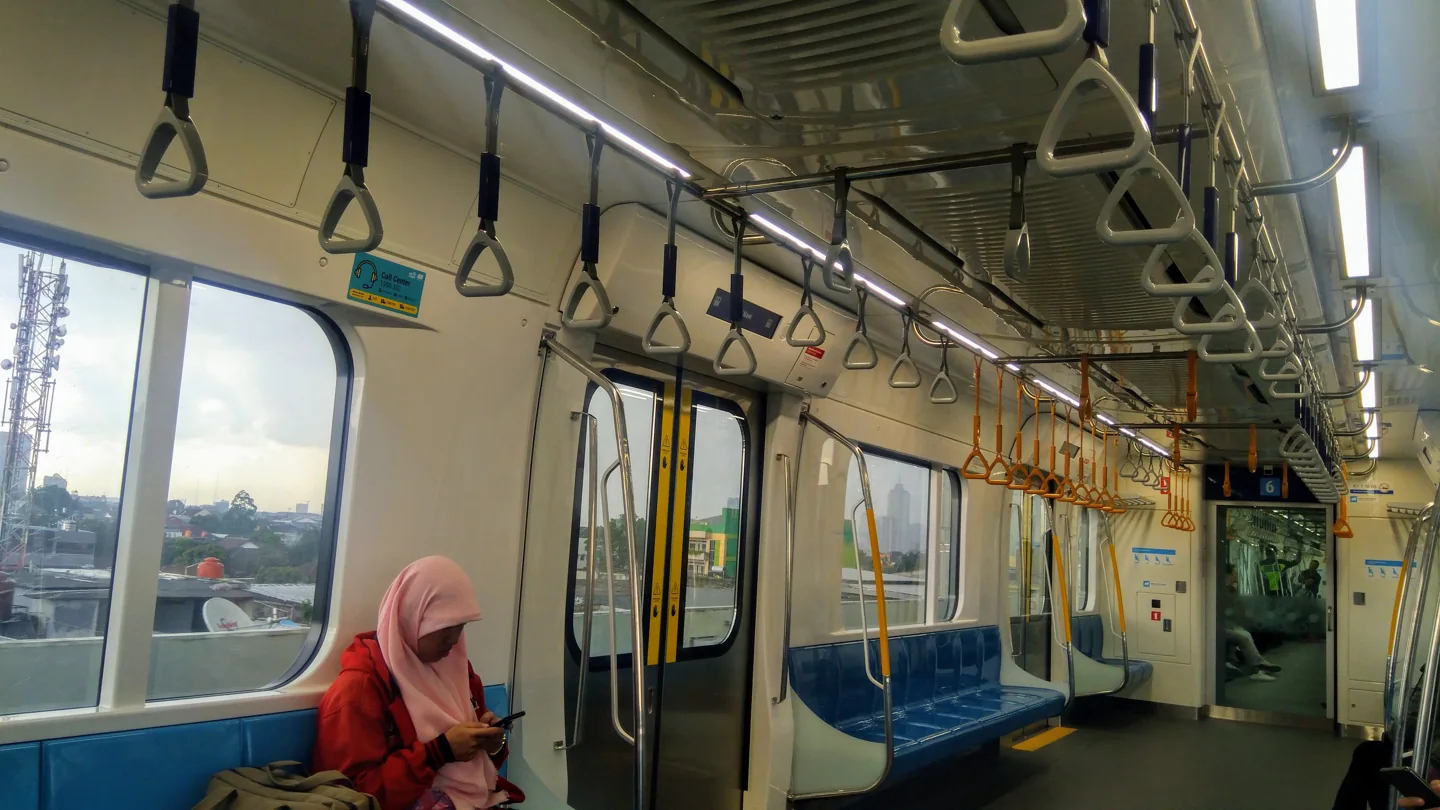
- For Jakarta rail travel, select the actual station pair in the official MRT fare table. Posted examples are IDR 14,000 from Lebak Bulus to Bundaran HI and IDR 7,000 from Blok M to Dukuh Atas. These are one-way named-route fares, not an all-network pass.
Transport calculation: two IDR 7,000 MRT journeys on each of 22 workdays total IDR 308,000. This calculation excludes station access, other operators and non-work journeys. Test the accepted card or app and keep sufficient balance before the morning commute.
Try the route on a weekday and record the whole door-to-door journey. For driving or motorcycle use, establish the licence category, local validity and insurance coverage for your situation before hiring. Do not let a rental counter’s willingness to hand over keys answer those questions.
14Build a local routine and close the first-month gaps
Start with repeatable places: a food shop, pharmacy, clinic, language class and a walking route. Practise Bahasa Indonesia for directions, prices, addresses and appointments. Learn how your building or neighbourhood communicates about deliveries, maintenance and local events.
- In the first week, confirm the entry and permit records, keep a working number, test payments and identify medical care. Add the SKTT deadline to the calendar as soon as the ITAS is issued.
- During the following weeks, complete the relevant civil and tax procedures, update the final address and collect the employer’s or institution’s remaining documents. Retain evidence of submissions and follow up through the issuing service.
- At home, reconcile the first bills with the contract. Confirm that the meter, internet account and payment recipient match the arrangement you signed.
- For children, attend the school orientation and confirm transport, emergency contacts and pickup arrangements. For university, complete faculty registration and learn where student and international-office support are located.
- Join a suitable class, sports group or neighbourhood activity. Use official provider pages for times, eligibility and any charge, rather than assuming a public setting is free to enter.
- At the end of the month, check every outstanding task against its receipt. Put renewal reminders, insurance expiry and planned travel into one calendar, including whether re-entry permission covers the intended return.
A market visit can become a useful language routine. Ask the price clearly, check quantities and keep the purchase small while learning. Yogyakarta’s Beringharjo offers an everyday setting; its stalls are a place to understand local products, rather than an immigration or housing service.

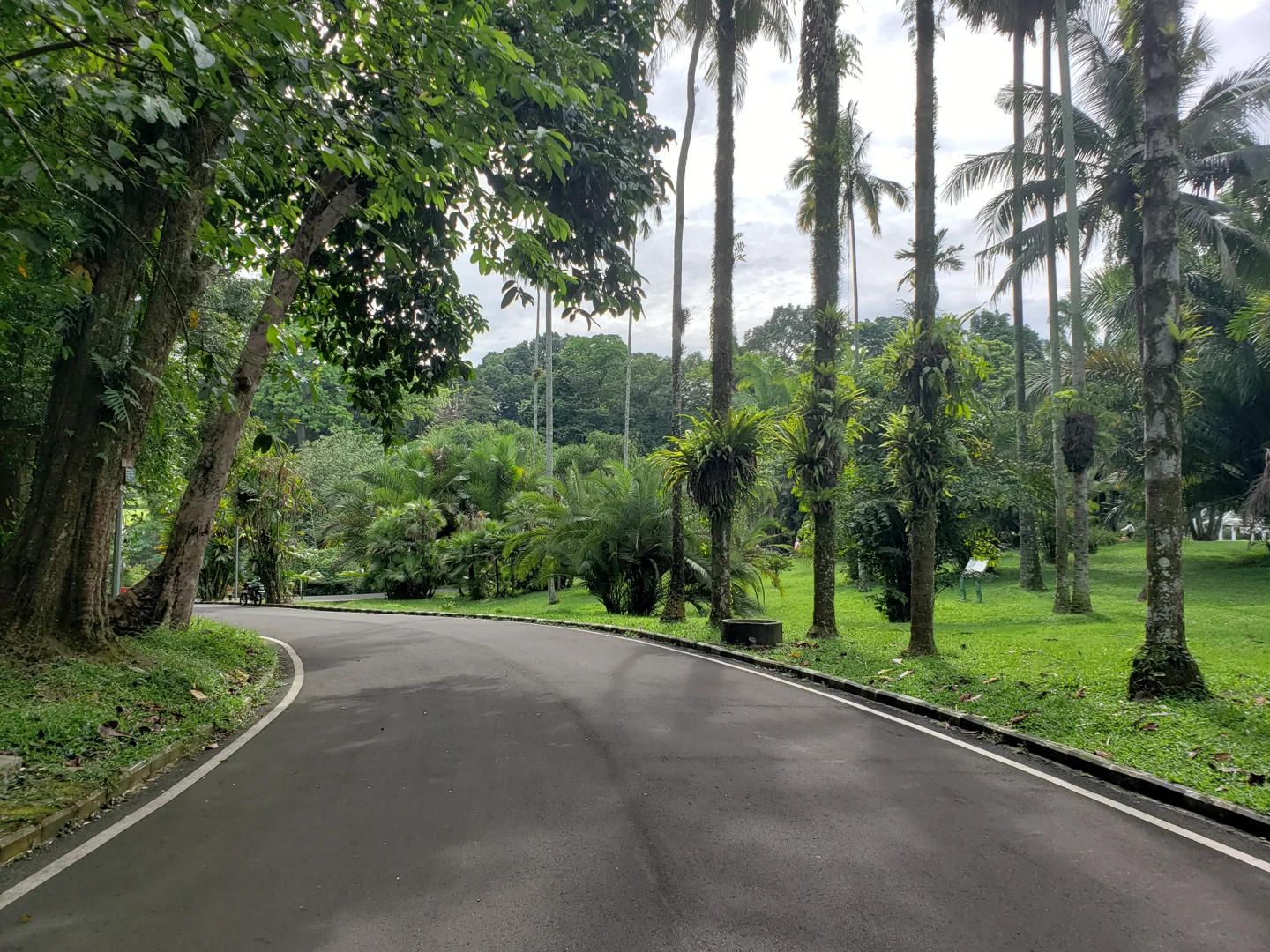
For green space around the Jakarta region, investigate Bogor Botanical Gardens’ current visitor information before planning a visit. Take the same practical approach to weekend life as to the commute: check access, opening times and the return journey. A good first month ends with fewer unresolved administrative tasks and a routine you can maintain.
Sources & further reading
Reviewed 14 October 2026. Sources are linked beside the relevant instructions. Retirement sources disagree on age: Bontang Immigration describes E33E from 55, while the May 2025 classification document reproduced by the Japanese embassy says 60. Applicants aged 55–59 should obtain Immigration’s confirmation before paying. Bali animal restrictions are separate from national import clearance. Coretax is the current tax administration starting point; older DJPOnline instructions concern earlier filing periods. Targeted Customs review on 16 October 2026 confirmed the recorded-at-arrival five-day IMEI completion option and its distinction from late undeclared registration. Prices checked on 14 October 2026. Immigration amounts are the posted fees for the named visa routes, rather than a universal application price. JIS school amounts are its standard 2026–27 schedule valid until 31 December 2026. BCA and Jakarta MRT examples retain their product and route scope. Rental and household arithmetic is hypothetical; refundable deposits and prepaid rent are identified separately. Photograph credits, licences and capture years appear with the images.
Browse the source directory
- Directorate General of Immigration — e-Visa application
- Directorate General of Immigration — visa directory
- Bontang Immigration — E33G and E33E instructions (source unavailable)
- Japanese embassy — Indonesian ministerial visa classification, May 2025
- Central Jakarta Immigration — limited-stay permit procedures
- Ministry of Manpower — TKA Online
- Ministry of Manpower — February 2026 RPTKA enforcement
- Ministry of Investment — OSS business licensing
- OSS — business licensing guides
- DJP — foreign-citizen tax residence explanation
- DJP — Coretax service
- DJP — current Coretax annual-return guidance
- DJP — expatriate-family tax identification
- Jakarta Intercultural School — admissions
- Jakarta Intercultural School — actual application
- Jakarta Intercultural School — 2026–27 fees
- Universitas Indonesia — international admissions
- Universitas Indonesia — application procedure
- Universitas Indonesia — prospective international students
- Indonesian Customs — traveller services
- Indonesian Customs — IMEI registration FAQ
- Indonesian Quarantine — March 2026 animal guidance
- Indonesian Quarantine — PTK application
- Indonesian Quarantine — domestic cat movement restrictions
- Indonesian Immigration — All Indonesia arrival declaration
- Yogyakarta Immigration — January 2026 All Indonesia instructions
- Ministry of Home Affairs — foreigner temporary-residence registration
- Denpasar population department — 2025 revised service procedures
- Denpasar — Taring Dukcapil application service
- BCA — Tahapan requirements and fees
- Bank Indonesia — QRIS payment standard
- BPJS Kesehatan — foreign-worker participation explanation
- BPJS Kesehatan — current service
- BIMC Bali — hospitals and patient contacts
- Telkomsel — Tourist Prepaid information
- PLN — customer services
- PLN — January 2026 capacity-change procedure
- MRT Jakarta — official fare table
- MRT Jakarta — current passenger service
- Bogor Botanical Gardens — visitor service
Make your next step a practical one
Choose a city around the employment, school or other commitment that brings you here. Confirm each household member’s immigration route, secure temporary accommodation, and prepare the address and registration documents before committing to a long rental.