Visa

Moving & Living - Hungary - Complete Guide
Move to Hungary in 14 practical steps: choose a city, distinguish EEA and third-country routes, arrange work or a White Card, and establish tax records, housing, banking, schools, healthcare and transport.
Photo credit
A move to Hungary can mean a Budapest district close to the right tram or metro, a university routine in Debrecen or Szeged, or a smaller-city base in Pécs or Győr. Hungarian appears throughout contracts and administration, so learning the names of the documents you need makes the first appointments much easier.
This guide follows the practical journey from selecting a city to completing the first month. The order depends on your status: EEA and Swiss movers use registration, while other nationals need the appropriate residence category. Employment, remote work, study and family routes have different conditions; choose that route before assuming the whole household can move together.
Hungary at a glance
- Capital
- Budapest
- Currency
- Hungarian forint · HUF / Ft
- Administrative language
- Hungarian
- Immigration
- OIF / NDGAP · Enter Hungary
- EEA address record
- Lakcímkártya, where applicable
- Tax identification
- NAV · adóazonosító jel
- Healthcare record
- TAJ, with separate eligibility checks
- Capital transport
- BKK · BudapestGO
- Country calling code
- +36
- Reviewed
- 14 October 2026
Follow your moving journey
Start at step 1, or jump to the task you are working on.
01Choose a city and test the neighbourhood journey
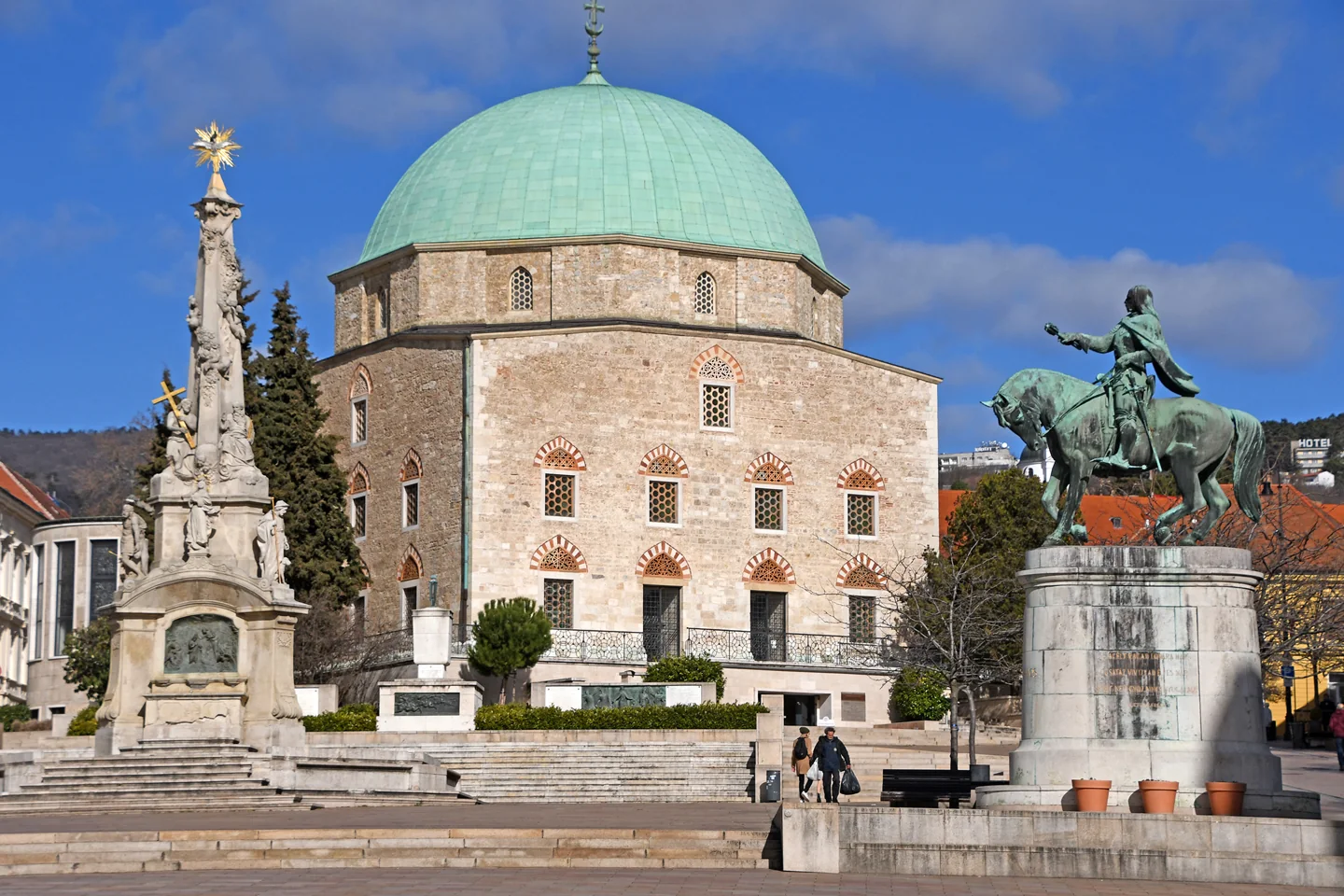
Start with the actual employer or institution, then look at housing. A Budapest listing can be on either side of the Danube, and a district number is not a complete description of the daily journey. In a university city, confirm which campus hosts the programme rather than choosing by the university name alone.
| Base to investigate | Practical comparison |
|---|---|
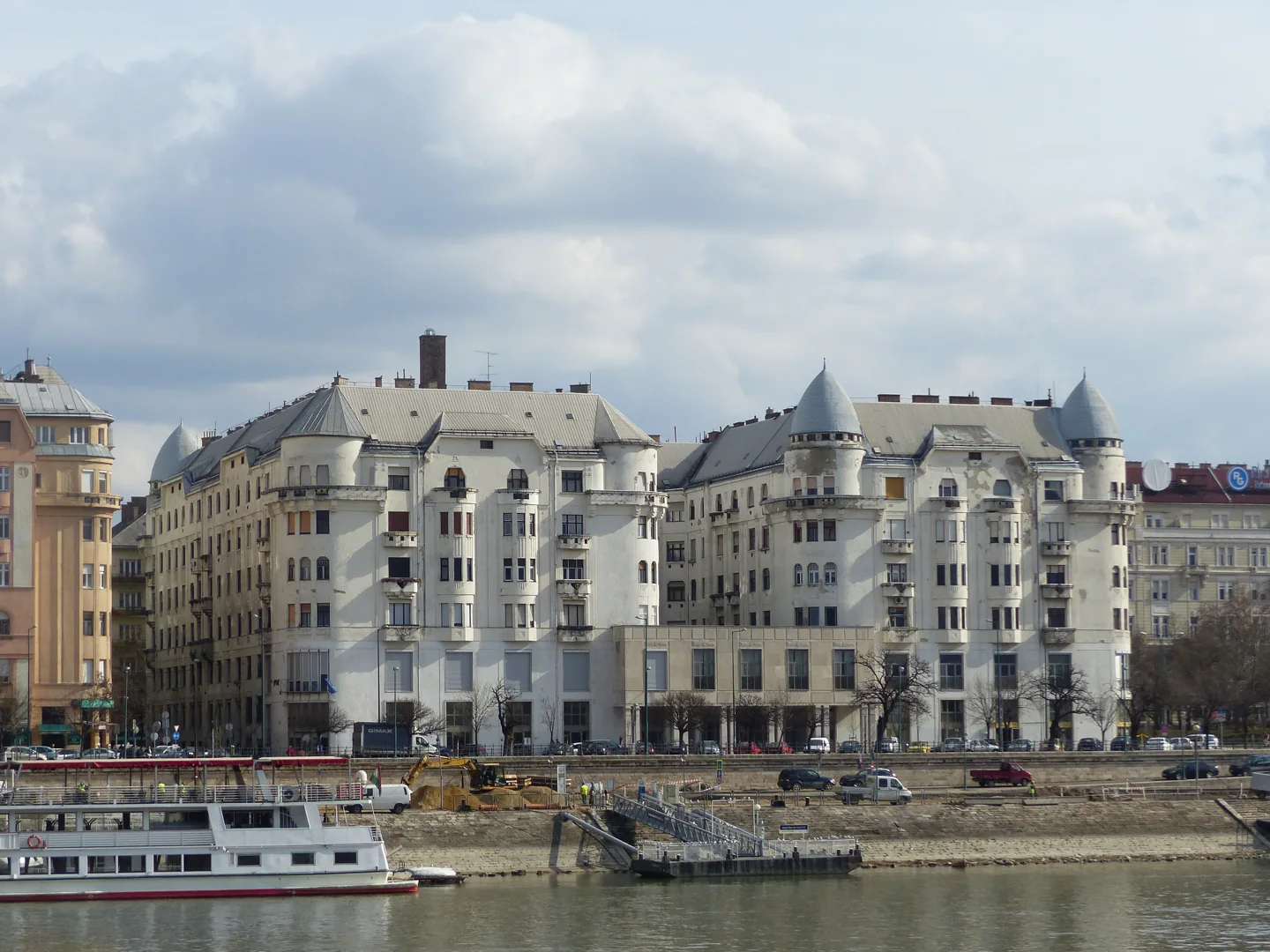
| Budapest | Compare the exact metro or tram connection. Investigate District XIII addresses around your destination, District XI on the Buda side, or another district serving the actual workplace; trial the bridge crossing and final walk. |
| Debrecen | Map the selected university programme, registration office and housing. The university has several facilities; “near the university” needs a specific campus. |
| Szeged | Compare Belváros and other candidate addresses against the actual campus and station. Include a regional commute if work is in Hódmezővásárhely. |
| Pécs | Match the home to the workplace or faculty and test the slope, bus connection and walk with everyday shopping. |
| Győr | Begin with the precise employment or study location and compare a central address with the journeys required elsewhere. |
- Mark the workplace, school, likely doctor and essential appointments on one map.
- Ask for the postcode, street, house number, floor and door number. Save the Hungarian spelling for forms and deliveries.
- Test the morning route, evening return and final approach to the building. Count transfers and stairs rather than relying only on map distance.
- Request a complete housing quotation, including shared-building charges and utilities. Ask which accounts are separate and which remain with the owner.
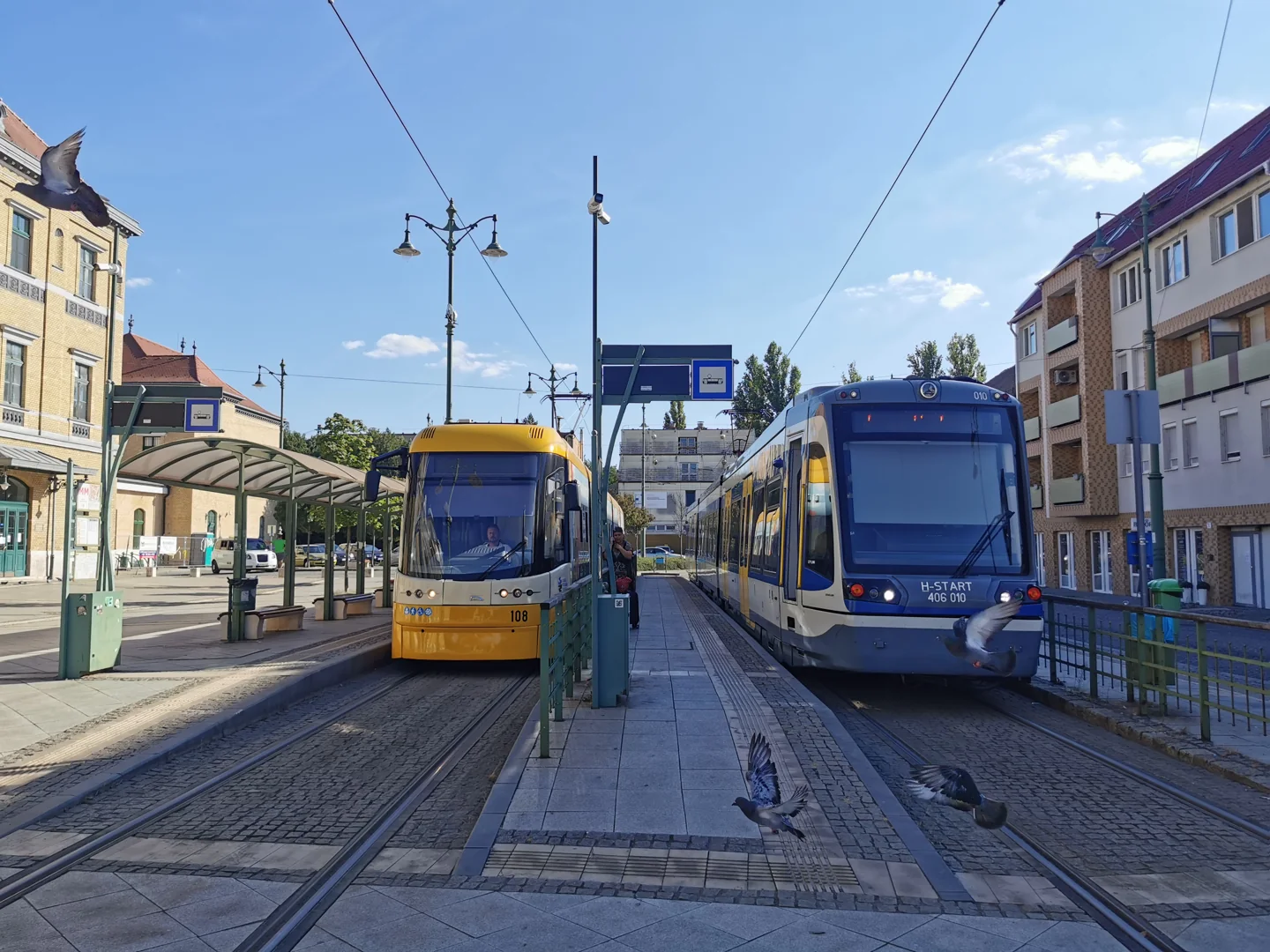
For Budapest, use BKK’s pass coverage to understand the administrative boundary and included services. For a Szeged regional journey, use MÁV’s actual TramTrain service; a Budapest fare product is not automatically the answer in another city.
02Identify the route for each traveller before applying
Separate EEA/Swiss registration from third-country residence permission. Visitor entry, a residence application and permission to perform an activity are different matters. Ask the employer or institution to identify the exact category instead of referring only to a “work visa”.
| Situation | Route and key limit |
|---|---|
| EU/EEA or Swiss mover | Registration for a stay exceeding the applicable three-month period, with work, study or sufficient resources and healthcare evidence. |
| Third-country employee | The applicable employment category; ordinary employment and guest-worker categories are distinct. |
| Highly qualified employment | Investigate the EU Blue Card against the position, qualifications and current salary threshold. |
| Remote foreign employment or profitable foreign business | White Card, where its income and activity conditions are met. |
| Study or qualifying family | The specific student or family procedure, with household restrictions checked independently. |
OIF currently lists Georgia, Armenia and the Philippines for new ordinary employment-permit eligibility. Its guest-worker factsheet says no third-country nationalities are currently eligible for that separate category. Transitional cases for existing holders need their own assessment: ordinary employment rules; guest-worker position. This does not mean every other work category has the same nationality list.
- List each passport, current residence, proposed activity and accompanying relationship.
- Read the chosen OIF factsheet and establish whether the first application belongs at a Hungarian mission abroad or can be filed during lawful visa-free presence. For the ordinary employment permit, nationality-based visa-free entry can support a first application in Hungary when you hold no residence permit. However, OIF requires filing abroad if you previously applied for that employment permit, even if you can enter visa-free. Other categories have their own rules.
- Identify the documents the sponsor supplies and book the required appointment through the official process.
- Retain the application record and respond to further-document requests. A submitted form does not itself authorise the intended activity.
EEA and Swiss readers should use the registration-certificate procedure. Third-country family plans should use the sponsor-specific family rules before buying tickets for everybody.
03Agree the work arrangement and complete its supporting file
Get the offer in writing: position, workplace, gross salary, currency, start date, hours and notice. Ask who prepares the immigration file, who pays the costs and how the start date changes if approval is pending. Give the employer the qualification and experience evidence relevant to the role.
For an EU Blue Card, OIF requires qualifying employment for at least six months and suitable higher qualifications, with a specified experience alternative for certain ICT roles. The 2026 minimum monthly remuneration is HUF1,001,048; the lower HUF800,838 threshold applies only to the listed healthcare occupations and FEOR codes. Use the actual occupation list, not a blanket healthcare exception: current EU Blue Card criteria.
The White Card covers documented foreign employment performed remotely or ownership of a profitable foreign company managed remotely. It requires at least €3,000 net monthly legal income for the six months before entry and throughout the stay. It excludes local work and ownership in a Hungarian business: White Card requirements.
- For an employee, have the employer explain the contract’s permit category and coordinate its supporting documents with your personal file.
- For remote work, obtain the employer’s certification of the foreign relationship, duties and authorised remote arrangement, or the evidence of the foreign company’s real operations and profitability.
- For local self-employment, use the guest self-employment procedure to distinguish genuine self-employed activity from a company executive role and other actual work. A registered company alone does not settle the immigration question.
- Before the first payment, arrange the NAV tax identification code and applicable insurance registration with payroll. Have the employer explain the first deductions and keep the payslip.
Under the current Blue Card instructions, employment changes can require an extension application; get the procedure confirmed before moving to another employer or position. For an ordinary employment permit, use that category’s own change rules. A signed new contract should not be treated as automatically updating the immigration record.
Remote foreign employment also needs a tax and social-insurance assessment. Ask which country’s rules apply to the actual working arrangement rather than assuming that foreign payroll or a White Card makes the income exempt in Hungary.
04Price the move and establish the tax position
Keep euro commitments and forint commitments separate until you record the actual conversion and transfer cost. Build the household budget from the chosen address and programme. There is no useful single national monthly figure that replaces those quotations.
| Initial cash | Recurring commitment |
|---|---|
| Travel, temporary accommodation and arrival transfer | Rent, shared-building charges and utilities |
| Application fees, translations and document copies | Permission extensions when required |
| Negotiated deposit and advance rent | Groceries, commuting and mobile service |
| School assessment, registration and deposit | Tuition, meals, transport and activities |
| Household purchases and any service deposits | Insurance, treatment and applicable tax or contributions |
OIF’s posted residence procedure is €110 when lodged abroad with the entry visa for collecting the permit; ordinary in-country issuance is HUF39,000 in person or HUF26,000 electronically, and extension is HUF26,000. Category and exemption conditions still matter: actual procedural fee table. Being able to pay the local fee does not establish eligibility to apply locally.
Hypothetical rental arithmetic: HUF250,000 monthly rent with a negotiated two-month deposit and one month paid in advance requires HUF750,000 for those items. This is not a market quotation or a statutory deposit rule. Keep the refundable deposit distinct from the cost of living.
NAV’s personal-tax guide updated in August 2026 gives a 15% personal income-tax rate; Hungarian tax residents can have liability on worldwide income, with treaty and exemption rules. Insured employment can also involve 18.5% social contributions: 2026 personal-tax guide; insurance and foreign-employer contribution rules.
Hypothetical payroll example: HUF500,000 subject to both full deductions, with no allowance or other adjustment, gives HUF75,000 income tax and HUF92,500 employee contributions, leaving HUF332,500. This is not a personalised take-home quotation. Foreigners’ under-25 and first-marriage allowances are limited to qualifying EEA, Ukrainian or Serbian nationals. NAV also sets income-share and other conditions, including the relevant 75% annual-income test and restrictions on duplicate overseas benefits; ask payroll which apply.
- Obtain a gross-to-net explanation covering the actual household and insurance status.
- Keep foreign and local income records together and ask NAV’s foreign-taxpayer service about residence, treaties and filing.
- Review the annual draft against your own records. For 2026 income, NAV identifies the 26SZJA return and 20 May 2027 filing/payment deadline.
05Arrange school admission or the university intake
For a child, begin with birth date, current schooling, language and support needs. The British International School Budapest accepts applications through the year for ages 3–18, but assessment and available support capacity still matter. Use its actual campus information when comparing the school run.
- Prepare BISB’s application, the child’s passport, the last two years of school reports in English and the current school’s reference.
- Tell admissions about learning support needs at the first enquiry. Arrange the age-appropriate assessment or interview before assuming a start date.
- Wait for the written offer, then accept it and establish the arrival and payment schedule: BISB entry requirements.
BISB’s 2026–27 Year 1 annual tuition is HUF8,050,000 before the conditional annual-payment discount. Its assessment charge is HUF175,000, registration HUF500,000 after admission, and refundable deposit HUF350,000 subject to the stated conditions. Registration is due within eight days of the invoice; tuition can be paid in the specified term instalments: actual 2026–27 fees. Obtain the relevant year group’s total, including meals and transport, rather than applying Year 1’s amount to every child.
For higher education, the University of Debrecen currently gives 1 November 2026 for its January/February 2027 application cycle and 15 May 2027 for September 2027. Confirm that the chosen programme offers the intended intake: Debrecen’s current admissions instructions.
- Select the programme and read its entry and examination requirements.
- Submit the required file through the university’s STUART service. Follow the institution’s instructions for qualification records and translations.
- Arrange any examination or interview and prepare the originals for the required presentation.
- Obtain the admission and visa-support documents, and use the programme-specific fee page for the correct year and currency.
- Arrange student residence permission separately, then follow the university’s arriving-student instructions for registration and the actual office.
The current student work limit is 30 hours weekly during the study period and up to 90 days of full-time work outside it. It is not an unrestricted employment permission or automatic permission for accompanying family. Keep the course, residence and employment conditions together.
06Test retirement and family plans against the sponsor’s status
EEA and Swiss retirees can investigate the residence basis involving sufficient resources and healthcare. Prepare the pension and insurance evidence needed for registration rather than searching for an employment permit that does not fit the move.
For third-country readers, no ordinary pension-only retirement route was verified in the reviewed OIF material. Establish an actual qualifying category first. Owning a flat or receiving an overseas pension does not by itself establish residence permission.
- Identify the sponsor’s precise status and the relationship for each applicant.
- Check the exclusions before preparing a family file. Ordinary employment, guest-worker and student categories generally do not sponsor ordinary family reunification. Guest self-employment sponsorship requires the relevant permit to have been held for at least a year.
- For a qualifying route, collect the applicable marriage, birth, custody or dependency evidence, plus resources, accommodation and healthcare documents.
- Where a dependent parent is involved, establish the actual dependency and sponsor eligibility rather than treating age or a family relationship alone as sufficient.
The OIF family-reunification factsheet explains eligible relationships, excluded sponsor categories and the distinct rule for a third-country child born in Hungary. The White Card likewise excludes ordinary family reunification, with that specific birth-in-Hungary exception. Do not organise an entire family’s relocation on the principal applicant’s income threshold alone.
For retirement budgeting, classify the actual pension under NAV’s rules and any treaty. Its guide identifies certain state, private-fund and treaty-defined pension income as exempt; that is not a blanket classification of every overseas payment. Arrange the receiving account and records accordingly.
British retirees can use FCDO’s nationality-specific living guidance for the relevant S1, pension and residence context. Other readers should obtain the equivalent information from the responsible pension and health-insurance institution. Keep the immigration approval and continuity-of-care decision ahead of a long lease.
07Prepare original documents, belongings and pets
Ask the receiving authority or institution which originals and translations it needs. Match names, dates and document numbers before paying for additional certifications. Keep each traveller’s file separate and accessible in hand luggage.
- Gather travel documents, qualification or relationship evidence, income records, actual accommodation details and healthcare evidence for the selected route.
- Prepare readable scans and retain the originals for identity checks. For a remote-work file, include the six-month income evidence and the foreign employer or company documents.
- Check the receiving office’s translation and authentication requirements for the issuing country. A school’s English records and an immigration certification can have different purposes.
- Make a shipment inventory and ask the carrier to quote delivery, access limitations, storage and customs handling for the actual move. Measure the building entrance and lift before sending furniture.
- Keep the documents and first weeks’ essential belongings outside the shipment so a delivery delay does not prevent an appointment.
For dogs, cats and ferrets arriving from outside the EU, use the European Commission’s current 2026 instructions, alongside Hungarian entry arrangements. The microchip must precede or be read before rabies vaccination; primary vaccination has a 21-day waiting period. If the origin requires a rabies-antibody test, the sample must be at least 30 days after primary vaccination and at least 90 days before the certificate is issued.
New certificates use the 2026/705 model with the applicable declaration. The certificate normally allows 10 days to the EU entry checks; older-model certificates are accepted only under the stated pre-1 October 2026 issue transition. Use the actual listed-country exemption and designated entry point, not an assumed exemption from the animal’s breed or owner’s nationality.
For movement within the EU, ask the authorised veterinarian to verify the accepted passport and vaccination record under the current intra-EU procedure. Explain the full itinerary and whether the owner or an authorised person travels with the animal. Airline acceptance and the government documents are separate arrangements; book them together after the timing is clear.
08Enter on the approved basis and reach the right address
Before travelling, save the approval, accommodation address and employer or institution contact offline. Ask the host for the entrance, floor and door details as well as the map pin. Keep any inspection or registration appointment reachable from the actual arrival point.
- Present the travel document and applicable permission. Keep the entry and approval records together.
- If issued the category’s D visa for collecting residence permission, follow its dates: OIF describes a single entry, a stay of up to 30 days and three-month visa validity. Those are not the full residence permit’s duration.
- Travel to the accommodation using a ticket valid for the actual route. Plan luggage and the final walk from the stop.
- Tell the employer or school the confirmed arrival date and establish the next document or registration appointment.
- Keep the accommodation details current while the permit or other cards are delivered. Confirm who can receive official post.
Budapest’s 100E Airport Express requires its own product: the posted single ticket is HUF2,500. Eligible holders of a valid Budapest-pass, except the 15-day pass, or the specified county/national passes can buy the HUF1,000 add-on instead. An ordinary ticket is not interchangeable with that airport fare: 100E ticket and eligibility instructions.
If applying through Enter Hungary while lawfully present, follow the payment and identity requirements immediately. The online file and an appointment request are not equivalent to an approved residence document. Keep the lawful-stay and procedure dates visible while the case is pending.
09Complete residence, address and tax identification records
Learn the document names but keep their functions separate: a residence permission, an address record, the adóazonosító jel tax code and the TAJ health identifier answer different questions.
- For EEA/Swiss residence, notify OIF no later than the 93rd day from entry using the registration procedure. Supply identity and the evidence for work, study or sufficient resources and healthcare.
- Record the first address in that process. The address card, lakcímkártya, is posted; its separate fee is not included in the HUF1,000 registration fee.
- OIF’s current address-card notice quotes HUF5,700 for adults and HUF2,000 for children under 14, including the designated postal cost. Follow its current payment instructions for each applicant and keep the proof: separate address-card procedure. Ask the office about a boundary-age case rather than guessing.
- For third-country procedures, use OIF’s Enter Hungary instructions and the actual filing portal. Complete the required fee, photograph, fingerprints and signature checks within the stated 15-day process where applicable.
- Keep the residence and accommodation evidence issued for your category. A third-country accommodation record is not automatically the EEA address card.
For the tax code, submit NAV’s current T34 form through the allowed channel. If you do not yet have a code, NAV provides an in-person or postal route; first issue is free. Its stated card preparation/posting time is 15 days, and you can request a certificate of the number while waiting: actual tax-code and card instructions. The code is required in applicable cases; possession of the physical plastic card is a separate matter.
After moving from temporary to permanent accommodation, follow OIF’s category-specific reporting duties. Third-country accommodation changes are due within three days; the required supporting evidence differs by category. EEA readers should update the address through the relevant district-office process after receiving their address card.
10Choose the account and payment arrangements you can use
Explain your current status to a branch before booking: foreign passport, any residence/right-of-residence document, actual address evidence and tax information. OTP’s foreign-customer identification rules call for the relevant travel and residence documents and official address evidence where applicable: actual bank identification requirements. Ask how the branch handles the accommodation document your category provides.
- Choose whether the main household account needs to be in forints and whether a separate foreign-currency account is useful. Check the specific product and currency options, rather than assuming a euro account handles every local bill without conversion.
- Obtain the account’s monthly, card, transfer, withdrawal and currency-conversion terms. Ask which fee reductions depend on salary credits or another condition you can actually meet.
- Bring the accepted original documents and complete the bank’s tax-residence and source-of-funds questions with the real information.
- Activate access and test a small payment. Confirm the received currency, reference and fee before sending a rental deposit or tuition amount.
- Give payroll the verified account details and check the first credit against the payslip.
Hungary’s instant-payment arrangements can support registered secondary identifiers such as a phone number, email or tax code. Set those up through the account provider and verify the recipient shown before payment: MNB’s instant-payment instructions.
For eligible retail customers using electronic banking, qvik provides the specified QR-code and payment-request options without a customer charge. That does not make every bank transfer or account service free: MNB’s qvik rules. Review a request’s payee and amount before authorising it.
For household bills, match the payee, currency and reference to the invoice. Keep the bank acknowledgement beside it.
11Inspect the flat and agree the rental terms in writing
Use a written bérleti szerződés. Hungarian residential-tenancy law requires written form for the applicable residential lease: the legislation’s contract requirement. Ask for a version you understand and obtain qualified help with terms that are unclear before signing.
- Check the landlord’s identity and authority over the actual property. Match the house, floor and door number to the dwelling you inspected and the contract.
- Record the bérleti díj rent, currency, due date, term, notice, renewal, repair obligations and deposit-return conditions. If a kaució deposit is requested, get the amount and deduction rules in writing.
- Separate közös költség, the shared-building charge, from rezsi, utilities. Ask what each includes, how usage is measured and who is responsible for the account.
- Agree how the landlord will support the address or accommodation paperwork for your category. Do not assume paying rent automatically completes the reporting.
- At handover, make an átadás-átvételi jegyzőkönyv record with inventory, defects, keys and meter readings. Photograph the condition and have both parties acknowledge it.
Read heating and electricity arrangements carefully. Ask for recent actual bills and the tariff/account details, and establish whether the dwelling has an individual meter or a shared/submeter arrangement. Include any reconciliation procedure and existing arrears in the discussion.
A refundable deposit is not advance rent unless the agreement says how it is applied. Obtain a receipt and keep each monthly payment proof. Record promised repairs and the date for completing them, so the handover does not depend on a verbal understanding.
Use the actual move-in date for service changes and immigration reporting. When moving out, retain the final inventory, readings and agreement on outstanding charges. That record provides a practical basis for the deposit discussion rather than relying on photographs without a signed handover.
12Establish coverage and arrange the first doctor visit
A TAJ card identifies the person; the provider checks entitlement electronically. Do not treat a number alone as evidence that every treatment is funded. Determine the actual basis—insured employment, coordinated overseas coverage, another entitlement or private arrangements.
- For an insured foreign worker in the relevant non-domestic category, have the employer request the TAJ before work starts through the government office at the employer’s seat. The office creates the number and notifies the employer; the worker or authorised representative then follows the collection process.
- For other eligible cases, follow the appropriate identity, address and previous-insurance document list. Ask the office how it applies to your category: NEAK’s actual TAJ procedures.
- Confirm with payroll when the insurance relationship is registered. Preserve that evidence alongside the TAJ record.
- Identify the local háziorvos, general practitioner, serving the actual address and ask about registration, appointments, prescriptions and specialist referrals.
- Arrange continuity for ongoing care using a clinical summary and generic medication names. Book the first routine visit before the existing supply runs out.
The separate healthcare-service contribution is HUF12,300 monthly, or HUF410 daily for a partial month, from 1 January 2026: NAV’s current amount. It applies only under the relevant eligibility rules, which generally include qualifying domestic status, no other coverage basis and generally at least one year of registered address. It is not a cheap insurance purchase available automatically to every new foreign resident: NEAK’s eligibility and payment rules.
Where an overseas institution remains responsible, ask whether it can issue the appropriate coordinated-coverage document, such as S1 in qualifying cases. Establish registration in Hungary through the responsible office; a card intended for temporary necessary care should not be assumed to cover the whole relocation arrangement.
For a private starting point in Budapest, Buda Health Center’s English contact and actual appointment service let you ask about the relevant specialty, location and price. Confirm insurance acceptance or payment directly. A listed appointment or provider name does not guarantee admission, coverage or a particular treatment.
13Transfer the home accounts and choose usable transport
Start with the handover readings and the previous account information. Establish which operator bills the property and whether you become the named customer or pay charges through the landlord or building.
- For MVM Next electricity or gas account changes, report the change within 15 days. Complete the signed transfer/declaration forms with readings and date; provide authority if someone represents a party. The direct process is free: MVM’s moving instructions and official written online service.
- For Budapest Waterworks, changes of payer are also due within 15 days. Its process normally uses the signed handover record and meter identifiers/readings. Apartment submeters billed by Díjbeszedő Holding use that partner’s channel: actual water-account change procedure.
- Check the completed contract or acknowledgement and where the next bill will arrive. Keep the record with the lease.
- For Telekom Domino, foreign-issued identity documents require in-person verification rather than the ordinary online identity check. Take the actual documents to the store: foreign-customer verification. Keep the annual reconciliation reminder and complete it by the notified deadline: current Domino instructions.
- For home internet, have the provider check the exact building and flat, confirm installation and give the total monthly and cancellation terms. Test mobile reception indoors before relying on a backup.
The full-price Monthly Budapest-pass is posted at HUF8,950. It covers the specified services within Budapest’s boundary, with separate rules for extensions of the journey and excluded products. Enter the actual identification details and follow the paper or mobile presentation instructions: pass validity and use. Current ordinary single tickets are HUF500: BKK’s current prices.
For Szeged–Hódmezővásárhely, choose the current TramTrain journey and obtain the right local or regional fare using MÁV’s ticket-purchase instructions. Confirm where a pass is valid rather than treating every rail or tram journey as covered by the same monthly payment.
Trial the first commute with time to resolve a ticket or platform question. Keep the return route and an alternative, especially when another person is collecting a child or a late arrival would miss an administrative appointment.
14Complete the first-month tasks and settle into a routine
Keep a one-page task list with the person responsible, required document and next confirmed action. Use the first month to test the arrangements you will repeat—school runs, payroll, prescriptions and bills—rather than collecting contact details without making them usable.
- Immediately after arrival: save the entry/approval records, confirm the accommodation and calendar each applicable registration or collection date.
- Before the first employment payment: confirm the tax code, insurance registration, TAJ process where applicable and receiving bank details.
- After handover: keep the condition record, deposit receipt and meter readings. Complete the provider changes and address reporting through the appropriate category.
- Before the school or university start: obtain the written start or registration instructions, take the required originals and test the journey.
- Before a prescription or bill falls due: verify the appointment/payment route and the person who can handle it if you are unavailable.
- At month’s end: replace budget guesses with actual charges, separating deposits from expenses, and resolve unexplained amounts before the next payment.
Build community through an institution already in your routine: a school parent contact, university programme, workplace or nearby activity. Learn the Hungarian terms on your contracts and appointment letters, and keep a short bilingual list of the household’s address, documents and important contacts.
Add the longer-term permission dates to the same calendar. White Cards are limited to one year with one further one-year extension; they do not provide ordinary family settlement or eligibility for the national residence card. For relevant residence extensions, OIF’s current rules require a valid permission, the applicable presence conditions and filing in the stated window, generally no later than 30 days before expiry. Follow the particular route’s instructions.
If changing employer, institution, accommodation or household circumstances, identify which record must change before assuming the old document still covers the new arrangement. Keep the response and updated evidence with the original decision. Finish each weekly review with a concrete next appointment or submission for every remaining task.
Sources & further reading
Reviewed 14 October 2026. Sources are linked beside the relevant instructions. The ordinary employment permit and guest-worker permit are different categories; current new-applicant nationality rules are preserved. The White Card is not a family-settlement or local-work permission. A TAJ number identifies the person but does not itself prove health coverage. Current EU pet rules and certificate models changed in 2026; older certificate guidance is not applied to a new certificate issued after 1 October 2026. Targeted OIF review on 16 October 2026 confirmed the ordinary employment-permit restriction on in-country filing after a previous application. Amounts checked on 14 October 2026. NAV’s healthcare contribution is explicitly for 2026, and its downloaded personal-tax guide was updated in August 2026. EU Blue Card earnings thresholds are the 2026 figures. BISB prices retain their 2026–27 school-year scope. OIF and operator amounts are quoted for the named procedure or fare product. Rental and payroll arithmetic are hypothetical, and refundable funds are separated from costs. Photograph credits, licences and capture years appear with the images.
Browse the source directory
- OIF — EEA registration certificate
- OIF — residence for employment
- OIF — guest-worker permit
- OIF — EU Blue Card
- OIF — White Card for digital nomads
- OIF — guest self-employment
- OIF — family reunification
- OIF — student and pupil residence
- OIF — Enter Hungary electronic procedure
- Enter Hungary — actual online service
- OIF — procedural fees
- OIF — separate first address-card payment
- OIF — accommodation reporting duties
- NAV — private-person taxation 2026
- NAV — social contributions for foreign employers
- NAV — individual tax code and card
- NAV — current T34 form
- NAV — foreign taxpayer contacts
- BISB — actual entry requirements
- BISB — school fees 2026–27
- BISB — campus and tours
- University of Debrecen — application and admission
- University of Debrecen — STUART application service
- University of Debrecen — arriving student instructions
- University of Debrecen — programme-specific tuition
- NÉBIH — Hungarian pet-travel arrangements
- European Commission — current pet entry from outside the EU
- European Commission — travel with pets within the EU
- BKK — airport shuttle ticket
- BKK — Monthly Budapest-pass
- BKK — current ticket prices
- OTP Bank — foreign customer identification
- OTP Bank — account product directory
- MNB — qvik FAQ
- MNB — instant payments and secondary identifiers
- National Legislation Database — residential tenancies
- NEAK — TAJ application and insured foreign workers
- NAV — 2026 healthcare-service contribution
- NEAK — eligibility for separate healthcare contribution
- Buda Health Center — English patient contact
- Buda Health Center — actual appointment service
- FCDO — living in Hungary for British nationals
- MVM Next — moving and account changes
- MVM Next — written online service
- Budapest Waterworks — moving and payer changes
- Magyar Telekom — foreign document verification
- Magyar Telekom — current Domino verification
- MÁV — Szeged–Hódmezővásárhely TramTrain
- MÁV — TramTrain ticket purchase
Make your next step a practical one
Choose the actual city and route for every traveller, obtain the employer or school’s required evidence, and coordinate the address, insurance and application appointments before making a long-term rental commitment.