Visa
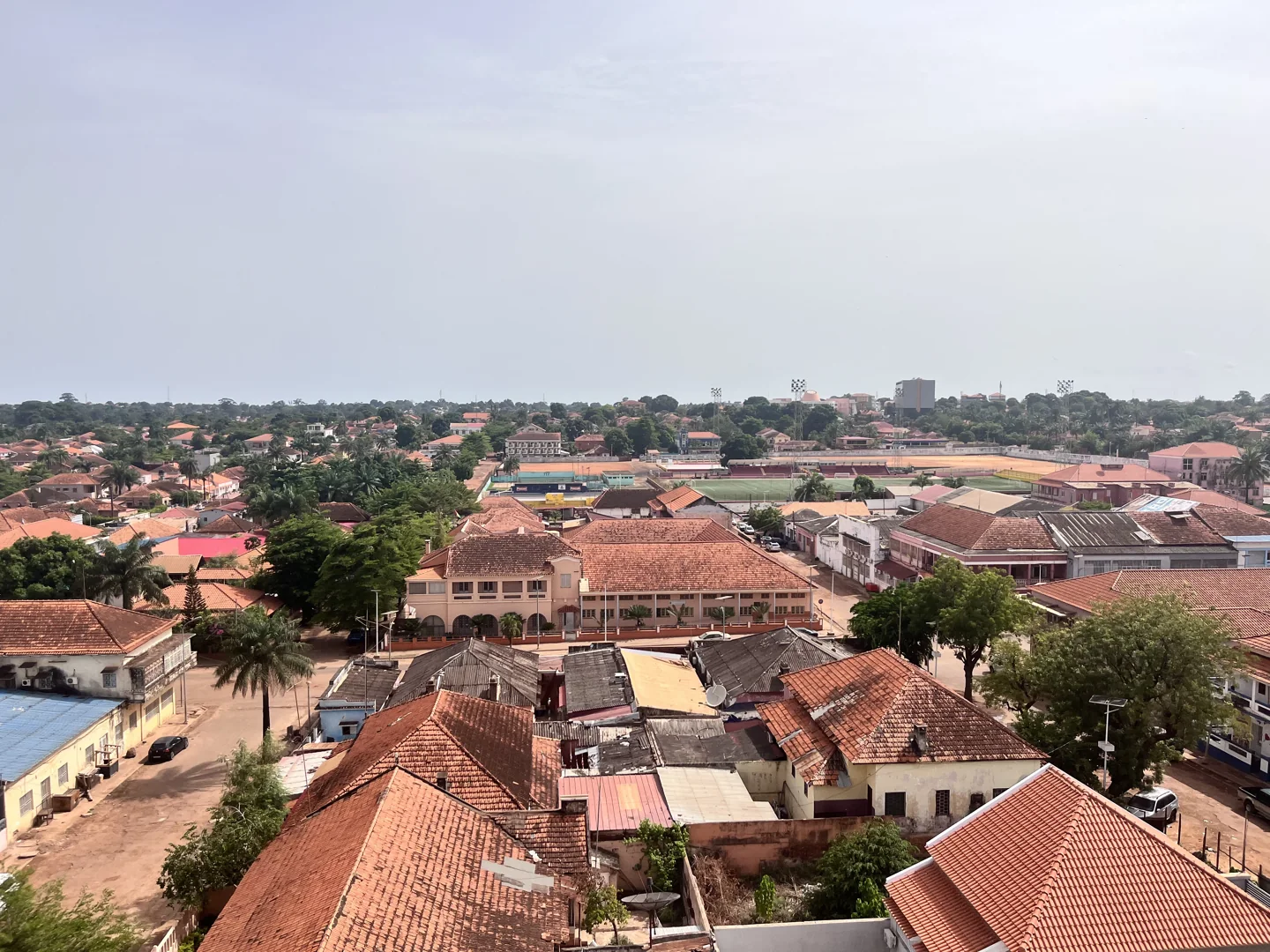
Moving & Living - Guinea-Bissau - Complete Guide
Plan a move to Guinea-Bissau in fourteen practical steps: choose a Bissau or regional base, arrange entry and residence, organise work and school, then establish housing, records, banking, healthcare and daily services.
Photo credit
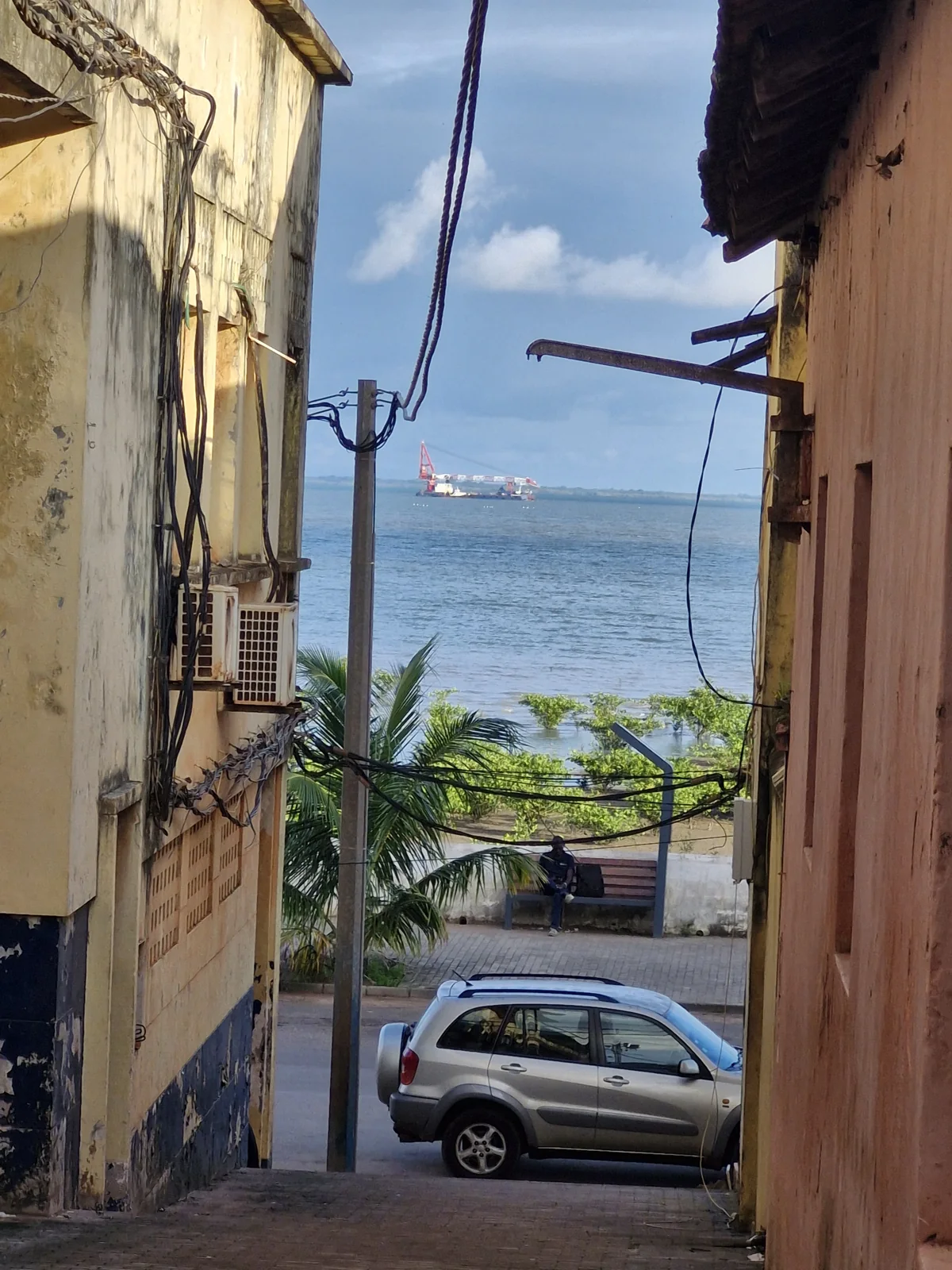
Life in Guinea-Bissau can mean a home in Bissau Velho, journeys across the capital to an office or school, an assignment in Bafatá or Gabú, or a base reached by boat in the Bijagós. The move becomes easier to plan when you start with the actual address, the people moving with you and the services each person needs.
This guide follows the tasks from consular preparation to your first month. It covers Guinea-Bissau, whose payments use the West African CFA franc, rather than neighbouring Guinea’s franc. Portuguese names appear alongside the institutions and documents you will encounter.
Guinea-Bissau at a glance
- Capital
- Bissau
- Currency
- West African CFA franc · XOF / FCFA
- Paperwork
- Portuguese
- Immigration
- Serviço de Migração e Fronteiras
- Business help
- CFE · Centro de Formalização de Empresas
- Tax
- DGCI · NIF · Kontaktu
- Social insurance
- INSS, subject to eligibility
- Water & electricity
- EAGB
- Country calling code
- +245
- Reviewed
- 14 October 2026
Follow your moving journey
Start at step 1, or jump to the task you are working on.
01Choose a base around your work, school and services
Begin with the place that gives the move its purpose. An office in central Bissau, a school in Bairro d’Ajuda and a field assignment in Gabú lead to different housing decisions. Put that destination on a map before comparing homes. A city name alone says little about water, electricity or the journey from a particular street.
| Base | Starting points | Test before choosing |
|---|---|---|
| Bissau | Bissau Velho, Bandim and Bairro d’Ajuda | The actual school or office trip, drainage, noise and services in the building. |
| Bafatá or Gabú | The employer’s location and the central service areas | Access to your bank, healthcare and transport back to Bissau. |
| Canchungo or Buba | The assignment’s proposed accommodation | Which services are provided by the organisation and which you must arrange. |
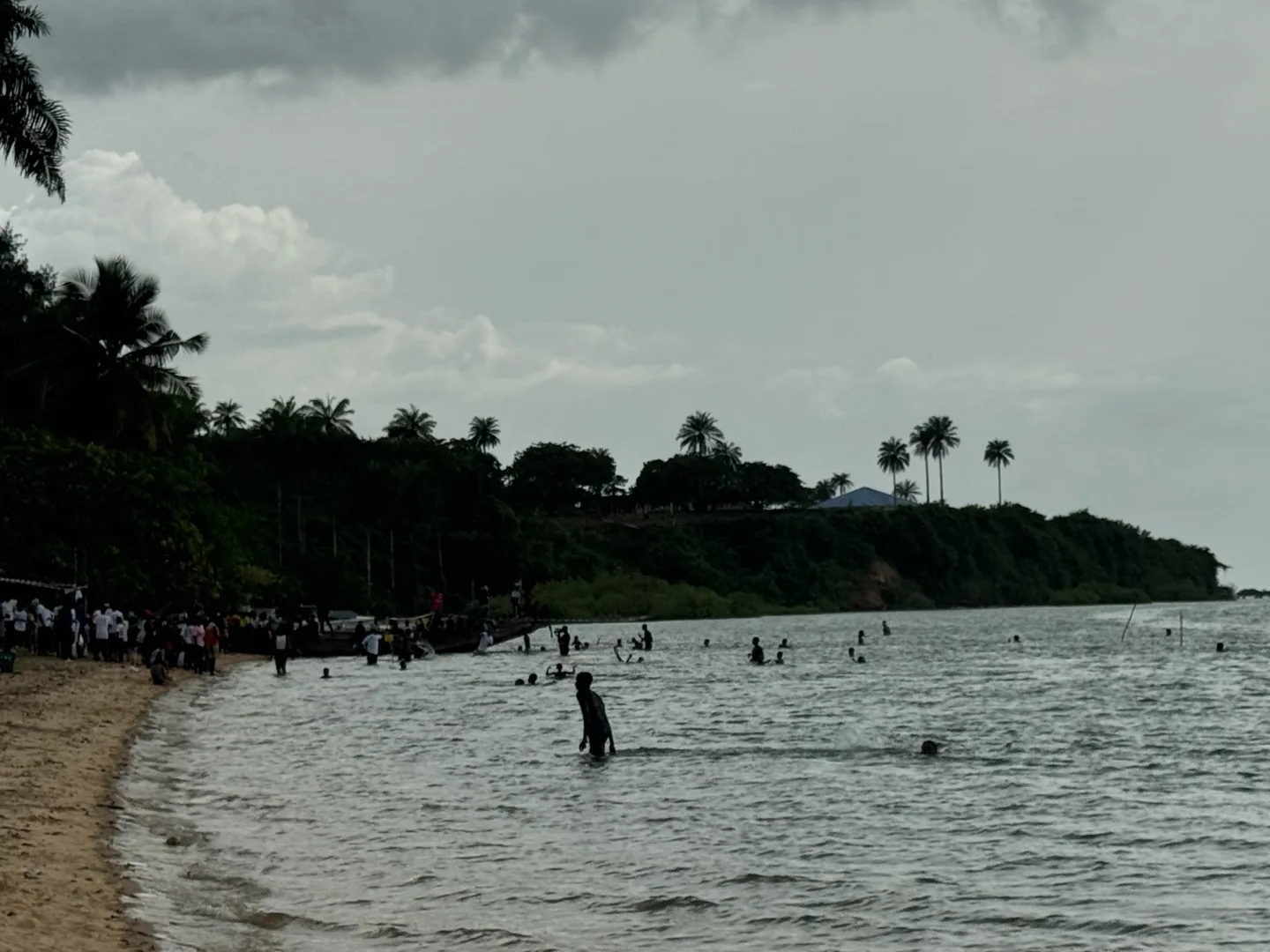
| Bubaque or another island | A confirmed host and mainland connection | Water, power, deliveries, boat transport and the medical transfer plan. |
- Ask the employer or school for its location pin and the entrance actually used.
- Shortlist two areas and request photographs of the street, access road and property services.
- Book initial accommodation where you can try the journeys before signing a long lease.
- Visit at the times you expect to travel. Ask how heavy rain changes access and where water collects.
Regional services do exist: Orabank lists branches in Bafatá, Gabú and Buba, while INSS lists regional offices including Canchungo. Establish their distance from your proposed address rather than assuming every errand requires the capital. The French consular transport guidance describes disruption during heavy rains; inspect the access road as well as the home.
02Arrange the right entry and residence pathway
Start with a Guinea-Bissau consular post responsible for your place of residence. Explain your nationality, purpose, intended length of stay and accompanying household. A tourism entry is not a residence card or a decision authorising employment. British citizen passport holders, for example, need a visa and at least six months’ passport validity from arrival under FCDO’s nationality-specific entry guidance. Other passports require their own assessment.
Apply through the appropriate consulate
- Confirm that the post accepts your application and request the purpose-specific checklist and fee.
- For an application handled in Lisbon, prepare the physical foreign passport, one recent photograph and completed form described by the embassy’s visa service. It publishes bank transfer or Multibanco payment at the consulate; confirm the amount and payment instructions directly.
- Complete the posted application form with your passport details, nationality, profession, arrival date, route, purpose and accompanying minors. Explain the relocation purpose accurately; duration boxes are requests, not approval.
- Submit the originals and supporting evidence through the post’s current appointment process. Retain the submission and payment receipts.
- Read the issued visa’s entries, validity and permitted stay. Separately establish where and when to request residence in Bissau.
The French entry guidance describes airport visas only in particular circumstances with advance immigration arrangements. An arrival option should not be the basis of an unconfirmed relocation flight.
Foreign entrepreneurs can begin the residence discussion through CFE’s residence-card service, which forwards cases to the migration authorities. Employees, students and family members should obtain their own applicable instructions. A current universal residence fee, processing time and complete family checklist could not be verified; have the consulate and migration service specify those for your case before committing to the move.
03Secure the job arrangement or formalise your business
For employment, get the offer into writing with the employer’s legal name, workplace, duties, gross pay, payment currency, start date, leave and any accommodation or medical benefits. Ask who will handle the foreign-worker formalities with the Direção-Geral do Trabalho and immigration service, and who will pay their charges.
- Give the employer your passport details and relevant qualifications.
- Have it identify the applicable foreign-worker approval or contract-registration procedure and provide the authority’s current checklist.
- Make the start date depend on the required permissions being in place. Keep your own signed contract and evidence of the employer’s submission.
- Request a sample payslip calculation covering tax, social insurance and any deductions for housing.
ILO’s legislation record identifies Labour Code Law 7/2022, replacing the 1986 general labour law. The Portuguese public prosecution service’s legal comparison confirms the written-contract framework. An INSS-hosted copy retains an unfinished 2021 law heading; it cannot establish current foreign-worker fees, deadlines or article numbers on its own.
If you will run a local business
Take a proposed company name, member identification, ownership shares and management details to CFE’s registration service. Its company checklist also includes two photographs for the licence and a logo; an absent member needs the appropriate authenticated power of attorney. For a sole trader, ask CFE which foreign identity and residence evidence it accepts rather than substituting a passport into the published citizen checklist.
After registration, obtain the NIF and the activity’s commercial, industrial or tourism licence. Premises may need planning approval. For overseas remote work, obtain immigration and tax advice describing the actual work: no ordinary digital-nomad permission was verified for this guide.
04Build the move budget and establish your tax position
Use XOF, also written FCFA, for local quotations. The BCEAO transfer reference for 13 October 2026 gives €1 as XOF 655.957. A calculation of €100 is therefore XOF 65,595.70 before bank or exchange charges. The reference does not promise that exact net amount from a transfer provider.
| Initial move | Recurring living costs |
|---|---|
| Consular fees, document certification, travel and shipment clearance | Rent, electricity, water and any backup-power running costs |
| Temporary accommodation, lease advance and refundable security | Food, household goods, transport and domestic help where used |
| School enrolment, equipment and medical preparation | Tuition instalments, healthcare cover and medicines |
| Utility connection, SIM and initial account funding | Phone data, banking charges and business compliance |
Two provider examples help fill small parts of the worksheet: Orange’s base SIM offer is posted at XOF 250, and Orabank’s individual current-account page posts XOF 1,100 including tax for monthly maintenance. These are undated provider listings checked on 14 October 2026; obtain the tariff that will apply to you. They are not a national living-cost estimate.
Resolve tax before the first payment
- List salary, overseas client income, pension, rent and business receipts separately, with the payer and country.
- Ask the employer or a local accountant which Guinea-Bissau taxes and reporting duties apply to each stream, and whether obligations continue at home.
- Use DGCI’s Kontaktu portal and its declaration-model directory for the applicable regime and current forms. Older special deadline extensions are not the normal filing calendar.
- Keep invoices, payslips, transfers and tax receipts together; obtain a dated calculation before relying on take-home income.
Current personal-income bands and the treatment of your particular foreign income could not be verified from the available official material. Ask DGCI for that calculation; payment abroad does not by itself establish an exemption.
05Confirm the school place or university admission
Choose the educational pathway before fixing the home. Ask how the school will place the child, which language support is available, what qualifications the year leads to and how existing learning-support needs will be handled. A school’s overall description does not establish recognition for every class.
A verified French-school starting point
The AEFE directory for Lycée français international de Bissau lists CP through CM2 as homologated. Other listed levels have different recognition or CNED arrangements. Ask specifically about the child’s year and how later transfer or examinations will work.
- Use the school’s own admissions instructions: download and print the application form, complete it and send it to admissions-LFIB@csigroup.sn.
- Include the child’s proposed year, date of arrival and previous school information. Ask which identity, reports and transfer records must accompany the application.
- Wait for the admissions committee’s decision and placement instructions.
- Obtain the 2026–27 invoice schedule, transport and meal arrangements before paying. The website retains older tariff information; it is not presented here as a current quotation.
Portuguese schooling and higher education
Portugal’s DGAE directory (source unavailable) provides a contact for the association-run Escola Portuguesa da Guiné-Bissau in Bairro d’Ajuda, second phase. A 2024 decree separately created a Portuguese public school. Confirm which institution and operating campus is offering the place, its current recognition and fees; legal creation alone does not prove available admission.
For Universidade Amílcar Cabral, contact the secretariat at the Complexo Escolar 14 de Novembro about the course, foreign-qualification recognition, entrance assessment and next intake. Its website retains template course and contact material, so those examples are not reliable admissions instructions. Obtain a real admission letter before arranging a study-based move.
06Test the long-term plan if you are retiring
Receiving a pension can fund life in Guinea-Bissau, but it does not establish a dedicated retirement immigration category. No ordinary retirement visa was verified. Describe your intended stay to the consulate and migration service and obtain the available lawful basis before selling a home or committing retirement funds.
- Ask your pension provider whether it can continue payments while you reside abroad, which bank details it requires and how proof-of-life checks work.
- Test a modest transfer to an account you can actually use. Record fees, conversion and the time funds take to become available.
- Arrange continuing prescriptions and regular specialist care before moving. Ask the insurer to confirm resident cover and the process for authorising a medical transfer.
- Spend enough time in the proposed accommodation to test the routines: shopping, stairs, power interruptions and transport to appointments.
- Retain a funded return or alternative-care plan until the residence and practical arrangements work.
The INSS benefits portal describes contributory old-age and other benefits; a newly arrived foreign pensioner should not assume eligibility. Obtain a decision on any local entitlement separately from the overseas pension.
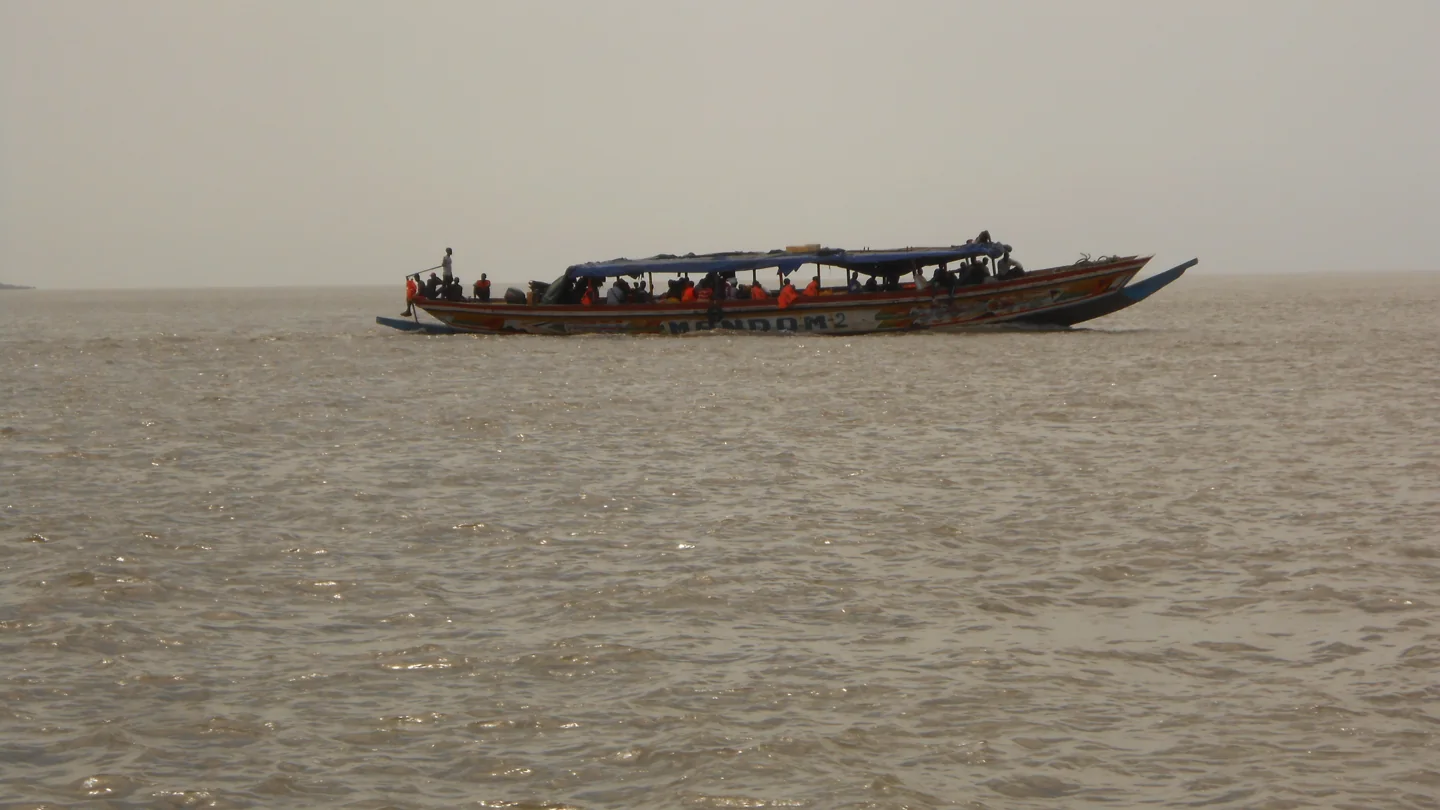
An island home requires particular coordination. Establish who arranges a mainland transfer, how the boat is booked and what happens when weather prevents travel. French medical guidance explains the limitations affecting serious care and evacuation; an insurer should confirm the actual arrangements for your needs, rather than offering only a reimbursement promise.
07Prepare the document file, shipment and pets
Build one file for each person: passport, issued visa, purpose evidence, civil-status records, school documents and any qualification or employment papers. Store clear scans separately from the originals. Keep names and birth dates consistent across records; explain a difference with the relevant official evidence.
- Give the receiving consulate, school or employer a list of the foreign documents you will use.
- Ask which originals need authentication, translation or certification, and by which authority. Do this before paying for several versions.
- Prepare recent passport photographs in the quantities requested. Keep extra copies for separate residence and banking applications.
- Carry the entry papers, first address, medical records and essential prescriptions in hand luggage.
Ship only after costing the complete clearance
Make a numbered inventory with descriptions, quantities, values and the owner’s name. Send it to the freight company’s Guinea-Bissau clearance agent and request an itemised quote for freight, customs, handling, storage and delivery. Current consular customs guidance requires declaration of goods and applicable duties; no general tax-free household shipment is assumed. Ask separately about a vehicle or business equipment.
Arrange a pet before purchasing its flight
The same entry guidance describes identification, rabies protection and an international health certificate established one week before departure. Give the destination veterinary authority and carrier the animal’s species, identification and vaccination record and confirm the certificate wording, any import permission and transit conditions. A carrier reservation does not complete veterinary clearance.
Carry medicines in their original packaging with the prescription and generic names, following medical preparation guidance. Have the destination authority clarify controlled medicines or quantities beyond personal use.
08Make the first days work before tackling longer errands
For an air arrival at Osvaldo Vieira International Airport, arrange the transfer through the host, employer or accommodation and give the driver the exact address. Confirm how you will identify each other and what the agreed fare includes. Carry an address pin as well as the written street or bairro.
- Present the passport, visa and health evidence required for your nationality and journey. Keep the documents accessible for inspection.
- Check the entry record before leaving the airport. Save a scan once you have a secure connection.
- Declare belongings requiring customs clearance; retain the paperwork for anything arriving separately.
- At the accommodation, establish drinking water, power, phone charging and the next day’s transport.
- Arrange the migration visit and any employer, school or CFE appointment while your entry record and application papers are together.
Have modest XOF funds for the transfer and immediate purchases, then use a bank or official exchange service for further money. FCDO’s local guidance describes a cash-based economy with limited ATMs and a requirement to carry identification such as a passport or residence permit. Plan secure handling of your documents rather than assuming a phone photograph will replace the required ID.
Check the current local notices when fixing appointments and journeys. The 5 October 2026 French notice identifies restrictions on gatherings ahead of planned elections; use direct contact and scheduled services rather than arranging a group meeting around a public demonstration.
Keep the first stay flexible enough for appointments and viewing homes. It is easier to change a temporary booking than to resolve an unsuitable long lease while also waiting for local papers.
09Complete residence, tax and social-insurance records
Separate three records: the immigration document establishing residence, the NIF identifying a taxpayer, and any INSS beneficiary record. A company’s NIF is not your personal residence permission, and a receipt must be assessed for the rights it actually provides while a decision is pending.
Residence for a foreign entrepreneur
- Contact CFE at Avenida Amílcar Cabral, the former Armazém do Povo, explaining your intended business and current entry.
- For its residence-card procedure, prepare the passport or accepted identity copy, entry-visa copy and four recent passport photographs.
- Obtain the case-specific additional requirements, fee and submission timing. CFE checks the file and sends it to the migration authorities.
- Retain the filing reference and respond to requests for further evidence. Record the expiry and renewal instructions when the document is issued.
Tax and payroll records
For a company, CFE’s NIF process sends registration data to DGCI for validation and delivers the number with the formalisation documents. DGCI’s December 2025 Kontaktu instruction makes its official module the channel for NIF production. For an individual employee or other taxpayer, obtain the correct personal registration through DGCI or the employer rather than using the company number.
Ask payroll and INSS to determine your social-insurance coverage, especially if you are temporarily posted or insured abroad. The posted social-insurance decree contains nationality, reciprocity and residence distinctions. For people within the applicable regime it describes employer registration within 30 days of starting activity and worker notification by the end of the following month. Confirm that regime and retain a stamped declaration; a proposed reform is not an enacted replacement.
10Open the account and set up everyday payments
Use the Guinea-Bissau branch’s checklist. Orabank’s local account-opening page requests two photographs, valid passport or identity copy, a birth certificate, address evidence in your name and employment evidence for a salaried current-account applicant. Its savings conditions distinguish resident foreigners with a valid residence card from non-residents requiring a bank attestation.
- Ask the chosen branch which account matches your residence and income status, and whether it accepts your available address document.
- Bring the requested originals and copies; complete the identity, tax-residence and source-of-funds questions accurately.
- Get the current schedule for account, card, transfer and withdrawal charges. The posted savings maintenance charge is zero, which does not make every service free.
- Record the account details and activate only the services you need. Test a small transfer and withdrawal before moving substantial funds.
The bank’s branch directory gives practical locations including the principal branch on Avenida Pansau Na Isna and Bandim on Avenida dos Combatentes da Liberdade da Pátria. Confirm the particular service before travelling.
Register Orange Money separately
Orange Bissau’s registration instructions require an adult applicant, accepted identification and a signed subscription form; foreigners can present a passport among the listed documents. Wait for confirmation, change the initial PIN and test a small transaction using #144#. The posted opening charge is zero and the minimum initial deposit is XOF 100; that deposit remains wallet money.
The wallet conditions require an active compatible line and address details. Ask the authorised agent for your verified limits and transaction fees. Confirm the recipient’s name before sending, keep the receipt and retain a cash alternative for purchases that do not accept the wallet.
11Inspect the home and write the rental terms clearly
In rental discussions, distinguish renda, the recurring rent, from caução, security money, and rendas adiantadas, rent paid ahead. Ask what each requested sum covers and how it will be returned or credited. These terms describe the proposed transaction; this guide does not establish a statutory deposit cap or mandatory rent advance.
- View the actual property and verify the landlord’s identity and authority to rent it. If an agent signs or receives money, obtain the written authorisation.
- Inspect taps, bathroom drainage, wiring, locks, roof, ventilation and window screens. Test the services rather than relying on a promise that the neighbourhood is connected.
- Identify electricity and water meters, the account holder and any outstanding bills. Ask who runs and maintains the generator, pump or tank if provided.
- Write a Portuguese contract you understand, with an agreed translation if needed. Include address, parties, start and end dates, rent, due dates, advance, security return, repairs, notice and renewal.
- Record furniture, keys, meter readings and existing damage in a signed inventory with dated photographs.
- Pay the documented amount to the authorised recipient and obtain a receipt naming the rental period and any security payment separately.
Calculate the cash needed to take possession
Hypothetical example: at an invented monthly rent of XOF 200,000, three months paid ahead would be XOF 600,000. An additional agreed XOF 200,000 security payment makes XOF 800,000 before moving or service costs. This illustrates cash flow, not typical Bissau rent or legally required terms.
For a home used as business premises, request CFE’s location review before assuming the lease permits that activity. For an unfamiliar residential agreement, have a local legal adviser resolve enforceability, notice and return of security before signing.
12Arrange care and insurance that can actually be used
Start with the care you need, then choose the policy. Ask who treats the condition locally, whether medicines are available and when a specialist visit elsewhere would be needed. WHO’s Guinea-Bissau health work identifies facilities including Hospital Nacional Simão Mendes, Bôr and Cumura; those names are starting points for a current enquiry, not proof that a particular service is available today.
- Provide the insurer with the country, residence duration, occupation, household and existing conditions. Obtain written confirmation that relocation, rather than only a short holiday, is covered.
- Ask it to identify a local provider, the direct-billing or reimbursement process and the deposit required for urgent care.
- Confirm the 24-hour assistance contact, how a medical evacuation is authorised and which destination and transport arrangements the policy covers.
- Carry a concise medical summary, prescription list and clinician’s contact. Arrange continuing treatment before the initial supply runs out.
- After arrival, locate the chosen clinic or hospital and establish how to reach it from your home. Keep the insurer and transport contacts available offline.
France’s September 2026 medical guidance describes serious-care limitations and the need to arrange evacuation, including coordination beyond Bissau. Request a workable plan for the actual address, particularly on an island. A policy’s financial ceiling alone does not arrange a vehicle or flight.
If employed, ask INSS or payroll which contributory benefits apply to you and your dependants. Do not treat a registration number as comprehensive insurance. Arrange a travel-medicine consultation before departure for required entry evidence and individual prevention advice, then seek professional care for illness rather than buying a treatment from an unverified street seller.
13Set up the phone, meters and daily transport
Activate communication first
- Take your passport to an authorised Orange shop and register the SIM to your identity. Ask which offer and included benefits you are purchasing.
- Test calls and data before leaving. Orange’s service-code directory lists 500 for customer support, #1234# for internet passes and #110# to identify your number.
- Choose a data pass by both allowance and validity. Check the final charge in the purchase menu; a small SIM bonus is not a month’s working internet.
- Test the connection at the actual home during your working hours before entering a long internet contract.
Resolve the accounts behind the meters
EAGB is the water and electricity company identified in its 2025 official statutes. Obtain the existing bill and meter number from the landlord and visit the relevant customer counter with the lease and identification to establish the accepted transfer or new-connection process. Request a written quotation, tariff and payment method. Current customer-document requirements and connection charges could not be verified online; do not substitute Guinea’s EDG or SEG rules.
Agree who pays prior balances and who maintains any tank, pump or backup supply. Record the opening readings and keep service receipts. Never treat an unmetered connection offered by an intermediary as proof of an authorised account.
Make transport repeatable
Try the shared minibus, locally called a toca-toca, or taxi journey with someone who knows the route. Establish the stop, destination and fare before boarding; arrange a dependable alternative for school or appointments. British guidance permits a UK photocard licence for up to three months and describes hire-document requirements; other licences need their own confirmation. French guidance describes the local-licence requirement for longer stays, insurance and safer equipped sea transport. Obtain the local process before relying on continued foreign-licence use.

14Build the routine and close the first-month tasks
Use a familiar route and a few reliable services before expanding the routine. Learn the names of nearby streets, the way your address is described and the hours your suppliers keep. Ask neighbours or colleagues how deliveries reach the building and which shop or market they use for ordinary household purchases.
For community, the Camões cultural centre’s July 2026 programme shows an active base for music and local cultural work. Ask for its current programme. It has also offered Portuguese language courses, but the cited 2024 intake is past; enquire about the next class rather than assuming registration remains open. Approach shared activities through their organisers and respect current restrictions on public gatherings.
| Task | Keep or confirm |
|---|---|
| Immigration | Entry record, application receipt, issued document and renewal instructions for every person. |
| Work and tax | Signed contract, required approval evidence, correct NIF and first payslip or invoices. |
| Home | Lease, inventory, rent receipts, meter readings and responsibility for each bill. |
| Family and health | School acceptance, next payments, local care contact and insurer’s assistance procedure. |
| Money and communication | Successfully tested account, wallet, SIM and backup payment method. |
Before planning trips beyond the routine, use IBAP’s protected-area information and ask the relevant operator about current access, permissions and transport. A photograph or older visitor guide does not establish today’s boat schedule. Review your original budget against actual receipts, update the household calendar and resolve the few outstanding tasks before adding new commitments.
Sources & further reading
Reviewed 14 October 2026. Sources are linked beside the relevant instructions. Visa entry, residence and permission to work are separate tasks. Preserve nationality, consular jurisdiction and household conditions. Some institutional websites retain older school information or an unfinished labour-code copy; these are not evidence of current fees or enacted article numbers. The relevant steps identify the precise gaps and the offices that can resolve them. Prices were checked on 14 October 2026. Orabank and Orange publish the provider amounts quoted here without an effective date; obtain the applicable tariff before paying. Rental figures are labelled hypothetical and are not market averages. School fees, utility tariffs and immigration charges are not quoted where their current amount could not be verified. BCEAO’s currency reference retains its 13 October 2026 date. Photograph credits, licences and capture years appear with the images.
Browse the source directory
- Embassy of Guinea-Bissau in Lisbon — visa applications
- Lisbon embassy — visa application form
- FCDO — entry requirements for British citizen passports
- France Diplomatie — entry, customs and pets
- CFE — residence-card support for foreign entrepreneurs
- CFE — company registration
- CFE — commercial, industrial and tourism licences
- CFE — business premises and planning
- CFE — contact and office
- CFE — NIF integration
- DGCI — Kontaktu public tax portal
- DGCI — declaration models and receipts
- ILO NATLEX — enacted Labour Code, Law 7/2022
- Portuguese Public Prosecution Service — Guinea-Bissau labour law
- INSS — contact and regional offices
- INSS — posted social-insurance decree 5/86
- INSS — benefits and current reform status
- AEFE — Lycée français international de Bissau recognised levels
- Lycée français international de Bissau — admissions
- DGAE — Portuguese-school directory (source unavailable)
- Portugal Diário da República — creation of Portuguese public school
- Universidade Amílcar Cabral — institutional site
- Orabank Guinea-Bissau — individual current and savings accounts
- Orabank Guinea-Bissau — branch directory
- BCEAO — currency transfer rates, 13 October 2026
- Orange Bissau — opening and using Orange Money
- Orange Bissau — Orange Money conditions
- Orange Bissau — SIM product prices
- Orange Bissau — useful short codes
- Orange Bissau — mobile internet offers
- Boletim Oficial — EAGB statutory services, 21 March 2025
- France Diplomatie — medical preparation and evacuation
- France Diplomatie — transport and money
- FCDO — identification, money and road travel
- France Diplomatie — current Guinea-Bissau notices
- WHO — Bissau healthcare facilities
- Camões — Bissau cultural centre, July 2026
- Camões — Portuguese language courses in Bissau
- IBAP — protected areas
Make your next step a practical one
Choose two possible addresses, arrange the appropriate permission for every household member and obtain the work, school and medical confirmations that determine the move.