Visa

Moving & Living - Germany - Complete Guide
A practical fourteen-step move to Germany: choose a city, apply for the correct 2026 visa, arrange work and schools, register your address, then establish banking, housing, health insurance and daily services.
In Germany, a successful move soon becomes a set of familiar journeys: an S-Bahn to work, a walk to the school office, a supermarket trip and an appointment at the Bürgeramt. Choosing the right home means connecting those journeys with a budget and an immigration route that fit your household.
This guide takes you from those first decisions to a working routine in fourteen steps. It explains the documents behind everyday services, gives named official starting points and distinguishes federal rules from examples in Berlin and other cities.
Germany at a glance
- Capital
- Berlin
- Currency
- Euro · EUR
- Official language
- German
- Address registration
- Anmeldung
- Local immigration office
- Ausländerbehörde
- Personal tax identifier
- Steueridentifikationsnummer
- Health insurer
- Krankenkasse
- Emergency
- 112
- Reviewed
- 14 October 2026
Follow your moving journey
Start at step 1, or jump to the task you are working on.
01Choose a city around work, school and transport
Choose the address you need to reach most often, then compare homes by the journey rather than their distance from a famous landmark. Germany’s cities have different transport networks, housing markets and administrative offices; a move to Munich should not inherit a Berlin appointment plan.
| City | Areas to investigate | Practical test |
|---|---|---|
| Berlin | Charlottenburg, Moabit, Prenzlauer Berg, Friedrichshain | Test the actual U-Bahn, S-Bahn or tram connection, including the walk at either end. |
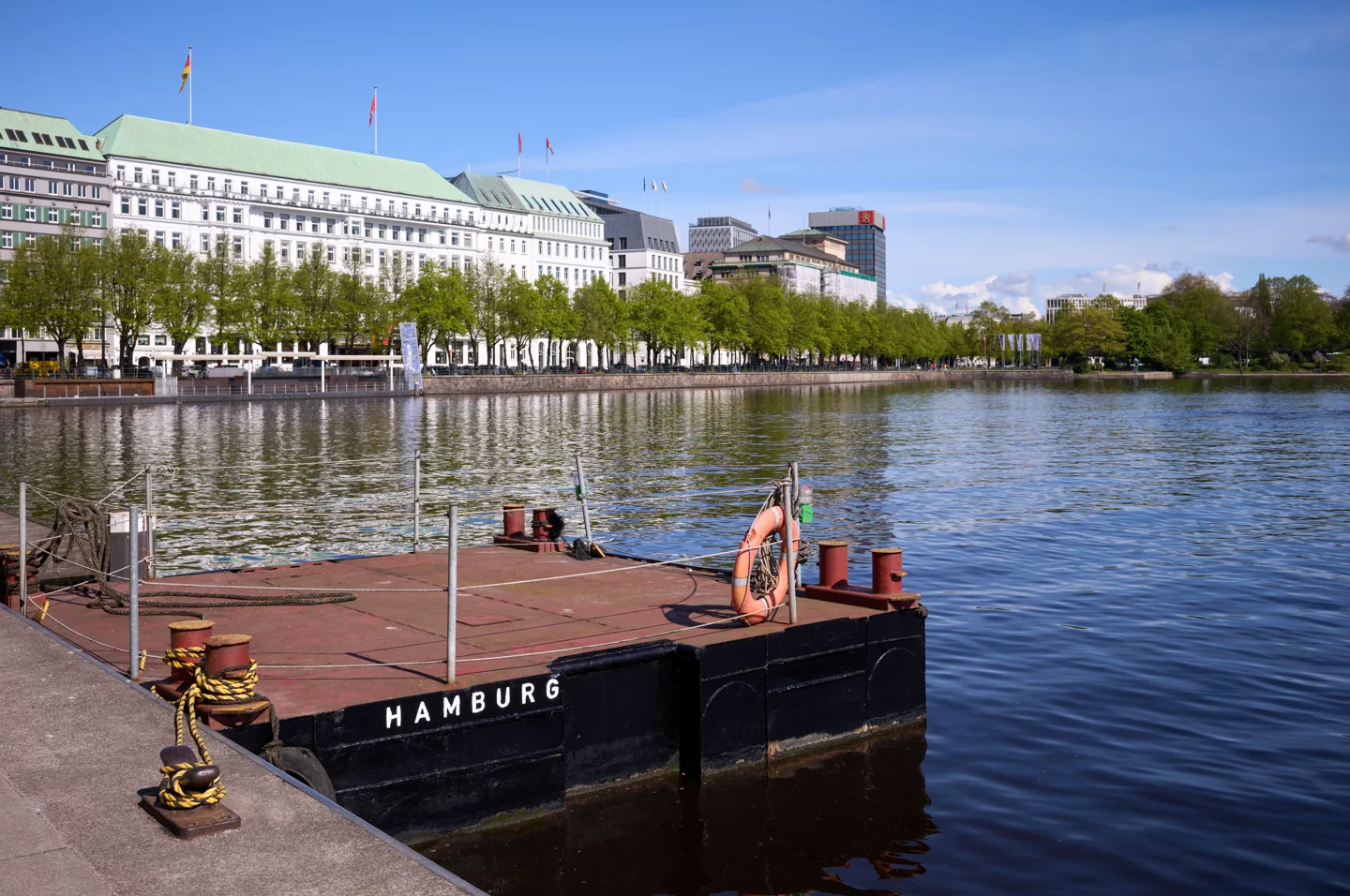
| Hamburg | Eimsbüttel, Winterhude, Altona, Barmbek | Compare a neighbourhood street with the route to your employer; a waterfront view is not a commute plan. |
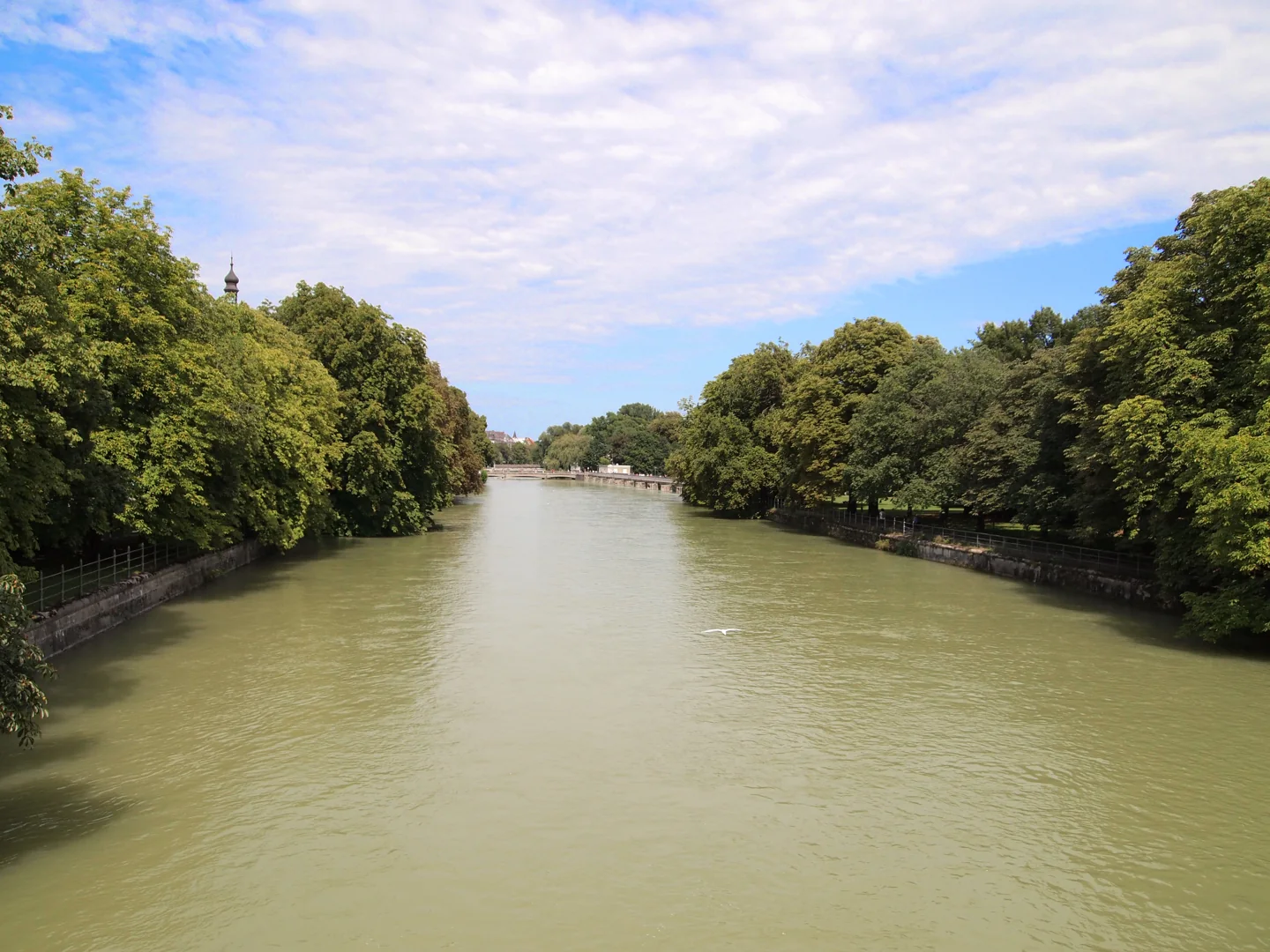
| Munich | Sendling, Neuhausen, Giesing and the area around your campus | Establish which campus or workplace you use. Munich city, Garching and other university sites involve different journeys. |
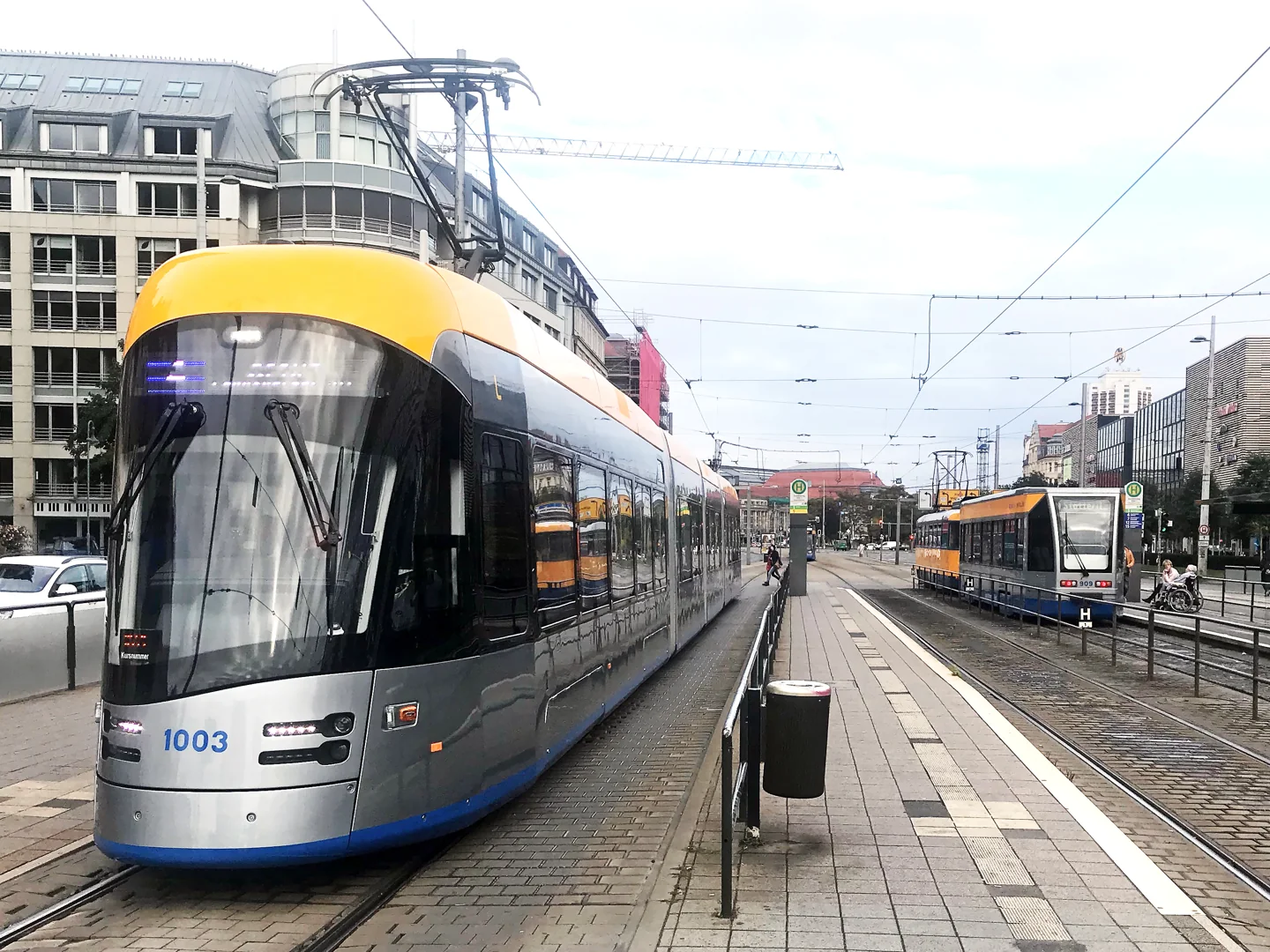
| Leipzig | Südvorstadt, Plagwitz and residential streets near the relevant tram line | Walk to the stop and test the connection during normal working hours. |
- Shortlist two neighbourhoods with suitable transport and the services your household uses.
- Book temporary accommodation with clear cancellation terms and establish whether your actual move-in will be documented for registration.
- Visit at commuting time and again in the evening. Look at entrances, stairs, lifts, groceries and the route a child would take.
Keep city-specific questions with the city: school placement, registration appointments and the local immigration office all depend on the home you establish. Start with a manageable area rather than trying to understand the whole country at once.
02Choose the residence purpose and apply in the right place
Separate a short visit from permission to live and work. For most third-country applicants, the federal visa sequence starts at the German mission responsible for their country of residence and continues with the local Ausländerbehörde after arrival. A Schengen visit does not by itself authorise an ordinary relocation job.
| Situation | Starting point | Important distinction |
|---|---|---|
| EU/EEA citizen | Free-movement rights rather than a work visa | Address registration and the conditions for the particular stay still matter. |
| Qualifying employment offer | Skilled-worker residence or EU Blue Card | Recognition, salary and the nature of the post determine the route. |
| Searching for work | Opportunity Card where eligible | Its permitted secondary work differs from full-time employment. |
| Higher education | Study route | Admission and proof of resources precede the application. |
| Business or liberal profession | Self-employment/freelance route | A foreign client does not create a general digital-nomad entitlement. |
The government identifies different visa-free application exceptions. Australian, Canadian, Israeli, Japanese, New Zealand, South Korean, UK and US nationals can use the stated in-country procedure, but need the appropriate permission before starting the activity. The separate exception for Andorra, Brazil, El Salvador, Honduras, Monaco and San Marino does not cover gainful employment. Read the exact nationality/purpose combination before travelling.
- Select the route and mission, including separate family applications where required.
- Prepare that mission’s identity, purpose, qualifications, resources and insurance evidence.
- Use the Consular Services Portal where the route is supported, then complete the mission’s required appointment and original-document checks.
- After issue, read the visa’s dates and work conditions and plan the residence application before expiry.
The Foreign Office’s August 2026 fee information lists national visas at EUR 75, or EUR 37.50 for minors, with applicable exemptions and reductions. These are application charges, not a promise of approval or a processing deadline.
03Secure the offer, recognition or business evidence
For employment, ask for a contract or binding offer specifying the role, salary, hours, start date and duration. The qualified-professional route requires the applicable recognised or comparable qualification and a qualified post; auxiliary work does not meet that test. A regulated profession also needs the relevant professional authorisation.
Use the Recognition Finder with your occupation and intended place of work. It identifies the reference profession and responsible authority. Retain the recognition decision or degree-comparability evidence required for your actual immigration category; an employer’s enthusiasm does not replace it.
For a 2026 EU Blue Card, the ordinary gross annual salary threshold is EUR 50,700. The lower EUR 45,934.20 threshold applies to specified shortage occupations and qualifying recent graduates with the required Federal Employment Agency approval. The offer must run for at least six months and match the qualification. A defined IT-experience route exists without a formal degree; it is not a waiver for every applicant.
For the ordinary skilled-worker route, someone over 45 coming to work in Germany for the first time must meet the 2026 EUR 55,770 gross annual salary requirement or demonstrate adequate pension provision. Do not substitute the Blue Card’s lower figure into that separate test.
If you are still looking for work
The Opportunity Card provides a recognised-qualification option or a points-based option. The latter combines the required formal qualification, at least six points and German A1 or English B2 evidence. Both require resources; the published 2026 blocked-account amount is EUR 1,091 per month. Secondary employment is limited to twenty hours weekly in total, with qualifying trials of up to two weeks per employer. Obtain the appropriate follow-on title before relying on a full-time offer.
If you will work independently
The self-employment route distinguishes a business from a liberal profession. A business normally needs evidence of economic interest or regional demand, expected economic benefit and financing. Prepare the concept, cash-flow plan, client evidence and any professional licences. Ask the local authority to classify the activity before assuming it is freelance.
For a Berlin example, the local application service identifies its business documents and online filing. Once the activity is authorised, arrange any required trade registration and send the tax-registration questionnaire within one month of starting. Immigration permission, business registration and tax registration serve different purposes.
04Separate moving money from your monthly budget
Use net income for the household budget. A contract’s gross salary is the starting point for payroll deductions, not the sum available for rent. Ask payroll for an estimate based on your circumstances and health insurer, and identify which costs your employer actually reimburses.
| Initial money | Recurring money | Evidence to obtain |
|---|---|---|
| Travel, shipping and temporary accommodation | Rent and service charges | Carrier quotation; lease showing the separate components. |
| Immigration, recognition and translations | Insurance or payroll contributions | Route-specific fees; insurer’s written assessment. |
| Deposit, kitchen or essential furnishings | Groceries, electricity, internet and transport | Inventory, supplier offer and your actual travel requirement. |
Two verified recurring starting points are the 2026 Deutschlandticket at EUR 63 monthly and the household broadcasting contribution at EUR 18.36 monthly. They do not establish a national living-cost figure. Health insurance contributions depend on status and insurer, while rent depends on the specific property.
Hypothetical worksheet, not an observed market price: choose EUR 1,000 basic rent, EUR 250 service-charge advance, EUR 60 electricity, EUR 40 communications and EUR 350 groceries. Adding EUR 63 transport and EUR 18.36 broadcasting gives EUR 1,781.36 monthly for those categories. Add healthcare deductions or premiums, dependants, schooling and other needs separately. If the agreed deposit is three basic rents, the security commitment is EUR 3,000; the statutory instalment right is explained in Step 11.
Under Income Tax Act §1, a German home or habitual residence can establish unlimited income-tax liability. Do not wait for a simple “183-day rule” before recording foreign income or discussing treaty treatment. Keep the move date, employment documents, foreign pension/investment records and evidence of tax paid abroad.
- Give payroll the required tax and insurance details and retain payslips.
- Keep the personal tax identification number separate from a business Steuernummer.
- For independent work, establish the activity’s VAT, income-tax and any trade-tax treatment through the Finanzamt and ELSTER process; set aside money from receipts.
- Determine whether a return is required in your case and use the applicable filing deadline rather than a generic expatriate deadline.
05Arrange school placement or the university application
School systems and placement procedures are organised by the Länder. Ask the school authority for the district where you will live about age/class placement, language support and the first appointment. Bring previous reports, identity and civil-status records rather than assuming a child will repeat the year solely because they arrive from abroad.
The Berlin Welcome Centre’s school information explains local options and support. For a concrete district example, Reinickendorf’s welcome-class desk requires an appointment for children without German, with current address-registration evidence, identity, birth certificate and school reports. Its contact and process belong to Reinickendorf; another district or Land will direct you to its own office.
- Contact the responsible authority with the child’s age, previous schooling and language background.
- Ask which records need translation and how placement and support are assessed.
- Establish the school journey, lunch, after-school arrangements and start date once a place is confirmed.
For university, the Technical University of Munich application pages provide an actual starting point. Where required, obtain preliminary review documentation, or VPD, through uni-assist, while also applying for the chosen programme in TUMonline. A VPD request is not an application to TUM. Use the programme’s own document list and deadline.
For TUM’s VPD, select “Technische Universität München”, “all degree courses” and the intended degree type in uni-assist, rather than a specific programme. Upload the required records and pay the handling charge before the applicable deadline. TUM says review usually takes four to six weeks. If the final VPD is pending after a complete, timely request, upload TUM’s signed confirmation form in TUMonline, then replace it with the final VPD. Read any “not ok” explanation: it can identify that pending replacement. Follow the programme and VPD deadlines separately; the placeholder does not excuse a late or incomplete uni-assist request.
Do not assume every German public university is tuition-free for every international applicant. TUM’s current third-country schedule generally lists EUR 2,000 or 3,000 per semester for bachelor’s programmes and EUR 4,000 or 6,000 for master’s programmes, with programme-specific amounts and exemptions. Semester contributions are separate.
The study-visa guidance gives EUR 11,904 as the 2026 blocked-account resources figure, with scholarship or declaration-of-commitment alternatives. It is proof for that route, not a prediction that your particular household can live on that sum.
06Confirm the residence and healthcare basis for retirement
EU citizens who are not working have a free-movement basis under §4 of the relevant Act when they have sufficient resources and adequate health insurance. Establish both: a pension-payment record answers the resources question, while the insurer must confirm what cover applies after the move.
For third-country nationals, Germany does not offer a general pension-only retirement entitlement. Family residence or another qualifying route may apply. Residence Act §7 allows a permit for another purpose in a justified case, but this is discretionary; it is not a retirement visa anyone can obtain by showing savings.
- Confirm the specific residence basis with the responsible mission or immigration authority before buying a home or cancelling existing cover.
- Ask the pension payer how payments, proof-of-life requests and address changes will be handled.
- Have a German insurer assess eligibility and contributions, including your insurance history and foreign pension position.
- Test access to required specialists, stairs/lifts and everyday transport when choosing housing.
Keep pension, tax and insurance decisions connected. An inexpensive apartment is not enough if the household’s ongoing medical cover is unsuitable. If you will also freelance, assess the work permission and business obligations separately from the retirement plan.
07Prepare originals, shipments and the pet-entry timetable
Make one folder per person with passport, decisions, contracts or admission, civil-status records, qualifications and insurance. Keep originals accessible during travel and encrypted copies separately. Use the receiving authority’s checklist for translation and authentication; there is no reason to order a costly universal document pack.
For belongings from outside the EU, German Customs’ transfer-of-residence relief normally requires twelve months’ previous residence outside the EU and six months’ prior use of nonconsumable goods. Import is generally within twelve months of moving, with stated exceptions. Prepare inventory and evidence, then arrange the form 0350 declaration with the carrier or customs representative. New purchases do not automatically qualify.
Build the pet schedule before booking
The European Commission’s current non-EU pet rules use updated 2026 certificates and country lists. For an ordinary noncommercial dog/cat/ferret move:
- Have the vet read and record the microchip before the relevant rabies vaccination.
- Allow the required primary-vaccination interval of at least twenty-one days.
- Determine whether the departure country needs a rabies-antibody test. Where required, its blood-sampling and ninety-day timing can make this a months-long preparation.
- Obtain the current official animal-health certificate and noncommercial declaration. The ordinary certificate window to entry checks is ten days.
- Use a designated entry point, contact the authority for checks and confirm the airline’s separate carriage arrangements.
The Commission FAQ explains authorised-person movements within five days of the owner and how habitual residence affects document choice. An old EU passport should not be assumed valid simply because the owner is an EU citizen. Consult the German authority’s national conditions as well; the guide uses the Commission’s newer rules for the certificate framework.
08Arrange the first address, phone and insurance start
Keep the admission documents and insurance evidence available offline. Read the permission’s start date, expiry and activity conditions. If entering through a nationality-based in-country procedure, do not start work merely because admission was visa-free.
- Reach the booked accommodation using the actual airport/station transfer and confirm the keys and move-in date.
- Establish working mobile access and keep the number used for banking and appointments.
- Confirm that medical cover begins on the required date, including any interval before employment insurance starts.
- Find the registration office for your address and start the correct residence application where needed.
- Keep receipts for temporary accommodation and any reimbursable moving costs.
The administrative home you establish matters. Ask for documentation of the actual accommodation arrangement, especially if using a serviced apartment or sublet. Do not purchase a fictional registration address: the registration law requires confirmation connected to a real move.
Put your surname on the permitted mailbox/door label so official correspondence can reach you. Retain a way to receive messages when changing temporary homes, and tell relevant services when the permanent address is established. An appointment email and a letter sent to an old address can concern different stages of the same application.
09Register the address, tax identity and residence title
Federal Registration Act §17 requires address registration within two weeks of moving into a dwelling, subject to applicable exceptions. Ask the landlord or accommodation provider for the Wohnungsgeberbestätigung documenting the move, rather than using the lease as though it were always the same document.
- Use your city’s registration service and book the appropriate appointment or eligible online channel.
- Bring identification, the local form and landlord confirmation; follow any additional household/civil-status requirements.
- Retain the Meldebestätigung and give the new address to services that need it.
- Watch for the personal Steueridentifikationsnummer from BZSt. If it has not arrived within three months of first registration, use the authority’s request procedure.
- Apply for the correct residence title before your existing permission expires and retain the submission evidence.
Berlin’s registration page is one local example. Its online route has eligibility conditions, including the stated German/EU identification and domestic-move requirements; a newly arriving third-country household should not assume the same channel works.
For a Blue Card in Berlin, the local service lists the application, qualification/contract and insurance/housing evidence, followed by the authority’s appointment and digital-photo requirements. The first electronic Blue Card fee is EUR 100, with applicable reductions. Use the actual invitation for what to bring.
For that Berlin Blue Card application, include a spouse and children living with you in the family fields rather than submitting separate applications; the office will contact you about their permits. Prepare files up to 7 MB each and 100 MB altogether, pay the fee online and save the submission PDF. Berlin says this confirms continued domestic validity of an existing national D visa or residence permit beyond its expiry; it does not cover an already expired title or a short-stay Schengen C visa. Retain the PDF and bring original records to the interview invitation.
Your personal tax ID remains valid for life, including after a move or marriage. Before requesting another notification, look on an income-tax assessment or annual income-tax statement. BZSt does not disclose it by telephone or email; use its linked request service and keep your registered postal address usable.
Address registration does not decide immigration permission. Equally, an immigration application does not automatically authorise every job while pending. Retain the applicable decision and conditions, and obtain any required evidence of continued stay from the authority.
10Choose an account and establish reliable payments
Compare a Girokonto for ordinary payments against your actual needs: salary, rent, direct debits, cash and overseas transfers. An IBAN identifies the account for transfers; a debit card and a credit facility are separate products.
Use BaFin’s account comparison to compare maintenance, card and withdrawal charges. Ask the provider what identification method it accepts for your passport, what address or tax details it requires and whether a branch can complete checks that its video service cannot.
- Prepare identity and lawful-status documents, contact details and the tax-residence information requested.
- Read the account terms, including charges for foreign currencies and cash outside the bank’s network.
- Activate banking and test a small payment before sending the housing deposit.
- Give payroll the correct IBAN and set up agreed direct debits, keeping the mandate and cancellation details.
If an ordinary product is unsuitable, examine the Basiskonto rules. Consumers lawfully residing in the EU who lack a German payment account generally have a basic-account entitlement subject to the statutory grounds; it does not guarantee an overdraft or credit card.
Keep your existing payment method available until the new account functions. Confirm a landlord’s or service provider’s recipient details through a known contact before changing saved payment information. Save references and receipts so payments can be matched to invoices or the lease.
11Read the rent components and document the handover
A Kaltmiete is the basic rent. Nebenkosten or Betriebskosten are additional operating charges; Warmmiete usually combines basic rent with specified charges, but the contract determines what is included. Electricity and internet may need separate contracts. Ask what happens at the annual service-charge reconciliation.
Compare the offered apartment’s inventory: a fitted kitchen, appliances, lighting and storage may differ between properties. In a Wohngemeinschaft, or shared home, establish whether you sign your own room contract, join a joint lease or sublet; that changes whom you pay and who can terminate the arrangement.
- View the property and identify the landlord or authorised signatory.
- Ask which application documents are needed, such as income evidence or an available credit report. Explain a newcomer’s missing German history without inventing records.
- Read rent, index/step clauses, term, notice, pets, permitted use, repairs and service charges.
- Put the security amount, payment schedule and account arrangement in writing.
- At handover, complete an Übergabeprotokoll recording condition, inventory, keys and meter readings, supported by photographs.
For ordinary residential rental security, Civil Code §551 caps the deposit at three monthly basic rents excluding the stated operating charges. A cash deposit may be paid in three equal monthly instalments, beginning when the tenancy starts. It must be held separately under the statutory arrangements. Do not confuse the maximum deposit with a requirement that every lease demands that amount.
Ask for the move-in confirmation needed in Step 9, keep signed copies and retain payment receipts. Clarify any property-specific exception or unusual contract before committing several months of the household reserve.
12Arrange the insurance category and find a regular doctor
Ask a Krankenkasse or appropriate private insurer to assess your status before making a price comparison. Employees, students, self-employed people and pensioners have different eligibility and contribution rules. Being a visitor with travel insurance is not the same as holding appropriate resident cover.
For a verified provider-specific example, Techniker Krankenkasse’s 2026 employee health rate is 17.29% of the applicable gross income, including its supplementary rate, shared equally by employer and employee. Long-term care insurance is separate, and contribution ceilings apply. This is not a universal percentage for every insurer or household.
Independent workers should obtain an eligibility decision before using TK’s voluntary self-employed contribution table. The published minimum/maximum calculations depend on income and sickness-benefit and care conditions; they are not a guarantee that every new arrival can join.
- Provide the insurer with employment/student/self-employment status, start date and relevant prior cover.
- Obtain confirmation for payroll, university or immigration use as applicable.
- Find a Hausarzt, or primary-care practice, and ask whether it accepts new patients and your coverage.
- Bring a medication list and previous records to the first appointment; establish how repeat prescriptions and referrals work.
The 116117 official English page provides a search for English-speaking practices. Its telephone medical on-call service is in German and is for urgent needs when normal practices are closed. For a life-threatening emergency, call 112. Keep the nearest appropriate contact and your insurance details accessible.
13Connect the home and choose the right travel ticket
Photograph meter numbers and readings at handover and distinguish the electricity supplier from the network operator. Under the Federal Network Agency’s current process, the technical electricity switch can happen within twenty-four hours, but this does not cancel contractual notice periods or make a move-in tariff retroactive. Arrange the desired supply before drawing electricity.
- Ask the landlord which heating/water charges are billed through the tenancy and which meters need your own contracts.
- Give the supplier the address, start date, meter details and requested payment arrangement; keep confirmation.
- For internet, confirm address availability, installation date, router costs and minimum term before ordering.
- For prepaid mobile, complete the required identity verification before activation, using the provider’s accepted process.
- Arrange the broadcasting contribution for the dwelling, or establish an existing household payment/exemption rather than paying twice.
Under Telecommunications Act §60, moving a supported connection does not restart the agreed term. If the contracted service is unavailable at the new home, the law provides a one-month termination route. Keep the written availability response and notice.
The 2026 Deutschlandticket costs EUR 63 per month for the personal local/regional second-class subscription. Ordinary ICE, IC and EC services are outside that scope. Compare it with the local ticket appropriate to your actual journey rather than assuming it covers every train.
With a DB subscription, cancel by the tenth of the month to end it at that month’s close. In DB’s Aboportal, open “Meine Abos”, then “Alle Services anzeigen” and “Kündigung”; alternatively use “Abo kündigen” beneath the mobile ticket in DB Navigator. Check the recorded end date in the portal and retain confirmation. Update subscription contact or bank details in the Aboportal: DB says changes to the ordinary customer account do not automatically update an existing subscription. A monthly subscription is not a thirty-day visitor ticket. Keep the ticket available on your chosen medium, carry the required identity evidence and establish separate luggage, bicycle or companion arrangements if needed.
14Finish the household tasks and build a repeatable routine
Build community around something you return to. A language class, sports club, school-parent activity or regular volunteering session gives you an ongoing reason to meet people. Ask about fees, access, language and the commitment before enrolling.
A practical Berlin starting point is the district Volkshochschule network, with German and other courses. Use the actual course listing for placement, registration and price; publicly offered education does not mean every class is free or immediately available.
| When | Task | What to retain |
|---|---|---|
| First days | Confirm cover, read entry conditions and organise move-in registration. | Insurance confirmation, dates and appointment/submission references. |
| After handover | Register the actual address and establish household accounts. | Move-in confirmation, registration certificate and readings. |
| Weeks two to four | Complete banking, school/doctor contacts and residence follow-up. | Approved account details, decisions and named contacts. |
| Before renewal or another move | Review permit, passport and contract dates, and address changes. | Calendar and the relevant notice requirements. |
Keep the personal tax number permanently, but update the address and contact details used by each service. File residence decisions, contract conditions and insurance confirmations together so you can answer a renewal request without reconstructing the first move.
Then give the neighbourhood some ordinary time: learn the route to the shops, understand building recycling instructions and keep a reliable journey for work or school. A household is established when these small tasks work alongside the paperwork.
Sources & further reading
Reviewed 14 October 2026. Sources are linked beside the relevant instructions. Nationality and residence purpose determine the visa sequence. Berlin procedures are explicitly local examples. Pet instructions use updated 2026 European Commission rules. University tuition depends on the programme and applicant status. Targeted review on 21 October 2026 checked Berlin’s Blue Card filing and BZSt’s tax-ID instructions; the general review date above still applies to other sections. A further targeted review on 21 October 2026 checked TUM’s VPD workflow and DB’s subscription-management instructions. Reviewed 14 October 2026. Salary and resource thresholds are specific to the immigration route. Deutschlandticket EUR 63 per month and household broadcasting EUR 18.36 per month are current displayed prices. TK rates are specific to that insurer and exclude separate long-term care insurance. The rental worksheet is hypothetical. Photograph credits, licences and capture years appear with the images.
Browse the source directory
- Federal government — visa application sequence
- Federal Foreign Office — Consular Services Portal
- Federal Foreign Office — visa regulations and fees
- Federal government — EU Blue Card
- Federal government — qualified employment
- Federal government — job-search opportunity card
- Federal government — self-employment
- Berlin — self-employment residence application
- Federal Recognition Finder
- Income Tax Act §1
- ELSTER — business tax registration
- BZSt — tax identification number
- Berlin Welcome Centre — schools
- Reinickendorf school authority — welcome classes
- Technical University of Munich — apply
- TUM — preliminary documentation through uni-assist
- TUM — non-EU tuition
- Federal government — study visa
- Freedom of Movement Act §4
- Residence Act §7
- German Customs — transferring residence
- European Commission — pets from non-EU countries
- European Commission — pet movement FAQ
- German ministry — national pet entry rules
- Federal Registration Act §17
- Federal Registration Act §19
- Berlin — register main residence
- Berlin — apply for EU Blue Card
- BaFin — account comparison
- BaFin — basic payment account
- Civil Code §551 — rent deposit
- Techniker Krankenkasse — employee contributions
- TK — self-employed contributions
- 116117 — official English information
- Telecommunications Act §172
- Telecommunications Act §60
- Federal Network Agency — electricity switch
- Rundfunkbeitrag — official contribution
- Deutsche Bahn — Deutschlandticket
- Deutsche Bahn — cancel Deutschlandticket
- Berlin adult education centres
Make your next step a practical one
Choose the actual workplace or course, identify the immigration route and arrange accommodation that supports your address registration.