Visa
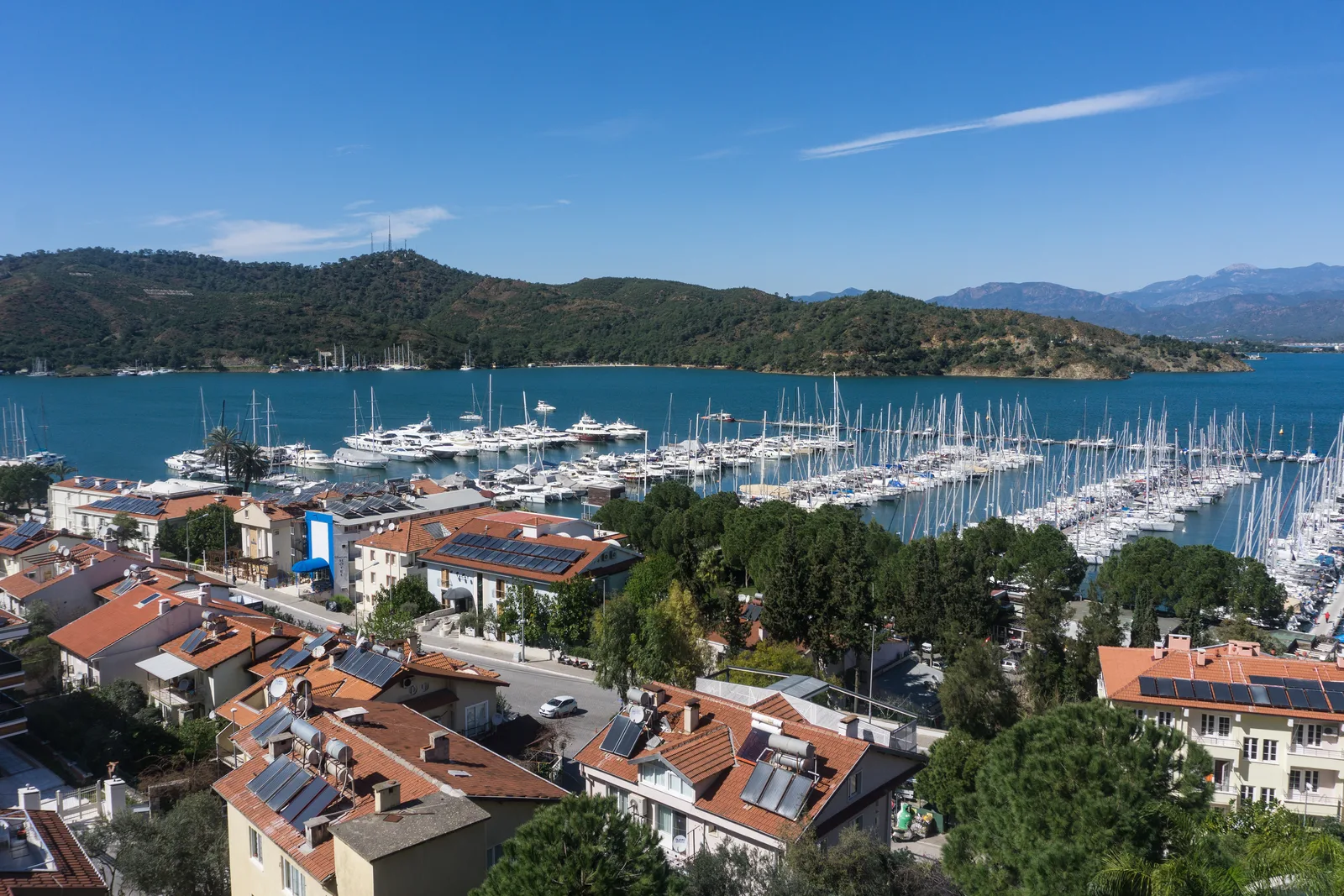
A harbour town with several different holidays around it
Fethiye is a practical base for western Türkiye’s Mediterranean coast: a harbour town with shops and services, Lycian remains above its streets, and a choice of beaches and mountain outings beyond the centre. Its greatest planning advantage is variety. You can spend one day beside the water and another exploring an archaeological site without changing accommodation.
The important distinction is between Fethiye itself and the wider holiday area sold under its name. A room in the centre, a beach hotel at Çalış and a hillside property near Ölüdeniz produce quite different trips. Decide which experience should be outside your door, then investigate the journeys needed for everything else.
Use VisaWand’s Türkiye country guide for national context and its Türkiye destination page for wider planning. This guide concerns Fethiye in Muğla province, overlooking the Gulf of Fethiye; it does not concern other Turkish settlements sharing the name.
Find ancient Telmessos within the modern streets
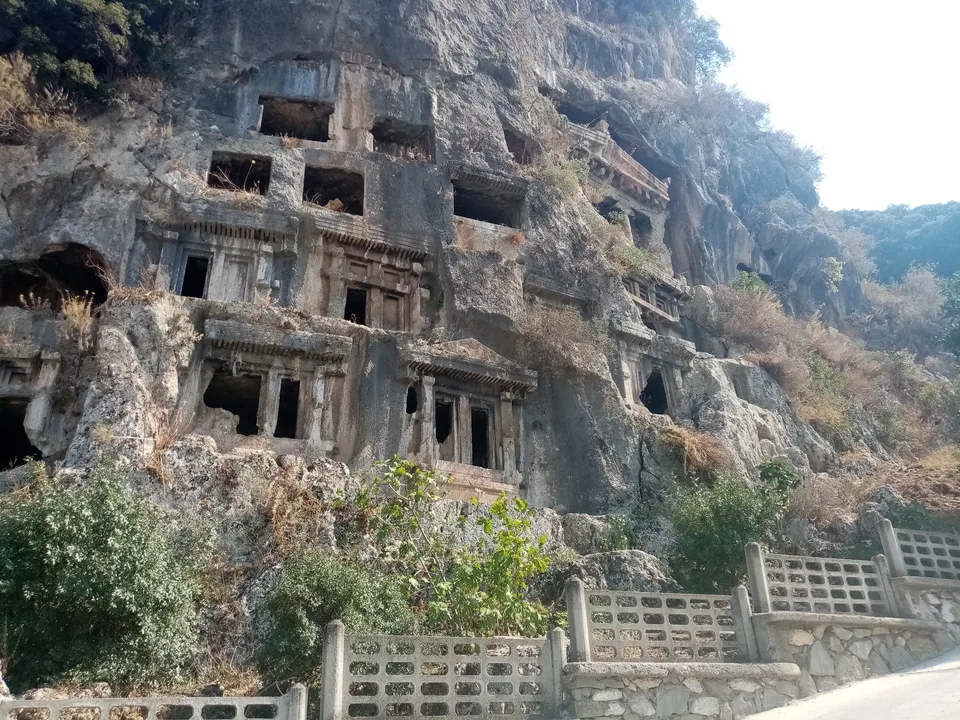
The modern town occupies ancient Telmessos, a Lycian city whose remains survive among later buildings. GoTürkiye’s Telmessos account explains why the rock-cut tombs are particularly revealing: their façades reproduce architectural forms in stone, including temple fronts and details associated with timber construction. You encounter this history within a living town, rather than at a single enclosed ruin.
The provincial culture and tourism directorate traces later Byzantine and Ottoman phases and the names Makri and Meğri. The town received its present name in 1934 in memory of aviator Fethi Bey. That layered identity is more useful to understand than treating Fethiye simply as a modern resort.
Combine the remains with the harbour and commercial streets. Follow barriers and conservation notices around ruins, allowing the town’s everyday life to remain part of the visit.
Choose between the centre, Çalış and the hillside resorts
Stay centrally for the harbour, Paspatur bazaar and evenings that begin with a walk rather than a transfer. Inspect the street around a prospective room: a convenient location above restaurants may offer a different sleeping environment from a quieter residential block.
The official local sightseeing overview places Çalış about five kilometres from the centre and describes its concentration of accommodation, restaurants and beach activities. It is an alternative base with its own shoreline, rather than a beach immediately beside every central hotel. Ask how far the property entrance lies from the particular stretch you want to use.
Ovacık and Hisarönü sit uphill on the road towards Ölüdeniz. They suit travellers who deliberately want that resort setting, but a map pin near the coast can disguise an inland climb. For a beach holiday, distinguish those hillside addresses from Belcekız at sea level; for a longer stay, test the actual bus journey into Fethiye.
Start with the waterfront and Paspatur
Make the harbour your first orientation walk. It gives the town a clear edge and helps you understand the relationship between the boats, waterfront businesses and streets behind them. Choose a short circuit on arrival day, especially after a late flight or a long coach journey.
Inland from the water, Paspatur’s shops offer textiles, jewellery, leather goods and souvenirs. The bazaar also contains Eski Cami, which the tourism directorate dates to 1791. It is an active religious setting: observe posted visitor arrangements and give worshippers space.
The central fish market provides another reason to spend time away from the promenade. Before committing to a meal, clarify the fish price and any separate preparation or table charges with the businesses involved.
Climb to the Lycian tombs when the weather suits
The Amintas archaeological site is one of the clearest connections between Fethiye and its Lycian past. The best-known tomb is named for an inscription identifying Amyntas, son of Hermapias, and dates to the fourth century BCE. The façade resembles the front of a small temple carved into the rock.
Access involves a long stair approach on a steep slope. Wear shoes with grip and choose a cooler part of the day; this is a different undertaking from a level waterfront stroll. Visitors who cannot manage the climb should consider viewing the rock-cut tombs from below rather than assuming the entrance provides a step-free route.
The official listing currently shows €3 for foreign visitors aged eight and over, with separate Turkish-citizen categories and exemptions. It lists 08:30–19:30 in the summer period and 08:30–17:30 in winter. Check the current page and local instructions before setting out, particularly near the seasonal change.
Keep the museum closure in mind
Fethiye Museum is frequently described through its archaeological collections, but its Culture Ministry visitor page currently says it is closed to visitors. The same page still displays opening hours; the explicit closure notice is the detail that matters when planning.
Contact the museum directly if its collections are a priority. Reserve time only after reopening is confirmed.
Keep a rainy-day alternative available. A meal or shopping can fill the gap; the outdoor archaeological sites are not equivalent wet-weather substitutes.
Give Ölüdeniz its own beach day
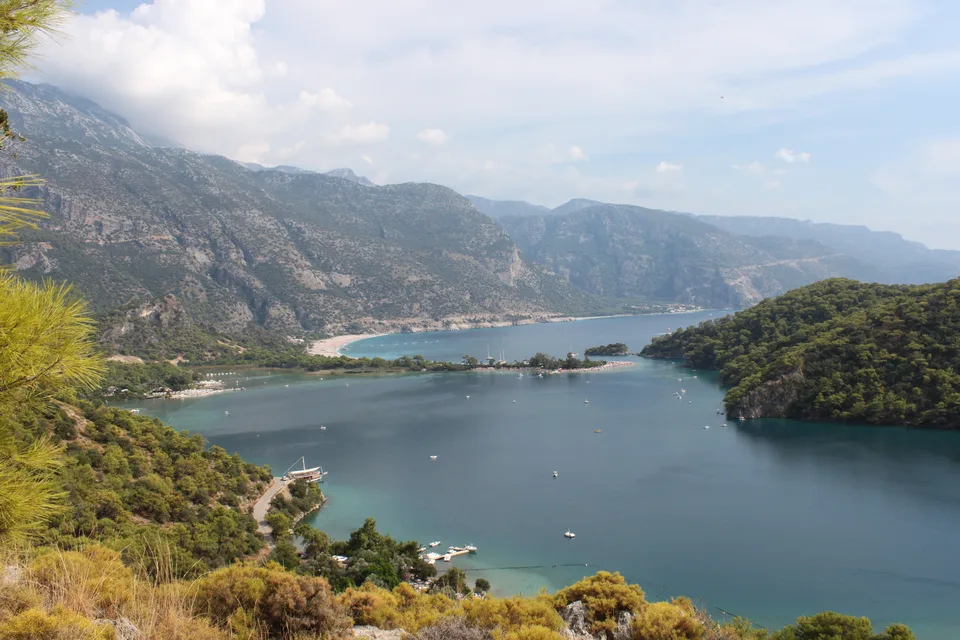
Ölüdeniz’s lagoon and coastal setting are among the area’s defining sights, but they require a separate journey from central Fethiye. Distinguish the open Belcekız beach from the lagoon and Kumburnu area when comparing facilities, access and any charges. A photograph of the whole bay does not identify the entrance or beach your accommodation uses.
Choose the day around swimming conditions and the group’s priorities. Some people will want long beach time; others may prefer the views and a meal. Establish the return journey before settling in, particularly if you plan to remain until evening.
Avoid interpreting the name or reputation of the lagoon as a guarantee of safe conditions. Follow local flags and instructions, supervise children and judge the actual water. For anyone needing mobility assistance, ask about the route from the drop-off point, surface, toilets and usable access to the shore before paying for an excursion.
Visit Babadağ with the operating conditions in view
Babadağ Teleferik provides a mountain outing above the Ölüdeniz area. Its main station is on the Ölüdeniz road; the system reaches different elevations using both cable cars and chairlifts. Those are separate experiences for anyone who is uncomfortable with exposed seating or needs assistance boarding.
The operator’s current ticket page lists a standard return at ₺950. Read the restrictions before buying: weather can limit access to higher stations, and the operator states that if the upper facilities close while the ticket remains valid only to 1,200 metres, it does not refund that partial restriction. This differs from a complete service cancellation.
Bring an extra layer for later in the day and allow time to descend before your onward transport ends. A cable-car ticket is not a paragliding booking. If considering a flight, establish the operator, insurance, physical requirements and weather policy independently; observing the launches is an experience in its own right.
Read Kayaköy as a place of displacement
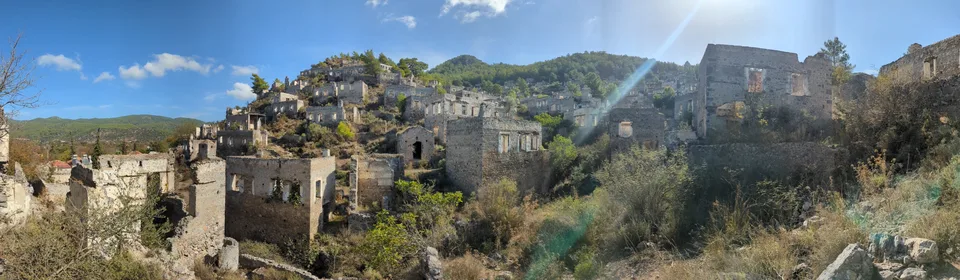
Kayaköy’s roofless houses and churches make a powerful excursion, but its significance extends beyond its appearance. The Muğla governorate’s account connects the departure of its Greek community with the population exchange following the Treaty of Lausanne. Approach the settlement as a place where people lived and lost homes, rather than merely a photographic backdrop.
The official archaeological-site listing describes hundreds of houses, chapels, churches and school buildings on the hillside. Follow permitted routes and barriers; an open doorway in a ruined building is not an invitation to explore unstable interiors. Allow for uneven ground, exposed sections and a slower pace than on paved town streets.
The listed foreign-visitor admission is currently €3 for ages eight and over. Recheck opening hours directly: the page’s seasonal date labels are inconsistent. Plan transport and a meal around the village, leaving enough time to absorb the setting without racing to another major attraction.
Choose a boat trip by what is actually included
The Gulf of Fethiye’s boating landscape is central to the destination’s appeal. A day on the water can be a welcome change from road travel, but boats and itineraries vary considerably. Compare the departure harbour, total duration, swimming stops, passenger numbers, shade, toilets, meal arrangements and return time.
Ask whether drinks, transfers and equipment cost extra, and what happens if the weather changes the route. Travellers who mainly want quiet swimming should say so rather than assuming every advertised island cruise provides that atmosphere. Families should ask about suitable lifejackets and supervision arrangements.
For a longer gulet cruise, inspect the cabin and bathroom arrangements, overnight itinerary and cancellation terms. Discuss seasickness or mobility concerns with the operator before buying.
Connect from Dalaman Airport without confusing the operators
Dalaman Airport is the relevant airport to investigate for a Fethiye stay. Compare the complete flight-and-transfer journey, including seasonal flight availability and the final leg from the bus station to your accommodation. A transfer described as “Fethiye” does not necessarily reach a hillside resort or an outlying villa.
The airport’s transport information identifies both Havaş and MUTTAŞ services. For MUTTAŞ, use route 48-25 between Fethiye Otogar and Dalaman Airport; its notices say there is no reservation or advance ticket sale, credit cards are accepted, and planned departures can change with flight schedules, weather or traffic.
The current MUTTAŞ airport tariff lists Dalaman–Fethiye Otogar at ₺300. That is the published fare for this operator and route, not a quote for every shuttle company. For Havaş services, check its own date-specific information. Arrange the final connection separately, especially for a late arrival.
Use the correct local route and fare
For travel within and around Fethiye, consult MUTTAŞ’s route and timetable system for the exact origin, destination and day. Keep the intercity coach station, a local minibus stop and an excursion meeting point distinct; knowing which one you need prevents unnecessary transfers with luggage.
Local charges depend on distance and payment category. The published tariff distinguishes electronic-card fares from the 2D Muğla Kart category and includes specific treatment for local minibuses. Do not assume that one advertised short-distance fare covers every dolmuş journey to Ölüdeniz or Kayaköy. Confirm the fare and accepted payment before boarding.
A car can make a dispersed regional itinerary easier, while adding parking, fuel and insurance costs. Assess the actual need before hiring for the entire stay. A few days based around the harbour and local buses may justify a shorter rental period for the more distant archaeological excursions.
Work markets into the week
The tourism directorate lists Fethiye’s traditional market on Tuesdays and the producers’ market at the same location on Fridays. Smaller markets include Sunday trading in Günlükbaşı and Göcek and Monday trading in Hisarönü. Check the current location and any holiday changes locally rather than relying solely on an old map pin.
Visit for produce and everyday shopping as well as souvenirs. Carry small change where useful, compare quantities and buy perishable food with a plan for refrigeration. For textiles, leather or jewellery, examine materials and workmanship, ask for a receipt and decide whether the price suits you before agreeing.
When buying food to take home, check your destination’s import restrictions and baggage allowances. The covered fish market, Paspatur bazaar and weekly produce market serve different purposes; visiting one does not necessarily replace the others. For prospective residents, note which shopping trips are manageable on foot from the proposed home.
Choose accommodation that fits both the day and the night
Compare the centre, Çalış and the Ölüdeniz area against your most frequent activity. If most evenings will be spent in Fethiye, a distant beach property may introduce repeated transport costs. If swimming is the main reason for travelling, the immediate shoreline may matter more than proximity to the bazaar.
Ask about heating or cooling, breakfast, sound insulation, stairs, parking and access from the drop-off point. A hillside view can come with a steep final walk. Request measurements and current photographs if mobility requirements are decisive.
Compare final prices including taxes, meals, cancellation terms and deposits. For an apartment or villa, establish who handles check-in, faults and cleaning, and whether the kitchen and access to groceries meet your needs.
Budget in lira and keep excursion costs separate
Use current Turkish-lira quotes for accommodation, meals and local transport, while retaining any attraction’s published euro price as a separate item until the actual payment arrangement is clear. Currency conversion and card fees can alter the final charge. Avoid treating a remembered exchange rate as part of the budget.
Build the essentials first: accommodation, airport journeys, routine meals and transport. Then choose the experiences worth paying for. The tombs and Kayaköy, a mountain outing and a boat day represent different kinds of spending; selecting two deliberately can be more satisfying than booking every available excursion.
Allow for changed weather or a missed connection. Before paying for an organised trip, establish its departure point, dates, inclusions and cancellation rules; add any transport needed to join it.
Match the season to the activity
Fethiye has a Mediterranean pattern of hot, dry summers and mild, wetter winters. Summer favours a beach-focused holiday, but exposed archaeology and steep walks need more thoughtful timing. Plan shade and rest into the day instead of expecting the same pace you would maintain in cooler weather.
Spring and autumn can suit sightseeing, provided the chosen activities are operating and conditions permit them. Mountain weather, sea conditions and canyon water levels require their own assessment. A pleasant afternoon beside the harbour does not establish conditions on Babadağ or in Saklıkent.
Check the Forestry Directorate’s current wildfire measures before a rural walk. Its 2026 commission announcement identifies restrictions on forest entry during 1 June–31 October and additional controls on activities during high-risk weather. Confirm the rules for your specific route and date; a marked trail or an old hiking recommendation does not override a closure.
Spend four days across town, coast and countryside
Day one: settle in, walk the harbour and Paspatur, then choose an uncomplicated dinner. If Tuesday or Friday falls during the stay, move your market visit to that morning rather than forcing it into arrival day.
Day two: visit the rock-cut tombs during a cooler period, allowing time for the climb and a break. Spend the remainder around town or at Çalış according to the weather and your interests. Keep the museum closure in mind when choosing an indoor alternative.
Day three: give Ölüdeniz a beach day, with Babadağ as an optional substantial addition rather than an automatic extra. Check the return journey and operating conditions before committing.
Day four: choose Kayaköy or a boat outing. With more time, add a separate inland excursion. Travellers considering relocation can replace one sightseeing day with housing appointments, grocery shopping and a realistic commute trial.
Investigate an address before planning a move
Begin with temporary accommodation while comparing properties, then establish the full tenancy period, deposit, furnishing inventory, building charges and maintenance responsibilities in writing. Confirm whether the landlord intends to offer the property for every month you require.
Before paying a deposit, discuss address-registration eligibility and the documents relevant to your circumstances with Muğla Migration Management. Its published neighbourhood-closure notices show why this deserves checking; a property being available to rent does not establish that it supports a particular residence application. Verify the exact address and current rules rather than relying on an agent’s general assurance.
Inspect ventilation, moisture, heating, cooling and storage. Obtain address-specific information about internet installation and test mobile reception indoors. Finally, travel to work or study at the required time, including the return after evening commitments. A comfortable holiday journey can become an inconvenient daily routine.
Arrange utilities, care and household essentials
MUSKİ’s water subscription guidance lists documents including evidence of the property arrangement, identification and compulsory earthquake insurance, with additional requirements for some buildings. Clarify the existing account, meter reading and outstanding responsibilities at handover. Ask which documents apply to you rather than assuming every item on a general list concerns an individual tenant.
For electricity, consult Aydem Perakende’s residential subscription information and establish the installation number, account arrangements and applicable deposit. Check what the lease includes before estimating household costs, and record meter readings with the landlord.
Locate Fethiye State Hospital and arrange appropriate health coverage and routine care for your status. Use 112 for emergencies. Families should confirm school admission, language support and transport with the relevant institutions before choosing a home; proximity on a map does not prove a place is available or the daily route is suitable.
Separate a visit from work, study and residence
Check the Foreign Ministry’s nationality-specific entry rules for your passport. The general visa guidance sets a maximum short-stay framework of ninety days in 180, but an individual visa or exemption may allow less. Verify passport validity and your actual permitted stay; a trip out of Türkiye does not automatically reset it.
Use the official e-Visa portal where you qualify. Tourism permission does not by itself authorise employment or study. For a longer stay, consult e-İkamet’s residence application resources and the authority responsible for your intended purpose. Renting or buying accommodation is not an automatic grant of residence or permanent status.
The Labour Ministry’s work-permit guidance explains the separate requirement for permission to work. Resolve this before accepting employment. If you need professional support, compare VisaWand’s consultant listings, asking about relevant experience, written scope and fees. Official authorities determine eligibility and outcomes.
Extend the trip without trying to see everything
Göcek offers a smaller marina-oriented alternative, useful for comparing a boating holiday with a stay in Fethiye. Inland, Tlos adds another archaeological focus, while Saklıkent Canyon requires a separate decision about access, water conditions and suitable footwear. Choose one inland outing that fits the available day rather than treating every named destination as a compulsory circuit.
The Lycian Way connects this region with a much wider coastal and mountain landscape. Select a manageable section only after checking current access rules, navigation, water supplies and transport; it is a long-distance walking route, not a single town promenade.
For other bases, explore VisaWand’s Türkiye location directory and the completed Antalya city guide. Fethiye is most rewarding when the accommodation, transport and pace fit the trip you actually want, leaving enough time to enjoy the harbour as well as the headline excursions.
Official planning resources
Reviewed 17 October 2026. Use the official resources linked throughout this guide for admission, transport, housing and immigration decisions. Prices, services and rules can change; confirm the details relevant to your dates. Photography illustrates the locations and is not a live view.
View all official resources
- GoTürkiye: Telmessos and Lycian tombs
- Muğla Culture and Tourism Directorate: Fethiye history, geography and climate
- Muğla Culture and Tourism Directorate: Fethiye places to visit
- Muğla Culture and Tourism Directorate: markets and shopping
- Turkish Museums: Amintas archaeological site
- Culture Ministry: Fethiye Museum visitor status
- GoTürkiye: Ölüdeniz
- Babadağ Teleferik: stations
- Babadağ Teleferik: current tickets and conditions
- GoTürkiye: Kayaköy history
- Turkish Museums: Kayaköy archaeological site
- GoTürkiye: Fethiye
- Dalaman Airport: bus connections
- MUTTAŞ: route48-25 Fethiye bus station–Dalaman Airport
- MUTTAŞ: current public transport and airport fares
- Havaş: airport bus services
- MUTTAŞ: current routes and timetables
- Muğla Culture and Tourism Directorate: Fethiye food
- Muğla Forestry Directorate:2026 wildfire measures
- Muğla Migration Management Directorate
- MUSKİ: water subscription documents
- Aydem Perakende: home electricity subscriptions
- Fethiye State Hospital
- Türkiye Foreign Ministry: nationality-specific visa rules
- Türkiye Foreign Ministry: visa and passport information
- Türkiye official e-Visa information
- Türkiye e-İkamet: residence permit applications
- Türkiye Labour Ministry: work permits
- GoTürkiye: Göcek
- GoTürkiye: Tlos
- GoTürkiye: Saklıkent Canyon
- GoTürkiye: Lycian Way
Plan the next part of your journey
Explore the Türkiye guide, browse other cities or compare consultants for your travel and relocation questions.