Visa
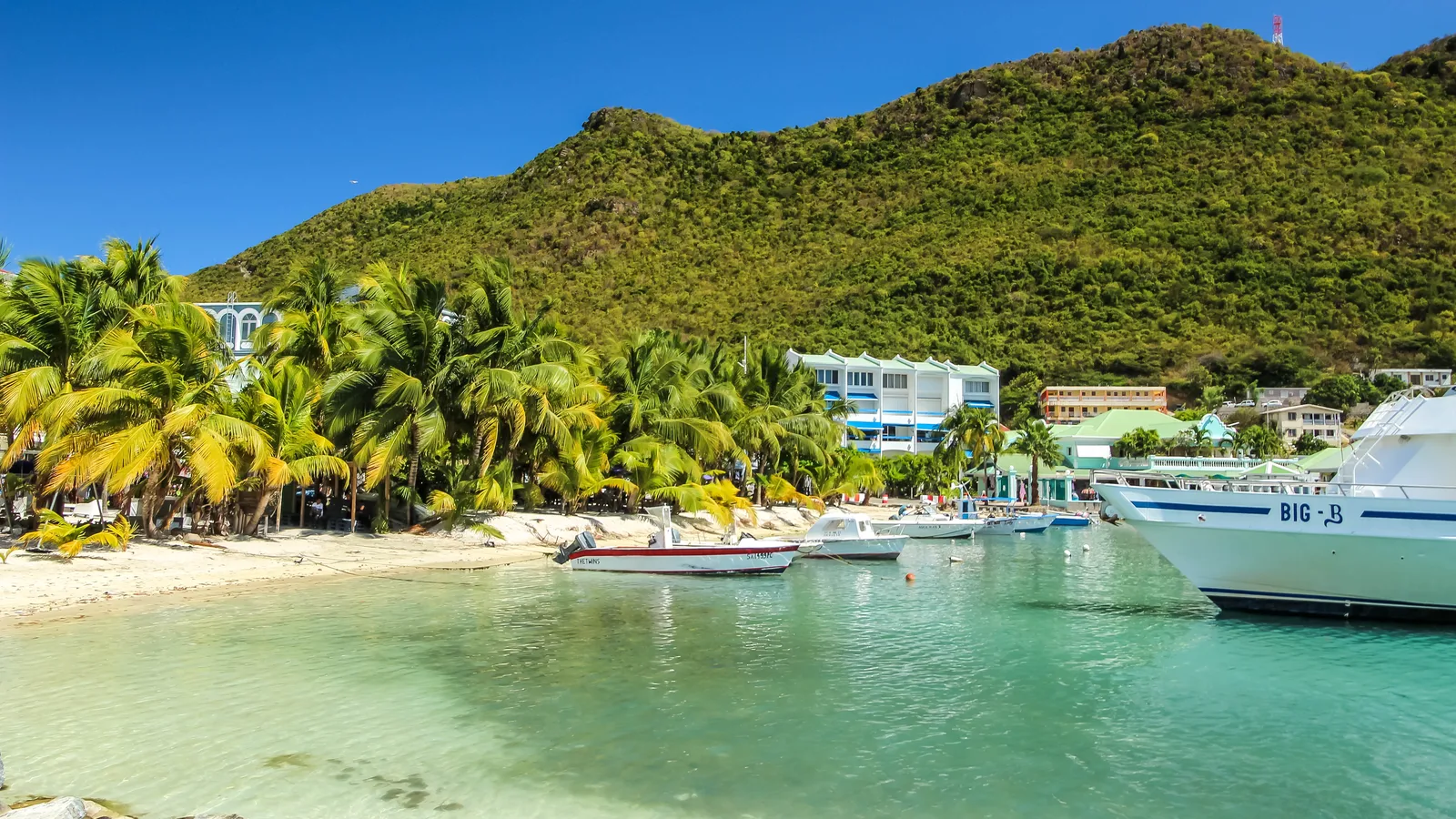
A small capital with a busy waterfront
Philipsburg puts a Caribbean beach beside the working centre of a country. You can walk from a waterfront lunch to shops, historic buildings and a museum without organising a full island tour. The appeal is that compact combination. For visitors with limited time, it offers a satisfying introduction to Sint Maarten; for a longer holiday, the decision is whether you want the capital outside your door or would prefer a different beach and transport base.
The town occupies the narrow ground between Great Bay and the Great Salt Pond. Hills frame its inland side, while the seafront looks towards the harbour. Start with the Tourist Bureau’s Philipsburg overview and VisaWand’s Sint Maarten location directory to place it geographically. The directory covers locations across the country; this guide concentrates on the capital and practical excursions from it.
Allow at least a day for town, and two or three if you want time for nearby beaches and an unhurried museum visit. A week makes more sense as an island holiday with Philipsburg among several stops. People considering a move should use a preliminary stay to test ordinary routines, including shopping and commuting, before choosing a long lease.
Read the island’s history beyond the shopfronts
Salt helps explain why a settlement grew here. The Tourist Bureau connects John Philips, after whom the town is named, with the revival of the salt industry and the town’s development. Looking inland towards the pond gives that history a physical setting. Today’s visitor economy can obscure the older relationship between settlement, trade and the landscape.
For broader context, Sint Maarten became a constituent country within the Kingdom of the Netherlands on 10 October 2010. The island’s cultural life includes Carnival and Sint Maarten Day on 11 November, alongside music and visual art throughout the year. The Tourist Bureau’s cultural information is useful for identifying these traditions; consult the actual programme before arranging a trip around an event.
Do not reduce the island’s past to successive European flags. Indigenous settlement, slavery, emancipation and migration belong in the account too. The museum is a useful starting point for those subjects. Giving it time changes a town walk: the port, pond and surviving buildings become parts of a longer story rather than scenery around the shopping streets.
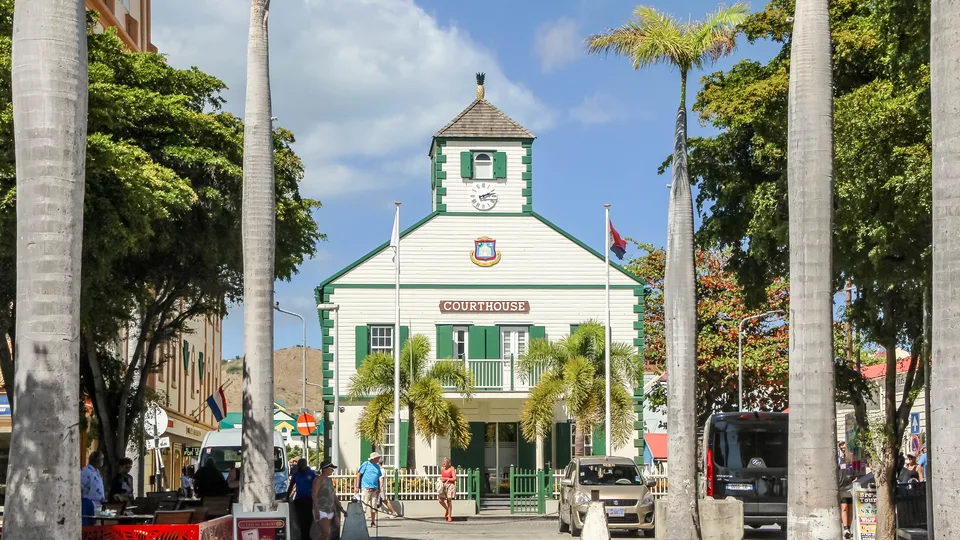
Use the courthouse as your walking landmark
The green and white courthouse is a recognisable meeting point around Wathey Square and Front Street. Begin a town walk here, then alternate between the commercial streets and waterfront rather than trying to follow every road in sequence. The Tourist Bureau also highlights Walter Plantz Square and its traditional architectural detailing. Keep the courthouse visit to an exterior stop unless public access is explicitly confirmed.
Walk slowly enough to notice painted facades, small passages and the transition from shops to the bay. A photograph can record an attractive building without telling you whether it remains a shop, office or private property. Treat doorways accordingly, and ask before entering or photographing people at close range.
This central route works well for a short visit because you can shorten it whenever heat, mobility or time becomes a concern. A family can divide the morning between streets and a shaded break instead of promising children a long historical walking tour. Travellers who need step-free access should ask specific venues about entrances and toilets; a compact town does not guarantee an accessible route throughout.
Give the heritage museum a proper place in the day
The Sint Maarten National Heritage Foundation and Museum lists its address as Front Street 7. Its published visitor hours are Monday to Friday, 10am to 4pm, with Saturday and Sunday closed. Check directly before a special trip, particularly on holidays. An online map’s opening-hours panel should not take precedence over information supplied by the operator.
The museum’s exhibition information covers subjects including the pre-Columbian period, the salt industry, slavery, emancipation, plantation life and maritime history. Choose a few themes that interest you instead of treating the collection as a checklist. Reading about salt before returning towards the pond, for example, gives the geography greater meaning.
No verified current admission price is provided here. Contact the museum for the charge and any arrangements your group needs. If your only day is a weekend, build an enjoyable outdoor route instead of basing the visit on an assumed opening. For a weekday itinerary, protect the museum slot before leaving town for a beach or a long lunch elsewhere.
Visit Fort Amsterdam for ruins and perspective
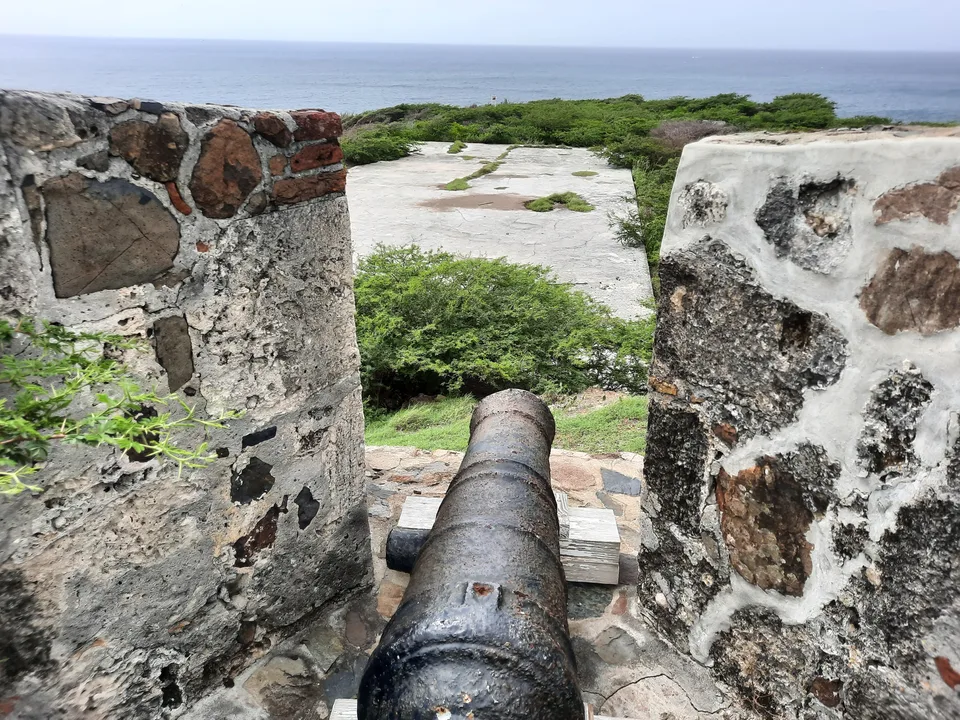
Fort Amsterdam occupies the peninsula between Great Bay and Little Bay. The St. Maarten Hospitality and Trade Association’s Fort Amsterdam visitor page dates the original Dutch fort to 1631 and explains its position above the bays. Stone remains, cannon and the view make this a worthwhile change of pace from central streets.
The association describes access through Divi Little Bay Resort, with visitors identifying their destination at the entrance. Confirm the current approach before setting out and respect instructions from staff. Plan the fort as a separate outing rather than assuming that every waterfront walk naturally continues there. Footwear with grip, drinking water and sun protection are more useful than beach sandals on uneven ground.
The site is also associated with brown pelicans. Watch from a distance and leave birds space; sightings are a possibility rather than a scheduled attraction. People with limited mobility should seek detailed access advice before committing. If the exposed walk is unsuitable, a shorter waterfront visit and the museum can still provide a rewarding day without forcing an impractical stop.
Choose your base by the evenings and journeys you want
Central Philipsburg suits travellers who value walking to town sights and the boardwalk. Before booking, establish the room’s exact position, outlook and evening surroundings. Ask whether nearby dining will be open on your dates, how luggage reaches the entrance, and whether there are stairs. A seafront address and an accessible beachfront room are different things.
Little Bay offers another option close to a fort outing. Farther west, Simpson Bay is a different base with its own beach, lagoon setting and dining options. Compare the journeys you expect to make rather than selecting a hotel from a photograph alone. Staying near the airport may simplify arrival while adding travel to mornings in Philipsburg.
The official accommodation directory includes hotels, resorts, guesthouses, condos and villas across the island. Check which facilities belong to the specific property and room rate. Self-catering can be helpful for families, but only if grocery access and kitchen equipment match your needs. Request a final price including mandatory charges, cancellation terms and any parking costs. Compare total stays of the same length rather than headline nightly rates.
Arrive through the right airport and price the transfer
Princess Juliana International Airport, code SXM, is on the western side of the island rather than in central Philipsburg. The Tourist Bureau’s air-arrival information helps orient a first visit; use the airport operator’s website and your airline for actual flights and operational updates. When booking a connection, check that every ticket uses the airport you intend.
The Tourist Bureau’s regulated taxi chart lists SXM to Philipsburg at US$20 for one or two passengers. For three to five passengers, its published rate is US$9 per person. The same guide specifies a 25% surcharge between 10pm and 6am and on official public holidays. One checked bag per person is included; an additional checked bag is listed at US$5.
Confirm the destination zone, group size, luggage and total before departure. Look for a TAXI registration plate and the driver’s permit, and request a receipt. These published figures are a planning reference checked for this guide, not a substitute for agreeing the actual journey. A hotel transfer may have different terms, so compare its complete quote with the relevant taxi category.
Move around without turning every outing into a transfer
Walking makes sense within the central sightseeing area. For trips farther away, the Tourist Bureau’s transport information describes minibuses identified by their destination districts, including connections between Philipsburg, Simpson Bay and Maho. They do not follow formal published schedules. Confirm the route and fare before boarding and carry suitable cash.
A minibus can work for a flexible daytime outing. A prearranged taxi is easier to plan when you have luggage, a timed appointment or a firm return deadline. Car rental becomes useful when several dispersed stops form the purpose of the day. Driving is on the right. Before hiring, ask about insurance excess, parking, child seats and permission to take the vehicle across to the French side.
Cruise passengers should distinguish the port complex from the town centre. The official cruise-arrival page describes excursion and taxi facilities at Harbour Point Village; waterfront transport also connects the cruise area and boardwalk. Check current tickets and operating arrangements locally. Set your return against the ship’s own all-aboard time, allowing for queues and changing traffic. A compact island is no reason to make a tight final connection.
Enjoy the boardwalk without buying an entire excursion package
The Great Bay boardwalk gives a visit an easy rhythm: walk, stop for a drink or lunch, and spend time looking back at town from the waterfront. It is a useful setting for travellers who want a beach atmosphere alongside shops and services. It also provides a simple alternative when a longer island outing would consume too much of a short call.
If you plan to use beach furniture or water-sports equipment, establish the price, duration and exact inclusions before accepting. Ask whether food purchases, shade, towels or toilets are included rather than inferring them from an offer. For swimming, consider the conditions on the day and follow local advice; a photograph of clear water does not establish current suitability.
Choose one organised activity because you want it, rather than filling the day to justify leaving a resort or ship. A walk, the museum and a relaxed meal can be enough. Keep valuables manageable if members of your group take turns going into the water, and arrange a clear meeting point before separating along the waterfront.
Eat local dishes and compare shopping on its own merits
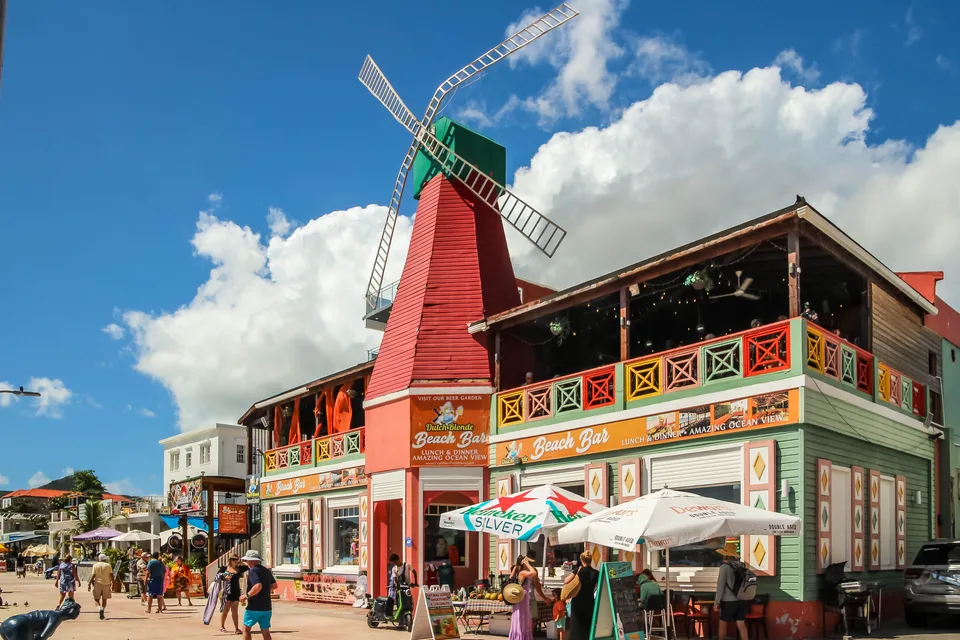
The Tourist Bureau’s local-cuisine guide identifies dishes such as barbecue chicken, grilled snapper and stewed conch, with sides including Johnny cakes, rice and peas, and fried plantain. Guava, guavaberry and coconut tarts offer another introduction to island flavours. Ask what is available that day and how a dish is prepared, particularly if you have dietary requirements.
Lunch deserves some attention: the bureau notes that many local food venues traditionally focus on that meal. Check opening hours before saving a particular place for dinner. A waterfront table can be part of the experience, while a simpler meal may leave more money for another activity. Neither setting establishes quality by itself.
For shopping, compare the actual item and final price with alternatives at home. Ask about warranties, returns, authenticity documentation and any restrictions on carrying purchases onward. A duty-free purchase can still fall within customs rules at your next destination. Leave room in both the budget and baggage allowance for the things you truly want, rather than treating shopping as compulsory sightseeing.
Budget in today’s currency
Sint Maarten uses the Caribbean guilder, introduced on 31 March 2025. The Central Bank of Curaçao and Sint Maarten’s currency information is the reference to use when older travel pages still mention the Netherlands Antillean guilder. The current currency code is XCG and the symbol is Cg.
The central bank gives the fixed exchange relationship as US$1 to Cg1.79. That does not mean every merchant’s cash conversion, card conversion or service charge will produce an identical final amount. Ask which currency a quoted figure represents and read the payment total. The taxi guide, for example, publishes its own rounded conversion alongside US-dollar amounts.
Build a budget from a real accommodation quote, the transfers you expect, meals and selected activities. Add separate provision for insurance, card fees and a disrupted journey. This is more dependable than applying an unsupported daily average to every traveller. For a family, accommodation with breakfast or a kitchen may change costs more than small savings on individual tickets. Recalculate the complete plan before choosing the cheaper-looking room.
Pick a season with weather and flexibility in mind
Philipsburg has a warm tropical climate. The Tourist Bureau’s weather overview describes December to April as generally less humid, making those months attractive for travellers who want to combine beach time with walking. Rain remains possible, so keep an indoor option and avoid assigning every outdoor activity to a single irreplaceable afternoon.
The Meteorological Department’s hurricane-season guidance identifies the Atlantic season as 1 June to 30 November and the climatological peak as August to October. Its advice stresses preparedness even when the overall seasonal forecast sounds reassuring. Heat and humidity can also affect how much walking is comfortable.
For a trip during those months, compare cancellation conditions and insurance cover for weather disruption. Follow official local forecasts and warnings as departure approaches and during your stay. A lower room quote is useful only if the accompanying flexibility suits you. On any date, place exposed walks earlier in the day when practical, and make food, water and shade part of the route.
A realistic three-day introduction
Day one: begin at the courthouse, explore Front Street and visit the museum if it is open. Have lunch in town and leave the afternoon for the boardwalk. This keeps the first day geographically simple and gives you time to adjust to the heat. If arriving from a ship, shorten the plan around the return deadline.
Day two: arrange an outing to Fort Amsterdam and Little Bay, checking access and transport first. Leave the rest of the day flexible for the beach or a relaxed meal. Avoid adding an ambitious island circuit just because the morning visit looks short on a map.
Day three: choose a different part of the island. Simpson Bay offers a change of setting; Marigot introduces the French-side capital. Select one main area and give it time. If you have only one full day, the first day’s town route is the sensible core. For a longer holiday, add rest days rather than repeating transfers to squeeze every named beach into the programme.
Test housing against an ordinary working week
For relocation, start with your workplace or school and work outward to possible housing. Test the journey at the hours you would actually travel. A holiday route between beaches tells you little about collecting children, buying groceries and reaching an early shift. Compare walking conditions and transport after dark as well as a daytime drive.
Request a written lease, a clear inventory and confirmation of which utilities and services are included. Check air-conditioning, ventilation, laundry, internet installation and parking. Ask the owner about storm shutters, roof maintenance, drainage and backup arrangements. Inspect the property yourself or arrange a reliable inspection before paying a substantial deposit.
NV GEBE’s connection guidance directs new electricity and water customers to its application process or customer care. Establish who holds each account and who settles outstanding balances before move-in. Ask for recent bills to estimate household costs rather than applying a hotel experience to a permanent home. Verify any claimed backup equipment and its maintenance responsibilities in writing.
Arrange services before they become urgent
Locate healthcare that can meet your household’s needs, including repeat prescriptions and any specialist treatment. The hospital provider’s website is a starting point for services in Cay Hill; confirm the department, current location and appointment arrangements directly. Do not assume that visitor insurance, an employer’s scheme or a foreign health card covers every consultation or transfer.
For families, discuss school places, curriculum, language, transport and admission documents before choosing a home. For everyone, verify mobile coverage and fixed-internet installation at the actual address. Keep funds available for initial deposits and temporary accommodation if a connection or lease handover is delayed. Those details often determine whether a move works smoothly more than proximity to a favourite beach.
A useful reconnaissance visit includes a supermarket run, a weekday appointment and time spent at a prospective home with windows open and closed. Notice noise, stairs and the distance from parking to the door. Ask how deliveries reach the property and where household waste goes. If you will rely on public transport, try the journey with shopping rather than only an empty day bag. Keep a written comparison of two or three addresses, including rent, expected bills and commuting costs. That turns a broad impression of island life into a decision you can discuss with an employer or partner.
Separate entry permission from living and working here
Visitor requirements depend on nationality and circumstances. Use Netherlands Worldwide’s Caribbean visa checker and VisaWand’s Sint Maarten destination page as starting points, then verify the official conditions for your passport. Exemptions based on another country’s visa or residence permit have specific rules. Do not assume any US visa gives every nationality the same exemption.
The Tourist Bureau’s digital-entry instructions link to the official entry form. Complete the required individual declaration as directed. It is separate from a visa and does not guarantee admission. A short-stay Caribbean visa also does not grant permission to enter the European Netherlands or the Schengen area.
Moving requires a different assessment. The Immigration and Border Protection FAQs describe purpose-specific residence arrangements, including employment, family, study and retirement. Work may require both appropriate residence status and a work permit; exemptions depend on the person. The government’s employment-permit service explains the employer’s role. Do not start work, including assumed remote-work arrangements, on the strength of tourist entry alone.
Study permission and permanent residence are separate questions, and years spent visiting do not automatically establish eligibility. Where a long-stay visa is required, consult the official long-stay checklist. VisaWand’s consultant listings can help you find advice, while the authorities determine permission. Confirm the route before committing to a job, tuition or a long lease.
Look beyond Philipsburg with the jurisdictions clearly in mind
The island has two administrations. The Tourist Bureau’s explanation of the two sides is useful context, but easy geographical movement does not make work, residence or entry permissions interchangeable. Check the rules for French Saint Martin as well as those for Sint Maarten before planning your stay across both.
Marigot offers a waterfront and market setting, with Fort Louis above town. Compare VisaWand’s Marigot location page when considering it as an alternative base. Orient Bay is another French-side option for a beach-focused stay; its location page helps place it separately from Philipsburg. These are distinct places, each deserving its own planning rather than being treated as neighbourhoods of the capital.
Official planning resources
Reviewed 17 October 2026. Use the official resources linked throughout this guide for admission, transport, housing and immigration decisions. Prices, services and rules can change; confirm the details relevant to your dates. Photography illustrates the locations and is not a live view.
View all official resources
- Tourist Bureau: Philipsburg
- Tourist Bureau: culture and history
- Sint Maarten Museum: visitor information
- Sint Maarten Museum: exhibitions
- St. Maarten Hospitality and Trade Association: Fort Amsterdam
- Tourist Bureau: Simpson Bay
- Tourist Bureau: accommodation directory
- Tourist Bureau: air arrivals
- Princess Juliana International Airport
- Tourist Bureau: regulated taxi fares
- Tourist Bureau: getting around
- Tourist Bureau: cruise arrivals
- Tourist Bureau: local cuisine
- CBCS: Caribbean guilder
- CBCS: banknotes and coins
- Tourist Bureau: climate
- Meteorological Department: 2026 hurricane season
- Meteorological Department: forecasts and warnings
- NV GEBE: electricity and water connections
- SMGH: hospital provider information
- Netherlands Worldwide: Caribbean visa exemptions
- Tourist Bureau: digital entry form
- Sint Maarten: official digital entry form
- Netherlands Worldwide: short-stay Caribbean visa
- Immigration and Border Protection: permit FAQs
- Government: employment permit application
- Netherlands Worldwide: long-stay visa checklist
- Tourist Bureau: two jurisdictions
- Tourist Bureau: Marigot
- Tourist Bureau: Orient Bay
Plan the next part of your journey
Explore the Sint Maarten guide, browse other cities or compare consultants for your travel and relocation questions.