Visa
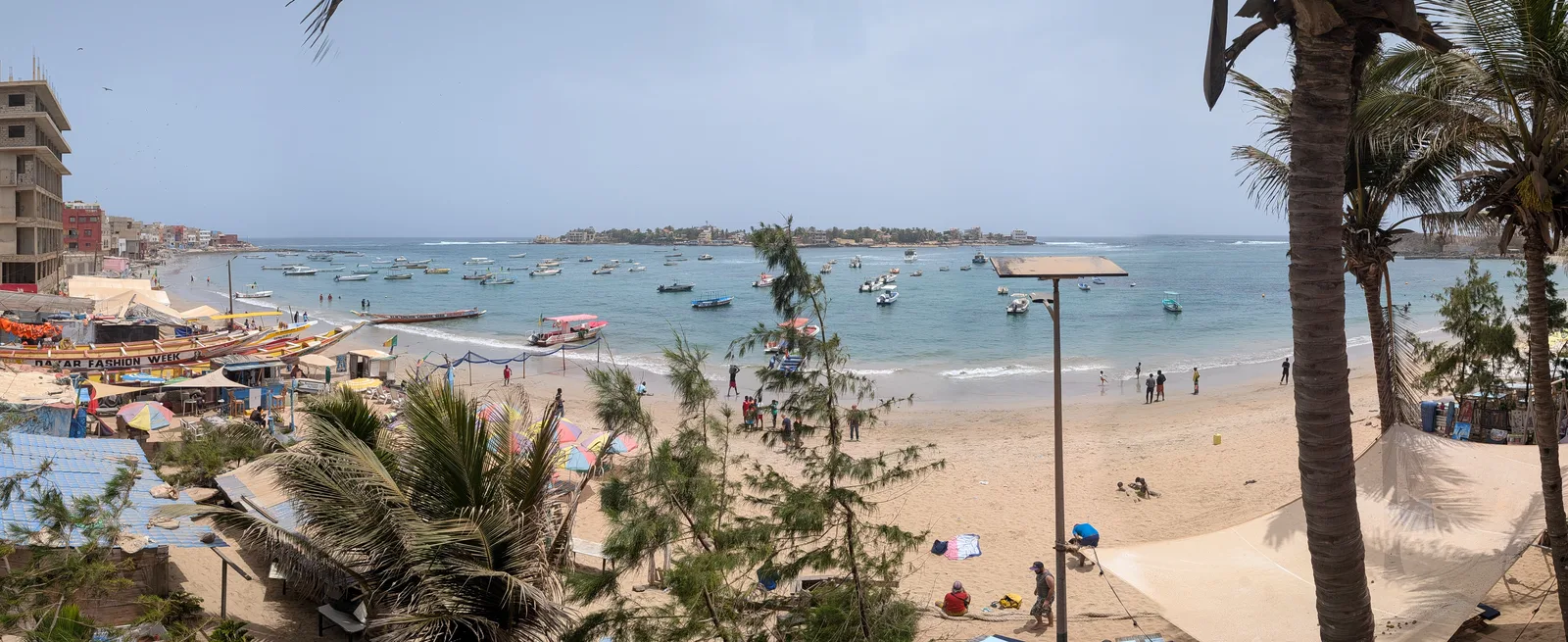
Give Dakar more than an airport stop
Dakar is a city to plan around its different settings: the working centre, the Atlantic shoreline, cultural venues and islands reached by boat. Treating them as interchangeable stops on a single sightseeing circuit makes for a tiring introduction. Choose a base that suits the part of the city you most want to experience, then group your outings rather than repeatedly crossing the peninsula.
For a first visit, allow four or five nights if you want a city introduction, Gorée and time by the coast. A shorter stop can work, but it calls for selection. Someone visiting family, attending meetings or assessing a future move will need a different daily plan from a traveller whose priority is galleries and the sea.
The Senegal Tourism Promotion Agency's Dakar introduction identifies the capital's Atlantic setting, markets, fishing communities and cultural life. Those contrasts are its attraction. They also make the exact location of an accommodation listing matter more than a broad promise that it is in Dakar. Compare your intended journeys before comparing room prices.
Use VisaWand's Senegal country guide for national planning and its Senegal destination information and consultants when comparing support for travel requirements. Keep your purpose clear when asking for advice: a sightseeing holiday, a university place and an employment move raise different questions even when the destination is the same. Write down the dates, passport and intended activities before approaching a professional.
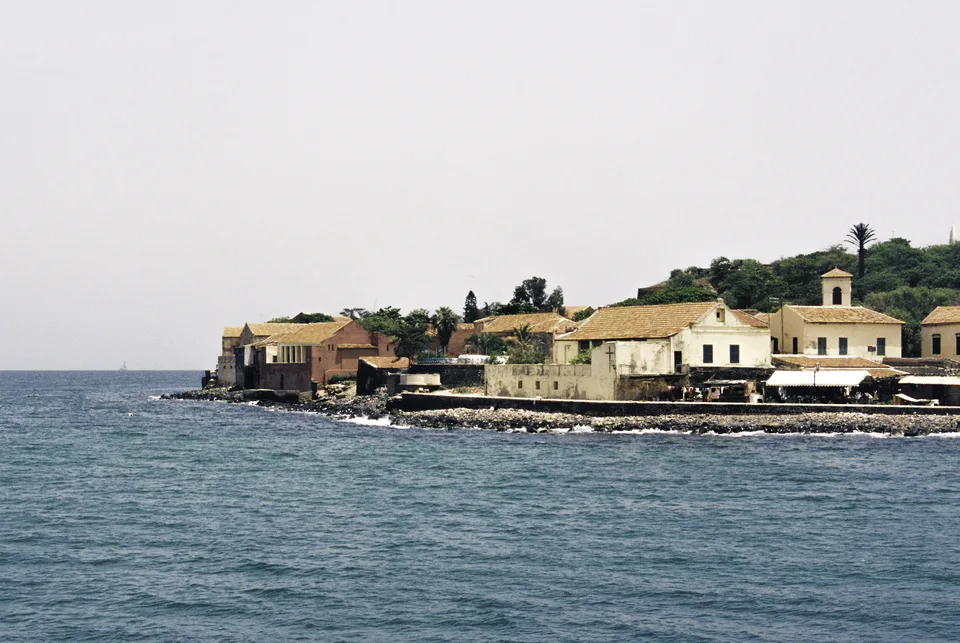
Visit Gorée as a place of memory
UNESCO inscribed the Island of Gorée on the World Heritage List in 1978. Its historic buildings and fortifications preserve a place of remembrance associated with Atlantic enslavement. Give that history attention before turning the visit into a succession of waterfront photographs, and avoid repeating dramatic numerical claims about the island's trade without reliable historical evidence.
The tourism agency's Gorée visitor introduction highlights the Maison des Esclaves, the Door of No Return and the island's artists. A visit benefits from a guide who explains what is documented, what belongs to commemorative interpretation and how the island is lived in today. Ask about the guiding fee and any separate admissions before starting.
Keep a generous part of the day free for the outing. Establish the return boat arrangements before settling into lunch or exploring farther from the landing. Wear shoes suitable for walking and ask specifically about boarding and walking surfaces if mobility is a concern. Leave enough flexibility for a thoughtful visit rather than scheduling your departure flight immediately after the planned return crossing.
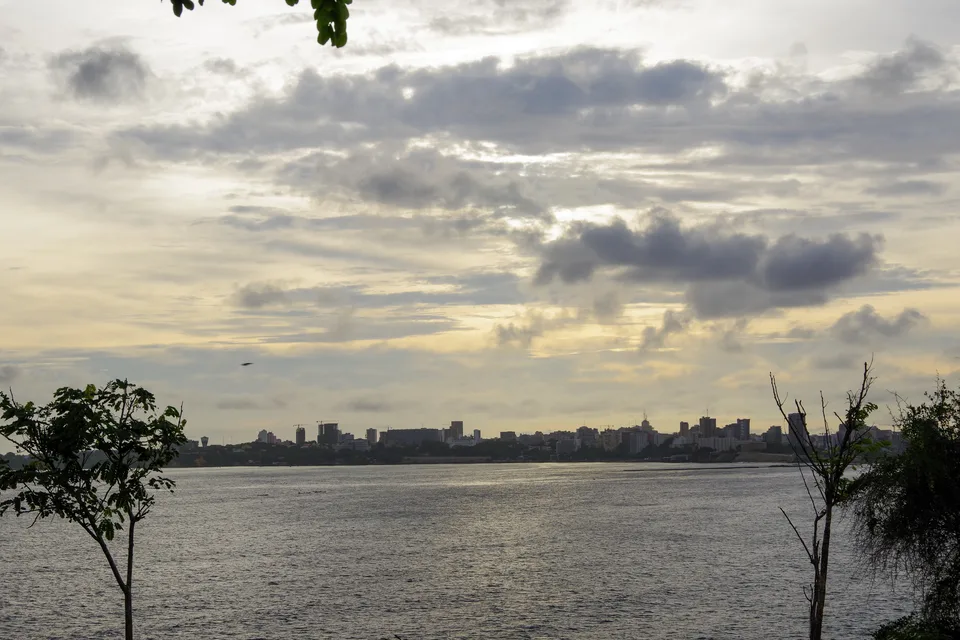
Check the season and the event calendar
The tourism agency's seasonal overview describes a generally drier period from November to May and a rainy season from June to October. These are broad patterns, not a guarantee for any particular week. The Atlantic coast also differs from hotter inland areas, so a national temperature figure is a poor substitute for checking Dakar's forecast close to travel.
For a walking and culture-focused holiday, the drier months are a sensible starting point. If your dates fall in the wetter period, keep outdoor outings flexible and ask your accommodation about access during heavy rain. A good room, practical location and somewhere comfortable to spend a quiet afternoon become part of the itinerary.
There is a particular date consideration for late 2026: the French Olympic Committee lists Dakar's Youth Olympic Games for 31 October to 13 November. If travelling around that period, confirm room availability, venue access and transport arrangements early. Do not assume that a normal sightseeing route or an undated accommodation offer will apply to an event-week visit.
Choose a base for the journeys you will repeat
Plateau is worth investigating for a visit organised around the centre, meetings and the port. Pullman Dakar Teranga's official listing places the hotel on Rue Colbert by Place de l'Indépendance, in the business district. It illustrates the option of a central hotel with its own pool and other facilities; it does not establish that every Plateau address offers the same convenience.
Ngor and Almadies suit an itinerary that gives the northern shoreline more time. Compare the actual accommodation pin with the beach, restaurants or activities you intend to use. Being in the same broad neighbourhood does not guarantee a pleasant walk between two places. Ask about the route, lighting and a practical return option before deciding you can dispense with transport.
The Corniche offers another way to combine a city stay with leisure facilities. Terrou-Bi's own site describes its pool, private beach, restaurants and wellness services on Boulevard Martin Luther King. Compare that resort model with a smaller hotel or apartment according to what you will use. Neither an ocean view nor a prestigious address automatically solves a difficult commute.
For a first short trip, one base is usually easier than moving repeatedly. A split stay makes sense when it replaces several long return journeys or introduces a substantially different experience. For relocation reconnaissance, choose temporary accommodation close to your appointments and assess prospective residential areas in person before making a longer commitment.
Compare the same room occupancy and cancellation conditions when reviewing accommodation quotes. Confirm whether breakfast, taxes and airport pickup are included, and ask which facilities require a separate payment. Families should establish the actual bed configuration. Anyone with access requirements should request measurements and photographs of the relevant entrance, bathroom and route to dining facilities before booking.
Give museums and contemporary culture their own time
The Musée des Civilisations Noires offers a reason to explore Dakar beyond its coastline. Senegal's public press agency reported the museum's 2026 programme devoted to Black musics through exhibitions, discussions and performances. That programme is evidence of an active cultural institution, rather than a promise that a particular concert will coincide with your visit.
Confirm the exhibition schedule, opening hours and admission directly before travelling there. The museum's website could not be accessed reliably during this guide's checks, so an indexed price has not been presented as a current verified ticket. Allow time to look and read; placing a museum between two tight transport connections rarely produces a satisfying visit.
For an evening out, consult the Institut français du Sénégal's current programme. Its Dakar venue lists cinema and live performances with individual event dates and prices. Choose something that fits your language interests and arrange the journey home before the event begins. A listing for a past performance should not be treated as a recurring weekly show.
Travellers planning a longer stay can also investigate its language-learning and library services. Ask which activities require membership, advance booking or additional payment. These can provide useful points of connection with the city, but joining one institution should not be mistaken for a complete introduction to its cultural life.
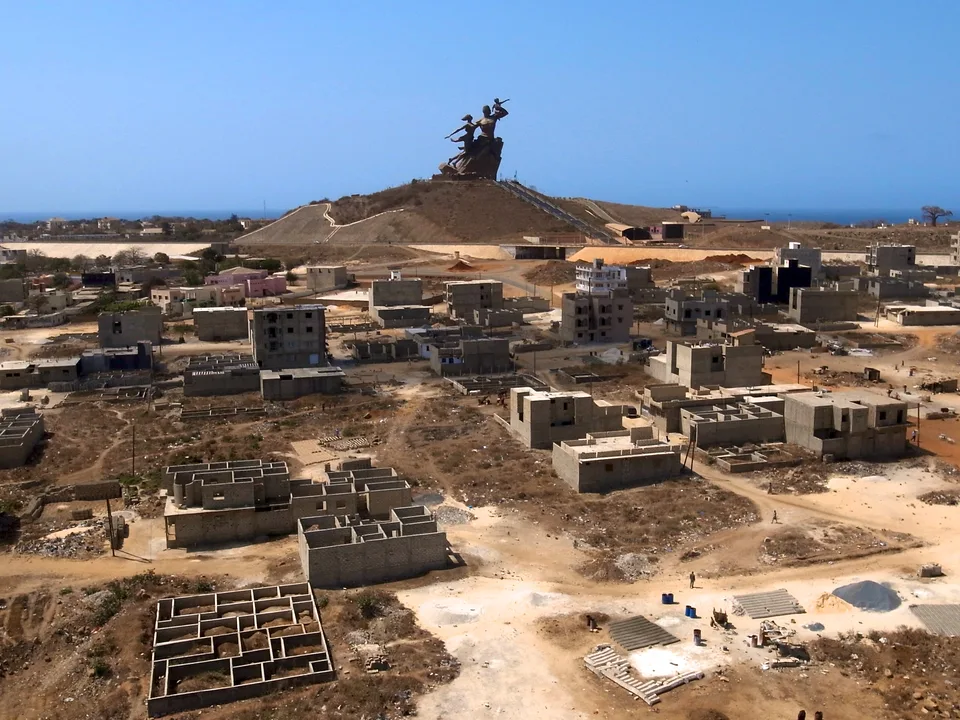
See the coast and the monument without rushing between them
The African Renaissance Monument is a prominent landmark on the Mamelles hills. The tourism agency describes the bronze-and-copper statue as 52 metres high and notes the climb to its base. If you intend to enter or use a lift, confirm current access and operation; a description of installed facilities does not guarantee availability on your date.
Pair a monument visit with a manageable coastal outing rather than attempting every viewpoint on the same afternoon. For visitors who prefer to avoid a climb, ask what can be seen from an accessible arrival point and where a driver can wait. Keep a weather alternative if the main attraction of your chosen route is the view.
Ngor offers another setting for time by the water. Distinguish a beach visit, a boat crossing and a surf session when asking for prices: they are different activities with different arrangements. Establish the pickup and return point, what equipment is supplied and who decides whether conditions are suitable. Watching from shore is a perfectly reasonable option when you do not want to enter the water.
Avoid assuming that a sheltered-looking bay is suitable for every swimmer. Seek current local advice and choose organised instruction appropriate to your experience for an unfamiliar water activity. Keep valuables and essential documents out of an unattended beach bag, and plan how you will return to your accommodation after changing or collecting belongings.
Arrive with a current airport transport plan
Blaise Diagne International Airport is a separate journey from the central city. The airport operator's transport information provides a starting point for road transfers. Ask for a written total to your exact address, including any toll, luggage charge or night supplement, and verify the identity of a driver sent to meet you.
The transport ministry announced direct airport TER services from 28 September 2026. That supersedes older descriptions requiring a bus between Diamniadio and the airport. The announcement gives an approximate Dakar–airport journey of 55 minutes; it is a published service indication, not a guarantee for your complete door-to-door transfer. You still need to reach the correct station and travel onward from the arrival station.
Check the official TER passenger service for the current train and ticket arrangements before choosing rail for a flight connection. The introductory free period ended on 4 October 2026. This guide has not independently confirmed the subsequent airport fare, so do not build a budget around a free ride or an older city-zone ticket price.
For a late arrival, heavy luggage or a group with particular access needs, compare the complete rail journey with a prearranged car. Send your accommodation the expected arrival time and confirm how to enter if reception is limited. A cheap transfer becomes less useful if it leaves you arranging another unfamiliar journey after midnight.
Use public transport selectively and prepare for Gorée boarding
SunuBRT is another public-transport resource for Dakar. Its website was showing maintenance during the browser checks for this guide. Use its published customer-service channels to confirm current routes, operating hours and fares; an older indexed promotion should not determine your travel budget. Check whether a service reaches your actual destination or needs a further connection.
For road journeys, avoid treating a map distance as a reliable journey time. Leave room around appointments and transport departures, particularly when your plans depend on crossing the city at a busy time. Ask a local host or accommodation provider to help compare options for the specific journey rather than selecting a mode solely because it is familiar.
The Port Autonome de Dakar describes the international maritime terminal serving Gorée, with ticket offices and security screening. Its Dakar–Gorée page publishes different weekday and Sunday schedules. Check the applicable timetable and allow time for ticketing and boarding, rather than arriving at the quay at the advertised departure minute.
The authority also publishes separate fare categories. Ask which category applies to you, what identification is required and whether the quoted ticket covers the return. Museum or guiding charges on the island may be separate. Terminal accessibility features do not establish that every boat and every part of the onward walk will meet an individual traveller's needs.
Shop and budget without mistaking examples for averages
The tourism agency identifies Soumbédioune's craft village as a place to look at leatherwork, woodwork, jewellery and other locally made objects. Ask about materials and the maker, and agree a price before commissioning or purchasing something. Check baggage and customs restrictions before choosing an item made from animal or plant material.
Keep accommodation, transport, meals and activities on separate budget lines in CFA francs. Add the costs that are easy to overlook: transfer tolls, laundry, drinks, guiding and any admission outside an excursion package. There is no verified representative citywide hotel, meal or rent average in this guide; compare dated quotations for the same requirements.
Current official safety advice notes that ATMs can run out of cash and that card acceptance varies. Carry a practical reserve without taking your full travel budget on a sightseeing walk. Use reputable exchange services and inspect the amount received. Keep payment records for larger purchases and retain enough flexibility to use another payment method if a machine or connection fails.
Make safety and health part of ordinary planning
Before an outing, check for demonstrations or disruptions that could affect the route. Avoid protests and follow local instructions. Keep belongings discreet, take particular care after dark and arrange a known return journey. At the airport, confirm a collecting driver's identity instead of accepting an approach from someone who simply claims to know your hotel.
Respectful dress and behaviour matter around religious settings. Check access before treating a place of worship as an attraction. LGBT+ travellers should read the current legal and safety guidance carefully: same-sex sexual acts are illegal in Senegal, and the advice records strengthened legislation in 2026. Assess the implications for your circumstances before making travel decisions.
Official Senegal health guidance gives 15 as the ambulance number and recommends insurance that addresses treatment and unexpected evacuation. Discuss vaccines, medication and individual health needs with a qualified clinician before travel. Identify an appropriate provider for ongoing care rather than assuming that a general statement about Dakar's medical facilities establishes access to every specialty.
Follow a flexible four-day introduction
Day one: arrive, settle in and make a modest outing near your accommodation. Use the time to confirm the next day's transport and identify a convenient meal. An arrival delay should not force you to choose between missing a prepaid activity and crossing an unfamiliar city in a hurry.
Day two: dedicate the main part of the day to Gorée, with enough space for its history and a break for lunch. Confirm the return arrangement before exploring. Leave the evening uncomplicated rather than coupling a boat excursion with a time-sensitive performance booking.
Day three: plan a museum visit and a selective introduction to the centre. Add craft shopping only if it fits your energy and the route. If a cultural event interests you, make it the focus of the evening and allow time to return to your accommodation between activities.
Day four: choose the monument and a coastal outing, adjusting the order to conditions and confirmed access. Travellers interested in relocation can instead use part of the day for a housing appointment and test commute. Keep the final evening free for packing and checking departure arrangements.
Test a possible move against daily routines
Start a housing search with the journeys you cannot avoid: work, school, healthcare and routine shopping. Test the proposed commute at the relevant time, including the return. A pleasant holiday address may be a poor fit for a household whose responsibilities lie elsewhere. Temporary accommodation gives you time to compare buildings and routes before signing.
At a viewing, check ventilation, water storage, drainage and the condition of fixtures. Ask who handles repairs and how quickly urgent problems are addressed. Obtain a written inventory and clarify the deposit, notice period, service charges and any restrictions on guests or home working. Do not transfer a substantial deposit solely on the basis of promotional photographs.
SEN’EAU's subscription information lists documentation including identification and a lease for tenants. Establish who holds the account and how charges are divided if a building uses shared or secondary meters. Record the opening reading and ask about any arrears before taking responsibility for bills.
Senelec's Woyofal guidance explains prepaid electricity and account arrangements. Check the actual meter and account at the property and have the process demonstrated. Ask about backup power and test the internet connection with the work you intend to do. Air-conditioning, a lift and remote meetings create different household needs from occasional charging and browsing.
Keep visitor entry separate from a longer stay
Senegal's foreign ministry lists visa exemptions for specified nationalities on visits of less than three months. Other travellers may need a visa, and refugee travel documents have separate considerations. Check the consulate responsible for your nationality and document rather than borrowing another traveller's experience as proof of your eligibility.
The UK government's Senegal entry page is useful supplementary guidance for British citizens, including passport validity and evidence of accommodation and onward travel. Yellow-fever documentation can depend on the route, including transit through a risk country. Confirm the rules relevant to your itinerary with the authorities and carrier before departure.
For residence, work or study, use the interior ministry's foreign identity-card procedure and obtain advice on the permissions appropriate to your purpose. Its listed fiscal stamp is only one part of the documentation and cost: the page also describes a repatriation deposit that varies by nationality. Visitor entry does not establish permission to take employment or guarantee a permanent residence outcome.
VisaWand's consultant directory can help identify possible advisers. Check their credentials, written scope and fees, and confirm what work they will actually perform. Keep copies of applications and receipts yourself rather than relying on verbal assurances that a particular outcome is certain.
Choose a further stop for a different experience
Allow Dakar enough time before adding regional excursions. A coastal holiday beyond the capital, a visit to Saint-Louis or a longer journey elsewhere in Senegal changes both the transport commitment and the purpose of the trip. Compare the practical route and current conditions rather than collecting destination names within a fixed number of days.
For a short stay, spending an extra day in one part of Dakar can be more rewarding than a rushed distant outing. For a longer trip, leave space between destinations and confirm arrival arrangements independently. Keep the city guide, national entry guidance and any professional relocation advice in their appropriate roles when turning an appealing itinerary into a workable plan.
Use the Senegal cities and settlements directory to locate further places; a directory entry does not necessarily include a completed travel guide.
The Saint-Louis location directory identifies that northern city as a separate destination. Check the transport commitment before adding it to a short Dakar stay; the directory is not a completed travel guide.
Official planning resources
Reviewed 16 October 2026. Use the official resources linked throughout this guide for admission, transport, housing and immigration decisions. Prices, services and rules can change; confirm the details relevant to your dates. Photography illustrates the locations and is not a live view.
View all official resources
- Senegal Tourism Promotion Agency: Dakar
- UNESCO: Island of Gorée
- Senegal Tourism Promotion Agency: Gorée
- Senegal Tourism Promotion Agency: seasons
- French Olympic Committee: Dakar2026 dates
- Accor: Pullman Dakar Teranga
- Terrou-Bi: official hotel facilities
- Senegal Press Agency: MCN2026 cultural programme
- Institut français du Sénégal: Dakar programme
- LAS Dakar Airport: taxi and bus access
- Senegal transport ministry: airport TER launch
- TER Dakar: official passenger service
- CETUD: SunuBRT network and customer service
- Port Autonome de Dakar: passenger terminal
- Port Autonome de Dakar: Gorée ferry
- Senegal Tourism Promotion Agency: cuisine
- FCDO: Senegal safety and security
- FCDO: Senegal health
- SEN’EAU: water subscriptions
- Senelec: Woyofal electricity FAQ
- Senegal foreign ministry: visiting Senegal
- FCDO: Senegal entry requirements
- Senegal interior ministry: foreign identity card
Plan the next part of your journey
Explore the Senegal guide, browse other cities or compare consultants for your travel and relocation questions.