Visa
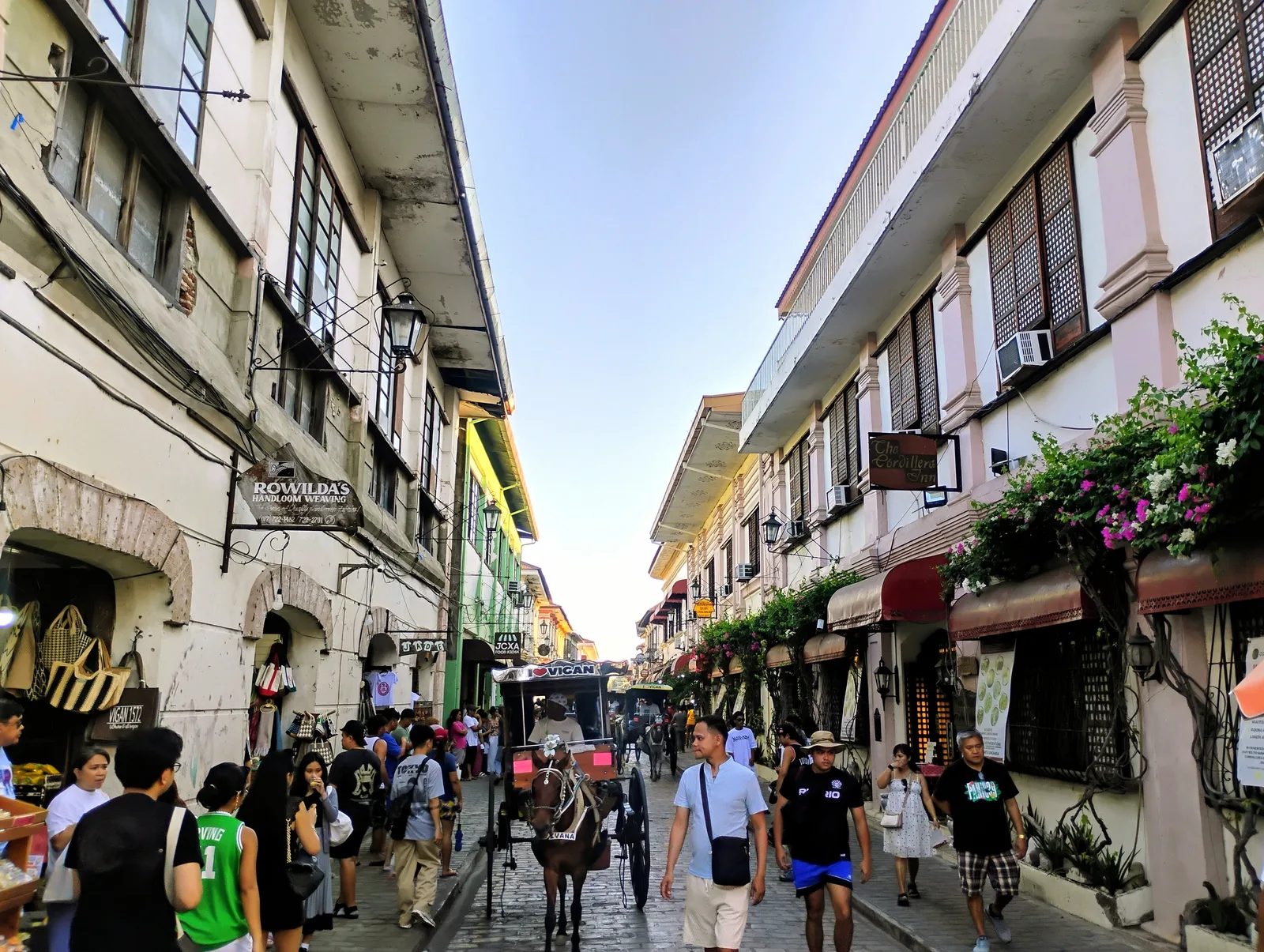
Give Vigan two nights rather than a rushed photo stop
Vigan rewards a stay long enough to see its streets at different hours. The attraction is a working townscape: shops beneath old houses, busy plazas, craft traditions and a regional food culture. Walking Calle Crisologo is an introduction, but it should not consume your entire understanding of the place. Allow two nights for the historic centre, a museum visit and a carefully chosen craft outing.
This is Vigan in Ilocos Sur, on northwestern Luzon. It is distinct from other Philippine settlements with the same name. Its heritage district is compact; the modern city and the surrounding municipalities are much larger. A hotel described as near Vigan may require a vehicle for every visit to the central streets. Check the actual address before comparing room prices.
Use VisaWand’s Philippines country guide alongside this local plan, particularly when your trip includes several islands or a longer stay.
Read the houses as a meeting of cultures
The UNESCO account of Vigan explains why its significance extends beyond a picturesque street. A trading settlement preceded Spanish colonial development. The surviving town combines local and Chinese building traditions with European planning and influences reaching through Mexico. Its World Heritage inscription dates from 1999.
Look for the relationship between a commercial ground floor and the living spaces above, rather than treating every façade as a decorative backdrop. Timber, masonry and sliding shell-window panels belong to a practical architectural history. Many surviving houses date from the eighteenth and nineteenth centuries; they are not all sixteenth-century buildings.
Conservation also involves alteration, maintenance and difficult choices. UNESCO describes changes to interiors and materials, as well as buildings affected by neglect. That makes Vigan more interesting than the familiar claim that time stopped here. A hotel, shop or restaurant can occupy a historic building while still being a contemporary business with contemporary requirements.
Orient yourself around the plazas and Calle Crisologo
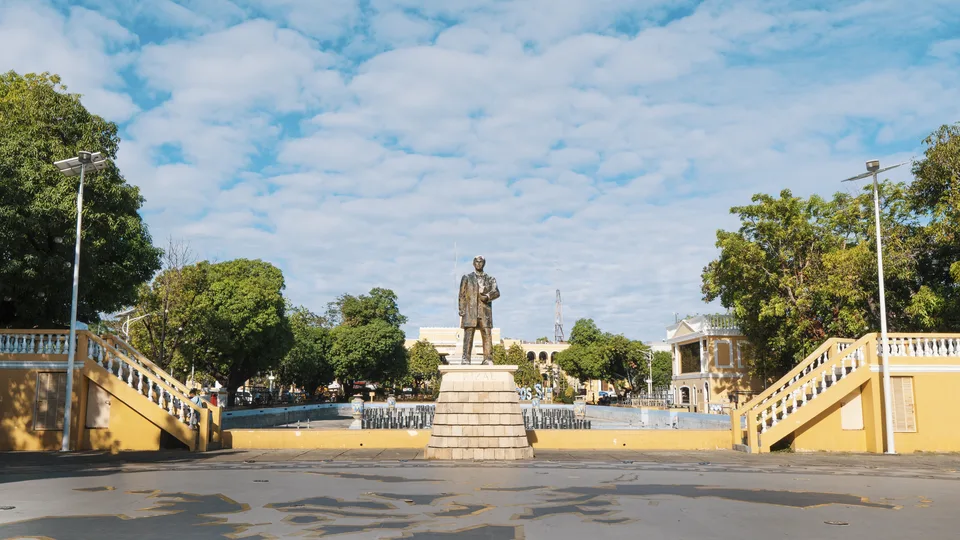
Start with Plaza Salcedo and Plaza Burgos, then explore the streets of the historic district. These provide useful reference points when arranging a meeting or explaining your hotel location. Calle Crisologo is the most recognisable visitor street, but adjacent blocks help you understand the district’s scale and its connection to daily commerce.
Do one circuit without a shopping agenda. Notice the upper windows, covered entrances and changes between buildings. Return later to browse when you have worked out which objects interest you. This avoids spending the coolest part of the morning bargaining over souvenirs you then carry for hours.
For anyone with reduced mobility, compact does not mean effortless. Assess the surface, kerbs, entrances and available seating along your own route. Ask a hotel for photographs of the approach and room access. A short distance measured on a map cannot establish whether a wheelchair or walking frame can negotiate it comfortably.
Make the museum visit explain the streets outside
The National Museum’s Ilocos complex offers a useful historical counterpoint to the souvenir streets. In Vigan, the Old Carcel is a former provincial jail adapted into a museum. The institution identifies its Basi Revolt collection as fourteen paintings connected with the 1807 uprising against the colonial wine monopoly.
The Padre Burgos Museum is a separate historic house associated with the priest José Burgos. Its displays include domestic furnishings and regional textile interpretation. Do not confuse the two buildings, or assume that an exhibition described in an older guide remains in its former gallery.
Check the National Museum’s regional visitor information and the branch’s current advice before setting your day. Confirm which buildings and galleries are accessible, especially if a particular collection is the reason for travelling. Magsingal, another location associated with the regional complex, is outside Vigan; its inclusion on an institutional history page does not establish current opening.
Treat churches and restoration sites as conditional visits
St Paul’s Cathedral is an important part of the central townscape. However, photographs of its interior and old opening schedules should not be treated as current access guarantees. The United Nations’ account of Vigan’s recovery documented damage to the cathedral, ancestral houses and other heritage buildings after the July 2022 earthquake.
That report establishes the damage, not today’s closure status. Ask locally which areas are open, follow barriers and avoid entering a work area for a photograph. If services are taking place, sightseeing must fit around worship. Keep an alternative museum, café or street walk in the plan rather than making one interior essential to your day.
Bantay Bell Tower belongs to neighbouring Bantay, rather than Vigan proper. The same caution applies there: arrange a visit to the permitted grounds, but obtain current confirmation before expecting to climb. A tower’s appearance in a tour package does not prove its staircase is accessible.
Visit pottery workshops as places of work
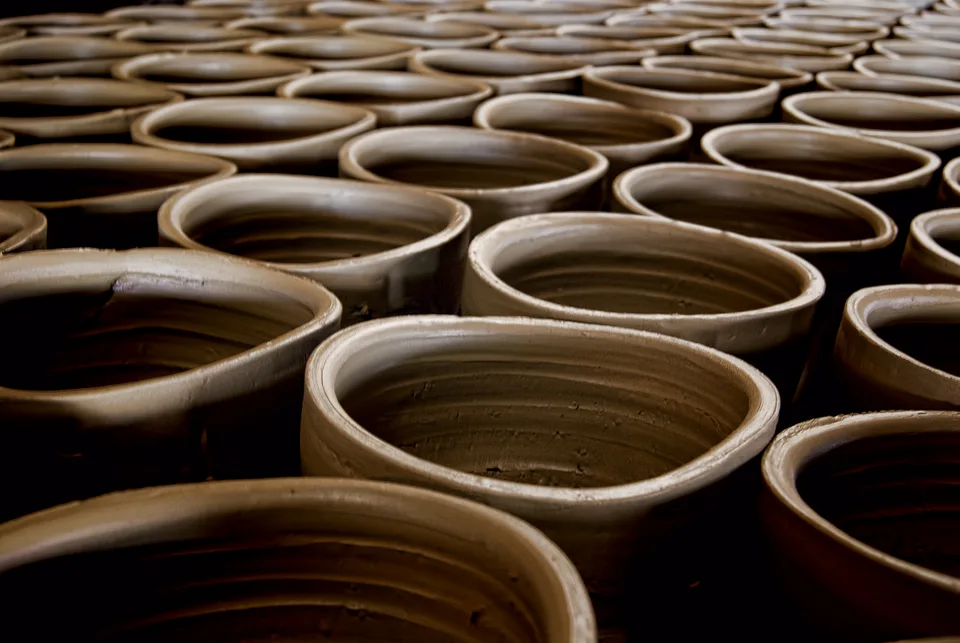
Pagburnayan is the area associated with Vigan’s burnay pottery. These jars connect craft with household storage and food preparation, including products such as vinegar and fermented fish. The Department of Tourism’s cultural-treasures introduction provides background to that tradition.
Ask a workshop whether visitors are welcome that day, whether a demonstration is happening and whether handling clay carries a charge. Observation and a hands-on session are different activities. A photograph showing a potter at work cannot establish that demonstrations run continuously.
If buying a jar, ask about packing before choosing its size. A heavy object that seems inexpensive at the workshop may become awkward or costly to carry home. Smaller pieces can be more practical, but inspect the finish and ask how the object is intended to be used. Decorative pottery should not automatically be assumed suitable for preparing food.
Shop for abel with questions about its making
Abel textiles offer another way into the region’s material culture. Compare the weave, fibre, dimensions and finishing rather than choosing only by colour. Ask where an item was woven and whether its seller can explain the maker or workshop. A souvenir bought in Vigan is not necessarily made within the city.
Before ordering something substantial, establish washing instructions and whether the dimensions suit its intended use. A bedcover, table runner and length of fabric need different measurements. Keep the receipt and seller’s contact details for a commissioned piece.
An October 2026 government report on an Ilocos creative-tourism circuit includes pottery in Vigan alongside crafts in other towns. It is a useful reminder that regional traditions extend beyond one visitor street. Do not assume that every workshop on a multi-town itinerary is within walking distance of your hotel, or offers an unscheduled public tour.
Choose accommodation by access and evening plans
For a first visit, prioritise an address from which you can comfortably reach the historic district twice a day. Staying nearby makes it easier to rest during the heat and return for dinner. A cheaper room farther away may suit someone arriving by car, but transport costs and the effort of arranging rides can erase the saving.
Historic surroundings do not guarantee historic rooms. Hotel Luna’s own website, for example, markets accommodation across its main property and annex. Ask which building your booking uses and confirm the room category, access arrangements and included services. Treat photographs of public areas as distinct from photographs of the room you are purchasing.
For a guesthouse or transient room, establish whether the bathroom is private, whether air conditioning is included and how late check-in works. Overnight bus arrivals need particular attention: arriving before dawn does not usually mean the previous night’s room remains available without payment. Arrange luggage storage or early access explicitly.
If travelling with children or older relatives, ask about stairs, sleeping arrangements and the distance from the vehicle drop-off to reception. A room above a lively commercial street may suit someone who enjoys evening activity, while another traveller may prefer a quieter position. Request a room location rather than assuming all rooms share the atmosphere shown in promotional photographs.
Compare the whole journey from Manila
The practical choice is between a long road journey and flying to Laoag followed by an overland connection. Philippine Airlines markets Manila–Laoag flights, but flight availability and prices require a search for your own dates. Laoag is in Ilocos Norte; landing there does not put you in Vigan.
Compare door-to-door cost, including airport access, baggage, the onward transfer and any accommodation needed around the flight. A short flight can be convenient, but an inconvenient connection can consume much of the time saved. Request a written airport-transfer quote with the destination, passenger count and baggage allowance stated.
For a Manila bus journey, check the departure terminal and exact Vigan drop-off before paying. Ask whether the service enters the city or leaves you needing another ride. Do not interpret a generic destination label as a promise of delivery near your accommodation. Allow room for road delays before an onward flight; a same-day connection with little margin creates unnecessary pressure.
For an overnight service, establish the seat type and whether a toilet is actually provided on that departure. Keep medication, drinking water and the address of your accommodation within reach instead of packing them in the luggage hold. Save the booking and terminal details offline, and tell your accommodation the expected arrival time if it affects reception arrangements.
Use local transport without guessing the fare
Walking works well for exploring the central streets at your own pace. Tricycles are useful for luggage, the bus connection and trips beyond a comfortable walking circuit. Establish whether the quoted amount is per passenger or for a special trip, and whether waiting or additional stops are included.
Check the current posted fare matrix rather than relying on a travel blog’s flat rate. If you need help with a fare dispute, ask your accommodation how to contact the relevant city office. Keep a note of the vehicle identification and journey if a dispute occurs; agree the service clearly before boarding to reduce misunderstandings.
A kalesa ride is an optional experience, not essential transport for every visitor. Agree the route, duration and total cost first. Choose a ride only if the horse and equipment appear appropriately cared for, and consider walking instead when the heat makes the outing uncomfortable. A carriage also needs sufficient time for safe boarding and disembarking.
Eat regional food without making every meal identical
Vigan’s food identity includes garlic-forward longganisa, crisp fried empanadas and bagnet, made from pork belly. The Department of Tourism’s destination introduction is a useful starting point for recognising these dishes. Try them across separate meals rather than ordering every rich speciality at once.
Ask about ingredients before ordering if you avoid pork, eggs or particular sauces. A vegetable accompaniment does not establish that the whole dish is vegetarian. When dietary requirements are strict, explain the ingredients you cannot eat rather than relying on the name of a dish alone.
For a simple food plan, choose one regional breakfast, an empanada snack and a later meal that leaves room for vegetables or another lighter option. Look at the actual menu and portion sizes before committing to several dishes. Freshly prepared food and a place to sit comfortably can matter more to an enjoyable afternoon than ticking off another speciality.

Build a budget from the purchases you will make
Use Philippine pesos for your working budget. Start with a dated accommodation quote, then add the actual intercity journey and airport connection if applicable. These large items deserve more attention than small variations in snack prices. Include baggage charges, cancellation conditions and any extra night needed around transport.
Separate daily spending into meals, local rides, admissions or activities, and shopping. A workshop demonstration, private vehicle and pottery purchase should not disappear inside a vague allowance for sightseeing. Ask for each price before participating, particularly when several people share an activity.
Carry smaller notes for modest purchases and confirm card acceptance before ordering something expensive. Keep enough accessible money for the return journey rather than spending the final cash on souvenirs. This guide does not present an unverified daily total as a current local tariff: the useful number is the one built around your room, travel dates and chosen activities.
Let the season shape the daily schedule
PAGASA’s 1991–2020 normals for Sinait, the former Vigan station, provide a regional climate reference rather than measurements at every city-centre address. They show a pronounced contrast between the drier early months and much wetter midyear conditions. December through April generally suits a walking-focused plan better than the wettest months, although heat still matters.
Use mornings for longer outdoor circuits and leave flexible indoor time later. During wetter periods, protect documents and electronics and avoid treating a long exposed walk as the only way back to your room. Rain can alter both a local outing and a longer road journey.
Climate averages cannot tell you whether a particular departure is safe. Check current PAGASA forecasts and warnings close to travel, then check with your transport provider when conditions deteriorate. Build flexibility into reservations if your schedule includes several long transfers.
Leave an evening for the plazas
Return to the central streets after resting rather than trying to fill every hour with a vehicle tour. The change of light gives another view of the buildings, while dinner can be an occasion to explore a different block from your morning walk. Keep the route back to your accommodation straightforward.
The official visitor page for Plaza Salcedo’s dancing fountain describes a usual evening programme, including an additional weekend performance. Confirm that day’s operation locally before planning dinner around it. Weather, maintenance and events can change the usefulness of a published timetable.
If a show is unavailable, the evening need not collapse. A short plaza circuit and an unhurried meal are a reasonable end to the day. Leave room for ordinary town life instead of treating every stop as a scheduled performance.
A realistic two-day plan
On the first morning, orient yourself around the plazas and walk Calle Crisologo before making purchases. Visit the accessible museum buildings you have confirmed, then take lunch and a break. Return later for a second look at the streets, dinner and the fountain if its operation is confirmed.
Use the second morning for a pre-arranged pottery or textile visit. Select one activity with time to ask questions rather than several hurried demonstrations. If Bantay interests you, combine it only when access and transport arrangements make sense; do not build the day around an unconfirmed tower climb.
Leave the afternoon for shopping, packing fragile items and preparing for departure. Someone arriving tired from an overnight bus should move a museum or workshop to the second day. With only one night, keep the central walk and one substantial visit, rather than attempting every site mentioned in regional tour advertising.
Test everyday life before taking a long lease
Moving to Vigan requires a different assessment from enjoying a heritage weekend. Rent a short initial stay and test the journeys you will actually make: workplace, school, food shopping and healthcare. Visit a prospective home after rain and at the hours you expect to leave and return.
Get the rent, deposit, permitted occupants, repair responsibilities and notice period in writing. Record the condition of the property and clarify which furniture and appliances belong to the tenancy. Ask who holds the utility accounts, how meter readings are recorded and whether there are outstanding balances.
The Metro Vigan Water District provides connection and billing information. An address within its wider service area does not prove uninterrupted service at a particular house. Test water pressure, mobile reception and the internet connection you intend to use. For regular online work, discuss a backup arrangement and confirm the lawful basis for that work separately.
Check healthcare and household needs locally
The Department of Health reported Vigan’s new primary care facility opening in July 2026, with services including consultations, screening and maternal and child healthcare. For hospital care, confirm which facility can provide the service you need rather than assuming primary care includes it. Establish where your own routine and specialist needs can be met before choosing housing.
Do not assume that the presence of a public facility means every foreign resident receives every service without payment. Ask about eligibility, charges, medicines and referral arrangements, and select insurance around the care you may need. Bring a usable record of ongoing treatment and prescriptions.
For a household, examine the practical shopping circuit as closely as the tourist street. Check access to groceries, laundry, rubbish arrangements and replacement household items. Families should verify school admission, transport and documentation directly. A pleasant short visit is valuable evidence about a place, but it does not answer every question about living there.
Separate a holiday from work, study and residence
Entry depends on nationality and purpose. The Department of Foreign Affairs’ visa policy gives many listed nationalities an initial thirty-day visa-free stay, with passport and onward-ticket conditions. Other nationalities and passport categories have different periods and restrictions. Check your own case before booking; do not assume every visitor can extend or convert their admission.
Complete the free official eTravel registration within its stated pre-arrival window and retain your QR code. Registration is not a visa. Some eligible visitors can request a Bureau of Immigration extension, while particular exemptions and electronic visas carry different conditions.
Local employment requires appropriate immigration and labour permission. Consult the 9G employment route and current DOLE employment-permit guidance with the employer. Higher education may require a 9F student visa or another applicable permission arranged with an authorised institution. Permanent relocation requires its own qualifying route; renting a home does not create one.
For study, confirm that the institution can support the permission required for your age and course. A short non-degree programme and a university degree need different checks. For work, obtain written advice on your proposed duties before starting them; an employer’s willingness to hire is only one part of the process.
Choose onward stops and keep official resources handy
Consider Laoag’s destination page when comparing the northern part of an Ilocos itinerary, or Baguio’s destination page for a different Luzon setting. Longer regional journeys need their own travel day rather than being squeezed between Vigan’s morning and evening plans. Check destinations and transfers individually.
For official planning resources, retain the UNESCO heritage description, National Museum visitor information, PAGASA weather services, DFA entry policy and Bureau of Immigration guidance linked above. Use the airline’s booking system for your actual dates. Recheck access with a site before departure when an interior or demonstration is central to your visit.
VisaWand’s Philippines location directory and Philippines destination page help compare the wider country. For advice on an individual immigration situation, review the available consultant listings and ask about relevant qualifications, scope and fees before arranging a consultation.
Official planning resources
Reviewed 28 October 2026. Use the official resources linked throughout this guide for admission, transport, housing and immigration decisions. Prices, services and rules can change; confirm the details relevant to your dates. Photography illustrates the locations and is not a live view.
View all official resources
- UNESCO Historic City of Vigan
- National Museum Ilocos complex
- National Museum regional booking directory
- United Nations: conserving Vigan’s historic homes after the earthquake
- DOT cultural treasures release hosted Philippine Consulate
- PNA DTI/DOT creative tourism circuit October2026
- Hotel Luna official website
- Philippine Airlines Manila to Laoag
- Department of Tourism Vigan destination information
- PAGASA Sinait former Vigan station 1991–2020 normals
- Department of Tourism dancing fountain information
- Metro Vigan Water District
- DOH Vigan City Primary Care Facility July2026
- DFA visa exemption policy
- Official eTravel FAQ
- Bureau of Immigration visa waiver
- Bureau of Immigration employment visa
- DOLE June2026 AEP centralization
- Bureau of Immigration student visa
Plan the next part of your journey
Explore the Philippines guide, browse other cities or compare consultants for your travel and relocation questions.