Visa
Decide how much city and forest time you want
Iquitos is a working Amazonian city as well as a starting point for journeys into the forest. Its appeal combines river landscapes, tiled commercial buildings, markets, museums and the practical business of moving people and supplies through Loreto. A visit works best when you decide which part of that experience matters most, rather than treating the city as a brief stop before an unspecified jungle adventure.
Allow separate time for urban visits and an organised nature excursion. Three full days can introduce the centre and one manageable outing; a deeper reserve visit deserves additional nights and its own transport plan. A lodge described as near Iquitos may involve a substantial boat journey, so the accommodation address alone is not enough to understand your itinerary.
Use VisaWand's Peru guide for the national context, then choose your accommodation and specific river or reserve route.
Understand the city within Loreto
The Iquitos discussed here is the regional capital in Loreto, in northeastern Peru. It should not be confused with smaller same-named settlements elsewhere in the country. The metropolitan area also extends beyond Iquitos district: a district name, the wider urban area and a provincial population are different geographical units.
The Environment Ministry's district information places Iquitos within Maynas province and describes the historic centre's connection to the rubber boom. That period left conspicuous buildings and commercial wealth, but architecture should be approached as evidence to investigate, not simply as an attractive backdrop. Museums and informed local interpretation can help connect façades with the people and economic relationships behind them.
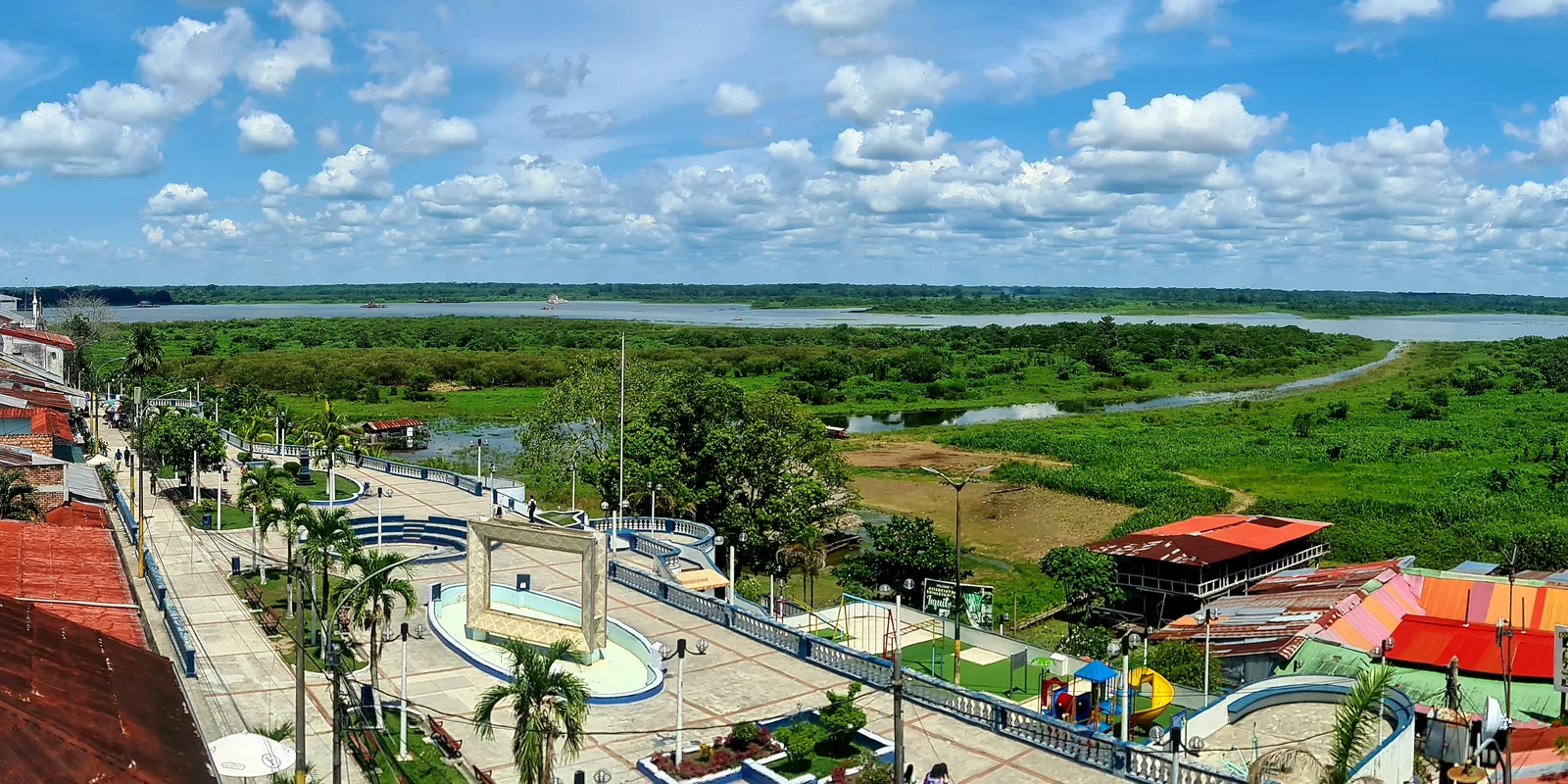
Rivers remain essential to understanding the setting. Views from the central waterfront include the Itaya river landscape; do not assume every photograph taken in Iquitos shows the main Amazon channel. Ask which waterway an excursion follows and where you will board before comparing descriptions or prices.
Begin with the square and historic streets
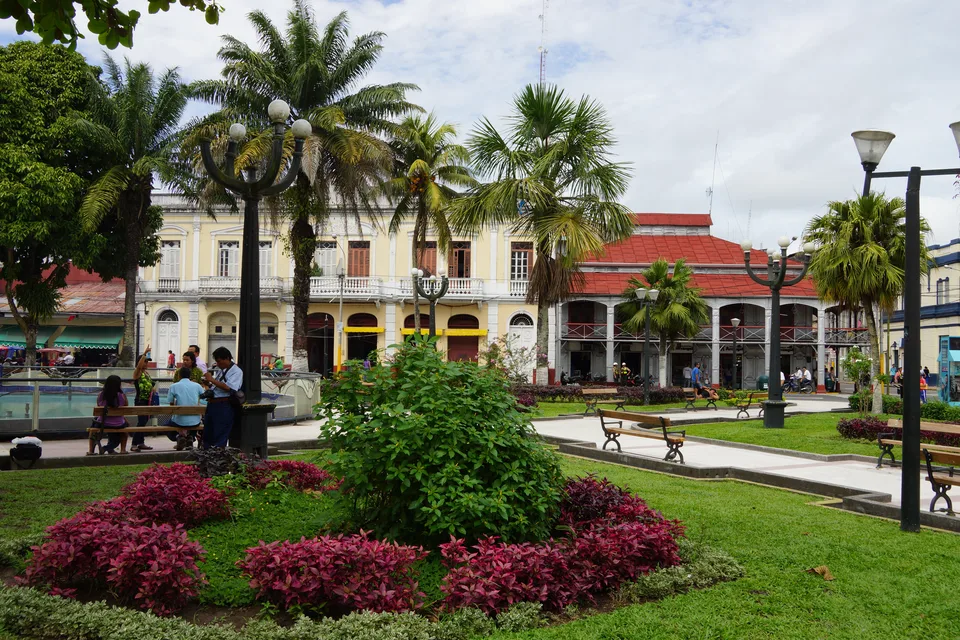
The Plaza de Armas provides a useful starting point for an introductory walk. Look at the surrounding buildings before moving through nearby streets, taking time for the different materials, balconies and decorative surfaces. An early outing leaves more flexibility for shade, a museum visit or a meal when the heat becomes tiring.
The official tourism overview of Iquitos identifies several historic houses and the former Hotel Palace among the city's architectural points of interest. Choose a short route rather than assuming every named property admits visitors. A building's historical importance does not establish that its interior is open, free or operating as a museum.
Keep arrival day light. Carry water and sun and rain protection, and arrange a reliable return if you go beyond familiar central streets.
Look closely at the Casa de Fierro
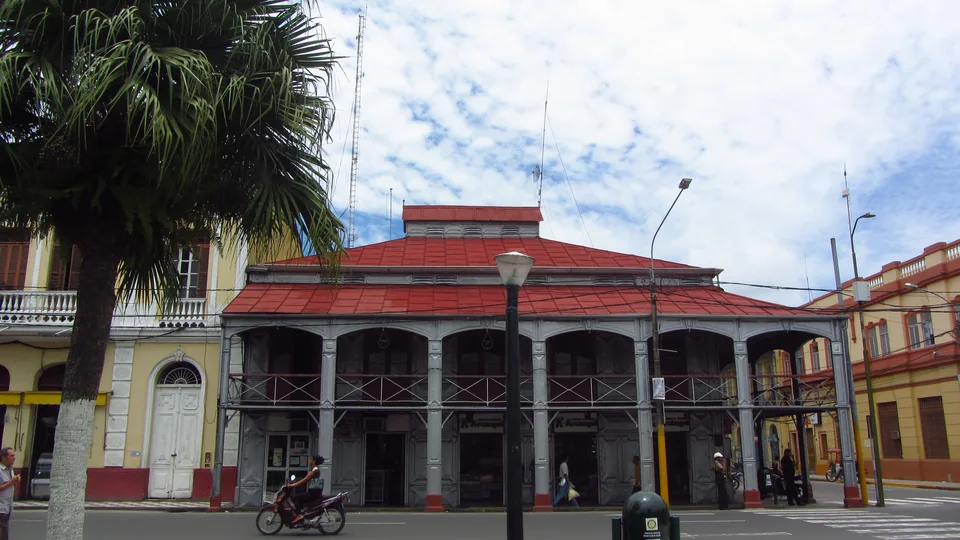
The Casa de Fierro stands beside the main square, at Próspero and Putumayo. Its prefabricated iron construction makes it a useful contrast with the surrounding streetscape. The Tourism Ministry's architectural inventory describes its materials, central location and later commercial use. Notice how the building fits the square as well as the details of its structure.
Its popular association with Gustave Eiffel appears in many visitor accounts, but the sources reviewed here do not establish a sufficiently secure basis for presenting that attribution as fact. The building remains interesting without attaching a famous engineer's name to every explanation of it.
Check access directly if you want to go upstairs or visit a business inside. Commercial premises, public pavement and a museum entrance are different arrangements. An exterior visit can form part of the central walk, while any restaurant reservation or interior access should be confirmed separately rather than assumed from an older photograph.
Use the Museo Amazónico for context
The Museo Amazónico at Malecón Tarapacá 386 offers a manageable cultural stop near the centre. The Ministry of Culture's visitor page lists free entry and describes a collection that includes life-size fibreglass sculptures by Felipe Lettersten, alongside features of the historic building. These are representations to interpret, rather than a substitute for understanding the diversity of living Amazonian communities.
Published regular hours are Monday to Friday and the first Sunday of each month, with a midday break. At review, the listed sessions were 9am to 12.30pm and 2.30pm to 4.45pm. Check before travelling specifically for the museum, since a special opening on one named date should not be mistaken for its everyday timetable.
Do not confuse it with the separately named Museo de Culturas Indígenas Amazónicas. If visiting both, establish the addresses, opening days and separate admission arrangements. One free museum listing does not mean every cultural venue along the waterfront has the same policy.
Read the waterfront as a changing river landscape
The malecón offers a way to see how the city meets the river and its floodplain. Water, exposed ground, vegetation and the activity along the banks can look very different at different times. A dated photograph illustrates one moment rather than a promise of the view you will find.
Take time to distinguish the central promenade from the boarding point for your chosen excursion. Ask for the actual port or landing name and collection instructions, including how luggage will be handled. A river journey advertised from Iquitos does not necessarily depart beside your hotel or the stretch you explored on foot.
Ask before making close portraits and respect a refusal. When arranging a boat, confirm its destination, lifejackets, passenger arrangements and return plan; prepare beyond the requirements of an afternoon on the promenade.
Visit Belén with a clear purpose and local advice
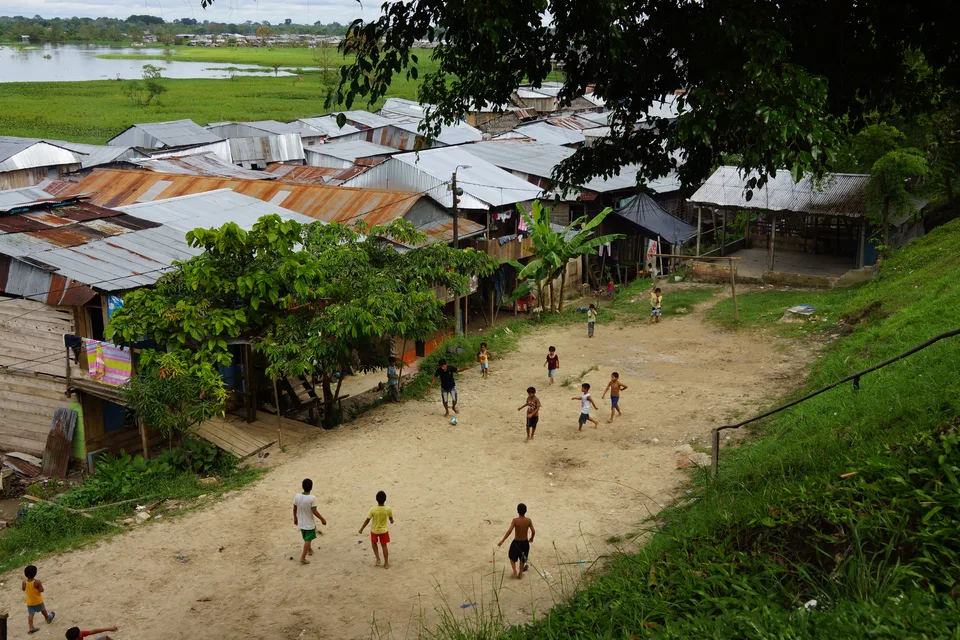
Belén's market and riverside setting can help visitors understand everyday trade and the relationship between housing and seasonal water levels. The government tourism inventory distinguishes higher ground from lower areas affected by rising water. This is a lived neighbourhood, so avoid approaching it solely as an opportunity to photograph unusual housing.
Arrange a daytime visit with a reputable local guide or provider who can explain the route and current conditions. Ask where the visit begins, whether any boat travel is involved and what is included. Crowded market streets and lower riverside access are different environments, with different practical demands.
Ask before photographing stalls or individuals. Products marketed as traditional remedies are not medically verified treatments, and a tourism description of a ritual does not establish its suitability for you.
Make Allpahuayo Mishana a specific excursion
Allpahuayo Mishana protects distinctive white-sand forests and other habitats near Iquitos. It is a good option to investigate when you want a focused nature visit rather than assuming every worthwhile forest experience requires a long expedition. Tell the organiser whether your priority is birds, plants or a general introduction so the route and pace match your interests.
The official reserve inventory lists a foreign-visitor entrance charge of S/30, with different national and local categories. Confirm the applicable ticket and duration when booking; transport, guiding and meals are separate costs unless explicitly included. Published visiting hours differ between official pages, so obtain the current meeting and entry times from the authorised organiser.
Access varies by sector and can involve road travel, river travel or both. Do not compare two excursions solely by their driving time. Ask which sector you will enter, how much walking is involved, whether boots are provided and what happens if conditions require a change. Wildlife sightings remain uncertain.
Give Pacaya Samiria the time its route requires
Pacaya Samiria is a different proposition from a short central excursion. Its scale, waterways and floodplain forests call for choosing a specific sector and an appropriate duration. A lodge or tour using the reserve's name should explain where you will actually travel and whether activities take place inside the protected area.
The Tourism Ministry's reserve inventory describes several ecosystems and visitor activities across a large area. Departures may involve travelling towards Nauta and continuing by boat, with the journey varying by destination and vessel. Ask for the complete sequence, including transfers, meals, accommodation and return arrival, rather than accepting a single vague travel-time estimate.
Check the operator's authorisation for the proposed route and ensure reserve entry is included or clearly itemised. Do not book a distant outing that depends on returning just before an international connection. Additional nights can provide a more realistic experience than spending most of a compressed visit in transit.
Choose nature experiences that respect wildlife and communities
A good nature excursion should explain its conduct as clearly as its itinerary. Ask how the operator avoids disturbing feeding, nesting or movement, and whether wildlife is observed freely rather than handled for photographs. A list of species found in a region cannot guarantee what your group will see.
Loreto's Cuida tu Fauna conservation initiative addresses illegal wildlife trade and the tourism sector's role in reducing demand. Avoid buying wildlife products or paying for close-contact photographs whose circumstances you do not understand. A venue's use of words such as rescue or sanctuary deserves verification rather than automatic acceptance.
For a community visit, establish that the community welcomes the activity, who guides it and how payment reaches the people involved. Ask before photographing or recording performances. Leave room for contemporary life and individual choices; a visitor programme does not mean an entire people lives in one fixed or timeless way.
Compare a city hotel with a river lodge
A central hotel can make short cultural visits, meals and meeting an organiser easier. A lodge offers a different setting, but the practical comparison depends on its exact location and access. Ask for the transfer route, expected duration and whether collection works with your actual flight rather than a standard arrival assumed in a package.
For either option, confirm room ventilation or cooling, insect screening, bathroom arrangements and the availability of drinking water. At a lodge, add questions about electricity hours, charging, communications and how assistance would be arranged for illness or injury. A remote setting may require accepting limitations that would be less significant during a short hotel stay.
Read what the quoted price includes: transfers, reserve tickets, guiding, meals and activities can change the comparison substantially. Clarify cancellation terms and weather-related changes before payment. Consider spending a city night before or after a more distant lodge stay if it gives the journey a useful margin.
Arrange airport connections before arrival
Iquitos is served by the Coronel FAP Francisco Secada Vignetta airport. The airport operator's information places the terminal on Avenida Abelardo Quiñones at kilometre six and lists passenger services and ground transport information. Use the airline's own current schedule for flights and baggage conditions, particularly when carrying equipment for a longer river trip.
Confirm collection through your accommodation or a reputable provider. Establish the total fare, currency, vehicle, luggage capacity and meeting point. A mototaxi and an enclosed car offer different arrangements for bags and rain, so choose according to your group rather than price alone.
Be careful with online price lists: the airport page's vehicle tariffs concern parking, not a verified taxi fare to your hotel. This guide does not turn those charges into transfer quotes. If you are heading directly to a lodge, confirm whether the organiser collects at the terminal and how a delayed flight affects the onward boat journey.
Distinguish local roads from a national overland route
Air and river travel shape access to Iquitos, while roads serve journeys within the urban area and towards places such as Nauta. The existence of a road excursion does not establish a continuous highway journey from Lima. Check the complete route if you are considering arriving by river rather than flying.
For local journeys, agree the destination and total price before setting off. Allow for luggage and weather when choosing a vehicle, and carry small denominations where practical. Ask your accommodation to help identify an appropriate provider for an unfamiliar or late journey.
Longer passenger-boat travel deserves a separate assessment of the vessel, actual departure, sleeping arrangements, sanitation, food and lifejackets. River conditions and loading can affect the schedule. Avoid building a fixed flight connection around an optimistic advertised arrival, and do not assume a route described in an old regional plan represents a currently operating passenger service with the same duration.
Eat with attention to ingredients and availability
Amazonian cooking gives a visit another focus beyond excursions. Juanes and tacacho with cecina are useful dishes to ask about, while patarashca introduces fish prepared in leaves. Menus vary, so find out what is being cooked that day and how the portion is served rather than treating every familiar name as an identical recipe.
Inchicapi commonly includes peanuts, making ingredient questions especially relevant for anyone with an allergy. Explain dietary requirements clearly and ask staff rather than relying on a dish name alone. For drinks, check how water and ice are supplied; a local fruit flavour does not itself establish hygienic preparation.
Choose meals around the day's route. Before leaving for a reserve, establish whether lunch and drinking water are included and whether the organiser can meet your needs. A lodge's meal plan can make its price look different from a hotel room whose quoted rate excludes every meal.
Build a budget from complete quotes
Record accommodation, meals, transfers, guides, reserve admission and an emergency reserve separately. Note whether a price is per person, room or vehicle and whether it is in soles or another currency. A low package headline is difficult to assess until its route, duration and inclusions are clear.
As one reference point, two foreign visitors paying the published S/30 Allpahuayo Mishana entrance charge would need S/60 for admission before transport and guiding. The Museo Amazónico lists free entry. Combining a cultural day with one carefully selected paid outing can be more useful than buying a different excursion for every available gap.
Recheck amounts at booking and retain written confirmation. Keep accessible funds for incidental costs and changes; lodge and transport choices can dominate the budget.
Choose dates by activities and river conditions
Iquitos is warm and humid throughout the year, with rain possible in every season. Official visitor information describes a wetter part of the year and a comparatively less rainy period; neither should be read as a guarantee of a particular river level or a rain-free forest walk.
Ask how your intended activity changes with rising or falling water. A boat route, landing point or walking trail can offer a different experience at another time, and conditions in a particular year may depart from a simple seasonal calendar. The most useful answer comes from the organiser responsible for that route close to departure.
Pack light clothing, rain protection and suitable footwear. Protect documents and electronics from water. For June's San Juan celebrations, confirm the current programme and accommodation availability.
A manageable three-day city-based itinerary
Day one: settle in, then explore the Plaza de Armas and a short historic-centre route. Look at the Casa de Fierro from the square and arrange any interior visit separately. Use the afternoon for the Museo Amazónico if its opening sessions fit, followed by a meal and time along the central waterfront.
Day two: organise an Allpahuayo Mishana visit with a clearly identified sector, guide and return time. Keep the rest of the day flexible rather than adding an unrelated distant attraction. If the outing changes because of conditions, use a cultural or food-focused alternative in the city.
Day three: consider a guided daytime Belén visit or a properly planned shorter river outing, according to your interests and current local advice. Leave enough margin for onward travel. For Pacaya Samiria, extend the trip and create a separate itinerary; do not squeeze a substantial reserve journey into the last few hours before a flight.
Prepare healthcare and everyday essentials
Discuss your route with a travel-health professional before departure, particularly if you will spend nights away from the city. Official health guidance for Peru identifies mosquito-borne risks and the importance of suitable insurance and access to care. Recommendations depend on the individual and itinerary; a destination guide cannot determine which treatment or vaccination is right for you.
Arrange reliable drinking water and bring necessary medication through lawful arrangements. For a remote stay, ask how communication and evacuation would work rather than assuming city services are immediately accessible. Confirm that insurance covers the activities and locations you plan to visit.
The emergency ambulance number given in official guidance is 106. Keep provider and insurer contacts available offline. For a longer household stay, identify pharmacies and appropriate medical care before committing to an address. Iquitos is a lowland Amazonian destination; altitude advice intended for an Andean itinerary should not be transferred to it indiscriminately.
Test housing and household services before moving
Living in Iquitos requires evaluating an ordinary week, not only a successful excursion. Start with the location of your work, institution or family commitments, then inspect housing in relation to those journeys. Ask about access during heavy rain, the condition of nearby streets and the transport you would use after dark.
Inspect ventilation, insect screening, water storage, cooking facilities, drainage and electrical arrangements. Clarify which bills are included, whose name the accounts use and who handles faults or maintenance. Sedaloreto's official service information provides channels for water billing and customer matters; confirm the actual property's arrangements with the owner rather than assuming a listing settles them.
Retain a written agreement, receipts and condition record. Test internet at the address. Families should confirm school admission, costs and commuting directly; budget separately for furnishing and utilities.
Keep tourism, employment and residence distinct
Check Peru's official tourist-visa information for your nationality and circumstances. Some visitors require a visa and others qualify for exemptions. The immigration officer determines your authorised stay; a maximum quoted in general guidance is not a promise that every traveller receives that period.
Use your actual entry record to confirm the permitted days. Current entry guidance explains digital registration at international airports and links to the migration-record service. Tourist extension advice differs between official pages, so confirm your own position directly with Migraciones before relying on extra time or making a long rental commitment.
Tourist permission does not authorise paid work. Official residence information separates categories for employment, study, family connections and other purposes, while current Migraciones guidance on changing status explains the application and assessment process. An application, property purchase or foreign income does not establish approval. Browse VisaWand's consultants for Peru for relevant assistance and the Peru destination directory to compare locations before deciding to settle.
Compare nearby options without confusing their purpose
Consider Nauta when your reserve route uses its road and river connections. Ask whether staying overnight there helps the actual departure. Check each lodge's location rather than assuming properties sold under an Iquitos heading share the same access.
For a different Peruvian Amazon gateway, compare Tarapoto's destination page or Pucallpa's destination page, looking at the activities and transport each supports. Similar climate or a broad Amazon label does not make the experiences interchangeable.
If considering an extended river journey towards an international border, check route-specific official regional advice. Parts of Loreto have particular restrictions and risks; that does not make the whole region one identical travel zone. Choose a route you can properly prepare for, with the time, documents and support its distance requires.
Official planning resources
Reviewed 28 October 2026. Use the official resources linked throughout this guide for admission, transport, housing and immigration decisions. Prices, services and rules can change; confirm the details relevant to your dates. Photography illustrates the locations and is not a live view.
View all official resources
- Peru Environment Ministry SINIA Iquitos district geography
- PROMPERU Iquitos cultural and visitor overview
- MINCETUR Casa de Fierro inventory
- Ministry of Culture Museo Amazonico
- MINCETUR Belen neighbourhood and market
- MINCETUR Allpahuayo Mishana inventory
- MINCETUR Pacaya Samiria reserve inventory
- SPDA Loreto Cuida tu Fauna tourism initiative
- Aeropuertos del Peru Iquitos airport
- FCDO Peru health and healthcare
- Sedaloreto official water services
- Peru Foreign Ministry tourist visa application
- FCDO Peru entry and digital immigration record
- Migraciones residence categories
- Official gazette Migraciones status-change guidance
- FCDO Peru regional travel risks
Plan the next part of your journey
Explore the Peru guide, browse other cities or compare consultants for your travel and relocation questions.