Visa
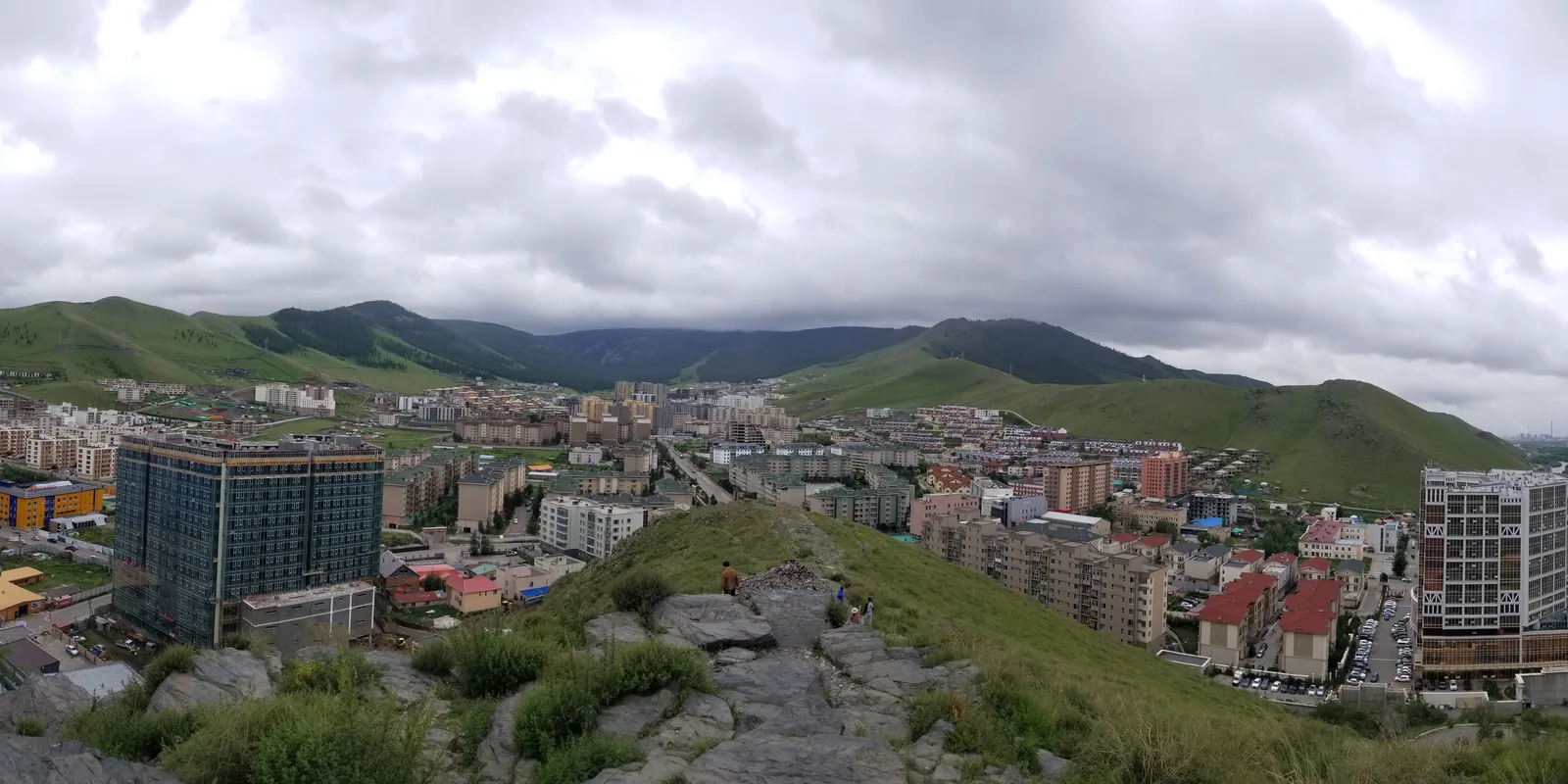
Give the capital time before the countryside
Ulaanbaatar is where Mongolia’s national history becomes tangible: a royal palace, a working Buddhist monastery and museums that place the steppe empires in a much longer story. It also requires practical planning. The right address can save repeated journeys, and the season affects everything from the clothes you pack to the apartment you rent. Treat the capital as a destination with its own rhythm, rather than a transfer lounge between an international flight and a countryside tour.
Allow three full days for a first visit, with another day for a park excursion. Someone considering a move needs a different schedule: time to inspect housing, test a commute and discuss the correct immigration route. VisaWand’s Mongolia country guide provides broader preparation; the Mongolia location directory helps identify other places without implying that every listing already has a completed travel guide.
Understand the names and the geography
Ulaanbaatar and Ulan Bator refer to the same Mongolian capital. VisaWand’s location record uses the latter spelling, which explains this page’s address. Its recorded population is a geographical database field, not a verified current census count. Be careful when comparing figures for the built-up city, its administrative territory or an individual district: those boundaries answer different questions about housing and services.
The city tourism department places the capital in north-central Mongolia and identifies it as the country’s political, cultural and economic centre. For a visitor, Sukhbaatar Square is a useful orientation point. For a resident, the more useful centre may be the workplace, school or clinic that determines daily travel. Choose accommodation around those actual destinations before deciding how much a famous neighbourhood name is worth.
Read the city’s history through its buildings
The capital’s beginnings were mobile. MONTSAME’s account of the city’s foundation traces its religious origins to 1639 and the establishment of a residence for Zanabazar at Shireet Tsagaan Nuur, away from today’s location. The settlement moved before becoming established at its present site in 1778. It took the name Ulaanbaatar in 1924.
That sequence matters when sightseeing. A museum about the Mongol Empire describes a history much older than the capital’s present streets. A palace explains a later court, while Gandan remains a religious institution. Rather than searching for one uniformly ancient centre, use these places to understand different periods. Leave space between them for ordinary streets, shops and a meal; otherwise the itinerary becomes a procession of interiors without a sense of the city outside.
Start with Sukhbaatar Square and one museum
Begin around the square, using the surrounding streets to establish the distances between your hotel, meals and museums. The official visitor-information service lists a branch at Sukhbaatar Square and another at the airport. Ask there about current performances, maps and transport arrangements. A published event from an earlier season is not evidence that a show will run on the same evening this year.
Make the Chinggis Khaan National Museum the substantial visit of the day. Its collections range across ancient nomadic states, the Mongol Empire and later rulers, rather than concentrating only on one conqueror. Pick a few themes to follow through the galleries: diplomacy, court clothing or the movement of objects between states. This makes a large collection more rewarding than trying to read every label before lunch.
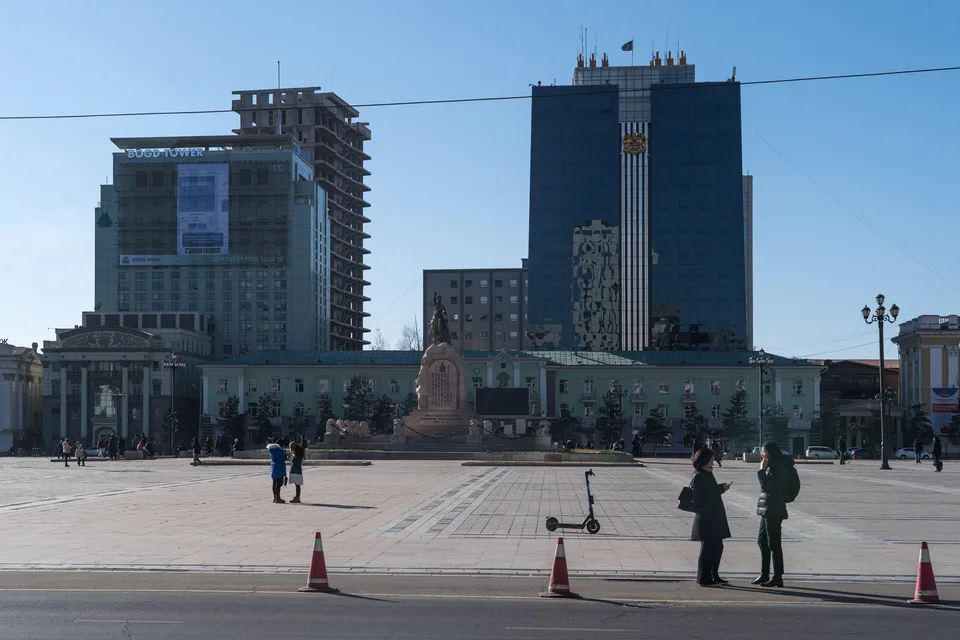
Check the museum ticket you actually need
The museum’s visitor page lists adult permanent-exhibition admission at MNT 30,000, the Great Khaan Hall at MNT 20,000 and a combined ticket at MNT 45,000. Photography permission is a separate item. Confirm the applicable concession and what is included before paying, particularly for children or a mixed group.
Published winter hours, from 15 September to 14 May, are 09:00–17:00, with final admission at 16:00 and Tuesday closure. The summer page gives longer hours; check the current schedule for your date. An English private guided tour for one to nine people is listed at MNT 100,000. Ask whether admission is additional and arrange the guide in advance. These are published charges, not a promise that every gallery or service will be available when you arrive.
Visit Gandan as a religious place
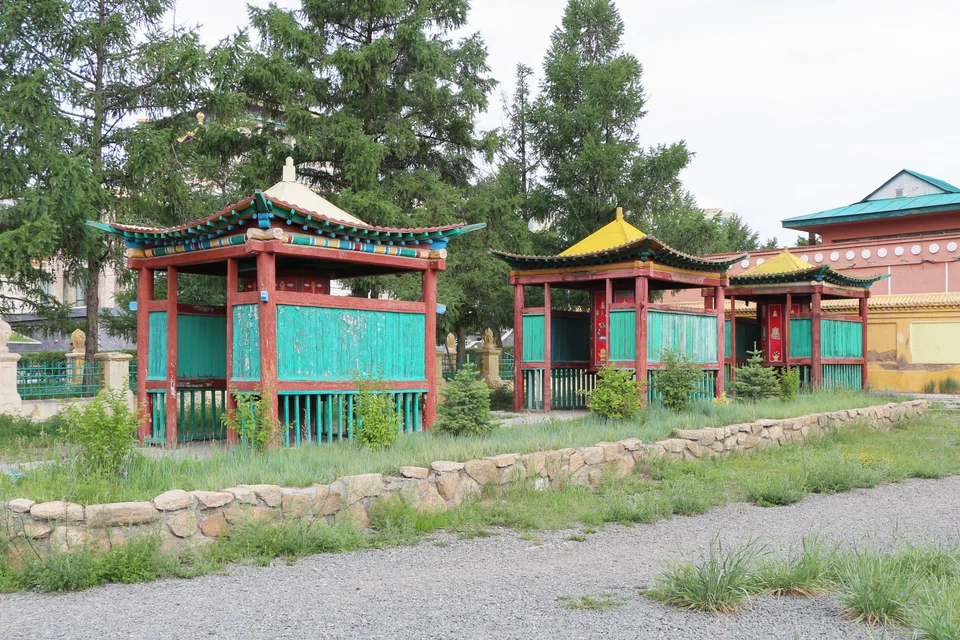
Gandantegchinlen, usually shortened to Gandan, offers another perspective on the capital. Mongolia’s National Center for Cultural Heritage describes the complex as a major Buddhist centre, with architectural forms reflecting Mongolian, Chinese and Tibetan traditions. Its heritage record traces an early temple on the hill to 1809. This is a place where religious practice belongs to the present as well as the historical account.
Allow an unhurried visit and follow instructions at each building. Ask before photographing people, ceremonies or interiors; permission at an entrance does not necessarily cover everything beyond it. Avoid stepping into worshippers’ paths for a better picture. Confirm any entry or photography charge locally, since a dependable current tariff was not established for this guide. A morning here and a separate afternoon activity are a sensible pace.
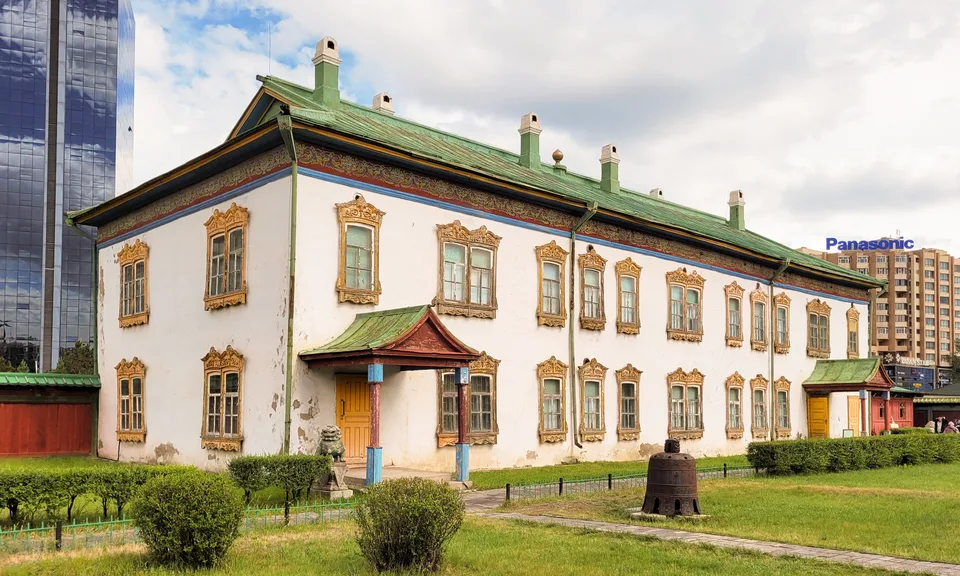
Use the palace to explore a different Mongolia
The Bogd Khaan Palace Museum’s own collection presentation introduces the residence and belongings of Mongolia’s last emperor and Queen Dondovdulam. The complex includes summer religious buildings and a Russian-style winter palace, with collections of Buddhist art, ceremonial clothing, jewellery and court objects. These are useful contrasts with the imperial narrative in the larger national museum.
Look closely at materials and craftsmanship rather than expecting a vast palace on the scale of other Asian capitals. Build the outing around the museum itself, with time to return comfortably. Confirm opening arrangements and current admission before setting out: online listings can contain anomalous hours, and this guide does not treat an implausible round-the-clock entry as a reliable museum timetable. Ask about steps, doorways and available assistance if accessibility affects your visit.
Choose a base by the journeys it removes
A first-time visitor should compare addresses around the central sights before selecting a room farther away for a small nightly saving. Plot the walking route, not just the straight-line distance. A convenient hotel is one from which you can reach an evening meal and return without a complicated transfer. Ask for the building entrance and a map pin; a street address alone may leave a driver at the wrong side of a complex.
For a named reference point, Shangri-La Ulaanbaatar lists its address on Olympic Street in Sukhbaatar district. Its published facilities include restaurants, a pool and airport transfers. That is a luxury-hotel example, not a claim that it represents the city’s typical price. Compare guesthouses, independent hotels and apartments using dated quotations, recent room information and cancellation terms. For late arrivals, obtain written confirmation that someone will receive you.
Plan the airport transfer before landing
Use the operating Chinggis Khaan International Airport’s own information when arranging arrival. Avoid assuming that a reference to an older airport, an old hotel transfer page or a familiar airport name identifies the terminal on your booking. Check the flight details and send them to the accommodation arranging your pickup.
The airport’s English public-transport page advertises bus services and directs passengers to a first-floor kiosk or the bus-and-taxi counter. Its Mongolian transport listing gives conflicting service information. Accordingly, confirm the current departure, destination stop and fare at the counter rather than relying on a guaranteed overnight timetable. A pre-arranged transfer is a reasonable fallback when arrival is late or luggage is substantial. Obtain the total price, meeting point and waiting policy before accepting a car.
Keep daily transport flexible
For car journeys, UBCab’s official service offers an app-based option. Check the pickup pin, vehicle details, payment method and displayed quotation before confirming. Do not assume a foreign payment card will work simply because the app offers electronic payment. Keep enough local currency for a practical alternative and ask accommodation staff for help if registration or pickup proves difficult.
For buses, obtain current route and payment instructions locally rather than depending on an old fare quoted in a travel blog. Save the destination in Mongolian and keep an offline map. Heavy congestion is an important planning constraint: combine nearby activities and avoid placing fixed appointments on opposite sides of the city. Before signing a lease, repeat the actual work or school journey at the time you will normally make it.
Eat locally without turning meals into a checklist
The tourism department’s introduction to Mongolian dishes provides a useful starting vocabulary: buuz are steamed meat dumplings, khuushuur are fried meat pastries, while bansh are a smaller type of Mongolian dumpling. Order a manageable portion first and ask how a dish is prepared rather than assuming that every restaurant serves the same version.
Dietary requirements deserve an explicit conversation. Ask about meat stock, dairy, cooking fat and cross-contact when these matter; a dish’s name or appearance is not enough. Keep a written translation of a serious allergy. For a short stay, choose meals near the day’s activities rather than crossing the city to chase an unverified recommendation. A resident should also inspect the nearest grocery options and kitchen equipment before committing to an apartment described as suitable for self-catering.
Shop with a purpose and a return route
The State Department Store is among the places identified by the city tourism service for a first visit. Use it as one possible shopping stop rather than assuming that every item is locally made or competitively priced. With textiles, ask about fibre content, care instructions and the seller’s returns policy. A clear receipt is more useful than a broad assurance about authenticity.
Markets require the same practical judgment as anywhere busy: keep valuables secure, agree the price and consider how you will carry purchases back. Avoid buying an object presented as antique or made from wildlife without understanding export and import restrictions. Leave expensive shopping until after essential trip costs are covered. For a move, buy household equipment after measuring the property and checking what the landlord already supplies.
Build a budget from confirmed components
Use Mongolian tugrik, abbreviated MNT, for comparisons and check the exchange rate close to payment. There is no dependable citywide hotel, rent or meal average established for this article. A useful budget therefore starts with your own accommodation quote and transport plan, followed by admission charges for places you will actually visit.
For example, two adult combined museum tickets at the published MNT 45,000 rate total MNT 90,000. A separately quoted private guide, photography permission and transport would increase that amount. This calculation is an illustration, not a complete daily allowance. Separate prepaid costs from cash still needed on arrival, and retain a reserve for a replacement transfer or changed travel day. Long-term residents should add deposits, utilities, communications and insurance to the monthly rent comparison.
Choose a season that suits your priorities
Summer is the city tourism department’s principal visitor season, while May and September can suit travellers willing to accommodate cooler conditions. Treat that broad guidance as a starting point, not a forecast. Check the weather shortly before each outdoor day and pack layers that work both outside and in heated buildings.
Winter changes the decision substantially. Official health advice highlights Ulaanbaatar’s air pollution, especially its implications for people with respiratory conditions. Someone with relevant health needs should discuss the trip with a clinician and evaluate indoor arrangements, rather than assuming a mask alone resolves the issue. A winter relocation assessment should include an actual inspection of heating and ventilation. Photographs of a sunny summer apartment do not demonstrate how comfortable it will be during the cold season.
Make three days feel like a visit
On day one, orient yourself around Sukhbaatar Square and spend the main part of the day in the Chinggis Khaan National Museum. Put lunch and a short neighbourhood walk around that anchor. Move the museum day if it conflicts with the published closure, and avoid putting an important collection into the final hour before last admission.
On day two, visit Gandan, allowing space for the religious setting and local instructions. Use the afternoon for shopping or another interest close to your base. On day three, make the palace the principal outing and leave the rest of the day flexible. For a shorter stay, reduce the number of visits rather than compressing all three days into one. Keep your departure day sufficiently clear to absorb transport delays.
Consider Hustai as a separate excursion
Hustai National Park makes a useful contrast with the capital through its conservation work and reintroduced takhi, or Przewalski’s horses. The park manager describes accommodation in gers and opportunities to explore the landscape. Wildlife sightings remain dependent on conditions and animal movements; they should never be sold as guaranteed appointments.
The manager’s access guidance estimates roughly two hours to the park entrance and warns about rough approaches and seasonal difficulties. Reaching the entrance is not the whole excursion: driving within the park takes additional time. Arrange a suitable vehicle and discuss the return journey, park charges and guide arrangements before booking. An overnight stay can provide more breathing room than adding the park to an already crowded city day. Respect the rules and keep a responsible distance from animals.
Inspect a home for the season you will live there
For a move, start with temporary accommodation and inspect shortlisted properties in person. Ask who owns or manages the flat and who is authorised to accept money. Obtain a written agreement showing the rent, deposit, payment dates, inventory and conditions for ending the tenancy. Keep evidence of payments and avoid transferring a substantial deposit solely on the strength of photographs.
Test heating controls, hot water, windows and ventilation. Ask which utilities are included, how additional bills are calculated and who handles a failure. Check the entrance, lift if needed, refuse arrangements and the route to everyday shopping. Visit at another time of day before deciding. A central address with a noisy room and a reliable workplace commute presents a different tradeoff from a spacious flat that requires long daily drives.
Test the daily routine before choosing a district
Sukhbaatar and Chingeltei are useful district names when comparing central addresses. The national museum lists Chingeltei district, while the Olympic Street hotel example is in Sukhbaatar. Farther south, the palace and Intermed’s published address place important visitor and household destinations in Khan-Uul. These references help you read a booking address; they do not make an entire district equally convenient. Plot each building against the places you need rather than relying on the district name alone.
For a trial stay, use an ordinary weekday to rehearse the routine. Find breakfast, reach the proposed workplace and return after the working day. Record door-to-door times and locate an evening grocery option. Ask about winter access and household services. Keep these findings alongside dated rent and utility quotations, so the comparison includes both the property and the journeys it creates. Include the needs of every member of the household.
Check accessibility at the level of the actual building
Travellers with mobility or sensory requirements should request specific information before paying. Ask for photographs of the entrance, steps, lift and bathroom, and establish whether assistance must be booked. A room described as accessible may not solve a difficult approach from the street. For a museum visit, ask which galleries can be reached on the intended date and whether temporary works change the normal route.
Keep the first day relatively light if travel has been tiring. Choose a meal close to the hotel, establish the return route and put essential documents where they can be reached without unpacking everything. Families can use the same approach: fewer fixed appointments, reliable food stops and room for rest. Practical comfort often determines whether an ambitious itinerary remains enjoyable after the first morning.
Establish services before a small problem becomes urgent
Identify a clinic that can provide the care you need and confirm appointment arrangements, language support and payment requirements. Intermed Hospital’s own website is one provider resource for checking services in Ulaanbaatar; this is not a guarantee that a particular specialist or insurer will be available. Keep your medical records and prescriptions accessible, with insurance details saved offline.
For communications, MobiCom’s tourist-SIM guidance explains a visitor product and purchase channels. Check device compatibility, registration, allowance and validity before buying; a short tourist package may not suit a household’s ongoing needs. Test internet at a prospective home if work depends on it. Families should ask schools directly about places, calendars, transport and required records before selecting a neighbourhood around an assumed admission.
Separate a holiday from work and study
Entry rules depend on nationality, passport, purpose and intended stay. Start with the Mongolian Immigration Agency and its 2026 tourist-exemption announcement. Temporary exemptions should not be treated as permanent rules or applied to every passport. As one clearly limited example, UK government guidance for British citizens describes visa-free tourism for up to 30 days through 31 December 2026.
If a visa is required, use the official electronic application system or the route specified by the authority for your circumstances. A tourist entry does not establish permission to take a local job, enrol for a longer course or settle permanently. Ask the employer or educational institution to identify the applicable category and supporting documents, and confirm it with immigration before making commitments dependent on approval.
Treat registration and residence as separate tasks
Mongolia’s 48-hour registration guidance places an obligation on the person or organisation providing accommodation to register a foreign guest. Ask the hotel or landlord to confirm that this has been completed, including when staying in a privately arranged property. Do not assume that a booking confirmation itself is the registration.
Longer-term arrangements require separate attention to residence-permit services, including extensions and changes of address or passport information where applicable. Keep a calendar of deadlines and ask how each dependant’s position is covered. A rented apartment does not itself confer residence rights. For assistance evaluating preparation, VisaWand’s consultant directory can help you compare service scopes; the relevant authority retains responsibility for immigration decisions.
Keep practical safeguards proportionate
Read the current official safety advice before travel. It identifies pickpocketing in crowded places, recommends licensed or trackable transport and gives 102 for police emergencies. Keep the original identity document required for your status secure and accessible, with separate backup copies. Ask permission for religious photographs and avoid restricted subjects.
The ambulance number is 103. Check insurance for treatment and medical evacuation, particularly before leaving the capital. Share an excursion plan with a trusted contact and obtain a clear pickup arrangement for the return. These small preparations support a more flexible visit: once transport, documents and essential needs are organised, there is more room to enjoy the city without treating every change of plan as a crisis.
Official planning resources
Reviewed 17 October 2026. Use the official resources linked throughout this guide for admission, transport, housing and immigration decisions. Prices, services and rules can change; confirm the details relevant to your dates. Photography illustrates the locations and is not a live view.
View all official resources
- Ulaanbaatar City Tourism Department: visitor information
- MONTSAME: founding history of Ulaanbaatar
- Chinggis Khaan National Museum
- Chinggis Khaan National Museum: tickets and seasonal hours
- National Center for Cultural Heritage: Gandan complex
- Bogd Khaan Palace Museum: institutional collection
- Shangri-La Ulaanbaatar: location and facilities
- Chinggis Khaan Airport: public transport
- Chinggis Khaan Airport: Mongolian transport listing
- UBCab: official ride service
- Ulaanbaatar City Tourism Department: official visitor guide (2025 PDF)
- FCDO: Mongolia health
- Hustai National Park: ecotourism
- Hustai National Park: access
- Intermed Hospital: official services
- MobiCom: tourist SIM
- Mongolian Immigration Agency
- Mongolian Immigration Agency: 2026 tourist exemptions
- FCDO: Mongolia entry requirements for British citizens
- Mongolia electronic visa application system
- Mongolian Immigration Agency: 48-hour registration
- Mongolian Immigration Agency: residence permits
- FCDO: Mongolia safety and security
Plan the next part of your journey
Explore the Mongolia guide, browse other cities or compare consultants for your travel and relocation questions.