Visa
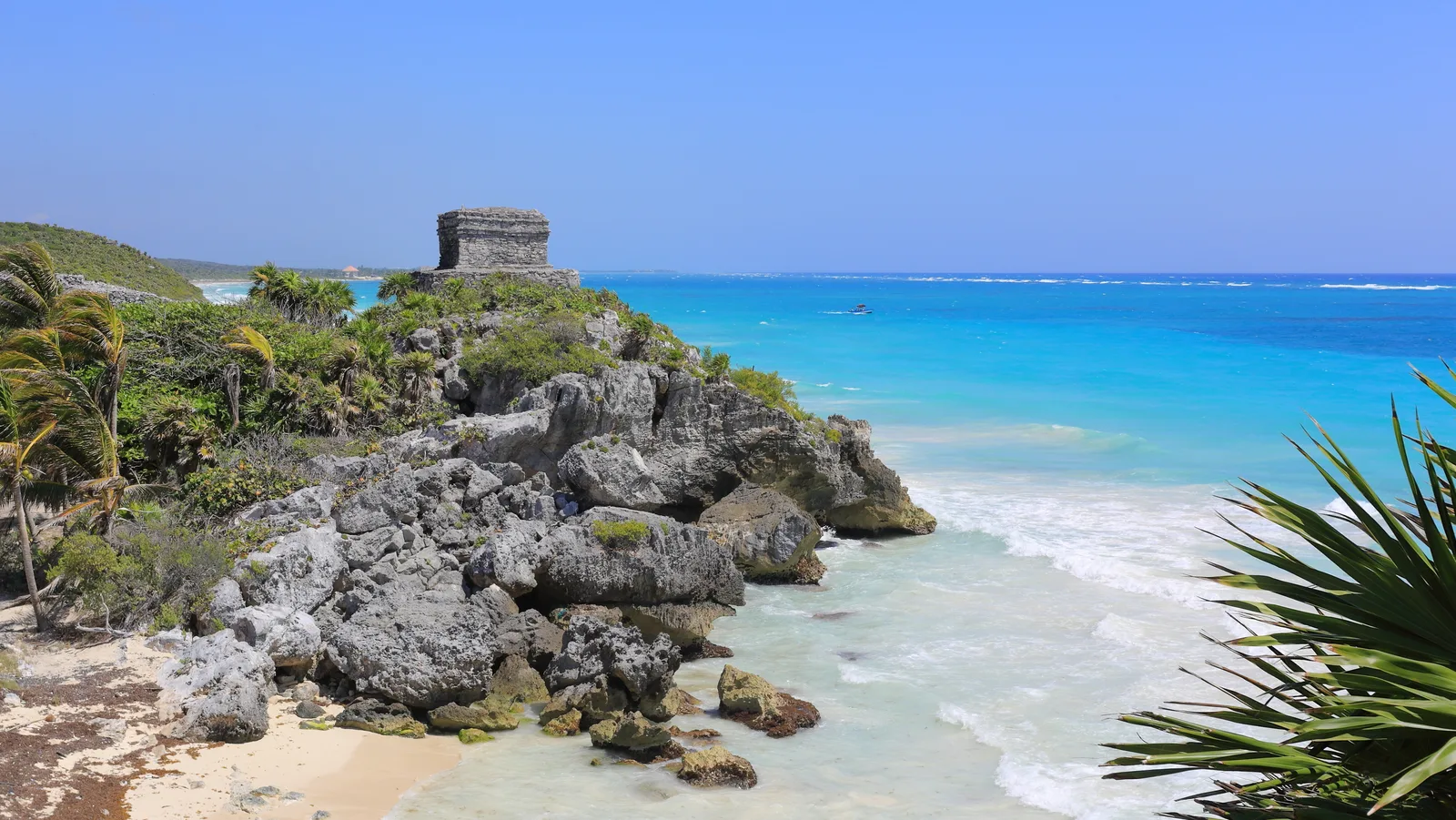
Tulum begins with a choice of address
Tulum asks a practical question before it offers a holiday: do you want to sleep beside the Caribbean, or spend more of your time in town? The photographs make the answer look obvious. The bill, the journey to dinner and the route back from a day out can make it less straightforward. A rewarding visit starts by choosing the version of Tulum that fits your plans.
This is Tulum in Quintana Roo, on Mexico’s Caribbean side. The Mexican Caribbean visitor board distinguishes the archaeological site, contemporary town and coastal hotel area. Those places belong to the same destination, but they are not interchangeable addresses. A property advertised simply as “Tulum” needs a closer look on the map.
Come for coastal Maya architecture, swimming places in limestone country, beach time and a dining scene that ranges from straightforward tacos to reservation-led dinners. Give the town some attention between excursions. For a broader introduction to entry arrangements and national travel planning, start with VisaWand’s Mexico country guide.
A trading coast with a history beyond the photograph
The walls and buildings at the archaeological site explain why this coastline deserves more than a quick photograph. Mexico’s National Institute of Anthropology and History, INAH, describes Tulum as a coastal Maya trading centre. Much of the surviving architecture dates from approximately 1250–1550; an earlier inscribed stela does not establish a single precise founding date for everything visitors see today.
El Castillo, the Temple of the Frescoes and the Temple of the Descending God reward a visit that leaves room to read the interpretation. Architecture and surviving decoration give the site a character beyond its spectacular position. Treat the buildings as archaeological remains with conservation needs, rather than props for a beach outing.
Plan the ruins as their own visit. Arriving with a booked lunch, a distant swimming stop and an airport transfer all competing for the same morning encourages rushed decisions. A guide can add context, but ask who provides the guiding, which language is offered and whether admission is included before paying for a package.
Find your base between town and the beach road
Town is the natural starting point if your plans involve buses, errands and meals away from a resort. The beach road suits a stay built around a particular hotel, restaurant or stretch of shore. The archaeological and Jaguar Park area deserves separate attention when planning entrances and transport. Avoid assuming that a beach-facing map pin also provides a convenient route to every other part of Tulum.
Make a short address test before booking: trace the arrival journey, the route to your first planned activity and the return from dinner. Check the actual entrance, not just the centre of the property boundary. If a rental advert uses a neighbourhood name, request the full location before comparing it with another listing.
For a week, convenience can matter more than a small difference in the room rate. A cheaper address loses its advantage if every ordinary outing requires paid transport. Conversely, paying for the coast makes sense when enjoying the hotel and beach is the purpose of the trip. Choose deliberately rather than treating either option as universally better.
Families should make the address test with the least mobile traveller in mind. Carrying beach equipment, pushing a buggy or returning with a tired child can make a route feel different from its appearance on a map. Ask the property for a description of the walking approach and crossings. Couples planning late dinners should give the return route the same attention as the restaurant booking.
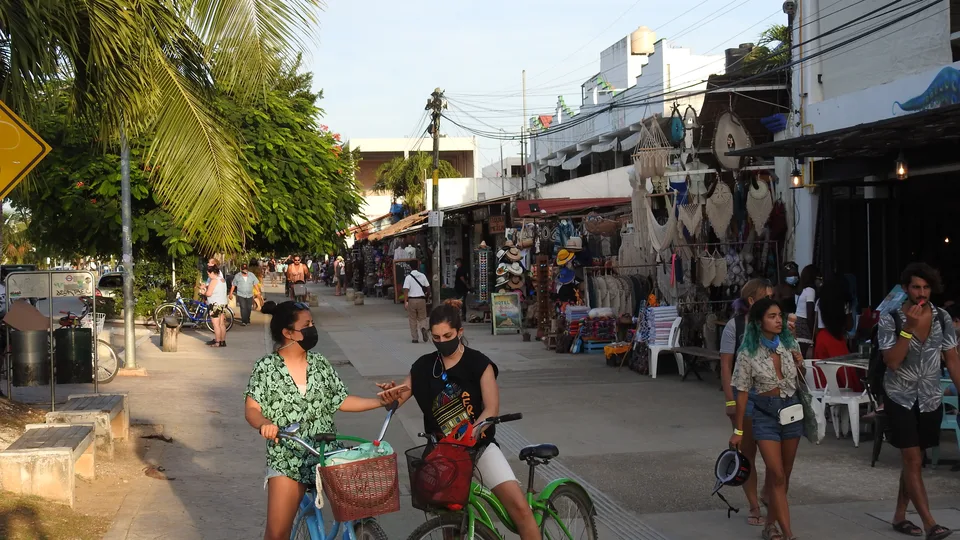
Visit the ruins and Jaguar Park on their own terms
The Parque del Jaguar operator publishes park hours of 08:00–19:00, with last admission at 17:00. These are different from INAH’s archaeological-site hours of 08:00–17:00, last admission 15:30. Do not interpret a late park entry as permission to enter the ruins after their gate closes.
Admission information has changed. A Quintana Roo government announcement dated 6 September 2026 confirms a combined archaeological-site and protected-area tariff of MXN80 for Mexican visitors and MXN265 for foreign visitors, with free Sunday admission for Mexicans. Older INAH pages still display separate charges. Reconfirm the applicable current total and any concession requirements before purchase, rather than adding incompatible tariff lists together.
Use the operator’s map to identify your entrance and follow marked routes. Park rules prohibit drones, speakers, alcohol and single-use plastics; assistance animals have a specific exception to the animal restrictions. Ask about water containers and necessary personal items before setting out. Anyone with mobility needs should request details of the intended route, surfaces, distances and available assistance rather than relying on an accessibility symbol alone.
Give the coast an unhurried day
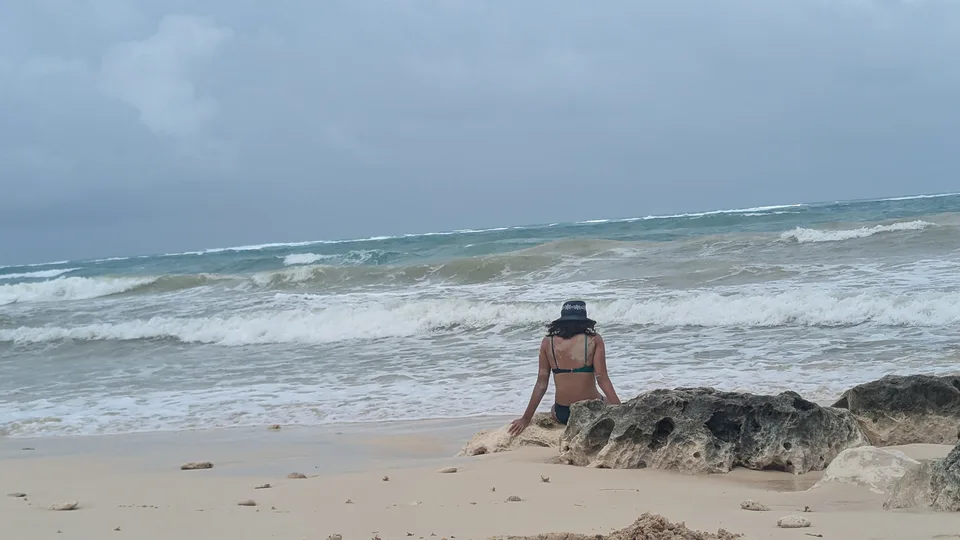
A beach day works best when it has room to change. Wind, waves and seaweed can affect the experience, and an attractive historical photograph is not a condition report. Consult the Mexican Navy’s sargassum bulletin archive for official monitoring, then ask your accommodation about the particular shore you intend to use. An archive entry alone does not establish that today’s beach is clear.
Pack a dry bag for valuables, a change of clothing and enough patience to adjust the afternoon. Keep essential medication with you rather than leaving it in a parked vehicle.
Quintana Roo’s September announcement also confirms free access to Tulum’s beaches. That does not make a hotel’s loungers, restaurant service or facilities free. Establish which entrance you will use and distinguish access to the shore from a commercial day-use arrangement. Ask for the minimum spend, inclusions and cancellation terms before accepting a beach-club offer.
Keep swimming decisions local and immediate: observe flags and instructions, and reconsider entering if conditions exceed your ability. A beach lunch and a walk can still make a worthwhile afternoon. Avoid tying the success of the entire holiday to perfect water on a single preselected day.
Choose a cenote visit that matches your confidence
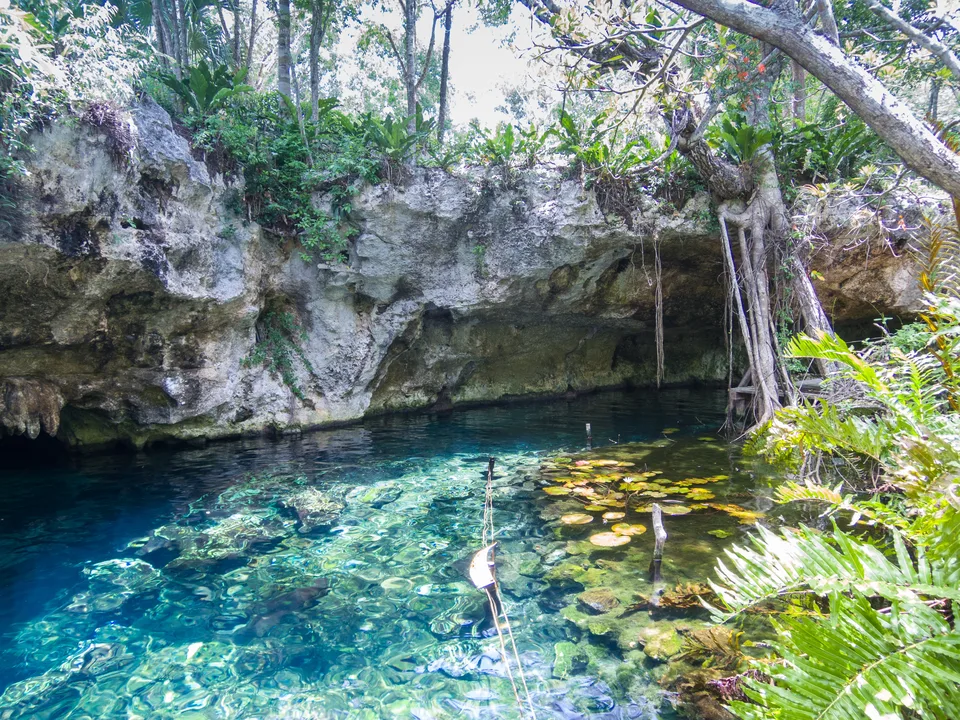
Cenotes are a different sort of outing from the open coast. Shade, limestone, water and enclosed spaces change both the atmosphere and the practical questions. The right choice depends on swimming confidence, comfort around caves and the operator’s actual route. Photographs of clear water do not establish depth, accessibility or suitability for a child.
For a published-price example, Cenotes Casa Tortuga lists Basic, Silver and Golden packages at MXN650, MXN1,200 and MXN1,500 respectively, checked on 16 October 2026. Compare the chosen package directly; a more expensive label is useful only if you want its additional activities.
The operator’s visitor FAQ describes four cenotes, including two cavern and two open-water locations. Its basic guided visit includes a life jacket during the tour; retaining a jacket afterwards has a separate rental charge. Lockers also cost extra. Sunscreen and insect repellent are prohibited in the water, and the operator does not provide transport. Ask specifically about the cavern passages, swimming requirements and alternatives before committing. Bring sun protection that complies with the site’s rules, and never assume another cenote follows the same conditions.
Leave space for Sian Ka’an
South of the beach holiday lies a more complex landscape. INAH’s Sian Ka’an information describes a protected mosaic of tropical forest, wetlands, mangroves, lagoons and marine habitats, recognised by UNESCO in 1987. This is an ecosystem to understand, not a guaranteed wildlife checklist.
Choose an excursion by its actual route. Ask where it starts, which part is by vehicle or boat, what walking or swimming is involved and who has authorised the activity. Clarify weather cancellations, toilet access, shade and the return arrangements. A product labelled “Sian Ka’an” can otherwise leave too much unspecified for an informed decision.
Allow this outing a substantial place in the itinerary instead of squeezing it between other commitments. Explain mobility needs and children’s ages in advance. Decline any proposal that depends on touching, feeding or pursuing wildlife for a photograph. Seeing fewer animals while following a responsible route is preferable to buying an unrealistic promise.
Compare rooms by what you will actually use
The most helpful hotel comparison starts with the room category. Zamas distinguishes beachfront rooms from jungle-and-garden categories at its beach-road address. Read the category you are buying, including the view and access arrangements; a photograph on a hotel’s home page is not a promise about every room.
Age policies can rule out an otherwise attractive option. The Beach Tulum’s FAQ specifies guests aged 18 and over, double-occupancy king rooms, breakfast and round-the-clock air conditioning. It also notes possible noise from neighbouring venues and that internet performance can slow at busy times. Those details matter to families, light sleepers and anyone expecting to work online.
For any property, request a written total including taxes and compulsory fees. Check air-conditioning hours, cancellation deadlines, construction nearby, parking if needed and the procedure for a late arrival. For an apartment, ask who deals with a failed lock or water problem outside office hours. A balcony photograph cannot answer those questions, and an unanswered enquiry is useful information before a non-refundable booking.
Arrive with the right airport and onward route
Search transport using the airport’s full name. A booking to Tulum airport is different from one to Cancún airport, even when both tickets are sold for a Tulum holiday. Compare the complete journey to your actual accommodation, including the last transfer, rather than deciding on the flight price alone.
ADO’s airport information advertises a Tulum airport–Tulum coach fare of MXN220 when checked on 16 October 2026. Treat that as a planning reference and check the dated service before buying. A coach to town does not automatically include the beach-road leg or hotel drop-off. Keep the booking confirmation accessible without depending on a working mobile connection.
The ADO Tulum terminal page places its central terminal between Júpiter and Alfa Norte and lists connections including Playa del Carmen, Bacalar, Mérida and Cancún. Select the correct terminal, especially when an airport and city share a search result. For rail, use the official Tren Maya site and booking service to check what is operating on your date; do not build an arrival around an undated timetable copied elsewhere.
Make local journeys part of the budget
Start each day with a realistic transport plan. Ask for a taxi quote for the exact destination and clarify currency, luggage, waiting and the return journey. An agreed outward ride does not establish the price or availability of a late-night return. For booked excursions, confirm the pickup address rather than assuming every “Tulum” hotel is included.
Cycling may appeal for short outings, but inspect the route and conditions before relying on it. Darkness, weather, luggage and swimming fatigue can change a manageable outward trip into an uncomfortable return. Check the rental’s lights, lock and breakdown arrangements, and arrange another option when the journey does not suit your confidence.
Mexico’s official UK travel-safety advice recommends authorised transport and care with valuables and drinks. Apply that practically: keep documents secure, carry only what the outing needs and arrange the return before an evening out. Check insurance terms before renting a vehicle, including the required licence and any exclusions. A holiday booking is not evidence that a particular activity is covered.
Eat well without turning every meal into an event
The Mexican Caribbean tourism board’s Tulum food coverage highlights regional cooking alongside destination restaurants, including cochinita pibil and lechón at Taquería Honorio. Use those names as starting points for checking a current menu and opening arrangements, not as a claim of personal endorsement or a guarantee that a particular dish is always available.
For a planned dinner, Hartwood publishes opening hours of Wednesday to Sunday, 18:00–22:00, with a menu that changes daily. Reserve through its own channel and explain dietary requirements before arrival. A changing menu calls for a fresh enquiry, especially where an allergy makes an approximate answer insufficient.
Balance reserved meals with flexible ones near your base. Compare the final bill, including any service charge, before adding a tip. When shopping, choose something you can identify and transport legally; request a receipt and ask about materials rather than accepting an unsupported “local” label. Leave enough time for ordinary groceries and drinking water if you have booked self-catering accommodation.
Build a budget from separate decisions
There is no useful single daily price for every Tulum visitor. Start with accommodation, then add arrival transport, ordinary local journeys, food, paid activities and an emergency reserve. Separate a necessary expense from a chosen upgrade. An expensive dinner and a modest breakfast can belong to the same sensible plan.
Use the dated published admission and operator prices above to price only the activities you intend to do. Add lockers, equipment, transfers and cancellation exposure where applicable. Record which currency each quote uses, and compare the final amount rather than a headline figure converted at an assumed exchange rate.
Foreign tourists should also consult Quintana Roo’s official VISITAX portal. Its guidance covers foreign visitors, including children; check the current amount and payment instructions directly. This is distinct from a hotel’s charges and from immigration permission. Keep receipts accessible and avoid treating an unofficial payment intermediary as the government application page.
Plan around heat, rain and the sea
Regional Mexican Caribbean climate guidance describes a wetter period broadly from May to November, particularly September and October, with cooler northerly weather possible during the winter half of the year. Use this as seasonal context, not a forecast for a particular beach afternoon. Rain can alter an outdoor plan without lasting all day.
The US National Hurricane Center defines the Atlantic hurricane season as 1 June–30 November. Before travel, check forecasts, cancellation conditions and what your accommodation does during a warning. A quiet morning is not a reason to disregard an official instruction later in the day.
For comfort, leave room between outdoor activities, carry water and protect yourself from the sun within each site’s rules. Keep a weather-flexible day in a longer stay. If beach conditions are disappointing, choose another worthwhile experience rather than paying for repeated transfers in pursuit of an unverified promise of clearer water elsewhere.
A realistic four-day introduction
On day one, settle into your chosen base and learn the immediate area. Locate food, drinking water and the pickup point for the next morning. If arrival is late, keep dinner simple instead of making a reservation dependent on a smooth flight and transfer.
Devote day two to the archaeological site and surrounding park, respecting their separate entry cutoffs. Leave the afternoon flexible for a rest or the coast. That gives the ruins their own attention and avoids making a swimming booking dependent on an exact exit time.
Use day three for a researched cenote outing. Settle transport and equipment questions first, then leave the evening free or book a dinner you can reach comfortably. On day four, choose a properly specified Sian Ka’an excursion or a slower beach day. Visitors with only three days should remove an outing rather than compress everything. Keep departure day for the journey, with a margin appropriate to the actual flight and operator requirements.
Test everyday life before signing a lease
A longer stay needs a different shortlist from a holiday. Visit the proposed address at the times you would commute, shop and sleep. Ask about nearby construction, evening noise, deliveries, waste collection and the route home after rain. Test the building’s actual internet connection, including video calls if your work depends on them.
Before paying a deposit, verify who can let the property and obtain a written agreement covering term, currency, deposit return, inventory, repairs and utilities. Establish whether water and electricity are individually metered, included or shared. Ask how the building handles supply interruptions and who pays for any backup arrangements. An attractive furnished apartment can still have unsuitable household terms.
For a trial month, keep a record of the journeys and expenses that recur, rather than measuring daily life against a holiday week. Include laundry, cleaning, cooling, drinking water, connectivity and transport to essential appointments. Inspect ventilation, window screens, storage and the condition of appliances. Ask who replaces a failed refrigerator and whether a repair requires you to wait at home. These details can change the suitability of two otherwise similar rentals.
Households with children should contact prospective schools directly about places, teaching language, documents and the journey from the proposed home. Do the same for any ongoing health needs before choosing a lease term. If employment is part of the move, establish the employer’s location and immigration process first; a pleasant beach stay cannot demonstrate that a particular commute or working arrangement will be sustainable.
CAPA’s CAPANet guidance explains online water statements and payments using details from the bill, including a contract number and location key. Ask the landlord to show the actual account and explain responsibility for arrears; an online payment portal does not establish a property’s connection or supply reliability. Identify healthcare, medication access and a practical shopping route before making a long commitment. UK health advice for Mexico notes that private medical providers may require payment upfront; check your cover and emergency arrangements.
Match immigration permission to the reason for staying
Tourism, study, paid work and permanent relocation require separate decisions. Mexico’s consular visa information distinguishes visitor, temporary-resident, student, work-related and permanent-resident routes. Begin with the consulate responsible for your application and explain what you will actually do. A long accommodation booking does not create permission to work.
Mexican consular visitor guidance describes nationality and qualifying-document exemptions. Do not assume that any foreign visa or residence card qualifies. The UK’s Mexico entry guidance, written for British travellers, also warns that the admitted stay is determined at entry rather than automatically being 180 days. Check rules for your own passport and retain the entry record you receive.
If a residence visa requires a subsequent Mexican document, follow INM’s official document-exchange procedure and obtain the applicable instructions before arrival. Use VisaWand’s Mexico destination information and consultant directory to find further help while verifying requirements against official sources. For another Caribbean base, compare the completed Playa del Carmen guide; the broader Mexico location directory includes destination pages with differing levels of editorial coverage.
Keep the practical questions separate when taking advice: the right to enter Mexico, the activities permitted during the stay and the steps needed after arrival are related but different. Bring the documents specified for your own route, and clarify any uncertainty before paying for a long rental or course. Treat a consultant’s explanation as assistance with the process, while checking the final requirements with the responsible authority.
Official planning resources
Reviewed 16 October 2026. Use the official resources linked throughout this guide for admission, transport, housing and immigration decisions. Prices, services and rules can change; confirm the details relevant to your dates. Photography illustrates the locations and is not a live view.
View all official resources
- Caribe Mexicano: Tulum destination geography
- INAH: Tulum archaeological site and history
- Parque del Jaguar: visitor hours, map and rules
- Quintana Roo government: September 2026 confirmation of Tulum integrated tariff
- Secretaría de Marina: daily sargassum bulletin archive
- Cenotes Casa Tortuga: advertised package prices
- Cenotes Casa Tortuga: packages and visitor rules
- INAH and UNESCO: Sian Ka’an World Heritage landscape
- Zamas Hotel: room categories and address
- The Beach Tulum: accommodation requirements and conditions
- ADO: airport coach routes and advertised fares
- ADO: Tulum central bus terminal
- Tren Maya: official railway and ticket booking
- UK government: Mexico safety and local laws
- Caribe Mexicano: Tulum food traditions and venues
- Hartwood: restaurant opening and reservation information
- Quintana Roo SATQ: official VISITAX portal and FAQ
- Caribe Mexicano: seasonal climate and sea conditions
- NOAA National Hurricane Center: eastern Pacific climatology
- CAPA: water billing and CAPANet questions
- UK government: Mexico healthcare
- Mexican Consular Section London: visa categories
- Mexican Consular Section London: visitor exemptions
- UK government: Mexico entry requirements
- Mexico National Migration Institute: residence document exchange
Plan the next part of your journey
Explore the Mexico guide, browse other cities or compare consultants for your travel and relocation questions.