Visa
Come for the streets, stay for the working culture
San Miguel de Allende rewards travellers who enjoy looking closely: at a carved doorway, a gallery courtyard, a church facade or the way a busy square changes through the day. The city is in Guanajuato, in central Mexico. Its appeal combines historic architecture with an active arts scene, rather than a single monument that explains everything. The Guanajuato tourism board’s destination page provides a useful first orientation.
Allow three nights if you want city walks, galleries and one excursion without rushing. A shorter visit can still be satisfying if you choose carefully. For a possible move, extend the stay beyond sightseeing: test grocery trips, transport, household services and the neighbourhood after dark. The attractive setting is only one part of deciding whether daily life will work for you.
Read the city’s history beyond the postcard
The UNESCO World Heritage listing joins San Miguel’s protected town with the Sanctuary of Jesús Nazareno de Atotonilco. Inscribed in 2008, the property reflects the town’s role in protecting an inland royal route, its eighteenth-century prosperity and the exchange of cultural influences visible in its buildings. Baroque, neoclassical and later architectural expressions contribute to its character.
That history gives a walk more substance. Look at civic buildings and houses as well as churches, and remember that the heritage area is part of a functioning city. Not every doorway is a public attraction. The town and sanctuary also connect with Mexico’s independence story; a museum visit helps explain the people and events behind the names on the streets rather than leaving them as decorative background.
Begin at the Jardín and the Parroquia
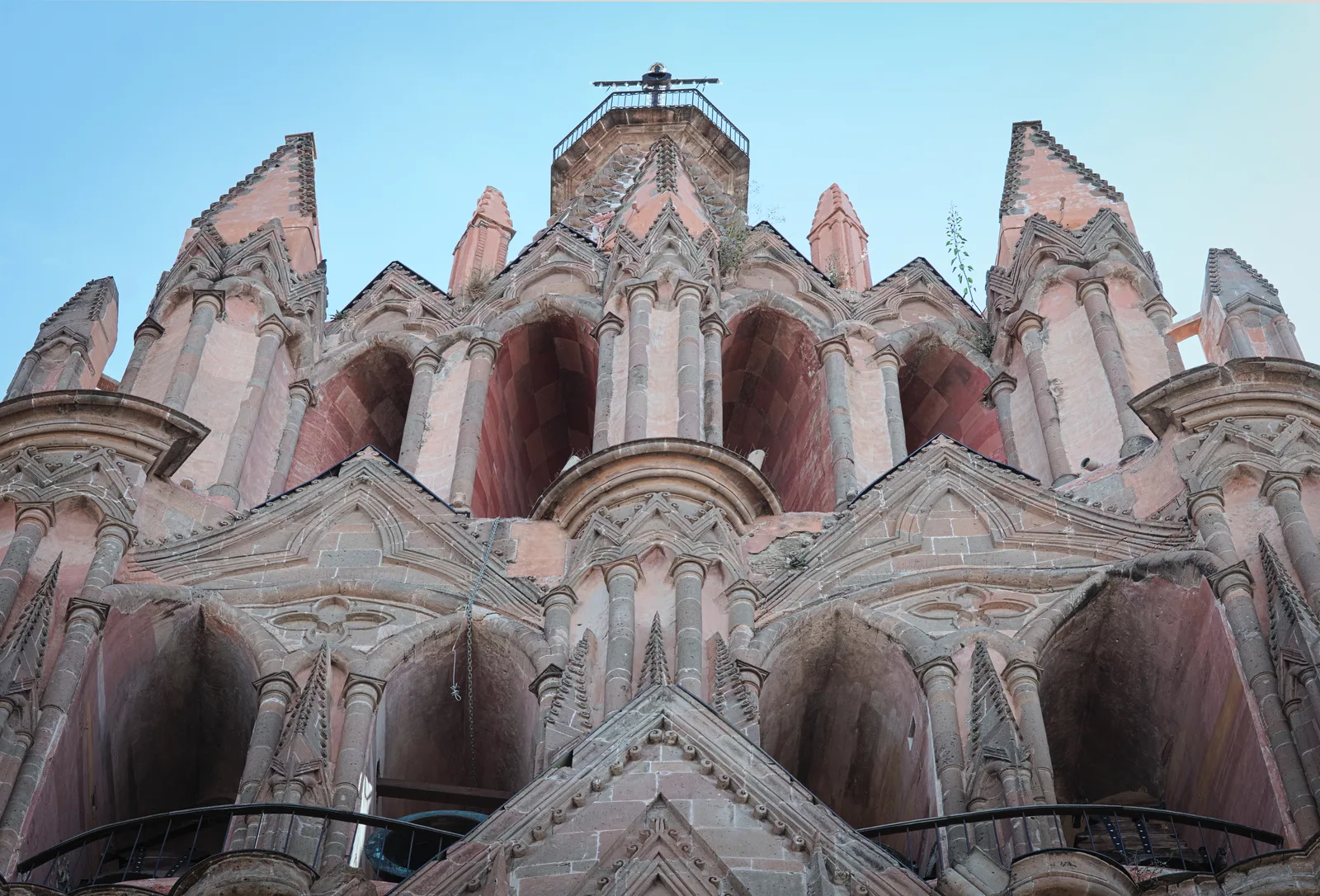
The Jardín Principal and Parroquia de San Miguel Arcángel make a natural starting point. Use them to orient yourself before heading into neighbouring streets, then return later to see a different pace of public life. A close view of the parish facade reveals details that disappear in a distant skyline photograph.
Treat the church as a place of worship. Follow posted access and photography rules and avoid interrupting services for a better picture. Around the square, plan breaks rather than turning the walk into a continuous search for viewpoints. A central room can make it easier to return for a rest, but check potential noise from public activity before booking if quiet evenings matter. Ask about the actual room position, not just the property’s address.
Give Casa de Allende a considered visit
The Museo Histórico Casa de Allende occupies the former family home of Ignacio Allende. Its recreated domestic spaces and displays connect the independence leader with life in an affluent household and the earlier town of San Miguel el Grande. It offers a more grounded historical introduction than reading a succession of brief plaques outdoors.
INAH’s current Spanish visitor page lists MXN80 for national visitors and MXN145 for foreign visitors. Its Spanish and English pages disagree about Tuesday opening; both list Wednesday–Saturday, 9am–5pm. Confirm directly if Tuesday is your only opportunity. Do not infer Sunday opening from a generic free-admission badge. The address is Cuna de Allende 1, Centro. Check concession eligibility and documentation rather than assuming a discount applies to every visitor of a particular age.
Explore El Nigromante as an arts institution
The Centro Cultural Ignacio Ramírez “El Nigromante” connects San Miguel’s architectural and artistic histories. INBAL’s account traces the building from the Concepción convent through later educational uses to its development as a cultural centre. David Alfaro Siqueiros’s unfinished mural experiment is one part of that story.
Use the institution’s current programme to choose a visit rather than assuming a class, concert or exhibition will be running every day. Courses are not necessarily drop-in visitor activities. The venue is on Hernández Macías in Centro, making it a useful element of an urban walking day. Give the building and any accessible exhibitions time of their own; it need not be squeezed between a rushed lunch and a distant excursion simply because the map looks compact.
Make time for Fábrica La Aurora
Fábrica La Aurora’s visitor information gives gallery and shop hours of 10am–6pm, with Sunday closing at 5pm; individual premises may vary. Its Calzada de la Aurora location offers a different kind of cultural outing from the churches and museums around the central square. Browse at a pace that allows you to notice individual artists and approaches.
The operator describes a walk north from the Jardín, but use your own mobility and the conditions to judge the journey. Restaurant hours differ from gallery hours, so check a particular venue if a meal is part of the plan. For an art purchase, ask about the artist, price, packing, shipping and any documentation before paying. A gallery visit can be worthwhile without a purchase or a promise that an artist will be present.
Take the landscape seriously at El Charco del Ingenio
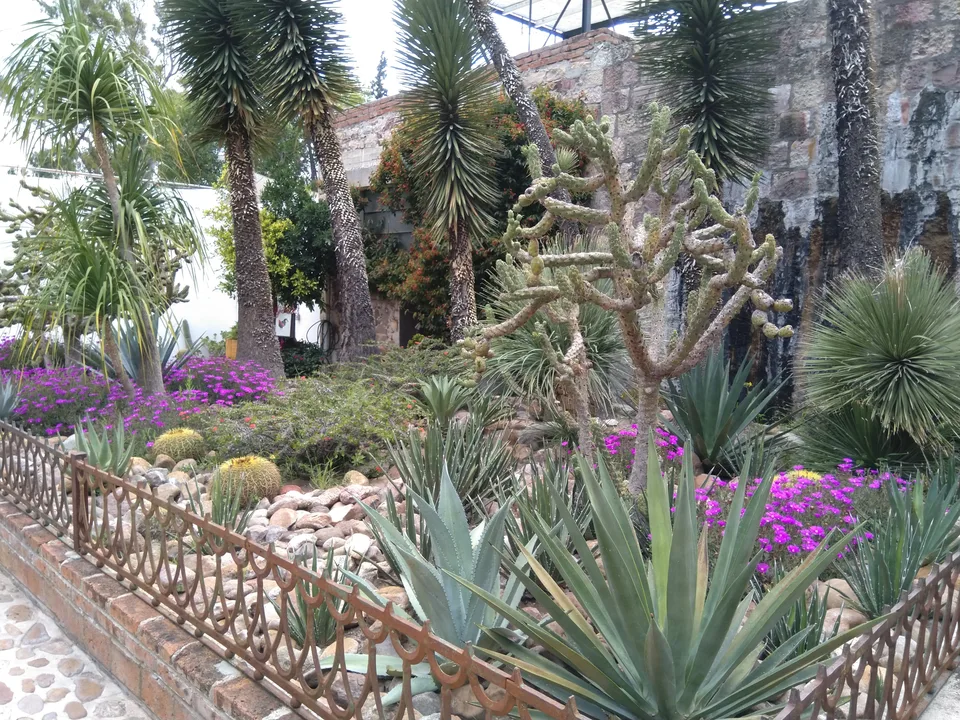
El Charco del Ingenio is a botanical garden and conservation landscape, with a canyon, water and plant communities that make a useful counterpoint to the built centre. Its operator’s visitor information lists daily opening from 9am–5pm and general admission of MXN100. Confirm current concessions and organised activities separately.
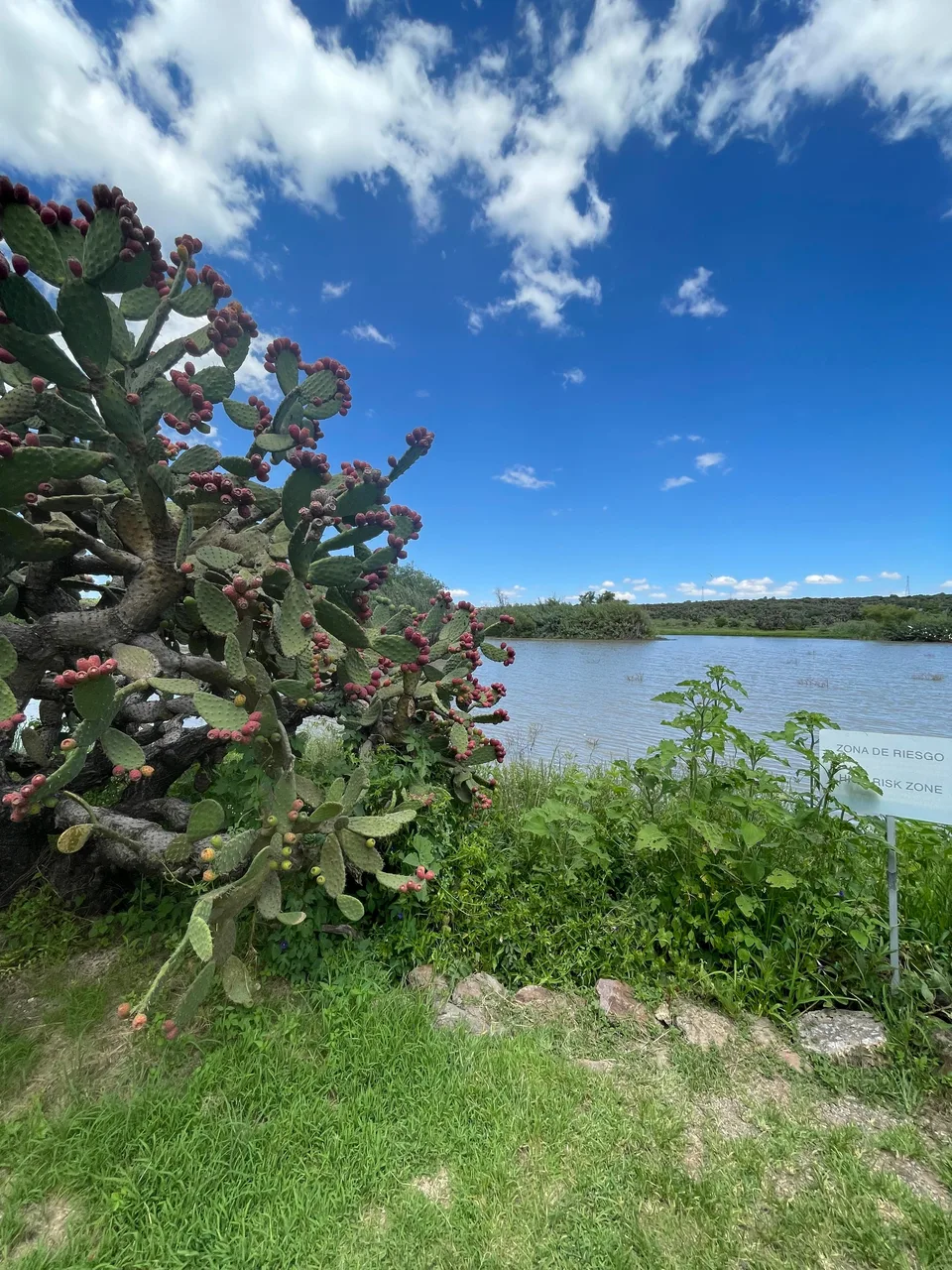
Wear footwear suited to an outdoor walk, carry water and allow for exposure rather than expecting the shelter of a city museum. Stay on authorised paths and respect the conservation purpose of the site. A photograph beside the reservoir shows only one part of the landscape. If you want a guided activity, reserve the actual programme and date; the existence of past birdwatching or natural-history sessions does not establish availability during your stay.
Visit Atotonilco as a separate excursion
The Sanctuary of Jesús Nazareno de Atotonilco deserves time beyond a hurried stop on the way elsewhere. Its painted interiors and devotional art explain why it forms part of the same World Heritage property as San Miguel. Look for the way painted architectural details create depth across the surfaces.
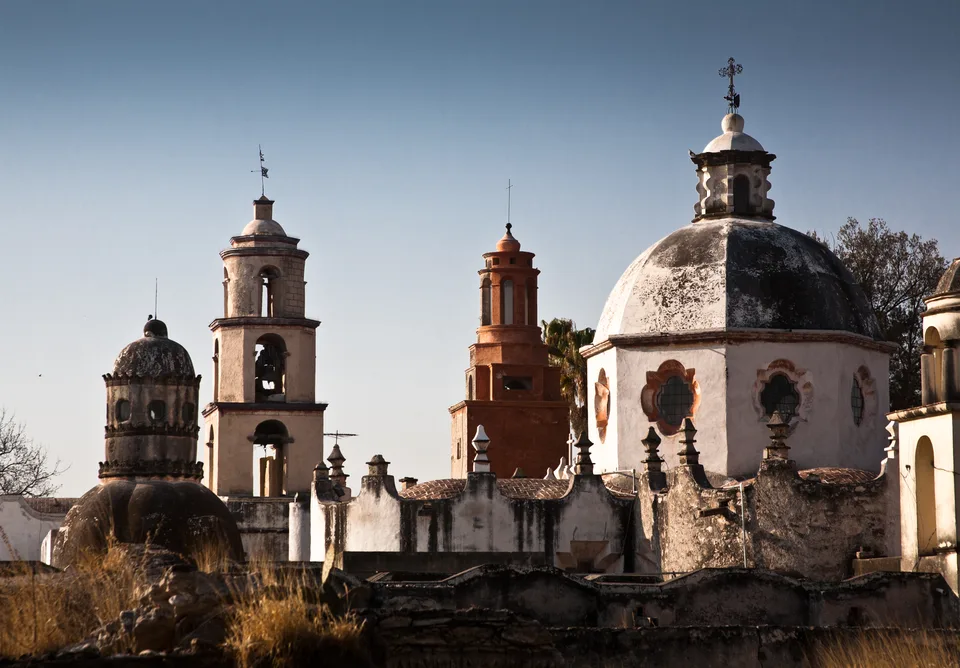
Arrange the outward and return journey before leaving the city. Check which spaces are open to visitors and how worship affects access; general opening information is not a guarantee that every chapel is available. Dress and behave appropriately for a religious site. A historical photograph of its domes does not imply that visitors can climb onto the roofs. If art and religious history interest you, keep the visit focused instead of combining it with every possible attraction along the road.
Check Cañada de la Virgen’s newer arrangements
Cañada de la Virgen adds an archaeological perspective, but it needs more planning than an independent city walk. INAH’s May 2026 reopening notice supersedes older information that visitors may still encounter. It announced provisional Thursday–Sunday operation, with guided departures at set times, and charges of MXN100 for adults and MXN25 for children.
Confirm the current arrangements before booking transport: the notice’s schedule was explicitly temporary. Ask where to report, how the visit is organised and what the price includes. Do not arrive near closing time expecting unrestricted access. Keep water, sun protection and appropriate footwear available, and establish whether the route suits everyone in your group. Reserve a substantial part of the day rather than treating the site as a quick addition between gallery appointments.
Use Parque Juárez for a quieter interval
Parque Juárez offers another way to experience the city, with paths, planting and spaces for a less demanding outing. The state tourism account describes its development from former orchards and its continuing recreational role. It is useful when the group needs a pause from browsing shops or reading museum labels.
Choose a visit around your own pace, and check the current programme before expecting a market, exhibition or festival. For prospective residents, consider the ordinary journey between a possible home and the park. A pleasant public space is more useful when you can reach it comfortably during a normal week. For a holiday, it can fit into a day centred on the streets south of the Jardín without committing to another vehicle excursion.
Choose an area by the routes you will repeat
Centro suits a visit focused on the Jardín, Casa de Allende, religious architecture and nearby cultural stops. The corridor towards Calzada de la Aurora is relevant if gallery visits are a priority, while the streets around Parque Juárez offer a different reference point for choosing a base. Compare the precise property and route, rather than treating a neighbourhood name as a guarantee of convenience.
Walk the approach before committing to a long stay. Check changes in level, the entrance, luggage access and the final journey home after dinner. Ask where a vehicle can actually stop. A short distance on a map does not establish an easy walk for every traveller. For relocation, the regular route to work, school or essential appointments should carry more weight than a view seen occasionally from a terrace.
Compare accommodation beyond the nightly rate
San Miguel’s accommodation includes boutique properties, larger hotels and rentals for longer visits. Match the type to your needs: staff assistance and serviced facilities may matter for a short trip, while laundry and a workable kitchen can matter more over several weeks. Confirm the actual facilities and cancellation conditions for the room or unit you are booking.
At the luxury end, Rosewood San Miguel de Allende publishes options from rooms and suites to residences, at Nemesio Diez 11 in Centro. It is one example to compare, not a claim that every budget needs a resort stay. Ask about stairs, parking, heating or cooling, room noise and any additional charges. A rooftop dining venue and a room reservation may have different access or booking conditions.
Compare airports with the onward transfer included
Guanajuato/Bajío airport, BJX, and Querétaro airport, QRO, are options to compare when arranging arrival. Check the complete journey to San Miguel, including landing time, baggage, transfer availability and the final hotel drop-off. Mexico City airport, MEX, may offer a different flight choice but adds a longer onward journey.
For a concrete comparison, BajioGo’s published airport services advertise BJX and QRO transfers at US$34 per person one way, with an approximate journey of ninety minutes; its page also states a minimum of two people. Confirm availability, how that minimum applies, the final fare and your address before relying on the quote. Ask what happens after a flight delay. A published estimate is not a guaranteed transfer time or an unrestricted walk-up bus service.
Use intercity buses from the correct terminal
ETN’s San Miguel route information includes services associated with Mexico City’s Central Norte, Querétaro and other regional cities. Check dated departures and the final fare in the operator’s booking system. A city terminal and an airport are different departure points; allow for any separate connection before comparing the bus with a direct transfer.
Save the departure terminal and San Miguel arrival point, then arrange the last leg to your accommodation. Allow sufficient time between an international arrival and a bus reservation with restrictive change conditions. Promotional journey times and “from” fares are useful prompts to investigate, not a complete plan. Travellers carrying substantial luggage or arriving late may prefer a simpler connection even when it costs more than several separate tickets.
Plan local movement around your actual needs
A city-focused stay can be organised around walking and selected vehicle journeys, while Atotonilco and the archaeological site require separate planning. Ask your accommodation about the current pickup point for a taxi or booked driver, especially if the entrance is on a narrow street. Agree the destination clearly and confirm how the fare will be determined.
For a rental car, compare parking, insurance terms, deposit, licence requirements and the routes you intend to use. A car kept for several days may be less useful than expected if most of your time is spent in the centre. For an excursion, establish waiting time and the return arrangement before departure. Keep a simpler alternative available if weather or access makes the original plan unsuitable.
Include current travel advice in the decision
Tourism popularity is not a substitute for checking current conditions. The US State Department’s Mexico advisory advises reconsidering travel to Guanajuato state and describes security risks and restrictions for US government employees on particular routes. Those employee restrictions are not a general legal ban on visitors, but they are relevant context when assessing journeys.
Read the current advice from your own government and check how it affects insurance. Discuss the intended route and timing with the transport provider rather than assuming all roads to the same destination present identical considerations. Keep valuables discreet, retain useful contact details and use an arrival plan you understand. Avoid claiming that a particular neighbourhood or transfer is completely safe; circumstances can change and individual needs differ.
Eat with a sense of the region
Guanajuato’s enchiladas mineras offer one regional starting point: tortillas with guajillo-chile sauce, cheese and onion, commonly accompanied by potatoes and carrots, with variations that may include chicken. Ask about cooking fat and accompaniments if dietary requirements matter; a cheese filling alone does not establish a vegetarian preparation.
San Miguel-style fiambre is a festive preparation bringing together meats, fruit and vegetables, associated with All Saints’ Day. Treat it as something to ask about in season, not a dish guaranteed on every menu. Balance special-occasion dining with simpler meals, and check portion sizes before ordering several dishes. For shopping, compare ingredients, packing and transport requirements for food gifts as carefully as the price of the box.
Build a budget in pesos, with currency exceptions visible
Start with accommodation, then add arrival and departure transfers, local movement, meals and admissions. Keep any dollar-denominated transfer quote separate until converting the full trip cost. Check the exchange rate and payment currency used by the provider rather than applying a mental conversion to each expense and losing track of the total.
The published museum, garden and archaeological charges provide useful reference points, but confirm the ones you will actually use. Admission categories can differ by nationality, age or documentation. Add the cost of reaching an attraction; an inexpensive ticket can sit inside a much more expensive outing. For art or crafts, decide on a separate shopping allowance and ask about packing and delivery. Retain flexibility for a changed departure or an additional vehicle journey.
Choose dates around weather and the experience you want
Check a forecast close to travel and allow for cooler conditions as well as sun. Municipal rain-season guidance and weather notices show why drainage, wet roads and changing conditions deserve attention. Do not assume that every day of an autumn visit will be dry, or that a comfortable afternoon guarantees a warm evening.
Bring footwear you can walk in, a suitable additional layer and protection for rain when the forecast calls for it. Plan the garden and archaeological outing for appropriate conditions, retaining indoor cultural stops as alternatives. If travelling for a festival, verify the current organiser’s dates before booking: destination websites sometimes retain older event cards. Consider whether you want the atmosphere of a busy celebration or more flexibility for museums, restaurant reservations and quieter streets.
A three-day introduction with room to adjust
Use day one for the Jardín, the Parroquia and a measured walk through Centro. Include Casa de Allende on a confirmed opening day and leave time for a meal. Rather than adding a distant attraction, return to a favourite street or square later and see how it changes.
On day two, combine El Nigromante with Fábrica La Aurora, checking the current programme and individual gallery hours. Parque Juárez can provide a quieter interval on either city day. On day three, choose El Charco del Ingenio or a prearranged Atotonilco excursion according to your interests and the weather. Give Cañada de la Virgen its own reserved outing if it is a priority, extending the stay rather than compressing everything into one day. The sequence is adjustable to opening days and mobility.
Test housing as a household, not a holiday photograph
For a move, rent temporarily while comparing properties in person. Test the approach, daylight, ventilation, water pressure, noise and the condition of appliances. Ask about roof access, stairs and maintenance responsibilities, and establish exactly what the rent includes. Verify the landlord or representative and obtain a written agreement and payment records.
Compare the full monthly cost, including transport, utilities, internet and any services. Ask how repairs are reported and who can authorise urgent work. For a remote-working household, test connectivity at the exact property and understand installation arrangements; an area-wide coverage claim does not establish reliable service inside a particular room. Repeat the journeys you expect to make for groceries, school and healthcare before accepting a long commitment.
Arrange essential services and healthcare deliberately
SAPASMA’s service directory provides the municipal route to water-contract, account-holder and related procedures. Ask how the property’s water service is billed, check the account and record starting readings where relevant. Establish electricity and internet arrangements separately. A landlord’s assurance that “everything is connected” does not explain who pays, what is included or how a fault is resolved.
Check healthcare access before you need it. Hospital MAC San Miguel de Allende publishes local service information, but confirm the required service, insurance arrangements and payment process directly. The existence of a nearby hospital is not a promise of coverage. Families should also settle school places, curriculum, language and transport before choosing a home around an assumed enrolment. Obtain the institution’s actual document requirements in advance.
Separate a visit from work, study and residence
Check entry requirements for your nationality through Mexican consular information. Immigration permission and a visa exemption are different questions. INM’s visitor-entry terms describe a maximum of 180 days for the relevant visitor category, not a guarantee that every arrival receives that period. Follow the permission actually recorded for your entry.
For a longer move, temporary-residence guidance explains the residence route and the requirement to obtain the corresponding INM card within thirty calendar days after entry with a residence visa. A job paid in Mexico can require employer-led authorisation. For recognised studies extending beyond 180 days, consult the student temporary-residence requirements. Do not infer permission to work from tourism admission or treat temporary status as permanent residence. Compare relevant experience and written scope through VisaWand’s consultant directory if you need individual advice.
Compare nearby destinations before extending the itinerary
Use VisaWand’s Mexico country guide for national context and the Mexico country page to browse other destinations. Mexico destination consultant listings serve a separate purpose when you need advisory support. Check the Guanajuato city page and Santiago de Querétaro city page when weighing another urban stop.
An additional city means another transfer and less time in San Miguel. Decide whether it adds something you particularly want rather than building a circuit from nearby names alone. For a first visit, one carefully chosen excursion can be enough. For a possible relocation, spending another ordinary weekday in the same neighbourhood may tell you more than another attraction, especially once you have tested the home, services and journeys that would shape daily life.
Official planning resources
Reviewed 17 October 2026. Use the official resources linked throughout this guide for admission, transport, housing and immigration decisions. Prices, services and rules can change; confirm the details relevant to your dates. Photography illustrates the locations and is not a live view.
View all official resources
- Guanajuato official San Miguel destination
- UNESCO San Miguel and Atotonilco
- Museo Histórico Casa de Allende
- Centro Cultural Ignacio Ramírez El Nigromante
- Fábrica La Aurora directions and hours
- El Charco del Ingenio canyon and visitor information
- Sanctuary of Jesús Nazareno de Atotonilco
- INAH Cañada de la Virgen reopening notice
- Parque Juárez
- Rosewood San Miguel de Allende
- BajioGo airport transfers
- ETN San Miguel routes
- US State Department Mexico travel advisory
- Guanajuato enchiladas mineras
- San Miguel-style fiambre
- Municipal rainy season preparation
- Municipal rain and cool weather notice
- SAPASMA water contracts and services
- Hospital MAC San Miguel de Allende
- Mexican consular visa information
- INM visitor entry terms
- Mexican temporary residence consular guidance
- Mexican student temporary residence
Plan the next part of your journey
Explore the Mexico guide, browse other cities or compare consultants for your travel and relocation questions.