Visa
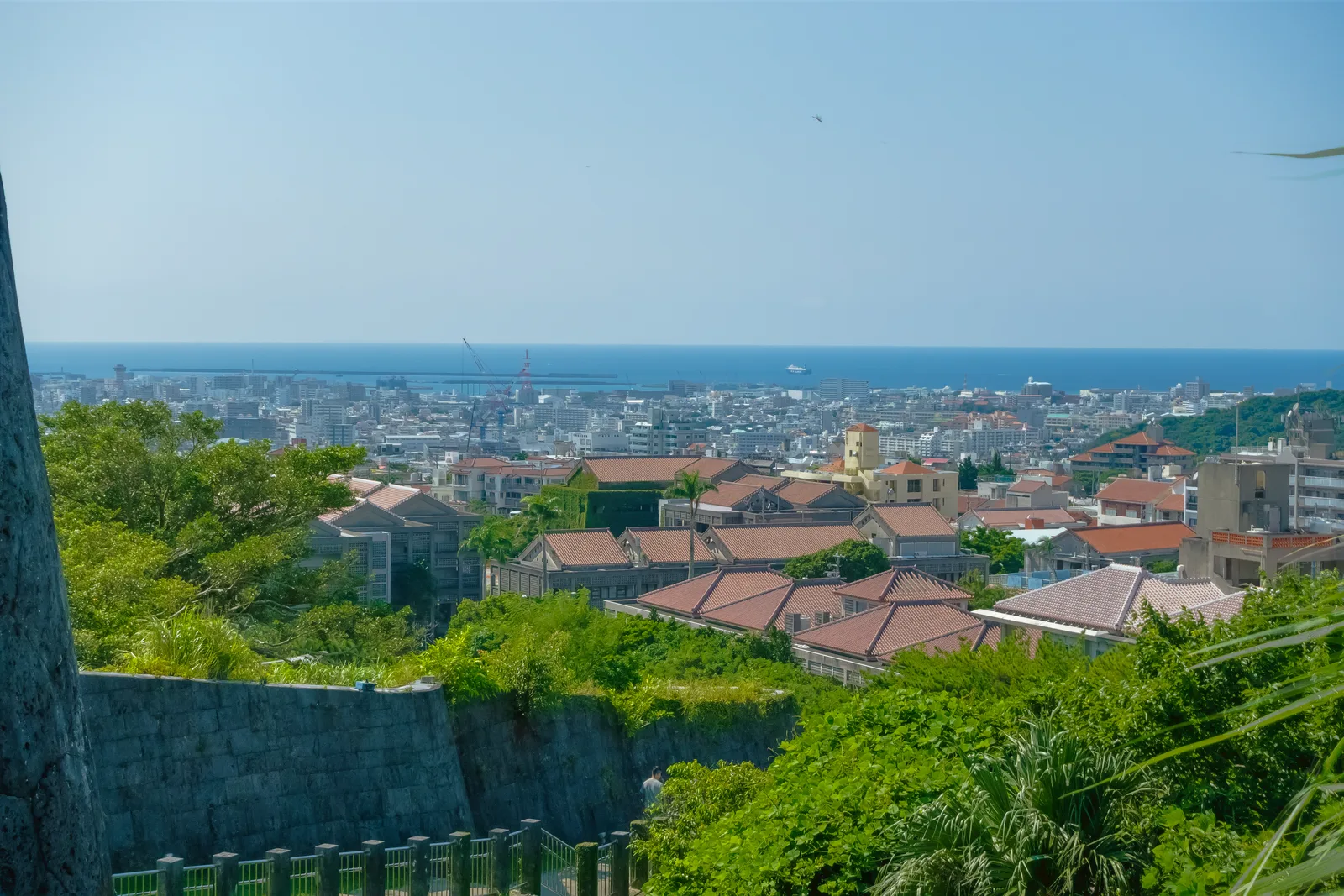
Naha rewards a city stay of its own
Naha makes its strongest impression when you give it time between airport arrivals and island departures. A morning can move from a former royal capital to pottery workshops; an evening can unfold along a busy shopping street and its covered market lanes. Okinawa’s prefectural capital brings those experiences close together, with a monorail that makes a short stay manageable without hiring a car.
Choose Naha for history, food, shopping and practical connections. If your overriding ambition is to spend every morning beside a secluded swimming beach, compare a coastal resort or an island stay before booking. For someone considering a move, the useful question is different again: whether the neighbourhood, transport and household arrangements work on an ordinary weekday.
Understand the geography before choosing a base
Naha is on Okinawa’s main island, in Japan’s southwestern island chain. Shuri, the former royal capital, is part of today’s city. Okinawa Prefecture, Okinawa Island and Okinawa City describe different places; a hotel advertised simply as “Okinawa” may be far from your intended Naha evenings. Use the VisaWand Japan location directory to orient your wider search, checking each address separately.
The monorail provides a useful first sketch of the city: airport, Asahibashi, Kencho-mae, Miebashi, Makishi, Omoromachi and Shuri. However, proximity on that line does not mean an attraction sits beside its station. Plot the final walk with luggage, summer heat or limited mobility in mind. For itineraries elsewhere in the country, consult the Japan country guide.
Read the royal past alongside modern Naha
Ryukyu’s heritage reflects centuries of exchanges with China, Korea, Japan and Southeast Asia. The UNESCO description of the Gusuku sites explains a serial World Heritage property with nine components across Okinawa Island. These include Shuri’s archaeological site, sacred monuments and cultural landscapes; the designation should not be confused with a guarantee that every building visitors see is original.
War damage and reconstruction are central to understanding these places. Naha’s public market offers another perspective: its operator traces the institution to a postwar informal market, formal establishment in 1950 and subsequent rebuilding. The market’s own history records its return to the original site in a new building in March 2023. Contemporary Naha is part of this story, rather than merely the space between older monuments.
Plan Shuri Castle around the November reopening
Shuri Castle requires unusually careful planning in late 2026. Following the 2019 fire, the reconstructed main hall’s public opening is scheduled for noon on 23 November 2026. The official completion programme gives the opening arrangements. Until then, do not plan an itinerary around entering the completed main hall.
The park’s current admission notice sets adult admission at ¥400 through 21 November. The entire park closes on 22 November and on the morning of 23 November. These dates matter even if you only want to explore the grounds. A hotel reservation near Shuri cannot overcome the closure; put another district on those days and revisit the operator’s notice before departure.
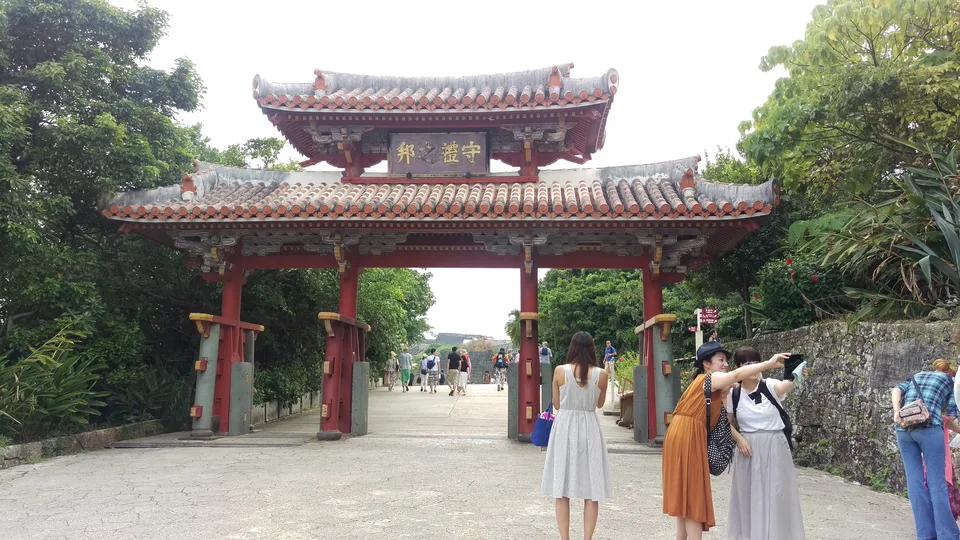
Reserve the main hall rather than assuming walk-in entry
From 23 November, adult paid-area admission becomes ¥1,000. Entering the main hall requires a timed reservation; an exterior-only paid-area ticket does not include its interior, despite costing the same. Same-day reservations depend on remaining capacity. Follow the castle’s official ticket and reservation instructions (source unavailable) before building other bookings around your visit.
The operator recommends allowing 40–50 minutes between arriving at Shuri Station and the reservation time. It suggests roughly 90–120 minutes for the overall visit from Suimuikan, depending on conditions. Give yourself additional room for photographs and breaks rather than treating that estimate as a deadline. For groups, agree a meeting point before spreading out: the reservation applies to a particular entry time, not simply to that day.
Walk Tsuboya for pottery, with the museum closure in mind
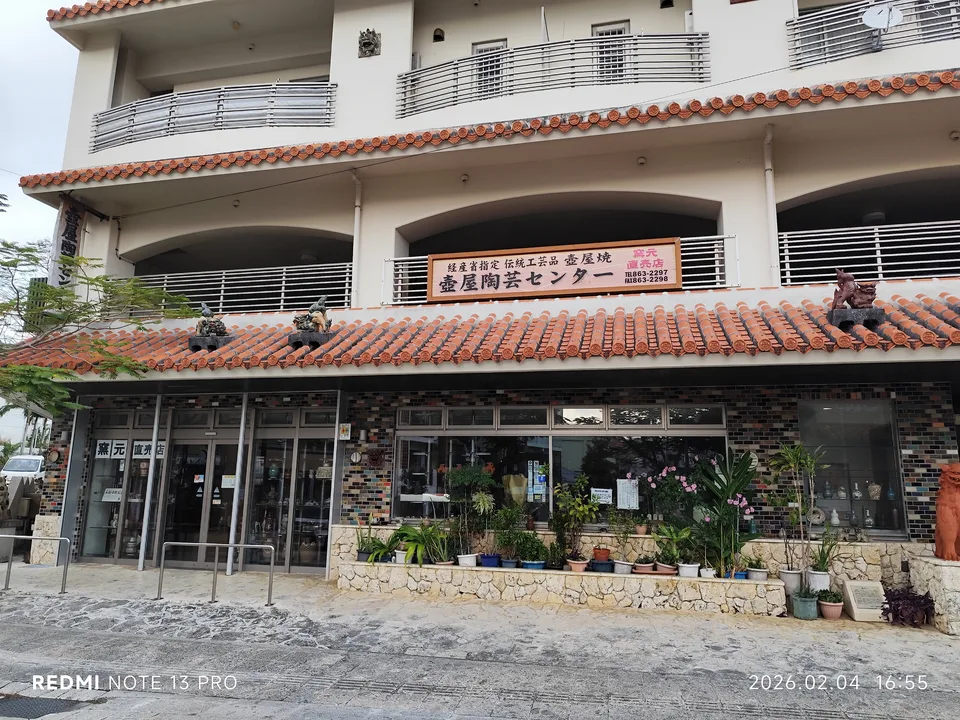
Tsuboya’s Yachimun-dori brings pottery shops, cafés and workshops into a compact district. The Naha tourism board’s pottery-street introduction is a useful starting point for understanding the neighbourhood. Browse slowly enough to compare everyday cups and bowls with decorative pieces. Ask who made an item and whether it is suitable for the use you have in mind.
The city’s museum renovation notice says Tsuboya Pottery Museum is closed from 1 September 2026 through 31 March 2027, with reopening planned for 1 April. Keep the street walk, but remove the museum interior from a current itinerary. If you want a hands-on workshop, confirm the language, duration, firing and delivery arrangements directly; making pottery and taking a finished piece home immediately are different expectations.
Explore Kokusai-dori and the lanes beyond it
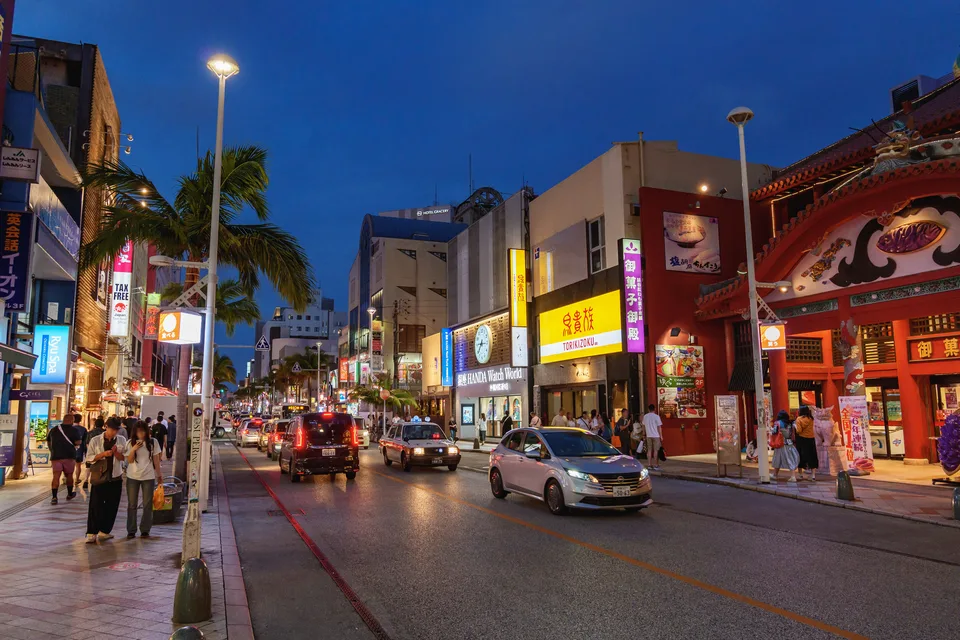
Kokusai-dori is the city’s principal shopping and entertainment street. Its appeal includes the contrast between the main road and the covered lanes leading away from it. The Japan National Tourism Organization’s Naha overview provides broader orientation, although current castle arrangements should always come from the park operator.
An effective approach is to browse the main street once, then spend more time in the adjoining market area. Keep a note of your station and hotel address before turning down side streets. For accommodation, inspect the precise building rather than assuming every address nearby has identical noise levels. Shops, bars, loading activity and your room’s position can matter more than a neighbourhood label. A quieter room may be more useful than a view of the action.
Eat at Makishi Public Market with a clear total price
The Makishi Public Market visitor information lists building hours of 08:00–22:00, with individual shops varying. It closes on the fourth Sunday of the month except December; holiday arrangements also vary. Arrive for an actual meal rather than assuming every stall will be serving near closing time.
Its carry-up system lets you buy suitable ingredients downstairs and have them cooked at a participating upstairs restaurant. The operator’s guide to having ingredients prepared makes the payments clear: ingredients are paid for at the seller, cooking separately at the restaurant, and preparation prices vary. Ask for both totals before committing, including the quantity and intended dishes. A seafood display is an invitation to ask questions, not a published fixed-price set menu.
Try Okinawa soba and explain dietary needs precisely
Okinawa soba is an accessible introduction to regional cooking. Japan’s agriculture ministry describes wheat noodles served with pork or bonito-based broth, often with pork and fish cake. Despite the name, the noodles are made without buckwheat flour in the traditional preparation described. That does not establish an individual kitchen’s allergen controls.
People avoiding wheat, fish, meat or alcohol should ask about the complete dish, including stock, toppings and condiments. Bring a written explanation in Japanese if a restriction is important. Choose restaurants by a menu you can understand and a preparation the staff can explain. For a short visit, alternate a planned regional meal with simpler meals near your accommodation; there is no need to turn every stop into a dining expedition.
Use the prefectural museum for a substantial indoor visit
In Omoromachi, the Okinawa Prefectural Museum and Art Museum provides an indoor alternative when rain makes a long street walk unattractive. Its permanent museum exhibition explores island life, and free audio guides are available in several languages, including English. Allow time to listen and read, rather than adding it as a brief shelter between shopping stops.
The current museum admission page lists ¥530 for an adult museum permanent-exhibition ticket and ¥400 for the art collection exhibition. Special arrangements can differ. Normal closing is 18:00, extended to 20:00 on Fridays and Saturdays, with last entry 30 minutes earlier. Monday closures have holiday exceptions. Check the calendar before assigning this as your rainy-day fallback; severe weather can also close an indoor attraction.
Combine Fukushuen with the western side of town
Fukushuen offers a garden visit in Kume that can fit a shorter day without requiring a trip across the island. The garden operator’s admission page lists adult entry at ¥200 during the 09:00–18:00 daytime session and ¥300 during the 18:00–21:00 evening session. Check current opening arrangements when choosing between the two.
Treat the garden as an opportunity to slow down. Photographing a sequence of views, sitting briefly and noticing the layout can make better use of the visit than rushing toward another ticketed attraction. If you combine it with the coast, check walking distances and the return route first. A pleasant garden visit and a beach afternoon still depend on different conditions, particularly when swimming is the aim.
Keep Naminoue Beach expectations realistic
Naminoue provides a city beach option, but its swimming calendar is limited. The beach operator’s English rules permit swimming from April through October: 09:00–18:00 in April–June and September–October, and until 19:00 in July–August. Swimming is not permitted from November through March. Follow staff instructions and remain within the designated swimming area.
Do not assume that bringing snorkelling equipment means you may use it freely: the operator restricts privately brought marine-activity equipment and directs visitors to contact management. Plan a short beach visit around the posted conditions rather than making a paid excursion depend on an unconfirmed swim. Families should establish supervision arrangements before anyone enters the water, and keep a dry activity available if conditions change.
Choose accommodation by the trip you actually want
For a first city break, compare addresses near Kencho-mae, Makishi and Miebashi against your own map of meals and attractions. Asahibashi is worth considering if your plans include the bus terminal; Omoromachi may suit a museum-focused stay. Shuri deserves consideration when that district is your priority, with the additional station-to-castle journey built into your calculations.
Compare the complete booking rather than the advertised nightly figure: room size, bed configuration, breakfast, cancellation terms, laundry and luggage storage. For families, confirm whether the room accepts the actual number and ages of children. For a longer exploratory stay, a washing machine and usable workspace can be more valuable than decorative facilities. Ask about those essentials before paying a non-refundable rate.
Arrive through Naha Airport without unnecessary transfers
The airport’s official information directs passengers to the monorail station through the passage from the domestic area’s second floor. Follow terminal signs after arrival and allow for the walk from your particular gate or baggage reclaim area. Your ticketed train ride is only one component of the transfer.
The rail operator’s airport fare table lists adult single fares of ¥290 to Kencho-mae, taking about 13 minutes, and ¥320 to Makishi or Omoromachi, taking about 16 or 19 minutes respectively. Add the final walk to the hotel. If you are arriving late, check the actual last service and your accommodation’s check-in deadline together. Arrange an alternative before travelling if those times leave little margin.
Decide when a monorail pass or car helps
Yui Rail’s adult one-day pass costs ¥1,000 and lasts 24 hours from purchase; the ¥1,800 two-day pass lasts 48 hours. The official ticket guide explains the rolling validity. Compare your intended rides with single tickets before buying, and purchase when you are ready to use it. The pass does not cover island ferries or ordinary bus journeys.
A city-focused stay can be organised around walking and monorail trips. Add a car when your wider island plans justify it, after checking parking at both accommodation and attractions. Price rental charges, fuel, parking and the time needed to collect and return the vehicle together. Travellers who cannot drive should compare actual bus schedules or organised excursions before choosing a distant hotel on the strength of its room rate.
Build a budget from bookings and specific activities
Naha’s reliable budget anchors are individual transport fares and attraction tickets, rather than a universal daily spending figure. Put your actual room quote first, then add the journeys, admissions and meals you intend to buy. Market cooking, workshops and island excursions deserve separate lines because they can change the total substantially.
For shopping, compare provenance, practicality and packing requirements alongside price. Pottery can be awkward to carry; ask about protective wrapping and shipping before buying a large piece. Keep receipts and confirm any tax-free conditions directly with the retailer. If a holiday falls within your dates, compare several refundable accommodation options early. An apparent saving loses its value if the location creates repeated journeys or the room cannot accommodate your party comfortably.
Match the season to walking, swimming and flexibility
The Japan Meteorological Agency’s Naha climate normals show January ten-day mean temperatures of roughly 17°C, compared with about 29°C in July and August. These are long-term averages, not forecasts. Winter can suit a sightseeing visit, while a summer walking itinerary needs shorter outdoor stretches, shade and regular breaks.
Okinawa’s official visitor FAQ places the usual rainy season between early May and late June. Exact dates vary. Choose spring or autumn for an itinerary led by walking, while checking the swimming calendar separately. Pack for the activities and forecast rather than treating the island’s subtropical label as a promise of uninterrupted beach weather. Keep at least one museum or other confirmed indoor option available during a longer stay.
Leave room for typhoons and transport disruption
The official Okinawa typhoon precautions explain that storms can cancel flights and ship services. A ferry excursion therefore needs more flexibility than an ordinary city walk. Check operator announcements before leaving the hotel, and avoid making a return from an offshore island the only possible connection to a valuable flight.
For accommodation, ask how weather-related changes are handled before making separate non-refundable reservations. Carry the contact details for your hotel and transport operator in a form you can access without relying on a single internet connection. During an actual warning, follow local instructions instead of searching for an attraction that remains open. Changing a day’s plans early is easier than solving several broken connections at once.
A realistic three-day introduction
Day one: settle into your hotel, walk Kokusai-dori and explore the market lanes. Make Makishi Public Market a lunch or early dinner stop, after checking its closure day. Keep the first evening flexible if your arrival involves a long flight.
Day two: give Shuri the morning or your reserved main-hall slot, subject to the November closure and reopening arrangements. Return for Tsuboya’s pottery shops, leaving time to browse rather than trying to fit the closed pottery museum into the route.
Day three: visit the prefectural museum, or combine Fukushuen with a shorter western-city outing. Use a beach stop only within the swimming season and suitable conditions. With just two days, choose between these options rather than accelerating all three into an exhausting checklist.
Consider the Kerama Islands as a separate commitment
For an island extension, the Zamami Village Tourism Association’s transport guide distinguishes the fast Queen Zamami from the conventional Ferry Zamami 3. Both leave from Tomari Port, using different boarding locations. Published journey estimates are approximately 50–70 minutes for the fast boat, and around two hours to Zamami on the conventional ferry.
Confirm the correct sailing, terminal, fare and return arrangements directly before departure. A slower crossing changes how much time remains ashore, while a later return leaves less recovery time if plans change. Staying overnight can make sense when the island itself is the priority. Compare that with a Naha city day rather than assuming every island outing is an effortless addition to a tightly booked schedule.
Choose a longer stay or a different cultural stop
An extra day in Naha need not become another long transfer. Shikinaen, a former royal retreat, offers a different setting from the castle and belongs to the same UNESCO heritage property. JNTO describes its pond, islands, bridges and royal buildings. Check the current municipal visiting arrangements before travelling there, particularly if it is the main reason for extending your stay.
If Naha is one stop in a larger Japan trip, compare what each additional destination contributes. The VisaWand Kyoto city guide can help you plan a mainland cultural stay with a different set of transport and accommodation decisions. Adding another city also means another transfer, another check-in and less uninterrupted time in Okinawa. On a short holiday, spending the extra night in one place can be more rewarding than collecting another arrival.
For people assessing Naha as a possible home, use an additional day for the tasks that sightseeing tends to hide. Walk from a prospective apartment to the supermarket, locate the relevant municipal counter and test your return journey after an evening out. Write down the unresolved questions before leaving, so a memorable holiday does not become the only evidence behind a moving decision.
Assess housing and commuting before a move
For relocation, start with the workplace or school address and test the actual journey at the times you would travel. A convenient holiday base may be unsuitable for an everyday commute elsewhere on the island. Include the walk, connections and parking arrangements in the comparison, then repeat it for grocery shopping and essential appointments.
Use the government’s English apartment-search guide to understand applications, guarantors and potential charges such as deposits, key money, agency fees and insurance. Request a written total for the particular property. Inspect air-conditioning, signs of moisture, storage and space for appliances. Confirm what is supplied and who arranges electricity, gas, water and internet. Keep a separate reserve for setting up the household rather than spending the whole moving budget on the first rental payment.
Find local help for everyday administration
Naha’s Consultation Center for Foreign Residents can explain municipal correspondence and help direct residents to relevant city departments. English assistance is normally available on weekdays, 09:00–17:00 with a noon–13:00 break, but the city recommends confirming interpreter availability. It does not handle private rental or mobile-phone contracts for you.
Before moving, identify your route for healthcare, insurance questions, childcare or school enquiries and local waste instructions. Ask the landlord for the building’s collection arrangements and the responsible utility providers. Keep copies of important documents accessible while moving between temporary and permanent accommodation. For language support outside municipal procedures, establish who will help and what that service costs rather than assuming every everyday transaction can be completed in English.
Separate visiting, employment, study and permanent residence
Entry rules depend on nationality and circumstances. Check the Ministry of Foreign Affairs visa-exemption conditions before treating a holiday as visa-free. A short sightseeing visit does not itself authorise taking local employment. For a job offer, consult the relevant official working-visa requirements; for enrolment, check the student-visa guidance with your institution.
The official long-stay visa overview is a starting point for identifying the appropriate category. Permanent residence requires its own assessment and cannot be inferred from renting a home or enjoying an extended stay. Use the VisaWand Japan destination page for wider planning and the consultant listings if you want professional assistance, checking the adviser’s relevant credentials and scope before engagement. Resolve your lawful basis for living in Japan before committing to a long lease.
Official planning resources
Reviewed 16 October 2026. Use the official resources linked throughout this guide for admission, transport, housing and immigration decisions. Prices, services and rules can change; confirm the details relevant to your dates. Photography illustrates the locations and is not a live view.
View all official resources
- UNESCO: Gusuku sites and Ryukyu Kingdom heritage
- Makishi Public Market: history
- Official Shuri Castle Main Hall completion programme
- Shuri Castle: admission and temporary closures
- Shuri Castle: main hall reservation guide (source unavailable)
- Naha tourism: Tsuboya Pottery Street
- Naha City: Tsuboya Pottery Museum renovation closure
- Japan National Tourism Organization: Naha and the main island
- Makishi Public Market: visitor information
- Makishi Public Market: having ingredients cooked
- Ministry of Agriculture, Forestry and Fisheries: Okinawa soba
- Okinawa Prefectural Museum and Art Museum
- Okinawa Prefectural Museum and Art Museum: hours and fees
- Fukushuen: access and admission
- Naminoue Beach: swimming hours and rules
- Naha Airport: passenger information
- Yui Rail: Naha Airport fares and journey times
- Yui Rail: tickets and passes
- Japan Meteorological Agency: Naha climate normals
- Official Okinawa travel FAQ
- Official Okinawa travel guide: typhoon precautions
- Zamami Village Tourism Association: transport
- Naha City: Shikinaen Royal Garden
- Ministry of Land, Infrastructure, Transport and Tourism: English apartment-search guide
- Naha City: Consultation Center for Foreign Residents
- Japan foreign ministry: short-stay visa exemptions
- Japan foreign ministry: working visas and Certificates of Eligibility
- Japan foreign ministry: student visa
- Japan foreign ministry: work and long-term visas
Plan the next part of your journey
Explore the Japan guide, browse other cities or compare consultants for your travel and relocation questions.