Visa
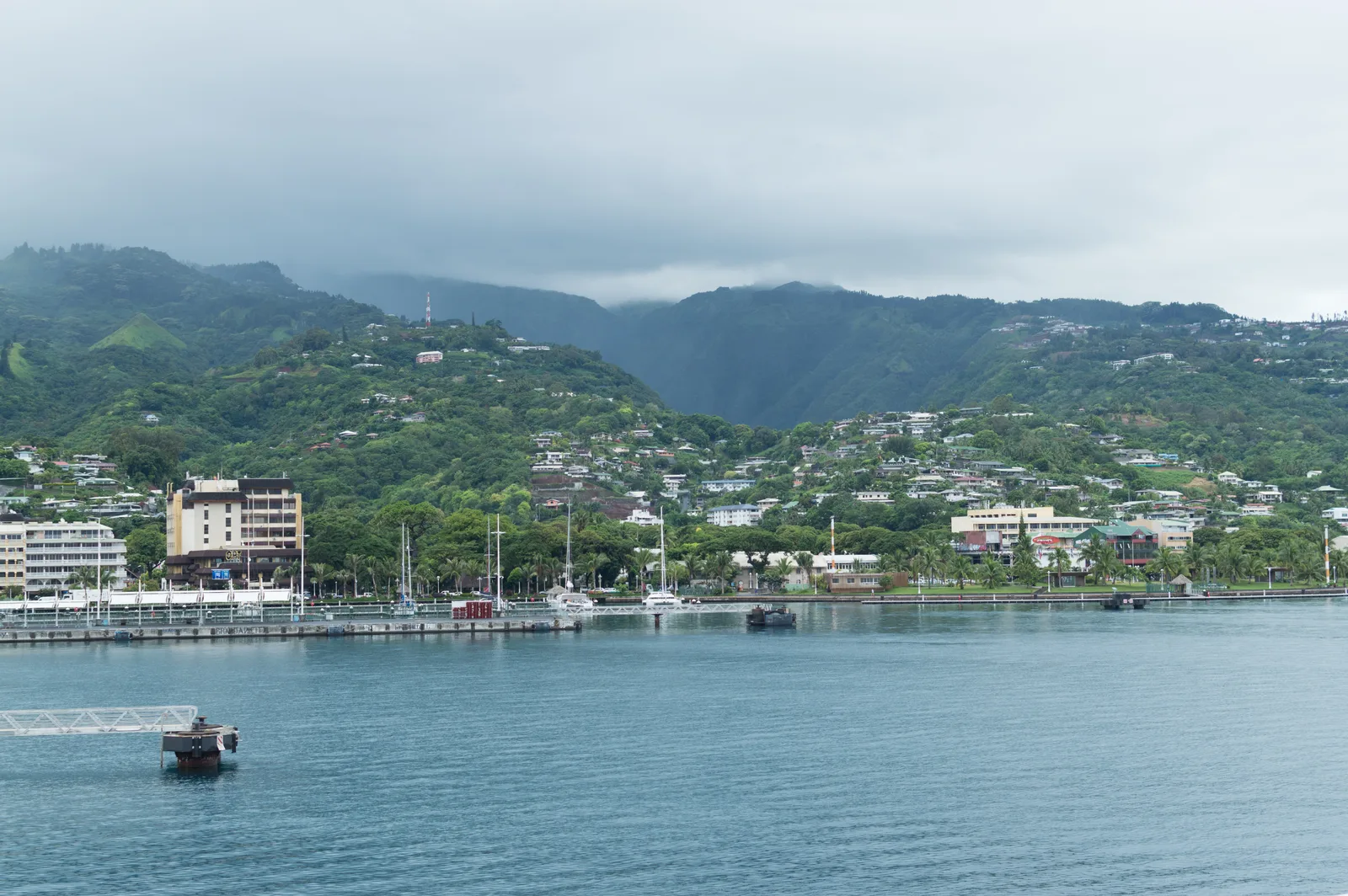
Papeete is worth more than a night between flights
Papeete introduces a side of Tahiti that a lagoon resort cannot: a working harbour, an early market, public gardens and streets where administrative business shares space with food stalls and contemporary art. It suits travellers who want to understand how the island works, and people who need a practical base before exploring elsewhere. Choose it for urban convenience and cultural encounters rather than expecting a beach outside every hotel.
For a possible move, the question is more specific. A central address may put daily errands within reach, but the workplace, school or university could be in another commune. This guide, researched on 17 October 2026, separates those choices. VisaWand’s French Polynesia location directory and French Polynesia destination page provide wider context; the official links below help resolve transport, visitor access and immigration details.
Read the city through its harbour and history
Papeete is on Tahiti, in French Polynesia’s Society Islands. The municipality is smaller than the continuous urban area that visitors often mean when they say “Papeete”. Faa’a, Pirae and Punaauia have their own identities and administrations. That distinction matters when choosing a room, locating a service or comparing a population figure with something described as Greater Papeete.
The municipality’s history traces the settlement’s growth through the harbour, missionary activity and the Pōmare monarchy. William Crook established his mission here in 1818; the city’s later political development involved the French protectorate and conflict, rather than a simple story of peaceful European arrival. Queen Pōmare IV established her official residence in Papeete in 1847. The commune was created in 1890.
The same account records the destructive cyclone of 1906 and bombardment in 1914. Papeete’s present fabric should therefore be read as a city repeatedly reshaped, not an intact historical stage set. Its market, religious buildings, institutions and waterfront tell different parts of that story. A short visit becomes more rewarding when those relationships replace a checklist of isolated landmarks.
Choose a base by the journey you actually need
The market and cathedral form useful anchors for the centre. The harbour and ferry area matter for travellers connecting to Moorea; the Paofai waterfront offers gardens and cultural venues farther along the urban shore. These are practical groupings, not promises that every hotel entrance is equally convenient or that a waterfront address comes with a swimming beach.
Look beyond the centre if your priorities point elsewhere. Faa’a matters for the airport, Pirae for services including the hospital, and Punaauia for the university and trips along Tahiti’s west coast. Use the actual map location rather than the hotel’s broad destination label. An address advertised for a Tahiti holiday may require transport for an evening in central Papeete.
For hillside accommodation, ask about the final approach as well as the view. Check gradients, pedestrian access, parking and whether a bus stop is realistically usable with luggage. Someone happy to drive on holiday may make a different choice from a student who needs to repeat the journey several times a week.
Give the municipal market an early morning
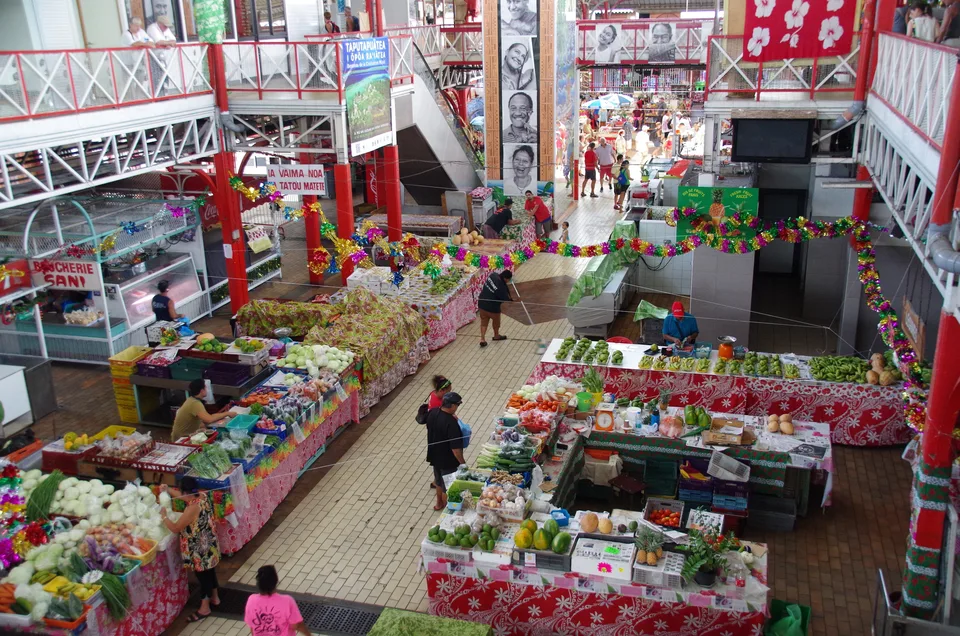
Mapuru a Paraita is a food market as well as a place to browse crafts. The city’s market page describes fish, meat, produce, flowers and a mezzanine devoted to handicrafts. Its central location and early rhythm make it a good first stop before the rest of the day becomes busy. Look at the ordinary shopping alongside the items intended for visitors.
The municipality publishes opening from 5.30am to 4pm Monday to Friday, until 1pm Saturday, and 4.30am to 10am Sunday. Individual stalls and holiday arrangements can differ. Sunday is an early visit, not an activity to save for after a leisurely hotel breakfast. Confirm the arrangements again if a particular purchase or food stall is important to your plan.
Allow time to compare material, workmanship and provenance before buying a pareo or craft object. Ask before photographing a trader or their stall. If you are staying in an apartment, buy only what you can refrigerate, prepare and use. A market breakfast and a few household groceries offer different insights from an hour spent looking exclusively at souvenirs.
See Notre-Dame and the city’s contemporary artwork
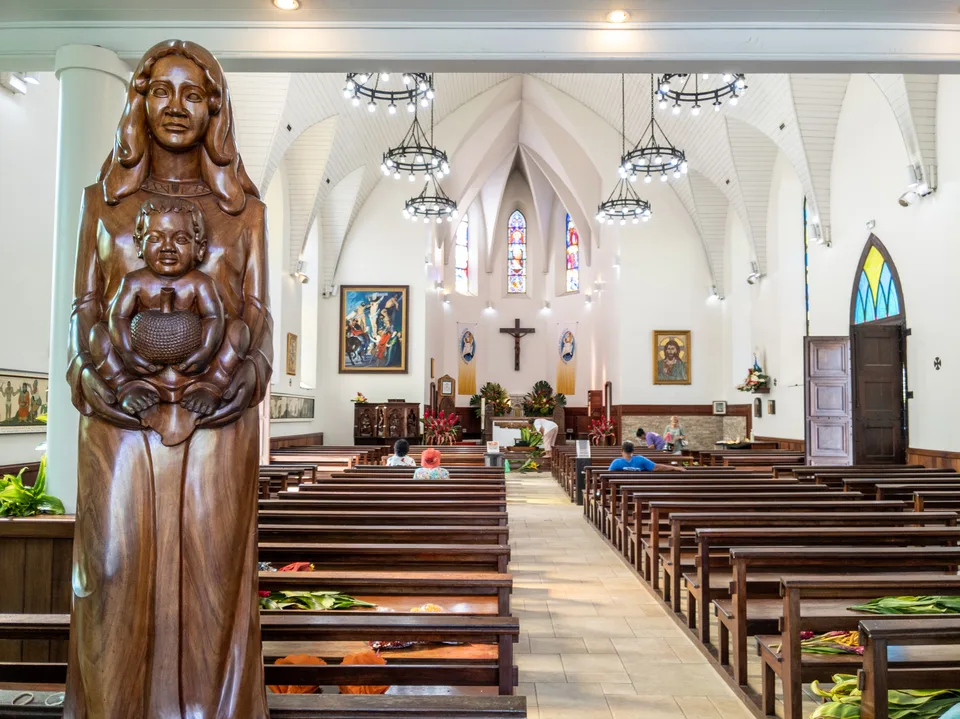
Notre-Dame Cathedral makes a manageable cultural stop in the central area. The municipality’s account of the cathedral dates construction from 1856 to 1875 and notes the contribution of workers from the Gambier Islands. Its history helps place Papeete within a wider Polynesian world rather than treating everything here as a product of one island.
Inside, take time to notice the religious imagery and the relationship between the building and its congregation. This remains a place of worship. Dress and behave accordingly, keep photographs discreet where permitted, and postpone a sightseeing visit if a service or another activity makes access inappropriate. A photograph of the interior is not evidence of unrestricted opening hours.
Contemporary walls tell another story. Tahiti Tourisme’s street-art introduction explains the role of the Ono’u festival in bringing artists and murals into Papeete. Use it as a starting point for a walk, while recognising that outdoor artworks can change. Look at the images in their street setting; do not expect a fixed museum collection or assume that an earlier festival programme announces a future event.
Make time for Paofai and a real cultural programme
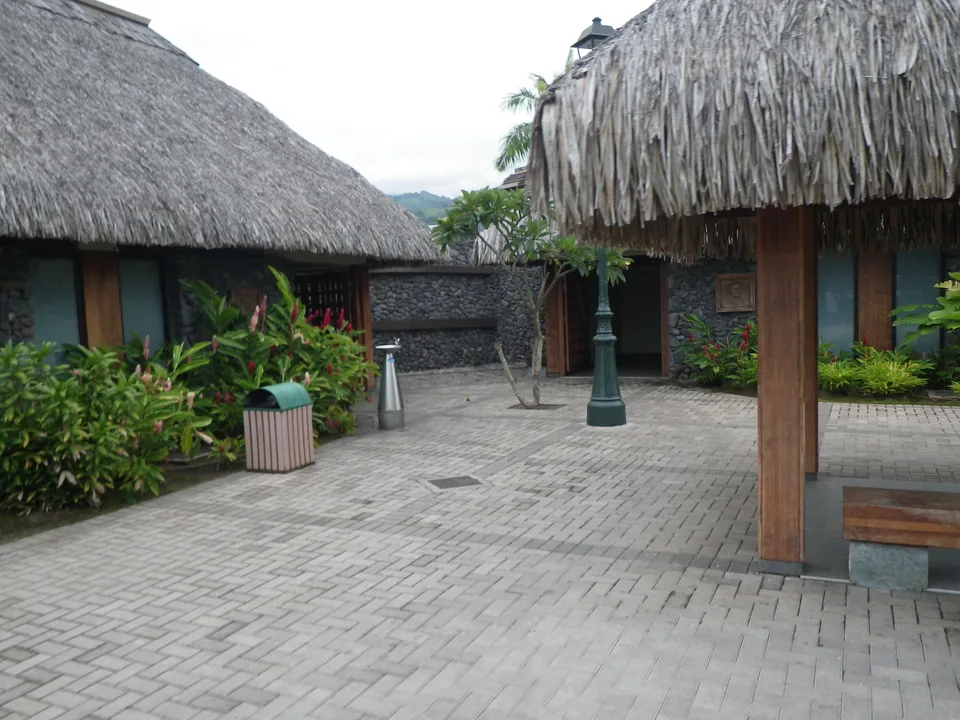
The public parks service’s Jardins de Paofai page identifies a useful waterfront space for a slower part of the day. Gardens provide a change of pace after shopping and city streets. They can work particularly well for a family pause, provided you plan around heat, rain and each person’s walking ability rather than trying to fill every available hour.
Nearby cultural activity is worth checking before choosing dates. Maison de la Culture’s official programme covers performances and events associated with Te Fare Tauhiti Nui and venues including To’atā. A scheduled dance, music or theatre event offers something that an unscheduled walk past a venue cannot. Check the event’s date, language, seating and ticket conditions directly.
Do not build a whole visit around an old festival listing. If a performance is a priority, secure the relevant ticket and arrange the return journey before making the rest of the evening depend on it. People staying farther along the coast should include transport in the cost, rather than treating the seat price as the complete outing.
Plan the museum as a separate trip to Punaauia
The Musée de Tahiti et des Îles is outside central Papeete, in Punaauia. Its collections provide context for Polynesian history and culture, making it a useful complement to the market, cathedral and city streets. Treat the journey as part of the visit rather than adding the museum as a supposedly nearby stop between two appointments downtown.
The museum’s admission page lists adult entry at 1,000 CFP francs and free entry for under-18s and students. It publishes general Wednesday-to-Sunday hours of 9am to 5pm, with ticket sales ending at 4.15pm. Tuesday arrangements specify reserved school, group and association visits; confirm directly before planning an ordinary Tuesday visit. Check holiday notices and any evidence required for an exemption.
Give yourself time to understand the displays rather than arriving just before ticket sales close. Ask about the available interpretation and audio options. A family with younger children may prefer a focused visit followed by a break, while someone interested in material culture may want most of the afternoon. Neither needs to combine it with a complete island circuit.
Arrive through Faa’a with the last transfer settled
Tahiti-Faa’a International Airport, PPT, is in Faa’a rather than Papeete municipality. The airport operator’s transport information places the taxi stand in front of Terminal 1 and explains that the nearest public bus stops are on the surrounding road in both directions. That is different from assuming a bus departs from a terminal bay whenever a flight arrives.
Compare a taxi, a booked transfer and the bus against your actual arrival time, luggage and destination. For a late arrival or a property uphill, a confirmed transfer may simplify the first night. Ask for the full quotation, meeting point, luggage allowance and procedure if the flight is delayed. Avoid treating an estimated driving time as a guaranteed connection to another departure.
For onward travel, check the calendar date as carefully as the clock. Long international journeys can complicate the relationship between departure and arrival dates. Book the room for the night you actually need, and establish whether early check-in or luggage storage is available. Do not assume a morning arrival gives immediate access to a room reserved for that afternoon.
Use buses for appropriate journeys and plan the return
Tere Tahiti is the public bus network. Its official transport guide links route planning, timetables, traffic information and ticket options. Use the exact departure and arrival points, then check the return service. A route appearing on a map does not establish a departure at the end of a meal or after an evening performance.
There are two useful fare distinctions. The operator’s ticket information lists prepaid single journeys at 150 CFP francs on the relevant rechargeable ticket. Its onboard travel guidance asks cash passengers to prepare the exact 200-franc fare. Check the ticket conditions before purchase and validate as instructed at boarding. Do not assume one fare buys unlimited changes between services.
A rental car may suit several trips outside town but brings parking and return-time questions. Decide which days actually require it. For central sightseeing, paying to keep a vehicle unused can make less sense than arranging one excursion or hiring for a specific day. Ask the rental operator about insurance, deposits, permitted roads and the location of collection and return.
Understand what the Moorea ferry connects
Papeete’s ferry connection can make Moorea attractive as another stage of a trip. The maritime authority’s Moorea shuttle information identifies the route between Papeete and Vaiare. Vaiare is the arrival point on Moorea, not a promise that your accommodation, beach or activity is beside the dock. Arrange the onward part before deciding the crossing alone solves the day.
Use an operator’s dated departure information for the relevant sailing. Compare passenger tickets, baggage arrangements and any vehicle booking separately; do not assume every vessel carries a car or that an old published schedule remains valid. If returning the same day, know which departure you are relying on and what happens if your activity runs late.
An overnight stay can be the better choice when the purpose is to spend time on Moorea rather than simply make the crossing. Conversely, staying in Papeete may be more convenient before an international departure. Compare the whole sequence of transfers, check-ins and luggage handling, not just the time on the water.
Eat beyond the hotel dining room
Tahiti Tourisme’s food overview introduces poisson cru au lait de coco: raw fish with coconut milk, lime and vegetables. It also explains the place of earth-oven cooking and ingredients such as breadfruit and taro. These are useful starting points for reading a menu, not a claim that every restaurant offers the same version or a set daily selection.
The Vai’ete food-truck listing provides another dining lead near the waterfront. Compare the displayed menu and prices, clarify the portion and payment method, and check what is operating that evening. A group can make the experience easier by agreeing which dishes to share and where to sit before ordering separately from several vendors.
People avoiding raw fish should choose a suitable cooked dish and explain dietary needs directly. Ask about ingredients if you have allergies; a short translated dish name may omit sauces or accompaniments. For a longer stay, mix meals out with simple groceries and cooking facilities. The saving depends on what is included in the accommodation and what you actually buy.
Shop thoughtfully and keep the budget in CFP francs
The local currency is the CFP or Pacific franc, written XPF. Tahiti Tourisme’s currency information explains exchange and practical payment options. Keep some appropriate cash for small purchases and confirm how a supplier accepts payment before depending on a card. A euro price shown by a booking platform does not make euros the default currency for a market transaction.
The official shopping overview identifies central options including the Vaima centre and the market. For pearls, compare the description, origin, quality information and receipt rather than buying solely because a shop is close to a cruise quay. For plant or food products, check the import rules at your next destination before spending money on something you may not be able to carry home.
Build a stay budget from the room, transfers, food and the activities you actually intend to book. The verified bus and museum prices above are useful anchors, but they do not establish a citywide daily total. No representative current hotel or restaurant range was verified for this guide. Obtain quotations for the dates, room type and party, including taxes and cancellation conditions.
Choose the season without expecting a rain guarantee
Météo-France’s local climate explanation describes the Society Islands’ wetter season from November to April, with December and January generally the wettest months. May to October is relatively cooler and less humid. The same source emphasises differences between archipelagos and the wetter conditions on exposed slopes and higher ground. A forecast for another island group should not substitute for Tahiti’s.
For city walking, plan shade, drinking water and breaks even in the relatively cooler season. Keep an indoor option and protect documents and electronics against rain. The best dates depend partly on what you want to do: a cultural programme, a family visit and a trip dominated by outdoor activities need different kinds of flexibility.
Before a hike, coastal activity or crossing, consult current forecasts and operator advice. Seasonal averages cannot settle conditions on a particular morning. Leave enough room in the schedule to change the order of activities without losing the main purpose of the visit.
A practical two-day visit, with a third day optional
On day one, begin at the market while it is active, then visit the cathedral when access permits. Keep the middle of the day for lunch and a break. Use the afternoon for a short street-art walk and Paofai, then choose a confirmed performance or a food-truck meal according to what is operating. There is no need to add an island excursion to make this a worthwhile day.
Day two can focus on the museum in Punaauia, provided it is a suitable opening day. Arrange the return journey and allow time for the displays. Alternatively, make Moorea the focus of a separately planned day, with transport on both islands settled. Trying to fit the museum, a ferry crossing and extensive central sightseeing into one day weakens all three.
A third day can support a longer visit or an assessment of a move. Use it for housing appointments, the intended commute and essential services. If you prefer a hike, make the permit and current trail status the starting point rather than choosing a route from a photograph.
Approach Fautaua as a permitted hike, not an urban stroll
The city’s Fautaua Valley instructions require access permission and list an adult charge of 600 CFP francs. They also state that the trail to the base of the waterfall is closed until further notice, while upper access is available. Check the current route and conditions directly; do not interpret permission to enter the valley as approval to use a closed trail.
The municipal payment office publishes weekday hours, so organise permission before a weekend outing. Ask which route matches your experience, available daylight and the weather. Wear suitable footwear and take the equipment and water appropriate to the plan. A guided option may help visitors unfamiliar with the terrain. For anyone unable to manage that outing, a waterfront walk remains a valid choice rather than an inferior substitute.
Test a prospective home against everyday life
Start a housing search with the actual workplace or campus address. The University of French Polynesia’s international information places its Outumaoro campus on the heights of Punaauia, outside central Papeete. A room convenient for the market can therefore be inconvenient for daily study. Compare the route, timetable and final uphill approach before signing.
Inspect ventilation, cooling, insect screens, drainage, storage and laundry facilities. Establish what rent includes and who pays electricity, water, internet and building charges. Record the inventory and agree maintenance responsibilities. Check the notice period, deposit return and any restrictions on guests. An advertised furnished rental should be assessed as a home you can use, not just a collection of attractive photographs.
For students, the university’s international exchange information provides a starting point for enquiries. Ask the international office about housing eligibility and availability; acceptance onto a course does not guarantee a room. For a family, investigate school arrangements alongside the property search. Include the ordinary grocery trip and healthcare access in the comparison, rather than leaving them until after the lease is signed.
Set up services and healthcare for your circumstances
The municipality’s water information describes Papeete’s treated drinking-water network. Confirm the supply at the actual property and check any current notice; that municipal information does not make streams or every supply elsewhere in Tahiti safe to drink. Ask who holds the utility accounts and how a new occupant establishes or transfers service.
For healthcare, the hospital’s emergency information lists SAMU on 15. Identify routine care and prescription needs as well as emergencies, and arrange suitable visitor insurance. For a move, clarify your entitlement and transition arrangements with the relevant institutions. The CPS employer information is a starting point for employment-related declarations, not proof that every newcomer has immediate comprehensive cover.
Separate a holiday from permission to settle or work
France-Visas confirms that French Polynesia is outside Schengen. Check the rules for your nationality, documents, purpose and duration through the official France-Visas application portal. Some document holders benefit from exemptions, but a Schengen visit permission should not simply be assumed to cover this territory. Check transit requirements for the entire international journey too.
Longer residence and employment are separate issues. The government’s investor guide, in its employment and residence section, explains that foreign workers, including EU nationals, may need local work authorisation. Confirm the process with the employer and responsible service before starting. Do not assume a tourist stay permits remote work, self-employment or permanent relocation. VisaWand’s consultant listings can help locate advice; official permissions remain with the authorities.
Compare neighbouring places before making the final choice
VisaWand’s Faaa, Pirae and Punaauia city pages provide geographical starting points for alternatives around the urban area. Compare them through the journey and setting you need. Papeete works particularly well when central errands, cultural stops and the harbour matter. A different base may better suit a campus routine or a stay centred on another part of Tahiti.
Official planning resources
Reviewed 17 October 2026. Use the official resources linked throughout this guide for admission, transport, housing and immigration decisions. Prices, services and rules can change; confirm the details relevant to your dates. Photography illustrates the locations and is not a live view.
View all official resources
- City of Papeete: municipal history
- City of Papeete: Mapuru a Paraita municipal market
- City of Papeete: Notre-Dame Cathedral
- Tahiti Tourisme: Papeete street art
- Public parks service: Jardins de Paofai
- Maison de la Culture: official programme
- Musée de Tahiti et des Îles: admission and opening arrangements
- Tahiti airport operator: taxis, buses and private transfers
- Tere Tahiti: route planning and timetable guide
- Tere Tahiti: valid tickets and passes
- Tere Tahiti: travel rules and onboard payment
- Maritime authority: Tahiti–Moorea operators
- Aremiti Express: current departure and ticket enquiries
- Tahiti Tourisme: Polynesian food specialities
- Tahiti Tourisme: Vai’ete food trucks
- Tahiti Tourisme: exchange and currency
- Tahiti Tourisme: Papeete shopping
- Météo-France: French Polynesia climate
- City of Papeete: Fautaua valley permits and trail restrictions
- University of French Polynesia: international office
- University of French Polynesia: international exchange information
- City of Papeete: drinking water supply
- CHPF: emergency and useful numbers
- CPS: employer registration and employee declarations
- France-Visas: overseas territories outside Schengen
- France-Visas: official application portal
- French Polynesia government: investor guide, employment and residence section
Plan the next part of your journey
Explore the French Polynesia guide, browse other cities or compare consultants for your travel and relocation questions.