Visa
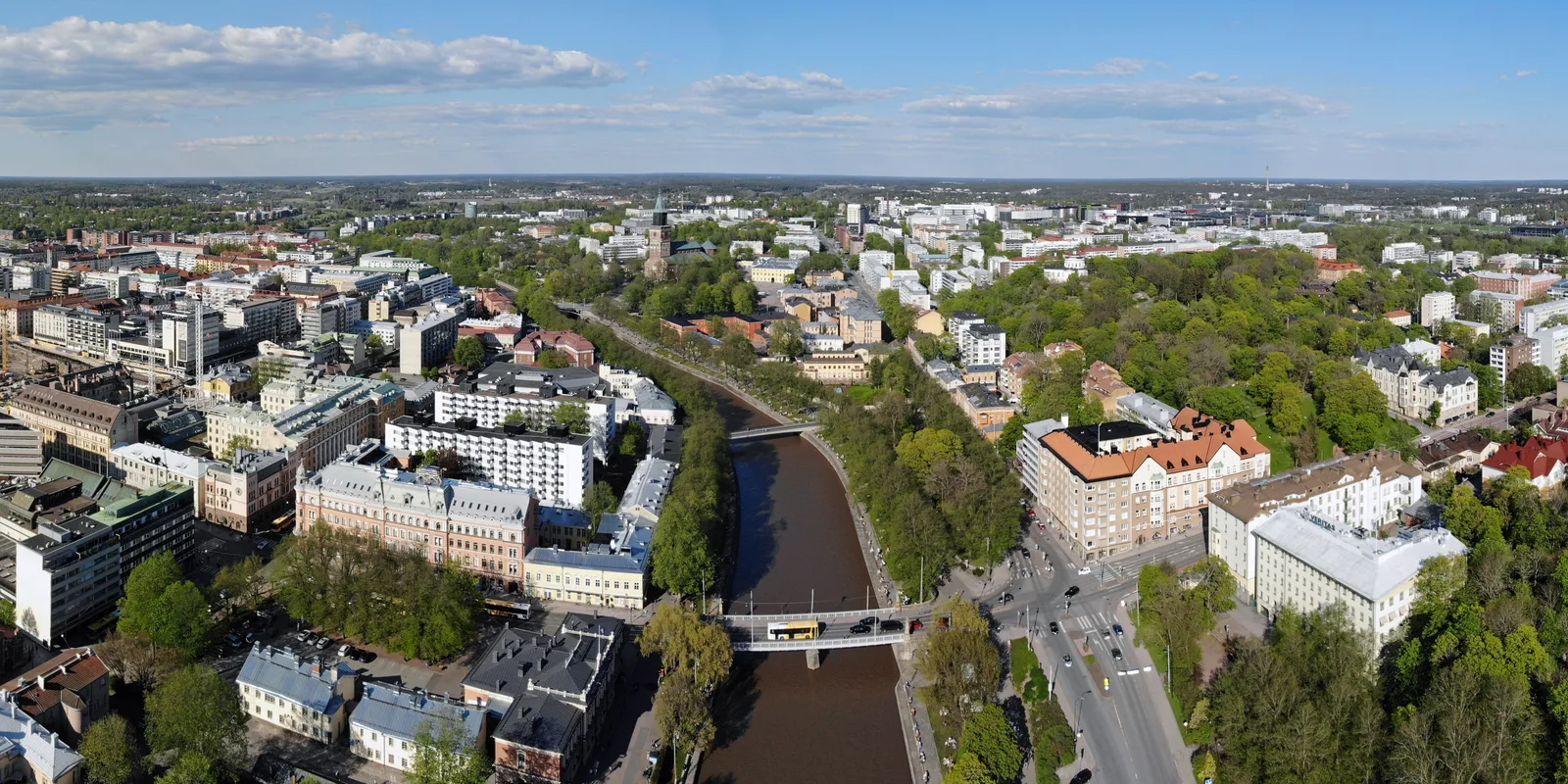
A river city with an archipelago on its doorstep
Turku rewards a trip organised around the River Aura. Follow its banks and the city unfolds in useful stages: the cathedral and university area, central cafés and museums, then the castle and working harbour downstream. The surrounding archipelago adds another dimension, but you do not need to spend every day travelling between islands to enjoy being here.
Choose Turku if you want history, food and accessible outdoor time within the same base. A short break can work without a car; a longer stay needs more attention to the exact campus, workplace or neighbourhood you will use. The regional tourism organisation presents the city and archipelago together. Treat that as an invitation to explore, while allowing enough time for the distances, ferry connections and seasonal services beyond the centre.
Understand the history beneath the present streets
Turku’s medieval landmarks and modern street pattern tell different parts of its story. The castle recalls the city’s long relationship with power and maritime routes, while the Old Town preserves a setting shaped by religious and academic life. The municipality’s Old Town information also describes contemporary cultural activity, including Art House Turku, rather than presenting the area as a preserved medieval stage set.
The Great Fire of September 1827 destroyed much of the city. The Luostarinmäki museum’s historical interpretation explains why the surviving wooden quarter is so valuable: it offers a different scale of domestic space from the broad streets and later buildings around it. Keep that contrast in mind as you walk. Turku’s interest lies partly in the layers that survived, and partly in the city built after the losses.
Use the river to plan your first day
Start around the cathedral exterior and Old Great Square, then walk towards the central river crossings. This is an effective way to establish which bank your hotel, museum or restaurant occupies. Cross when it suits the route rather than assuming that two places beside the river are adjacent. A return walk on the opposite bank can make the same stretch feel different.
There is an important current limitation: Turku Cathedral is closed for renovation from 9 February 2026, with reopening planned for December 2028. Its museum is also closed. Include the building as an exterior landmark, not an interior visit or concert stop. Check the parish’s updates for future changes. Give the time you might otherwise have spent inside to the surrounding streets, an open museum or a longer riverside walk.
Choose between the centre, Kupittaa and the harbour
For a first short stay, an address near Market Square makes central shopping and bus connections straightforward to investigate. Riverside accommodation can suit a food-and-museum itinerary, but compare the actual entrance with your intended route. A river view alone does not establish a quiet bedroom or an easy walk with luggage.
Kupittaa deserves separate consideration for people arriving by train or using the institutions and workplaces around it. The harbour end of the city is another distinct base: convenient for a particular sailing or castle visit, but a different starting point for repeated trips to the university side. The current Föli network helps compare these choices. Look up the journey at the hour you will travel, especially for early departures, late work or a winter commute.
Give Turku Castle more than a passing look
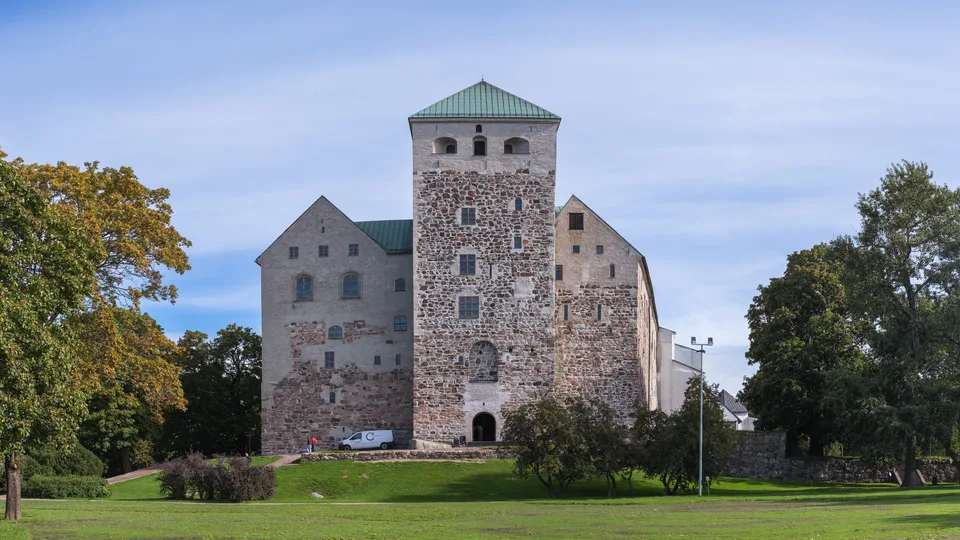
Turku Castle is a substantial visit rather than a quick photograph beside the ferry terminals. Choose it for architectural atmosphere and historical interpretation, leaving enough time to follow the rooms without turning the afternoon into a race. The current admission information lists an €18 adult ticket. For the published late-2026 period, opening is Tuesday–Sunday, 10:00–17:00, with last admission 30 minutes before closing; check holiday exceptions.
The arrival and accessibility guidance matters as much as the price. Port-area street works affect approaches and parking, and the historical building has uneven surfaces, steep stairs and areas that wheelchair users cannot reach. Pushchairs cannot be used to navigate the museum. Ask staff about a suitable route before committing your day. The riverside walk from Market Square is approximately three kilometres, so allow for that journey as well as the exhibition.
Choose archaeology, contemporary art or a gallery visit
Aboa Vetus Ars Nova lets you decide how much museum time you want. Its ticket information separates the archaeology museum, Aboa Vetus, from contemporary art at Ars Nova: standard adult admission is €14 for either, or €20 combined. The published regular hours are daily, 11:00–18:00, with holiday closures and ticket sales ending 20 minutes before closing.
Turku Art Museum provides another option. Its current visitor information lists €15 adult admission and free entry for visitors under 16. Regular opening is Tuesday–Friday until 19:00 and weekend afternoons until 17:00; Monday is closed. The first Friday of the month has a free 16:00–19:00 period. Choose according to the exhibitions that interest you, rather than assuming every museum needs a place in one weekend. Leave time between visits for lunch and the streets outside.
Check the season before visiting Luostarinmäki
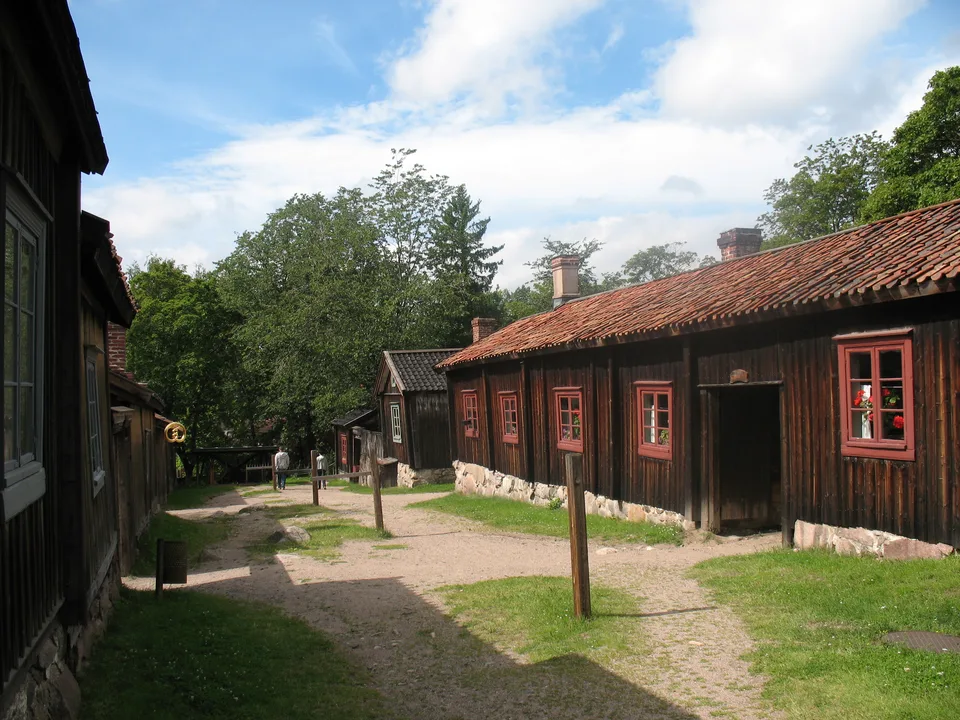
Luostarinmäki’s wooden buildings and courtyards bring domestic and working life into focus. The quarter is especially useful after a central walk, when you can compare its smaller spaces with the surrounding city. Summer and special-event activity differs from simply seeing the buildings, so confirm what is taking place if a craft demonstration is the main reason for your visit.
This museum is not open continuously throughout the year. Its current calendar shows the October 2026 opening period ending on 18 October, followed by a December opening window with holiday exceptions. Do not build an autumn itinerary around a daily visit without checking your date. The published standard adult ticket is €12. When the physical quarter is closed, its free digital historical landscape offers a way to explore the setting without confusing online access with an open museum gate.
Cross on Föri and distinguish the different boats
The small Föri river ferry connects the banks near Tervahovinkatu and Wechterinkuja. The city lists the crossing as free, taking about three minutes. It makes a useful addition to a downstream walk, but check operating notices and the seasonal hours. Maintenance, holidays or winter conditions can change the service; an accessible replacement is not guaranteed during maintenance.
Föri is different from the Föli water bus serving Ruissalo and Hirvensalo. The latter uses public-transport tickets and has a seasonal timetable. Its published 2026 operation ended with selected September weekends, so it is not an October connection. For a future summer trip, check the new season’s dates before planning around it. A visitor can enjoy the river ferry without buying a cruise, and should not mistake either service for the international ferries at the port.
Take Ruissalo as a proper outdoor outing
Ruissalo provides a change of pace from the central streets. The city’s island information highlights old oak woodland, villas and a network of trails. Decide whether you want a short nature walk, a longer outing or simply time beside the water, then choose the appropriate access point. The island is large enough that a vague instruction to get off at Ruissalo is not sufficient planning.
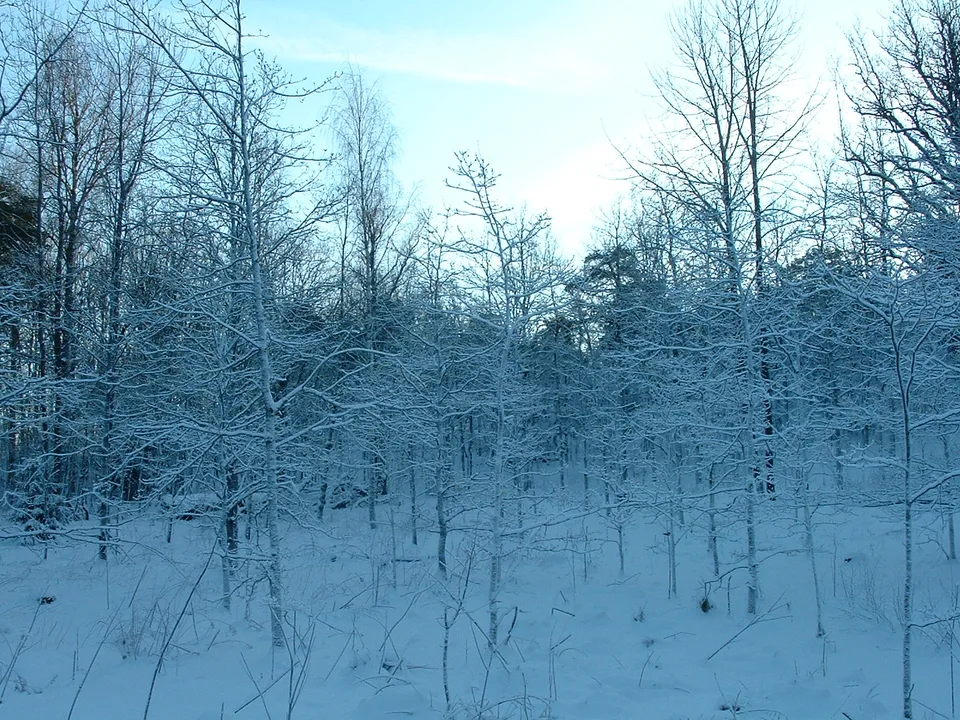
Use the current bus planner: routes 28 and 28A appear in the regular timetable, replacing advice in older material about previous line numbers. Check the return journey before starting a walk. Protected habitats require attention to signs and permitted routes; a woodland setting does not make every activity unrestricted. Pack for wind and changing conditions, and keep the route within the daylight and stamina available. Winter woodland can be rewarding without being a reliably snow-covered excursion.
Make food part of the itinerary
The region’s official food information offers useful starting points: fish, archipelago bread, new potatoes in season, and the pink piispanmunkki pastry associated with Turku. Try a combination that fits your appetite rather than chasing an unsupported list of essential restaurants. A coffee and pastry stop can be as appropriate to a short break as a booked evening meal.
The Market Hall at Eerikinkatu 16, completed in 1896, brings food counters, speciality shops, cafés and restaurants into one covered setting. It is a practical place to compare options when travelling with different tastes. Check individual traders’ hours, especially towards the end of the day. Along the river, read the actual menu and booking conditions before committing to dinner. A tasting menu, casual lunch and grocery picnic belong to very different budgets even within the same neighbourhood.
Book the room that supports your plans
Compare central hotels, smaller accommodation and apartments using the total for your dates. For a weekend, reception arrangements and luggage storage may be more useful than a kitchen. An apartment becomes more attractive when you will actually cook or need laundry, but confirm what equipment is supplied. Do not assume that a sofa-bed listing provides the same privacy as a separate bedroom.
Ask where you can be dropped off and whether a lift reaches the room. If arriving after a ferry or late flight, obtain clear entry instructions before travelling. For an extended stay, check heating, ventilation, laundry access and internet arrangements as carefully as the photographs. Festival dates, university arrivals and other events can affect the options available, so price the dates you need rather than treating a quiet weekday offer as the city’s usual rate.
Arrive by air with the final bus journey planned
Finavia identifies Föli bus 1 as the airport–city-centre connection. Check the journey planner for your flight day and accommodation address. Include the walk from the stop and the possibility of waiting for a departure when comparing the bus with a transfer. There is little value in a precise road-driving estimate if it excludes the time you will spend getting to your room.
For an arrival elsewhere in Finland, compare the full onward journey rather than the airfare alone. A connection may involve another station, bus terminal or overnight stop. Keep your accommodation address and arrival instructions available offline. When returning to the airport, work backwards from the airline’s required arrival time and leave enough margin for your actual route. Current schedules are more useful than an old article’s promise that buses always meet every flight.
Know which Turku railway station is on your ticket
VR now identifies the main station as Turku City Centre, Logomo, at Logomon Silta 1. The operator says it is a 10–15-minute walk from the old station building. Accessible platform access is via the Logomo bridge and lifts. The station page also lists no luggage lockers or VR service point, which matters if you plan to arrive hours before hotel check-in.
Kupittaa and Turku Harbour are separate station choices, not interchangeable labels for the same platform. Select the stop that fits your destination and check the actual train on your ticket. Older accounts of services terminating at Kupittaa during works should not be treated as the current general arrangement. Bus 20 serves the Logomo station area. If your journey includes rail-replacement transport, use VR’s instructions for its departure point rather than assuming it boards beside your train platform.
Arrive by ferry at the correct terminal
An international ferry can make the approach to Turku part of the journey. Compare the sailing time, cabin arrangement and onward connection, including what you will do after an early arrival. The exact operator matters: Viking Line’s harbour information and Tallink Silja Line’s terminal information identify their own Turku facilities. Save the address from your booking rather than navigating simply to the harbour.
Allow the check-in margin required for your passenger and vehicle arrangements. A departure time is not a deadline for arriving at the terminal entrance, and queues can consume a short margin quickly. Port development also makes current approach instructions useful. Keep travel documents accessible and check the operator’s requirements for every passenger. A cruise product returning to its starting port should not be confused with a one-way transport ticket that delivers the itinerary you intend.
Use Föli tickets with their actual conditions
The current Föli tariff lists a standard adult single at €3.15, valid for two hours, while paying cash onboard costs €4.50. A €1 night supplement applies. The listed adult one-day ticket is €8.30. Check when the product becomes valid: an app or machine purchase starts immediately, whereas some tickets bought at service points begin when validated onboard.
With contactless payment, use the same card or device consistently. Normal taps accumulate towards an €8.30 daily cap valid until 04:00, not a fresh rolling 24-hour period. The driver can sell printed tickets for accompanying passengers, but those printed purchases do not accumulate towards contactless caps. Student or senior discounts are not automatically applied to ordinary contactless taps. A separate ticket is needed beyond the Föli area, so check the boundary before assuming a regional excursion is included.
For regular commuting, the published adult 30-day season-ticket price is €57. The same amount is a contactless 30-day cap only after the required physical-card registration. Compare the appropriate product before treating a month of occasional taps as a registered season arrangement.
Build a budget from the visits you will take
For a straightforward adult example, a castle ticket, the combined Aboa Vetus Ars Nova ticket and a one-day Föli ticket total €46.30 at the published prices. That is an activity-and-transport subtotal, excluding accommodation, food and other travel. It is more useful than a supposed universal daily budget, because you can remove a museum or substitute a walking day.
Set aside separate amounts for the room, meals, local travel and any archipelago excursion. Compare grocery shopping with accommodation that includes breakfast, and check whether an attractive restaurant lunch is available on the day you are visiting. For shopping, the Market Hall can combine food purchases with browsing; choose perishable souvenirs with your remaining journey in mind. Keep receipts and verify the total before paying, particularly when a booking adds optional services to a headline price.
Choose a season, then plan for the forecast
The Finnish Meteorological Institute’s seasonal explanation describes how the sea slows seasonal changes in the southwest. Long summer evenings make a riverside-and-island itinerary easier, while winter brings much shorter daylight and the possibility of slippery conditions. Turku should not be planned as though it shares Lapland’s polar-night experience or guaranteed winter landscape.
Choose summer for the broadest seasonal boat options, then check their actual operation. Spring and autumn can suit museums and a city-focused stay, with outdoor plans adjusted to the day. Winter works best when you value indoor culture and meals as much as the waterfront. Consult the Turku forecast and weather warnings shortly before an outing. Pack layers and suitable footwear, and use a shorter walking route when conditions demand it rather than forcing a summer itinerary into a dark afternoon.
A three-day visit with useful alternatives
On day one, orient yourself around the cathedral exterior, Old Great Square and central riverbanks. Have lunch or a coffee at the Market Hall, then choose Aboa Vetus, Ars Nova or their combined visit. Keep the evening for a meal and another short river walk, rather than adding a distant attraction after a travel day.
On day two, visit the castle, allowing for its approach and opening time. Walk part of the riverfront and include Föri if operating. On day three, choose Ruissalo when conditions suit an outdoor outing. If they do not, use the Art Museum and an unhurried central afternoon instead. Luostarinmäki can replace a museum slot when its calendar permits. Add a fourth day for another coastal town or a more ambitious archipelago journey, leaving enough time for the return connection.
Find housing through the right application route
For a move, begin with the commute and the household you need to accommodate. Compare central addresses with locations serving your campus or workplace, using the hours you will travel. Inspect the route after dark and consider winter conditions. A short initial stay can give you time to assess a home in person before accepting a longer agreement.
TVT Asunnot’s application information distinguishes different housing categories and selection conditions; an application is not a guarantee of an immediate home. Its online process requires a Finnish personal identity code and a municipality of residence in Finland, so contact customer service if you lack these. Students should examine TYS’s application requirements, including evidence of study or admission. Keep a backup accommodation plan, and compare the complete rent with any water, electricity, internet, parking and furnishing costs.
Arrange registration, healthcare and everyday services
Treat immigration status, population registration and healthcare entitlement as related tasks with separate rules. The Digital and Population Data Services Agency explains personal-data registration, identity codes and conditional municipality-of-residence registration. Check the documents and personal visit required for your situation. A rental agreement alone should not be treated as completing these processes.
For healthcare, consult Kela’s entitlement information and Varha’s local services. Kela specifies a physical EHIC for the relevant temporary necessary-care entitlement; do not rely on a digital version. Longer-term arrangements depend on your circumstances and can involve patient fees. International House Turku provides multilingual guidance on settling, housing, work and study. Use that support to identify the right service, while confirming appointments, school or childcare arrangements and household contracts with the organisation responsible.
Keep tourism separate from work and settlement
Check official Schengen short-stay information for your nationality and travel documents. Where the 90-days-in-180 limit applies, it covers the shared Schengen stay; a visit elsewhere in the area does not create another Finnish allowance. The Foreign Ministry’s visa guidance also distinguishes a short visit from settling and working in Finland.
For a move, use Migri’s application finder to identify the appropriate work, study, family or other route. EU, Liechtenstein and Swiss citizens staying continuously beyond three months should check registration requirements and grounds for residence; Nordic citizens have a different registration procedure. Neither a university offer nor a tenancy substitutes for the permission your circumstances require. VisaWand’s Finland consultant directory offers a place to compare professional assistance, with decisions remaining the responsibility of the relevant authorities.
Compare nearby bases before extending the trip
Consider Naantali’s destination page when comparing another coastal base, and use the Helsinki destination page for a wider Finnish itinerary. These are location pages; check their current content and the relevant official resources rather than assuming every directory entry contains a completed guide. Price the additional travel and accommodation before adding another stop.
VisaWand’s Finland country guide and Finland destination directory provide broader planning routes. Turku is particularly useful when you want a city stay with access to the southwest coast, rather than an itinerary spent mostly in transit. Give it enough time for the river, a museum and one outdoor excursion. For relocation, let the practical daily journey determine the address, and judge the city in the season in which you will actually live here.
Official planning resources
Reviewed 21 October 2026. Use the official resources linked throughout this guide for admission, transport, housing and immigration decisions. Prices, services and rules can change; confirm the details relevant to your dates. Photography illustrates the locations and is not a live view.
View all official resources
- Visit Turku Archipelago: regional visitor organisation
- City of Turku: Old Town
- Luostarinmäki: the Great Fire and the surviving quarter
- Turku and Kaarina Parish Union: cathedral renovation
- Föli: regular timetables 2026–2027
- Turku Castle: current opening times and prices
- Turku Castle: arrival and accessibility
- Aboa Vetus Ars Nova: opening hours and tickets
- Turku Art Museum: admission and opening hours
- Luostarinmäki Museum Quarter: seasonal hours and prices
- City of Turku: Föri river ferry
- Föli: seasonal water bus
- City of Turku: Ruissalo island
- Saaristo official tourism: food and drink
- Visit Turku: Market Hall
- Finavia: Turku Airport public transport
- VR: Turku City Centre Logomo station
- Viking Line: Turku harbour information
- Tallink Silja Line: ports and terminals
- Föli: tickets and current prices
- Föli: contactless payment and fare caps
- Finnish Meteorological Institute: seasons in Finland
- Finnish Meteorological Institute: Turku weather
- TVT Asunnot: applying for rental housing
- Turku Student Village Foundation: housing applications
- Digital and Population Data Services Agency: foreigner registration
- Kela: entitlement to medical care in Finland
- Varha: healthcare for newcomers
- City of Turku: International House and integration services
- European Commission: short-stay Schengen visas
- Ministry for Foreign Affairs: visas and residence permits
- Finnish Immigration Service: choosing the correct immigration route
- Finnish Immigration Service: EU citizens
Plan the next part of your journey
Explore the Finland guide, browse other cities or compare consultants for your travel and relocation questions.