Visa
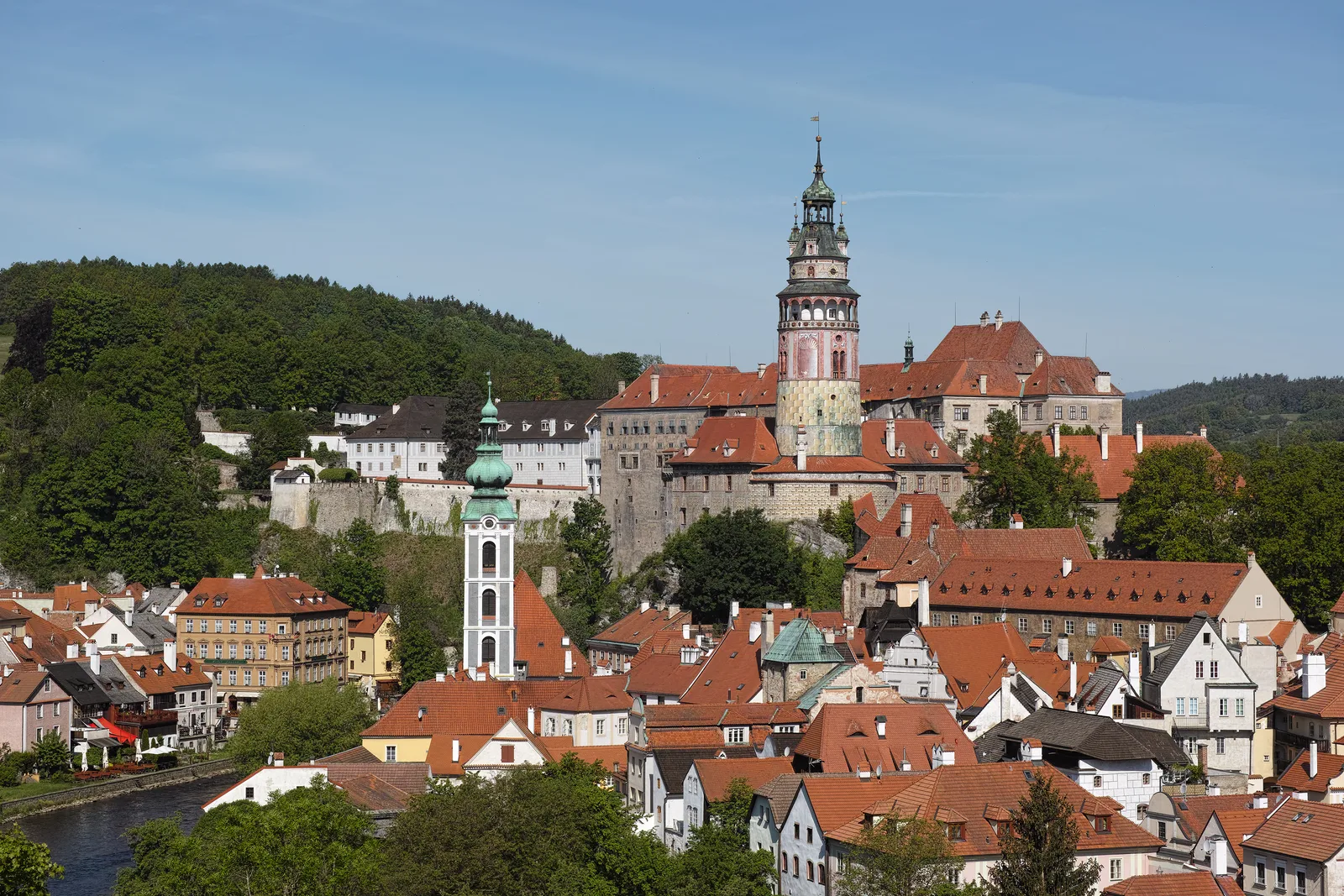
Stay long enough to see beyond the castle view
Český Krumlov gathers much of its appeal into a small space: a castle above the Vltava, red roofs following the river’s bends, and streets that make walking between museums part of the visit. This is a South Bohemian town to explore on foot, with time for interiors and riverside pauses. It rewards a different pace from Prague, although a compact centre does not mean an effortless one. Slopes, cobbles and stairs influence where to sleep and how much to attempt.
An overnight stay lets you build the day around a booked castle tour rather than a return coach. Two nights give you a useful balance of architecture, photography, art and unhurried meals. For a possible move, stay longer and spend some ordinary weekdays outside the visitor circuit. A memorable weekend cannot tell you whether the commute, housing and services will suit your household. VisaWand’s Czechia location directory and Czechia destination information provide wider context for that decision.
Understand the town through its river and history
The UNESCO-listed historic centre developed around a castle founded in the thirteenth century. Its Gothic, Renaissance and Baroque layers remain readable in the relationship between the noble residence, the burgher houses and the winding streets below. UNESCO inscribed the historic centre in 1992. The designation concerns that defined heritage area; it does not turn every surrounding neighbourhood into a preserved medieval quarter.
Latrán, below the castle, and the town across the river give you two complementary perspectives. Cross a bridge, look back, and the importance of the rocky castle hill becomes clear. The castle’s scale also helps explain why it deserves more than an exterior photograph. Its collections and rooms reveal the households that shaped the town. Approach the place as a lived settlement with an extraordinary historic core, rather than treating every doorway as an attraction or every riverside building as a hotel.
Choose a base by access as well as atmosphere
Around Svornosti Square, you are well placed for wandering the old streets and returning between visits. Latrán puts you below the castle complex. Both make attractive short-stay bases if walking is comfortable for you, but the precise entrance matters more than the phrase “central location”. Ask how many steps separate the pavement from reception and the bedroom, whether there is a lift, and where a taxi can legally stop.
Plešivec and accommodation farther from the historic core are worth comparing when a kitchen, parking or a less central setting matters. Measure the actual route rather than assuming that a short straight-line distance means an easy walk. For properties outside town, check the evening journey back before choosing them for a car-free visit. The official accommodation directory distinguishes town and surroundings and offers filters for parking, lifts and other facilities. Confirm these directly with the property; a filter is the beginning of an accessibility conversation, not its conclusion.
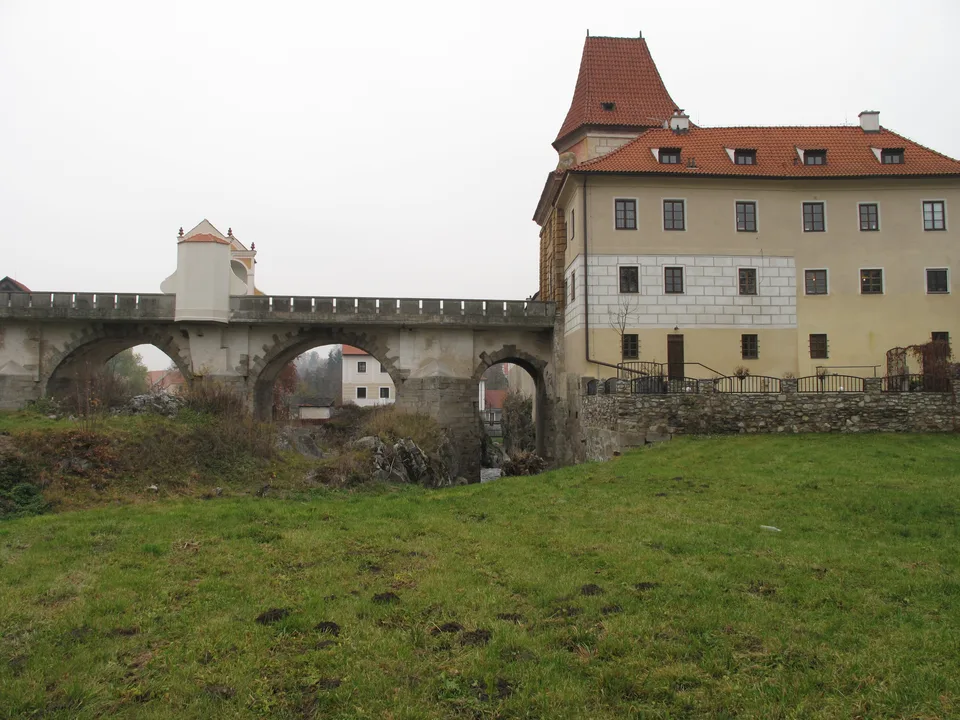
Book the castle experience you actually want
There is no single visit that includes every part of Český Krumlov Castle. Route I is a guided introduction to Renaissance and Baroque interiors, including the Chapel of St George and the Masquerade Hall. The operator describes a 55-minute tour. Check the language attached to the departure you book: an English website or an available translated text does not establish that every tour has an English-speaking guide.
The 2026 admission list shows a full price of CZK 300 for Route I, CZK 400 for the Baroque Theatre, and CZK 280 for the self-guided Castle Museum and Tower. Confirm the selected product and any language options before payment. The theatre is a separate booking, valuable if historic stagecraft interests you. Leave walking time between the different courtyards and meeting points. Buying several tickets close together can turn an enjoyable complex into a sequence of deadlines, particularly with children or anyone who needs rest stops.
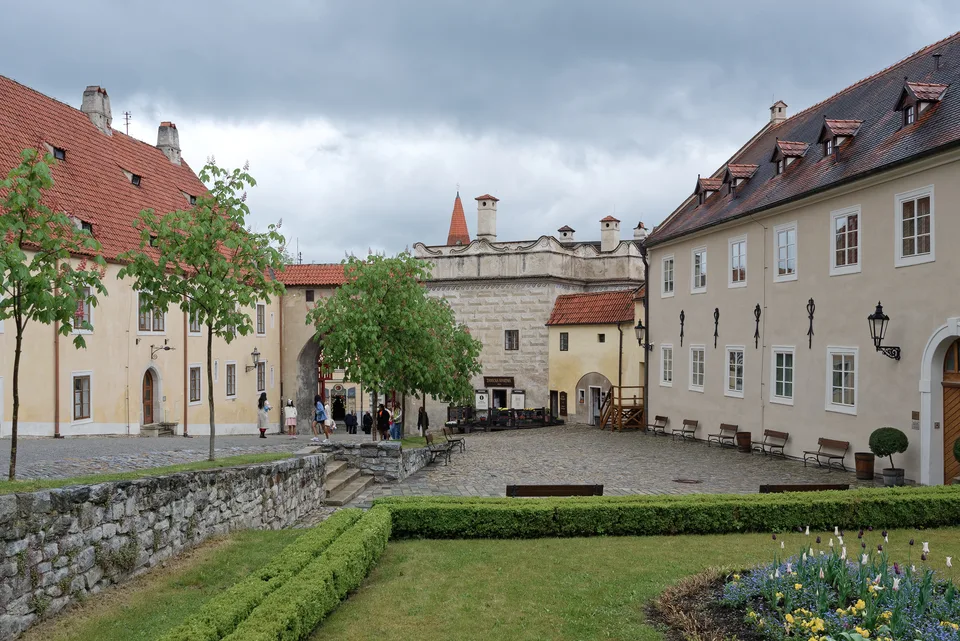
Let the castle calendar shape the day
The castle’s dated opening schedule is more useful than a broad claim that the castle is open. In September and October 2026, Route I operates Tuesday to Sunday, while the Museum and Tower list daily opening. For 1 November to 20 December, the museum timetable changes to Tuesday to Sunday, 09:00–15:30. Other interiors have separate seasons and availability. A closed route does not mean the whole complex is inaccessible, and an open courtyard does not mean a tour is running.
The garden is a separate reason to climb beyond the buildings when it is open; October’s published hours are 07:00–17:00. Decide whether your priority is a room tour, a tower view or time outdoors, then fit the rest around it. Keep a wet-weather alternative, and avoid promising children every part of the complex before you have checked dates. For a winter trip, choose accommodation and transport only after confirming which interiors you most want to see.
Make room for photography and modern art
Museum Fotoatelier Seidel offers a change of scale after the castle. Its photography and studio history illuminate the Czech, German and Austrian borderland in the late nineteenth and early twentieth centuries. The operator lists an adult audioguide visit at CZK 170 and a guided visit at CZK 190; guided groups require advance booking. The standard published schedule has a midday break. Allow enough time before the last admission, and remember that part of the building remains a working photographic studio.
The Egon Schiele Art Centrum brings a different visual vocabulary into the old town. Read its current exhibition programme rather than expecting a fixed roomful of famous Schiele paintings. For the programme running into January 2027, exhibitions include Lois Fasching and Luděk Rathouský. The centre lists Tuesday–Sunday opening, and its admission page shows CZK 280 full admission. Choose the museum that interests you most, rather than adding both simply because rain has arrived.
Look at everyday history beyond the palace
The Regional Museum on Horní Street provides a useful way to understand the town’s shape. Its ceramic model depicts an idealized Český Krumlov around 1800, while a preserved Baroque pharmacy adds another perspective on earlier life. This is a good choice for visitors who want context for the streets they have been walking through, rather than another collection of furnished noble rooms.
Look at the model after your first walk, when individual streets have become familiar. It gives you a chance to compare the town you have just navigated with a historical interpretation of it. The museum occupies a former Jesuit school, so the building contributes to the visit too. Check the exhibition language and any temporary programme if you want detailed interpretation rather than a visual introduction.
In Latrán, the Monastery Museum explores religious life and art through the former Minorite convent, cloisters and chapels. Check which exhibitions and activities your ticket includes; craft workshops and children’s experiences should not be assumed to come with every admission. Nearby, Port 1560 occupies the restored former manor brewery and offers different experiences around life, work, art and imagination. These places make a second day more varied. Select one or two, leaving space for a meal and a return walk instead of trying to collect every museum stamp.
At the monastery, the paintings and surviving interiors are the main reason to slow down. The church is still used for worship as well as cultural events, so check access and respect any service taking place. If a workshop is the attraction for your family, confirm its language, age suitability and booking arrangements separately.
Check the river before planning a boat trip
The Vltava is part of the town’s geography, not merely a backdrop. A boat trip changes how you see the banks and buildings, but it needs its own preparation. Choose a route with a rental operator, explain your experience level, and ask about water conditions, weirs, equipment, collection and the last possible finish. A photograph of people paddling is no assurance that the same route is suitable on your date.
There is a specific 2026 restriction at the Plešivec bridge during reconstruction. Passage is limited to a marked corridor through 20 October; from 21 October to 10 November, boats must use the designated land portage instead of passing underneath. Follow current signs and the operator’s instructions because construction progress and water levels can change arrangements. If carrying a boat is unsuitable for your group, discuss another route or keep the river experience to a walk. Do not build a tightly timed onward journey around an uncertain finish.
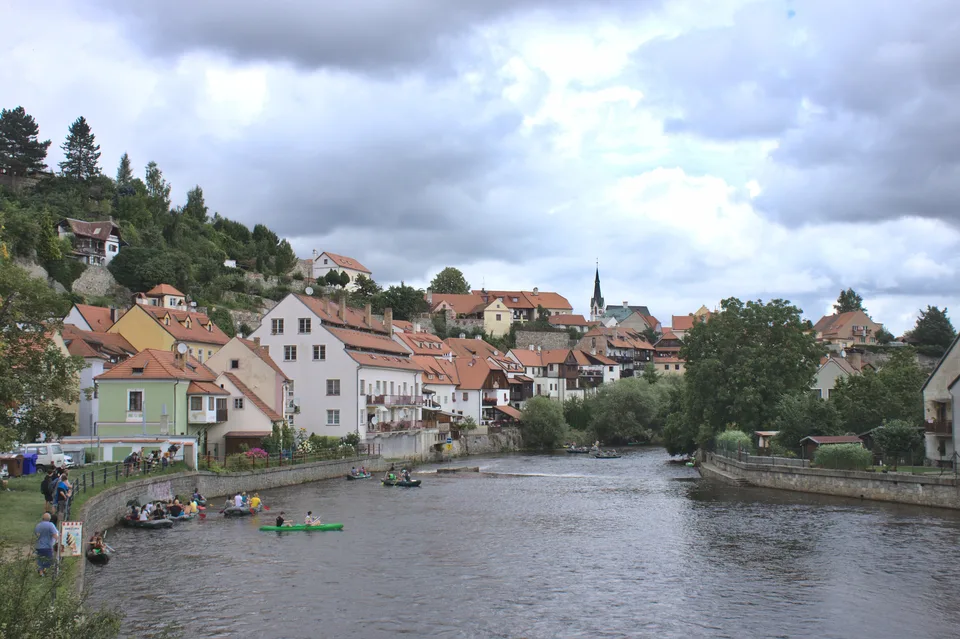
Arrive with the last part of the journey planned
Prague is a common starting point, but compare the whole journey rather than the headline travel time. The official arrival information identifies direct coaches and connections through České Budějovice. Check your booked stop: the bus station and Špičák are different places. Match it to your accommodation entrance, especially with luggage. Rail arrivals also need a final transfer or a longer walk; the station is outside the historic centre.
From Václav Havel Airport, Prague Airport’s ground transport information explains connections into the capital, including line 59 to Nádraží Veleslavín for Metro A and the Airport Express to the main railway station. These are the Prague part of the journey, not a through airport service to Český Krumlov. Allow time to reach the departure point of your booked intercity service. Compare Linz flights and a quoted onward transfer if that suits your wider itinerary, but confirm the full cost, operating date and luggage arrangements before choosing an airport.
Use current transport information, especially for a longer stay
Walking covers much of a visitor’s time in the historic core. Local buses become more relevant for the station, outer accommodation and ordinary errands. The municipality’s July 2026 transport notice records entry into the regional IDESKA system, a change to an ordinary city fare of CZK 15, and route renumbering to 335075 and 335076. Older descriptions using the previous route numbers and fares can therefore mislead.
Use IDESKA’s journey and fare resources for the date, stops and ticket validity you need. Integration does not mean every commercial coach accepts every regional ticket. If your journey combines trains and buses, establish which sections the selected fare covers. For a possible commute to České Budějovice, test a weekday departure and the return after your actual finishing time. Include the walk to each stop and a missed-connection contingency. A convenient sightseeing connection at midday is not enough evidence for a daily work journey.
Keep the car outside the sightseeing plan
The historic centre’s pedestrian rules affect hotel guests too. Do not follow a navigation app to a doorway without checking the legal approach with your host. Establish where you will park, how you will move luggage, and what happens if you arrive after reception closes. A room advertised with parking may involve a separate walk or an additional charge.
The official parking information lists the main lots and their approaches. Published hourly rates include CZK 60 at P1 Jelenka, CZK 40 at P2 and P3, and CZK 30 at P5. Longer-stay arrangements can change the comparison. Multi-day cards for eligible lots allow repeated entries, but do not guarantee a space. Check current charges and access before arrival, rather than treating a cached availability number as a reservation. Once the vehicle is parked, plan a walking circuit that ends near your accommodation or car park, saving unnecessary climbs at the end of the day.
Eat and shop with a clear view of the bill
Use the official food and drink directory to find Czech and South Bohemian cooking, cafés, pubs and options matching dietary needs. Then read the restaurant’s own menu. The directory is a useful search tool, not proof that one venue is the best or that its opening hours will fit your evening. Ask about ingredients and preparation when an allergy or dietary restriction makes that important.
Compare what a meal includes: a main dish, sides, drinks and dessert can produce a different total from the first price you notice. For a longer stay, check cooking equipment before planning to self-cater, and locate groceries along the route you will actually use. When shopping for souvenirs, museum shops can connect a purchase with the exhibition you enjoyed. Check the maker, materials and country of production if local origin matters to you. Avoid relying on appearance or a shop’s historic address as proof that an object was made in town.
Budget around choices rather than an invented daily average
The Czech koruna is the currency to use when comparing prices. The official visitor FAQ notes that euro acceptance varies by business and that paying in euros can mean an unfavourable conversion. At a card terminal, compare the option to pay in CZK with any offered conversion. Keep some koruna cash for situations where your card is not accepted, without assuming that every small business has the same payment policy.
The Český Krumlov Card costs CZK 490 for an adult and offers one entry to each of five participating museums and galleries over its validity period. It includes the Castle Museum and Tower, not the separately guided castle interiors. Compare the places you will realistically enter with individual tickets; the cheapest card is still poor value if it changes your day into visits you did not want. Add accommodation, meals, transport, parking and any river activity separately. Obtain dated room quotes instead of treating a broad nightly estimate as a current market price.
Choose a season by the activities you value
Spring and autumn can suit a trip centred on walking and interiors, provided you accept shorter opening schedules and pack for changeable conditions. Summer offers more scope for outdoor time, but check accommodation and timed tours before fixing the itinerary. Winter can be rewarding for a quieter walking visit, yet a reduced choice of interiors may change the value of a second full day.
Use the Czech Hydrometeorological Institute’s Český Krumlov forecast close to departure. A model forecast for the town is more useful for tomorrow’s clothing than a national seasonal average. Pack shoes with grip for cobbles, a waterproof layer and something warm for sitting outdoors. In freezing or wet conditions, reassess steps and steep approaches rather than repeating a summer walking route automatically. For any river outing, check water conditions separately: pleasant air temperatures do not establish that boating is suitable. Keep one indoor option available without filling every hour in advance.
A realistic two-night introduction
On arrival day, settle into your room before setting off through the historic centre. Walk from Svornosti Square toward the river, cross to Latrán and look back at the relationship between roofs, water and castle. Use the afternoon for one museum if arrival allows, then have an uncomplicated dinner. Avoid placing a non-refundable guided tour immediately after an intercity connection.
Make the next morning your main castle visit, using the departure you booked. Allow lunch and a rest afterward. In the afternoon, choose between photography, modern art or the monastery rather than attempting all three. If the garden is open and your legs permit, include it as an extension, not an obligation. On departure morning, revisit a favourite stretch of town, shop or take a short walk before collecting luggage. With another day, add a regional excursion or a carefully arranged river trip. For a move-assessment visit, replace that excursion with housing appointments and a trial commute.
Assess housing and everyday services before moving
Begin a relocation search with the practical home you need: winter heating, storage, a workable kitchen, laundry, reliable internet and access with shopping. Inspect the actual property and ask which charges sit outside the rent. Record meter readings at handover and establish how heating, electricity, water and waste arrangements are handled. Check noise with windows open and closed, and visit at the hours you would normally be home.
Bring a written checklist to viewings so an appealing view does not displace essential questions. Test mobile reception inside the rooms where you would work, ask for the available fixed-internet service at that address, and establish who arranges repairs. A furnished holiday apartment may need a different agreement before it becomes a practical year-round home.
The municipality’s housing information links to local rental and housing initiatives. These have their own conditions; neither a listed project nor a municipal contact point guarantees a newcomer an apartment. For immigration applications, also check the Interior Ministry’s proof-of-accommodation requirements before paying a deposit. The person offering the property must be able to provide the appropriate documents. Map groceries, school or childcare needs, and healthcare alongside the commute. The Český Krumlov hospital website provides departments and contacts, but does not establish that a particular clinician is taking new patients or can consult in your preferred language.
Separate a holiday from permission to work or settle
For many third-country visitors, short stays fall within the shared Schengen 90-days-in-180 rule; time in other Schengen countries counts too. Whether you need a visa depends on nationality and circumstances. Follow the Czech Foreign Ministry’s tourism visa instructions and the relevant consulate’s checklist. A booking in Český Krumlov does not create permission to work, study long term or remain permanently.
For employment, the Employee Card information explains one purpose-specific route for third-country nationals; eligibility and permission to start work require separate assessment. Study and other residence purposes have different rules. EU, EEA and Swiss citizens should consult the registration-certificate guidance and applicable reporting obligations. Check medical-insurance requirements against your status, rather than assuming holiday cover will satisfy residence conditions. Permanent residence is a separate process, not an automatic result of renting a home. VisaWand’s consultant directory can help you identify advisers; official authorities make the immigration decisions.
Consider another South Bohemian base
Zlatá Koruna’s location page introduces a nearby settlement whose Cistercian monastery offers a different architectural visit, with Gothic buildings and later Baroque alterations. Check the available tour and seasonal opening before making the journey. Pairing a small settlement with Český Krumlov works better when transport leaves time to see both without rushing.
České Budějovice is also worth comparing as an overnight or longer-stay base, particularly when your onward journeys or work take you there. Compare actual accommodation and connections rather than assuming a larger place will automatically be cheaper or more convenient. Prague’s VisaWand page provides another point of comparison for a wider Czech itinerary. These location pages help you explore alternatives; a directory entry should not be mistaken for a completed guide. Choose Český Krumlov when its small-town setting and cultural depth match the time you have, then build the practical arrangements around that choice.
Official planning resources
Reviewed 16 October 2026. Use the official resources linked throughout this guide for admission, transport, housing and immigration decisions. Prices, services and rules can change; confirm the details relevant to your dates. Photography illustrates the locations and is not a live view.
View all official resources
- UNESCO historic centre
- Official accommodation directory
- Castle Route I
- Castle admission 2026
- Castle dated timetable
- Museum Fotoatelier Seidel tours
- Egon Schiele Art Centrum exhibitions
- Egon Schiele Art Centrum admission
- Regional Museum visitor information
- Monastery Museum visitor information
- Port 1560 visitor information
- Plešivec bridge works and river restriction
- Official arrival information
- Prague Airport ground transport
- Municipal July2026 transport changes
- South Bohemian integrated transport
- Official car parking
- Official food and drink directory
- Official visitor FAQ
- Official museum card
- Czech Hydrometeorological Institute local forecast
- Municipal housing information
- Official proof of accommodation
- Cesky Krumlov hospital
- Official Schengen day counting
- Tourism Schengen visa application
- Ministry of Interior employee card
- EU registration certificate
- Official medical insurance requirements
- Zlata Koruna monastery visitor information
Plan the next part of your journey
Explore the Czechia guide, browse other cities or compare consultants for your travel and relocation questions.