Visa
Decide what you want from Brno
Brno offers a city break built around architecture, music, cafés and the ordinary life of a university and research centre. It is Czechia’s second-largest city, with enough cultural depth for several days and a centre that is manageable on foot. The appeal is the combination: a cathedral above the roofs, a castle on another hill, modernist houses and former water reservoirs turned into extraordinary visitor spaces. You can spend a busy weekend here without making every hour a ticketed attraction.
Choose Brno if you want to explore a working Moravian city and are happy to use public transport beyond the centre. Three nights allow a better balance than a rushed stop between capitals. For a prospective resident, the questions are different: the actual commute, a suitable lease, healthcare and the language of essential services. VisaWand’s Czechia country guide provides national context; this guide focuses on decisions that shape a visit or trial stay in Brno itself.
Understand the city through its changing architecture
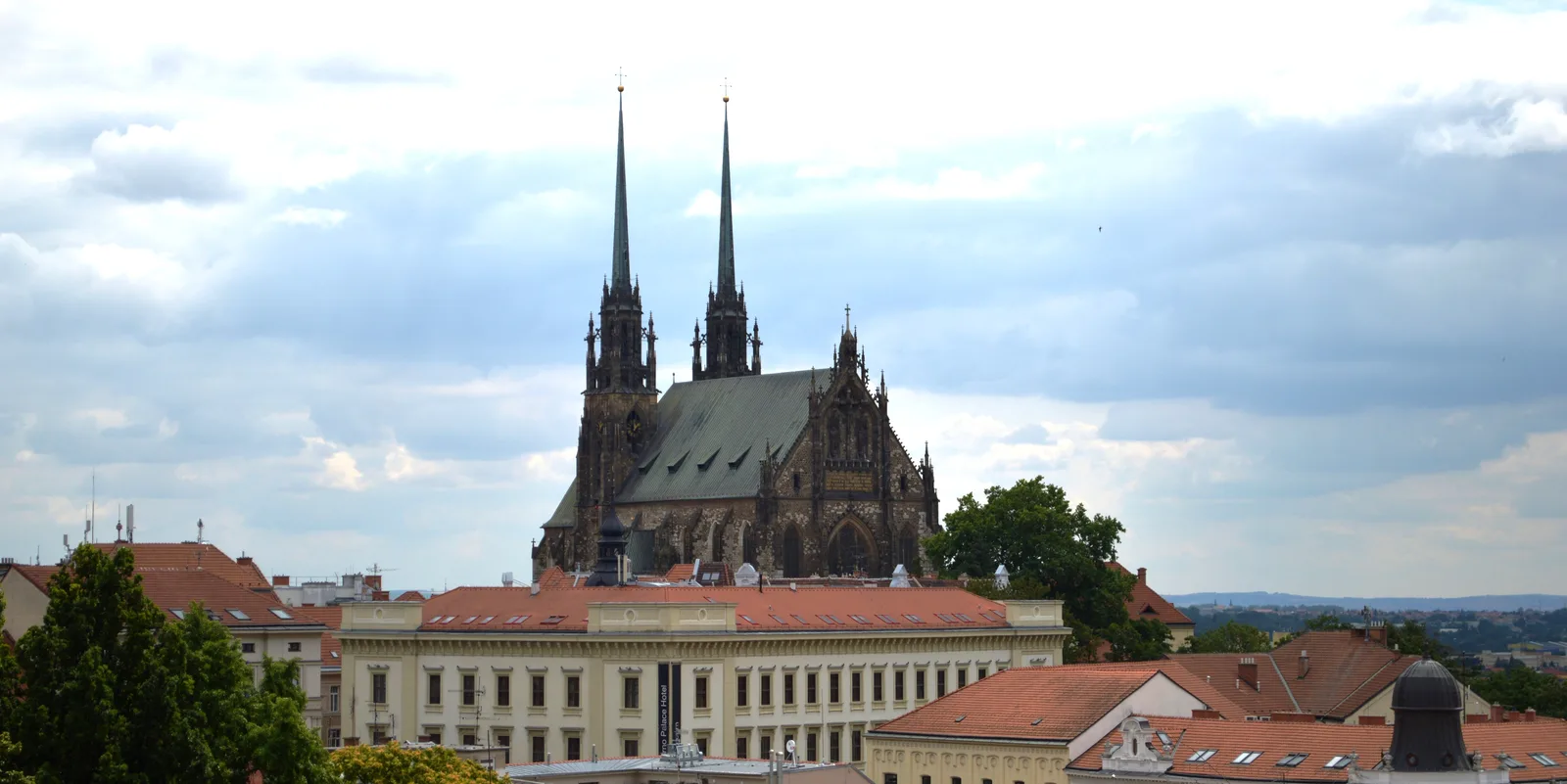
Brno’s skyline compresses several periods rather than presenting a single preserved era. At Petrov, the cathedral’s own historical account traces earlier Romanesque buildings, its elevation to cathedral in 1777 and the construction of the present towers in 1904–1908. Their striking outline should not be mistaken for an entirely medieval building. Across the centre, Špilberk introduces the history of a castle, fortress and prison, while Villa Tugendhat takes the story into modern domestic design.
The Brno Expat Centre’s introduction to the city describes a place shaped by universities, international companies, research and cultural institutions. That helps explain why Brno is worth considering beyond its landmarks. Leave time to walk between scheduled visits, watch the centre change from daytime errands to evening social life and explore streets away from the main sights. A sequence of architectural contrasts is more revealing than trying to classify the whole city as either historic or modern.
Start with the centre and Petrov
Use the central squares and the approaches to Petrov as your first orientation walk. Náměstí Svobody makes a useful reference point, while Zelný trh offers a different rhythm around its market. Walk gradually towards the cathedral, noticing the change from commercial streets to the hilltop precinct. Keep the first circuit modest if you have just arrived with luggage; there is no advantage in turning an introduction into a forced march.
The cathedral’s official practical information distinguishes access clearly. The main entrance is step-free, while the crypt and towers involve stairs and are not adapted for wheelchair access. The published tower and treasury information lists adult admission at 60 CZK and different winter and summer hours. Confirm the current arrangement before visiting, particularly around services. Guided sightseeing pauses for worship, weddings, funerals and concerts. You can appreciate the setting without climbing the towers, and the precinct itself does not provide visitor parking.
Put Špilberk in its historical setting
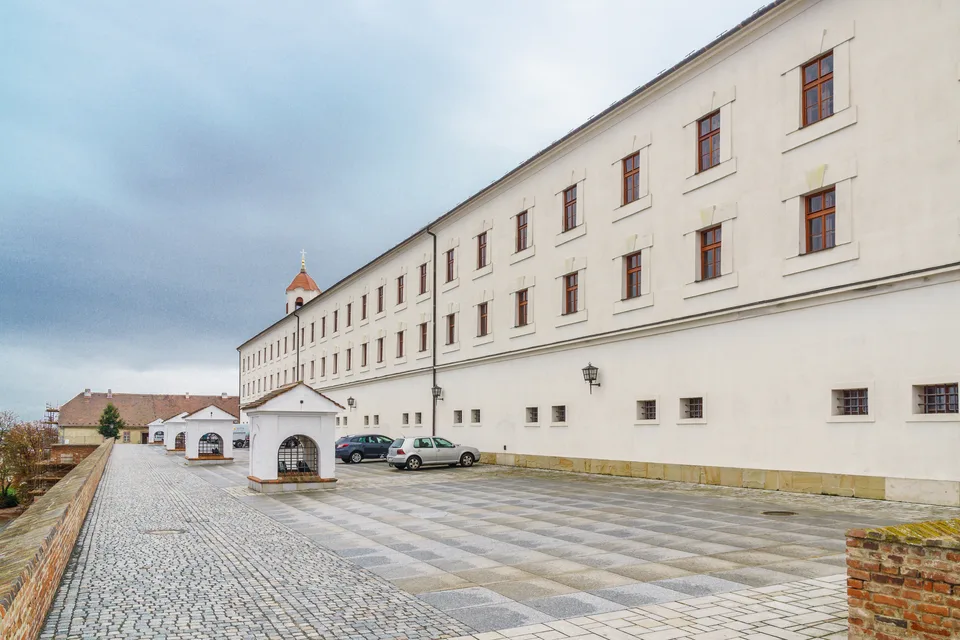
Špilberk deserves time as a historical site, rather than simply a viewpoint to collect between meals. The Brno City Museum’s castle website distinguishes the Story of the Castle route from the casemates, whose baroque passages later became associated with imprisonment. Choose the tour that matches your interest and check its language, departure time and current access. The outdoor approach and a booked interior visit are different commitments.
Allow for the climb and the weather when planning the day. A hilltop outing after several hours of walking can be tiring, especially with children or anyone managing limited stamina. Ask the museum about the exact route if access matters; do not assume that every part of a historic fortress shares the same conditions. Exhibitions and events change, so use the museum’s current programme rather than an old photograph as evidence of what is open. Leave a pause afterwards instead of scheduling another admission immediately across town.
Book Villa Tugendhat before organising the day
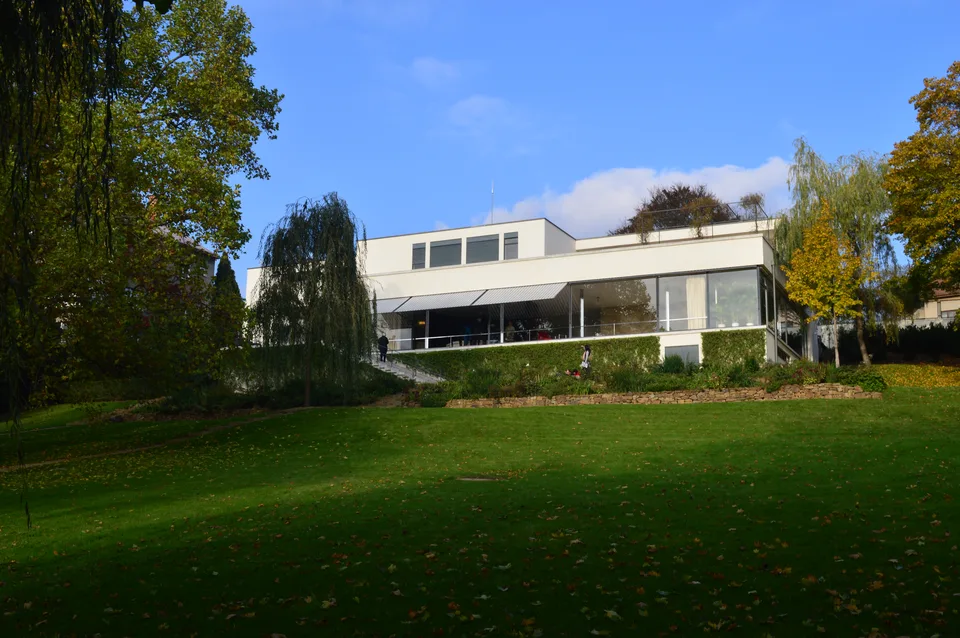
Villa Tugendhat is the attraction most likely to determine the shape of your itinerary. The operator’s tour and ticket page distinguishes a 60-minute basic visit from a 90-minute extended tour that includes technical facilities. Both have limited capacity, and the operator warns that places can disappear quickly when released. Buy through the official sales link and check the tour language; a commercial website with a similar name may offer a different service at a different price.
For visits through 31 December 2026, published full admission is 450 CZK for the basic tour and 500 CZK for the extended tour. From 1 January 2027, those prices rise to 500 and 550 CZK respectively. Garden access depends on weather. An outside tour is a separate product, not a substitute interior ticket. If your preferred visit is unavailable, reorganise the day around another attraction instead of assuming a walk-up place or a larger group will be accommodated. Confirm arrangements for children and access directly before paying.
Experience the water tanks on their own terms
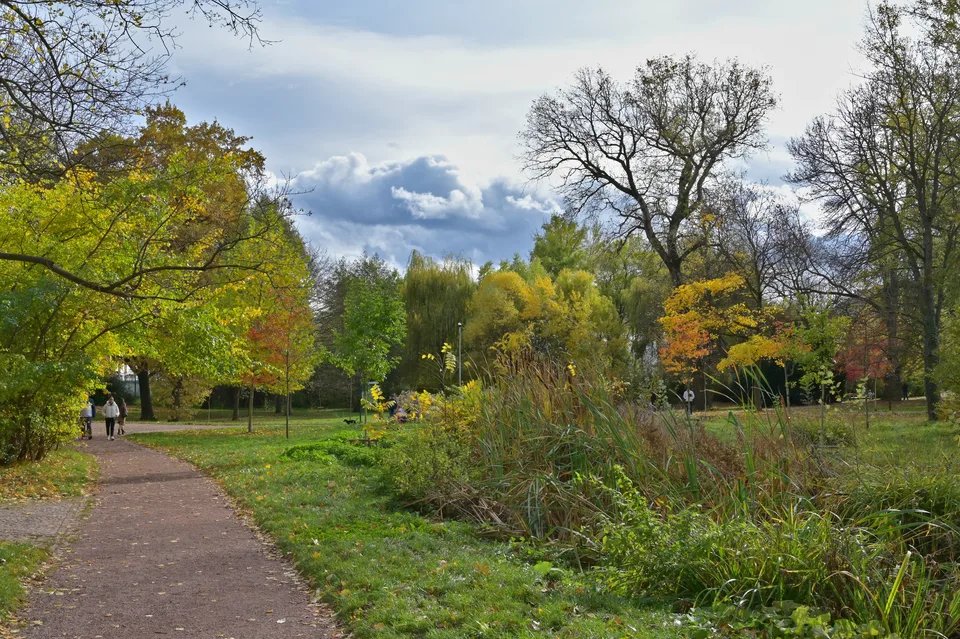
The Žlutý kopec Water Tanks provide a different encounter with Brno’s built environment: two brick reservoirs and one concrete reservoir beneath a park, dating from 1874, 1894 and 1917. Their scale and repeated structural forms make the visit distinctive even for travellers who do not normally seek out engineering heritage. Set aside time to look slowly, rather than expecting a conventional museum filled with display cases.
The official ticket page lists full admission at 350 CZK, with normal opening Tuesday to Sunday, 10:00–18:00 and last entry at 17:00. Check special notices for altered hours and installations. The operator’s practical FAQ says self-guided visitors can buy a day ticket without a tour reservation; guided visits require booking. Reservoirs 1 and 3 are accessible, but conditions vary elsewhere. Bring an extra layer and sturdy footwear for the cool, humid environment and occasional uneven ground. Download the audioguide beforehand because there is no signal inside. Do not assume every advertised light installation is operating.
Choose the right base beyond the centre
A central hotel or apartment suits a short first visit, particularly when you want to walk to dinner and reach several sights without checking a timetable. Look at the actual entrance and street, not just the distance marker on a booking map. A room facing evening activity may feel quite different from one facing a courtyard. Confirm lift access to the booked floor and any steps at the building entrance.
For a longer stay, compare the centre with areas around Lužánky, Černá Pole or Veveří, then test the route to the places you will use. These are starting points for comparison, not promises that every street has the same atmosphere or rental price. A park nearby may matter more than a landmark view. If the purpose is work, study or an event, plot the precise campus, office or venue before booking. Brno’s institutions are spread across the city, so a central postcode does not necessarily produce the easiest daily journey.
Walk the final stretch from the stop with your likely luggage in mind. Check road crossings, gradients and the distance to the building, especially if arriving after dark. For a longer placement, compare the same route on a weekday and weekend timetable. A slightly longer journey with one direct service can be easier than a shorter trip involving an unreliable connection.
Compare accommodation by the complete stay
Hotels provide a useful option when reception, luggage storage and a straightforward arrival matter. An apartment may be better for cooking or laundry, but check what is actually supplied. A kitchenette photograph does not establish a practical space for preparing meals. Ask about cookware, refrigeration, washing facilities, heating and whether cooling is available if visiting during warm weather. Check the full price, including cleaning, parking and applicable local charges.
For student or work-related visits, request accommodation advice from the institution without assuming a room is guaranteed. Shared housing needs clear arrangements for deposits, common areas, cleaning and guests. For any booking, compare cancellation terms with the saving on a prepaid rate. If your plans depend on a scarce attraction ticket, confirm that ticket before locking in an inflexible stay. There is no single verified nightly rate that represents Brno across weekends, academic arrivals and major events; use dated offers for the room type you need.
Travellers combining a holiday with remote work should ask about a proper table, chair and a quiet place for calls. Shared lounge photographs cannot establish that those spaces will be available or suitable during working hours. If two people need to work simultaneously, check whether the layout provides enough separation. Confirm the intended use with the accommodation provider and resolve any relevant immigration or employment questions separately.
Arrive through the airport or an intercity connection
The airport’s current public-transport page lists daytime line 21 between the airport and Hlavní nádraží, taking approximately 22 minutes, and line 77 to Úzká, opposite Galerie Vaňkovka, taking about 26 minutes. Night service N89 connects with the main station. These current operator details are more useful than older arrival pages still referring to E76. Check the dated timetable and the correct stop for your direction of travel.
If flying through another city, compare the complete onward journey with a flight into Brno. Include the airport transfer, waiting time, luggage conditions and the final walk to your accommodation. An intercity train and a coach may arrive at different points, so read the ticket rather than navigating to a generic city-centre pin. Independently booked connections need a margin for delays. For an early departure or late arrival, confirm the actual service that day and have the accommodation’s check-in instructions saved offline.
Use the fare system carefully
Brno’s transport network makes a car unnecessary for many city itineraries. DPMB’s published paper-ticket fares include 20 CZK for a 15-minute ticket in zones 100 and 101, and 25 CZK for 60 minutes across two zones. A 24-hour ticket for zones 100 and 101 costs 90 CZK. Choose enough time and the correct zones for the whole journey, including transfers, and validate paper tickets as required. A short ticket is not suitable merely because the destination looks close on a map.
The operator’s Beep & Go instructions require a tap every time you board, including transfers, using the same card or device consistently. A qualifying short journey needs a check-out to receive the shorter fare. Automatic charging is capped at 90 CZK for the system’s travel day, but this does not operate as a rolling 24-hour ticket. If travelling across midnight, compare a deliberately purchased 24-hour ticket. Check separate conditions for companions, luggage and travel beyond the city zones.
Eat and shop without relying on a restaurant checklist
Brno’s official visitor portal publishes Gourmet Brno selections and cultural programmes, providing a useful starting point for discovering places to investigate. Treat a selection as a lead, then compare the current menu, opening hours and reservation conditions. Choose meals around your day rather than crossing the city repeatedly for separate recommendations. A café break between visits can be more enjoyable than a tightly scheduled sequence of supposedly essential stops.
For everyday food shopping, the district’s Zelný trh information distinguishes local growers from traders selling purchased produce. The market includes local and imported goods; it is not an assurance that every item comes from nearby farms. Its normal weekday and Saturday operation changes seasonally, with the produce market giving way to Advent trading later in the year. Check current stall information before making it your only shopping plan. An apartment kitchen lets you combine market purchases with ordinary groceries, while travellers with allergies should discuss ingredients and preparation directly with food businesses.
Budget for the activities you actually want
Add the accommodation quote, complete arrival journey, local travel and meals before comparing optional admissions. At the checked 2026 full prices, the basic Villa Tugendhat tour and the water tanks total 800 CZK for one adult, before transport or other purchases. The extended villa tour changes that total, and the villa prices rise in January 2027. Use this as an example of building a budget from chosen experiences, not as a complete daily spending allowance.
Walks through the centre and a park afternoon can balance a day with paid interiors. Compare any visitor pass against the specific attractions, dates and booking rules you will use; a pass does not necessarily remove the need to reserve a scarce tour. Keep some flexibility for weather or a sold-out visit. When paying or withdrawing money, inspect the displayed currency and charges. Accommodation and intercity transport may account for more of the trip than small differences between local ticket options.
Match the season to your plans
Masaryk University’s practical arrival guidance describes cold winter conditions and summer spells that can become hot, with showers and thunderstorms. Pack for the season and check the forecast shortly before travel. A warm afternoon does not establish that an evening outdoor event will be comfortable without another layer. In winter, allow for short daylight and potentially slippery surfaces on hill approaches; choose footwear for walking rather than only for indoor venues.
Spring and autumn can work well for a mixed itinerary of neighbourhood walks and museums, provided you remain flexible about rain. Summer gives more scope for time outside, but ask about room cooling and avoid concentrating all hill walking in the hottest part of the day. A winter visit can focus on interiors, performances and cafés. Check opening days for each attraction before choosing your arrival day: several major sites have their own weekly closure patterns, and an otherwise convenient Monday may need a different programme.
Spend three days without turning them into a race
Begin day one with the centre, Zelný trh and Petrov. Visit the cathedral when sightseeing is appropriate, then leave a generous break for lunch. If energy and weather suit, continue towards Špilberk, or save the castle for another morning. Keep the first evening close to your accommodation, especially after a long arrival journey. A concert or other performance works best when booked with enough time for dinner and the journey to the venue.
On day two, organise the programme around your confirmed Villa Tugendhat slot. Combine it with a neighbourhood walk and time near Lužánky rather than booking another distant attraction immediately afterwards. Use day three for the water tanks, a museum visit or a separate regional excursion. Check luggage storage and onward travel before planning activities on departure day. With only two nights, remove one substantial outing instead of shortening every visit. Travellers with children or limited stamina can use the same sequence with a longer pause and fewer interiors each day.
Find a lease that works beyond the first month
The Brno Expat Centre’s housing guidance describes strong rental demand and pressure around the arrival of students in September. Start comparing options before moving, but allow time to view and understand a property. Establish whether you are signing a lease, sublease or accommodation agreement, who has authority to offer it and whether it supplies the proof of accommodation needed for your circumstances. Check the contract in a language you understand, using qualified help where necessary.
Compare rent and utilities separately. Ask how advances and later reconciliations work, what the deposit covers, whether an agency commission applies and which charges are excluded. Photograph the condition and record meter readings at handover. Test the commute at the relevant hour, mobile coverage indoors and internet where you would work. Inspect heating, ventilation, damp and noise. No representative current long-term rent is quoted here; dated offers with comparable space and terms provide a better basis for a decision than an undated city average.
Organise healthcare and the household
The city-supported Brno Expat Centre helps skilled foreign professionals and their families with settling in, and its health-insurance guidance separates situations that require different arrangements. Confirm your category with the insurer and the relevant authority. Employment, study, family status and residence can affect the answer; a tourist policy or an existing card should not be assumed to cover a permanent move. Identify suitable providers and ask about accepting new patients and the language of consultations.
Before committing to a neighbourhood, locate groceries, a pharmacy and the services you will use weekly. Ask the landlord who holds the energy accounts, how internet installation is arranged and which household or municipal fees require separate action. Families should check school and childcare admission directly, including language and available places. The cheapest apparent rent can lose its advantage if it produces an impractical commute or missing services. A trial stay focused on ordinary routines is valuable: shop, travel at working hours and spend an evening at home rather than judging the city entirely through sightseeing.
Separate tourism from work, study and relocation
For visitors subject to the usual Schengen short-stay framework, the foreign ministry’s 90/180 guidance counts time across the area. Moving between Czechia and another Schengen country does not restart the allowance. Check visa requirements for your nationality and circumstances. The ministry’s arrival-registration information also explains separate reporting duties and when hotels fulfil them; registration of an address is not permission to remain indefinitely or work.
The official long-term visa and residence overview distinguishes employment, business, family and other purposes. Students should check the study-specific requirements, because the legal route depends on the programme rather than simply paying for a course. EU/EEA and Swiss citizens follow a different framework from third-country nationals. Permanent residence is a separate legal question, and a property purchase or a successful holiday does not settle it. Use VisaWand’s Czechia consultant listings to identify advisers to assess, then verify applications and decisions with the competent authorities before making commitments.
Consider the region and alternative city stops
For a nature-focused day, investigate the Punkva Caves through the official Czech cave administration. Plan the connection to the cave entrance, the ticket and the return separately. Check the available tour and any operating restrictions before promising a particular underground experience. A regional outing is easier to enjoy when given its own day than when inserted between two booked Brno interiors. If the weather or transport does not cooperate, retain a city alternative.
For a wider itinerary, compare VisaWand’s Olomouc destination page and Prague city guide with the pace and journey you want. The Czechia destination directory provides more locations to investigate, without implying that every entry contains a completed guide. Brno works particularly well when you allow its buildings, institutions and everyday streets to complement one another. Choose a manageable base, reserve the scarce visit first and leave enough room to discover what makes you want to stay longer.
Official planning resources
Reviewed 24 October 2026. Use the official resources linked throughout this guide for admission, transport, housing and immigration decisions. Prices, services and rules can change; confirm the details relevant to your dates. Photography illustrates the locations and is not a live view.
View all official resources
- Cathedral history
- Brno Expat Centre: city character and institutions
- St Peter and Paul Cathedral: official practical information
- Cathedral tours, tower and treasury
- Špilberk Castle – Brno City Museum
- Villa Tugendhat: official tours and tickets
- Žlutý kopec Water Tanks – official TIC BRNO
- Water Tanks tickets and current notices
- Water Tanks practical FAQ and accessibility
- Brno Airport: official public transport connections
- DPMB paper tickets and transferable passes
- DPMB Beep & Go: contactless fares
- Go To Brno – official visitor information
- Brno-střed: Zelný trh market
- Masaryk University: practical arrival and weather advice
- Brno Expat Centre: finding a flat
- Brno Expat Centre – city-supported relocation help
- Brno Expat Centre: health-insurance categories
- Czech foreign ministry: the Schengen90/180 rule
- Czech foreign ministry: registering entry and residence
- Czech foreign ministry: long-term visas and permits
- Czech foreign ministry: study residence
- Punkva Caves – official Czech cave administration
Plan the next part of your journey
Explore the Czechia guide, browse other cities or compare consultants for your travel and relocation questions.