Visa
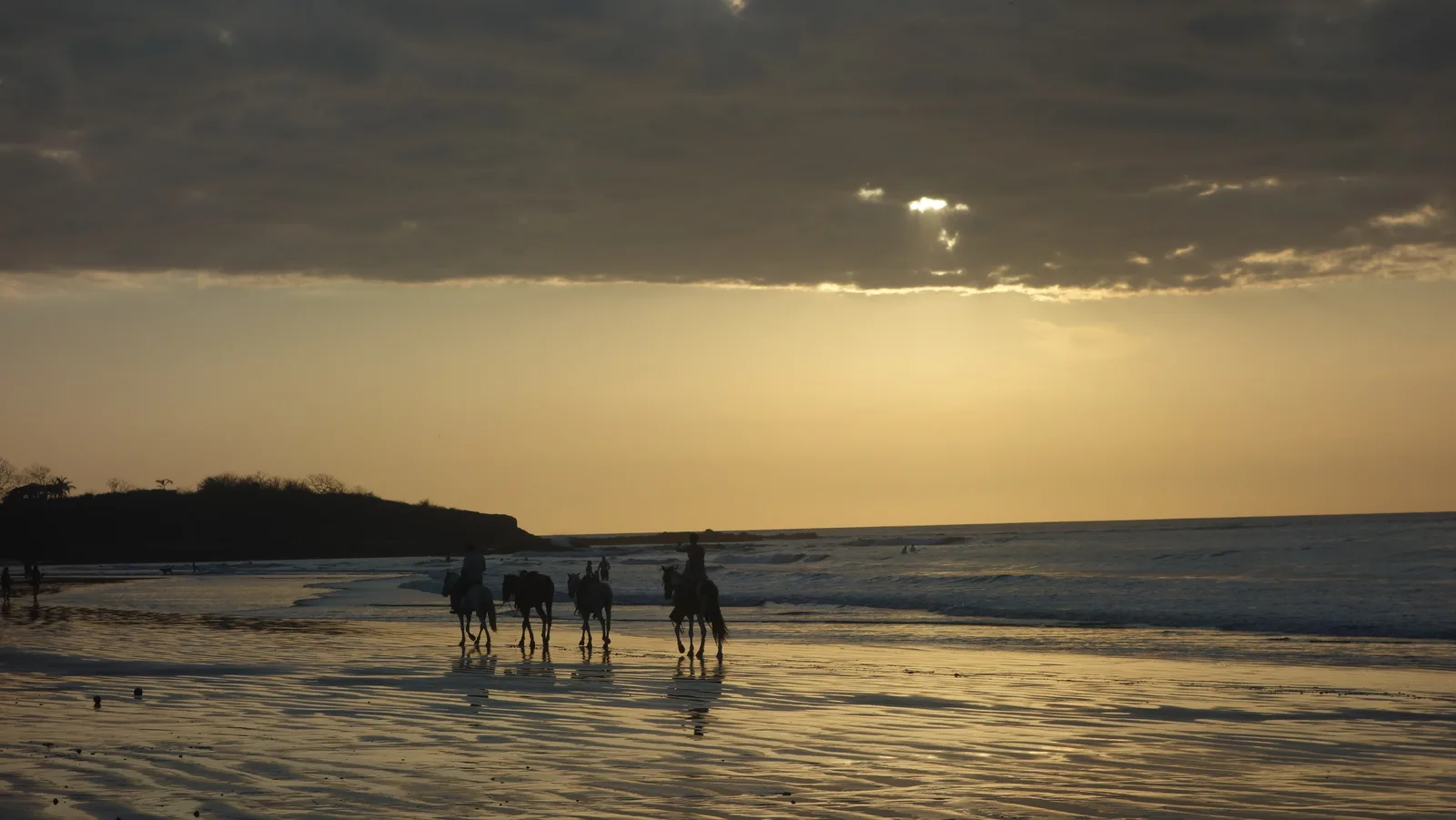
A surf town with the conveniences close at hand
Tamarindo makes a beach holiday unusually easy to organise. You can sleep near the sand, walk to restaurants and arrange a lesson without spending the day travelling between activities. Its appeal is this concentration of services beside a Pacific bay, rather than isolation. Expect a busy holiday town with nightlife and international dining, especially if you choose accommodation in the centre.
The location matters: this is Tamarindo in Guanacaste, on Costa Rica’s northwestern Pacific coast. It is a small coastal destination, not a regional metropolis. The Costa Rica Tourism Board’s Guanacaste information places it within a much larger region of beaches, forests and inland communities. Use the Costa Rica country guide for wider planning, then decide whether you want Tamarindo’s convenience or a quieter base with more journeys built into each day.
Put the bay, estuary and neighbouring beaches in perspective
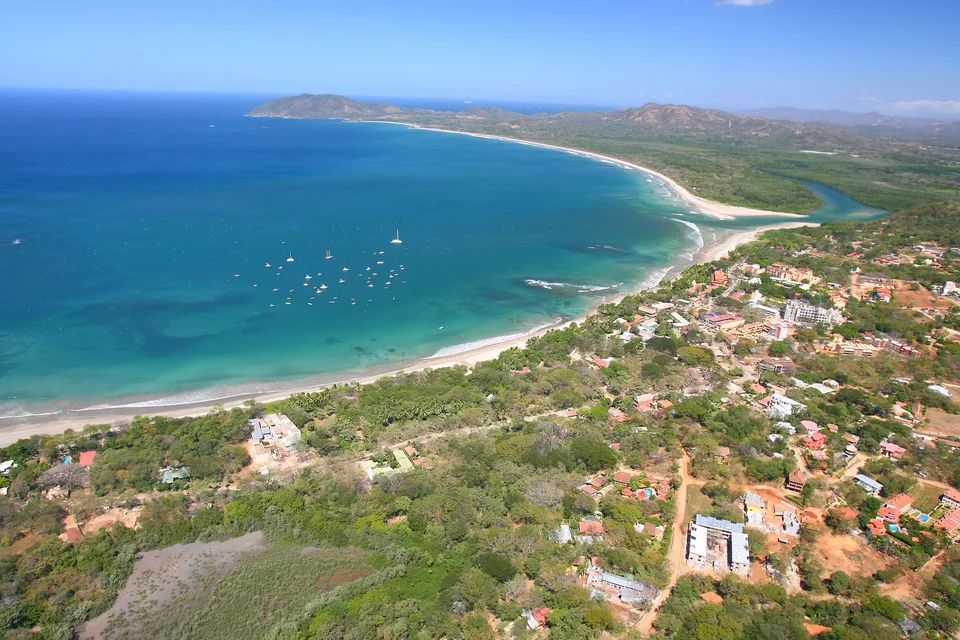
Tamarindo’s geography explains both its attractions and its limits. The main beach fronts the town, while the estuary and mangrove environment form a different kind of landscape nearby. Across the wider bay, Playa Grande belongs to the protected coastal setting of Las Baulas. A short distance on a map does not establish a safe walking or swimming connection.
Look at the official descriptions of Guanacaste’s beaches before treating every stretch of coast as equivalent. Langosta has rocky shoreline; Avellanas is associated with stronger surf. Families wanting a swim, beginners wanting instruction and experienced surfers seeking particular waves need different advice. Ask about the exact entry point and conditions that day. A beach’s tourism reputation or environmental award does not guarantee safe water for every person or every tide.
See the coast through its conservation history
The region’s protected beaches are part of Tamarindo’s story, rather than an optional nature excursion detached from the town. Las Baulas Marine National Park protects coastal and marine habitats around Tamarindo Bay, including important turtle-nesting areas. The name baula refers to the leatherback turtle, but a holiday booking is no guarantee of seeing one.
This gives a visit a useful perspective: the same shore supports tourism, wildlife and surrounding communities. Read interpretation, respect restricted access and ask how an activity operates within conservation rules. Avoid a tour sold primarily through promises of touching or crowding animals. You do not need an invented founding anecdote to understand the place; the relationship between the developed waterfront and protected coast is visible and consequential. Leave time to observe that relationship instead of rushing between identical beach photographs.
Choose central Tamarindo for an easy first stay
For a first visit without a vehicle, central Tamarindo is the practical starting point. Compare walking routes to the beach, your lesson meeting point and evening meals. A short walk can be worth more than an extra hotel facility if it removes several taxi journeys a day. Check whether your room faces a road, restaurant area or quieter garden before paying for an attractive address.
Nightlife is part of the appeal for some visitors and an inconvenience for others. Ask the property directly about evening noise, construction and the location of your actual room. Families should also check steps, crossings and whether a pushchair route works outside the grounds. “Close to the beach” says little about these details. A map and a clear reply from the accommodation provider are better evidence than a general description of the town.
Compare Langosta and other bases honestly
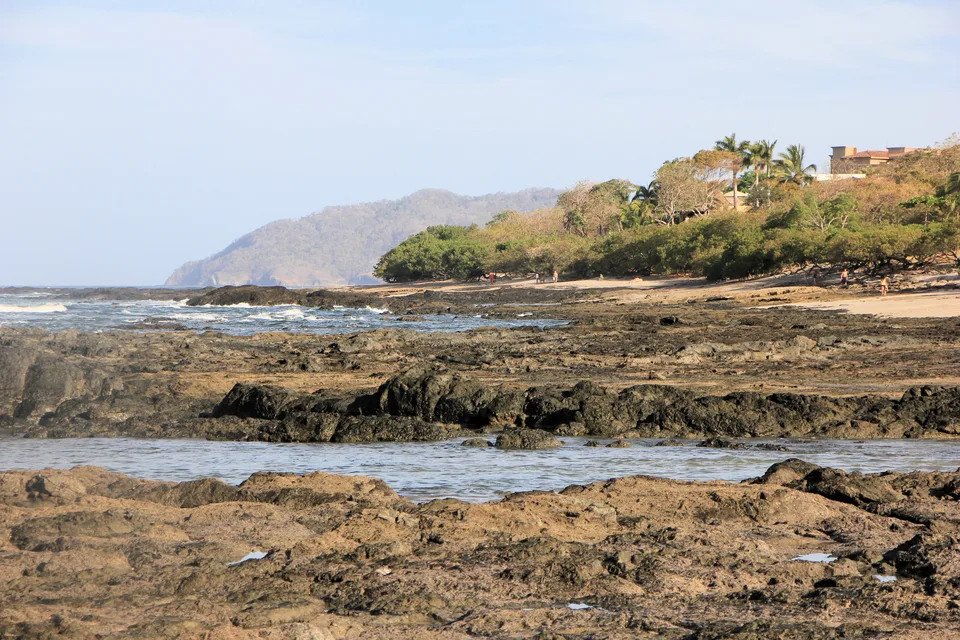
Langosta is worth comparing when you want a different setting from the busiest central streets. Make the choice around the actual property, route and shoreline rather than assuming every address has a quiet sandy swimming beach. The rocky coastal scenery can be rewarding even when getting into the water is the wrong activity.
Playa Grande is another distinct base, not simply the far end of an effortless beach stroll from Tamarindo. Establish road access and any organised transport before booking activities on the other side. For a longer holiday, compare Nosara’s destination page with Tamarindo according to your priorities: surf instruction, evening choices, family requirements and onward travel. A quieter location becomes less restful if the household spends every day negotiating journeys to services it needs. Keep the accommodation decision connected to the itinerary you will actually follow.
Learn to surf with the right expectations
A lesson is a better first purchase than an unsuitable board rental. Tell the school about your swimming ability, experience and any limitations, then ask how it chooses the location and time. Group size and the number of instructors matter more than promotional promises of standing up quickly. Conditions can require a change of plan.
As a concrete comparison, Salty Smile Surf’s lesson page lists a private lesson at US$80 per person and semi-private instruction at US$75. It describes an initial lesson of roughly two hours, with subsequent sessions around 90 minutes. These are that operator’s published products, checked in October 2026, rather than a town-wide price standard. Confirm equipment, cancellation terms and the arrangement for children. Give yourself an easy afternoon afterwards; a first session can be tiring even when most of it takes place near shore.
Give the beach time beyond an activity booking
Tamarindo also works when you leave part of the day unassigned. Walk an appropriate section of the main beach, stop for a meal and return when the light changes. This is a good arrival-day plan because it does not rely on immediately meeting a tour after a delayed flight or transfer.
Keep the distinction between watching the surf and entering it. Follow local warnings, use an appropriate supervised area and ask qualified operators about conditions before taking equipment out. Keep children in sight and belongings under control. If someone in the group wants to surf while others prefer dry land, agree on a clear meeting point and return time. The holiday will run more smoothly if each person has a realistic option rather than an obligation to join every water activity.
Treat the estuary as wildlife habitat
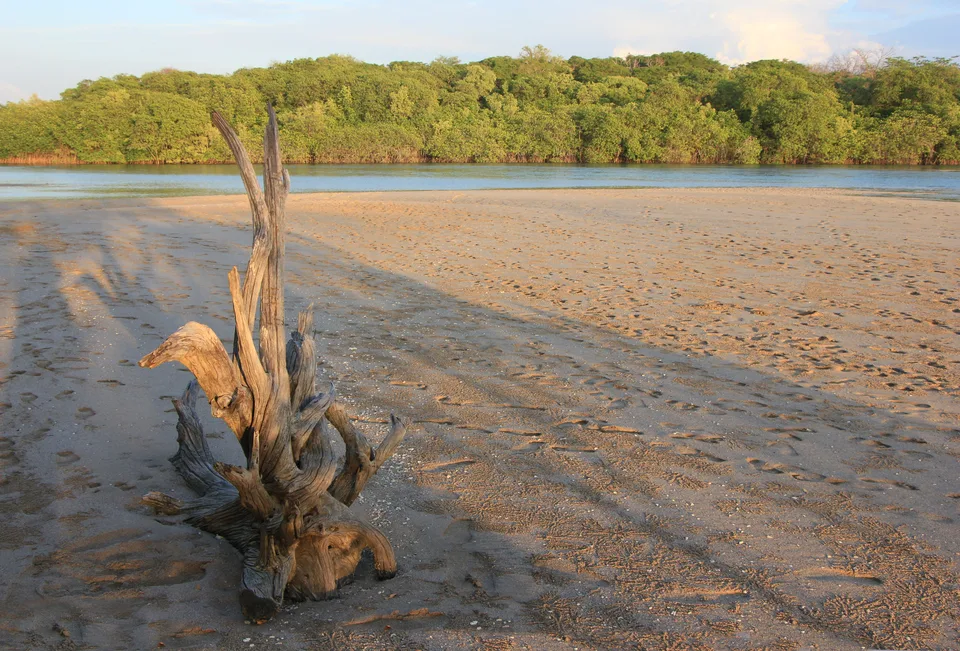
An estuary outing can show another side of the coast, with mangroves and a landscape shaped by tidal water. Arrange an appropriate guided boat experience if that interests you, and ask about the route, duration, group size and what happens in unsuitable weather. Wildlife sightings are possibilities, not deliverables an ethical operator can guarantee.
Do not improvise a swim or wade through the estuary to shorten a journey. The tourism institute’s crocodile precautions explain that these animals inhabit rivers, estuaries, mangroves and some coastal waters. Keep a safe distance, avoid feeding them and follow local instructions. A shallow-looking channel is not evidence of safe passage. The useful decision is how to visit the habitat responsibly, not how close you can get to an animal or how quickly you can cross the water.
Follow the turtle-season access rules
Check SINAC’s Las Baulas visitor information before planning a beach walk around sunset. The authority’s general published visiting hours are 6am–6pm, but its Spanish information gives a 5pm beach limit during the October–February turtle-nesting season. Follow current notices and ranger instructions for the specific sector; the general closing time is not an exception to a seasonal restriction.
For any organised turtle observation, establish the authorised arrangements directly before paying. Ask about where the activity takes place, access permission and the rules governing lights, photography and distance. Do not wander onto a protected beach at night looking for a nest independently. If no appropriate visit is available, make another plan. Respecting a restriction is part of visiting this coast, and a missed wildlife sighting is preferable to disturbing an animal at a vulnerable moment.
Book accommodation by room category
Tamarindo’s accommodation choices include hotels, apartments and smaller lodgings, but the headline category does not tell you how the stay will feel. An apartment can help with meals and laundry; a hotel can simplify reception, transfers and housekeeping. Compare the full arrangement, including air-conditioning, cooking equipment, cleaning and cancellation conditions.
Tamarindo DIRIA’s own questions and answers show why room categories deserve attention. It describes a beachfront section, a family section across the boulevard and an adults-only Tropicana area. Booking the resort does not mean every room is directly on the sand. Ask for the precise building and access arrangements if stairs or crossings matter. Compare your selected dates and total charge instead of using an undated nightly average. The best room is one whose location and facilities support your plans without adding avoidable transport or noise problems.
Choose the airport around the complete journey
Guanacaste Airport at Liberia, code LIR, is the straightforward international gateway to compare for a Tamarindo stay. San José can also work within a wider trip, but its ground connection is a materially larger commitment. DIRIA estimates about 85 minutes from LIR and four to five hours from San José by car; treat these as indicative property estimates, not guaranteed transfer times.
The airport’s transport information recommends authorised services identifiable through official credentials and company uniforms. Reserve an appropriate transfer if arriving late, travelling with children or carrying surf equipment. Check the flight arrival time against pickup arrangements and leave room for immigration and baggage. A cheaper flight can cost more overall if it requires a long private transfer, an overnight stop or the loss of a useful holiday day. Compare that complete cost before purchasing.
Check shuttle times against your flight
Tropical Tours Shuttles’ Liberia–Tamarindo route currently lists a shared departure at 9am, arriving around 11am, from US$30 per person. Its private service starts at US$120 per trip for up to four passengers, with conditions for extra passengers and late pickups. Recheck the date, meeting point, luggage and final quote when booking.
The fixed morning departure is the important practical limitation: it is not a transfer automatically available after every incoming flight. Surfboards can attract an additional charge on shared services. Ask whether delivery includes your exact property, particularly for accommodation outside the central beach area. The airport’s public-transport information also describes connections involving Liberia, but do not mistake a city–airport bus for a direct service to your Tamarindo hotel. Establish each leg and its final departure before committing to a bus-based arrival.
Read domestic baggage rules before buying a flight
A domestic flight can be attractive within a longer Costa Rica itinerary, provided its schedule and luggage conditions suit your trip. Check the airline’s current destination availability and book against the actual date. An old timetable is not proof of a convenient connection today.
SANSA’s baggage policy makes the purchased fare central to the allowance. The airline also warns that excess baggage may travel on a later flight because of operational limits. This matters if a board, large suitcase or essential equipment would leave you unable to continue as planned. Compare the ticket confirmation with everything you will carry, including items accepted on your international flight. Allow time between independently booked services and clarify the final ground connection. The smallest advertised airfare is only useful if the complete journey works for both you and your belongings.
Shop for the holiday you are actually taking
Buy practical supplies before their absence becomes a missed activity: suitable sun protection, drinking water and clothing for the conditions belong ahead of another souvenir. Ask a school what equipment is included before purchasing or hiring duplicates. If bringing medication, establish what you need for the full visit rather than assuming an identical product will be immediately available.
When comparing accommodation prices, add the cost of using the location. Include airport transfers, everyday journeys, meals, lessons and any cleaning or parking charges. Keep colón and US-dollar amounts separate in your notes and check the conversion applied when paying. A family sharing a private transfer has a different calculation from a solo traveller taking the scheduled shuttle. Avoid a universal daily budget that conceals those differences; build one from the bookings and routines that matter to your group.
Pick a season and keep some flexibility
The official Guanacaste climate information describes a dry period from December to March, with April as a transition and rainier periods through much of May–November. These are planning patterns, not a promise that a particular week will stay dry. The landscape and the demands on your itinerary change with the season.
For a beach-focused first trip, compare accommodation availability early for the drier months. During rainier periods, keep outdoor plans movable and allow extra margin for road journeys. Check the Instituto Meteorológico Nacional’s current outlook before travelling and use local warnings for the day’s decisions. Pack for heat, sun and rain rather than relying on a single seasonal label. If considering a move, experience ordinary routines during wetter weather too; a comfortable holiday week cannot demonstrate how an address handles drainage or a regular commute.
A three-day plan with room to breathe
Day one: arrive, settle in and locate the section of beach nearest your accommodation. Take a relaxed walk where access is permitted, have an early meal and confirm the next morning’s meeting point. Keep the evening free of a non-refundable activity tied too tightly to your arrival.
Day two: take a surf lesson at the time chosen with the instructor, then leave the rest of the day comparatively light. Non-surfers can spend the time in town or on an appropriate stretch of shore. Plan dinner around the group’s energy rather than booking a long evening automatically.
Day three: choose either a responsibly operated estuary outing or a planned visit to a neighbouring beach. Establish return transport before leaving. A longer stay can add another lesson, a regional excursion or simply a slower day. Turtle observation belongs only where authorised arrangements and conditions allow it; it is not a guaranteed final-night attraction.
Test daily life before making a longer commitment
Moving to Tamarindo means choosing a working household base within a tourism destination. First establish the job, remote-work permission or course that supports the stay. Then check the actual address against those needs: noise during working hours, internet indoors, cooling costs, storage and the route to regular errands.
If possible, inspect homes before committing to a long contract. Ask about water supply, drainage, backup arrangements and responsibility for maintenance. The AyA service-information portal is useful context, but confirm which supplier serves the particular property. Families should contact schools directly about availability, transport and fees. A location that suits two adults on holiday may be awkward with school runs or frequent appointments. Compare Liberia’s destination page when access to a larger service centre matters more than being able to walk onto the beach.
Separate holiday rentals from residential housing
Do not turn a short-stay apartment quote into an assumed annual housing cost. Ask for the complete proposed agreement: term, payment currency, deposit, refund conditions, utilities, furnishings and permitted use. Photograph the condition at handover and record existing defects with the owner or agent.
Costa Rica’s rental-law resource provides a starting point for understanding the applicable framework, but different arrangements require proper classification. Obtain qualified advice before relying on a holiday contract as a residential tenancy or committing to a major payment. Check who has authority to let the property and retain receipts. For remote work, test a real call from the room where you would work. For commuting, travel the route at the relevant time. Both checks reveal more than an attractive photograph or an assurance that everything is “nearby”.
Plan healthcare and useful local support
Farmacia Tamarindo describes a pharmacy and medical consulting room on Calle Central. Confirm current hours, availability and whether it can meet your particular need before relying on it. A consulting room is not evidence that every investigation or specialist service is available in town.
For a longer stay, establish routine care, prescriptions, insurance and the practical route to any required treatment. Ask your insurer about payment arrangements and emergency assistance before a problem occurs. Check eligibility for public services individually rather than assuming entry permission provides coverage. For an emergency, Costa Rica’s number is 911. Keep your accommodation address and contact details accessible offline. If transport would be difficult without a vehicle, include that constraint in the housing decision instead of discovering it only when an appointment is due.
Keep entry permission distinct from work or study
Consult the official Costa Rica entry requirements for your passport and circumstances. The first nationality group may be admitted for up to 180 days, while other groups have different limits and visa requirements. Immigration determines the permitted stay; do not assume every arrival receives six months. Check onward travel and any health requirements linked to your origin, transit and recent travel.
The official remote-worker requirements describe a separate estancia for qualifying paid services supplied to clients or entities outside Costa Rica. They currently specify monthly overseas income of US$3,000 for an individual or US$4,000 with dependants, alongside documentation and other conditions. This is not ordinary permission to take a local job or permanent residence. For employment, longer study or relocation, obtain the appropriate advice and authorisation. VisaWand’s Costa Rica consultant listings can help you compare assistance; verify credentials, scope and fees before engaging anyone.
Consider a course or a different coastal base
A language course can give a longer visit a useful routine. Tamarindo Spanish School’s rates list a one-week standard group course at US$367, with the book charged separately. Check class dates, group arrangements, accommodation and immigration requirements directly. Paying a school does not itself establish a right to remain or work.
For onward planning, compare Nosara, neighbouring beaches and inland service towns according to the activities you actually want. Use the Costa Rica destination directory to orient the wider journey, checking which pages currently contain completed guides. Tamarindo is strongest when its convenience serves a clear plan: a suitable room, a workable arrival, realistic beach activities and enough unscheduled time to enjoy being beside the Pacific.
Official planning resources
Reviewed 21 October 2026. Use the official resources linked throughout this guide for admission, transport, housing and immigration decisions. Prices, services and rules can change; confirm the details relevant to your dates. Photography illustrates the locations and is not a live view.
View all official resources
- Costa Rica Tourism Board: Guanacaste
- Costa Rica Tourism Board: Guanacaste attractions
- SINAC: Las Baulas Marine National Park
- Salty Smile Surf: lesson options
- Costa Rica Tourism Institute: crocodile precautions
- Tamarindo DIRIA: hotel questions
- Guanacaste Airport: authorized transport
- Tropical Tours Shuttles: Liberia Airport to Tamarindo
- Guanacaste Airport: location and connections
- SANSA: baggage conditions
- Costa Rica Tourism Board: Guanacaste cultural traditions
- Costa Rica Tourism Board: Guanacaste climate
- Instituto Meteorológico Nacional: current outlook
- AyA: water service information
- Costa Rica legal information system: rental law
- Farmacia Tamarindo: pharmacy and medical consulting room
- Costa Rica Tourism Board: entry requirements
- Costa Rica Tourism Board: detailed remote-worker requirements
- Tamarindo Spanish School: current course rates
Plan the next part of your journey
Explore the Costa Rica guide, browse other cities or compare consultants for your travel and relocation questions.