Visa
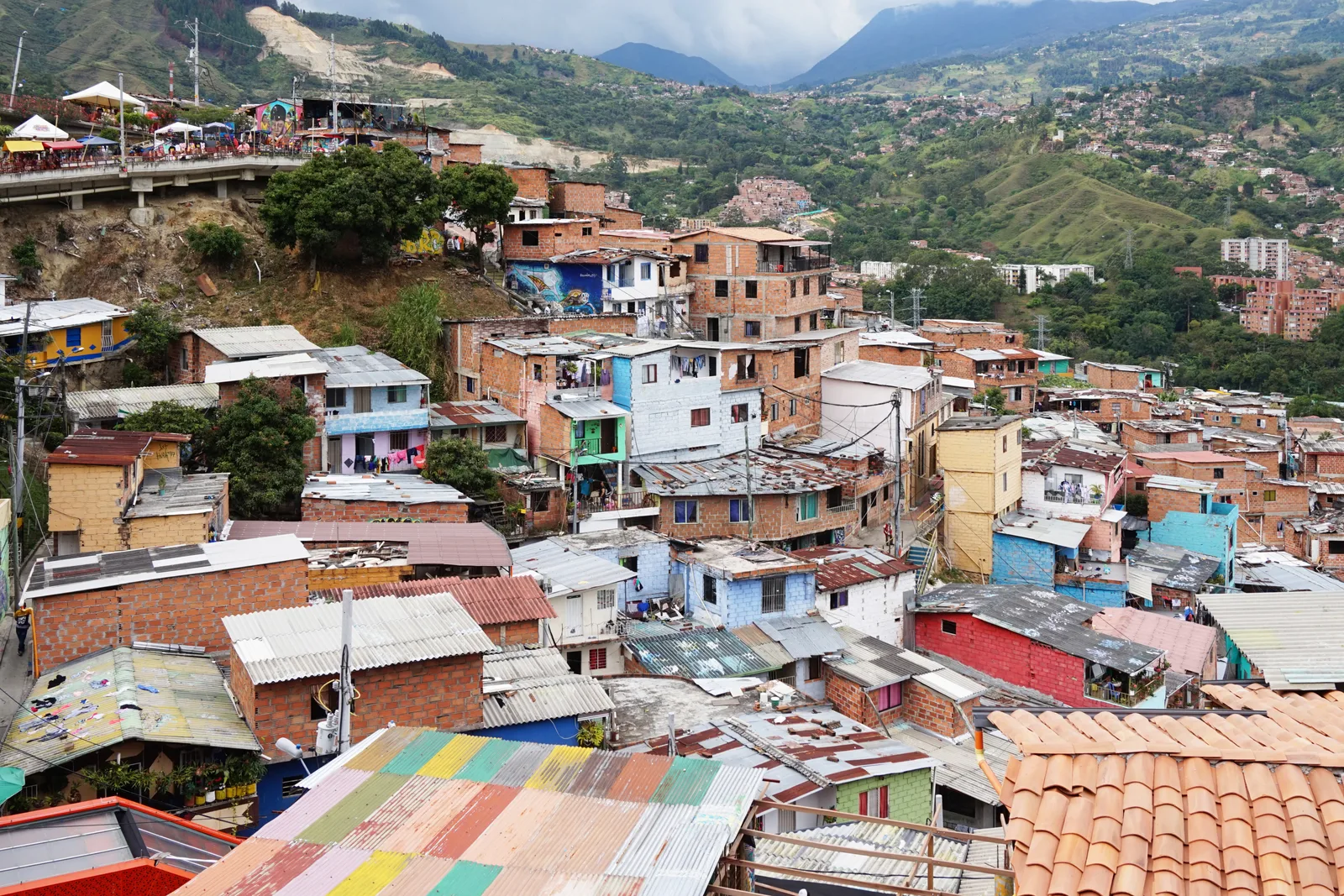
Medellín is best understood through its neighbourhoods
Medellín’s setting is part of the experience: buildings follow the floor and slopes of the Aburrá Valley, while trains, cable cars and roads connect places that can look deceptively close on a map. The city rewards visitors interested in art, food, urban history and time in its surrounding hills. Allow three full days for an introduction, with another day if a countryside excursion is a priority.
Your accommodation choice will shape the visit. A restaurant-focused stay in El Poblado feels different from evenings around Laureles or a programme built around central museums. The official Medellín destination guide provides a useful overview. Use VisaWand’s Colombia country guide for national planning and its Colombia location directory when comparing the capital of Antioquia with other places in the country.
Put the modern city in its historical setting
The city’s municipal history dates the establishment of the Villa de Nuestra Señora de la Candelaria de Medellín to 2 November 1675. That institutional foundation followed earlier settlement and did not begin the valley’s human history. Later commercial and industrial growth helped create a city whose identity now includes cultural institutions, design, public transport and the everyday life of a large metropolitan area.
Avoid reducing that history to a single person or period of violence. Museums, neighbourhood organisations and cultural guides offer different ways to understand change, memory and continuing challenges. Allow people to tell their own stories rather than treating residential districts as scenery for a dramatic narrative. The most useful historical visit connects what you see with how the city functions today, including the people who live and work there.
Choose between El Poblado, Laureles and a central base
El Poblado is a practical starting point if you want a concentration of accommodation, restaurants and evening activity. Check the actual gradient between a property and your intended destinations: a nearby station on a map can still involve an uncomfortable walk with luggage. Ask about room noise, late check-in and the final approach from public transport before paying for a non-refundable stay.
Laureles offers another setting for neighbourhood meals and accommodation, while the centre can suit a programme concentrated on museums and civic streets. The city’s neighbourhood and creative-tourism information helps introduce these different areas. Compare precise addresses rather than assuming each district is uniform. For any base, work out one realistic daytime journey and one evening return; convenience matters more than an attractive neighbourhood label.
Treat the surrounding municipalities as separate places
Envigado, Rionegro and other neighbouring municipalities belong in a metropolitan or regional plan, but they are not simply interchangeable Medellín neighbourhoods. This matters when searching for housing, arranging transport or describing an airport transfer. Check the municipality as well as the street name. Similar names can also occur elsewhere in Colombia, so verify the map location before making a reservation.
An extended stay outside the main visitor districts may work well for a particular household or workplace. Test the actual commute, local shopping and access to services before deciding. A quieter address can become frustrating if it repeatedly adds long journeys. Conversely, staying near an office may be more useful than being near a nightlife area you will visit only occasionally.
Book accommodation around the way you will use it
For a brief stay, a staffed reception, secure luggage storage and reliable sleep can matter more than a large apartment. For a longer visit, inspect the kitchen, laundry, desk and internet arrangements. Ask whether a claimed working area is a separate room or simply a table in a shared living space. Confirm building access rules, particularly if you expect visitors, deliveries or an arrival outside reception hours.
Compare the final total with taxes, cleaning charges, deposits and cancellation terms included. Ask what evidence is needed for any advertised visitor exemption. Check ventilation or cooling and read recent comments about noise from roads, construction and entertainment venues. Travellers with limited mobility should confirm steps, lift access and bathroom layout directly; a photograph of a modern lobby does not establish that the whole route is accessible.
Know which airport is on your ticket
José María Córdova, identified by MDE, is in Rionegro, outside Medellín itself. Olaya Herrera, identified by EOH, is in Medellín. Airplan’s airport contacts distinguish the locations, and the transfer you arrange must match the airport on your booking. This is especially important when combining separate flights: do not interpret two services advertised for Medellín as a connection within the same terminal.
For MDE, the airport’s transport questions describe authorised white taxis with blue markings and public buses connecting with Medellín. Its current guidance lists buses on the first floor by door 2, with routes towards Sandiego or the centre via different roads. Check the route’s final stop against your accommodation. A city bus terminus or roadside drop-off may still require another journey with your luggage.
Leave a margin for the journey from Rionegro
The airport describes different road options, including the Túnel de Oriente, Alto de Palmas and the Medellín–Bogotá highway. Do not turn that choice into a single promised transfer time. Traffic, road conditions and the final destination in the valley all matter. On departure, work backwards from your airline’s required arrival time and add a margin for the full journey, not merely the tunnel section.
Confirm the current fare, luggage allowance and departure arrangement with the transport provider. Ask whether a taxi quote includes applicable road charges before starting. Although the airport describes transport operating around the clock, that is not a guarantee of a particular bus leaving exactly when your flight arrives. Keep the accommodation address offline and arrange a clear meeting point if someone is collecting you.
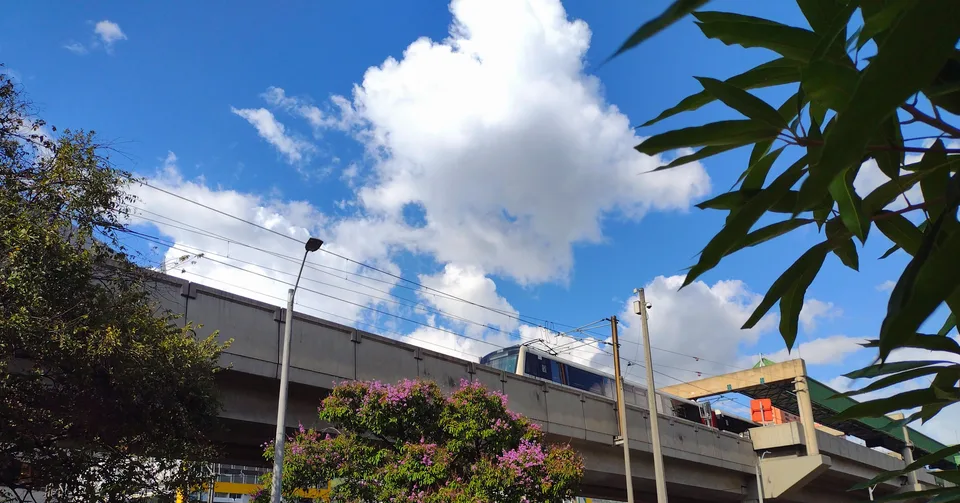
Use the Metro with the correct visitor fare
Medellín’s transport network helps make a visit manageable, but fare profiles matter. The current Metro user information lists COP 4,400 for the al portador and eventual profile within the basic integration categories, compared with COP 3,820 for the frequent profile. Do not budget a visitor’s journeys automatically at the lower figure. The listed price of an eventual Cívica card is COP 12,100, separate from travel credit.
As a simple example, four separate basic journeys at COP 4,400 cost COP 17,600; adding a new eventual card brings that example to COP 29,700. More complex combinations can have different prices. Check the fare for the route you actually intend to take. The operator notes cash payment at station ticket offices and recharge machines, so arrange a suitable way to buy or load credit before a time-critical trip.
Start the cultural route around Plaza Botero
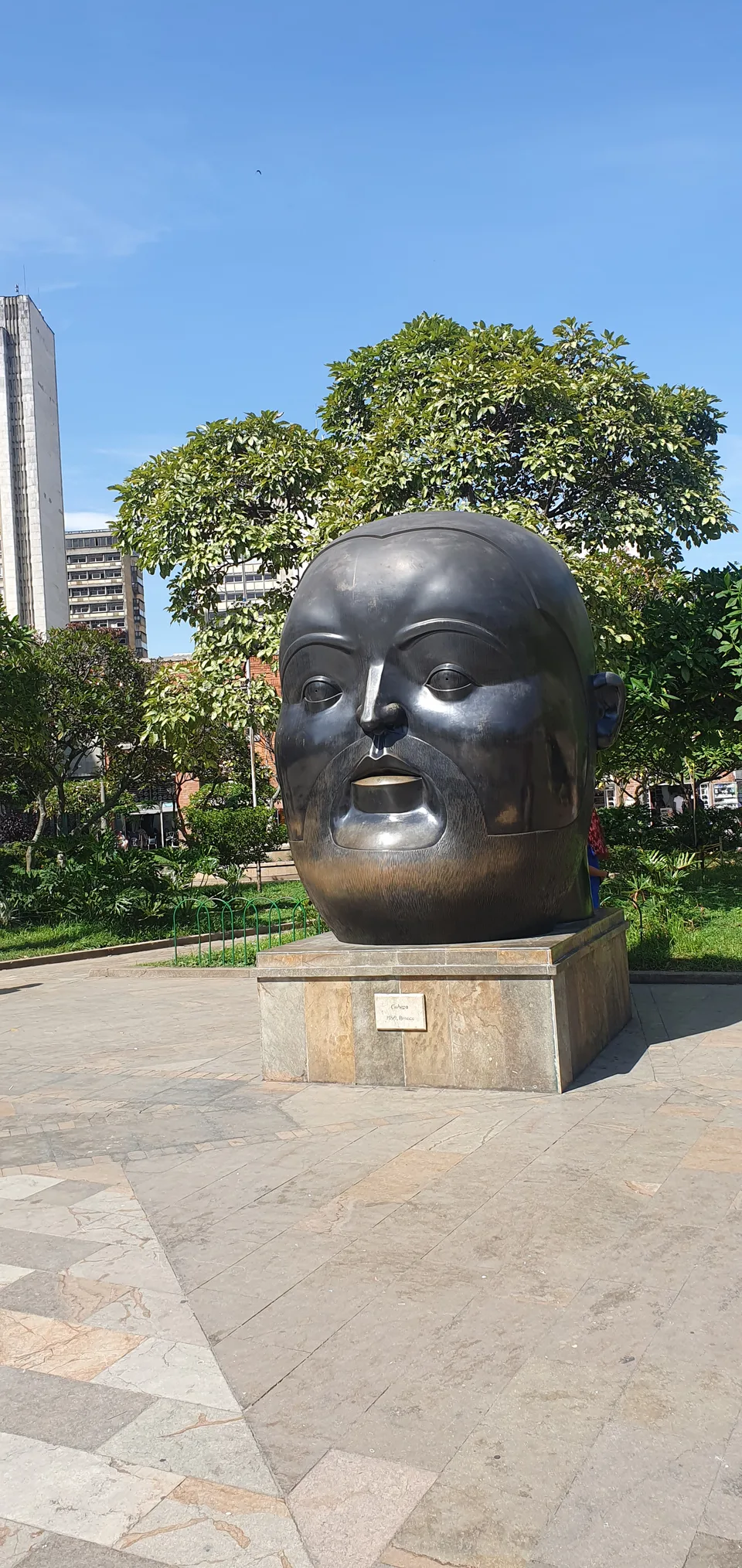
Plaza Botero and the nearby Museo de Antioquia make a coherent central outing. The outdoor sculpture setting and the museum collection are related experiences, but they are not the same admission. Give yourself time to look at the works, then move into the galleries rather than trying to photograph the whole area and immediately cross the city for another attraction.
The Museo de Antioquia visitor page places the museum near Parque Berrío station at Carrera 52, number 52–43. It also specifies that photographs are not permitted in the Botero collection rooms; other galleries have their own rules, including avoiding flash. Confirm current admission categories and exhibitions when planning. Budget for museum admission separately from transport, and check which temporary exhibitions will be open on your chosen date.
Visit the MAMM for a different perspective on art
The Museo de Arte Moderno de Medellín offers a separate art experience in Ciudad del Río. Its visitor information suggests arriving through Industriales station and walking south for the final stretch. Look at the current exhibition programme before deciding how long to spend, and distinguish gallery access from cinema screenings, workshops or other separately arranged events.
The published foreign general-admission category is COP 30,000, making COP 60,000 for two such adult tickets. Resident and concession categories have different conditions, and identification must match the ticket purchased. The museum normally closes on Mondays and on the Tuesday following a public holiday. Check the selected date before travelling; a shop or library timetable is not necessarily the opening schedule for the exhibition rooms.
Combine the Botanical Garden with time around Universidad
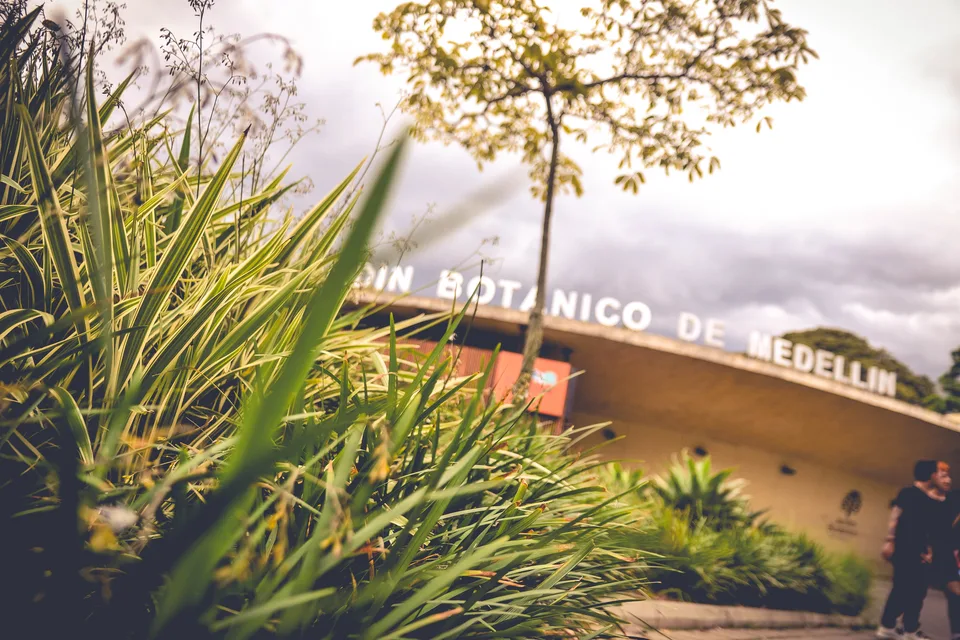
The Jardín Botánico’s visitor information provides a welcome counterpoint to enclosed galleries. General admission is supported through a public programme, but check events, access arrangements and the day’s opening information before leaving. A special event can alter the normal experience. The garden is a place to slow down and observe living collections, rather than another sight to complete in a few minutes.
Nearby, Parque Explora offers interactive science experiences and an educational aquarium. Families and curious adults should allow substantial time rather than assuming it is a small add-on to the garden. The operator identifies Universidad station on Line A as the Metro approach. Check the ticket product, age requirements and any eligible discounts directly; local subsidy programmes do not automatically make admission free for every visitor.
Approach Comuna 13 as a living community
The city’s Comuna 13 information introduces art, cultural activity and neighbourhood history in the western part of Medellín. San Javier, at the end of Metro Line B, is a starting point for onward access rather than the escalators themselves. Establish where a walk or guided visit begins and ends, how demanding it is, and how you will return afterwards.
A locally informed guide can add context, but ask what the price includes and whose perspective the tour presents. Seek permission before photographing residents or entering businesses, keep doorways clear and respect performance or workshop arrangements. Public escalators serve everyday mobility; buying a private tour is a separate decision. Avoid treating the experience as proof that every street has identical conditions or that a short visit explains the whole community.
Price Arví separately from an ordinary Metro journey
The tourist Cable Arví, Line L, needs its own budget. Metro’s 2026 Arví tariff resolution lists a foreign or general charge of COP 26,700, with other categories requiring the relevant eligibility. The operator’s Arví service questions describe charges per journey. Two directions at the general rate therefore amount to COP 53,400 per person, before any separate journey to reach the cable or paid park activity.
Confirm your category at purchase rather than applying a resident concession to an ordinary visitor. Current operational information lists Tuesday maintenance closure, with adjustments possible around holidays and other conditions. Check both the outward and return service before setting off. Daily capacity can restrict further uphill travel, so a published closing time is not a promise that you can arrive at any moment and board immediately.
Choose an Arví activity before travelling up
Parque Arví’s current visitor questions distinguish the park’s own walks and tourism services from activities run by other organisations within the wider area. Decide whether you want a guided walk, a particular experience or simply time near the arrival area. Verify what requires a ticket or reservation and what the selected activity includes. The cable ticket does not automatically purchase every experience on the plateau.
Wear footwear that suits the chosen route and carry a rain layer. Check the forecast and the return arrangements, and do not leave a walking route solely to chase an unfamiliar shortcut. Park pages give differing closing details, so confirm the specific activity’s meeting and finish times. Keep this as a generous half-day or longer, depending on your plan, instead of attaching it to a rushed museum circuit.
Eat regional food, then explore beyond the familiar dishes
The official Medellín food guide introduces arepas and substantial regional dishes such as bandeja paisa. Use them as an entry point rather than a compulsory daily menu. Ask about portion sizes and ingredients, especially where a dish includes several meats or accompaniments. A café breakfast, a simple lunch and a more elaborate evening meal will produce a different budget from eating every meal in a visitor-focused restaurant district.
Compare complete menus, including drinks, and check the bill before paying. Colombia’s consumer authority explains that restaurant tips are voluntary, so clarify a suggested tip rather than assuming it is an unavoidable charge. For allergies or dietary requirements, explain the ingredients you must avoid. The same dish name can cover variations, and a familiar-looking arepa does not establish what is in a filling or accompanying sauce.
Shop without turning every purchase into a cross-city journey
Medellín’s design and creative culture make room for more than conventional souvenir shopping. Browse within the neighbourhood you are already visiting, and ask about the maker, materials and care instructions where those details affect a purchase. Keep receipts and establish the return policy for anything substantial. Compare delivery costs and times before assuming a bulky object can travel home with you.
Set aside a discretionary shopping amount after accommodation, transport and chosen activities are covered. Exchange-rate movements and card charges can change the cost in your home currency, so keep working figures in Colombian pesos. Carry a second payment method separately and avoid displaying large amounts of cash. If buying food, plants or natural materials, check your destination’s import rules before paying for something you may be unable to carry home.
Plan around rainfall rather than a slogan about spring
Medellín’s valley setting supports a milder impression than many travellers expect from Colombia, but rain still shapes the day. SIATA’s explanation of the regional rainfall cycle describes wetter periods around March–May and September–November, with relatively less rainy periods between them. These are historical seasonal patterns, not a forecast for a particular outing or a guarantee of dry conditions in other months.
Pack for warm activity in the city and changing conditions higher up. Check current forecasts before hillside walks, and keep a flexible indoor alternative for a wet afternoon. Good visibility also changes the value of a cable-car or viewpoint outing. Schedule your most important outdoor experience where there is room to move it, rather than placing every weather-dependent activity on one tightly booked day.
A three-day introduction with a fourth day to spare
Use the first full day for Plaza Botero and Museo de Antioquia, with time for lunch and a defined central walking route. Keep the afternoon adaptable after arrival rather than booking every hour. On day two, choose a Comuna 13 visit with clear meeting arrangements, then return to your base for an unhurried evening. Check museum opening days before fixing the order.
For day three, choose between Arví and a combination of the Botanical Garden and Parque Explora. Each deserves time; trying to fit both programmes into the same day adds unnecessary connections and pressure. Art-focused visitors could substitute the MAMM. A fourth day allows a separate trip beyond the valley. Leave the final departure day lightly planned so luggage arrangements and the airport transfer take priority over one last distant attraction.
Test a normal commute before choosing a home
A short visit can establish which areas appeal to you, but living in Medellín needs a more ordinary test. Travel from a prospective property to work or study at the time you expect to leave each day. Include the route’s gradient, the station approach, transfers and the evening return. Compare the monthly cost of commuting with any saving in rent, and consider how the journey feels in rain.
Temporary accommodation can provide time to inspect longer-term options. Verify who has authority to rent the property and obtain written terms covering payments, any deposit or guarantee, repairs, termination and building-administration charges. Request recent bills and a clear inventory. Avoid treating one furnished advertisement as a citywide rent benchmark. A property that suits a weekend may have different noise, access and working-space limitations during an ordinary week.
Check utilities and household needs before move-in
EPM’s customer-service resources help with relevant household billing and service questions. For the actual property, identify which utilities are included, who holds each account and whether there are outstanding balances. Record meter readings where appropriate and establish how faults are reported. Confirm internet availability with the complete apartment address, including installation arrangements, before depending on it for work or study.
Ask about waste collection, deliveries, visitors, parking and the building’s emergency procedures. Test hot water, ventilation and appliances; inspect the route from street to door if anyone has limited mobility. Households with children should confirm school places and required documents before choosing an address around presumed admission. Identify nearby groceries, pharmacies and appropriate healthcare, and establish what health coverage applies from the day you arrive.
Visiting Colombia is different from moving or working there
Review Colombia’s entry and departure requirements for your nationality and purpose, then keep the record of the period actually authorised. An available extension does not make every visitor’s stay automatically longer. The official CheckMig service is free and optional preregistration; it is separate from visa permission. Use the government resource and check your airline’s own boarding instructions before departure.
For local employment, the M worker visa has conditions connected to the authorised job or activity. The V digital nomad category concerns qualifying foreign remote-work arrangements and does not authorise paid work for Colombian persons or businesses. Nationality and other conditions also affect the separate short-stay exception. Do not assume that overseas payment, a laptop or a short accommodation booking by itself settles the immigration position.
Study and residence require separate decisions
Students should compare the institution’s admission requirements with the official student visa information, including documents, course duration and applicable exceptions. Permission to study is not a general promise of unrestricted employment. Prepare any required insurance, financial evidence, translations or legalisations early, and keep lawful status while arranging the next stage of a stay.
Longer-term residence follows the relevant migrant or resident visa rules, with different qualifying conditions between categories. Property ownership and repeated holidays do not automatically grant permanent residence. VisaWand’s consultant listings can help locate professional assistance for an individual case; applications and decisions remain with the authorities. Its Colombia destination page offers another starting point for comparing the wider move before committing to housing and travel.
Give Guatapé or Santa Fe de Antioquia a separate day
Guatapé and the Piedra del Peñol offer a contrasting reservoir landscape. The town and the rock are distinct stops, so check transport between them, ticket arrangements and the demands of any climb before booking. Allow a full excursion day and verify the return journey. VisaWand’s Guatapé location page provides a geographic reference rather than a promise that every attraction or transport service is included.
Santa Fe de Antioquia offers another direction: heritage streets and a warmer setting beyond Medellín. Choose it for its own character rather than adding both regional trips to one hurried day. The Santa Fe de Antioquia location page helps distinguish the municipality from similarly named places. For a different Colombian city comparison, the existing Bogotá guide covers the high-altitude capital. Keep enough time in Medellín itself to make those contrasts meaningful.
Official planning resources
Reviewed 15 October 2026. Use the official resources linked throughout this guide for admission, transport, housing and immigration decisions. Prices, services and rules can change; confirm the details relevant to your dates. Photography illustrates the locations and is not a live view.
View all official resources
- Medellin Travel: official destination information
- Medellin City Council: history and symbols
- Medellin Travel: neighbourhoods and creative culture
- Jose Maria Cordova Airport: transport questions
- Airplan: airport locations and contacts
- Metro de Medellin: current fares and operating information
- Metro de Medellin: 2026 Arvi tariff resolution
- Metro de Medellin: Arvi service and fare questions
- Parque Arvi: current visitor questions
- Museo de Antioquia: plan a visit
- MAMM: visit the Museum of Modern Art
- Medellin Botanical Garden: visiting information
- Parque Explora: plan a visit
- Medellin Travel: Comuna 13
- Medellin Travel: food and regional flavours
- SIATA: the valley rainfall seasons
- EPM: household customer services
- SIC: restaurant prices and voluntary tips
- Migracion Colombia: entry and departure requirements
- Migracion Colombia: free optional CheckMig
- Cancilleria: M worker visa
- Cancilleria: V digital nomad visa
- Cancilleria: V student visa
- Cancilleria: visitor, migrant and resident visa categories
- Colombia Travel: Guatape and the Piedra del Penol
- Colombia Travel: Santa Fe de Antioquia
Plan the next part of your journey
Explore the Colombia guide, browse other cities or compare consultants for your travel and relocation questions.