Visa
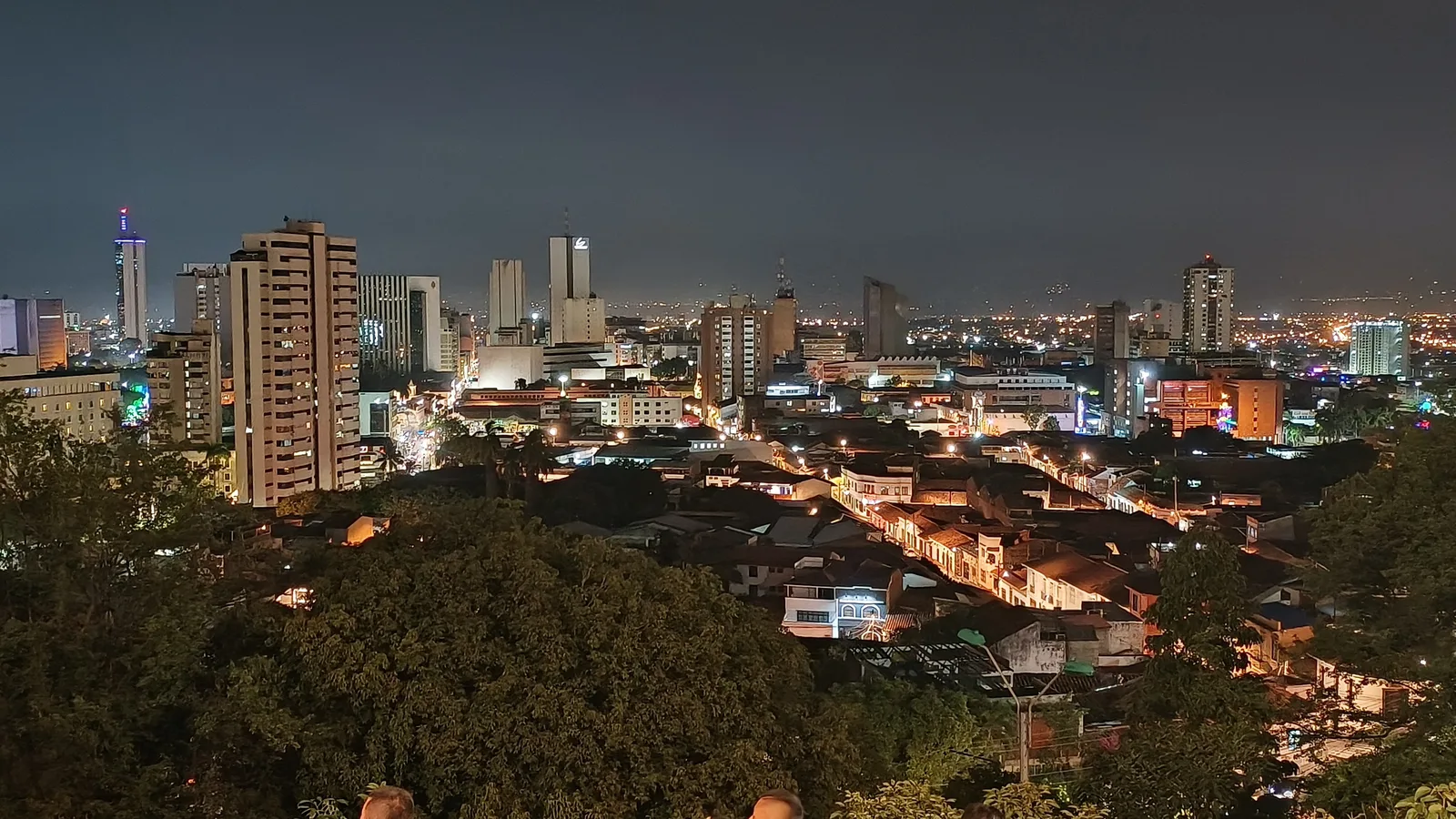
Make time for Cali beyond a single night out
Cali rewards travellers who want music, visual culture and a working Colombian city, rather than a tightly enclosed sightseeing centre. A good first visit combines time in its neighbourhoods with a museum, a dance experience and an outing suited to the weather. Decide what you want your evenings to look like before choosing accommodation: a room convenient for a late return may be more useful than one beside an attraction you will visit only once.
Allow three days for an introduction without making every journey a race. Group activities geographically, leave breaks during the day and plan the return from an evening event before setting out. If you are considering moving, extend that introduction into an ordinary working week. A few holiday evenings cannot establish whether the address will work for a commute, school run or regular medical appointment.
Use VisaWand’s Colombia country guide for wider planning, its Colombia destination directory to explore locations, and the Bogotá destination page when comparing another city.
Start with San Antonio and the western cultural area
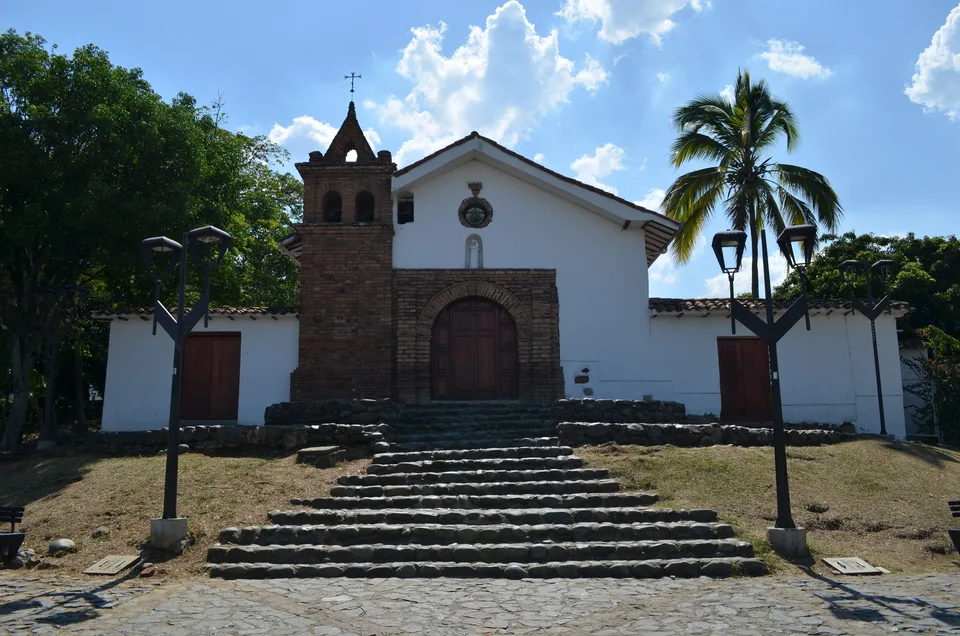
San Antonio is a useful place to begin understanding Cali’s relationship with graphic art, cinema and music. Colombia Travel’s cultural account connects the neighbourhood with La Linterna’s traditional printing workshop and describes the posters and murals found in San Antonio, El Peñón and the centre. Treat those streets as a living cultural setting, giving residents and working businesses space rather than expecting every doorway to be a visitor attraction.
Choose a manageable walk and check opening arrangements for any workshop you hope to enter. A poster can make a distinctive souvenir, but ask about its maker, size and safe packing before buying it. If an artist or printer is working, request permission before taking close photographs. Do not assume a demonstration or guided visit is included simply because the shop is open.
For accommodation, compare the exact street and room orientation with the route you expect to use after dinner. A lively area can be convenient without every room being quiet. Ask about steps, vehicle access, cooling and street noise, and check the final approach if travelling with luggage or limited mobility. The neighbourhood name alone cannot answer those questions.
Choose a salsa experience that matches your confidence
The national tourism board’s salsa overview describes a culture shaped by Caribbean musical influences and a distinctive local dance tradition. You can engage with it through a lesson, a performance or a social evening; those are different experiences, and the most useful choice depends on whether you want to learn, watch or dance with others.
For a first lesson, ask about the level, teaching language, group size and whether a partner is required. Confirm the duration and full price before reserving. If you are attending a show, check whether seating, food or drinks are part of the ticket. For a club evening, establish current opening arrangements and any minimum spend directly, rather than relying on an old event listing.
Give yourself permission to start modestly. A beginner session followed by an evening of listening may be more enjoyable than booking an intensive programme before you know the style. Arrange the journey home, keep your accommodation details accessible and avoid making the following morning’s first appointment depend on a very short night’s sleep.
Check La Tertulia’s current programme
Museo La Tertulia’s official website currently directs visitors to its programme and ticket links, including a separate cinema listing. Use that current channel to choose an exhibition or screening and establish the applicable hours and admission. An older monthly programme is useful historical material, but it does not establish what is showing on your travel dates.
Keep the museum visit focused enough to enjoy the work rather than simply add another stop. Check whether a screening needs its own ticket, whether an activity requires advance registration and which spaces are accessible for your group. Leave time afterwards to continue exploring the western area at a comfortable pace. If the programme changes, adjust the day around what is actually available instead of treating an outdated exhibition description as a fixed attraction.
Arrive at the airport with the right destination address
Alfonso Bonilla Aragón is the airport serving Cali, but the terminal is in Palmira, outside the city itself. That distinction matters when judging a hotel’s airport-transfer quotation or the time available before a flight. Compare the journey to your actual neighbourhood, including luggage and the final approach to the property, rather than relying on a single airport-to-Cali estimate.
The Ministry of Transport records the airport’s return to public operation in September 2025, following the Aerocali concession. Use current airline and airport information when planning your arrival, rather than assuming an older concessionaire’s passenger guide still describes today’s services. For a prearranged transfer, obtain the meeting point, full price and delayed-flight procedure in writing. Leave the first afternoon flexible instead of making an attraction reservation dependent on a precise arrival time.
Give the zoo enough time
The Cali Zoo’s own visitor page publishes daily opening hours of 9am to 4:30pm and suggests allowing roughly two to three hours. Choose the visit for your group’s interests and walking pace, and check the current ticket category before paying. The published route is about 2.4 km, so a visit still involves time outdoors rather than a quick stop between other appointments.
Read the entry restrictions before packing a picnic: the zoo prohibits outside food and drinks, with specified exceptions for babies. Wheelchairs and children’s buggies are offered for an additional charge and subject to availability; arrange what you need rather than assuming equipment will be waiting. Follow barriers, avoid touching animals and leave the exhibits undisturbed. For commercial photography, the operator requires authorization from its communications team, a separate consideration from taking ordinary personal photographs.
Plan each MIO journey, including the return
Metro Cali’s passenger information gives system operating hours of 5am to 11pm Monday to Saturday and 6am to 10pm on Sundays and public holidays, subject to operational changes. Those are system hours, rather than a promise that every route has a departure at the closing time. Check the actual service for both directions before arranging an evening around the last bus.
The operator directs passengers to MIO APP and its information channels for routes and stops. If you need a bus with a boarding platform, request guidance before travelling: the FAQ describes arrangements for accessible services, rather than claiming that every vehicle has a platform. The app identifies accessible buses with a wheelchair symbol. Match the stop and vehicle information to your own needs, including the pavement between the stop and your destination.
For a longer stay, test the journey at the hour you would normally travel. Count the walk, waiting time and any transfer, then repeat the trip in the other direction. A property that appears close on a map can still make an awkward daily base if the useful stop is inconvenient to reach.
Compare accommodation by the room and the daily route
For a short cultural visit, start by comparing properties around San Antonio with alternatives near the places where you expect to spend your evenings. Hotel Boutique San Antonio’s own website provides one concrete example of a smaller property: it lists 15 rooms, breakfast, Wi-Fi and a terrace, with an address at Carrera 6 No. 2–51. Those published facilities help define what to ask other accommodation providers; they do not establish a current room rate or guarantee a particular room’s layout.
Request a quotation for your dates, occupancy and cancellation conditions. Check whether the total includes breakfast and applicable charges, and ask for the bed configuration rather than relying on a room-category name. Travellers who need step-free access should establish the route from the entrance to the bedroom and bathroom. A terrace or an attractive façade says little about lift access or the size of a shower.
For a longer stay, compare a hotel’s included services with a furnished apartment’s full cost. Laundry, cleaning, cooking equipment and reliable workspace can matter more than a slightly lower headline nightly price. Before paying for a month, inspect the property or book a short initial stay that allows you to assess it in person. Keep the cancellation terms and payment receipt with the reservation.
Use regional food as a starting point for exploration
The Valle del Cauca’s food offers another way into Cali beyond its dance venues. The Cali Chamber of Commerce’s regional business directory lists empanadas, marranitas, aborrajados, champús and lulada among locally sold specialities. Use those names to begin a conversation about ingredients and preparation. Recipes and serving sizes vary, so a familiar name does not guarantee that a dish meets a particular dietary requirement.
Order a small selection before committing to a large meal. Ask which items are made to order, whether a drink contains added sugar and what is included with the portion. If you have an allergy, describe the ingredient and ask about shared preparation equipment. Do not infer a dish’s contents solely from its appearance or from the translated menu heading.
Check the address as carefully as the menu. A business advertising delivery to Cali may be based in another municipality: the chamber’s Sabor Típico Cali listing gives a Jamundí address and describes deliveries to both places. It should not be treated as a verified walk-in restaurant in central Cali. For food to take home, check storage instructions, packaging and the rules applying at your next destination before purchasing.
Look beyond the modern city’s musical reputation
Cali is the capital of Valle del Cauca, a region whose history reaches far beyond its modern urban culture. The Banco de la República’s account of the Calima region describes archaeological evidence of almost 9,000 years of settlement in the Calima hills and the Cauca valley plain. It distinguishes successive societies and periods, including Ilama, Yotoco-Malagana and Sonso, rather than presenting all the region’s pre-Hispanic objects as the work of one unchanging culture.
That context is useful when choosing a museum visit or reading an exhibition label. Look for the object’s place of origin, approximate date, material and archaeological context, rather than judging it only by its gold content. The region’s ceramics, agricultural landscapes and burial practices tell different parts of its history. Keep the ancient regional geography separate from the boundaries of present-day Cali: an object from the wider valley is not necessarily evidence of a settlement at the spot where you are standing.
Build a budget around the activities you will actually buy
Set out your Cali budget in Colombian pesos and separate costs you can confirm before departure from spending you control each day. Obtain dated totals for accommodation, airport transfers and any lessons or performances you book. Then allow for meals, local journeys, admission, laundry and a reserve for changes. A low room price is less useful if it repeatedly adds an expensive journey to the places you want to visit.
For a dance-focused trip, compare the complete lesson or show package: duration, group size, teaching language, inclusions and cancellation rules. For a museum-focused visit, distinguish exhibition admission from cinema tickets or separately booked activities. Check the current zoo category for each member of your party. Do not multiply an old online ticket price across a family and assume the resulting total remains valid.
When shopping, ask for the final price and a receipt. Compare like-for-like items, including size, material and packing. Keep money for the journey home separate from discretionary purchases. A useful daily spending record takes only a few minutes and gives a prospective resident better evidence than a single holiday’s average.
Spend three days without racing across Cali
On the first day, settle into your accommodation and make a manageable introduction to San Antonio. Leave time for a workshop or shop that is actually open, followed by a meal and an early evening. If your flight arrives late, begin this programme the following morning rather than squeezing it into the remaining daylight.
Use the second day for La Tertulia, choosing an exhibition or screening from its current programme. Keep lunch and the rest of the afternoon nearby, with a break before a booked beginner dance lesson, performance or social evening. Choose one main evening activity; combining a lesson, show and club may leave little time to enjoy any of them.
On the third day, allow the zoo its recommended two to three hours, plus travel and a meal. Alternatively, use the day for a further cultural visit if that better suits your interests. Travellers considering a move should replace one sightseeing session with an ordinary commute, grocery shop and property viewing. Leave a departure buffer, especially when travelling to the airport in Palmira. The itinerary is a framework to adapt to opening days, weather and energy, rather than a sequence of timed reservations.
Inspect the household as carefully as the apartment
For a move, compare homes using a complete monthly budget: rent, building charges where applicable, utilities, internet, commuting and the cost of furnishing anything missing. Ask which charges are included and how the remainder is measured and paid. Inspect ventilation, water pressure, storage, cooking facilities and the space where you would work. Check the building entrance and the route you would use after dark before signing.
EMCALI’s services portal provides registered customers with bill copies and consumption history. A recent bill can therefore be useful evidence when discussing a property’s running costs, although one household’s consumption does not predict your own. Ask who holds each service contract, who reports faults and how outstanding balances will be handled. Check current service notices for the address rather than assuming that every part of Cali has the same supply conditions.
Identify a grocery shop, pharmacy and appropriate healthcare provider before committing to the neighbourhood. Confirm appointment availability, payment and insurance arrangements directly; proximity to a hospital does not establish coverage. Families should verify school places, fees, language and travel arrangements with the institution. Keep a written inventory and photographs of the property’s condition when you take possession, with agreed responsibilities for repairs.
Check regional attractions before planning a day trip
Hacienda El Paraíso in El Cerrito is associated with Jorge Isaacs and his novel María, but it is not currently a straightforward addition to a Cali itinerary. INCIVA’s official visitor notice, checked in October 2026, says the hacienda is temporarily closed while damage from the earthquake of 10 August 2026 is repaired. A booking link or old opening-hours listing should not override that explicit closure notice.
The same operator lists the Museo Arqueológico Calima as open following the earthquake. This is a separate regional attraction, not the Banco de la República’s Museo del Oro Calima in Cali. If considering it, confirm the precise destination, travel arrangements and current admission category before setting out. A regional excursion deserves its own travel time and return plan. If you only have three days, spending that time on Cali’s cultural programme may be more rewarding than adding a distant stop simply to lengthen the itinerary.
Plan for warmth and leave room for rain
IDEAM’s historical climate discussion for Cali describes two wetter periods, broadly March to May and late September to mid-December, with January, February, July and August comparatively drier. Its discussion uses observations from 2005–2009. This is evidence of a seasonal pattern, not a current forecast or a guarantee that any particular week will be dry. The same report describes a warm climate, making shade and breaks useful parts of a walking day.
Pack light clothing, comfortable footwear and rain protection that you can carry between activities. Check the forecast shortly before an outdoor outing and keep a museum or other indoor activity available as an alternative. A drier month still needs flexibility, especially if your plans depend on a view or an extended time outside.
Choose dates around the experiences you want, then confirm their actual programme. A dance event can justify a particular week, but only after you establish the venue, ticket arrangements and accommodation availability. If you are assessing Cali as a possible home, include ordinary weekdays rather than relying entirely on a festival visit. Ask residents or property managers about the conditions at the specific address, including how the building handles hot afternoons and heavy rain.
Leave time for the riverfront and the view
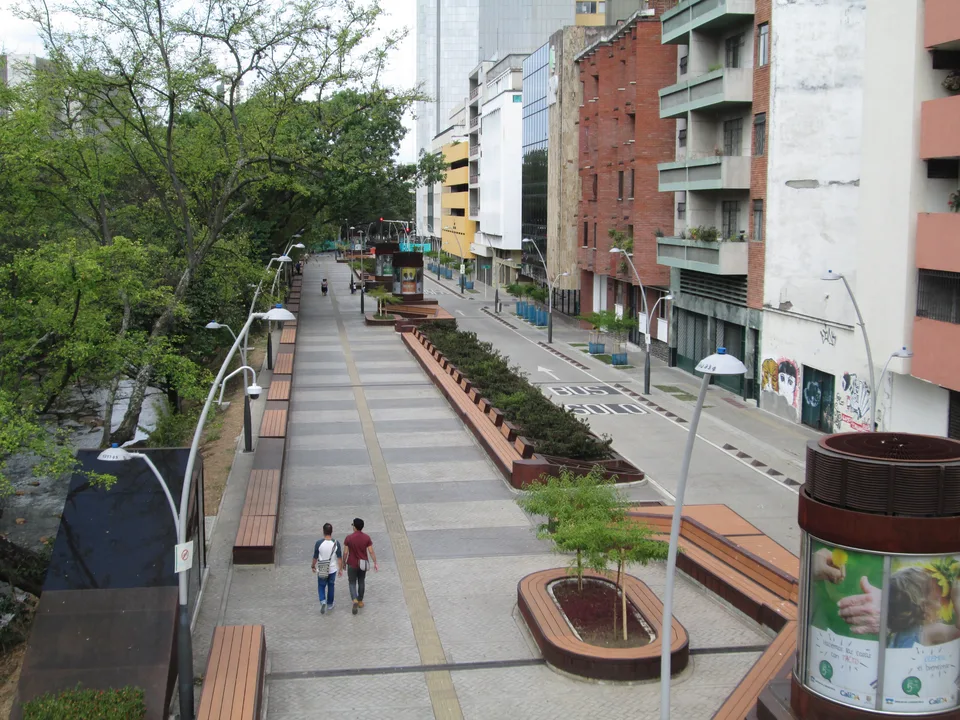
The city’s riverfront offers a different rhythm from a formal museum visit or a planned night out. Colombia Travel’s Cali page highlights the Río Cali and La Ermita among the city’s sights. Choose a short daytime walk that fits between activities, with a clear starting point and a convenient onward journey. Leave room to stop rather than treating the boulevard as a route that must be covered from end to end.
Cristo Rey is another well-known Cali landmark, but a photograph of the statue does not establish which access routes or facilities are currently available. Confirm current visitor arrangements before committing to an excursion, particularly after disruptions or repair work. Ask a transport provider for the exact pickup, return arrangement and any waiting charge; a fare to the destination may not include the trip back.
If the weather obscures the view or access is uncertain, keep the time for the neighbourhoods and cultural venues already on your route. A successful short stay needs enough space to enjoy the city, including an unhurried meal, rather than a photograph of every landmark.

Prepare the entry paperwork without paying an intermediary
Use Migración Colombia’s official CheckMig service if you want to preload your journey details. The authority describes it as free and optional, with registration available from 72 hours before travel until one hour beforehand. That distinction matters: a website charging to complete the form is providing an intermediary service, not collecting an official CheckMig fee.
Keep the confirmation accessible if you use the service, and check the migration authority’s separate entry requirements for your passport and purpose. Completing a pre-registration does not establish visa eligibility or guarantee admission. Likewise, a domestic journey to Cali does not restart the stay already authorized when you entered Colombia. If the form contains an error, the official instructions say to make a new registration rather than expecting to edit a submitted one.
Separate a holiday from employment or residence
Use Cancillería’s visa guidance to identify the route relevant to your nationality and activity. Colombia distinguishes visitor, migrant and resident categories, and a visitor category does not automatically provide permission to work. The ministry explicitly states that the V Tourism visa does not authorize employment in Colombia. Do not assume that renting a home, taking a course or receiving an informal job offer changes the conditions of your admission.
If you intend to work, study or settle, confirm the specific category, supporting documents and any registration obligations before committing to a long stay. A visa’s validity and the period you may remain are separate questions. VisaWand’s Colombia consultant listings can help you compare professional assistance; official eligibility and application decisions remain with the Colombian authorities.
Official planning resources
Reviewed 24 October 2026. Use the official resources linked throughout this guide for admission, transport, housing and immigration decisions. Prices, services and rules can change; confirm the details relevant to your dates. Photography illustrates the locations and is not a live view.
View all official resources
- Colombia Travel: cultural Cali
- Colombia Travel: salsa and culture in Cali
- Museo La Tertulia: official programme and ticket links
- Colombia Ministry of Transport: airport public operation
- Cali Zoo: plan your visit
- Metro Cali: passenger operating hours and accessible buses
- Hotel Boutique San Antonio: official accommodation information
- Cali Chamber of Commerce: Valle del Cauca food business
- Banco de la República: Calima regional archaeological history
- EMCALI: customer services and consumption records
- INCIVA: current regional attraction opening and closure notices
- IDEAM: historical climate discussion for Cali, printed page 176
- Colombia Travel: Cali visitor information
- Migración Colombia: CheckMig information
- Colombia Foreign Ministry: visa categories and requirements
Plan the next part of your journey
Explore the Colombia guide, browse other cities or compare consultants for your travel and relocation questions.