Visa
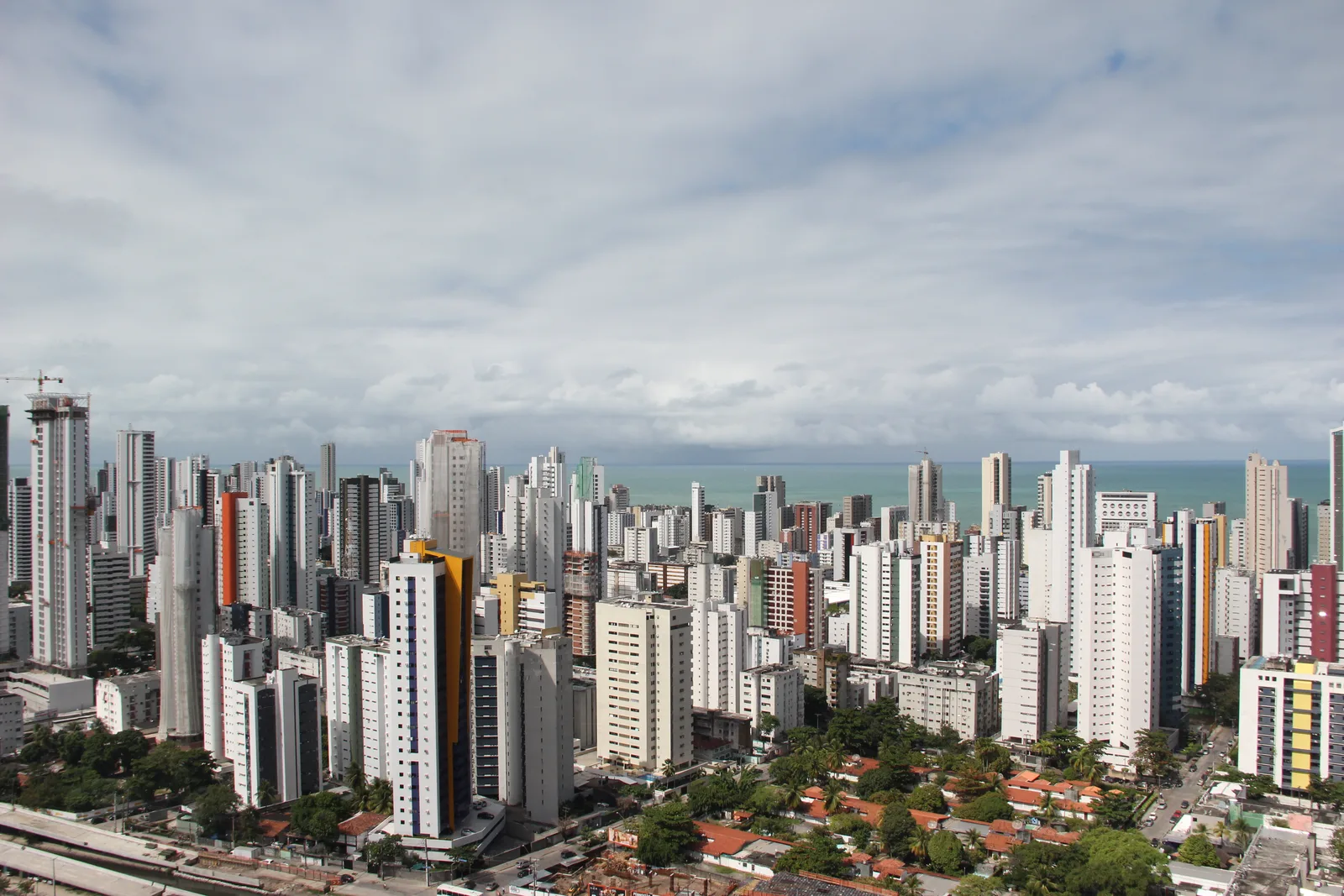
Recife is a city break with an Atlantic horizon
Recife makes most sense when you plan for two different settings: the waterfront neighbourhoods of the south and the streets, bridges and cultural institutions of its historic centre. Pernambuco's capital is a substantial working city in northeastern Brazil, not simply an airport for beach resorts. Frevo, regional food and the relationship between water and urban life give it a distinct reason to visit.
Allow three full days for an introduction, or four if you want both neighbouring Olinda and an art collection outside the central sightseeing area. A shorter stay requires choices. For someone considering moving here, add time for ordinary journeys and neighbourhood visits: an attractive seafront room tells you little about a daily commute. Start with the VisaWand Brazil guide for national context, then organise Recife around the actual addresses you intend to use.
Read the geography before choosing a base
The state's Recife municipal profile places the city on Pernambuco's coast and explains its development around a port serving Olinda. Today's historic Bairro do Recife, often called Recife Antigo, is only one part of the wider capital. Boa Viagem is a different setting, while Olinda is a neighbouring municipality with its own historic centre.
That distinction matters when comparing accommodation or estimating travel. A hotel described as being in Recife may be convenient for the airport or waterfront yet require a separate journey to the museums. A photograph of colourful colonial houses may show Olinda rather than your hotel's immediate surroundings.
Population figures also need boundaries. The IBGE municipal profile records 1,488,920 residents in the 2022 census and a 2026 estimate of 1,588,983. Neither number describes the entire metropolitan region. For trip planning, knowing which side of a bridge your destination occupies is generally more useful than a city-size ranking.
A port shaped by sugar, trade and cultural exchange
Recife's colonial development followed the opportunities of its protected anchorage and the sugar economy of Pernambuco. The port, waterways and commercial activity connected it to Olinda and the surrounding region. Dutch occupation and subsequent Portuguese urban development left another layer in its history; the centre should be read as an evolving landscape rather than a single preserved colonial moment.
The architecture can be impressive without the history being comfortable. The wealth of the sugar economy belongs alongside the realities of colonial domination and enslaved labour. Ask how a museum or walking tour addresses the people behind the buildings and commodities, rather than accepting a story consisting only of governors and wealthy merchants.
Contemporary Recife adds music, public spaces, commerce and daily work to that inheritance. Give yourself time to observe how streets are used now. A historic facade is more revealing when understood as part of a living neighbourhood.
Start around Marco Zero and Rua do Bom Jesus
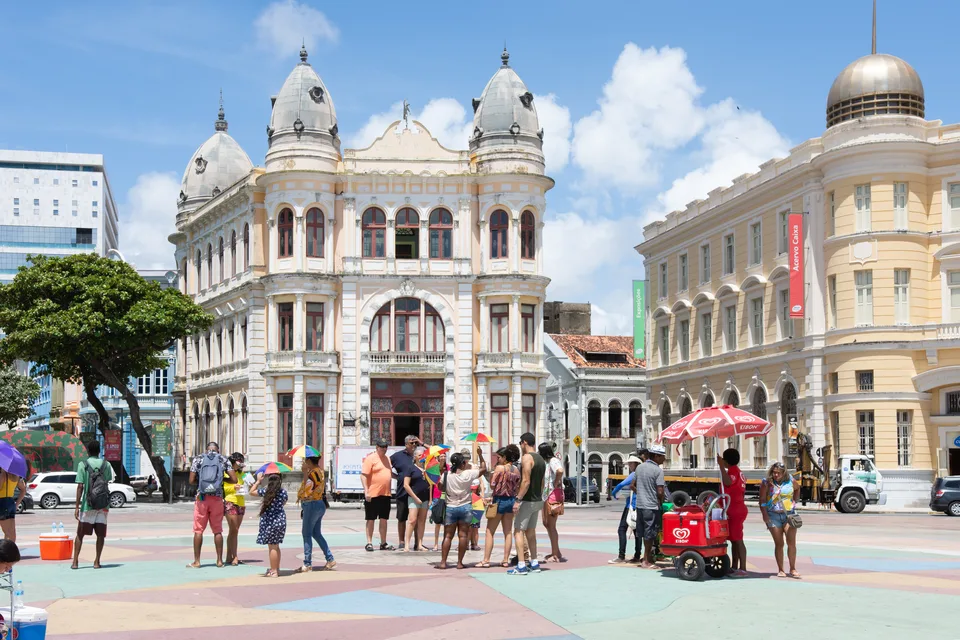
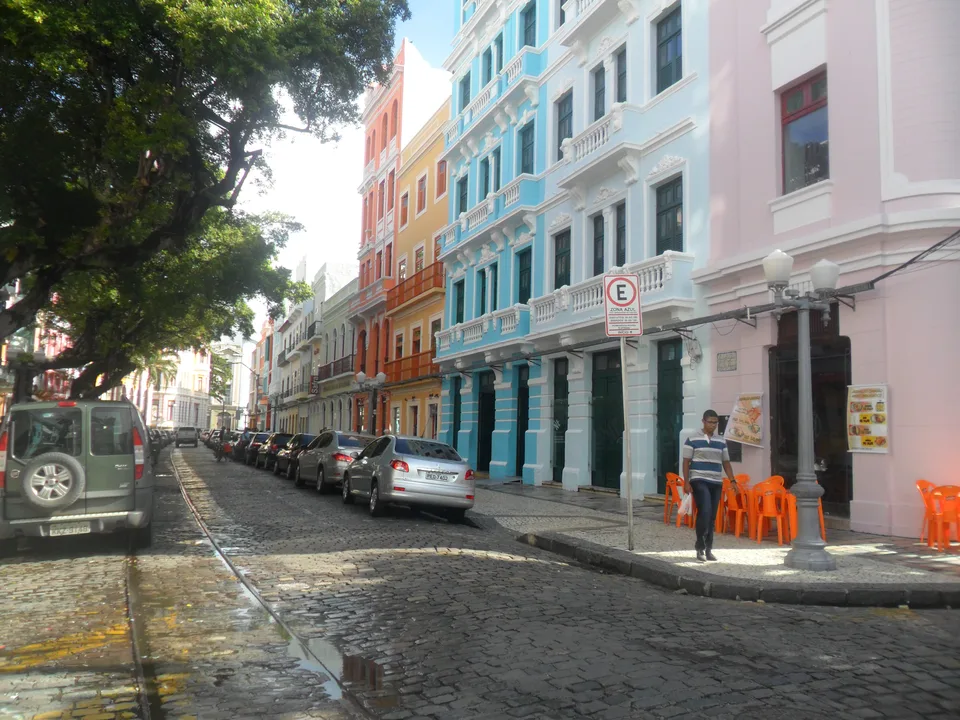
Marco Zero, at Praça Rio Branco, provides a useful starting point for the historic Bairro do Recife. From the square, organise a manageable walk through nearby streets, including Rua do Bom Jesus, with time for architecture and an indoor visit. The municipal visitor itinerary identifies the area as a concentration of churches, craft shopping and museums.
Go with a short list rather than assuming every institution shares the same opening days. A museum closure can otherwise turn a carefully arranged morning into several hours of waiting. Choose a lunch stop before you become tired and allow time to return to your accommodation.
The street experience changes with events and commercial activity. Keep your phone secure when consulting directions, carry only what you need and arrange your return journey while the area is still active. Attractive photographs do not establish that every surrounding block is equally suitable for walking at every hour.
Treat Boa Viagem as a waterfront district
Boa Viagem offers a different daily rhythm: a long urban waterfront, apartment buildings, hotels, food stops and space for walking or cycling. It can be a useful base for visitors who want sea views and a promenade as part of the day, while accepting journeys to the historic centre.
Plan an early walk, a breakfast stop and time in the shade rather than assuming the whole outing must revolve around swimming. Ask your accommodation which crossings and sections of the promenade best suit your starting point. Check whether a room advertised with a sea view faces the ocean directly or looks between other buildings.
Beachfront location and bathing suitability are separate decisions. If swimming is a central requirement, investigate the actual beach conditions before booking. A hotel pool may provide a more dependable option for a Recife stay, but verify its opening, maintenance and rules rather than assuming every property has one available.
Take coastal warnings seriously
Recife's urban coast requires more preparation than a generic beach recommendation. Pernambuco's veterinary council guidance on shark incidents supports the instructions of firefighters and municipal guards to avoid bathing and water sports in risk areas. Respect warning signs and restrictions, and seek current advice for the precise stretch of coast. Never infer safety from the presence of other bathers.
Tides change how reefs and pools appear. A shallow-looking area at one moment is not a permanent protected swimming enclosure. Do not use a photograph, an old tide table or a claim about natural pools as a substitute for current local instructions.
Separately, consult the CPRH bathing-water bulletin, which reports bacterial water quality. A classification as suitable for bathing addresses that monitoring criterion; it does not cancel shark warnings, currents or other hazards. If the conditions or instructions are unclear, keep the outing on the promenade and choose another activity.
Give the Ricardo Brennand collection its own outing
The Instituto Ricardo Brennand in Várzea is a separate excursion from the central waterfront museums. Its collections include the pinacoteca and Castelo São João, and the setting rewards more time than a quick arrival photograph. Plan the transport and return journey before leaving, especially if you have another timed booking later.
The operator publishes museum admission at R$60, eligible half-price admission at R$30, and a separate museum-plus-Jardim Capela combination at R$80 or R$40. Compare what you actually wish to visit. A private educator service costs extra; it should not be mistaken for an inclusive admission package.
The visitor page contains conflicting opening-time blocks, so confirm your arrival time directly; an afternoon visit avoids relying on an uncertain morning opening. Its last-Tuesday free-entry policy excludes January, July and December and is capacity-limited. Do not confuse this institution with the separate Oficina Francisco Brennand: similar names do not mean one ticket or one collection.
Use Olinda as a distinct day trip
The UNESCO-listed Historic Centre of Olinda occupies hills overlooking the Atlantic and is recognised for the relationship between buildings, gardens, churches and its urban landscape. Its designation belongs to Olinda, not automatically to Recife Antigo. Visiting both makes their relationship clearer: one was the colonial town above the coast, the other its developing port.
Allow a substantial part of a day for Olinda rather than adding it after a full museum schedule. Hills, sun and uneven historic surfaces change the pace. Wear shoes with grip, carry water and build in shaded breaks. Check individual church and museum access before arranging a route around interiors.
Return before tiredness turns the journey into a chore. If accessibility is important, discuss the exact route and vehicle drop-off points with a suitable operator. Consult the VisaWand Olinda destination page when comparing the neighbouring location, and verify current attraction details directly.
Choose accommodation around your actual journeys
Boa Viagem suits a waterfront-focused stay; the historic centre puts cultural sights in a different relationship to your door. Compare precise addresses rather than broad labels such as central or near the beach. Find out how you would return after dinner, where you would buy groceries and whether the room is quiet enough for your sleeping hours.
Hotels may be useful for short stays requiring luggage storage and help with late arrivals. Apartments offer cooking and laundry options, but ask how keys, building access and problems are handled. For hostels, compare secure storage, dormitory occupancy and reception arrangements, not just the cheapest bed.
Check cooling, ventilation, lift access and the room's position within the building. Confirm whether cleaning, electricity, breakfast, parking or visitor access generates additional charges. A longer stay deserves a written total price and cancellation conditions, with clarity about the payment currency and any deposit.
Arriving through Recife airport
Gilberto Freyre Recife–Guararapes International Airport is the main air gateway. The Aena ground-transport page identifies taxi services at the arrivals areas and Aeroporto station on the metro's South Line as the nearest rail station. Airport access does not mean the train runs directly to every hotel; work out the final stage of the journey.
For a first arrival with bags, children or a late landing, compare a recognised taxi or prearranged transfer with the changes and walking involved in public transport. Establish the pickup point and payment method before leaving the terminal. Use your airline for flight status and the transport operator for current service, rather than a hotel advertisement's suggested journey time.
If arriving by long-distance coach, identify the terminal on your ticket and arrange the onward trip separately. Avoid booking a tightly timed activity immediately after an overnight journey. For departure, leave a buffer for traffic, check-in and unexpected changes.
Budget for transport without assuming every service is identical
Grande Recife's 2026 fare resolution sets the conventional Bilhete Único bus fare at R$4.50 from 1 February. Four full-fare rides at that rate total R$18. Special and optional services have different fares, so the conventional rate should not be applied automatically to an airport journey or a trip towards Porto de Galinhas.
Before boarding, check the route, destination and accepted payment. Confirm current VEM ticketing arrangements with the operator rather than assuming a foreign contactless bank card works. Integration rules also need checking for the particular journey: two vehicles do not necessarily mean two unrelated fares, or an automatically free transfer.
Use public transport where the route makes sense for your plans, and compare the total time with a direct ride when several people travel together. Metro services require current operational checks; published airport information alone does not prove a particular train is running on the day you arrive.
Eat locally and compare how the bill is calculated
Tapioca and bolo de rolo offer two approachable introductions to regional food. The municipal longer-stay itinerary points visitors towards Boa Viagem's food and craft shopping as well as the historic centre. Use that as orientation, then inspect a current menu and the conditions at the particular place you choose.
A small food purchase is also a chance to ask about ingredients. Do not assume a tapioca filling is vegetarian or that a dessert suits a dietary restriction. Explain allergies clearly in Portuguese and check preparation as well as the named ingredients.
For a meal sold by weight, check the displayed rate and understand how the plate is weighed. For table service, establish portion sizes, extras and any service charge before comparing prices. Market browsing, a simple lunch and one planned dinner can make a more satisfying food day than travelling across the city for several unverified restaurant recommendations.
Spend selectively on crafts and paid visits
The Centro de Artesanato de Pernambuco is a useful place to begin comparing the region's craft traditions. Look at materials, maker information and the difference between an individual piece and a generic souvenir. Ask about packing if an item must survive a flight, and keep receipts for valuable purchases.
Build your daily budget from your accommodation quote, expected meals and actual journeys. Admission provides a concrete comparison: two full-price Paço do Frevo tickets total R$20, while two ordinary museum tickets at Instituto Ricardo Brennand total R$120, before transport or optional additions. A free-entry day can save money but may require flexibility.
Keep a separate allowance for airport transport and an unexpected extra night. Check your bank's conversion and withdrawal charges before deciding how much cash to carry. Do not assume Pix is available through every foreign banking app, even when a venue prominently advertises it.
Plan for heat, rain and the calendar
The municipal climate overview describes Recife as hot and humid, with a wetter part of the year. Pack for warmth and sudden rain rather than imagining a sharply defined cool season. A lighter walking programme with indoor stops will usually serve visitors better than uninterrupted hours outdoors.
Check the forecast and official warnings before excursions, and avoid driving or walking through floodwater. For a longer stay, ask how the building entrance, street and regular commute perform during heavy rain; a high-floor apartment can still be inconvenient if access is disrupted.
Carnival changes the booking calculation as well as the atmosphere. Confirm the year's programme, accommodation terms and street access instead of using last year's dates. If music and crowds are your main reason to come, plan for them deliberately. If you need predictable journeys and quiet workdays, compare those dates with a less event-heavy period.
A workable four-day introduction
Day one: settle in and take a manageable Boa Viagem promenade walk. Use the time to understand your immediate neighbourhood, buy essentials and organise the next day's transport. Keep swimming conditional on current warnings rather than making it the centrepiece of arrival day.
Day two: devote the main part of the day to Recife Antigo, Marco Zero, Rua do Bom Jesus and Paço do Frevo. Match the museum's opening day and leave time for food and craft browsing. A river excursion can be an optional addition after checking the operator's departure, safety and weather arrangements.
Day three: visit Olinda with enough time for its hills, viewpoints and any open interiors you choose. Return without adding another major collection. Day four: make a separate outing to Instituto Ricardo Brennand, or use the day for northern neighbourhoods if art collections are not your priority. With three days, choose between those final options rather than forcing both into one afternoon.
Understand frevo through its dedicated cultural centre
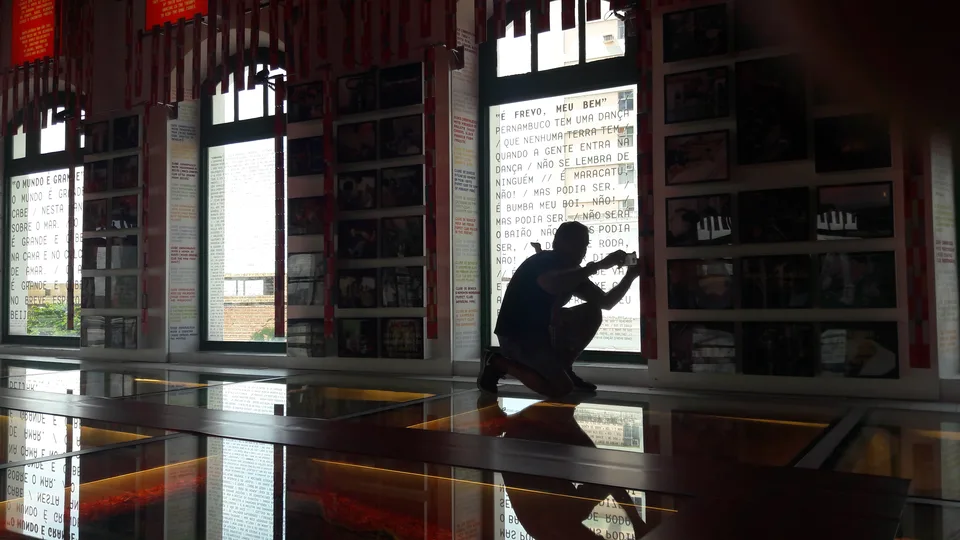
The Paço do Frevo is a centre for the preservation, study and celebration of frevo, with music and dance at the heart of its work. It offers a way to approach a living cultural practice beyond treating it as background entertainment. Check the programme if a performance, class or mediated visit is important to your trip; these are not guaranteed simply by buying ordinary admission.
The operator lists Tuesday to Friday opening from 10:00 to 18:00, and weekends from 11:00 to 19:00. Monday is closed, and last entry is half an hour before closing. Published admission is R$10, with an eligible half-price ticket of R$5 and free entry on Tuesdays.
The address is Praça do Arsenal da Marinha, 91. Combine it with the surrounding historic streets rather than making a separate cross-city journey for a hurried final half-hour. Confirm current arrangements before travelling, especially around holidays and special programming.
Explore daily life beyond the main visitor areas
For a different urban experience, the Parque das Graças follows the Capibaribe in the northern part of the city. The municipal page describes walking space, a cycle lane, seating and areas for children. It is a useful counterpoint to a stay organised entirely around the coast and historic port.
Prospective residents can use an outing like this to test their priorities. Compare access to a park, shops, schools and work rather than selecting an apartment solely for its view. Visit at the times your household would use the area, and repeat the commute in both directions before committing to a lease.
For onward travel, the João Pessoa destination page offers another coastal city to investigate. A wider itinerary needs realistic travel and accommodation time; nearby on a map does not make every destination a convenient addition to a short Recife visit.
Check a rental as a home rather than a holiday room
Begin with temporary accommodation if you can, then inspect prospective homes in person. Ask for the full monthly cost: rent, condominium charges, utilities, internet, parking and any separately allocated taxes or services. Obtain written terms for adjustments, guarantees, repairs and ending the agreement. Keep receipts and verify who is entitled to rent the property.
Look for damp, ventilation problems and signs of water ingress. Test taps, showers, cooling equipment and mobile reception. Ask about water storage and supply arrangements, lift reliability and the building's procedures during power or weather-related disruption. Photograph the condition and inventory before accepting responsibility.
Do not sign because a listing promises a universally safe district or a quick commute. Compare the exact street, access arrangements and journey to your workplace or course. A modest apartment with a workable daily routine may suit your household better than a more impressive property in the wrong location.
Organise services and documents early
The Neoenergia Pernambuco account-transfer guidance is relevant when taking responsibility for an electricity supply. Confirm which account you manage and what documents apply to your situation. Keep evidence showing when your tenancy began, particularly if an older account has arrears; do not casually agree to pay someone else's debt to speed up a move.
The Receita Federal CPF information explains that foreign citizens can obtain this individual registration number, whether living in Brazil or abroad. A CPF is not immigration permission. Ask each provider what identity and address documents it accepts before assuming that one registration completes every practical requirement.
Check internet availability for the exact building, healthcare coverage for your household and school admission procedures before a permanent move. Obtain any required records and translations early. Portuguese language preparation is particularly useful for appointments, contracts and resolving an ordinary service problem without relying on a visitor-oriented intermediary.
Match your immigration route to your purpose
Visa requirements depend on nationality. The Brazilian consular visitor guidance identifies visa requirements for Australian, Canadian and US nationals from April 2025; check the current application instructions well before travel. Do not interpret a visa's validity as permission to remain continuously for that entire period. For an extension, use the Federal Police visitor-stay service and check nationality eligibility before your authorised stay expires.
Local employment, study and long-term residence require the appropriate route. Brazil's digital nomad resolution distinguishes eligible remote activity for a foreign employer from work for an employer in Brazil. It expressly allows qualifying activity under visitor conditions, subject to applicable visa and stay rules, and provides a separate temporary visa or residence route. Its financial criteria include US$1,500 monthly foreign income or US$18,000 in available bank funds; other evidence is required.
That route is not automatic permanent residence or unrestricted local employment permission. Confirm your circumstances with the responsible authority before making commitments. Use VisaWand's Brazil consultant listings to compare professional assistance, while keeping official instructions as the basis for an application.
Official planning resources
Reviewed 28 October 2026. Use the official resources linked throughout this guide for admission, transport, housing and immigration decisions. Prices, services and rules can change; confirm the details relevant to your dates. Photography illustrates the locations and is not a live view.
View all official resources
- Pernambuco official Recife municipality profile
- IBGE Recife municipal statistics
- Municipal Recife visitor itinerary
- Pernambuco veterinary council coastal shark safety guidance
- CPRH weekly bathing-water monitoring
- Instituto Ricardo Brennand admission information
- UNESCO Historic Centre of Olinda
- Aena Recife airport ground transport
- Grande Recife conventional bus fares 2026
- Municipal Recife neighbourhood and food itinerary
- Municipal Recife seasonal climate
- Paco do Frevo operator tickets and hours
- Municipal Parque das Gracas visitor information
- Neoenergia Pernambuco account transfer
- Receita Federal CPF information
- Brazil consular visitor visa and eVisa guidance
- Federal Police visitor extension service
- CNIG Resolution 45 remote work and digital nomad residence
Plan the next part of your journey
Explore the Brazil guide, browse other cities or compare consultants for your travel and relocation questions.