Visa
A capital that rewards a different kind of visit
Brasília asks visitors to look at a city as a deliberate design. Government buildings stand within broad spaces; residential areas follow a recognisable order; journeys that look modest on a map can become substantial walks. The first useful decision is how you will move between places. The second is which interiors need reserving before you arrive.
Brazil’s capital suits travellers interested in architecture, public art, modern history and the workings of national government. It also offers quieter time around parks, neighbourhood commerce and Lake Paranoá. A satisfying visit brings those experiences together. Spending every hour moving between monumental façades can leave the impression of a city without ordinary life, when the problem is the itinerary.
Allow three full days for an introductory visit, with additional time for specialist architectural interests or a possible move. Use VisaWand’s Brazil guide for the national context and its Brazil destination page when building a wider journey. This guide concerns the national capital in the Federal District, rather than any of the smaller Brazilian settlements sharing its name.
Understand what the city was designed to do
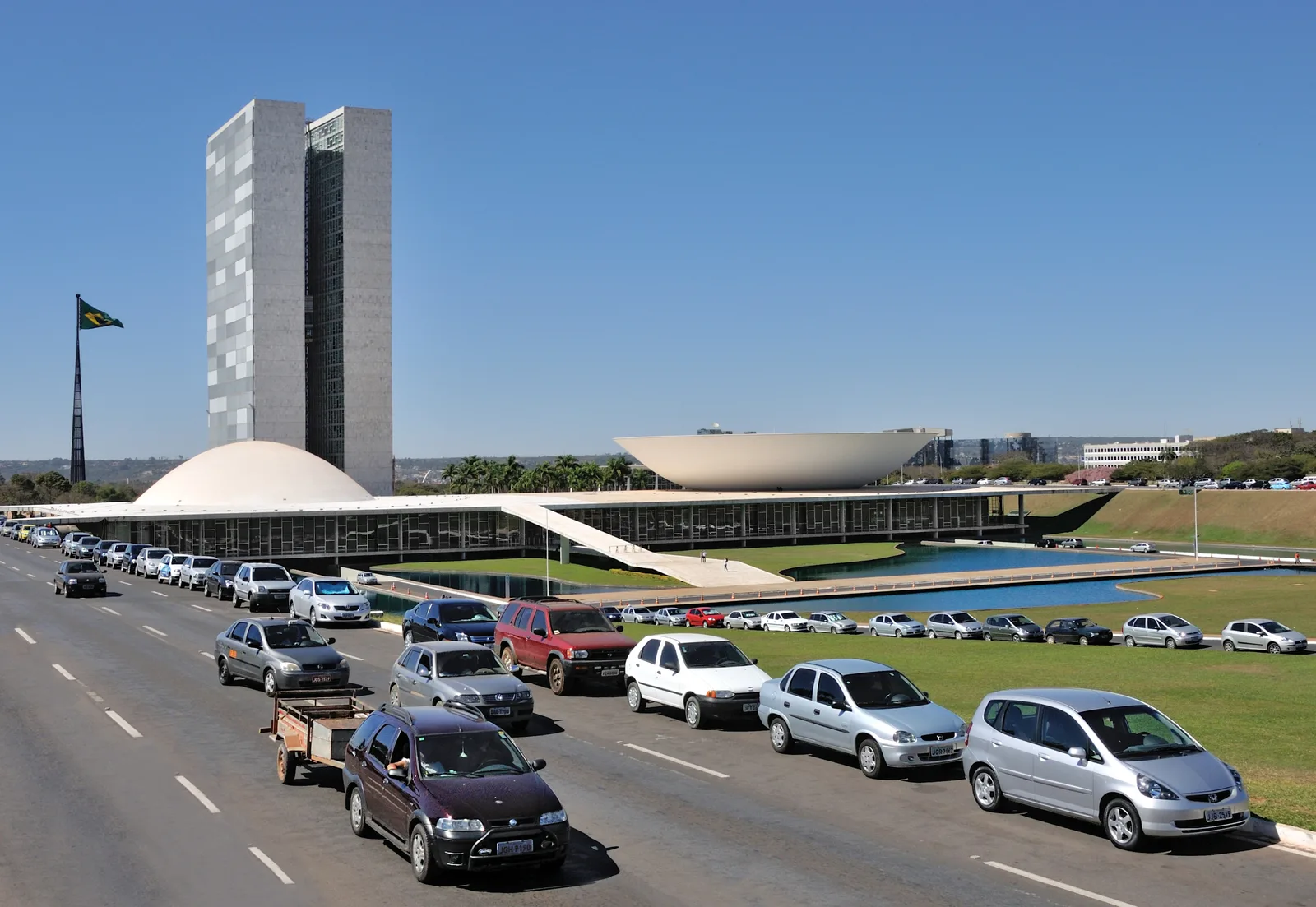
The UNESCO account of Brasília describes a capital developed between 1956 and 1960, bringing together Lúcio Costa’s urban planning and Oscar Niemeyer’s architecture. The World Heritage inscription dates from 1987. The intersection of the monumental axis and a curved transport axis is central to understanding the plan, rather than simply a decorative shape seen from the air.
On the ground, notice the relationship between public buildings, open space and housing. The planned city was intended to express national ambition while proposing new forms of urban life. Architecture is therefore more than a collection of individual attractions here: the arrangement around a building matters alongside its silhouette.
Keep that celebrated design in perspective. The protected urban ensemble does not describe every neighbourhood or every resident’s daily circumstances. For practical decisions, distinguish an address within the central planned area from the wider Federal District. A citywide population figure or an undifferentiated housing average would conceal precisely the differences a visitor or prospective resident needs to understand.
Choose a base with your daily journeys in mind
The hotel sectors near the central area are a sensible starting point for comparing short-stay accommodation. Examine the route from the actual entrance to meals, transport and your evening plans. A property described as central may still require a vehicle for several outings. Ask for the complete address, including sector, block and building, before arranging collection.
Asa Sul and Asa Norte are the residential wings of the original plan. They deserve consideration when neighbourhood services and the experience of ordinary city life matter more than immediate proximity to government landmarks. Check the particular block rather than assuming that the whole wing offers the same connections or street environment.
Lakeside accommodation serves a different kind of stay. It can make time beside the water easy while adding journeys to other activities. For a business visit, plot the workplace first; for a leisure trip, plot the places you intend to visit after dinner. Compare the resulting transport costs with the room rate before deciding where the better value lies.
Reserve Congress before planning the rest
The National Congress is both a working institution and an important architectural visit. Its tour-booking rules changed on 28 September 2026: visitors now arrange a date and time online. Older information saying no booking is required has been superseded. Use the official Visite o Congresso portal and retain the confirmation rather than relying on availability after arrival.
The Senate’s notice describes free guided visits from Thursday through Monday, including holidays, between 9am and 5pm. Departures are every half hour and the route takes approximately 50 minutes; there are no visits on Tuesdays or Wednesdays under that schedule. Bring photo identification and the confirmation code for check-in. Operational changes remain possible in a working legislature.
The tour introduces the chambers, ceremonial spaces, art and legislative process. If that combination interests you, it merits time inside rather than only a photograph outside. Leave a margin between your arrival and any subsequent reservation. A tightly packed programme of government visits can fail over a small delay at the first entrance.
Make time for the cathedral’s interior
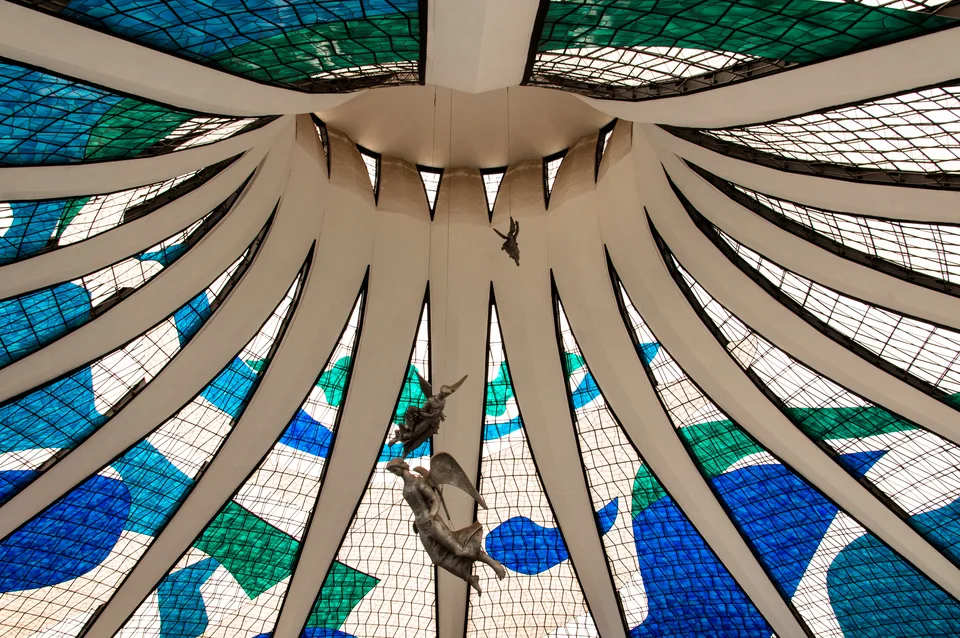
The cathedral offers a different experience from the formal government complexes: the contrast between its exterior structure and the light within is the reason to enter. Take a seat and allow your eyes time to adjust. A rapid circuit with a camera can miss the atmosphere that makes the space memorable.
The cathedral’s own visitor information lists Tuesday to Friday, 8am–4.45pm; Saturday, 8am–4.30pm; and Sunday, 9am–5.30pm. Sightseeing ends 30 minutes before celebrations, so check the day’s worship programme as well. Treat these as visitor hours, not permission to circulate during every service. No Monday sightseeing schedule is listed on that page.
Dress respectfully, remove hats and keep voices low. The cathedral asks visitors to avoid flash and tripods, leave the altar and presbytery to their intended use, and respect people praying. Its location can be combined with nearby central sights, but let worship and the current visitor schedule determine when you enter.
Book Itamaraty as a separate visit
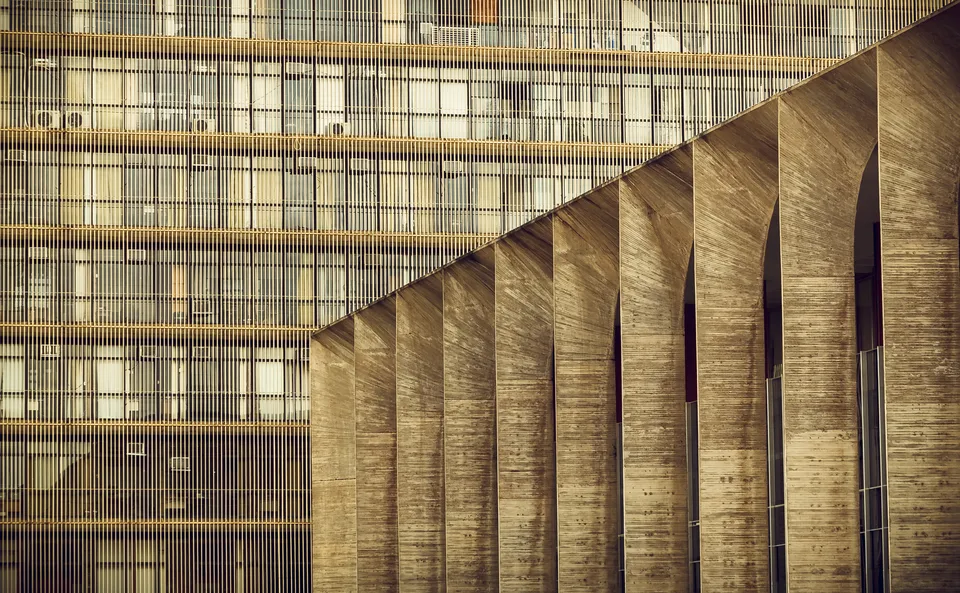
The Foreign Ministry’s Itamaraty Palace visitor page describes a traditional route operating Tuesday to Sunday and an additional Saturday route. Visits are mediated, with languages selected through the booking system. Reserve at least 24 hours ahead; the system offers dates within the next 60 days. Each visitor needs an individual booking and an email confirmation.
An easily missed detail matters when booking from abroad: Microsoft Bookings displays times according to the device’s configured time zone. Check the confirmation against Brasília local time. Arrive 15 minutes early; the Portuguese instructions require official photo identification from age 13. Entry is through the west side, opposite the Ministry of Health, rather than simply whichever façade your driver approaches.
Travel light. There are no storage lockers, and large bags, food, drinks including water bottles, selfie sticks and tripods are prohibited. Official commitments or security needs can change or cancel a visit. Plan your refreshments and baggage arrangements around those rules instead of discovering the restrictions at the door.
Keep the presidential palace distinct
Palácio do Planalto has its own official institutional-visit procedure. A reservation at Congress or Itamaraty does not cover it. The Presidency’s service page describes a free guided visit, approximately one hour long, with advance registration and a confirmation listing the visitors. It asks participants to arrive 15 minutes before the appointed time.
Follow the available calendar and the conditions attached to your confirmation. Do not build a trip around an assumed opening simply because a general travel page lists the palace among Brasília’s attractions. A public visit to a functioning government building depends on its own access arrangements, and those can be more restrictive than viewing the exterior.
Look beyond the monumental buildings
Walk a manageable part of a residential area and notice the relationship between apartment buildings, planted spaces and local commerce. This provides a useful counterpoint to the public architecture. Stay aware that these are people’s homes: an interest in urban design does not give visitors access to private buildings or permission to photograph residents closely.
The national tourism overview of Brasília also highlights museums, cultural spaces and the TV Tower with its traditional craft and food fair. Choose a current exhibition or another indoor activity alongside the outdoor sightseeing. Check the institution’s programme directly; an attraction’s presence on a city list does not establish today’s opening or elevator availability.
For someone assessing a move, this part of the visit is particularly valuable. Look for the services you would use repeatedly and the practical route between them. The difference between admiring the plan and living within it becomes clearer while shopping for an ordinary meal than while taking another photograph from a viewpoint.
Balance architecture with a nature outing
The Brasília National Park visitor information offers a way to explore the Cerrado beyond the city’s formal spaces. It describes the Capivara trail and the Cristal Água system, whose marked routes range from five to 18 kilometres. Select the route that fits the group’s experience and the available conditions; the longest circuit is not automatically the most rewarding.
Confirm the particular attraction before travelling. Do not infer that the park’s well-known swimming pools are available from a general description or an old photograph. Pool access and wider park access are separate questions. Check current admission and any restrictions directly with ICMBio rather than assuming that an earlier ticket price still applies.
Bring suitable food and water, since the park says food sales are not a regular service. Follow its restrictions on pets, glass, alcohol and fire. Plan the return journey before entering a trail. A modest walk with time to observe the surroundings is a better choice than an ambitious distance that leaves everyone watching the clock.
Arrive with the correct transfer plan
Brasília’s airport, BSB, is Presidente Juscelino Kubitschek International Airport in Lago Sul. Check the operating airline’s baggage and connection conditions, especially when using separate tickets. An onward domestic flight can be convenient, but the arrival date and time should still leave a workable transfer to your accommodation.
The airport’s passenger FAQ says the executive bus service is currently suspended with no forecast for resumption. Do not book a hotel on the assumption that a previously advertised executive shuttle will deliver you there. For ordinary public buses, use the current route planner and check the actual stop, destination and service span against your flight.
The government’s 2026 Brasília logistics information identifies Praça Pick-up, in front of the terminal at ground level, as a place to arrange app-based transport. Follow the terminal’s current signs and instructions for your chosen service. Confirm the complete accommodation address and payment arrangements; a sector name alone is not a sufficiently precise destination for an unfamiliar driver.
Use public transport selectively
The official DF no Ponto planner is the place to check bus routes and stops. Search using the full destination and inspect the final walk as well as the bus journey. Brasília’s layout makes this particularly important: arriving on the right road does not necessarily put you at the correct entrance to a large complex.
Consult the operator’s current map when considering the metro, and compare the actual station-to-destination journey. Do not assume that every place shown within the planned city is served equally conveniently. Public transport can be part of an economical visit, while an occasional taxi or app journey may preserve time between reservations that cannot move.
For occasional bus travel, BRB Mobilidade’s QR-ticket guidance lists R$2.70, R$3.80 and R$5.50 fare bands; check the fare for your line in DF no Ponto. Tickets are bought at physical sales points without prior registration, using cash or debit, and expire 48 hours after purchase. They do not provide fare integration and do not work at metro gates, which require a separate ticket. Buy the correct fare and keep a return option available.
Find meals around the day’s geography
Food planning begins with where the day ends. A restaurant that looks attractive across the city can add another substantial journey after a long outing. Explore the commercial areas around your accommodation for everyday meals, then make a deliberate trip for an experience you particularly want. This also helps you avoid spending every evening in transit.
Look at the menu before sitting down and establish whether a price is per dish, portion or weight. Ask about ingredients and allergens where they affect your choice. Compare a meal’s full cost, including drinks and any disclosed service charge, instead of treating one advertised price as the whole bill. There is no need to commit the entire visit’s dining budget in advance.
The Chamber of Deputies’ city places-of-interest directory identifies restaurants and leisure facilities around Pontão do Lago Sul. It is an option for combining a meal with waterfront time rather than a personal restaurant endorsement. For shopping, distinguish souvenirs from household errands; someone staying several weeks will gain more from locating a suitable grocery shop and laundry than from another mall visit.
Build a budget that includes transport
Several of the most informative institutional visits are free, but that does not make the whole day costless. Set aside money for the journeys between them, meals, accommodation and anything requiring a separate ticket. Compare a centrally placed room with a cheaper room plus the transport needed for your actual programme.
Request the final accommodation price in reais, including taxes, cleaning charges, parking and any deposit. Establish the cancellation deadline and whether payment is taken immediately or at arrival. If an apartment advertises a kitchen, confirm what cooking equipment is supplied. Self-catering only saves money when the space and your programme allow you to use it.
Choose between the dry and rainy seasons
Brasília’s seasons are better understood through rainfall than through expectations of a cold northern winter. INMET’s Brasília seasonal report describes spring as the transition between a dry winter and a rainy summer in central Brazil. This is seasonal context, not a forecast for your travel dates. The contrast changes the experience of parks and exposed public spaces.
For sightseeing, organise longer outdoor walks earlier or later in the day and keep water available. Dry weather can make a programme easier to arrange, but low humidity deserves consideration when deciding how much walking is comfortable. A lighter schedule with regular stops can be more enjoyable than trying to cover every landmark on foot.
In the wetter months, give indoor visits a meaningful place in the itinerary and check the current forecast before longer outings. Do not interpret a typical seasonal pattern as a prediction for a particular afternoon. Bring appropriate sun and rain protection, and allow enough flexibility to move the outdoor portion of a day around changing conditions.
Give the lake its own part of the day
Lake Paranoá offers a different rhythm from reserved tours and formal interiors. Choose a reachable waterfront area for a walk, a meal or time watching the light change. Check the journey home before staying late. A pleasant lakeside outing is easier to enjoy when it does not end with uncertainty about collection or transport availability.
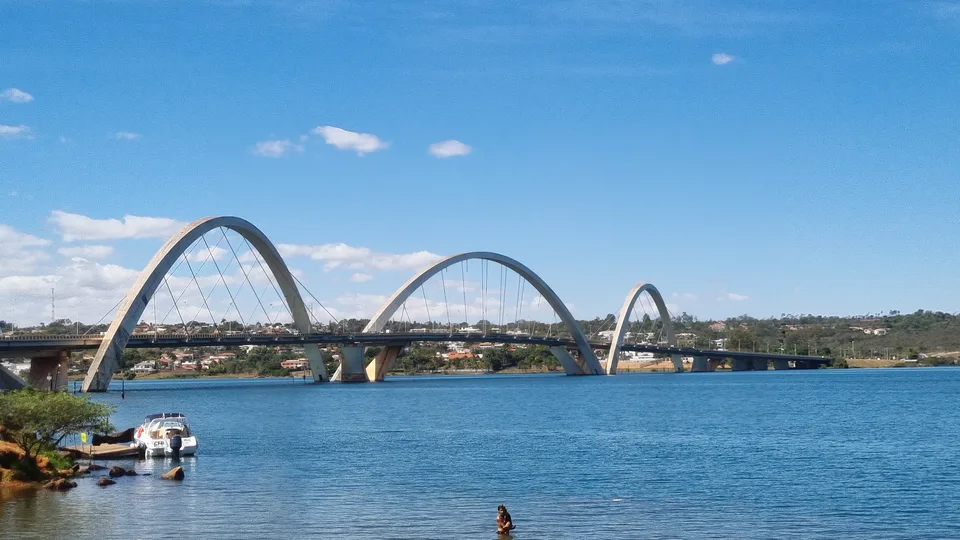
The JK Bridge provides another architectural perspective on the city and its relationship with the water. Plan a suitable viewing stop instead of attempting an improvised halt on a traffic route. If you want a boat outing or water activity, confirm the provider, departure point, safety equipment and cancellation arrangements directly before paying.
Treat access to the shore, permission for an organised activity and suitability for swimming as separate matters. An attractive view does not establish water safety or a lifeguarded bathing area. For a short stay, an uncomplicated waterfront visit can be enough; there is no requirement to turn every part of the landscape into another paid excursion.
A workable three-day introduction
On day one, orient yourself within the central area, visit the cathedral during its sightseeing hours and choose an indoor cultural stop. Keep the first evening near your accommodation so you can establish the local walking routes, meals and transport. An arrival delay should not force you to miss the visit that matters most.
On day two, use a confirmed institutional reservation as the anchor. Arrange Congress on a day it operates, or choose another separately booked visit. Limit the surrounding programme to nearby sights and a proper lunch break. Save confirmation details offline and allow time for identification checks and reaching the designated entrance.
On day three, explore a residential area and make time for the lake, or substitute a suitably planned nature outing. This is a suggested structure rather than a timed tour. Switch the days to fit closures, bookings and weather. Add a fourth day if you want both a substantial trail outing and a slower look at ordinary neighbourhood life.
Assess housing and household routines before moving
Begin with a temporary base while you compare addresses against the workplace, school or other reason for the move. Test the commute at the hour you would actually travel. Inspect housing in person and ask for a written breakdown of rent, condominium charges, utilities and parking. Clarify repairs, furniture, internet provision and the condition in which the property must be returned.
For electricity-account arrangements, Neoenergia Brasília’s customer FAQ lists documents including a valid CPF, official photo identification and proof of possession. A passport is among the accepted identification documents. Confirm the process for your circumstances and establish who is responsible for each household account. Do not assume signing a rental agreement automatically transfers every service into your name.
Check reliable internet in the actual unit, nearby grocery options and access to appropriate health care. Families should confirm school availability and enrolment documents directly. Budget for initial setup and unexpected travel as well as recurring bills. A short holiday impression cannot establish how a particular address will function through a working week.
Match immigration permission to the purpose
Visa requirements depend on your passport and activities. The Brazilian consulate’s electronic visitor-visa information confirms that Australian, Canadian and US passport holders again need visas for tourism or business from 10 April 2025. Its e-visa guidance covers stays up to 90 days. Other nationalities should check the consulate responsible for their residence; do not assume the same process applies universally.
Tourism and business visits do not establish permission for local employment. Consult the Justice Ministry’s employment residence procedure before accepting work in Brazil. For eligible remote workers with an overseas employer, the digital nomad requirements include evidence of foreign income of at least US$1,500 monthly or bank funds of US$18,000, alongside other documentation and medical-cover requirements. Meeting the financial figure alone does not ensure approval.
Formal education has a separate study residence route, including evidence of enrolment and means of support. Longer-term settlement must meet a qualifying residence category and relevant registration requirements. Use VisaWand’s consultant directory if you need professional help, checking credentials and the scope of the service before engagement. Keep immigration planning separate from choosing an attractive property.
Consider another base without overloading the trip
Pirenópolis offers a contrasting extension in Goiás. The municipality’s tourism information highlights cultural traditions, nature and waterfalls. Plan it as a separate journey, with its own accommodation and attraction arrangements where appropriate. Verify road conditions, transport and access to the particular waterfall rather than assuming every natural site has unrestricted public entry.
Compare VisaWand’s Pirenópolis location page and Goiânia location page when considering alternatives in the region. Each deserves its own practical assessment; proximity on a regional map does not make daily life or visitor experiences interchangeable. The Brazil location directory can help identify further stops, but a directory entry should not be mistaken for a completed travel guide.
Official planning resources
Reviewed 17 October 2026. Use the official resources linked throughout this guide for admission, transport, housing and immigration decisions. Prices, services and rules can change; confirm the details relevant to your dates. Photography illustrates the locations and is not a live view.
View all official resources
- UNESCO: Brasília World Heritage property
- Federal Senate: Congress booking rules from September 2026
- National Congress: official tour booking portal
- Brasília Cathedral: visitor hours and guidance
- Foreign Ministry: Itamaraty Palace public visits
- Presidency: arrange a Palácio do Planalto visit
- Brazil Tourism Ministry: Brasília visitor overview
- ICMBio: Brasília National Park visitor information
- Brasília Airport: passenger FAQs
- CGU: Brasília airport pickup and city logistics
- Semob: DF no Ponto bus route planner
- BRB Mobilidade: occasional QR tickets, fares and restrictions
- Chamber of Deputies: Brasília places of interest
- INMET: Brasília seasonal climate context
- Neoenergia Brasília: household electricity account questions
- Brazilian Consulate: electronic visitor visas
- Justice Ministry: employment residence authorization
- Brazilian Consulate: digital nomad visa requirements
- Federal Police: residence for study
- Justice Ministry: temporary and indefinite residence
- Pirenópolis Municipality: visitor information
Plan the next part of your journey
Explore the Brazil guide, browse other cities or compare consultants for your travel and relocation questions.