Visa
Bariloche begins with a choice of base
San Carlos de Bariloche puts a working Patagonian city beside an exceptionally large outdoor playground. Lake Nahuel Huapi opens beyond the centre; wooded peninsulas, mountain roads and ski infrastructure draw visitors away from it. The rewarding trip balances those landscapes with the practical business of reaching them. A beautiful cabin can mean considerable travel every time you want dinner.
Come for mountain scenery, time beside the water, winter sports or a few days between longer journeys through Argentina. You can enjoy the setting without undertaking strenuous walks. Conversely, an ambitious mountain holiday needs more preparation than booking a room and downloading a route. Weather, access permissions and transport should shape the programme before a list of attractions does.
This guide covers the Bariloche in Río Negro province, Argentina. Use VisaWand’s Argentina guide for national planning and its Argentina destination page when comparing the city with other parts of the country. Four full days offer a useful first visit; people planning serious hiking or a relocation assessment should allow longer.
Understand the setting and its history
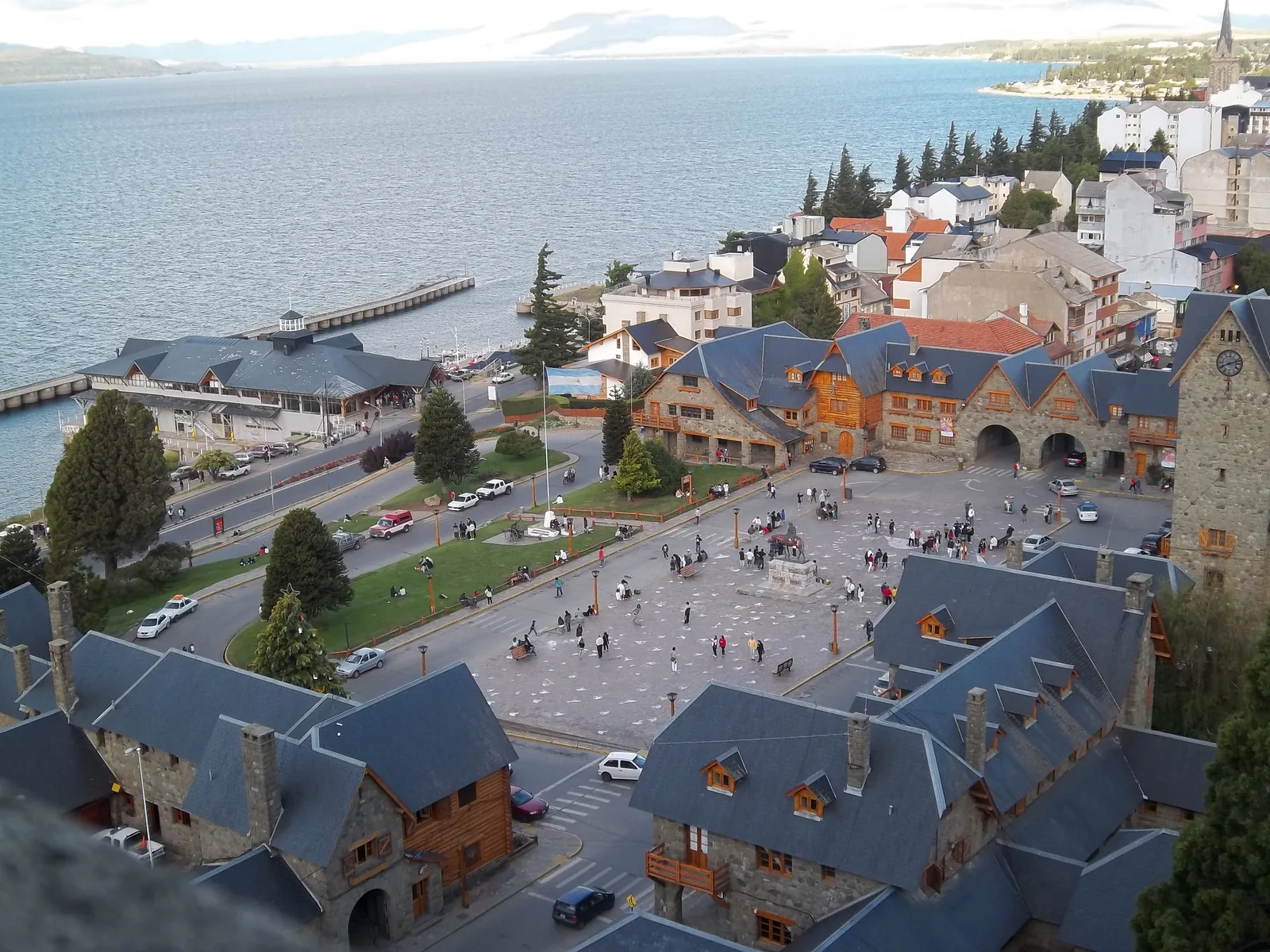
Bariloche sits beside Nahuel Huapi near the Andes, with forests and mountains forming the surrounding landscape. Its familiar stone buildings and timber details belong to a city shaped by tourism, transport and national park development. They should not be mistaken for a complete account of the region’s earlier inhabitants or its complex history.
The municipal history and geography overview connects the region’s park story with Francisco Moreno’s land donation in 1903 and records the arrival of the railway in 1934. Those developments help explain why a place so far from Argentina’s largest population centres became an established visitor base. The history is useful context for understanding the architecture and excursion network you encounter today.
Spend an initial walk looking at how the centre meets the shore. The contrast between busy commercial streets and the lake is part of the experience. Keep time for interpretation and ordinary city life alongside scenic viewpoints; treating Bariloche solely as a succession of photographs misses much of its character.
Read the map before choosing an address
Think in corridors and destinations rather than assuming every property described as “Bariloche” is close to everything. The centre suits visitors who want to walk between meals, shopping and their accommodation. Even here, examine the approach on a map: a short horizontal distance can conceal a slope that matters with luggage or limited mobility.
Westward, Avenida Bustillo is central to the visitor geography. Lakeside addresses along this corridor can trade immediate access to the centre for views, gardens or additional space. Check the actual kilometre marker, road crossing and walking conditions near a prospective booking. “On the bus route” does not establish how comfortable the final stretch will be after dark.
Cerro Catedral is a different base again, especially relevant when mountain activities are the purpose of the trip. Staying near your main activity can simplify mornings but complicate evenings elsewhere. Draw your likely journeys first, then compare accommodation. That small exercise often reveals whether a car, transfers or a central room will offer better value.
Give the centre an unhurried first morning
Start around the Civic Centre, then continue towards the lakeshore and the shopping streets. This is a sensible arrival-day outing because it can expand or contract around tiredness, baggage arrangements and the weather. Leave a demanding excursion for a day when you have slept, checked conditions and established how local transport works.
The tourism authority’s spring visitor information identifies the Civic Centre, Mitre Street and the cathedral among introductory city sights. These make a practical combination, with opportunities to stop indoors between walks. The same source outlines lake excursions to Victoria Island, the Arrayanes woodland and Puerto Blest; decide on those separately rather than buying the first departure you see.
For families, this first outing is also a chance to buy any missing layers and find straightforward meals. For a prospective resident, look beyond the souvenir frontage: note the services you would actually use and the walk home carrying groceries. A holiday’s central address can be a helpful reference point even if you later choose another neighbourhood.
Leave room for the lake itself
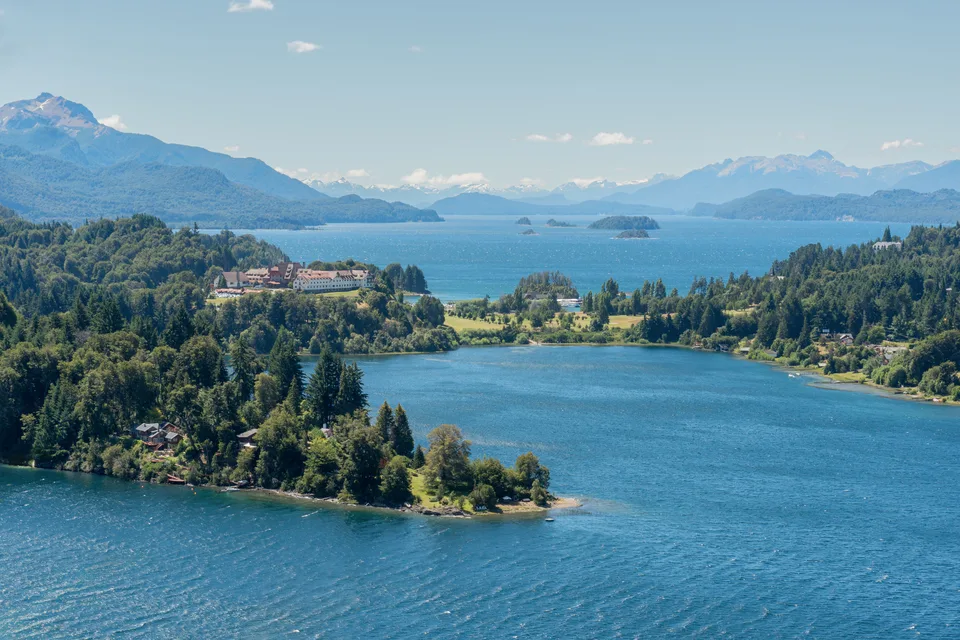
Nahuel Huapi deserves time that is not entirely organised around transport tickets. Choose a manageable stretch of shore, watch the changing light and keep an indoor alternative available. A waterfront walk can be the main event on a quieter day, especially between more expensive excursions or after a long journey.
A boat outing offers a different perspective, but read the product description closely. Establish the departure port, meeting time, shore visits and whether there is a transfer from your accommodation. Ask separately about park admission, port charges and food. Two trips with similar photographs may involve quite different amounts of time aboard and ashore.
Check cancellation and rescheduling terms before paying, particularly when an excursion is the main reason for your visit. Do not leave it until the final afternoon if there is any flexibility in your stay. An earlier booking window gives you a chance to rearrange the week if the operator changes the sailing.

Make Circuito Chico a day with stops
The name Circuito Chico describes a road sightseeing circuit, not a single short hiking trail. The municipal Circuito Chico route description gives an approximate length of 60 kilometres from the centre. Its landmarks include the Bustillo lakeshore, Campanario, the Llao Llao area, Saint Edward’s Chapel, Puerto Pañuelo and the Moreno Lake crossing.
An organised outing can provide an introduction in several hours; a self-directed day leaves more scope for pauses. Choose the version that suits your interests. Someone who wants a few viewpoints and an explanation of the landscape has different needs from someone hoping to add walks, a long lunch or time beside the water.
Before hiring bicycles, discuss the precise route, road conditions and your experience with the provider. Before driving, agree who will remain the driver if lunch involves alcohol. A scenic circuit works best when the journey itself remains comfortable; adding every optional detour can turn a pleasant day into a succession of deadlines.
Treat Catedral as an operating mountain
Cerro Catedral draws both skiers and visitors who want mountain views. Check which activity is actually operating on your date. A photograph of snow, an advertised summer ascent and an available ski lesson are different products. Establish whether the ticket you are considering is for a pedestrian or a skier and which lifts it includes.
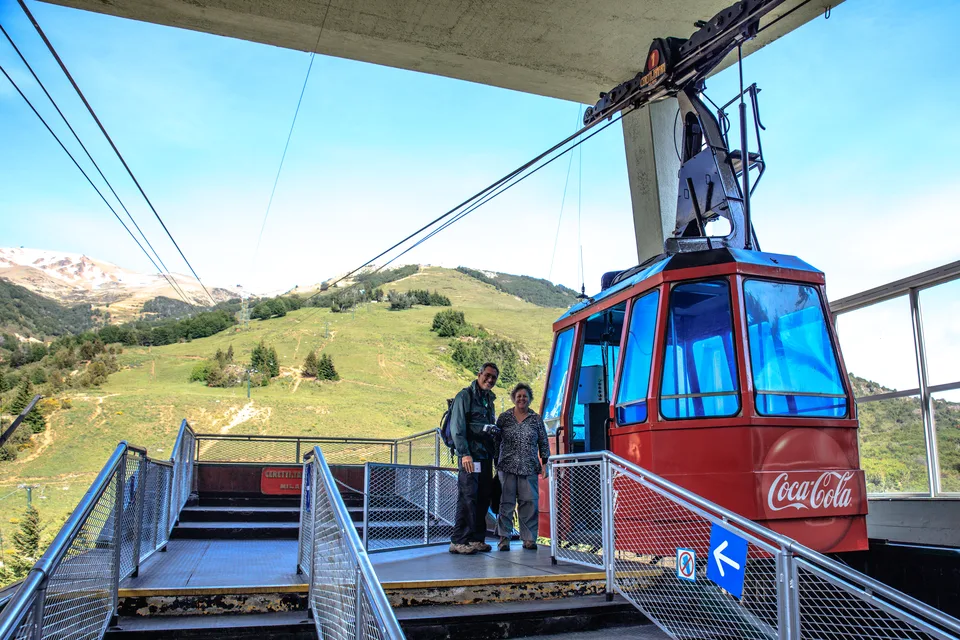
The operator’s pedestrian activities page describes the Amancay gondola ascent to 1,700 metres and the Diente de Caballo chairlift to 1,927 metres. It also publishes operating-status explanations: lifts may be conditional or closed for operational, weather or technical reasons. Check directly before setting off rather than treating the advertised experience as a guaranteed departure.
Price the full mountain day, including transport, appropriate clothing, equipment or instruction where needed, and lunch. A lift ticket alone does not establish the total. Families should confirm age, height and participation requirements for their chosen activity. Keep a simpler city or lakeside plan ready if the mountain cannot provide the experience you intended.
Choose accommodation by the journey home
Compare a central hotel, an apartment and a cabin using the same practical questions. How will you reach it with luggage? Can everyone get to a meal comfortably? Is heating included and controllable? What happens if you arrive after reception closes? These details usually have more effect on a stay than the difference between two attractive room photographs.
A kitchen can help with breakfast and packed food, but verify the equipment rather than assuming a kettle constitutes a usable kitchen. For winter travel, ask about drying wet clothing and the approach to the property. For summer, consider daylight, curtains and outdoor space. Request access details in writing if stairs or gradients could be a problem.
Read the cancellation policy and payment currency carefully. Confirm the final amount, taxes, cleaning charges and any deposit before transferring money. Use a booking channel that provides clear records and verify an independently advertised property with the accommodation itself. A significantly cheaper offer deserves additional checking rather than a hurried payment.
Getting to Bariloche and reaching your room
Use the municipal arrival information as an overview of the air, coach and road options, then confirm your actual service with its operator. The page includes an older seasonal flight table; it should not be treated as a current international timetable. Search the dates you intend to travel and check the airport names on every ticket.
For an arrival involving Buenos Aires, make sure any onward connection uses the same airport or allows enough time for an airport change. Include checked baggage, transfer arrangements and the consequences of separate tickets in your comparison. The cheapest fare can become less attractive once an overnight stay or another transfer is necessary.
For Bariloche’s airport connection, compare the current public-bus service with an authorised taxi or prearranged transfer. Confirm the stop, luggage arrangements and last departure against your flight time. A late arrival or a room well beyond the centre may justify a direct transfer. Obtain the full destination price and payment method before committing.
Use the bus information that is current
MiBus publishes routes, timetables, fares and service alerts for local travel. Check the destination and return journey together, especially for excursions away from the centre. Save the relevant information before leaving your accommodation. A bus appearing on a general tourism map does not establish its frequency on your particular day.
Payment information has changed. A national SUBE notice for Bariloche introduced contactless Visa and Mastercard credit, debit and prepaid payments, including compatible NFC wallets, alongside SUBE. The notice says the fare is the same as SUBE, while social and local benefits and applicable transfer discounts remain tied to SUBE. Keep a backup payment method and check card compatibility.
If you use a physical SUBE card, understand the difference between purchasing a virtual top-up and accrediting it to the card. MiBus explains the available accreditation methods. Do not assume an unfamiliar phone or banking application will work immediately on arrival. Establish a working payment method before the journey that matters most.
Eat locally and shop with a purpose
Bariloche’s official gastronomy overview highlights chocolate, craft beer, lamb, trout, smoked foods and tea houses along Bustillo. These are useful starting points for exploring menus, rather than a requirement to order the same regional dishes at every meal. Compare portions and ingredients, and ask about allergens directly where they affect your choice.
Choose a few deliberate food experiences and keep other meals simple. Buying a modest amount of chocolate from several shops can be more informative than making one large purchase immediately. If you want a brewery visit, settle the return transport beforehand. Do not combine a tasting itinerary with driving yourself between stops.
For self-catering, check what is already supplied before buying staples. Accommodation with a kitchen can reduce repeated restaurant spending, but the saving depends on how much you will use it. Pack food appropriately for outings, carry your rubbish back and follow the rules of the places you visit. Avoid buying specialised outdoor equipment before confirming that it suits your activity.
Budget by activity rather than a misleading daily average
Separate accommodation, everyday spending and excursion costs. Then build one complete quotation for each major day. Include collection from your address, equipment, admission, lunch and any supplementary charges. This makes comparisons between a package and independent travel more meaningful than looking at the headline price alone.
The national park tariff table effective from 1 June 2026 lists Nahuel Huapi’s general daily admission at ARS 35,000. It lists different national, provincial-resident and student categories, whose eligibility should be checked before budgeting. The general three-day Flexipass is ARS 70,000. Confirm which admission applies to the itinerary you are buying; these are park charges, not a fee simply to enter Bariloche city.
Keep quotations in their stated currency and note when they were obtained. Compare your card’s conversion and foreign-transaction charges with other legitimate payment options. Maintain a contingency for a changed departure, an extra transfer or a replacement item. An apparently inexpensive room can produce an expensive week if every outing requires an additional journey.
Choose the season for the activity
Decide whether the main purpose is winter sports, walking, lakeside time or a quieter city break. Those choices require different bookings and equipment. The Southern Hemisphere reverses the northern seasonal calendar: the middle of the calendar year is winter, while December and January fall in summer. Select travel dates around your activity rather than assumptions imported from home.
Season names cannot establish trail or lift availability. Spring may bring attractive lower-level outings while mountain conditions still limit other plans. Autumn can reward a flexible sightseeing trip, but daylight and the day’s forecast still matter. Summer is not a reason to leave warm or waterproof layers behind when an outing heads into exposed terrain.
Use a current local forecast alongside the operator’s or park’s access information. Check again on the morning of a substantial outing. Accommodation that allows you to cook, read comfortably or walk to indoor activities becomes more valuable when conditions change. Build at least one day that can move within the itinerary without dismantling the rest of the trip.
Prepare properly before a mountain walk
Choose a route appropriate to the least experienced person in the group, then check access and registration requirements through the Nahuel Huapi visitor information. A trail name found in a travel post does not establish that it is open, suitable for your equipment or realistic within the daylight you have available.
The park’s March 2026 mountain-safety notice explains that mandatory trekking registration is completed within the 48 hours before departure. Its weather observations describe that notice’s date, not current conditions. Use the official trekking, climbing and ski-touring registration page and check the latest advice for your intended route. Registration is a planning requirement, not a guarantee of rescue or safe access. If the park website is unavailable, contact its information centre before departure. The national visitor-safety advice identifies park information centres as another place to arrange registration and ask about trail conditions.
Tell someone your route and expected return, carry suitable layers, water, food and navigation, and turn back if the plan stops matching conditions. Do not cross a swollen stream just to preserve an itinerary. The park notice gives 105 for emergencies. Keep essential information accessible offline rather than relying on a phone connection throughout the walk.
Plan four days around the weather
Day one: settle in, explore the central streets and shore, and establish your transport and payment arrangements. Keep bookings light enough to accommodate a delayed arrival. Use the evening to review the forecast and confirm which of the following days best suits your main outdoor activity.
Day two: make a considered sightseeing day west of the centre. Select a small number of stops and allow time for lunch and the return journey. Day three: choose one substantial paid outing, such as a lake excursion or an operating mountain activity. Avoid buying both for the same day merely because they look close on a map.
Day four: keep a lower-pressure day for anything postponed, additional waterfront time or an activity appropriate to the group’s remaining energy. A prospective resident can use it for accommodation viewings and practical errands. This is a suggested sequence, not a timed tour; change the order to fit weather, actual departures and your interests.
Test ordinary life before committing to a move
Spend an initial period in temporary accommodation while assessing the routines a holiday can hide. Test a commute at the hour you would use it, buy groceries and check access to health care. Visit prospective housing in person and investigate the neighbourhood after dark. A pleasing view cannot answer questions about noise, damp, heating or the cost of everyday journeys.
Ask for an itemised household budget covering rent, utilities, building charges, connectivity and transport. Verify the internet connection in the actual property if your income depends on it. Clarify responsibility for repairs, heating maintenance and outstanding bills. Have the agreement reviewed before committing a large deposit, particularly when unfamiliar language or payment arrangements make its terms difficult to assess.
Families should confirm school places and registration documents with the institution. Anyone with continuing medical needs should identify an appropriate provider and medication supply before relocating. Arrange suitable insurance and an emergency reserve. These checks help establish whether Bariloche suits your life throughout the year, rather than only during the conditions of a short reconnaissance visit.
Tourism, remote work, employment and study
Argentina’s tourist category is for rest and recreation, with a stay of up to three months under that category. Visa requirements depend on nationality and circumstances. Check the relevant consulate before booking a long stay, and do not treat a tourist admission as permission to take a local job.
The Argentine Embassy’s entry-change notice discusses the 2025 migration reforms, medical insurance and a declaration about the journey’s purpose. It also describes implementation uncertainty. Arrange appropriate medical cover and confirm the latest declaration procedure with your consulate; do not assume an older checklist describes what will be requested at your border crossing.
The digital nomad permission is a separate option for eligible nationals who do not require a tourist visa and work remotely for clients or employers abroad. Migraciones describes 180 days, renewable for the same period, through an in-person process. For local employment, consult the migrant-worker residence requirements; formal education has a separate student residence procedure. Permanent relocation requires a qualifying residence category, not simply a property purchase. VisaWand’s consultant directory can help you identify professional assistance; verify credentials and scope before engagement.
Compare other stops before extending the journey
Villa La Angostura and El Bolsón deserve consideration when deciding how to divide a regional stay. The municipal arrival guide lists reference road distances of 83 and 131 kilometres respectively from Bariloche. Treat these as geographical context, not promises about journey time; check the actual route, conditions and transport available for your dates.
Add another base when it serves a clear purpose, rather than sacrificing several days to repeated packing and transfers. For a short visit, Bariloche can be enough. For a longer stay, compare the services, housing and daily journeys in each candidate place separately. Their proximity does not make them interchangeable places to live.
VisaWand’s Argentina location directory is useful for finding other destinations. Directory entries identify locations; they should not be assumed to contain completed travel guides. Keep onward travel flexible enough to leave Bariloche without an exhausting final excursion squeezed between checkout and departure.
Official planning resources
Reviewed 17 October 2026. Use the official resources linked throughout this guide for admission, transport, housing and immigration decisions. Prices, services and rules can change; confirm the details relevant to your dates. Photography illustrates the locations and is not a live view.
View all official resources
- Bariloche Tourism: geography and history
- Bariloche Tourism: spring experiences
- Bariloche Tourism: Circuito Chico road circuit
- Catedral Alta Patagonia: pedestrian mountain activities
- Bariloche Tourism: arrival options and regional distances
- MiBus: current routes, timetables and fares
- SUBE: contactless payments on Bariloche buses
- Bariloche Tourism: regional food and chocolate
- National Parks: admission tariffs effective June 2026
- National Parks: plan a Nahuel Huapi visit
- Nahuel Huapi: trail registration and mountain precautions
- Nahuel Huapi: trekking, climbing and ski-touring registration
- Migraciones: tourist entry category
- Argentine Embassy: entry changes and medical insurance
- Migraciones: digital nomad permission
- Migraciones: residence as an employed migrant worker
- Migraciones: temporary student residence
- Migraciones: residence categories
- National Parks: visitor advice and information centres
Plan the next part of your journey
Explore the Argentina guide, browse other cities or compare consultants for your travel and relocation questions.