Visa
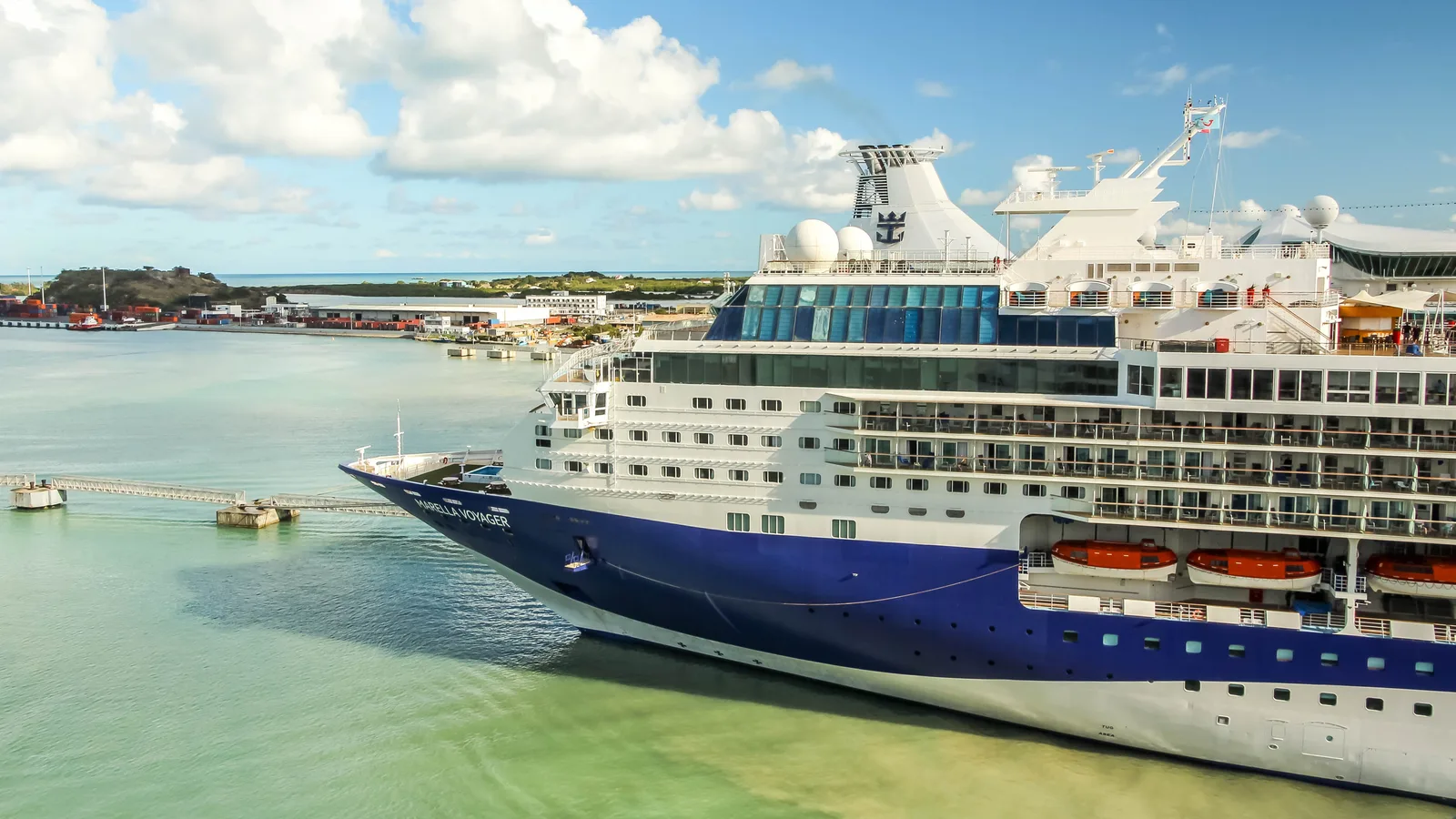
St. John’s makes sense when you look beyond the cruise quays
St. John’s is Antigua’s capital and a working port city, with museums, shopping streets and public services behind its waterfront. It is worth visiting for a fuller understanding of the island, particularly if your accommodation otherwise keeps you within a beach resort. For people assessing a move, the capital is where sightseeing can give way to the practical questions of commuting, appointments and household shopping.
The city is on Antigua, not Barbuda, and should not be confused with similarly named places elsewhere in the Caribbean or Canada. VisaWand’s Antigua and Barbuda location directory and destination page provide a starting point for comparing the country’s locations. An island address does not necessarily mean a room within walking distance of the central streets.
Give the capital a deliberate place in the itinerary: a full day for a selective introduction, or longer if museums and everyday city life interest you. Beach time and excursions elsewhere on Antigua can then have their own space rather than being squeezed around a hurried shopping stop.
The harbour, courthouse and cathedral tell different stories
St. John’s landmarks offer several ways into Antigua and Barbuda’s history. In the capital, the harbour frontage, cathedral and former courthouse tell different parts of that story.
The Museum of Antigua and Barbuda occupies the former courthouse, while Government House now has a separate museum concerned with governance and the people associated with the residence. They are distinct institutions. Decide whether one suits your interests or whether you want time for both; neither is simply another name for the other.
Look beyond the cruise-facing shops to the streets where the city conducts ordinary business. Walk at a pace that lets you notice the relationship between port, commerce and civic buildings.
Choose your base by the coast and the daily journey
The centre is useful for city visits, shopping and appointments. Dickenson Bay and Runaway Bay belong to the developed northwest coastal area, while Jolly Harbour and English Harbour offer different settings elsewhere on Antigua. They are alternatives to compare, not districts of one continuously walkable downtown.
The tourism authority’s beaches-by-coast guide helps establish those geographical distinctions. Before booking, identify your accommodation’s exact entrance and the beach or services you expect to use. A property described as near St. John’s may still require transport for dinner or an errand, and a sea view does not establish direct swimming access.
For a short holiday, count the activities you will repeat most often. For a longer stay, add work, school, groceries and medical appointments to that calculation. A modest room close to your routine may prove more convenient than a larger property that requires several separate journeys each day. Check the final walking section as carefully as the driving route.
Start with the Museum of Antigua and Barbuda
The Museum of Antigua and Barbuda gives the city visit depth beyond shopping. Its operator describes galleries covering the islands’ geography, geology and material culture, past and present. Founded in 1985, the museum occupies the former St. John’s Courthouse, built in 1750, making the setting part of the experience.
Use the displays to ask how the islands developed and whose work shaped their economy and communities. The museum also maintains a research library, which may interest visitors pursuing a particular historical question. A research visit needs a different arrangement from a casual look around the galleries; explain your interests before arriving with expectations of staff time or access to collections.
Use the museum’s contact page to confirm current admission, opening and access requirements. Allow enough time for the interpretation rather than fitting the museum into the final minutes before a transfer. With children, choose a few themes to explore together and leave room for questions instead of trying to read every label.
Government House Museum adds a new perspective
The tourism authority’s Government House Museum listing places this separate attraction at Independence Drive and Church Street. Its focus is the residence, its occupants, the people who worked there and the changing political and social life of Antigua and Barbuda. It can complement the courthouse museum when governance and the nation’s public life interest you.
The museum’s own visitor information says restoration was completed in 2026. It advertises May–October opening from 9am–3pm on five days a week, and November–April opening from 9am–4pm daily. The five operating days are not specified in that summary, so confirm your date before planning around it.
An introductory museum-tour rate of US$15 for international visitors and EC$15 for local visitors is explicitly dated to end on 31 October 2026. Check the rate for any later visit. The museum specifies no beachwear. Build this into a city day with appropriate clothing, rather than expecting to arrive directly from swimming without changing.
Treat the cathedral as a working place of worship
St. John’s Cathedral is one of the capital’s distinctive landmarks, its twin towers rising above surrounding buildings. A visit can be a useful contrast to the harbour and museums, but church access depends on worship, local arrangements and any conservation work. The exterior can remain part of your walk even when the interior is unavailable.
Ask about current visiting hours and any admission or donation arrangement locally. Do not assume a fee or timetable copied from an older travel account still applies. Follow the instructions of church staff, dress appropriately and ask before photography. Services and private ceremonies take precedence over sightseeing.
If steps or uneven surfaces are difficult for your party, establish the actual route before committing to the visit. A building’s prominence on the skyline does not mean the approach will be comfortable for everyone.
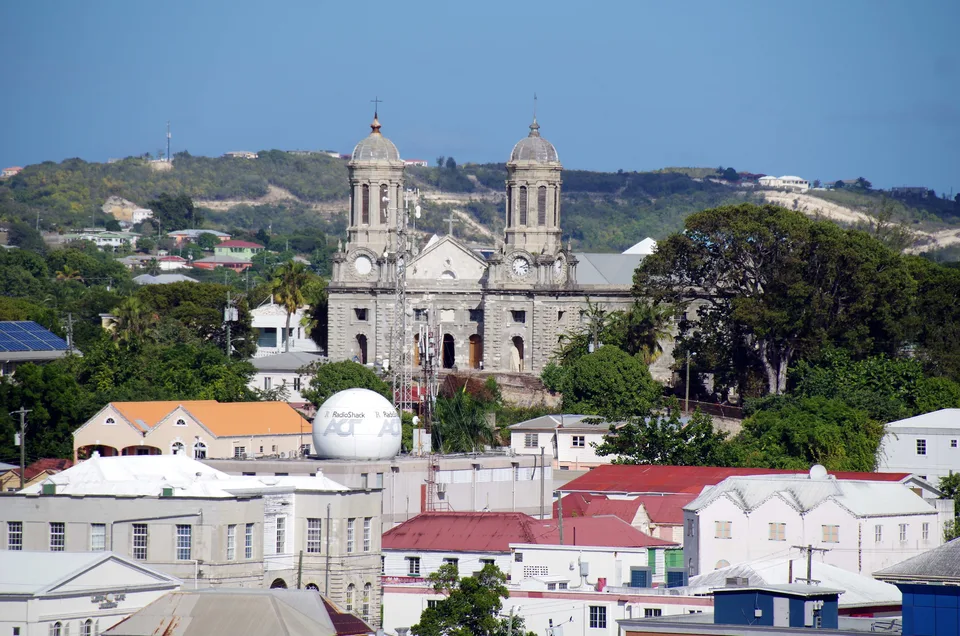
Explore the quays with time for the streets behind them
The waterfront is a useful place to orient yourself, especially on a cruise call. Heritage Quay and Redcliffe Quay introduce the capital’s shopping and visitor-facing side, but the interest of St. John’s extends into its museums and everyday commercial streets. Leave time to look beyond the first cluster of souvenir shops.
Redcliffe Quay also appears in the tourism authority’s Art Week programme, which connects galleries, artists and cultural events. Use the current programme when planning for a particular exhibition or evening. A festival listing does not mean the same performances or workshops happen every week, or that every gallery keeps identical hours.
For art or craft purchases, ask who made the item, what materials were used and how it can be packed for travel. Keep receipts and consider customs restrictions at your next destination. For a more expensive purchase, establish returns and shipping terms before paying. Browse selectively rather than spending the whole city visit carrying purchases from one stop to another.
Fort James changes the scale of the harbour
Fort James offers a way to understand the harbour entrance outside the central shopping streets. The museum’s Fort James heritage brochure provides historical context for the site. It is a different fort from Fort Barrington, which is associated with the other side of the harbour approach; confirm the destination when arranging transport.
Treat a visit as an outdoor heritage stop. Choose shoes for uneven ground, carry water and avoid climbing on vulnerable masonry or treating old structures as play equipment. Ask about present access conditions rather than assuming every part is open or supervised. The surrounding coastal setting is part of the attraction, but it should not distract from footing or exposed edges.
A fort visit works best with a return plan. Establish the pickup point and whether your fare includes waiting before you leave the vehicle. If the rest of your group prefers the beach, decide how you will divide the time without leaving anyone with an unexpectedly long walk back to the city.
Beach choices near the capital need their own plan
Dickenson Bay is a possible choice when you want a developed beach setting around a stay in the northwest. Fort James Beach and Deep Bay offer other coastal options to investigate near the capital. Choose the experience you want first: access to dining and facilities, a shorter outing or a more substantial coastal day.
Verify the route from your actual accommodation or cruise berth. Beach access, a reserved lounger and a restaurant table are separate arrangements; one does not necessarily include the others. Ask about shade, toilets and changing facilities if those are important to your party. Confirm any equipment rental and supervision directly with the operator.
Swimming conditions vary, so assess the water on arrival and follow local instructions. A pleasant beach walk can still make a worthwhile outing when the sea is unsuitable for your abilities. Keep a non-swimming option for companions and allow time to change afterwards. Trying to fit a beach stop between several timed museum visits usually leaves too little room for either experience.
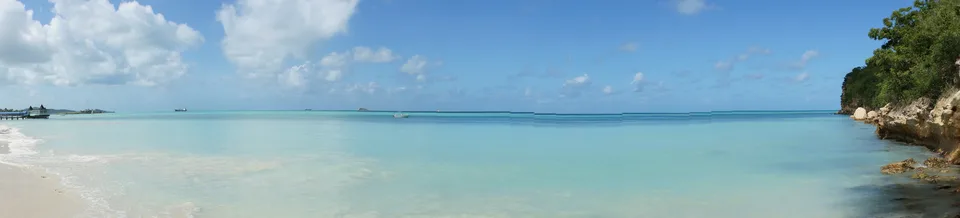
Accommodation ranges from a city room to a coastal resort
The Department of Marine Services’ country information describes a range including business hotels, guesthouses, holiday condominiums and resorts. Those categories are useful starting points, but the specific property and address determine whether a stay works. Compare the room, access and terms rather than assuming a familiar category guarantees particular facilities.
A city-focused visitor may value reception assistance, luggage storage and short journeys to appointments. A longer-stay household may put more weight on a kitchen, laundry, grocery access and reliable internet. Families should confirm actual bedding and supervision around water, while anyone with limited mobility needs details about steps between the drop-off, reception and room.
Read the complete price, including taxes, cleaning charges and any electricity allowance. Ask about deposits, cancellations, parking and late check-in. For a coastal property, establish exactly where you can swim and what facilities are included. Compare the likely transport bill alongside the room rate; a cheaper address can become expensive when every meal or outing needs a separate transfer.
Arriving at V.C. Bird and reaching the right address
V.C. Bird International Airport is the air gateway for most visitors arriving on Antigua. Its official taxi page says approved drivers must be uniformed and display badges at the front window. Use authorized ground transport and confirm your destination and complete fare before departure.
Give the provider the exact accommodation address, party size, luggage and any child-seat or mobility requirement. Ask whether the quoted amount covers the vehicle or each passenger, and which currency applies. A booking should include a clear meeting arrangement and a plan for flight delays, particularly when you arrive outside your accommodation’s normal reception hours.
The airport’s car-rental information explains that rental facilities can involve a shuttle. Check collection and return arrangements, insurance, the excess and deposit before paying. Allow time for the handover separately from airline check-in on departure. Keep the final day realistic rather than assuming a sightseeing stop, car return and flight can all be fitted into a narrow margin.
Buses can help, but the return journey matters
The tourism authority’s getting-around page identifies the East and West bus stations and warns that schedules can be unpredictable. Before boarding, establish the route, destination and current fare, then ask how to make the return. A service reaching a village may still leave a significant final walk to your accommodation or beach.
For late arrivals, bulky luggage or a fixed appointment, a prearranged taxi may be more suitable. Agree whether waiting or additional stops change the fare. Keep the destination written down and save your accommodation contact rather than relying entirely on a live map connection.
If renting a car, driving is on the left and visitors need the appropriate temporary permit. The tourism authority publishes an EC$50 permit fee; confirm the current process and whether the rental quote includes it. Inspect the vehicle, record damage and ask about roadside assistance. Compare the full rental cost with your intended journeys before making a car essential to a largely city-based stay.
Let food and practical shopping shape a pause
The tourism authority’s culinary-heritage guide highlights saltfish and fungi, pepperpot and seafood among Antigua and Barbuda’s characteristic foods. Ask what is available at a market stall or café that day rather than arriving with an expectation that every vendor serves every speciality.
Clarify portion size, side dishes, ingredients and the total price. Fish and mixed dishes deserve particular attention for anyone with allergies. Take recommendations as a starting point, then make your own choice from the menu and conditions you find. A relaxed meal in the middle of a city day can be more useful than crossing town to chase several supposed essentials.
For self-catering, check where groceries fit into the route to your accommodation and whether you will need transport for a larger shop. Buy only what you can carry and store properly. Household supplies, laundry and cooking equipment become more significant on a longer stay than the souvenir-shopping options around the quays. Plan those errands during your assessment visit rather than discovering the gaps after moving in.
Budget in clearly labelled EC and US dollars
Antigua and Barbuda uses the Eastern Caribbean dollar, coded XCD and commonly written EC$. The Eastern Caribbean Central Bank’s 2026 communiqué confirms the peg of EC$2.70 to US$1. Ask which dollar a quoted amount refers to before accepting a taxi, activity or card charge, and check any conversion or transaction fees.
Build a budget from the stay you actually plan: accommodation, airport transport, meals, local journeys and selected admissions. The dated Government House introductory rate and the published visitor driving-permit fee are concrete planning items, not a universal daily spending estimate. Confirm inclusions and validity dates before treating them as fixed costs.
A city walk, two museums and a beach transfer create a different bill from a full-day private island tour. For a household, request current rent terms and recent utility bills instead of relying on an unsupported average. Keep a reserve for changed transport or weather-disrupted plans, plus a backup payment method. Compare packages on their actual inclusions rather than on similar-sounding names.
Choose the season, then check the actual forecast
Antigua and Barbuda’s Fourth National Communication on climate change describes a tropical climate with wet and dry seasons. Seasonal patterns help with broad trip planning, but they do not predict the conditions of an individual beach afternoon or flight. Leave flexibility in bookings and avoid judging a whole trip from a long-range weather icon.
The hurricane season generally runs June–November. Follow the national Meteorological Services’ forecasts and warnings close to travel, especially before boating, spending time at exposed coastal sites or arranging an island transfer. A day that remains comfortable in the capital may not suit every marine activity.
For city walking, start early enough to include a substantial indoor stop and time for water and shade. Choose shoes that work on wet paving as well as around historic sites. If heavy rain changes your programme, move the fort or beach visit rather than trying to keep every original stop. Ask your accommodation and transport provider how disruption affects access and cancellation arrangements.
A three-day programme with a different purpose each day
Use day one for the central waterfront, cathedral and Museum of Antigua and Barbuda. Leave time for lunch and the streets behind the quays. Arrange the sequence around confirmed opening and your starting point rather than walking the same stretch repeatedly. Cruise passengers should reduce this to the time their berth and all-aboard deadline actually permit.
Day two can centre on Government House Museum, followed by a quieter afternoon or a beach visit. Check the museum’s seasonal operating days, dress requirements and current tour rate. If museums are your main interest, spend longer on the exhibitions instead of adding a swim simply because it appears nearby on a map.
Day three can focus on Fort James and the northwest coast, or become a separate outing to English Harbour. Prospective residents can use it for housing viewings, a grocery trip and a weekday commute test. Keep one major purpose for the day; an island’s modest size does not remove the time needed for transfers, visits and unplanned delays.
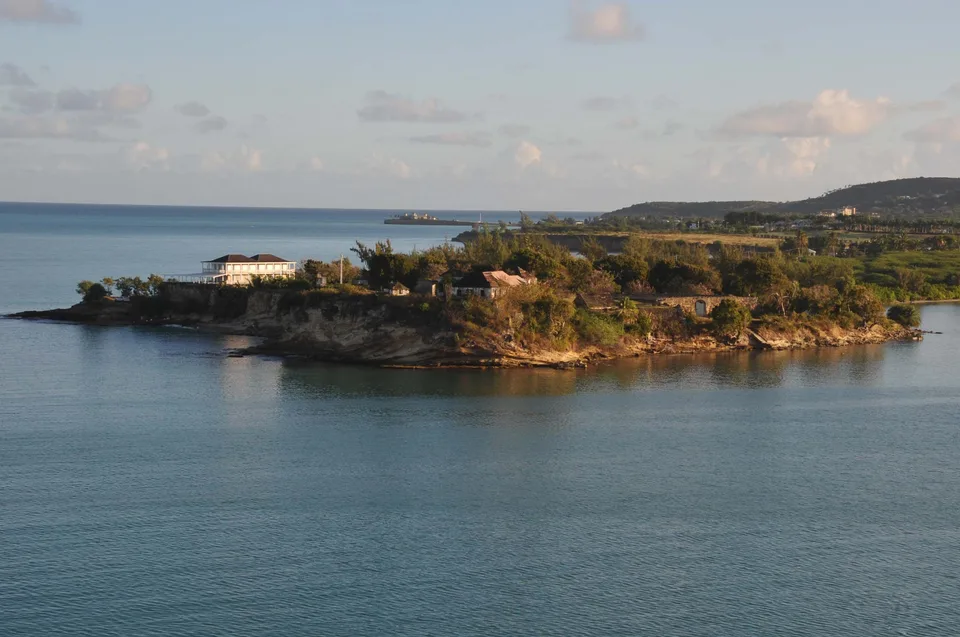
Compare English Harbour and Jolly Harbour as separate bases
The UNESCO-listed Antigua Naval Dockyard and related sites provide a reason for a separate English Harbour visit. Their Georgian naval buildings and the skilled labour of enslaved Africans belong to a history that deserves time and interpretation. The World Heritage designation concerns that defined property, not the whole of St. John’s or all of Antigua.
VisaWand’s English Harbour Town location page can help you compare the area, while the Jolly Harbour location page offers another west-coast setting to assess. Choose a base around the experiences and daily journeys you want, including the airport connection. A visit elsewhere on the island does not require moving accommodation, but repeated long journeys may change the calculation.
Barbuda is a separate island and requires its own air or sea arrangements. Do not add it casually to a tightly scheduled capital visit or cruise call. Confirm current transport, the onward programme and the return before committing, especially when weather could affect the connection.
Moving means testing utilities, healthcare and an ordinary week
Inspect prospective housing in person where possible. Test water pressure, ventilation, appliances, internet performance, access steps and evening noise. Read the lease for deposits, notice, repairs and included services, and record the condition and inventory before handover. A comfortable holiday address may still be inconvenient for work, school or household shopping.
The APUA customer forms distinguish service applications, while its 2026 water-service form identifies both property status and existing service-location details. Establish whether the property needs a new connection, reinstatement or an account change, and who must apply. Photograph meter readings and ask about water storage and maintenance before assuming the landlord has resolved everything.
Sir Lester Bird Medical Centre is the current name of the institution formerly known as Mount St. John’s Medical Centre. Confirm appointments, insurance authorization and payment directly with the provider. Arrange continuity for medication or ongoing treatment before moving. Visitor cover, resident eligibility and availability of a particular specialist are separate matters that should be settled for your circumstances.
Entry, employment, residence and study are separate decisions
The tourism authority’s practical FAQ calls for a valid passport, onward or return travel, accommodation confirmation and sufficient funds. Use the Immigration Department for nationality-specific visa requirements and the permitted stay. The official arrival-system announcement explains the electronic process for V.C. Bird passengers; an arrival declaration is not a visa or permission to work.
Immigration’s extension guidance says visitors seeking more time should apply at least a week before their permission expires. It distinguishes a Labour Department work permit from Immigration permission and residence status. Do not assume employment approval alone settles your lawful stay or your family’s position; investigate residency requirements separately.
The student-permit FAQ says approval should be obtained before arrival for study and does not permit general employment on a student permit. Ask the institution and authorities about your particular course or placement. VisaWand’s consultant listings can help you compare advisers. Renting or buying property, enrolling on a course or submitting an application should never be treated as a guaranteed immigration outcome.
Official planning resources
Reviewed 17 October 2026. Use the official resources linked throughout this guide for admission, transport, housing and immigration decisions. Prices, services and rules can change; confirm the details relevant to your dates. Photography illustrates the locations and is not a live view.
View all official resources
- Tourism Authority: beaches by coast
- Museum of Antigua and Barbuda
- Museum of Antigua and Barbuda: contact
- Tourism Authority: Government House Museum
- Government House Museum: visiting information
- Tourism Authority: Art Week
- Museum of Antigua and Barbuda: Fort James brochure
- Department of Marine Services: Antigua and Barbuda
- V.C. Bird International Airport: taxis
- V.C. Bird International Airport: car rental
- Tourism Authority: getting around
- Tourism Authority: culinary heritage
- ECCB: 112th Monetary Council communiqué
- Government of Antigua and Barbuda: Fourth National Communication
- Antigua and Barbuda Meteorological Services
- UNESCO: Antigua Naval Dockyard
- Antigua Public Utilities Authority: customer forms
- APUA: 2026 water-service application
- Sir Lester Bird Medical Centre
- Tourism Authority: practical questions
- Department of Immigration
- Tourism Authority: official arrival-system announcement
- Immigration Department: extensions and employment status
- Immigration Department: residency permits
- Immigration Department: student permits
Plan the next part of your journey
Explore the Antigua and Barbuda guide, browse other cities or compare consultants for your travel and relocation questions.